Honda VSA Solenoid Valve Malfunction is a problem related to the hydraulic control system that manages vehicle stability, traction control, and ABS functions. When the Vehicle Stability Assist system detects that a solenoid valve cannot control brake pressure correctly, it stores a fault code and may activate warning lights on the dashboard.
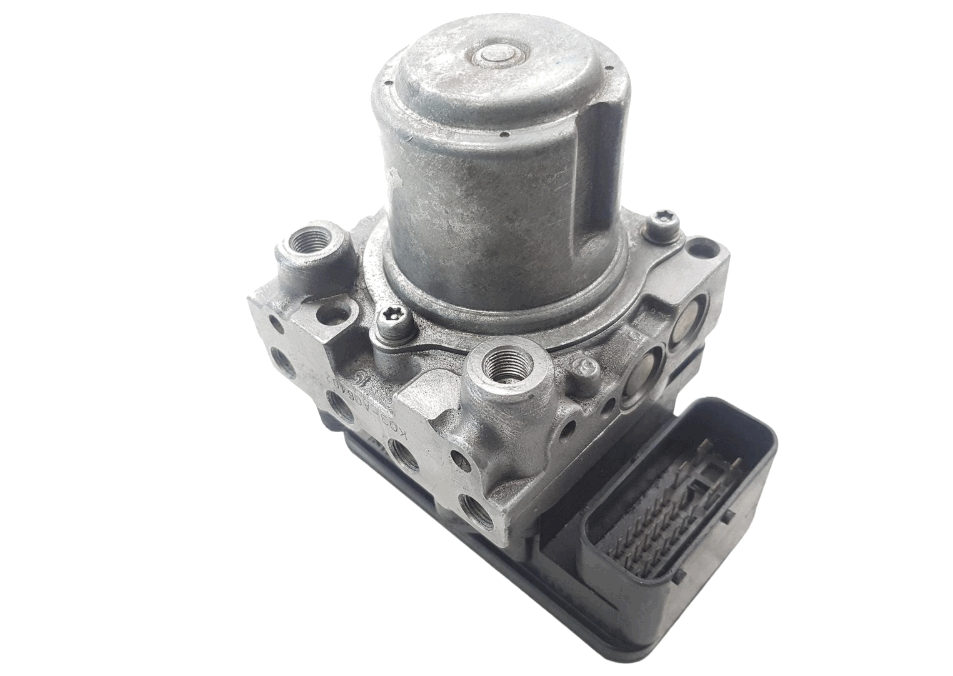
The solenoid valves inside the ABS/VSA modulator unit regulate brake fluid pressure to individual wheels during stability corrections. If these valves fail, become restricted, or receive incorrect electrical signals, the VSA system may not operate as designed. This does not always mean the basic braking system has completely failed, but it indicates that important safety assistance features may be unavailable.
The most common reasons for Honda VSA Solenoid Valve Malfunction include contaminated brake fluid, ABS/VSA modulator problems, electrical failures, and sensor related issues. Identifying the exact cause requires proper diagnosis instead of replacing parts without testing.
This guide explains what Honda VSA Solenoid Valve Malfunction means, the symptoms drivers should recognize, the causes behind the failure, the diagnostic process, and the available repair solutions. Understanding how the VSA system works helps Honda owners make better decisions when dealing with warning lights and stability control problems.
What Does Honda VSA Solenoid Valve Malfunction Mean?
Honda VSA Solenoid Valve Malfunction means that the Vehicle Stability Assist system has detected a problem with the solenoid valves responsible for controlling hydraulic brake pressure. These valves are located inside the ABS/VSA modulator unit and regulate how brake fluid moves to each wheel during stability corrections. When the system detects that a valve cannot open, close, or respond correctly, it records a fault and may disable some VSA functions.
The Honda VSA system works together with the Anti lock Braking System and traction control system to maintain vehicle stability. When sensors detect wheel slip, oversteering, or understeering, the VSA control module adjusts brake pressure at specific wheels and may reduce engine torque. The solenoid valves are essential because they control the hydraulic pressure changes needed for these corrections.
A malfunction can occur when the solenoid valve has an electrical problem, internal mechanical damage, restricted movement, or incorrect hydraulic pressure. The vehicle control module continuously monitors the operation of these components and compares expected valve performance with actual system responses. When the difference exceeds the programmed limit, the VSA warning light or ABS warning light may appear.
The Honda VSA Solenoid Valve Malfunction does not always indicate complete brake failure. In many cases, normal braking remains available because the basic hydraulic brake system operates separately from stability assistance functions. However, the vehicle may lose important safety features such as automatic brake intervention, traction control support, and stability correction during emergency driving situations.
Understanding this malfunction requires looking at the relationship between the solenoid valve, ABS/VSA modulator unit, brake fluid system, and electronic control components. Proper diagnosis is necessary because the same warning message can result from different failures within the VSA system.
What Are the Common Symptoms of Honda VSA Solenoid Valve Malfunction?
The common symptoms of Honda VSA Solenoid Valve Malfunction include warning lights on the dashboard, reduced stability control performance, stored diagnostic trouble codes, and changes in ABS or traction control operation. These symptoms appear because the VSA system cannot properly regulate brake pressure when the solenoid valve or related components do not respond correctly.
The most noticeable symptom is the activation of the VSA warning light. In many Honda models, the dashboard may also display the ABS warning light, traction control warning light, or a message indicating a problem with the stability assist system. These warning signals occur because the vehicle control module detects an abnormal condition and prevents the system from performing automatic stability corrections until the issue is resolved.
Another common symptom is the loss of VSA or traction control assistance during driving. The vehicle may still brake normally under regular conditions, but it may not automatically apply braking force to individual wheels when detecting wheel slip or loss of control. This difference is important because the basic braking system and the electronic stability system perform different functions.
Some drivers may also notice stored diagnostic trouble codes when the vehicle is scanned with an OBD diagnostic tool. These codes help identify whether the problem is related to the solenoid valve, ABS/VSA modulator unit, electrical connections, or another component within the stability control system.
In certain cases, Honda owners may experience unusual ABS activation, reduced traction control response, or inconsistent system operation during slippery road conditions. These symptoms usually appear when the vehicle requires VSA assistance, such as during acceleration on wet roads, sharp turns, or sudden steering changes.
Recognizing these symptoms early helps prevent unnecessary repairs and allows technicians to identify whether the malfunction comes from the solenoid valve itself or another related component.
What Causes Honda VSA Solenoid Valve Malfunction?
Honda VSA Solenoid Valve Malfunction is mainly caused by hydraulic problems, electrical failures, component damage, and incorrect sensor signals. The VSA system uses several components to control vehicle stability. These components include the ABS/VSA modulator unit, control module, sensors, and brake hydraulic system.
One common cause is old or contaminated brake fluid. Brake fluid absorbs moisture over time. This changes its performance and reduces hydraulic efficiency. Moisture can also create corrosion inside the ABS/VSA modulator unit. As corrosion develops, the solenoid valve may become restricted. The valve may no longer control brake pressure correctly.
Another cause is internal failure inside the ABS/VSA modulator unit. The solenoid valves are part of this assembly. They control the flow of brake fluid during stability corrections. Mechanical wear can prevent proper valve movement. Electrical damage can also stop the valve from responding.
Electrical problems are another source of VSA solenoid valve errors. Damaged wires can interrupt communication. Corroded connectors can reduce signal quality. Low voltage can also affect system operation. When the control module receives incorrect information, it may disable VSA functions.
Wheel speed sensors can also create related problems. These sensors measure the rotation speed of each wheel. The VSA system uses this data to detect wheel slip. A faulty sensor can send incorrect information to the control module. The system may then activate warning lights or store fault codes.
Battery problems and communication errors can cause temporary VSA faults. However, replacing the solenoid valve immediately is not always the correct solution. A complete diagnosis helps identify the real cause and prevents unnecessary repairs.
How Do You Diagnose Honda VSA Solenoid Valve Malfunction?
Diagnosing Honda VSA Solenoid Valve Malfunction requires identifying whether the problem comes from the solenoid valve, hydraulic system, electrical circuit, or related sensors. A proper diagnosis prevents unnecessary replacement of expensive components. Technicians usually follow a structured testing process to find the actual failure.
The first step is scanning the vehicle for diagnostic trouble codes. A Honda compatible scan tool can read ABS and VSA related fault codes. These codes provide information about the affected system area. They may indicate problems with the solenoid valve, modulator unit, sensors, or communication circuits.
The next step is inspecting the ABS/VSA modulator unit. Technicians check the electrical connectors and wiring condition. Loose connections, damaged wires, or corrosion can interrupt communication. A visual inspection can reveal problems before advanced testing begins.
Brake fluid inspection is another important diagnostic step. The condition of the fluid affects hydraulic performance. Dark or contaminated brake fluid may indicate internal system problems. If the fluid contains moisture or debris, it can affect solenoid valve movement.
Testing the solenoid valve requires specialized equipment. Technicians may check electrical resistance, valve activation, and hydraulic response. These tests show whether the valve can open and close correctly. They also help separate a solenoid problem from a control module or wiring issue.
Sensor testing may also be required. The VSA system depends on accurate information from wheel speed sensors, steering angle sensors, and yaw rate sensors. Incorrect sensor data can create symptoms that appear similar to a solenoid valve failure.
A complete diagnosis is important because the ABS/VSA system contains multiple connected components. Replacing the ABS/VSA modulator unit without confirming the failure can create unnecessary expenses. Accurate testing identifies the correct repair method and restores proper vehicle stability functions.
How Do You Fix Honda VSA Solenoid Valve Malfunction?
Fixing Honda VSA Solenoid Valve Malfunction depends on the actual cause of the failure. Some cases require simple maintenance, while others need component repair or replacement. The correct solution comes from accurate diagnosis of the VSA and ABS hydraulic system.
Brake fluid replacement can solve some VSA solenoid valve problems. Old brake fluid may contain moisture, dirt, or other contaminants. These substances can affect hydraulic performance and restrict valve movement. Replacing the fluid and bleeding the brake system can restore proper operation when contamination is the main cause.
Electrical repairs may also fix the malfunction. Technicians inspect wiring, connectors, and voltage supply before replacing major components. A damaged connector or broken wire can prevent the solenoid valve from receiving correct signals. Repairing the electrical connection may restore normal VSA operation.
In some situations, cleaning or repairing the solenoid valve may be possible. This option depends on the type of damage and the condition of the ABS/VSA modulator unit. Minor restrictions caused by contamination may be corrected. However, internal mechanical failure usually requires further repair.
The ABS/VSA modulator unit may need replacement when the solenoid valve has permanent damage. This unit contains the hydraulic control valves and electronic components that manage brake pressure. Internal failures cannot always be repaired separately. Replacement becomes necessary when testing confirms that the assembly cannot operate correctly.
After repairs are completed, the VSA system should be tested again. Technicians usually clear stored fault codes and perform a system check. A road test confirms whether the warning lights remain off and whether stability functions work correctly.
The best repair approach depends on the failure source. Replacing expensive components without proper diagnosis can increase repair costs. A complete inspection ensures that Honda owners receive the correct solution.
Can You Drive With Honda VSA Solenoid Valve Malfunction?
You can usually drive with Honda VSA Solenoid Valve Malfunction for a short distance, but the vehicle may not have full stability control protection. The basic braking system and the VSA system perform different functions. A VSA malfunction does not always mean the brakes have completely failed.
The main concern is the loss of electronic stability assistance. The VSA system helps prevent wheel slip and loss of control during difficult driving conditions. It can apply braking force to individual wheels and reduce engine power when the vehicle becomes unstable. When the solenoid valve fails, these automatic corrections may not work properly.
Normal braking may continue to operate because the hydraulic brake system can still create braking force. However, the vehicle may have reduced safety support during emergency situations. This includes driving on wet roads, slippery surfaces, sharp turns, or sudden lane changes.
Drivers should pay attention to additional warning signs. A flashing VSA light, ABS warning light, unusual brake behavior, or reduced braking performance requires immediate inspection. These symptoms may indicate a larger problem involving the ABS/VSA modulator unit or another brake system component.
Continuing to drive for a long period without diagnosis can increase safety risks. The malfunction may also affect other connected systems if the underlying problem becomes worse. A professional inspection can determine whether the issue is a minor electrical fault or a major hydraulic failure.
The safest approach is to diagnose Honda VSA Solenoid Valve Malfunction as soon as possible. Early inspection helps restore stability control functions and prevents unexpected problems during critical driving conditions.
How Much Does Honda VSA Solenoid Valve Repair Cost?
Honda VSA Solenoid Valve repair costs depend on the failed component, diagnostic requirements, labor time, and vehicle model. A simple electrical repair usually costs less than replacing the complete ABS/VSA modulator unit. The final price depends on the exact cause identified during diagnosis.
The first cost factor is the diagnostic process. Technicians need to scan the VSA system and identify stored fault codes. A professional diagnosis helps determine whether the problem comes from the solenoid valve, wiring, sensors, or the hydraulic control unit. This step prevents unnecessary replacement of expensive parts.
Brake fluid service is usually one of the lower cost repairs. If contaminated fluid affects solenoid valve operation, replacing the fluid and bleeding the brake system may restore proper performance. This repair is often considered during regular brake maintenance.
Electrical repairs can have different costs depending on the failure location. A damaged connector or wiring issue may require only a small repair. However, repairing difficult to access wiring or replacing damaged electronic components can increase labor time.
The most expensive repair option is usually replacing the ABS/VSA modulator unit. This component contains the hydraulic valves and electronic control parts. Replacement costs are higher because the unit is complex and requires additional installation procedures. Some vehicles may also require system calibration after replacement.
The best way to reduce repair costs is to diagnose the problem before replacing components. Honda VSA Solenoid Valve Malfunction can come from several different causes. Accurate testing helps identify the correct repair and avoids unnecessary expenses.
Conclusion
Honda VSA Solenoid Valve Malfunction is a warning that the vehicle stability system has detected a problem with hydraulic pressure control or electronic communication. The issue can come from several sources, including contaminated brake fluid, ABS/VSA modulator failure, electrical problems, or incorrect sensor signals.
Finding the correct cause is the most important step before performing repairs. The VSA system contains multiple connected components, and the same warning message can appear from different failures. Proper diagnosis helps identify whether the vehicle needs fluid service, electrical repair, component repair, or ABS/VSA modulator replacement.
Driving with this malfunction may still be possible in some situations, but the vehicle may lose important stability assistance features. The VSA system helps control wheel slip and maintain vehicle stability during challenging driving conditions. Restoring this function improves safety and prevents future system problems.
Regular brake maintenance, correct brake fluid replacement, and early inspection of warning lights can help prevent serious VSA issues. When Honda VSA Solenoid Valve Malfunction appears, addressing the problem early is the best way to maintain reliable braking performance and vehicle stability.