Lexus Park Assist may stop beeping for several reasons. The system may be off, muted, or set to a low volume. Dirt or debris may also block a parking sensor. In other cases, a faulty sensor or electrical problem can stop the warning sound.
Start by checking whether the parking sensors still detect nearby objects. Look for a visual warning on the dashboard or display as you approach an obstacle. If the display works but you hear no beep, check the sound settings first. The warning volume may be too low, or the audible alert may be muted.
The problem requires a different approach when the system does not detect obstacles. Inspect each parking sensor for dirt, mud, snow, ice, or visible damage. Clean sensors can still fail because of damaged wiring, poor electrical connections, or internal sensor faults.
Lexus uses different parking assist systems across its vehicle lineup. Controls and menu locations also vary by model and model year. Check your owner’s manual when a setting in this guide does not match your vehicle. This guide covers the main causes, diagnostic steps, practical fixes, and signs that require professional service.
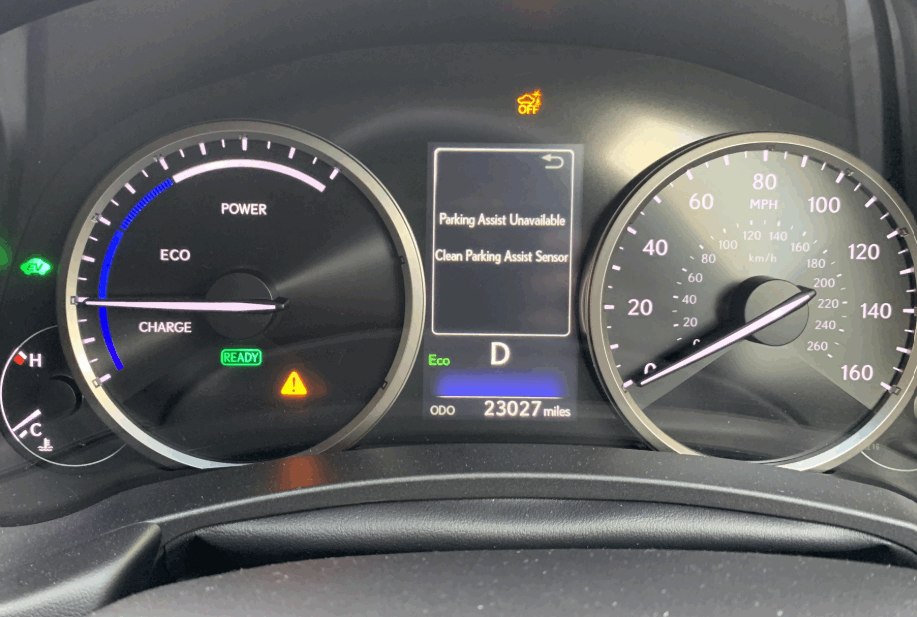
Why Is My Lexus Park Assist Not Beeping?
Your Lexus Park Assist may not beep because of disabled settings, low warning volume, blocked sensors, sensor failure, or an electrical fault. Start with the settings because they are easier to check. Then inspect the sensors before looking for a more complex system problem.
First, confirm that Park Assist is active. A driver may turn the feature off through the vehicle settings or a dedicated control. The exact controls vary between Lexus models and model years. Also, check the warning volume if the system still detects nearby objects. A low or muted alert can make a working system seem faulty.
Next, inspect the parking sensors. Dirt, mud, snow, ice, or other debris can cover a sensor and affect object detection. Clean the sensor surfaces and test the system again. Physical damage can also prevent a sensor from working correctly.
Pay attention to the visual warnings during the test. A display that detects an obstacle without producing a beep suggests that part of the detection system still works. In this case, check the audible warning settings before assuming that a sensor has failed.
The problem may require further diagnosis if both visual and audible warnings remain inactive. A faulty sensor, damaged connection, wiring problem, or control related fault may interrupt the system. Professional diagnosis can identify the affected component when basic checks do not restore normal operation.
How Can I Tell Why My Lexus Parking Sensors Are Not Beeping?
You can identify the cause by checking the system status, visual warnings, individual sensors, and audible alerts in order. This process helps separate a sound setting problem from a sensor or system fault.
Start by confirming that the parking assist system is active. Then move the vehicle slowly toward a safe, stationary object. Watch the dashboard or vehicle display for a parking sensor warning. Keep enough distance to stop safely during the test.
A visual warning without a beep provides an important clue. The system is detecting the object, so the sensors may still be working. Check the warning volume and sound settings before investigating sensor failure. This simple distinction can prevent unnecessary repairs.
Next, determine whether the problem affects every sensor or only one area. Test the front and rear sensing zones where your Lexus has parking sensors. A single area that repeatedly fails to detect an object may point to a local sensor problem. Check that sensor for dirt, debris, damage, or an abnormal position.
A complete lack of visual and audible warnings requires broader diagnosis. Confirm the system settings again and inspect all accessible sensors. Look for a malfunction message on the vehicle display as well. Persistent problems may involve a sensor, wiring, electrical connection, or another part of the parking assist system.
Use these observations to narrow the problem before replacing any component. A parking sensor should not be considered faulty based only on the absence of a beep.
How Do I Turn the Park Assist Beep Back On in a Lexus?
Turn the Lexus Park Assist beep back on by checking the parking assist status, sound settings, and warning volume. Start with these controls when the display detects obstacles but the system produces no audible alert.
First, confirm that the parking assist system is active. Depending on the Lexus model, you may control the system through vehicle settings or another available control. Look for the parking assist or parking sensor setting and confirm its current status. Your owner’s manual can identify the correct control for your specific model.
Next, check the available sound settings. Make sure the warning sound is active and the volume is high enough to hear. A very low volume can make the system appear silent inside a moving vehicle. Increase the warning volume when your Lexus provides this adjustment.
Test the system after changing a setting. Move slowly toward a safe, stationary object while watching the vehicle display. Stop the vehicle if you get too close. A visual warning and an audible alert indicate that the system is responding to the obstacle.
Menu names and available controls differ across Lexus models and model years. Some vehicles may also use different names for their parking assistance features. Follow the owner’s manual when your vehicle does not show the settings described above.
Do not replace a parking sensor only because the warning sound is missing. If visual alerts still work after you confirm the sound settings, continue troubleshooting the audible warning system before replacing hardware.
How Do I Fix Lexus Park Assist That Is Not Beeping?
Fix Lexus Park Assist that is not beeping by checking the settings, inspecting the sensors, cleaning any obstruction, and testing the system again. Start with simple checks before considering sensor replacement or electrical diagnosis.
Confirm that Park Assist is active and that the warning sound is not muted. Next, inspect each visible parking sensor. Look for dirt, mud, snow, ice, or debris on the sensor surface. Also, check for obvious physical damage around the sensor and bumper.
Test the system again after correcting any setting or obstruction. Use a safe, stationary object and approach it slowly. Watch the vehicle display and listen for an audible warning. If normal warnings return, the problem likely involved a setting or temporary sensor obstruction.
Continue diagnosis when the problem remains. A persistent fault may involve a damaged sensor, electrical connection, wiring, or another system component. A malfunction message on the vehicle display also provides useful diagnostic information.
How Do I Clean Lexus Parking Sensors Correctly?
Clean Lexus parking sensors by gently removing dirt and debris from the sensor surfaces. Use a soft cloth and avoid damaging or pressing hard against the sensors.
Pay special attention to mud, road grime, snow, and ice. These materials can interfere with the area a sensor uses to detect nearby objects. Clean every accessible sensor rather than only the sensor that appears dirty.
Test Park Assist again after cleaning. If the warning returns to normal, an obstruction was likely affecting detection. Continue troubleshooting if the same symptom remains.
When Does a Lexus Parking Sensor Need Replacement?
A Lexus parking sensor may need replacement when it consistently fails after cleaning and proper system settings have been confirmed. Visible damage can also justify a closer inspection.
Do not use a missing beep alone as proof of sensor failure. Check whether the vehicle still shows visual obstacle warnings. A working visual warning can point toward the audible alert system instead.
Confirm the fault before replacing the sensor. Professional diagnostic equipment can help identify stored faults and isolate the affected component. This approach reduces the risk of replacing a working sensor while leaving the actual problem unresolved.
Why Does My Lexus Show a Parking Sensor Warning but Make No Sound?
Your Lexus may show a parking sensor warning without making a sound when object detection works but the audible alert does not. This symptom helps narrow the problem because the system still receives information from at least part of the parking sensor system.
Start by watching how the display responds to a nearby object. A visual warning that changes as the vehicle approaches an obstacle suggests that object detection is active. In this situation, check the warning sound settings before focusing on sensor replacement.
Next, check the warning volume. A low setting can make the parking alert difficult to hear inside the cabin. Road noise, music, and climate control noise can make the problem more noticeable. Increase the warning volume if your Lexus provides that option. Also, confirm that the relevant audible alert has not been muted.
Do not assume that every Lexus uses the same sound controls. Lexus models and model years can use different parking assist systems and menu layouts. Use the owner’s manual to identify the settings available on your vehicle.
The problem needs further diagnosis when visual warnings work but the sound remains absent after these checks. The fault may involve the audible warning function, its controls, or another related system component. Record any warning message that appears on the display. This information can help with later diagnosis.
Treat the visual warning as an important diagnostic clue. It can help separate an audible alert problem from a complete loss of parking sensor detection.
Why Does My Lexus Park Assist Beep Intermittently?
Lexus Park Assist may beep intermittently when sensor conditions, nearby objects, or an unstable sensor fault affect detection. An occasional missing beep does not always mean that a parking sensor has failed.
Start by checking the sensor surfaces. Dirt, water, mud, snow, and ice can affect how a parking sensor detects nearby objects. The condition may change as you drive or as the sensor surface becomes clean. This can make the warning appear inconsistent.
The object itself can also affect detection. Parking sensors work within specific detection areas and have practical limitations. The position, shape, and distance of an object can influence whether the system detects it. Test the system with a suitable stationary object before concluding that the sensor has a fault.
Next, look for a pattern. A problem that always occurs around one sensor location deserves closer inspection. Check that area for contamination, visible damage, or a sensor that does not sit correctly in the bumper. Recent bumper damage or repair can also provide an important diagnostic clue.
An electrical or sensor fault can also create intermittent symptoms. A poor connection may allow the system to work at one moment and fail at another. Persistent irregular behavior requires further diagnosis after you confirm the settings and clean the sensors.
Record when the problem occurs and which sensing area behaves differently. A consistent pattern gives you better evidence than an occasional missing beep. It also helps a technician isolate the fault if professional diagnosis becomes necessary.
How Can I Tell If a Lexus Parking Sensor Is Bad?
A bad Lexus parking sensor usually causes a consistent detection problem in the area that the sensor monitors. The problem should remain after you clean the sensor and confirm the correct Park Assist settings. A missing beep alone does not prove that the sensor has failed.
Start by comparing the sensing areas around the vehicle. Test the system with a safe, stationary object. Move slowly and watch the visual warning on the vehicle display. If one area repeatedly fails while other areas respond normally, a local sensor problem becomes more likely.
Inspect the affected sensor before considering replacement. Remove dirt, mud, snow, ice, or other debris from its surface. Look for visible damage and check whether the sensor sits correctly in the bumper. Then test the system again under similar conditions.
A recurring malfunction message provides another useful clue. Record the message and note when it appears. A diagnostic scan may reveal stored trouble codes that help identify the affected system or component. Further electrical testing may also be necessary when the sensor itself shows no visible damage.
Confirm the fault before replacing any parking sensor. The sensor may not be the cause when several sensing areas stop working at the same time. Wiring, electrical connections, or another system component may create similar symptoms. A proper diagnosis helps identify the failed component and prevents unnecessary replacement.
When Should Lexus Park Assist Be Professionally Diagnosed?
Lexus Park Assist needs professional diagnosis when basic checks do not restore the warning sound or object detection. Seek further diagnosis when the sensors are clean and the correct settings are active. A repeated malfunction warning also indicates that the system needs closer inspection.
Professional diagnosis becomes more important when one sensor consistently fails to detect objects. The same applies when several sensors stop responding at once. These patterns may indicate a sensor fault, wiring problem, poor electrical connection, or another system issue. Visual inspection alone may not identify the exact cause.
Recent bumper damage is another reason to have the system inspected. A collision can damage a sensor or affect its position. Bumper removal or repair may also disturb a sensor or its electrical connection. Tell the technician about recent bodywork when the problem started soon after a repair.
A diagnostic scan can provide more information when the vehicle stores a related trouble code. The technician can use the results with electrical and component tests to narrow the fault. This approach helps separate a failed sensor from wiring or control related problems.
Avoid replacing several components to find the problem through trial and error. Confirming the fault first reduces unnecessary repairs and costs. Professional diagnosis is the appropriate next step when settings, cleaning, and basic testing do not solve the problem.
What Should I Do If My Lexus Park Assist Still Does Not Beep?
Check the Park Assist settings, warning volume, and parking sensors first if your Lexus still does not beep. Confirm that the system is active and that the audible warning is not muted. Then clean the sensors and test the system again with a safe, stationary object.
Pay attention to both visual and audible warnings during the test. A visual warning without a beep suggests that object detection still works. In this case, focus on the warning sound settings before considering sensor replacement. If both warnings remain inactive, inspect the sensors and look for a malfunction message.
Persistent problems require a more detailed diagnosis. A damaged sensor, wiring fault, poor electrical connection, or another system component may prevent normal operation. Recent bumper damage or repair can also provide an important clue.
Avoid replacing parts without confirming the cause. Professional diagnosis can identify stored trouble codes and test the affected components. This approach helps restore Lexus Park Assist without unnecessary repairs and ensures the parking warning system works as intended.