The Honda CR-V is known for its comfort, reliability, and everyday practicality. However, like any vehicle, it can develop problems over time. One common concern among owners involves the air conditioning system.
Honda CR-V Air Conditioner Problems can affect driving comfort, especially during hot weather. Some owners may notice weak airflow, warm air from the vents, or an AC system that stops working properly. These issues can make daily driving stressful and uncomfortable.
Several factors can cause Honda CR-V AC problems. Low refrigerant levels, compressor damage, clogged cabin air filters, and electrical failures are some of the most common causes. Small issues can also become expensive repairs if owners ignore early warning signs.
Understanding the symptoms and causes helps drivers find the right solution faster. This guide covers the most common Honda CR-V air conditioner problems, explains why they happen, and provides practical fixes. It also includes repair cost information and maintenance tips to help prevent future AC failures.
Whether your Honda CR-V blows warm air, makes unusual sounds, or struggles to cool the cabin, this guide will help you understand the problem and choose the best next step.
Why Do Honda CR-V Air Conditioner Problems Happen?
The air conditioning system in a Honda CR-V depends on several components working together. When one part fails, the entire cooling system can lose performance. Many Honda CR-V Air Conditioner Problems start with small issues that owners may overlook.
One of the most common causes is low refrigerant. The AC system needs the correct amount of refrigerant to produce cold air. A leak in the hoses, seals, or condenser can reduce refrigerant levels over time. When this happens, the AC may blow warmer air or struggle to maintain a comfortable temperature.
Another common cause involves normal wear and tear. Components such as the AC compressor, condenser, and evaporator can lose efficiency as the vehicle gets older. The compressor plays a key role because it circulates refrigerant throughout the system. A weak or failing compressor can prevent the AC from cooling properly.
Electrical problems can also affect Honda CR-V AC performance. A damaged fuse, faulty relay, or failed sensor may stop the system from operating correctly. These issues can be difficult to identify without proper testing equipment.
Poor maintenance habits can increase the risk of AC problems. A dirty cabin air filter can restrict airflow and reduce cooling efficiency. A blocked condenser can also make it harder for the system to remove heat.
Understanding these common causes helps owners recognize problems early. Quick diagnosis can prevent minor AC issues from becoming expensive repairs.
Common Honda CR-V Air Conditioner Problems and Their Symptoms
Honda CR-V Air Conditioner Problems can appear in different ways. Some issues are easy to notice, while others develop slowly over time. Recognizing the symptoms early can help owners avoid expensive repairs and protect the AC system from further damage.
One common problem is the Honda CR-V AC blowing warm air. This usually means the system cannot create enough cold air for the cabin. Low refrigerant, compressor failure, or a damaged condenser can cause this issue. Drivers may notice that the air feels slightly cool at first but becomes warmer during longer trips.
Another frequent issue is weak or inconsistent cooling. The AC may work normally in the morning but struggle during hot afternoons. This problem often points to restricted airflow, a dirty cabin air filter, or a cooling system component that is losing efficiency.
Some Honda CR-V owners may also experience reduced airflow from the vents. Even when the AC produces cold air, a weak blower motor or clogged filter can prevent air from reaching the cabin properly. This makes the vehicle feel uncomfortable, especially on longer journeys.
Unusual sounds can also indicate AC problems. Clicking, grinding, or hissing noises may suggest issues with the compressor, refrigerant leaks, or damaged internal parts. These sounds should not be ignored because they often appear before a major failure.
Intermittent AC operation is another common concern. The system may cool properly at one moment and stop working later. Electrical faults, pressure sensor issues, or compressor clutch problems can create this inconsistent performance.
Understanding these symptoms helps Honda CR-V owners identify potential AC problems before they become more serious. Early inspection can save time, reduce repair costs, and restore reliable cooling performance.
Honda CR-V AC Compressor, Refrigerant, and Cooling System Failures
The Honda CR-V air conditioning system relies on several important components to deliver cold air. When the compressor, refrigerant system, or cooling components develop problems, the entire AC performance can suffer. These failures are among the most common reasons behind Honda CR-V Air Conditioner Problems.
The AC compressor is one of the most important parts of the system. It pushes refrigerant through the AC cycle and helps create cool air inside the cabin. A failing compressor can cause weak cooling, warm air from the vents, or unusual noises when the AC is running. Some owners may also notice that the compressor clutch does not engage properly.
Refrigerant problems are another major cause of AC failure. The system requires the correct refrigerant level to work efficiently. A leak can reduce cooling performance and force the compressor to work harder. Common leak locations include hoses, seals, and connection points. Simply adding refrigerant may only provide a temporary solution if the system has an active leak.
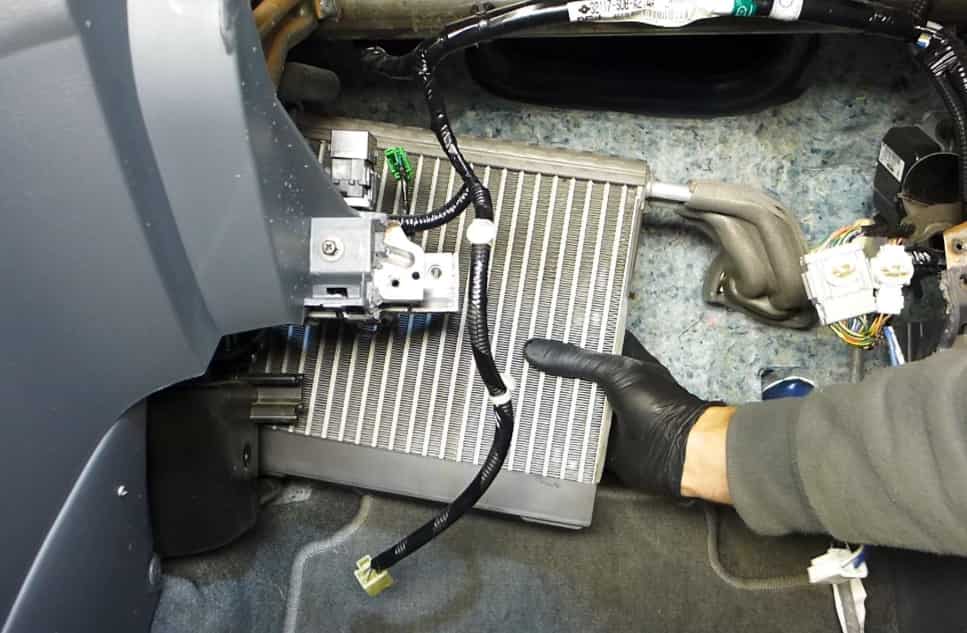
The condenser and evaporator also play important roles in temperature control. The condenser removes heat from the refrigerant, while the evaporator helps cool the air before it enters the cabin. Damage, dirt buildup, or restricted airflow can reduce their efficiency.
When these components fail, drivers may experience poor cooling, longer cooling times, or inconsistent AC performance. Proper diagnosis is important because different failures require different repairs. Replacing refrigerant will not solve a compressor issue, and changing a filter will not fix a damaged condenser.
Understanding how these components work helps Honda CR-V owners make better decisions when facing AC problems.
How to Diagnose Honda CR-V Air Conditioner Problems
Finding the cause of Honda CR-V Air Conditioner Problems requires a careful inspection. Some AC issues come from simple maintenance problems, while others involve major components. Checking the system step by step can help owners understand what may be wrong before visiting a repair shop.
Start by checking the airflow from the vents. Weak airflow may indicate a clogged cabin air filter or a blower motor problem. If the air feels strong but does not become cold, the issue may involve refrigerant levels or another cooling component.
Next, listen for unusual sounds when turning on the AC. Clicking, grinding, or humming noises can provide clues about possible compressor problems. A compressor that fails to engage may prevent the entire system from producing cold air.
Owners should also inspect the cabin air filter condition. A dirty filter can restrict airflow and reduce cooling efficiency. Replacing the filter is often a simple maintenance step that can improve AC performance.
Checking for refrigerant issues is another important step. Low refrigerant levels may indicate a leak in the AC system. Signs of a leak can include reduced cooling performance, oily residue near AC components, or frequent loss of refrigerant after recharging.
While basic checks can help identify possible problems, some AC repairs require professional equipment. Technicians use specialized tools to test pressure levels, electrical connections, and component performance.
A proper diagnosis prevents unnecessary repairs. Instead of replacing parts without knowing the cause, owners can address the exact issue and avoid spending money on ineffective fixes.
Honda CR-V Air Conditioner Repair Costs and Replacement Options
The cost of fixing Honda CR-V Air Conditioner Problems depends on the cause, damaged components, and repair complexity. Some AC repairs are affordable, while others can become expensive if major parts fail. Understanding possible costs helps owners make better decisions before approving repairs.
Simple AC services usually cost less than major component replacements. For example, replacing a cabin air filter or performing basic AC maintenance may require a small investment. An AC recharge can also restore cooling performance when the system has low refrigerant. However, a recharge will not solve the problem if the system has a refrigerant leak.
More serious issues can increase repair costs. A refrigerant leak may require replacing damaged hoses, seals, or other parts before adding new refrigerant. Condenser repairs can also become expensive because the component plays an important role in removing heat from the AC system.
The AC compressor is one of the most costly components to replace. Compressor failure often requires both parts and professional labor. The final price depends on factors such as the Honda CR-V model year, repair shop rates, and whether the owner chooses OEM or aftermarket parts.
Many owners delay AC repairs because they expect a high repair bill. However, ignoring early warning signs can create more damage over time. A small refrigerant leak or weak component can place extra stress on the entire cooling system.
Getting an accurate diagnosis is the best way to control repair costs. A professional inspection can identify the exact problem and prevent unnecessary part replacements.
Honda CR-V AC Problems by Model Year
Honda CR-V Air Conditioner Problems can vary depending on the vehicle’s age, driving conditions, and maintenance history. While the Honda CR-V has a strong reputation for reliability, older vehicles may develop AC issues as components wear over time.
Older Honda CR-V models may experience common aging-related problems. After years of use, parts such as the AC compressor, condenser, seals, and refrigerant lines can lose efficiency. Regular wear can reduce cooling performance and increase the chance of leaks or component failures.
Newer Honda CR-V generations can also experience AC concerns, although the causes may differ. Some owners report issues related to cooling performance, refrigerant leaks, or AC system operation. These problems do not affect every vehicle, but they show why proper inspection is important when buying or maintaining a CR-V.
For used car buyers, checking the AC system should be part of the vehicle inspection process. A test drive can reveal warning signs such as weak airflow, unusual noises, delayed cooling, or inconsistent temperature control. Reviewing the maintenance history can also provide valuable information about previous repairs.
The model year alone does not always determine AC reliability. Climate, driving habits, service quality, and previous ownership all influence the condition of the air conditioning system.
Whether you own an older Honda CR-V or a newer model, regular maintenance remains one of the best ways to prevent expensive AC repairs. Early detection of small problems can help maintain comfort and avoid unexpected repair costs.
How to Prevent Future Honda CR-V Air Conditioner Problems
Regular maintenance is one of the best ways to reduce the risk of Honda CR-V Air Conditioner Problems. A properly maintained AC system can provide better cooling performance and help owners avoid unexpected repair expenses.
One important maintenance step is replacing the cabin air filter on schedule. A dirty filter can block airflow and force the AC system to work harder. Changing the filter regularly helps maintain strong airflow and improves cabin comfort.
Keeping the condenser clean is also important. The condenser removes heat from the refrigerant before the cooling process continues. Dirt, leaves, and debris can reduce its efficiency and make the AC system struggle, especially during hot weather or heavy traffic.
Owners should also pay attention to unusual AC symptoms. Weak cooling, strange noises, or inconsistent performance may indicate an early problem. Addressing these signs quickly can prevent minor issues from becoming major repairs.
Running the AC system regularly can also help maintain component condition. Long periods without AC operation may affect seals and other internal parts. Using the system occasionally helps keep the components active and reduces the chance of performance issues.
Professional inspections can provide additional protection, especially for older Honda CR-V models. A technician can check refrigerant levels, inspect electrical components, and identify potential problems before they affect daily driving.
Preventive care does not eliminate every possible AC failure, but it can significantly improve system reliability. Simple maintenance habits can help Honda CR-V owners enjoy consistent cooling performance for many years.
Frequently Asked Questions About Honda CR-V Air Conditioner Problems
Why is my Honda CR-V AC blowing warm air?
A Honda CR-V AC system may blow warm air because of low refrigerant, a failing compressor, a damaged condenser, or an electrical issue. A proper inspection can identify the exact cause. Adding refrigerant without fixing a leak may only provide a temporary solution.
How do I know if my Honda CR-V AC compressor is bad?
Common signs of a failing AC compressor include warm air from the vents, unusual noises, poor cooling performance, and an AC clutch that does not engage. If the compressor cannot circulate refrigerant properly, the entire cooling system may stop working.
How much does it cost to repair a Honda CR-V AC system?
The repair cost depends on the specific problem. Simple services such as cabin air filter replacement or AC maintenance usually cost less. Major repairs involving the compressor, condenser, or refrigerant leaks require more parts and labor.
Can low refrigerant damage my Honda CR-V AC system?
Yes, low refrigerant can affect AC performance and place extra stress on the compressor. Low refrigerant usually indicates a leak, so finding and repairing the source is important before recharging the system.
How often should Honda CR-V AC maintenance be performed?
Honda CR-V owners should follow the recommended maintenance schedule and inspect the AC system whenever cooling performance changes. Regular cabin air filter replacement, condenser cleaning, and early problem detection can help maintain reliable performance.
Conclusion
Honda CR-V Air Conditioner Problems can range from simple maintenance issues to complex component failures. Common causes include low refrigerant, compressor problems, electrical faults, and reduced airflow from clogged filters.
Recognizing early symptoms is one of the best ways to prevent expensive repairs. Warm air, unusual noises, weak airflow, and inconsistent cooling should never be ignored. A quick inspection can help identify the problem before it affects the entire AC system.
Regular maintenance also plays an important role in long-term reliability. Replacing the cabin air filter, keeping the condenser clean, and checking the system when problems appear can improve cooling performance and reduce repair costs.
Every Honda CR-V has different usage conditions, and AC reliability can depend on factors such as climate, maintenance history, and vehicle age. Understanding how the system works allows owners to make better decisions when problems occur.
Have you experienced Honda CR-V Air Conditioner Problems? Share your model year, symptoms, and repair experience. Your information may help other Honda CR-V owners identify similar issues and find the right solution faster.