The 6.7 Powerstroke oil capacity helps Ford diesel owners maintain proper engine lubrication. The engine needs the correct amount of oil to protect important parts such as bearings, turbochargers, and internal components. Too little oil can increase wear, while too much oil can create lubrication problems.
The exact oil capacity depends on the 6.7L Power Stroke engine generation and the service process. Most oil changes include a new oil filter, which affects the total refill amount. Truck owners should always follow the correct specification for their model year.
The Ford 6.7 Power Stroke diesel engine powers heavy duty trucks such as the Ford F 250, F 350, F 450, and F 550 Super Duty. These engines handle towing, hauling, and demanding driving conditions. Proper oil selection and regular maintenance help the engine deliver consistent performance.
This guide covers the 6.7 Powerstroke oil capacity, recommended oil type, oil change interval, and essential maintenance information. It helps owners understand their engine requirements and avoid common oil related issues.
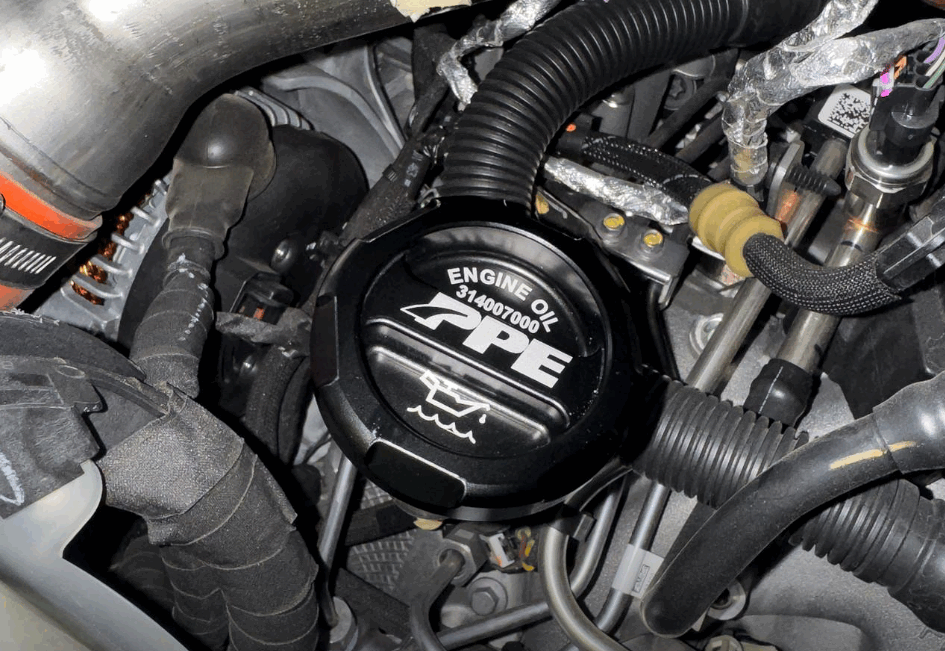
How Much Oil Does a 6.7 Powerstroke Take?
The 6.7 Powerstroke oil capacity is approximately 13 quarts of engine oil when the oil filter is replaced during a complete oil change. This amount equals about 12.3 liters of oil. The correct refill capacity allows the Ford 6.7L Power Stroke diesel engine to maintain proper lubrication throughout the engine system.
The oil capacity specification includes more than simply filling the engine with oil. The oil circulates through the lubrication system to reduce friction, control heat, and protect components that operate under high pressure. The turbocharger, crankshaft bearings, camshaft, and other internal parts depend on a consistent oil supply to maintain reliable performance.
A complete oil service usually includes draining the old oil and replacing the oil filter before adding fresh oil. The new filter holds additional oil, which increases the total refill amount compared with a simple drain and refill. Using the correct capacity prevents two common maintenance problems: running the engine with insufficient lubrication and adding excessive oil.
The 6.7 Power Stroke diesel engine appears in several Ford Super Duty trucks, including the Ford F 250, F 350, F 450, and F 550. These trucks often handle towing and heavy loads, which increases the demand on the engine lubrication system. Maintaining the correct oil level helps the engine manage heat and reduce unnecessary wear during demanding operation.
Owners should confirm the exact oil capacity for their specific model year before completing an oil change. Ford has produced multiple generations of the 6.7 Power Stroke engine, and service specifications can differ between model updates.
Does 6.7 Powerstroke Oil Capacity Change by Model Year?
The 6.7 Powerstroke oil capacity can vary slightly depending on the model year and engine generation. Ford introduced the 6.7L Power Stroke diesel engine in 2011, and the company has updated the engine design several times to improve power, efficiency, emissions control, and durability.
The first generation of the 6.7 Power Stroke engine appeared in 2011 Ford Super Duty trucks. Later updates introduced improvements to the turbocharger system, fuel system, and engine components. These changes can affect service specifications, including oil requirements and maintenance procedures.
Ford used the 6.7 Power Stroke engine in multiple Super Duty models, including the F 250, F 350, F 450, and F 550. Although these trucks share the same engine family, owners should check the specifications for their exact model year before performing an oil change. The correct oil capacity ensures the engine receives enough lubrication without creating excess oil volume inside the crankcase.
The difference between model years does not mean every generation requires a completely different oil capacity. However, small specification changes can occur because manufacturers update engine components and service recommendations over time. Checking the owner’s manual or official maintenance information remains the most reliable way to confirm the correct refill amount.
Understanding the model year is especially important for owners who purchase used Ford Super Duty trucks. A 2011 6.7 Power Stroke and a newer generation model may share the same engine name, but their maintenance specifications can differ. Correct oil capacity knowledge helps owners maintain engine reliability and avoid preventable lubrication problems.
What Oil Type Does a 6.7 Powerstroke Use?
The 6.7 Powerstroke uses diesel engine oil designed for heavy duty turbocharged diesel applications. The correct oil type must support high engine temperatures, pressure loads, and the demands of modern diesel emissions systems. Choosing the right oil helps protect internal engine components and maintain consistent performance.
The Ford 6.7L Power Stroke diesel engine commonly requires oil that meets modern diesel engine specifications such as API CK 4 standards. These oils provide better protection against oxidation, soot buildup, and wear compared with older diesel oil formulations. Diesel engines produce more combustion byproducts than gasoline engines, so they need oil with strong cleaning and protection properties.
The recommended oil viscosity depends on operating conditions and Ford specifications for each model year. Common viscosity grades for diesel engines include SAE 10W 30 and SAE 15W 40. A lower viscosity oil can improve cold weather performance, while a higher viscosity oil can provide additional protection during heavy duty operation in warmer conditions.
The oil type also affects important engine systems beyond basic lubrication. The turbocharger in the 6.7 Power Stroke operates at high speed and temperature, which requires stable oil performance. Quality diesel oil helps reduce deposits, maintain oil pressure, and protect components during towing, hauling, and long distance driving.
Owners should always select oil that matches Ford’s recommendations for their specific truck model. Using the correct oil specification together with the proper 6.7 Powerstroke oil capacity helps maintain engine reliability and supports long term diesel performance.
How Often Should You Change Oil in a 6.7 Powerstroke?
The 6.7 Powerstroke oil change interval depends on driving conditions, engine workload, and maintenance requirements. Regular oil changes help maintain lubrication quality, remove contaminants, and protect important engine components from excessive wear.
Ford recommends following the maintenance schedule for the specific 6.7 Power Stroke model year. Many owners change the engine oil at regular mileage intervals, while others adjust the schedule based on operating conditions. Heavy towing, frequent hauling, extended idling, and short distance driving can increase oil stress and require more frequent service.
The type of driving environment has a direct effect on oil performance. A 6.7 Powerstroke used for commercial towing experiences higher engine temperatures and greater load compared with a truck used mainly for highway commuting. Heavy duty operation creates more heat and combustion byproducts, which can reduce oil effectiveness over time.
The oil life monitoring system can help owners track maintenance needs, but it should not replace regular inspections. Checking the oil level, observing oil condition, and following the manufacturer’s service recommendations help identify problems before they affect engine reliability.
Changing the oil at the correct interval also protects the turbocharger and other high precision components. Clean oil maintains proper lubrication between moving parts and helps control friction inside the engine. For Ford Super Duty owners, consistent oil maintenance is one of the most important steps for improving long term 6.7 Power Stroke durability.
How Do You Change Oil on a 6.7 Powerstroke?
The 6.7 Powerstroke oil change process requires draining the old oil, replacing the oil filter, adding the correct oil amount, and verifying the final oil level. Following the correct procedure helps maintain engine lubrication and prevents common maintenance mistakes.
Before starting an oil change, the engine should reach normal operating temperature. Warm oil flows more easily and helps remove contaminants from inside the engine. After positioning the truck safely, the old oil can be drained from the oil pan before installing a new filter.
Replacing the oil filter is an important part of the service because the filter removes particles and contaminants from the engine oil. A new filter also affects the final refill amount because the filter housing requires oil during operation. Using a quality filter that matches the 6.7 Power Stroke engine specification helps maintain proper oil circulation.
After draining the old oil and installing the new filter, owners should add the recommended amount of fresh diesel engine oil. Adding oil gradually allows the owner to check the level accurately and avoid overfilling the engine. The dipstick should show the oil level within the recommended range after the engine has circulated the new oil.
A proper oil change also includes checking for leaks and confirming that the oil pressure system works correctly after startup. Regular inspection after service helps identify problems early and protects the Ford 6.7 Power Stroke diesel engine during daily driving, towing, and heavy duty operation.
What Happens If You Use the Wrong Oil Capacity in a 6.7 Powerstroke?
The wrong 6.7 Powerstroke oil capacity can reduce engine protection and create lubrication problems. The engine requires a specific oil volume to maintain proper oil pressure, support internal components, and deliver reliable performance under heavy operating conditions.
Adding too little oil can prevent the lubrication system from supplying enough oil to critical engine parts. Low oil levels can increase friction between moving components and raise operating temperatures. The turbocharger, bearings, and other precision parts depend on continuous oil flow to reduce wear and maintain proper function.
Low oil levels also become more dangerous during towing or heavy hauling. These conditions increase engine load and heat production, which places greater demand on the lubrication system. A 6.7 Power Stroke that operates with insufficient oil may experience accelerated component wear and reduced long term reliability.
Adding too much oil creates a different set of problems. Excess oil can cause the crankshaft to contact the oil inside the crankcase, which can introduce air into the lubrication system. Aerated oil does not protect engine components as effectively because air reduces the oil’s ability to maintain consistent pressure and lubrication.
Correct oil measurement is the simplest way to avoid both problems. Owners should use the recommended 6.7 Powerstroke oil capacity for their specific model year and confirm the oil level after completing an oil change. Proper oil quantity, combined with the correct oil type and maintenance schedule, helps protect the Ford 6.7 Power Stroke diesel engine throughout its service life.
How Does Proper Oil Maintenance Improve 6.7 Powerstroke Reliability?
The proper 6.7 Powerstroke oil maintenance routine improves engine reliability by protecting internal components, maintaining lubrication performance, and reducing long term wear. The Ford 6.7 Power Stroke diesel engine produces high power and torque, which creates significant stress on the lubrication system during operation.
Engine oil performs several important functions beyond reducing friction. It transfers heat away from internal components, removes contaminants, and helps protect metal surfaces from direct contact. Clean oil with the correct specification allows components such as the turbocharger, bearings, pistons, and cylinder walls to operate more efficiently.
Regular oil maintenance also supports turbocharger durability. The turbocharger in the 6.7 Power Stroke spins at extremely high speeds and depends on a continuous supply of clean oil for cooling and lubrication. Poor oil quality or incorrect oil levels can increase the risk of deposits, overheating, and premature component wear.
Proper oil service becomes especially important for Ford Super Duty trucks that perform demanding work. Vehicles used for towing trailers, carrying heavy loads, or operating in severe conditions place additional stress on the engine. A consistent maintenance schedule helps the engine handle these conditions while maintaining dependable performance.
The combination of correct oil capacity, suitable diesel engine oil, and regular oil changes creates a strong foundation for 6.7 Powerstroke reliability. Owners who follow proper maintenance practices can reduce preventable issues and support longer engine service life.
Conclusion
The 6.7 Powerstroke oil capacity is one of the most important specifications for maintaining Ford’s 6.7L Power Stroke diesel engine. Using the correct oil amount helps the engine maintain proper lubrication, control operating temperatures, and protect critical components during daily driving and heavy duty use.
Oil capacity alone does not determine engine health. The right oil type, correct oil change interval, and proper maintenance procedure also play essential roles in long term reliability. A well maintained 6.7 Power Stroke engine can handle demanding applications such as towing, hauling, and extended highway driving with consistent performance.
Ford Super Duty owners should always verify the oil requirements for their specific model year before performing maintenance. Checking the correct refill capacity, using suitable diesel engine oil, and replacing the oil filter during service help prevent common lubrication issues.
Understanding the complete oil maintenance process allows owners to make better decisions and protect their investment. Proper care of the 6.7 Power Stroke diesel engine supports better reliability, improved durability, and longer service life.