Seeing the Honda Pilot D Light Blinking while driving can be alarming, especially if the vehicle seems to operate normally at first. Many drivers assume it is a minor electrical issue or a temporary glitch. However, a flashing Drive indicator is often an early warning that the transmission or its electronic control system has detected an abnormal condition. Ignoring this warning can allow a relatively small problem to develop into a much more expensive repair.
The transmission is one of the most important systems in your Honda Pilot because it transfers engine power to the wheels while ensuring smooth gear changes under different driving conditions. When sensors, hydraulic pressure, transmission fluid, or internal components fail to operate correctly, the vehicle’s computer may respond by making the D indicator flash. In some cases, you may also notice delayed shifting, harsh gear changes, transmission slipping, or a noticeable loss of performance. In other situations, the blinking light may be the only symptom, making professional diagnosis even more important.
This guide explains everything you need to know about a Honda Pilot D Light Blinking warning. You will learn what the warning light means, the most common causes behind the problem, the symptoms that often appear alongside it, and the safest way to diagnose the issue before it leads to further transmission damage. You will also discover the most effective repair options, estimated repair costs, and practical maintenance tips that can help prevent the warning from returning. Whether you drive an older Honda Pilot with high mileage or a newer model equipped with advanced transmission technology, understanding this warning can help you make informed decisions, reduce repair expenses, and keep your vehicle operating safely for years to come.
What Does a Blinking D Light Mean on a Honda Pilot?
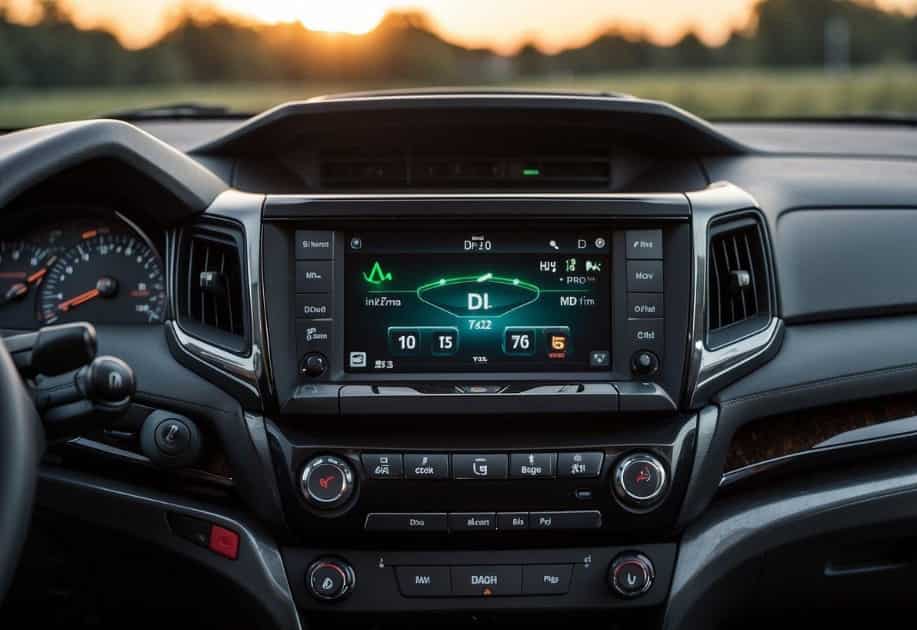
A Honda Pilot D Light Blinking warning means the vehicle’s transmission system has detected a possible problem. The steady D indicator only shows that the transmission is in Drive. A flashing D light works differently. It warns you that the transmission control system has found an issue that needs attention.
Your Honda Pilot uses many sensors to monitor transmission performance. These sensors check fluid pressure, transmission temperature, vehicle speed, and gear operation. The Powertrain Control Module analyzes this information and controls the shifting process. When the system detects unusual data, it can trigger the blinking D light.
Several problems can cause this warning. Common causes include low transmission fluid, a faulty pressure switch, a damaged shift solenoid, wiring problems, or internal transmission wear. Some issues develop slowly over time. Others appear suddenly after overheating, heavy towing, or electrical problems.
Many drivers ask if they can ignore the blinking D light when the vehicle still drives normally. The answer is no. The transmission may continue working, but the problem can become worse. A small sensor issue can turn into serious transmission damage if you delay repairs.
The Check Engine Light does not always appear with a blinking D light. Honda stores some transmission related faults inside the transmission control system. A basic scanner may not find these codes. A professional diagnostic tool can read deeper transmission data and help identify the real cause.
The warning becomes more serious when you notice other symptoms. These symptoms include hard shifting, delayed gear engagement, slipping gears, strange noises, or a burning smell. These signs usually indicate that the transmission needs immediate inspection.
Finding the cause early can save money. A technician may only need to replace a sensor, pressure switch, or solenoid. However, ignoring the problem can damage internal transmission parts and lead to a much higher repair bill.
Common Symptoms of a Honda Pilot D Light Blinking
A Honda Pilot D Light Blinking warning does not always appear with obvious transmission failure. Some drivers only notice the flashing indicator during startup or while driving at normal speeds. However, many vehicles show additional signs that can help identify the source of the problem. Paying attention to these symptoms can help you diagnose the issue earlier and avoid costly transmission repairs.
One of the most common symptoms is harsh or delayed shifting. A healthy transmission should change gears smoothly without hesitation. When the transmission system detects abnormal pressure, incorrect sensor data, or a mechanical problem, the vehicle may shift harder than usual. You may feel a sudden jerk when the transmission changes gears, especially when moving from Park to Drive or when accelerating.
Another common sign is transmission slipping. This happens when the engine speed increases, but the vehicle does not accelerate as expected. The transmission may struggle to transfer power from the engine to the wheels. In some cases, the vehicle may feel like it loses power for a few seconds before engaging the correct gear.
Some Honda Pilot models may enter limp mode when the system detects a serious transmission problem. Limp mode protects the transmission by limiting performance. The vehicle may stay in one gear, respond slowly, or reduce acceleration. While this feature helps prevent further damage, it can make driving unsafe in heavy traffic or on highways.
Drivers may also notice unusual sounds from the transmission area. These sounds can include whining, humming, clunking, or grinding noises. A noisy transmission often suggests problems with fluid pressure, internal components, or worn parts. A professional inspection can help determine whether the noise comes from a minor issue or a more serious failure.
A burning smell is another warning sign that requires attention. Old or overheated transmission fluid can produce a strong burnt odor. When fluid loses its ability to protect internal parts, friction increases inside the transmission. This extra heat can damage seals, clutch components, and other important parts.
Poor acceleration and reduced fuel efficiency can also appear with a blinking D light. When the transmission cannot select the correct gear, the engine may work harder than normal. This increases fuel consumption and reduces the smooth driving experience that Honda Pilot owners expect.
Some drivers experience the blinking D light without any major driving symptoms. This situation does not mean the problem is harmless. Electrical faults, sensor failures, and early transmission issues can trigger the warning before noticeable performance problems appear.
Understanding these symptoms helps you make better repair decisions. If your Honda Pilot shows a blinking D light along with shifting problems, strange noises, or overheating signs, you should diagnose the vehicle as soon as possible. Early action can prevent a simple repair from becoming a complete transmission replacement.
What Causes the Honda Pilot D Light to Blink?
A Honda Pilot D Light Blinking warning usually appears when the transmission control system detects an abnormal condition. The transmission depends on fluid pressure, sensors, electrical signals, and mechanical components. A problem in any of these areas can trigger the flashing D indicator.
Low or dirty transmission fluid is one of the most common causes. The transmission needs clean fluid to maintain proper pressure and protect internal parts. Low fluid levels or degraded fluid can cause rough shifting, delayed gear changes, and increased wear.
A faulty transmission pressure switch can also activate the warning. This component monitors hydraulic pressure and sends data to the vehicle computer. Incorrect pressure readings may cause the system to detect a transmission problem.
Shift solenoid failure is another frequent cause. Solenoids control fluid flow during gear changes. When they fail, the transmission may shift incorrectly, hesitate, or enter a protective mode.
Electrical problems can also create a blinking D light. Damaged wiring, loose connectors, or corrosion can interrupt communication between transmission components and the control module.
Other possible causes include faulty speed sensors, temperature sensors, torque converter problems, or internal transmission wear. Severe wear often develops from high mileage, poor maintenance, overheating, or heavy towing.
A blinking D light does not always mean the transmission needs replacement. Some problems require simple repairs, such as replacing a sensor or fixing a wiring issue. However, ignoring the warning can allow minor problems to become expensive transmission failures. Proper diagnosis is the best way to identify the cause and choose the right repair.
Is It Safe to Drive with a Blinking D Light?
Driving with a Honda Pilot D Light Blinking warning is not recommended because the transmission may have an active problem. The vehicle might still move normally, but the transmission could already experience abnormal pressure, incorrect sensor readings, or internal wear. Continuing to drive without checking the cause can increase the risk of more serious damage.
A short drive to a repair shop may be possible if the vehicle shifts normally and does not show other warning signs. However, you should drive carefully and avoid heavy acceleration, towing, or long trips. A professional inspection should happen as soon as possible to prevent the issue from getting worse.
You should stop driving immediately if you notice severe symptoms. These symptoms include harsh gear changes, transmission slipping, delayed engagement, unusual noises, overheating, or a burning smell. These signs may indicate a more serious transmission problem that requires immediate attention.
Limp mode is another situation where you should avoid regular driving. The system activates this mode to protect the transmission from additional damage. Your Honda Pilot may have limited power, reduced acceleration, or remain stuck in one gear. Driving in this condition for a long time can create extra stress on the transmission.
The safest approach is to diagnose the problem early. A blinking D light does not always mean you need a complete transmission replacement. Many causes involve smaller repairs, such as a faulty sensor, pressure switch, or electrical connection. However, delaying diagnosis can turn a simple repair into a major transmission expense.
If your Honda Pilot shows a blinking D light, treat it as a warning rather than a temporary issue. Quick action can help protect your vehicle, reduce repair costs, and maintain reliable performance.
How to Diagnose a Honda Pilot D Light Blinking
Finding the cause of a Honda Pilot D Light Blinking warning requires a proper diagnosis. The flashing D indicator can result from many different issues, including fluid problems, sensor failures, electrical faults, or internal transmission damage. A step by step inspection helps identify the real cause and prevents unnecessary repairs.
The first step is checking the transmission fluid condition. Low fluid levels can reduce hydraulic pressure and affect gear changes. Dirty or damaged fluid can also increase friction and heat inside the transmission. Inspect the fluid for proper level, unusual color, or a burnt smell. If the fluid looks dark or smells burned, the transmission may need further inspection.
The next step is scanning the vehicle for diagnostic trouble codes. A basic scanner may not detect every transmission related problem. A professional scan tool can access transmission control data and reveal specific fault codes. These codes help technicians identify problems with sensors, solenoids, pressure switches, and other components.
Inspecting wiring and electrical connections is also important. Loose connectors, damaged wires, or corrosion can interrupt communication between transmission parts and the vehicle computer. Electrical issues can sometimes create symptoms that look like mechanical transmission failures.
A technician should also check for transmission fluid leaks. Leaks may develop around seals, transmission lines, gaskets, or connection points. Losing fluid over time can reduce transmission performance and increase the chance of internal damage.
In some cases, a pressure test may be necessary. This test measures hydraulic pressure inside the transmission and helps determine whether the problem comes from a control component or internal wear.
Reviewing the vehicle’s maintenance history can provide additional clues. Previous fluid services, towing use, overheating events, and past repairs can help explain why the warning appeared.
A correct diagnosis is the key to fixing a Honda Pilot D Light Blinking issue. Identifying the exact cause early can save money and prevent unnecessary transmission replacement.
Common OBD-II Trouble Codes Related to a Blinking D Light
When a Honda Pilot D Light Blinking warning appears, the transmission control system may store diagnostic trouble codes. These codes help identify the area where the system detected a problem. Reading these codes with a compatible OBD-II scanner is one of the fastest ways to understand the possible cause.
A standard code reader may only display engine related faults. However, transmission problems often require a scanner that can access manufacturer specific transmission data. The exact meaning of each code can vary depending on the Honda Pilot model year and transmission system.
| Code | Possible Meaning | Common Symptoms | Possible Repair |
|---|---|---|---|
| P0700 | Transmission control system fault | Blinking D light, shifting issues | Further transmission diagnosis |
| P0715 | Input speed sensor problem | Hard shifting, delayed gear changes | Sensor replacement or wiring repair |
| P0720 | Output speed sensor problem | Incorrect shifting, speed reading issues | Sensor inspection or replacement |
| P0740 | Torque converter clutch problem | Shuddering, slipping, overheating | Solenoid or torque converter repair |
| P0750 to P0770 | Shift solenoid fault | Rough shifting, gear selection problems | Solenoid repair or replacement |
| P0840 to P0848 | Transmission pressure sensor or switch fault | Blinking D light, delayed shifting | Pressure switch replacement or circuit repair |
The P0700 code often appears when the transmission control system detects a fault. This code does not identify the exact failed component. Instead, it tells the technician to perform additional transmission diagnosis.
Speed sensor related codes can affect how the transmission selects gears. The system depends on accurate speed information to calculate the correct shift timing. A faulty sensor can create harsh shifts, hesitation, or unusual transmission behavior.
Shift solenoid and pressure switch codes are also common causes of a blinking D light. These components control fluid movement and hydraulic pressure inside the transmission. When they fail, the transmission may struggle to change gears smoothly.
It is important to remember that diagnostic codes do not always mean a specific part has failed. A wiring problem, poor electrical connection, or another related issue can sometimes trigger the same code. A complete diagnosis should include code reading, visual inspection, and testing before replacing any parts.
Understanding these common codes can help Honda Pilot owners make better repair decisions. Instead of guessing the problem, proper diagnostic information allows technicians to choose the correct repair and avoid unnecessary expenses.
How to Fix a Honda Pilot D Light Blinking
Fixing a Honda Pilot D Light Blinking warning depends on the actual cause behind the problem. Some repairs are simple and affordable, while others require advanced transmission work. A proper diagnosis should always come first because replacing parts without identifying the real issue can waste time and money.
One common solution is correcting the transmission fluid level or condition. Low fluid can reduce hydraulic pressure and affect shifting performance. If the fluid becomes dirty or loses its protective properties, a transmission service may improve operation. However, fluid replacement cannot repair internal damage that has already occurred.
Replacing a faulty transmission pressure switch is another possible repair. This component monitors hydraulic pressure and helps the control system manage shifting. When the switch sends incorrect information, the transmission may activate the blinking D light. Replacing the switch can restore normal operation in many cases.
A damaged shift solenoid may also require replacement. Solenoids control the flow of transmission fluid during gear changes. When they fail, the vehicle may experience harsh shifting, hesitation, or incorrect gear selection. Repairing or replacing the affected solenoid can improve transmission performance.
Electrical repairs may solve some blinking D light problems. Technicians may need to repair damaged wires, clean corroded connectors, or fix loose electrical connections. These issues can interrupt communication between transmission components and the vehicle computer.
Some Honda Pilot models may require sensor replacement or software updates. Faulty speed sensors, temperature sensors, or outdated control module software can affect transmission operation. Updating the system or replacing damaged sensors may restore proper function.
More serious cases may involve valve body repair, torque converter replacement, or transmission rebuilding. These repairs usually cost more because they involve major transmission components. Internal damage often develops from overheating, poor maintenance, high mileage, or continued driving with existing problems.
The best way to fix a Honda Pilot D Light Blinking issue is to repair the actual cause instead of only clearing the warning light. Early diagnosis can often prevent expensive transmission damage and help keep your Honda Pilot reliable for many years.
Honda Pilot D Light Blinking Repair Costs
The repair cost for a Honda Pilot D Light Blinking problem depends on the cause, the vehicle’s model year, and the amount of damage inside the transmission. Some issues require only a small repair, while others may involve expensive transmission work. Getting an accurate diagnosis before replacing parts can help avoid unnecessary costs.
A diagnostic scan is usually the first expense. A professional transmission inspection can cost around $80 to $180. This service helps identify stored trouble codes and gives technicians important information about the possible failure point.
Transmission fluid service is one of the more affordable repairs. A fluid change or drain and refill service may cost around $150 to $350. This repair can help when old or contaminated fluid affects transmission performance. However, it will not fix mechanical damage or worn internal parts.
Replacing a transmission pressure switch usually costs about $180 to $450. The final price depends on the location of the component and labor rates. Shift solenoid replacement may cost between $250 and $900 because some models require additional labor to access transmission components.
Electrical repairs can vary widely. Fixing damaged wiring or replacing connectors may cost around $100 to $600 or more, depending on the complexity of the problem. Sensor replacement, such as a speed sensor or temperature sensor, often costs between $180 and $450.
More advanced repairs require a larger budget. Valve body repairs may range from $700 to $2,000. Torque converter replacement can cost about $1,500 to $3,500 because technicians often need to remove the transmission. A complete transmission rebuild may cost between $3,000 and $6,000 or more.
Transmission replacement represents the highest repair option. Depending on whether you choose a used, rebuilt, or remanufactured transmission, the total cost may range from $4,000 to $8,000 or higher.
The best way to reduce Honda Pilot D Light Blinking repair costs is early action. A small sensor or fluid issue can become a major transmission failure if ignored. Proper diagnosis helps you choose the right repair and avoid paying for unnecessary replacements.
How to Prevent the D Light from Blinking Again
Preventing a Honda Pilot D Light Blinking warning starts with regular transmission care and early attention to small problems. The transmission is a complex system that depends on clean fluid, proper pressure, accurate sensors, and reliable electrical connections. Simple maintenance habits can reduce the risk of expensive repairs and improve long term vehicle reliability.
One of the most important steps is maintaining the correct transmission fluid level and condition. Low fluid can reduce hydraulic pressure and create shifting problems. Old or contaminated fluid can increase friction and heat inside the transmission. Following the recommended service schedule and using the correct Honda approved fluid can help protect internal components.
Repairing fluid leaks as soon as possible is also important. Even a small leak can slowly reduce fluid levels and increase transmission stress. Regularly checking for signs of leaks under the vehicle can help you find problems before they become serious.
Avoiding excessive heat can also extend transmission life. Heavy towing, aggressive driving, and carrying extreme loads can increase transmission temperature. If you frequently tow or drive in demanding conditions, follow proper maintenance recommendations to reduce heat related damage.
Paying attention to early warning signs can prevent larger failures. Symptoms such as rough shifting, delayed engagement, unusual noises, or a slight hesitation should not be ignored. A quick inspection can often identify a smaller issue before it damages major transmission components.
Keeping electrical connections clean is another useful prevention step. Corroded connectors, damaged wiring, and weak battery voltage can affect transmission control systems. Regular vehicle maintenance should include checking battery condition and electrical connections.
Finally, avoid ignoring warning lights. A blinking D indicator is your Honda Pilot’s way of telling you that something needs attention. Early diagnosis and proper repairs can prevent minor transmission problems from becoming expensive failures.
By following these maintenance habits, you can reduce the chance of another Honda Pilot D Light Blinking issue and keep your vehicle performing smoothly for many years.
Frequently Asked Questions
Why is my Honda Pilot D light blinking?
A Honda Pilot D Light Blinking warning usually means the transmission control system has detected a problem. Common causes include low transmission fluid, a faulty pressure switch, shift solenoid issues, sensor problems, electrical faults, or internal transmission wear. A diagnostic scan can help identify the exact cause.
Can I keep driving with a blinking D light on my Honda Pilot?
You may be able to drive for a short distance if the vehicle still shifts normally. However, continued driving is not recommended because the problem may become worse. If you notice slipping, harsh shifting, overheating, unusual noises, or a burning smell, stop driving and have the vehicle inspected.
Can low transmission fluid cause the D light to blink?
Yes. Low transmission fluid can reduce hydraulic pressure and affect how the transmission changes gears. It can also increase heat and friction, which may damage internal components. Checking the fluid condition is one of the first steps when diagnosing a blinking D light.
Can I reset the blinking D light on my Honda Pilot?
Disconnecting the battery or clearing diagnostic codes may temporarily remove the warning, but it does not fix the underlying problem. If the transmission system detects the same issue again, the blinking D light will likely return. Proper diagnosis is necessary to repair the actual cause.
Does a blinking D light mean I need a new transmission?
Not always. Many Honda Pilot D Light Blinking problems come from smaller issues such as a faulty sensor, pressure switch, solenoid, or electrical connection. However, severe internal damage may require transmission rebuilding or replacement. A professional inspection can determine the correct solution.
How much does it cost to fix a blinking D light on a Honda Pilot?
Repair costs vary depending on the cause. Simple repairs, such as fluid service or sensor replacement, may cost a few hundred dollars. More serious repairs, such as transmission rebuilding or replacement, can cost several thousand dollars.
Can a bad battery cause the Honda Pilot D light to blink?
A weak battery or poor electrical connection can sometimes affect transmission control systems. Low voltage may create communication problems between electronic components. However, a blinking D light usually requires further diagnosis to confirm whether the battery is the actual cause.
Should I take my Honda Pilot to a mechanic immediately?
Yes. A blinking D light indicates that the transmission system has detected an issue. Even if your vehicle still drives normally, early inspection can prevent additional damage and reduce the chance of expensive repairs.
Conclusion
A Honda Pilot D Light Blinking warning is an important signal that should not be ignored. While your vehicle may continue to drive normally at first, the flashing D indicator means the transmission control system has detected a possible problem that needs attention.
The cause can range from simple issues, such as low transmission fluid or a faulty sensor, to more serious problems involving internal transmission components. Common causes include pressure switch failures, shift solenoid problems, electrical faults, overheating, and transmission wear. The only way to know the exact cause is through proper diagnosis with the right testing equipment.
Taking action early can make a significant difference in repair costs. A small issue that involves a sensor, fluid service, or electrical connection may become a much larger transmission problem if you continue driving without inspection. Regular maintenance, correct fluid service, and addressing early warning signs can help protect your Honda Pilot’s transmission performance.
If your Honda Pilot shows a blinking D light, do not rely on guesswork or simply clear the warning. Identify the root cause and choose the correct repair solution. This approach can help you avoid unnecessary expenses and keep your vehicle reliable for years.
Have you experienced a Honda Pilot D Light Blinking issue before? Share your model year, symptoms, and repair experience in the comments. Your information may help other Honda Pilot owners understand similar transmission problems.