The **6.7 Cummins oil capacity determines how much engine oil the 6.7L Cummins Turbo Diesel needs during an oil change. Most models require about 12 quarts when owners replace the oil filter. However, the exact amount depends on the engine generation and vehicle specifications.
Correct oil capacity helps the engine maintain proper lubrication and temperature control. The right oil level protects important components such as bearings, pistons, and the turbocharger. Too little oil can increase friction, while too much oil can reduce lubrication efficiency.
A complete oil service requires more than adding the correct amount of oil. Owners should also choose suitable diesel engine oil, install a compatible oil filter, and follow the recommended maintenance schedule. These steps help the 6.7 Cummins maintain reliable performance under daily driving and heavy towing conditions.
This guide explains the oil capacity of the 6.7 Cummins engine, differences between model years, recommended oil types, and proper oil change practices. It helps Ram 2500 and Ram 3500 owners maintain their diesel engines with accurate maintenance information.
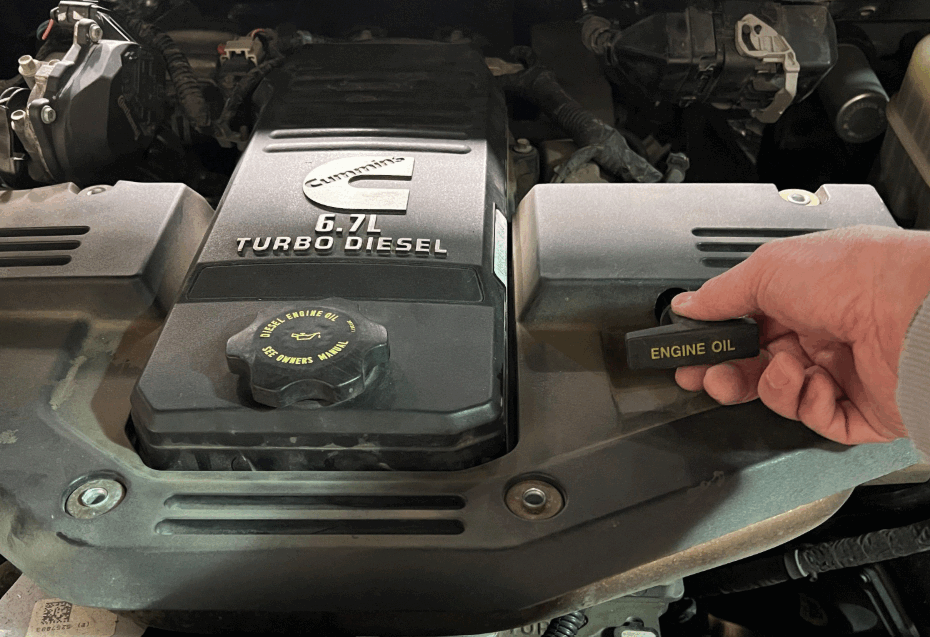
How Much Oil Does a 6.7 Cummins Engine Take?
The 6.7 Cummins engine takes approximately 12 quarts of engine oil when the oil filter is replaced during a complete oil change. This capacity applies to many Ram trucks equipped with the 6.7L Cummins Turbo Diesel engine. Owners should always confirm the exact specification for their model year because capacity can vary between different engine configurations.
The oil capacity includes the amount needed to fill the engine lubrication system after draining the old oil and installing a new filter. The oil filter holds part of the total oil volume because it stores oil and removes contaminants before the oil reaches internal engine components. Replacing the filter during every oil change helps maintain clean oil circulation.
The correct oil level allows the 6.7 Cummins to protect high stress components such as the turbocharger, crankshaft bearings, and pistons. Engine oil reduces friction between moving parts and helps transfer heat away from internal components. If the engine runs with insufficient oil, the lubrication system cannot provide enough protection. If the engine receives too much oil, excess oil movement can create aeration and reduce lubrication performance.
Checking the oil level after an oil change is an important maintenance step. The owner should add the recommended amount, run the engine briefly, allow the oil to settle, and check the dipstick again. This process confirms that the engine has the correct oil volume without overfilling.
Does 6.7 Cummins Oil Capacity Change by Model Year?
The 6.7 Cummins oil capacity can change slightly depending on the model year, vehicle application, and engine configuration. Cummins has used the 6.7L Turbo Diesel engine in different generations of heavy duty trucks, and each generation may have specific maintenance specifications. Checking the correct service information for the vehicle year helps owners use the proper oil amount.
The most common application of the 6.7 Cummins engine appears in Ram 2500 and Ram 3500 Heavy Duty trucks. These trucks use the same basic diesel engine platform, but updates to engine components and emissions systems can affect service requirements. Features such as updated filtration systems, cooling components, and lubrication designs may influence recommended maintenance procedures.
Model year differences matter because diesel engines continue to receive engineering improvements over time. Newer versions of the 6.7 Cummins include updated technologies that improve emissions control, fuel efficiency, and durability. These changes require owners to follow the specifications for their exact truck instead of relying only on general capacity numbers.
When checking the oil capacity for a 6.7 Cummins, owners should identify the truck year, engine version, and whether the oil filter is being replaced. This information provides the most accurate refill amount and prevents common maintenance mistakes. Using the correct oil volume supports consistent lubrication performance and helps the engine operate reliably under different driving conditions.
What Oil Type Does a 6.7 Cummins Need?
The 6.7 Cummins engine requires high quality diesel engine oil that meets the manufacturer’s performance standards. The correct oil type helps protect the engine under heavy loads, high temperatures, and extended driving conditions. Most 6.7L Cummins engines commonly use diesel oils with viscosity grades such as 5W-40, especially for vehicles that operate across different temperature ranges.
Oil viscosity determines how easily the oil flows when the engine starts and how well it protects components at operating temperatures. A 5W-40 synthetic diesel oil flows effectively during cold starts and maintains protection when the engine reaches high temperatures. This makes it suitable for many heavy duty applications, including towing and long distance driving.
The oil specification also matters because diesel engines produce more combustion byproducts than gasoline engines. Modern diesel oils include additives that help control soot, reduce deposits, and protect engine components. Using oil that meets the required diesel engine standards helps maintain the lubrication system and supports long term engine reliability.
Owners should consider their driving conditions when choosing oil for a 6.7 Cummins. Trucks used for frequent towing, commercial work, or extreme temperatures require oil that can handle higher stress levels. Trucks used for normal daily driving still need proper diesel engine oil to maintain clean operation and consistent protection.
Using the correct oil type together with the correct 6.7 Cummins oil capacity ensures the engine receives proper lubrication throughout its service life. Oil quality and oil quantity work together to reduce wear and maintain reliable performance.
How Often Should You Change Oil on a 6.7 Cummins?
The 6.7 Cummins oil change interval depends on driving conditions, engine workload, and maintenance requirements. Many owners change the engine oil based on mileage, operating hours, or manufacturer recommendations. A regular oil change schedule helps maintain oil quality and protects the internal components of the diesel engine.
For normal driving conditions, the 6.7 Cummins can follow the recommended service interval provided for the specific truck model. Daily commuting and light driving usually create less stress on the engine lubrication system. However, the engine may require more frequent oil changes when it operates under heavy loads or demanding conditions.
Towing, hauling, and commercial use increase engine workload and oil stress. Heavy duty operation creates higher temperatures and more pressure inside the engine. These conditions can accelerate oil degradation because diesel engines produce soot and combustion particles during operation. Replacing oil at the correct interval helps prevent contamination from affecting engine protection.
Environmental conditions also influence oil change frequency. Frequent short trips, extreme temperatures, dusty roads, and long periods of idling can reduce oil life. These situations prevent the engine from reaching ideal operating temperatures and may increase contamination inside the lubrication system.
Following a consistent maintenance schedule helps the 6.7 Cummins deliver reliable performance over time. Owners should combine the recommended service interval with their actual driving habits instead of relying only on mileage. Proper oil maintenance supports better engine protection, reduces component wear, and helps extend the lifespan of the Cummins diesel engine.
How Do You Change Oil on a 6.7 Cummins Engine?
The 6.7 Cummins oil change process requires draining old oil, replacing the oil filter, adding the correct oil amount, and checking the final oil level. Following the correct procedure helps maintain the engine lubrication system and prevents problems caused by contaminated or incorrect oil levels.
The first step involves preparing the required maintenance materials. Owners need the correct diesel engine oil, a compatible oil filter, a drain pan, and basic tools for removing the drain plug and filter. The engine should reach normal operating temperature before draining because warm oil flows more easily and removes contaminants more effectively.
After preparation, the old engine oil should be drained completely from the oil pan. The oil filter should also be removed and replaced because the filter collects dirt, soot, and metal particles during engine operation. Installing a new filter allows clean oil to circulate through the lubrication system without contamination from the previous filter.
After draining and replacing the filter, add the recommended amount of oil for the specific 6.7 Cummins model. Avoid adding the entire amount at once without checking the level because the actual refill requirement can vary after draining. Start the engine briefly to circulate the new oil, then turn it off and allow the oil to settle before checking the dipstick.
A proper oil change does more than replace old fluid. It restores the engine’s lubrication performance and helps protect critical components such as the turbocharger, bearings, and internal moving parts. Regular oil service also helps the 6.7 Cummins maintain reliable performance during daily driving and heavy towing conditions.
What Happens If a 6.7 Cummins Has Too Much or Too Little Oil?
The 6.7 Cummins engine requires the correct oil level because both overfilling and underfilling can affect engine performance and reliability. Engine oil must stay within the recommended range to provide proper lubrication, cooling, and protection for internal components.
When a 6.7 Cummins has too little oil, the lubrication system cannot deliver enough protection to moving parts. Low oil levels reduce the amount of oil available for components such as bearings, pistons, and the turbocharger. Increased friction can raise operating temperatures and accelerate component wear. In severe cases, insufficient lubrication can lead to serious engine damage.
Low oil levels can happen because of leaks, excessive oil consumption, or missed maintenance intervals. Owners should check the oil level regularly, especially before towing heavy loads or driving long distances. Early detection helps prevent lubrication problems from becoming major repairs.
Overfilling the engine with too much oil can also create problems. Excess oil can cause the crankshaft to contact the oil inside the pan, which may create air bubbles in the lubricant. This process, known as oil aeration, reduces the oil’s ability to form a strong protective layer between engine components.
Maintaining the correct 6.7 Cummins oil capacity helps the lubrication system work efficiently. Owners should follow the recommended oil amount for their specific engine model and verify the level after every oil change. Proper oil management protects engine performance and supports long term diesel engine durability.
What Oil Filter Should You Use With a 6.7 Cummins?
The 6.7 Cummins requires a high quality oil filter that matches the engine’s lubrication system requirements. The oil filter removes contaminants such as soot, dirt, and small metal particles before the oil circulates through critical engine components. A suitable filter helps maintain clean oil flow and supports long term engine protection.
The oil filter plays an important role because diesel engines produce more combustion byproducts than gasoline engines. The 6.7L Cummins uses a high pressure diesel combustion system that can generate soot during operation. A properly designed oil filter captures these particles and prevents them from circulating through areas such as the bearings, turbocharger, and internal engine passages.
Replacing the oil filter during every oil change is an important maintenance practice. A used filter may already contain contaminants and may reduce filtration efficiency over time. Installing a new filter also affects the total oil refill amount because the filter holds part of the engine’s oil capacity after installation.
Owners should choose an oil filter that matches their specific 6.7 Cummins model year and vehicle application. Filters designed for Ram 2500 and Ram 3500 trucks with the 6.7 Cummins engine follow specific requirements for filtration performance, capacity, and compatibility. Using the correct filter together with the correct oil type and oil amount helps maintain consistent lubrication performance.
Proper oil filter selection supports the overall maintenance system of the 6.7 Cummins engine. The filter, engine oil, and correct oil capacity work together to reduce wear, protect internal components, and improve diesel engine reliability throughout the vehicle’s service life.
Conclusion
The 6.7 Cummins oil capacity is a key maintenance specification that helps the engine maintain proper lubrication and reliable performance. Most 6.7L Cummins engines require around 12 quarts of oil during a complete oil change with filter replacement, but owners should always verify the exact requirement for their specific truck model and year.
Maintaining the correct oil level is only one part of proper diesel engine care. The 6.7 Cummins also depends on the right oil type, a compatible oil filter, and a consistent maintenance schedule. These factors work together to protect important components such as the turbocharger, bearings, and internal engine parts.
Owners who use their trucks for towing, hauling, or commercial applications should pay closer attention to oil condition and service intervals. Heavy workloads place additional stress on the lubrication system and can increase the need for regular maintenance.
Understanding the relationship between oil capacity, oil quality, and maintenance practices helps Ram 2500 and Ram 3500 owners protect their Cummins diesel engines. Following the correct specifications reduces unnecessary wear and supports long term engine durability.
For more information about maintaining diesel trucks, related topics such as diesel engine maintenance guides and Ram HD service schedules can provide additional support for vehicle owners.