Keeping up with a Subaru Crosstrek oil change may seem like a simple maintenance task, but it plays a critical role in protecting your engine and maximizing the lifespan of your vehicle. Whether you own an early 2013 Crosstrek or the latest model, understanding the correct oil type, oil capacity, and recommended service intervals can save you from costly repairs and unexpected breakdowns.
Many Crosstrek owners face common questions: How often should the oil be changed? What type of oil does Subaru recommend? Is synthetic oil necessary? Can you perform a DIY oil change at home and save money? Unfortunately, conflicting advice from dealerships, repair shops, and online forums often makes it difficult to find reliable answers.
The Subaru Crosstrek is equipped with Subaru’s renowned Boxer engine, a unique horizontally opposed design that requires proper lubrication to maintain efficiency, performance, and durability. Using the wrong oil or delaying routine maintenance can lead to increased engine wear, reduced fuel economy, and expensive engine problems over time.
In this complete guide, you’ll learn everything you need to know about Subaru Crosstrek oil changes for every model year, including recommended oil specifications, oil capacities, service intervals, estimated costs, DIY procedures, and expert maintenance tips to help keep your Crosstrek running smoothly for years to come.
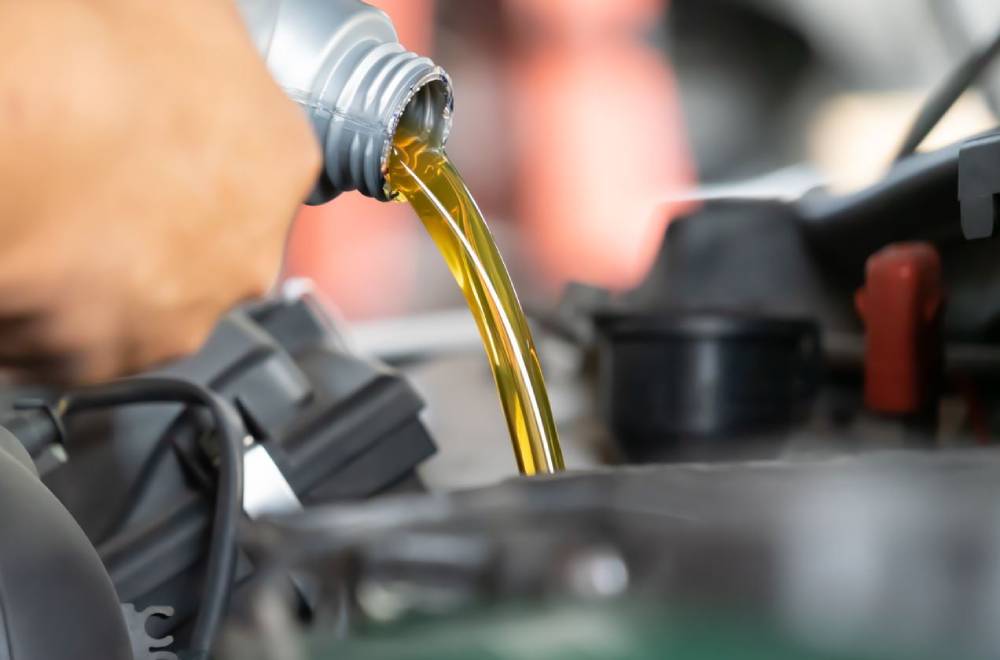
Understanding Subaru Crosstrek Oil Change Requirements
Regular oil changes are one of the most important maintenance services for any vehicle, and the Subaru Crosstrek is no exception. Engine oil performs several critical functions that directly impact the health and performance of your vehicle. It lubricates moving engine components, reduces friction, helps regulate operating temperatures, and prevents harmful contaminants from accumulating inside the engine. Without clean, high quality oil, even a reliable engine can suffer premature wear and reduced efficiency.
The Subaru Crosstrek utilizes Subaru’s signature Boxer engine design, which differs from traditional inline and V-shaped engines. Because the cylinders are positioned horizontally, proper oil circulation is essential to ensure all engine components receive adequate lubrication. This unique design contributes to the Crosstrek’s balanced handling and durability, but it also makes routine maintenance especially important.
Failing to change the oil at recommended intervals can lead to sludge buildup, increased friction, overheating, and excessive engine wear. Over time, neglected oil can lose its protective properties, allowing metal components to grind against one another. This not only reduces fuel efficiency but can also result in expensive repairs that far exceed the cost of routine maintenance.
For drivers who frequently encounter stop and go traffic, extreme temperatures, dusty roads, or off road conditions, oil changes may be required more frequently than standard maintenance schedules suggest. Understanding your driving habits and following Subaru’s recommendations can significantly extend the life of your Crosstrek’s engine.
Subaru Crosstrek Oil Type by Model Year
Choosing the correct engine oil is essential for maintaining performance, fuel economy, and long term engine reliability. Subaru recommends full synthetic oil for most modern Crosstrek models because it provides superior protection against wear, temperature fluctuations, and oil breakdown.
2013 to 2017 Subaru Crosstrek
First generation Crosstrek models equipped with the 2.0L Boxer engine generally require SAE 0W-20 full synthetic motor oil. This viscosity provides excellent cold start protection while helping maximize fuel efficiency. In situations where 0W-20 is temporarily unavailable, Subaru may permit alternative viscosities under certain conditions, but owners should return to the recommended specification at the next oil service.
2018 to 2023 Subaru Crosstrek
Second generation Crosstrek models continue to use SAE 0W-20 synthetic oil as the preferred choice. Whether equipped with the 2.0L engine or the newer 2.5L engine introduced on select trims, Subaru emphasizes the use of high quality synthetic oils that meet current industry standards.
2024 to Present Subaru Crosstrek
The latest generation Crosstrek maintains Subaru’s recommendation for SAE 0W-20 full synthetic oil. Advances in engine technology and tighter efficiency standards make using the correct oil more important than ever. Owners should always verify specifications in the owner’s manual because recommendations can vary slightly depending on market and engine configuration.
Recommended Synthetic Oil Brands
Several reputable oil brands perform exceptionally well in Subaru engines. Popular options include Mobil 1 Advanced Fuel Economy, Castrol EDGE Full Synthetic, Pennzoil Platinum Full Synthetic, Valvoline Advanced Full Synthetic, and Subaru Genuine Synthetic Motor Oil. Choosing a trusted brand helps ensure consistent performance and protection throughout the oil change interval.
Subaru Crosstrek Oil Capacity Chart by Year
One of the most common mistakes during a Subaru Crosstrek oil change is adding the wrong amount of oil. Both overfilling and underfilling can negatively affect engine performance. Knowing your vehicle’s correct oil capacity helps ensure optimal lubrication and long term reliability.
The figures below represent approximate oil capacities when replacing both the engine oil and oil filter. Always verify exact specifications in your owner’s manual and confirm the final oil level using the dipstick after refilling.
| Model Year | Engine | Approximate Oil Capacity (With Filter) | Recommended Oil |
|---|---|---|---|
| 2013 to 2017 | 2.0L Boxer | 5.1 quarts (4.8 liters) | SAE 0W-20 Full Synthetic |
| 2018 to 2020 | 2.0L Boxer | 4.7 quarts (4.4 liters) | SAE 0W-20 Full Synthetic |
| 2021 to 2023 | 2.0L Boxer | 4.7 quarts (4.4 liters) | SAE 0W-20 Full Synthetic |
| 2021 to 2023 | 2.5L Boxer | 4.4 quarts (4.2 liters) | SAE 0W-20 Full Synthetic |
| 2024 to Present | 2.0L or 2.5L Boxer | Refer to owner’s manual | SAE 0W-20 Full Synthetic |
After adding fresh oil, start the engine and allow it to idle for several minutes. Turn the engine off and wait a few minutes for the oil to settle before checking the dipstick. Add small amounts if necessary until the oil reaches the proper level.
It is important to remember that capacity figures can vary depending on engine configuration, filter design, and production updates. Relying solely on published capacity numbers without checking the dipstick may result in inaccurate oil levels. Taking a few extra minutes to verify the final level can help prevent engine damage and ensure your Subaru Crosstrek continues operating at its best.
Subaru Crosstrek Oil Change Interval
Knowing when to perform a Subaru Crosstrek oil change is just as important as choosing the correct oil. While modern synthetic oils can last much longer than conventional oils, delaying service beyond recommended intervals can increase engine wear and reduce overall reliability.
For most Subaru Crosstrek models, Subaru recommends changing the engine oil and filter approximately every 6,000 miles or every 6 months, whichever comes first. This interval is designed for normal driving conditions and assumes the use of high quality synthetic oil that meets Subaru’s specifications.
However, not all drivers operate their vehicles under ideal conditions. If your Crosstrek is frequently exposed to heavy traffic, short trips where the engine does not fully warm up, extreme hot or cold weather, dusty environments, mountainous terrain, or regular off road driving, more frequent oil changes may be beneficial. These conditions place additional stress on engine oil and can accelerate contamination and degradation.
Several warning signs may indicate that your Crosstrek requires an oil change sooner than expected. Dark or excessively dirty oil, reduced fuel economy, unusual engine noise, rough performance, or an illuminated maintenance reminder should never be ignored. While oil color alone does not always indicate oil condition, combining visual inspection with mileage tracking provides a more accurate maintenance strategy.
Establishing a consistent oil change schedule helps preserve engine performance and minimizes the risk of costly repairs. Drivers who maintain detailed service records often enjoy better resale value and greater confidence in their vehicle’s long term dependability.
Subaru Crosstrek Oil Filter Guide
An oil change is not complete without replacing the oil filter. The oil filter plays a crucial role in removing dirt, metal particles, and other contaminants from the engine oil before they circulate through sensitive engine components. Even the highest quality motor oil cannot provide adequate protection if a clogged or worn filter is left in service.
Subaru generally recommends replacing the oil filter every time the oil is changed. This practice ensures that fresh oil is not immediately contaminated by debris trapped inside an old filter. Considering the relatively low cost of an oil filter compared to potential engine repairs, replacing it during every service is a wise investment.
Many Crosstrek owners choose genuine Subaru oil filters because they are specifically engineered for Subaru Boxer engines. OEM filters are designed to meet factory specifications and provide consistent filtration performance. However, several premium aftermarket options also offer excellent protection. Brands such as WIX, Bosch, Purolator, Fram Ultra Synthetic, and Mobil 1 are commonly used by Subaru enthusiasts.
When selecting an oil filter, quality should take priority over price. Cheaper filters may use lower grade filtration media, weaker internal components, and less effective bypass valves. Over time, these compromises can reduce filtration efficiency and potentially impact engine longevity.
Another important detail during an oil change is inspecting the filter gasket. Before installing a new filter, verify that the old gasket has been removed and lightly lubricate the new gasket with fresh oil. This simple step helps create a proper seal and makes future filter removal easier.
A quality oil filter combined with the correct synthetic oil provides the foundation for long lasting engine protection and reliable performance.
Subaru Crosstrek Oil Change Cost
The cost of a Subaru Crosstrek oil change varies depending on where the service is performed and the products used. Understanding your options can help you balance convenience, cost, and maintenance quality.
Dealership oil changes are typically the most expensive option. Most Subaru dealerships charge between $80 and $150 for a standard synthetic oil change package. The higher cost often includes a multipoint inspection, fluid checks, tire pressure adjustment, and service record documentation. Many owners appreciate the convenience and factory trained technicians, especially while the vehicle remains under warranty.
Independent repair shops generally offer lower prices while still providing professional service. Depending on location and oil brand, a synthetic oil change for a Subaru Crosstrek typically ranges from $60 to $120. Choosing a reputable local shop can often deliver excellent value without sacrificing service quality.
For owners comfortable performing maintenance themselves, a DIY oil change is usually the most economical solution. Purchasing premium synthetic oil and a quality oil filter typically costs between $35 and $70. Once basic tools have been acquired, future oil changes become even more affordable.
| Service Option | Estimated Cost Range |
|---|---|
| Subaru Dealership | $80 to $150 |
| Independent Repair Shop | $60 to $120 |
| DIY Oil Change | $35 to $70 |
While saving money is important, the lowest price should not always be the deciding factor. Using the correct oil, installing a quality filter, and following proper procedures are far more important than reducing maintenance costs by a few dollars. Consistent maintenance is one of the most cost effective ways to protect your Subaru Crosstrek and avoid expensive engine repairs in the future.
DIY Subaru Crosstrek Oil Change Step-by-Step
Performing a Subaru Crosstrek oil change at home is a practical way to save money while gaining a better understanding of your vehicle’s maintenance needs. With the proper tools and a little preparation, most owners can complete the process in less than an hour.
Tools and Materials Needed
Before starting, gather the following items:
- Recommended SAE 0W-20 full synthetic oil
- New oil filter
- Oil drain pan
- Socket wrench
- Oil filter wrench
- Funnel
- Shop towels or rags
- Disposable gloves
- New drain plug crush washer
Step 1: Warm Up the Engine
Start the engine and allow it to run for several minutes. Warm oil flows more easily and helps remove contaminants during draining. Avoid working with an engine that is excessively hot.
Step 2: Secure the Vehicle
Park on a level surface and engage the parking brake. If additional clearance is needed, use ramps or jack stands rated for the vehicle’s weight. Never rely solely on a hydraulic jack.
Step 3: Drain the Old Oil
Position the drain pan beneath the oil pan. Remove the drain plug carefully and allow the oil to drain completely. Inspect the drain plug and replace the crush washer if necessary.
Step 4: Replace the Oil Filter
Locate and remove the old oil filter. Before installing the new filter, apply a small amount of fresh oil to the rubber gasket. Tighten according to the manufacturer’s specifications.
Step 5: Add New Oil
Reinstall the drain plug and add the recommended amount of fresh synthetic oil using a funnel. Avoid adding the full capacity immediately. Leave a small margin for final adjustment.
Step 6: Check the Oil Level
Start the engine for approximately 30 seconds and then shut it off. Wait several minutes before checking the dipstick. Add oil gradually until the level reaches the proper mark.
Step 7: Inspect for Leaks
Examine the drain plug and oil filter area for any signs of leakage. Correct any issues before driving the vehicle.
Step 8: Dispose of Used Oil Properly
Used motor oil should never be poured onto the ground or into drains. Most auto parts stores and recycling centers accept used oil and filters for proper disposal.
Common Subaru Crosstrek Oil Change Mistakes
Even experienced vehicle owners can make mistakes during routine maintenance. Avoiding the following errors can help protect your Subaru Crosstrek’s engine and improve long term reliability.
Using the Wrong Oil Viscosity
Subaru engineers designed the Crosstrek engine to operate with specific oil characteristics. Using a viscosity that differs from the recommended specification may reduce fuel efficiency and compromise engine protection.
Overfilling the Engine
Many drivers assume that adding extra oil provides extra protection. In reality, excessive oil can create foaming, increase crankshaft resistance, and place additional stress on seals and gaskets.
Underfilling the Engine
Running with insufficient oil can be equally harmful. Low oil levels reduce lubrication and increase friction between engine components, accelerating wear and potentially causing severe damage.
Reusing an Old Oil Filter
Replacing only the oil while leaving an old filter in place allows contaminants to remain in circulation. A fresh oil filter should accompany every oil change.
Ignoring Oil Change Intervals
Modern synthetic oils are durable, but they are not designed to last indefinitely. Delaying maintenance can result in sludge formation, reduced performance, and costly engine repairs.
Forgetting the Drain Plug Washer
The drain plug crush washer creates a seal that prevents leaks. Reusing a damaged washer can lead to slow oil leaks that may go unnoticed until oil levels become dangerously low.
Failing to Check for Leaks
After completing an oil change, always inspect the filter and drain plug areas. A small leak today can become a significant problem after several hundred miles of driving.
Avoiding these common mistakes helps ensure that every Subaru Crosstrek oil change delivers the protection and performance your vehicle needs.
Frequently Asked Questions
How often should I change the oil in my Subaru Crosstrek?
Most Subaru Crosstrek models require an oil change every 6,000 miles or 6 months under normal driving conditions. Drivers who frequently encounter severe operating conditions may benefit from more frequent service intervals.
Does the Subaru Crosstrek require synthetic oil?
Yes. Subaru recommends SAE 0W-20 full synthetic motor oil for most Crosstrek models. Synthetic oil provides better protection against heat, wear, and oil breakdown compared to conventional oil.
How much oil does a Subaru Crosstrek hold?
Oil capacity varies depending on model year and engine type. Most Crosstrek models require approximately 4.4 to 5.1 quarts of oil when the filter is replaced. Always verify specifications in the owner’s manual.
Can I perform a Subaru Crosstrek oil change myself?
Absolutely. Many owners successfully perform oil changes at home using basic tools and supplies. Following proper procedures and safety precautions is essential.
Is dealership service necessary?
No. While dealership service offers convenience and factory expertise, qualified independent repair shops and experienced DIY owners can perform oil changes effectively when using approved products and procedures.
What happens if I miss an oil change?
Missing an oil change can lead to increased engine wear, sludge accumulation, reduced fuel economy, and potential engine damage. Consistently following recommended maintenance intervals is the best way to protect your investment.
What is the best oil for a Subaru Crosstrek?
High quality full synthetic oils that meet Subaru’s specifications are ideal. Popular choices include Mobil 1, Castrol EDGE, Pennzoil Platinum, Valvoline Advanced Full Synthetic, and Subaru Genuine Synthetic Oil.
How long does a Subaru Crosstrek oil change take?
A professional oil change typically takes 30 to 60 minutes. DIY oil changes may require slightly more time, especially for first time vehicle owners.
Conclusion
A Subaru Crosstrek oil change is one of the simplest yet most important maintenance tasks you can perform to protect your vehicle’s engine and ensure long term reliability. Whether you drive an early first generation Crosstrek or the latest model, using the correct oil type, maintaining proper oil levels, and following recommended service intervals can significantly extend engine life and preserve performance.
Throughout this guide, we have covered everything from oil specifications and capacity requirements to service intervals, filter recommendations, maintenance costs, and DIY procedures. Understanding these details helps eliminate confusion and allows owners to make informed maintenance decisions. More importantly, it reduces the risk of common mistakes that can lead to unnecessary repairs and increased ownership costs.
The Subaru Boxer engine is known for its durability, but like any engine, it depends on clean, high quality oil to perform at its best. Consistent maintenance not only improves reliability but also supports fuel efficiency, smoother operation, and stronger resale value over time.
If you are unsure when your next service is due, take a few minutes to review your maintenance records and inspect your current oil condition. Staying proactive with routine maintenance is far less expensive than dealing with preventable engine problems later.
By following the recommendations in this Subaru Crosstrek oil change guide, you can keep your vehicle running smoothly, efficiently, and confidently for many years and miles ahead.