Maintaining your Subaru Forester does not have to be complicated, but one maintenance task should never be overlooked: regular oil changes. Many Forester owners are surprised to learn that neglecting routine oil service can lead to reduced engine performance, lower fuel efficiency, and even costly engine repairs over time. Since Subaru’s Boxer engine relies heavily on proper lubrication, clean engine oil is essential for keeping all moving parts protected and operating smoothly.
Whether you drive your Subaru Forester every day for commuting, use it for weekend adventures, or frequently tackle challenging road conditions, knowing how to perform an oil change can save you both time and money. While dealership service is convenient, many owners choose the DIY route to reduce maintenance costs and gain a better understanding of their vehicle.
One of the most common challenges Forester owners face is determining the correct oil type, oil capacity, and service interval. Using the wrong oil or delaying maintenance can negatively affect engine health and long-term reliability.
In this complete Subaru Forester oil change guide, you will learn everything you need to know, including the recommended oil specifications, required tools, step-by-step oil change instructions, common mistakes to avoid, and expert maintenance tips to keep your Forester running at its best for years to come.
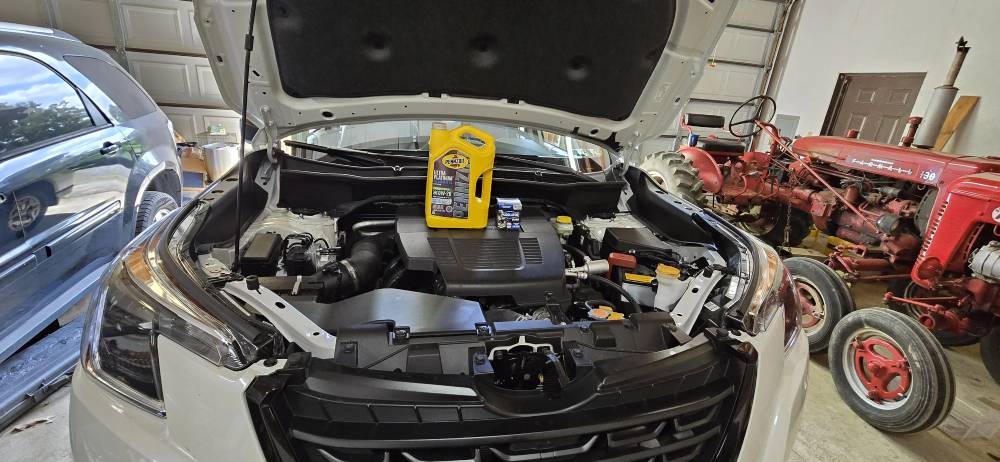
Why Regular Oil Changes Matter for Your Subaru Forester
Regular oil changes are one of the most important maintenance tasks for any Subaru Forester owner. Engine oil serves as the lifeblood of the engine, lubricating critical components, reducing friction, controlling operating temperatures, and preventing premature wear. Over time, oil gradually breaks down due to heat, contaminants, and normal engine operation. As the oil loses its effectiveness, it becomes less capable of protecting vital engine parts.
This is especially important for Subaru’s Boxer engine design. Unlike traditional inline engines, Boxer engines feature horizontally opposed cylinders that depend heavily on proper lubrication. Fresh oil helps maintain smooth operation while minimizing internal friction between moving components.
Failing to change the oil at recommended intervals can result in sludge buildup, increased engine wear, reduced fuel economy, and potential engine damage. In severe cases, neglected oil maintenance may lead to costly repairs that could have been avoided with routine service.
In addition to protecting the engine, regular oil changes can improve fuel efficiency and ensure optimal performance. Drivers often notice smoother acceleration, quieter engine operation, and improved responsiveness after a fresh oil change.
By following Subaru’s recommended maintenance schedule, you can help maximize engine longevity, maintain resale value, and enjoy years of dependable performance from your Subaru Forester.
Subaru Forester Oil Change Specifications
Before beginning an oil change, it is important to understand the correct specifications for your specific Forester model. Using the proper oil and filter helps ensure optimal engine protection and performance.
Recommended Oil Type
Most modern Subaru Forester models equipped with the 2.5-liter Boxer engine require SAE 0W-20 full synthetic motor oil. This oil provides excellent cold weather performance, improved fuel economy, and superior protection against engine wear.
For older Forester models, Subaru may recommend alternative oil viscosities depending on the model year and engine configuration. Always consult your owner’s manual to confirm the correct specification for your vehicle.
Many owners choose high quality synthetic oils from trusted brands because they provide better resistance to heat, oxidation, and sludge formation compared to conventional oils.
Oil Capacity by Model Year
The following table provides general oil capacity information for common Subaru Forester generations.
| Model Year | Engine | Oil Capacity (Approx.) |
|---|---|---|
| 2019 to Present | 2.5L Boxer | 4.4 Quarts |
| 2014 to 2018 | 2.5L Boxer | 5.1 Quarts |
| 2009 to 2013 | 2.5L Boxer | 4.5 Quarts |
| Earlier Models | Varies | Check Owner’s Manual |
Oil capacity may vary slightly depending on engine configuration and whether the oil filter is replaced during service.
Recommended Oil Filters
Using a quality oil filter is just as important as selecting the correct oil. Subaru OEM oil filters are designed specifically for Boxer engines and are often the preferred choice for maximum compatibility.
Several reputable aftermarket brands also offer excellent filtration performance. Regardless of the brand chosen, always ensure the filter matches your Forester’s model year and engine specifications.
Tools and Supplies You’ll Need
Gathering all necessary tools and materials before starting the job will make the oil change process much smoother and safer.
Essential Tools
You will need:
• Socket wrench and appropriate socket size
• Oil filter wrench
• Oil drain pan
• Funnel
• Floor jack
• Jack stands
• Wheel chocks
• Protective gloves
• Safety glasses
• Shop towels or rags
Required Materials
Make sure you have the following items available:
• Correct amount of engine oil
• Replacement oil filter
• New drain plug crush washer
• Disposable container for used oil transport
Estimated DIY Oil Change Cost
One of the biggest advantages of performing your own Subaru Forester oil change is cost savings.
| Item | Estimated Cost |
|---|---|
| Full Synthetic Oil | $25 to $45 |
| Oil Filter | $8 to $20 |
| Crush Washer | $1 to $3 |
| Miscellaneous Supplies | $5 to $10 |
| Total DIY Cost | $40 to $75 |
Compared to dealership service, which may cost significantly more depending on location, a DIY oil change can save money while giving you confidence that the work was completed correctly.
Taking a few minutes to gather proper tools and supplies before starting will help ensure a safe, efficient, and successful oil change experience.
Subaru Forester Oil Change Step by Step
Performing a Subaru Forester oil change at home is a straightforward task when you follow the correct procedure. Taking your time and paying attention to detail will help ensure the engine receives the protection it needs while preventing leaks and other common issues.
Step 1: Warm Up the Engine
Start the engine and allow it to run for approximately five minutes. Slightly warming the oil helps it flow more easily, allowing contaminants and debris to drain out more effectively. Avoid performing an oil change immediately after driving for a long period, as the oil can become extremely hot and may cause burns.
Once the engine has warmed up, turn it off and allow it to sit for a minute before proceeding.
Step 2: Park Safely and Lift the Vehicle
Park the Subaru Forester on a level surface and engage the parking brake. Place wheel chocks behind the rear tires to prevent movement.
If additional clearance is needed, use a floor jack to raise the front of the vehicle and secure it with jack stands positioned at the manufacturer’s recommended lift points. Never work beneath a vehicle supported only by a jack.
Step 3: Remove the Engine Undercover
Many Forester models include a protective plastic engine cover underneath the vehicle. Remove the fasteners or clips securing the panel and carefully set them aside.
Once removed, you will have access to the oil drain plug and related components.
Step 4: Drain the Old Oil
Position the drain pan beneath the oil pan drain plug. Using the correct socket wrench, carefully loosen and remove the drain plug.
Allow the oil to drain completely. This process typically takes several minutes. While waiting, inspect the old oil for unusual metal particles, excessive sludge, or signs of contamination that could indicate potential engine issues.
Step 5: Replace the Drain Plug Washer
Remove the old crush washer from the drain plug and install a new one.
This small component plays a critical role in creating a proper seal. Reusing an old washer can lead to leaks and may result in oil loss over time.
Reinstall the drain plug and tighten it according to Subaru’s recommended torque specifications.
Step 6: Remove and Replace the Oil Filter
Locate the oil filter in the engine compartment. Depending on the model year, Subaru often places the filter in an easily accessible location near the top of the engine.
Remove the old filter carefully, as some residual oil may spill during removal.
Before installing the new filter, apply a thin layer of fresh engine oil to the rubber gasket. This helps create a proper seal and makes future removal easier.
Install the new filter by hand until the gasket contacts the mounting surface, then tighten according to the filter manufacturer’s instructions.
Step 7: Add New Oil
Remove the oil filler cap and place a funnel into the opening.
Pour in the recommended amount of oil for your Forester model. Add slightly less than the full capacity initially to avoid overfilling.
Replace the oil filler cap once the oil has been added.
Step 8: Start the Engine and Check for Leaks
Start the engine and allow it to idle for approximately one minute.
Observe the oil filter and drain plug areas carefully. Check for any signs of leaking oil. If a leak is detected, shut off the engine immediately and correct the issue before continuing.
Step 9: Verify the Oil Level
Turn off the engine and wait several minutes to allow the oil to settle.
Remove the dipstick, wipe it clean, reinsert it fully, and then remove it again to check the oil level.
The oil should fall between the minimum and maximum marks. Add small amounts of oil if necessary until the proper level is reached.
Step 10: Reset the Maintenance Reminder
Some newer Subaru Forester models feature maintenance reminders within the vehicle information system.
Access the settings menu through the infotainment display or instrument cluster controls and follow the prompts to reset the oil maintenance reminder. This helps ensure accurate tracking of future service intervals.
Completing these steps properly can save money on maintenance while giving you confidence that your Subaru Forester is receiving the care it deserves.
Common Subaru Forester Oil Change Mistakes to Avoid
Even experienced vehicle owners can make mistakes during an oil change. Understanding the most common errors can help prevent unnecessary repairs and ensure long term engine reliability.
Using the Wrong Oil Viscosity
One of the most common mistakes is selecting an oil that does not meet Subaru’s specifications. Modern Forester models are typically designed for 0W20 full synthetic oil. Using an incorrect viscosity can negatively affect lubrication, fuel economy, and engine performance.
Overfilling the Engine
Adding too much oil can be just as harmful as running with too little. Excess oil may create foam inside the crankcase, reducing lubrication effectiveness and potentially causing engine damage.
Always verify the level using the dipstick after refilling.
Reusing the Drain Plug Washer
Many DIY mechanics overlook the importance of replacing the crush washer. A worn washer may fail to create a proper seal and can lead to slow leaks that are difficult to notice until oil levels become dangerously low.
Improper Oil Filter Installation
Installing the filter too loosely may result in leaks, while overtightening can damage the gasket and make future removal difficult.
Hand tightening according to manufacturer guidelines is usually sufficient.
Ignoring Torque Specifications
Applying excessive force to the drain plug can strip threads in the oil pan. Repairing damaged threads often requires costly repairs that far exceed the price of routine maintenance.
Forgetting Final Leak Inspection
After every oil change, inspect the drain plug area and oil filter housing. Spending a few extra minutes checking for leaks can prevent major problems later.
Avoiding these mistakes will help ensure a successful oil change and provide maximum protection for your Subaru Forester’s engine.
How Often Should You Change Oil in a Subaru Forester?
One of the most frequently asked questions among Subaru owners is how often an oil change should be performed. The answer depends on driving habits, operating conditions, and the specific model year.
Under normal driving conditions, many modern Subaru Forester models using full synthetic oil can typically go between 6,000 and 7,500 miles between oil changes. However, consulting the owner’s manual remains the best source for exact recommendations.
Drivers who frequently encounter severe operating conditions may need more frequent service. Examples include:
• Frequent short trips where the engine does not fully warm up
• Stop and go city traffic
• Extreme hot or cold weather
• Towing trailers or carrying heavy loads
• Driving on dusty roads
• Mountain driving with steep elevation changes
The following table provides a general maintenance reference.
| Driving Condition | Recommended Oil Change Interval |
|---|---|
| Normal Driving | 6,000 to 7,500 Miles |
| Severe Driving | 3,000 to 5,000 Miles |
| Frequent Towing | 3,000 to 5,000 Miles |
| Extreme Climate Use | 3,000 to 5,000 Miles |
Keeping a consistent maintenance schedule helps protect the Boxer engine from premature wear while maintaining optimal performance and fuel efficiency throughout the life of the vehicle.
DIY vs Professional Subaru Forester Oil Change
Many Subaru Forester owners eventually face a common question: should you perform your own oil changes or leave the job to a professional service center? The answer depends on your budget, available time, mechanical experience, and personal preferences.
Performing a DIY oil change can significantly reduce maintenance expenses over the lifetime of your vehicle. Once you have purchased the basic tools, future oil changes typically cost only the price of oil, a filter, and a new crush washer. Many owners also appreciate the opportunity to inspect their vehicle while performing maintenance and gain a better understanding of its condition.
On the other hand, professional service offers convenience and peace of mind. Dealership technicians are familiar with Subaru vehicles and can identify potential issues during routine inspections. Independent repair shops may offer similar services at a lower cost while still providing quality workmanship.
The following comparison can help you decide which option best suits your needs.
| Factor | DIY Oil Change | Dealership Service | Independent Shop |
|---|---|---|---|
| Average Cost | Lowest | Highest | Moderate |
| Time Required | 30 to 60 Minutes | Minimal Owner Time | Minimal Owner Time |
| Convenience | Moderate | Excellent | Good |
| Learning Opportunity | Excellent | None | None |
| Required Skill Level | Basic Mechanical Knowledge | None | None |
| Vehicle Inspection | Self Performed | Professional | Professional |
For many owners, DIY maintenance provides substantial savings and a rewarding sense of accomplishment. However, if you are uncomfortable working under a vehicle or lack the necessary tools, professional service remains a reliable option.
Regardless of which method you choose, the most important factor is maintaining a consistent oil change schedule.
Frequently Asked Questions
What oil does a Subaru Forester use?
Most modern Subaru Forester models require SAE 0W20 full synthetic motor oil. Certain older models may use different viscosities, so always consult the owner’s manual for the correct specification.
How much oil does a Subaru Forester take?
Oil capacity varies by model year and engine type. Most recent Forester models require approximately 4.4 to 5.1 quarts of oil when the filter is replaced.
Can I change the oil in my Subaru Forester myself?
Yes. An oil change is one of the most beginner friendly maintenance tasks. With the proper tools, safety equipment, and attention to detail, most owners can complete the procedure in less than one hour.
How long does a Subaru Forester oil change take?
For first time DIY owners, the process generally takes between 45 and 60 minutes. Experienced owners can often complete the job in approximately 30 minutes.
Will changing my own oil void the warranty?
In most cases, performing your own maintenance does not void the manufacturer’s warranty. However, it is important to use approved parts and fluids while keeping detailed service records and receipts.
What happens if I skip an oil change?
Delaying oil changes can cause oil degradation, increased friction, sludge accumulation, reduced fuel economy, and accelerated engine wear. Over time, neglected maintenance can lead to costly engine repairs.
How much does a Subaru Forester oil change cost?
DIY oil changes typically cost between $40 and $75 depending on the products used. Professional services can range from $70 to over $150 depending on location, labor rates, and service provider.
Which oil filter is best for a Subaru Forester?
Subaru OEM oil filters are designed specifically for Boxer engines and are often recommended for maximum compatibility. High quality aftermarket filters from reputable manufacturers can also provide excellent performance and protection.
Conclusion
A Subaru Forester oil change is one of the simplest yet most important maintenance procedures you can perform to protect your vehicle’s engine and ensure long term reliability. Whether you choose to handle the service yourself or visit a professional technician, staying consistent with oil changes can significantly extend the life of your Boxer engine.
By using the correct oil type, replacing the filter during every service, and following Subaru’s recommended maintenance intervals, you can help prevent premature wear, improve fuel efficiency, and maintain strong overall performance. Small details such as replacing the crush washer, verifying the oil level, and checking for leaks can make a meaningful difference in the quality of each oil change.
For many owners, performing a DIY Subaru Forester oil change offers substantial savings while providing a deeper understanding of the vehicle’s maintenance needs. Even if you prefer professional service, understanding the process allows you to make informed decisions and ensure your Forester receives proper care.
With routine maintenance and attention to detail, your Subaru Forester can continue delivering dependable performance, comfort, and capability for many years and thousands of miles to come.
Have you recently performed an oil change on your Subaru Forester? Share your experience, favorite oil brand, or maintenance tips with other owners and help the Subaru community stay informed.