Choosing the right MS-90032 coolant equivalent requires checking technical specifications instead of relying on color or product names. A compatible coolant replacement must meet the required performance standards for the engine cooling system.
MS-90032 coolant represents a specific coolant requirement for protecting engines from heat, freezing temperatures, and corrosion. The correct equivalent should provide similar protection, maintain efficient heat transfer, and support long term cooling system performance.
Many users search for an MS-90032 replacement because the original product may not always be available. However, not every coolant can replace this specification safely. The replacement must match important factors such as coolant technology, additive package, temperature protection, and vehicle requirements.
This guide explains how to identify a suitable MS-90032 coolant equivalent. It covers coolant specifications, replacement compatibility, mixing considerations, and key factors to review before selecting another coolant product.
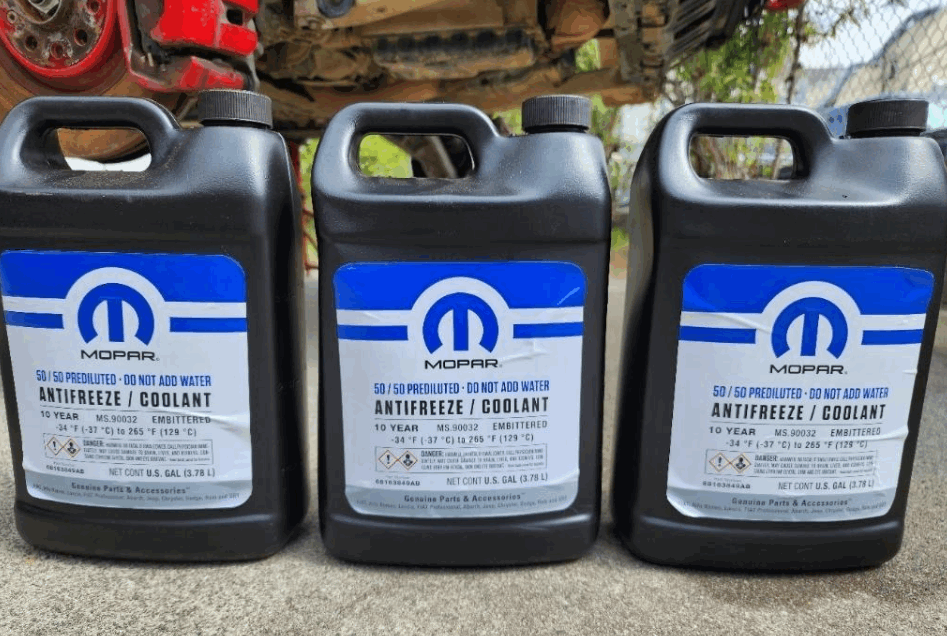
What Is MS-90032 Coolant and What Specifications Define It?
MS-90032 coolant refers to a specific coolant requirement used to protect an engine cooling system from heat, freezing temperatures, and internal corrosion. The coolant works by transferring heat away from the engine while maintaining stable operating temperatures during different driving conditions.
A coolant specification defines the performance characteristics that a replacement product must provide. These characteristics include thermal protection, chemical stability, corrosion resistance, and compatibility with cooling system components. A suitable MS-90032 coolant equivalent should meet the same functional requirements instead of only matching the original product appearance.
The main purpose of engine coolant is to regulate engine temperature. The fluid absorbs excess heat from the engine block and transfers it to the radiator, where the heat releases into the surrounding air. This process helps prevent overheating during high engine loads and protects components from thermal stress.
Coolant also protects metal components inside the cooling system. Additives inside the coolant help reduce corrosion in parts such as radiators, water pumps, and coolant passages. Without proper corrosion protection, deposits and rust can reduce coolant flow and decrease cooling performance over time.
When evaluating an MS-90032 coolant equivalent, users should compare several technical factors. The most important factors include coolant formulation, additive technology, freeze protection level, boiling point protection, and manufacturer compatibility requirements. These specifications determine whether a replacement coolant can provide similar protection and maintain reliable engine operation.
A correct equivalent focuses on performance compatibility rather than brand similarity. Two coolant products may look different but provide similar protection if they share the required chemical properties and application standards. This approach helps prevent incorrect replacements that may damage the cooling system or reduce engine efficiency.
What Coolant Is an Equivalent Replacement for MS-90032 Coolant?
An MS-90032 coolant equivalent is a replacement coolant that provides the same required protection and performance characteristics as the original coolant specification. A suitable equivalent must match the cooling system requirements instead of simply sharing a similar appearance or marketing description.
The correct replacement depends on several technical factors. The coolant should use a compatible formulation, provide similar temperature protection, and contain additives that support corrosion prevention. These factors allow the coolant to protect important components such as the radiator, water pump, engine block, and cooling passages.
Coolant technology plays an important role when selecting an equivalent product. Different coolant formulations use different additive packages to control corrosion and maintain system performance. For example, Organic Acid Technology (OAT) coolant uses organic corrosion inhibitors, while Hybrid Organic Acid Technology (HOAT) combines organic additives with traditional inhibitors. A replacement coolant should match the technology required by the original application.
Users should also review the manufacturer’s coolant requirements before selecting an MS-90032 replacement. Vehicle manufacturers design cooling systems around specific coolant properties, including chemical stability, heat transfer ability, and material compatibility. Using a coolant that does not meet these requirements can reduce protection and create maintenance problems.
A proper MS-90032 coolant equivalent should meet four main criteria: compatible formulation, correct protection range, suitable additive technology, and approved application use. These criteria help ensure that the replacement coolant performs correctly throughout the service period.
Choosing an equivalent coolant requires technical comparison rather than selecting the cheapest or most available option. A product that matches the required specifications can provide reliable cooling performance and protect the engine system from long term damage.
How Do You Choose the Correct MS-90032 Coolant Equivalent?
Choosing the correct MS-90032 coolant equivalent requires comparing technical specifications, vehicle requirements, and coolant performance characteristics. The best replacement is not always the most popular product or the lowest priced option. It is the coolant that matches the original requirements of the cooling system.
The first step is checking the manufacturer’s recommended coolant specification. Vehicle manufacturers select coolant formulas based on engine materials, operating temperature ranges, and cooling system design. These requirements help determine which coolant technology and additive package will provide proper protection.
The second step is comparing coolant specifications between the original product and the replacement option. Important factors include freeze protection, boiling point protection, corrosion inhibitors, chemical formulation, and service life. A replacement coolant should provide similar performance in these areas to maintain stable engine operation.
Users should avoid selecting coolant based only on color. Coolant colors do not always represent identical formulations because different manufacturers use different coloring systems. Two coolants with the same color may have different chemical properties, while different colored coolants may sometimes share similar technologies.
OEM and aftermarket options also require careful evaluation. OEM coolant products usually follow the vehicle manufacturer’s original requirements, while aftermarket coolants can provide suitable alternatives when they meet the same specifications. The key factor is technical compatibility rather than the product category.
Before installing an MS-90032 coolant equivalent, users should also consider whether the cooling system requires a complete flush. Mixing incompatible coolant types can affect additive performance and reduce protection. A clean cooling system helps the replacement coolant maintain its designed performance.
A careful comparison of specifications allows users to select a coolant replacement that supports engine reliability, protects internal components, and maintains efficient temperature control.
Can You Mix MS-90032 Coolant With Other Coolants?
Mixing MS-90032 coolant with other coolants requires careful consideration because different coolant formulations may contain different additive technologies. A coolant mixture that does not match the required specifications can reduce protection and affect the performance of the engine cooling system.
Different coolant products use different chemical compositions to protect engine components. Some formulas rely on Organic Acid Technology (OAT), while others use Hybrid Organic Acid Technology (HOAT) or Inorganic Acid Technology (IAT). Each technology uses specific additives to control corrosion, protect metal surfaces, and maintain coolant stability.
When users mix incompatible coolants, the additives may not work as intended. The mixture can reduce corrosion protection, create chemical imbalance, and shorten coolant service life. In some cases, deposits may form inside the cooling system and restrict coolant flow through components such as the radiator and water pump.
A common mistake is assuming that coolant color indicates compatibility. Color only identifies the appearance of the fluid and does not confirm chemical composition. Manufacturers can use similar colors for different coolant technologies, so users should always check product specifications before mixing fluids.
Replacing MS-90032 coolant with an equivalent product usually requires checking the condition of the existing coolant. A complete coolant flush is often the safest approach when changing to a different formulation. The flush removes remaining coolant residue and allows the new coolant to deliver its intended performance.
If a user needs to add coolant during an emergency, the replacement fluid should meet the same specification as the existing coolant. Selecting a compatible MS-90032 coolant equivalent helps maintain temperature control, corrosion resistance, and long term cooling system reliability.
How Does MS-90032 Coolant Protect the Engine Cooling System?
MS-90032 coolant protects the engine cooling system by controlling temperature, preventing corrosion, and maintaining efficient heat transfer. The coolant works as a thermal management fluid that helps the engine operate within a stable temperature range during normal driving and high-load conditions.
The cooling system removes excess heat produced during engine operation. Coolant absorbs heat from the engine block and cylinder components before moving through the radiator. The radiator then releases this heat into the surrounding environment. This continuous circulation prevents excessive temperatures that can damage engine components.
A suitable MS-90032 coolant equivalent also provides freeze protection. Water alone can freeze at low temperatures and expand inside the cooling system, which may damage components. Coolant formulas use glycol-based compounds to lower the freezing point and help maintain fluid circulation in cold environments.
Coolant also protects against overheating by increasing the boiling point of the fluid. Under high engine temperatures, standard water can reach boiling conditions and create steam pockets that reduce cooling efficiency. A properly formulated coolant helps maintain liquid circulation and supports stable heat transfer.
Another important function is corrosion protection. Cooling systems contain different metals, including aluminum, steel, and copper components. Without proper inhibitors, chemical reactions can create rust and deposits inside the system. These deposits can restrict coolant flow and reduce the efficiency of parts such as radiators and water pumps.
The right MS-90032 coolant equivalent supports long-term cooling system performance by maintaining balanced chemical protection. A compatible coolant helps preserve engine reliability, reduce maintenance issues, and ensure that the cooling system operates effectively throughout its service life.
What Are the Different Types of Engine Coolants?
Engine coolants use different chemical technologies to provide temperature control and corrosion protection. The main coolant types include Inorganic Acid Technology (IAT), Organic Acid Technology (OAT), and Hybrid Organic Acid Technology (HOAT). Each type uses a different additive system that affects service life, component protection, and vehicle compatibility.
Inorganic Acid Technology (IAT) coolant is one of the traditional coolant formulations. It uses inorganic corrosion inhibitors such as silicates and phosphates to protect metal components inside the cooling system. IAT coolants provide fast corrosion protection, but they usually require more frequent replacement because the additives gradually reduce in effectiveness over time.
Organic Acid Technology (OAT) coolant uses organic corrosion inhibitors instead of traditional inorganic additives. This technology provides longer service intervals because the additives remain effective for a longer period. OAT coolants are commonly used in many modern vehicles because they provide durable protection while reducing the amount of additive material in the cooling system.
Hybrid Organic Acid Technology (HOAT) coolant combines organic acids with selected inorganic inhibitors. This combination provides the long-lasting protection of OAT technology with additional protection for specific metals. Many vehicle manufacturers use HOAT formulations because they provide balanced corrosion protection and extended coolant life.
Selecting the correct coolant technology is important when searching for an MS-90032 coolant equivalent. A replacement product should use a compatible formulation that matches the original cooling system requirements. Using the wrong coolant type can affect additive performance and reduce protection for internal engine components.
Coolant type should always match the vehicle application and manufacturer specifications. The correct formulation helps maintain heat transfer efficiency, prevent corrosion, and support reliable engine operation throughout the coolant service period.
When Should You Replace MS-90032 Coolant?
Replacing MS-90032 coolant at the correct time helps maintain engine temperature control and protects the cooling system from long term damage. The replacement interval depends on the coolant formulation, vehicle manufacturer recommendations, driving conditions, and the overall condition of the cooling system.
Most coolant manufacturers define service intervals based on coolant technology and vehicle requirements. Some modern coolant formulas can provide protection for several years, while traditional coolant types may require more frequent replacement. The vehicle owner’s manual remains the most reliable source for determining the recommended replacement schedule.
Coolant condition also provides important replacement signals. A coolant change may become necessary when the fluid shows signs of contamination, discoloration, sediment buildup, or reduced protection performance. These conditions indicate that the coolant additives may no longer provide effective corrosion control and temperature protection.
Driving conditions can also affect coolant service life. Vehicles that operate under high temperatures, heavy loads, frequent towing, or extreme weather conditions may experience faster coolant degradation. These conditions increase thermal stress and place greater demands on the cooling system.
Before replacing MS-90032 coolant, users should inspect the entire cooling system. Components such as the radiator, water pump, hoses, and coolant reservoir should function properly to ensure the new coolant performs effectively. A damaged cooling system can reduce the benefits of even a high-quality coolant replacement.
A complete coolant replacement process should remove old fluid before installing the new MS-90032 coolant equivalent. Proper flushing helps prevent old coolant residue from affecting the new formulation and allows the replacement coolant to deliver consistent protection.
Regular coolant maintenance supports efficient engine operation, reduces corrosion risks, and helps prevent expensive cooling system repairs. Selecting a compatible replacement and following the correct service interval ensures long term engine protection.
How Can You Identify the Right MS-90032 Coolant Equivalent?
Identifying the right MS-90032 coolant equivalent requires comparing technical specifications rather than selecting a replacement based on brand name, color, or price. A suitable coolant must provide the same level of protection for the engine cooling system and support reliable temperature control.
The most important factors include coolant formulation, additive technology, freeze protection, boiling point protection, and compatibility with the vehicle application. These specifications determine whether a replacement coolant can protect internal components such as the radiator, water pump, and engine passages.
Users should also consider coolant mixing risks before switching products. A compatible replacement may require a complete coolant flush to remove old fluid and prevent chemical interaction between different formulations. This step helps the new coolant maintain its designed performance.
A high-quality MS-90032 coolant equivalent should meet the required cooling system standards and provide consistent protection throughout its service life. Checking manufacturer recommendations and comparing product specifications remain the most reliable methods for choosing the correct replacement.
Selecting the right coolant supports efficient heat transfer, reduces corrosion risks, and helps maintain long-term engine reliability. A specification-based approach ensures that the replacement coolant delivers the protection expected from the original MS-90032 coolant requirement.