The 6.4 HEMI engine is one of the most powerful naturally aspirated V8 engines built by Stellantis. It delivers excellent horsepower, strong torque, and proven durability. Drivers choose this engine because it combines classic American muscle with modern engineering. As a result, it powers some of Dodge, Jeep, and Ram’s most popular performance vehicles.
The engine is also known as the 392 HEMI Apache. It features a pushrod V8 design, Variable Valve Timing, and Sequential Multi-Port Fuel Injection. These technologies improve throttle response and help the engine maintain consistent performance across different driving conditions. The result is a balance of power, reliability, and everyday usability.
Understanding the complete 6.4 HEMI engine specs helps buyers compare vehicles and make informed decisions. Horsepower, torque, displacement, compression ratio, and fuel requirements all influence how the engine performs on the road. In addition, these specifications reveal what owners can expect from towing, acceleration, maintenance, and long-term reliability.
This guide covers every important detail about the 6.4 HEMI engine. You will learn its factory specifications, vehicle applications, performance characteristics, engine design, common problems, maintenance requirements, and comparisons with other HEMI engines. By the end, you will understand whether the 6.4 HEMI is the right engine for your driving needs.
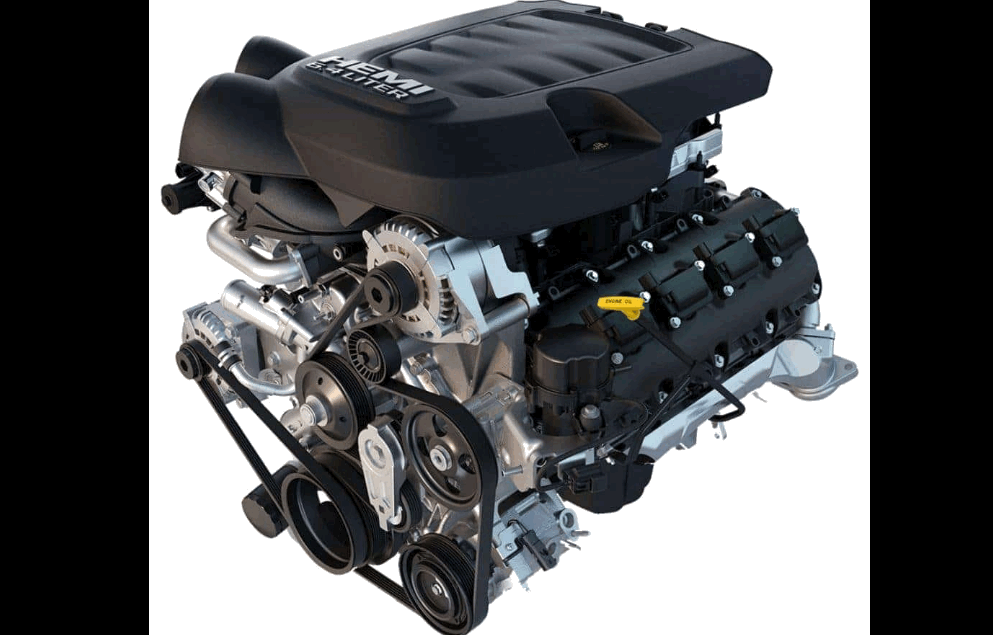
What Are the 6.4 HEMI Engine Specs?
The 6.4 HEMI engine is a naturally aspirated 6.4-liter V8 that delivers exceptional power, strong torque, and dependable reliability. Chrysler developed the 392 Apache HEMI for muscle cars, performance SUVs, and heavy-duty trucks that demand consistent performance. As a result, the engine has become one of the most respected V8 platforms in the modern HEMI family.
The engine displaces 6,417 cc (392 cubic inches) and features a 90-degree OHV V8 layout with 16 valves. It also combines a 4.09-inch bore with a 3.72-inch stroke, creating an oversquare design that supports higher engine speeds. In addition, the 10.9:1 compression ratio improves combustion efficiency and throttle response. Variable Valve Timing works alongside Sequential Multi-Port Fuel Injection to deliver smooth power across the entire RPM range.
Most factory applications produce 470 to 485 horsepower and 470 to 475 lb-ft of torque. Therefore, the engine offers quick acceleration, confident highway passing, and impressive towing performance. Dodge, Jeep, and Ram tune the engine slightly differently for each model. However, every version maintains the same core architecture and strong low-end torque.
Drivers should use 91-octane or higher premium gasoline to achieve maximum performance. Likewise, regular maintenance helps the engine deliver consistent power and long-term durability. The specification table below highlights the most important factory data.
| Specification | Value |
|---|---|
| Engine Name | 6.4L HEMI V8 (392 Apache) |
| Engine Type | Naturally Aspirated OHV V8 |
| Displacement | 6,417 cc (392 cu in) |
| Bore × Stroke | 4.09 × 3.72 in |
| Compression Ratio | 10.9:1 |
| Horsepower | 470–485 hp |
| Torque | 470–475 lb-ft |
| Fuel System | Sequential Multi-Port Fuel Injection |
| Valve Timing | Variable Valve Timing (VVT) |
| Fuel Requirement | Premium Unleaded (91+ Octane) |
| Engine Oil Capacity | Approximately 7 qt (6.6 L) |
| Cylinder Heads | Aluminum |
| Engine Block | Cast Iron |
Overall, these specifications explain why the 6.4 HEMI engine remains a popular choice among performance enthusiasts. Its large displacement, durable construction, and efficient airflow create an excellent balance between everyday drivability and high-performance capability.
What Vehicles Come with the 6.4 HEMI Engine?
The 6.4 HEMI engine powers a diverse lineup of Dodge, Jeep, and Ram vehicles. Manufacturers developed this naturally aspirated V8 to deliver strong horsepower, high torque, and dependable durability across multiple driving conditions. As a result, it appears in performance cars, capable SUVs, and heavy-duty pickup trucks instead of serving a single market segment. Although the engine shares the same displacement in every application, each manufacturer adjusts its calibration to match the vehicle’s intended purpose.
Most notably, Dodge installs the 6.4 HEMI in the Challenger Scat Pack and Charger Scat Pack. These factory-built muscle cars produce up to 485 horsepower and 475 lb-ft of torque, making them some of the quickest naturally aspirated V8 models in their class. Consequently, drivers enjoy rapid acceleration, immediate throttle response, and impressive passing power. In addition, the engine delivers consistent performance throughout the RPM range, creating an engaging driving experience on both city roads and highways.
Jeep also uses the 6.4 HEMI to enhance its performance SUV lineup. For example, the Grand Cherokee SRT combines powerful V8 performance with everyday comfort and confident handling. Meanwhile, the Wrangler Rubicon 392 pairs the same engine with advanced four-wheel-drive systems to improve off-road capability. Therefore, owners receive strong acceleration without sacrificing trail performance or overall versatility.
Ram applies the same engine differently in its heavy-duty trucks. However, the Ram 2500 and Ram 3500 use a truck-specific calibration that prioritizes towing and hauling instead of maximum horsepower. As a result, these models generate 410 horsepower and 429 lb-ft of torque, producing stronger low-end pulling power under heavy loads. Overall, the 6.4 HEMI demonstrates remarkable versatility by delivering reliable performance in muscle cars, SUVs, and commercial-grade trucks while maintaining its proven V8 architecture.
How Does the 6.4 HEMI Engine Deliver Its Performance?
The 6.4 HEMI engine delivers exceptional performance by combining a large displacement, efficient airflow, and advanced fuel management technologies. As a result, it produces impressive horsepower and strong torque without relying on turbochargers or superchargers. This naturally aspirated design provides immediate throttle response and predictable power delivery across a wide RPM range. Drivers benefit from smooth acceleration and consistent performance in everyday driving as well as demanding situations.
One of the biggest advantages of the 6.4 HEMI is its 392 cubic-inch displacement, which allows the engine to move a greater volume of air and fuel during each combustion cycle. Consequently, the engine generates up to 485 horsepower and 475 lb-ft of torque in Dodge performance models. In addition, the high-flow cylinder heads and optimized intake manifold improve breathing efficiency, helping the engine maintain strong power at both low and high engine speeds.
The engine also uses several modern technologies to improve efficiency without reducing performance. For example, the Variable Valve Timing (VVT) system continuously adjusts valve timing to optimize combustion under different driving conditions. Meanwhile, the Multi-Displacement System (MDS) deactivates four cylinders during light-load driving to reduce fuel consumption. Therefore, the engine balances powerful acceleration with improved highway efficiency when full power is unnecessary.
Transmission calibration also plays an important role in overall performance. However, the engine alone cannot deliver its full potential without an appropriate transmission. Dodge pairs the 6.4 HEMI with advanced automatic or manual gearboxes that maximize acceleration and keep the engine within its ideal power band. Furthermore, carefully selected gear ratios improve responsiveness while maintaining smooth power delivery during daily driving.
Overall, the 6.4 HEMI engine achieves its performance through efficient engineering rather than forced induction. Its large displacement, advanced airflow design, intelligent valve control, and optimized transmission pairing work together to create a V8 that delivers instant response, impressive acceleration, and dependable performance across a wide variety of driving conditions.
What Makes the 6.4 HEMI Engine Design Unique?
The 6.4 HEMI engine stands out because it combines classic American V8 architecture with modern engineering technologies. As a result, it delivers high horsepower, strong low-end torque, and dependable durability without using turbochargers or superchargers. Unlike many modern performance engines that rely on forced induction, the 6.4 HEMI produces its power through displacement, efficient airflow, and precise combustion. This balanced design allows the engine to provide immediate throttle response while maintaining long-term reliability.
One defining feature is the engine’s 392 cubic-inch (6.4-liter) displacement. The large cylinder capacity allows each combustion cycle to burn more air and fuel, creating greater torque throughout the rev range. Consequently, drivers experience strong acceleration from a standstill as well as confident passing power at highway speeds. In addition, the engine uses hemispherical combustion chambers that improve airflow efficiency and support more complete fuel combustion.
The cylinder heads also contribute to the engine’s performance. For example, high-flow intake and exhaust ports allow air to move more efficiently through the combustion chambers. Meanwhile, the forged steel crankshaft and durable internal components help the engine withstand high loads and demanding driving conditions. Therefore, the 6.4 HEMI maintains stable performance whether it powers a muscle car, a performance SUV, or a heavy-duty truck.
Modern technologies further enhance the engine without changing its naturally aspirated character. However, engineers did not rely solely on displacement to achieve strong performance. The Variable Valve Timing (VVT) system continuously adjusts valve timing to improve power and efficiency across different engine speeds. Furthermore, the Multi-Displacement System (MDS) deactivates four cylinders during light-load driving, reducing fuel consumption while preserving smooth operation.
Overall, the 6.4 HEMI engine offers a unique combination of traditional V8 performance and modern engineering. Its large displacement, hemispherical combustion chambers, advanced airflow design, and intelligent valve control create an engine that delivers responsive power, proven durability, and consistent performance in a wide range of driving applications.
How Reliable Is the 6.4 HEMI Engine?
The 6.4 HEMI engine is widely regarded as a reliable V8 when owners follow the recommended maintenance schedule. As a result, many engines exceed 200,000 miles (320,000 km) without major internal repairs. Its naturally aspirated design reduces mechanical complexity because it does not rely on turbochargers or superchargers. This straightforward engineering helps improve long-term durability while keeping maintenance relatively predictable.
One of the main reasons for its reliability is the engine’s robust construction. The 6.4 HEMI features a durable cast-iron cylinder block, aluminum cylinder heads, and a forged steel crankshaft designed to withstand high combustion pressure. Consequently, these components remain dependable under both daily driving and high-performance conditions. In addition, the engine uses proven cooling and lubrication systems that help control operating temperatures and reduce internal wear over time.
Regular maintenance has a direct impact on engine lifespan. For example, owners should replace engine oil and filters at the recommended intervals using the correct viscosity specified by the manufacturer. Meanwhile, routine inspections of the cooling system, ignition components, and drive belts help identify minor issues before they develop into expensive repairs. Therefore, preventive maintenance often costs far less than correcting damage caused by neglected service.
Driving habits also influence long-term reliability. However, aggressive acceleration, repeated high-RPM operation, and poor maintenance can shorten the engine’s service life. Frequent drag racing, excessive towing without proper cooling, or delayed oil changes place additional stress on internal components. Furthermore, using high-quality fuel and genuine replacement parts helps maintain consistent performance while reducing unnecessary wear.
Overall, the 6.4 HEMI engine has earned a strong reputation for durability because it combines proven engineering with modern technology. Owners who follow factory maintenance recommendations, address small problems early, and operate the vehicle responsibly can expect dependable performance for many years. Under proper care, the engine continues to deliver the power, responsiveness, and reliability that have made it one of the most respected naturally aspirated V8 engines in its class.
What Are the Most Common 6.4 HEMI Engine Problems?
The 6.4 HEMI engine has a strong reputation for reliability, but it can still develop several common problems over time. However, most of these issues appear after high mileage, inconsistent maintenance, or demanding driving conditions rather than because of poor engine design. As a result, owners who recognize the warning signs early can often prevent expensive repairs. Understanding these common problems also helps buyers evaluate a used vehicle more confidently.
One of the most discussed issues involves lifter and camshaft wear. The problem usually develops when lubrication becomes less effective or when the engine experiences extended oil change intervals. Consequently, drivers may hear a ticking noise from the valve train, especially during cold starts or idle. If ignored, worn lifters can damage the camshaft and increase repair costs significantly. Therefore, regular oil changes with the correct factory-approved oil remain one of the best ways to reduce this risk.
The Multi-Displacement System (MDS) can also contribute to long-term wear in some vehicles. For example, repeated transitions between four-cylinder and eight-cylinder operation place additional stress on lifters over many years of use. Nevertheless, most MDS-equipped engines operate without major issues when owners follow the recommended maintenance schedule. In addition, software updates and proper servicing help the system perform as intended.
Cooling system components deserve regular attention as mileage increases. Meanwhile, the water pump, thermostat, and radiator hoses naturally wear with age. Small coolant leaks or rising operating temperatures often indicate that these parts require inspection or replacement. Therefore, addressing cooling problems early helps prevent overheating and protects internal engine components from unnecessary damage.
Oil consumption may also increase in higher-mileage engines. Although moderate oil use is not unusual for a high-performance V8, excessive consumption should never be ignored. Furthermore, routine oil level checks help owners identify leaks or abnormal engine wear before serious problems develop. Catching these issues early often reduces repair costs and extends engine life.
Overall, the most common 6.4 HEMI engine problems are manageable with proper maintenance and timely repairs. Regular oil changes, cooling system inspections, and prompt attention to unusual noises greatly improve long-term reliability. Ultimately, preventive maintenance remains the most effective way to keep the 6.4 HEMI running smoothly for well over 200,000 miles.
How Does the 6.4 HEMI Compare with Other HEMI Engines?
The 6.4 HEMI engine sits between the 5.7 HEMI and the supercharged 6.2 HEMI in the Chrysler HEMI lineup. As a result, it offers an excellent balance of power, reliability, and everyday usability. While the 5.7 HEMI focuses on efficiency and the 6.2 Hellcat engine targets maximum performance, the 6.4 HEMI delivers naturally aspirated power without the added complexity of forced induction. This combination makes it a popular choice for drivers who want strong performance with lower long-term maintenance requirements.
The 5.7 HEMI serves as the entry-level V8 option across many Dodge, Ram, and Jeep models. In comparison, the 6.4 HEMI increases displacement from 5.7 liters to 6.4 liters, allowing it to produce substantially more horsepower and torque. Consequently, drivers experience quicker acceleration, stronger mid-range performance, and better throttle response. In addition, the larger engine handles demanding driving situations more confidently, especially when carrying passengers or towing moderate loads.
The 6.2-liter Supercharged HEMI, commonly known as the Hellcat engine, occupies the top position in the performance lineup. However, its primary goal differs from that of the 6.4 HEMI. A factory-installed supercharger enables the 6.2 HEMI to generate well over 700 horsepower in many applications. Therefore, it delivers extraordinary straight-line performance but also increases fuel consumption, purchase cost, and maintenance complexity. Drivers seeking race-inspired acceleration often choose the 6.2 HEMI, while those wanting dependable naturally aspirated performance frequently prefer the 6.4 HEMI.
The differences become even clearer when the engines are compared side by side. For example, the 5.7 HEMI emphasizes value and everyday practicality, the 6.4 HEMI balances performance with reliability, and the 6.2 Supercharged HEMI prioritizes maximum power above all else. Likewise, each engine serves a different group of drivers based on budget, performance expectations, and intended vehicle use.
| Specification | 5.7 HEMI | 6.4 HEMI (392) | 6.2 Supercharged HEMI |
|---|---|---|---|
| Displacement | 5.7 L | 6.4 L | 6.2 L |
| Aspiration | Naturally Aspirated | Naturally Aspirated | Supercharged |
| Horsepower* | Up to 395 hp | Up to 485 hp | 707–807 hp |
| Torque* | Up to 410 lb-ft | Up to 475 lb-ft | Up to 707 lb-ft |
| Best For | Daily driving | Performance and versatility | Maximum performance |
| Maintenance Cost | Lower | Moderate | Highest |
*Factory output varies by vehicle model and production year.
Overall, each HEMI engine excels in a different role. The 5.7 HEMI delivers dependable everyday performance, the 6.4 HEMI provides an outstanding balance of horsepower, torque, and durability, and the supercharged 6.2 HEMI dominates in raw speed. Ultimately, the 6.4 HEMI remains the best choice for drivers who want naturally aspirated V8 performance without the higher ownership costs associated with a supercharged engine.
Is the 6.4 HEMI Engine Worth Buying?
The 6.4 HEMI engine is worth buying for drivers who want a naturally aspirated V8 that combines strong performance with proven reliability. Overall, it offers an excellent balance of horsepower, torque, durability, and everyday drivability. Unlike many modern turbocharged engines, the 6.4 HEMI delivers immediate throttle response and linear power without relying on forced induction. As a result, it remains one of the most respected performance V8 engines produced by Stellantis.
The engine particularly suits drivers who value consistent performance in a variety of situations. For example, muscle car enthusiasts appreciate the 485-horsepower output available in the Dodge Challenger and Charger Scat Pack models. Meanwhile, SUV owners benefit from the strong acceleration and versatility offered by the Jeep Grand Cherokee SRT and Wrangler Rubicon 392. In addition, Ram truck owners receive dependable towing capability thanks to a calibration that emphasizes low-end torque instead of peak horsepower.
Ownership costs also compare favorably with many high-performance alternatives. However, buyers should expect higher fuel consumption than smaller V6 or turbocharged four-cylinder engines. Routine maintenance, premium fuel, and regular oil changes also increase operating expenses. Nevertheless, the naturally aspirated design avoids many of the additional components associated with turbocharged or supercharged engines, helping reduce long-term mechanical complexity. Therefore, many owners consider the higher fuel costs a reasonable trade-off for dependable performance and long service life.
Potential buyers should also evaluate how they plan to use the vehicle. For instance, drivers who mainly commute in urban traffic may not fully benefit from the engine’s impressive power. On the other hand, enthusiasts who enjoy spirited driving, weekend road trips, towing, or track-day events will appreciate its broad torque curve and responsive acceleration. Furthermore, the engine has a large aftermarket community, making performance upgrades and replacement parts widely available.
Ultimately, the 6.4 HEMI engine remains one of the best naturally aspirated V8 engines in its segment. It delivers impressive horsepower, proven durability, and engaging driving characteristics without the added complexity of forced induction. Finally, if you want a powerful engine that balances performance, reliability, and long-term ownership value, the 6.4 HEMI is an excellent investment.
Conclusion
The 6.4 HEMI engine continues to stand out as one of the most capable naturally aspirated V8 engines available in modern Dodge, Jeep, and Ram vehicles. Throughout its production, it has earned a reputation for delivering strong horsepower, impressive torque, and dependable long-term reliability. As a result, it appeals to a wide range of drivers, from muscle car enthusiasts to SUV owners and heavy-duty truck operators.
In addition, the engine combines proven HEMI architecture with modern technologies such as Variable Valve Timing and the Multi-Displacement System to improve both performance and efficiency. While no engine is completely free from maintenance concerns, regular servicing and proper driving habits help the 6.4 HEMI remain reliable well beyond 200,000 miles in many cases. Therefore, understanding its specifications, vehicle applications, common issues, and maintenance requirements allows buyers to make a more informed decision.
Overall, the 6.4 HEMI offers an exceptional balance of power, durability, and everyday usability. Whether you are comparing HEMI engines or searching for a dependable high-performance V8, this engine continues to prove why it remains a benchmark in the American performance market.