Why is the 5.3 LS engine still one of the most trusted V8 engines after decades of use? From daily work trucks to high performance builds, this engine continues to dominate discussions among car enthusiasts and mechanics alike.
The truth is, many people hear about the 5.3 LS engine but do not fully understand what makes it so popular. Some are confused by the different engine codes. Others are unsure about real horsepower and torque figures. Many buyers worry about reliability, fuel consumption, and long term maintenance costs.
This is exactly where a complete breakdown becomes essential.
In this guide to 5.3 LS Engine Specs, you will discover everything that matters in one place. We will explore technical specifications, horsepower and torque figures, engine variants across generations, and real world performance insights. More importantly, we will address common concerns such as durability, fuel efficiency, and whether this engine is still worth it today.
If you are considering buying a truck, planning an LS swap, or simply trying to understand how this engine performs, this guide will give you clear and practical answers without unnecessary complexity.
By the end, you will not only understand the numbers behind the 5.3 LS engine specs, but also know how those numbers translate into real driving experience and long term value.
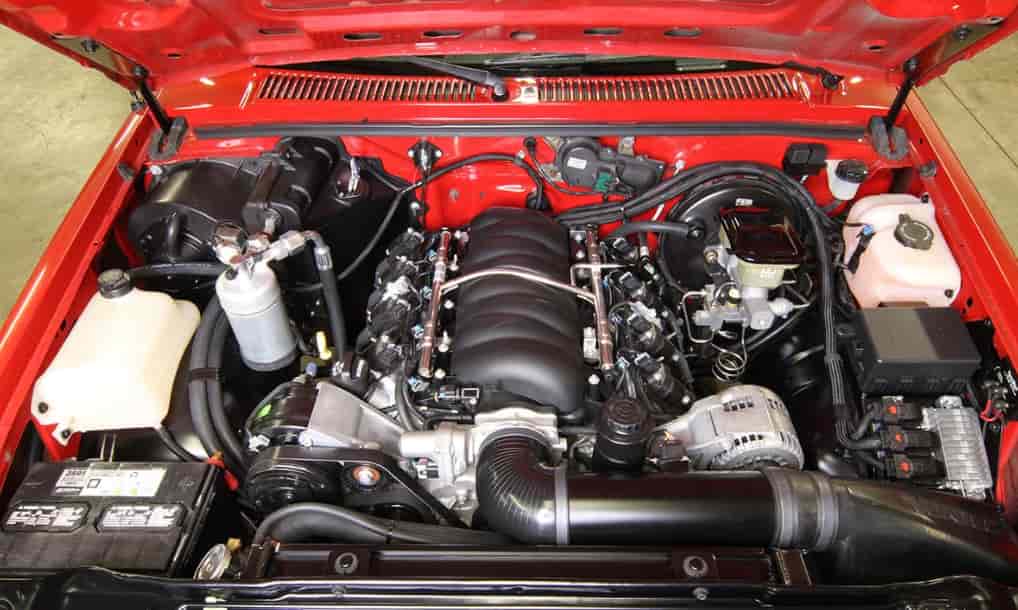
WHAT IS A 5.3 LS ENGINE
To truly understand 5.3 LS Engine Specs, you first need to understand what the 5.3 LS engine actually is and why it plays such an important role in the automotive world.
The 5.3 LS engine belongs to the legendary GM LS engine family, a series of small block V8 engines developed by General Motors. These engines are known for their simple design, strong durability, and impressive performance potential. The LS platform has become one of the most popular engine families ever created, especially in North America.
The “5.3” refers to its displacement, which is 5.3 liters or approximately 325 cubic inches. This size strikes a balance between power and efficiency, making it ideal for trucks, SUVs, and even performance builds.
One of the key reasons behind the popularity of the 5.3 LS engine is its versatility. It has been used in a wide range of vehicles such as the Chevrolet Silverado, GMC Sierra, Tahoe, and Yukon. At the same time, it has become a favorite choice for engine swaps due to its affordability and ability to handle significant power upgrades.
The engine exists across multiple generations, each bringing improvements in technology and performance. The early versions, known as Gen III engines, include models like LM7 and L59. Later, Gen IV versions such as LC9 and LMG introduced features like Active Fuel Management and improved efficiency. The newest generation, often referred to as Gen V, includes engines like the L83 with direct fuel injection and better power output.
Understanding these generations is crucial because 5.3 LS Engine Specs are not identical across all versions. Horsepower, torque, fuel efficiency, and even reliability can vary depending on the specific variant.
This is why many buyers and enthusiasts feel overwhelmed. Without clear guidance, choosing the right version can be confusing and costly.
In the next section, we will break down the full technical specifications so you can clearly see what this engine is capable of on paper before diving into real world performance.
5.3 LS ENGINE SPECS
Understanding the core 5.3 LS Engine Specs helps explain why this engine remains a favorite for both daily driving and performance builds.
The 5.3 LS is a naturally aspirated V8 with a pushrod valvetrain. This design keeps the engine compact while delivering strong low end torque and long term reliability. Many enthusiasts prefer it because it is easier to maintain and modify compared to more complex overhead cam engines.
This engine has a displacement of 5.3 liters, or about 325 cubic inches. That size creates a solid balance between power and fuel efficiency, which is ideal for trucks and SUVs. It provides enough torque for towing while still keeping operating costs reasonable.
Bore and stroke measurements are typically around 96 mm and 92 mm. These dimensions support stable power delivery across different RPM ranges, making the engine feel responsive in real driving conditions.
Compression ratio varies by generation. Earlier versions range from 9.5 to 10 to 1, while newer variants reach up to 11 to 1. Higher compression improves both efficiency and performance, especially in modern setups.
Fuel delivery also evolved over time. Older engines rely on electronic fuel injection, while newer versions such as the L83 use direct injection for better combustion and improved output.
The valvetrain uses two valves per cylinder, which contributes to durability and consistent torque.
Because each generation introduces different technologies, 5.3 LS Engine Specs can vary slightly. That is why looking at horsepower and torque is essential to fully understand real performance.
HORSEPOWER AND TORQUE BY VARIANT
When people search for 5.3 LS Engine Specs, horsepower and torque are often the most important numbers. These figures show how the engine performs in real driving situations, from daily commuting to towing and acceleration.
Different variants of the 5.3 LS engine produce different levels of power. Early Gen III engines such as the LM7 deliver around 270 to 295 horsepower and 315 to 335 lb ft of torque. These numbers may seem modest, but they provide strong low end pulling power, which works well for trucks and heavy vehicles.
Moving to Gen IV, engines like the LC9 increase output to around 320 horsepower. Improvements in engine management and efficiency help deliver smoother power and slightly better fuel economy. Some versions also include Active Fuel Management, which can reduce fuel consumption under light load conditions.
The biggest jump appears in Gen V engines such as the L83. This version produces about 355 horsepower and 383 lb ft of torque. Direct injection and variable valve timing allow the engine to generate more power while maintaining efficiency. As a result, it feels more responsive and refined compared to earlier generations.
Power increases over time because of better airflow, more precise fuel delivery, and improved internal components. Each upgrade helps the engine perform better without sacrificing reliability.
Many drivers worry that a 5.3 engine might feel underpowered. In reality, it delivers consistent and usable performance, especially in real world conditions where torque matters more than peak horsepower.
Understanding these numbers helps you choose the right version based on your needs. Next, we will break down each engine variant in detail so you can see which one fits your goals best.
5.3 LS ENGINE VARIANTS EXPLAINED
To fully understand 5.3 LS Engine Specs, you need to look beyond the numbers and focus on the different engine variants. Each version offers a unique balance of performance, efficiency, and technology.
The Gen III engines include LM7 and L59. These are the simplest and most durable versions. The LM7 is the most common, known for reliability and low cost. The L59 adds flex fuel capability, which allows it to run on ethanol blends. Many enthusiasts choose these engines for swaps because they are affordable and easy to work on. However, they produce lower horsepower compared to newer versions.
Gen IV engines bring noticeable improvements. Popular variants include LC9, LH6, and LMG. These engines introduce Active Fuel Management, which helps improve fuel efficiency by shutting down cylinders under light load. They also feature better internal components and updated electronics. While they offer more power than Gen III, some users report concerns about AFM related issues over time.
The Gen V generation represents the most advanced stage of the 5.3 LS evolution. The L83 is the standout variant here. It uses direct injection and variable valve timing to deliver higher horsepower and better fuel efficiency. This version feels more modern and refined, especially in daily driving. At the same time, it is more complex, which can increase maintenance costs.
Choosing the right variant depends on your goal. If you want simplicity and budget friendly performance, Gen III is a strong option. If you prefer a balance between power and efficiency, Gen IV works well. For maximum performance and modern technology, Gen V stands out.
Each version shapes how the 5.3 LS Engine Specs translate into real world use. In the next section, we will explore how these engines actually perform on the road.
PERFORMANCE AND REAL WORLD DRIVING
Understanding 5.3 LS Engine Specs is important, but what really matters is how the engine performs in everyday driving. Numbers on paper only tell part of the story. Real world performance shows why this engine remains so popular.
The 5.3 LS delivers strong low end torque, which makes it feel responsive even at low speeds. This characteristic is especially useful in trucks and SUVs where pulling power matters more than high RPM performance. Acceleration feels smooth and predictable rather than aggressive, which suits daily driving.
In heavier vehicles like the Silverado or Tahoe, the engine provides enough power for confident merging and highway cruising. It does not feel overly fast, but it rarely feels underpowered. This balance is exactly what many drivers look for in a reliable workhorse engine.
Towing performance is another strong point. The 5.3 LS can handle moderate to heavy loads without excessive strain. This makes it a practical choice for people who regularly tow trailers, boats, or equipment. The consistent torque delivery helps maintain stability even under load.
In lighter vehicles or LS swap projects, the same engine feels much more energetic. With less weight to move, acceleration improves significantly, and the engine becomes more fun to drive. This is one reason why it is a favorite among car builders.
Some drivers worry about throttle response or lag. In most cases, the engine responds quickly, especially in newer versions with improved technology. While it may not match high performance V8 engines, it offers a dependable and versatile driving experience.
Overall, the engine delivers a well rounded performance that matches its specifications. Next, we will look at fuel economy to see how efficient this power actually is in daily use.
FUEL ECONOMY AND MPG
Fuel efficiency is a major concern for many drivers researching 5.3 LS Engine Specs. A V8 engine often raises questions about fuel costs, especially for daily use or long distance driving.
The 5.3 LS delivers better fuel economy than many people expect. Most vehicles equipped with this engine achieve around 14 to 17 MPG in city driving and 18 to 23 MPG on the highway. Actual numbers vary depending on vehicle weight, driving habits, and road conditions.
One key factor behind this efficiency is Active Fuel Management in newer generations. This system allows the engine to run on fewer cylinders during light load situations, such as cruising at steady speeds. As a result, fuel consumption decreases without sacrificing overall performance when full power is needed.
Vehicle weight plays a significant role as well. In heavier trucks and SUVs, fuel economy tends to be lower due to increased load. In lighter vehicles or swap builds, the same engine often performs more efficiently.
Driving style also affects MPG. Aggressive acceleration and frequent stop and go traffic can quickly reduce fuel efficiency. Smooth driving and consistent speeds help maintain better consumption levels.
Some drivers worry that owning a V8 means high fuel costs. In reality, the 5.3 LS offers a reasonable balance between power and efficiency, especially when compared to larger engines like the 6.0 LS.
Overall, the engine provides acceptable fuel economy for its class. It may not match smaller engines, but it compensates with strong performance and versatility.
Next, we will explore common problems and reliability to help you understand the long term ownership experience.
COMMON PROBLEMS AND RELIABILITY
Reliability is one of the biggest reasons people search for 5.3 LS Engine Specs. While this engine has a strong reputation, it still comes with a few known issues that every buyer should understand.
The 5.3 LS is widely recognized for its durability. Many engines easily exceed 200000 miles with proper maintenance. This long lifespan makes it a popular choice for both daily drivers and project builds.
One common issue involves Active Fuel Management. This system improves fuel efficiency, but it can lead to lifter failure over time. When this happens, drivers may notice ticking noises, rough running, or reduced performance. Many owners choose to disable or remove the system to avoid long term problems.
Another concern is oil consumption. Some versions of the engine tend to burn oil faster than expected, especially as mileage increases. Regular oil checks and timely maintenance help prevent more serious damage.
Lifter issues can also appear even without AFM involvement. Worn components may cause noise or misfires if not addressed early. Keeping up with oil changes and using quality parts reduces this risk significantly.
Despite these concerns, the engine remains highly reliable when maintained properly. Most problems are well documented and have proven solutions, which makes repairs more predictable and less stressful.
Many drivers worry about unexpected repair costs. In reality, the 5.3 LS benefits from widely available parts and strong community support. This keeps maintenance and repair expenses relatively manageable compared to more complex engines.
Overall, the engine offers a solid balance between performance and reliability. Understanding these common issues helps you avoid costly surprises and get the most value from your investment.
Next, we will explore how much power this engine can handle, especially for tuning and performance upgrades.
HOW MUCH POWER CAN A 5.3 LS HANDLE
One of the most exciting aspects of 5.3 LS Engine Specs is the engine’s ability to handle significant power upgrades. This is where the LS platform truly stands out and why it remains a favorite among performance enthusiasts.
In stock form, the 5.3 LS already delivers solid performance. However, its real strength lies in how much additional power it can support without requiring a complete rebuild.
With factory internals, a naturally aspirated setup can typically reach around 400 to 500 horsepower with the right modifications. Upgrades such as a performance camshaft, improved intake, and better exhaust flow can unlock noticeable gains without sacrificing reliability.
When it comes to forced induction, the potential increases even further. Many builders safely push the engine to 600 horsepower or more using a turbocharger or supercharger. The strong iron or aluminum block design, combined with a robust bottom end, allows the engine to handle boost better than many expect.
That said, power limits depend heavily on tuning and supporting components. Poor tuning or inadequate fuel systems can quickly lead to engine damage. Proper setup and professional calibration are essential if you want to push beyond stock limits.
Some drivers worry about whether the 5.3 LS is worth building compared to larger engines. While it may not produce the highest stock numbers, its affordability and upgrade potential make it one of the best value options available.
This flexibility is a major reason why 5.3 LS Engine Specs attract both beginners and experienced builders. You can start with a budget setup and gradually increase performance over time.
Next, we will look at whether this engine is the right choice for you based on your specific needs.
SHOULD YOU BUY A 5.3 LS ENGINE
Choosing the right engine depends on your goals, and understanding 5.3 LS Engine Specs makes that decision much easier.
The 5.3 LS stands out as one of the best value V8 engines available. It offers a strong balance between performance, reliability, and cost. For daily drivers, it provides enough power for comfortable commuting and highway driving without feeling excessive. For truck owners, it delivers the torque needed for towing and hauling.
One of its biggest advantages is affordability. Compared to larger LS engines, the 5.3 is easier to find and more budget friendly. This makes it an excellent choice for beginners who want to enter the world of performance builds without spending too much upfront.
Reliability is another key factor. When properly maintained, this engine can last for many years with consistent performance. Parts are widely available, and repair costs remain reasonable due to the engine’s popularity.
However, it is important to consider a few drawbacks. Some versions include Active Fuel Management, which may lead to long term issues if not addressed. In addition, while the engine performs well, it may not satisfy those who are looking for maximum stock power without modifications.
If your goal is a dependable daily vehicle, a work truck, or a flexible engine for a swap project, the 5.3 LS is a strong choice. If you want extreme performance straight out of the box, you may need to look at larger options.
CONCLUSION
The 5.3 LS Engine Specs reveal why this engine continues to dominate the market even after many years. It combines solid horsepower, reliable torque, and practical efficiency in a way that suits a wide range of drivers.
From basic technical specifications to real world performance, this engine proves that it is more than just numbers. It delivers consistent results in daily use while still offering strong potential for upgrades and customization.
Although it has a few known issues, most of them are manageable with proper maintenance and informed decisions. This makes ownership less stressful and more predictable compared to many modern engines.
For anyone looking for a balance between cost, durability, and performance, the 5.3 LS remains one of the smartest choices available today.
Now the question is simple. Which version of the 5.3 LS engine fits your needs best?