The 6.2 LS engine specs attract attention from car enthusiasts, tuners, and everyday drivers. This engine delivers strong power, impressive torque, and proven reliability. However, many people still feel confused when they compare versions like LS3, LS9, and L86.
Each engine shares the same 6.2L displacement, but performance differs in real driving conditions. This creates a common problem. Buyers often struggle to understand which version truly fits their needs.
So what makes the 6.2 LS engine stand out?
It offers a powerful balance between performance and durability. You can find it in sports cars, trucks, and engine swap projects. That flexibility makes it one of the most trusted V8 platforms.
Many drivers ask the same questions. How much horsepower is enough? Does torque matter more than speed? How do these specs affect daily driving?
This guide answers those questions in a clear and simple way. You will explore the full 6.2 LS engine specs, including horsepower, torque, and real world performance.
By the end, you will understand not just the numbers, but also how they impact your driving experience and your investment.
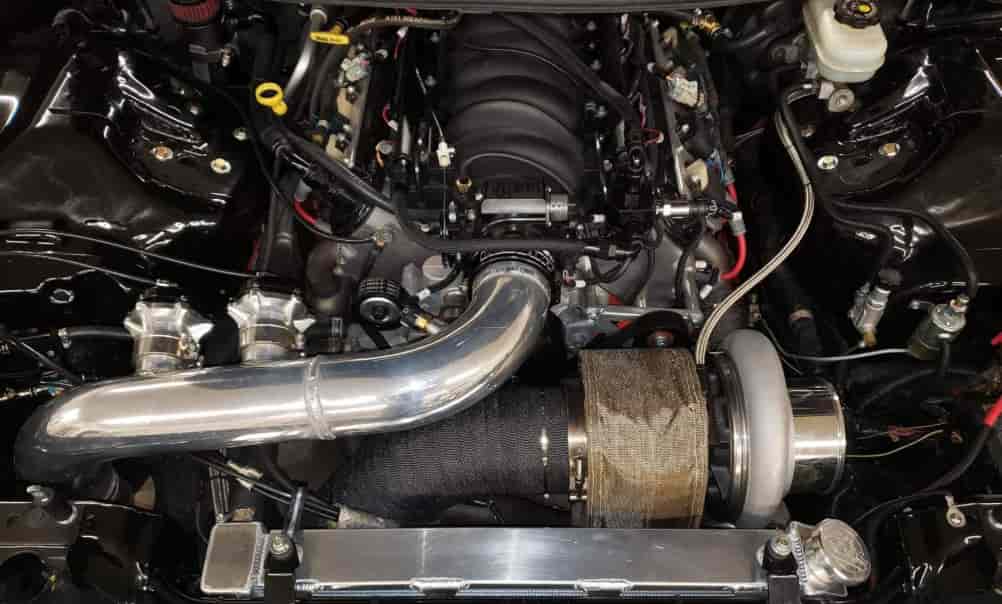
What Is a 6.2 LS Engine
The 6.2 LS engine belongs to General Motors’ LS family, one of the most successful V8 engine platforms ever built. GM designed this engine line to deliver strong performance, compact size, and high reliability.
The term “6.2” refers to engine displacement. It means the engine has a total volume of 6.2 liters, or 376 cubic inches. This larger displacement allows the engine to produce more power and torque compared to smaller LS variants like the 5.3L.
The LS engine uses an overhead valve design, also known as a pushrod system. This design keeps the engine compact while still delivering excellent low end torque. That is one of the key reasons why the LS platform remains popular for performance builds and engine swaps.
Several well known variants fall under the 6.2 LS category. The LS3 is one of the most common versions, often found in performance cars like the Corvette and Camaro. It offers a strong balance between power and affordability.
The LS9 represents a more extreme version. It uses a supercharger to deliver significantly higher horsepower. This makes it ideal for high performance applications.
The L86, while technically part of a newer generation, still shares many design principles with LS engines. It focuses more on efficiency while maintaining strong performance.
You can find the 6.2 LS engine in a wide range of vehicles. These include sports cars, muscle cars, and full size trucks. This versatility makes it one of the most trusted V8 engines on the market.
6.2 LS Engine Specs Overview
The 6.2 LS engine specs define why this V8 platform delivers strong and consistent performance. While different variants exist, most share the same core architecture and design principles.
At its foundation, the 6.2 LS engine uses a V8 configuration with an overhead valve system. This setup keeps the engine compact and efficient. It also helps deliver strong low end torque, which many drivers prefer in real world conditions.
The engine features a displacement of 6.2 liters, which equals 376 cubic inches. This larger size allows more air and fuel to enter the combustion chamber. As a result, the engine produces higher power compared to smaller LS engines.
The bore and stroke typically measure around 4.065 inches and 3.622 inches. This combination creates a balanced engine that supports both high power output and smooth operation.
Compression ratio varies depending on the version. For example, the LS3 usually runs around 10.7 to 1, while supercharged versions like the LS9 use a lower ratio to handle boost pressure safely.
Most 6.2 LS engines use electronic fuel injection. This system improves fuel delivery, throttle response, and overall efficiency. It also allows better tuning for performance upgrades.
The valvetrain uses a simple pushrod design with two valves per cylinder. While it may seem less advanced than overhead cam systems, it offers strong durability and easier maintenance.
Here is a quick summary of the typical specs:
- Engine type: V8 OHV
- Displacement: 6.2L (376 cubic inches)
- Bore x stroke: 4.065 x 3.622 inches
- Compression ratio: 9.1 to 10.7 depending on variant
- Fuel system: Electronic fuel injection
- Valvetrain: Pushrod, 2 valves per cylinder
These core specifications explain why the 6.2 LS engine delivers both power and reliability. They also create a strong foundation for tuning and performance upgrades.
Horsepower Breakdown of 6.2 LS Engines
Horsepower plays a key role when evaluating the 6.2 LS engine specs. It directly affects acceleration, top speed, and overall driving excitement. However, not all 6.2 LS engines deliver the same level of power.
The LS3 stands out as the most popular naturally aspirated version. It typically produces between 430 and 480 horsepower, depending on the setup and tuning. This level of power offers a strong balance between performance and daily usability. Many drivers choose the LS3 because it delivers consistent power without requiring complex modifications.
The LS9 takes performance to a completely different level. It uses a factory supercharger, which pushes output to around 638 horsepower. This massive increase transforms the engine into a high performance machine. It delivers explosive acceleration and dominates in track conditions.
The L86 focuses more on modern efficiency while still maintaining solid power. It produces around 420 horsepower and often appears in trucks and SUVs. While it may not match the LS9 in raw power, it provides strong performance for towing and daily driving.
Several factors influence horsepower in these engines. Air intake design plays an important role in how efficiently the engine breathes. The camshaft profile also affects how much air and fuel enter the cylinders. In addition, tuning can significantly increase power by optimizing fuel delivery and ignition timing.
Many enthusiasts upgrade these components to unlock more horsepower. Even simple modifications can push the LS3 beyond 500 horsepower with the right setup.
Understanding these differences helps you choose the right engine. It also prevents the common mistake of expecting the same performance from every 6.2 LS variant.
Torque Performance Explained
Torque defines how the engine feels in real driving conditions. When analyzing the 6.2 LS engine specs, torque often matters more than horsepower, especially for daily driving, towing, and quick acceleration.
Most 6.2 LS engines deliver strong torque right from low RPM. The LS3 typically produces around 425 to 450 lb ft of torque. This gives the car instant response when you press the throttle. You do not need to push the engine to high RPM to feel the power.
The LS9 pushes torque to another level. It delivers up to 650 lb ft thanks to its supercharger. This creates aggressive acceleration and strong pulling power across the entire RPM range.
The L86 focuses on usable torque for trucks and larger vehicles. It produces around 460 lb ft, which helps with towing and carrying heavy loads. This makes it a practical choice for drivers who need both strength and reliability.
One key advantage of the LS platform is its torque curve. The engine produces torque early and maintains it across a wide RPM range. This creates a smooth and predictable driving experience.
In real world driving, this means faster launches, easier overtaking, and less need to downshift. You get power when you need it, without delay.
Many drivers make the mistake of focusing only on horsepower numbers. However, torque plays a bigger role in how the car actually feels on the road.
Understanding torque helps you see the full picture behind the 6.2 LS engine specs. It also helps you choose the right engine for your driving needs.
Real World Performance and Driving Experience
Numbers alone do not tell the full story. The real value of the 6.2 LS engine specs appears when you drive the vehicle in everyday conditions.
In terms of acceleration, most cars equipped with an LS3 engine can reach 0 to 60 mph in about 4 to 5 seconds. This level of performance feels quick and responsive. It gives drivers strong confidence during overtaking and highway driving.
The LS9 delivers a much more aggressive experience. Vehicles using this engine can achieve 0 to 60 mph in under 4 seconds. The acceleration feels immediate and intense. This makes it ideal for performance enthusiasts and track use.
For trucks and SUVs, the L86 offers a different type of performance. It focuses on strength and stability rather than pure speed. The engine provides excellent towing capability and smooth power delivery under heavy loads.
One of the most noticeable aspects of the 6.2 LS engine is its sound. The deep V8 tone creates a powerful and emotional driving experience. Many drivers consider this sound a key reason to choose an LS engine.
Fuel economy often raises concerns. In real world conditions, most 6.2 LS engines deliver moderate efficiency. You can expect lower fuel economy compared to smaller engines, especially in city driving. However, many drivers accept this trade off for the performance benefits.
Overall, the driving experience feels balanced, powerful, and reliable. The engine responds quickly and delivers consistent performance across different situations.
This is where the 6.2 LS engine specs truly come to life, not just on paper, but on the road.
6.2 LS Engine vs Other LS Engines
When analyzing the 6.2 LS engine specs, it helps to compare this engine with other popular LS variants. This gives a clearer view of where it stands in terms of power, efficiency, and usability.
The 5.3 LS engine is one of the most common alternatives. It offers lower displacement and better fuel economy. However, it produces less horsepower and torque. This makes it suitable for daily driving and budget builds, but it lacks the strong performance of the 6.2 version.
The 6.2 LS engine provides a clear step up in power. It delivers stronger acceleration and better towing capability. Drivers who want a balance between performance and practicality often prefer this option.
The LS7, a 7.0L engine, sits above the 6.2 in terms of displacement. It produces higher horsepower and excels in high performance applications. However, it comes with higher costs and may require more maintenance. This makes it less practical for everyday use.
Here is a simple comparison:
- 5.3 LS
Lower power, better fuel economy, budget friendly - 6.2 LS
Balanced power and torque, versatile, widely used - 7.0 LS7
High performance, higher cost, more specialized
The 6.2 LS engine stands in the middle of the LS lineup. It offers enough power for performance enthusiasts while still remaining practical for daily use.
This balance explains why many drivers and builders choose it over other LS options. It delivers strong results without the compromises that come with smaller or more extreme engines.
Reliability, Lifespan, and Common Issues
Reliability is one of the biggest reasons why drivers trust the 6.2 LS engine specs. This engine has built a strong reputation for durability, especially when owners follow proper maintenance.
Most 6.2 LS engines can last over 200,000 miles with regular care. The simple pushrod design reduces complexity and lowers the risk of major failure. This gives owners peace of mind, whether they use the engine for daily driving or performance builds.
However, no engine is perfect. Some common issues still appear over time.
One known problem involves lifter failure. This issue can cause ticking noises and reduced performance. If ignored, it may lead to more serious engine damage.
Oil consumption is another concern in some cases. Certain engines may burn oil faster than expected, especially under aggressive driving conditions. Regular oil checks help prevent long term issues.
Some drivers also report problems related to the Active Fuel Management system in newer variants. This system improves fuel efficiency, but it can affect long term reliability if not properly maintained.
The good news is that most of these problems are well documented. Parts are widely available, and repairs are often straightforward compared to more complex engines.
To keep the engine in good condition, owners should follow a few key practices. Change oil regularly, use high quality fuel, and inspect key components such as lifters and valves. Proper tuning also plays an important role, especially for modified engines.
Overall, the 6.2 LS engine offers strong long term reliability. It handles both daily use and high performance demands with confidence.
Understanding these factors helps you avoid costly mistakes and get the most value from your investment.
Why the 6.2 LS Engine Is So Popular for Swaps
The 6.2 LS engine specs make this engine one of the most popular choices for swaps. Builders and enthusiasts often choose it when they want reliable power without unnecessary complexity.
One major advantage is its compact design. The pushrod layout keeps the engine smaller than many overhead cam V8 engines. This makes it easier to fit into different vehicles, from classic cars to modern builds.
Power potential also plays a key role. Even in stock form, the 6.2 LS engine delivers strong performance. With basic upgrades such as an intake, camshaft, and tuning, it can reach impressive horsepower levels. Many builders push it far beyond factory limits without sacrificing reliability.
Another reason for its popularity is aftermarket support. The LS platform has one of the largest upgrade ecosystems in the automotive world. You can easily find parts, from simple bolt on components to full performance kits.
Cost efficiency makes it even more attractive. Compared to other performance engines, the 6.2 LS offers a strong balance between price and power. This helps builders achieve high performance results without exceeding their budget.
The engine also benefits from a large knowledge base. Countless guides, tutorials, and community discussions make the swap process easier. Even beginners can start a project with more confidence.
All these factors explain why the 6.2 LS engine remains a top choice for swaps. It delivers power, flexibility, and long term value in one complete package.
Conclusion
The 6.2 LS engine specs clearly show why this engine remains one of the most trusted V8 platforms today. It delivers a strong balance of horsepower, torque, and durability, which makes it suitable for many different driving needs.
From the naturally aspirated LS3 to the supercharged LS9 and the efficient L86, each version offers a unique advantage. Some focus on raw power, while others provide better efficiency and daily usability. This variety allows drivers to choose an engine that fits their exact goals.
Beyond the numbers, the real strength of the 6.2 LS engine appears in everyday driving. It provides quick acceleration, strong low end torque, and a consistent performance feel. Whether you drive on the street, tow heavy loads, or build a project car, this engine delivers reliable results.
Many buyers worry about long term reliability and maintenance costs. The good news is that this engine has a proven track record. With proper care, it can last for hundreds of thousands of miles while maintaining solid performance.
If you want an engine that combines power, flexibility, and strong aftermarket support, the 6.2 LS engine stands out as a top choice. It continues to dominate both factory vehicles and custom builds for a reason.
Now that you understand the full picture of the 6.2 LS engine specs, which version would you choose?