The best 4L80E transmission upgrades include high-performance clutch packs, reinforced input shafts, valve body modifications, upgraded torque converters, and improved transmission cooling systems. These components increase torque-handling capability, improve shift consistency, reduce heat-related wear, and strengthen the transmission for demanding applications such as heavy towing, high-horsepower street builds, and drag racing.
The General Motors 4L80E is a four-speed electronically controlled automatic transmission designed for heavy-duty vehicles. Its robust construction makes it a popular choice for performance builds, particularly those using turbocharged LS engines. However, increased engine torque, aggressive launches, and sustained heavy loads place additional stress on internal clutches, shafts, hydraulic circuits, and the torque converter. Selecting the correct upgrades helps address these stresses without replacing components that already meet the vehicle’s requirements.
The right 4L80E upgrade combination depends on engine torque, horsepower, vehicle weight, driving conditions, and budget. A transmission built for daily driving requires different modifications than one intended for repeated high-traction drag launches. This guide explains which 4L80E components are worth upgrading, how individual modifications affect performance and reliability, and which upgrade combinations suit different power levels and driving applications.
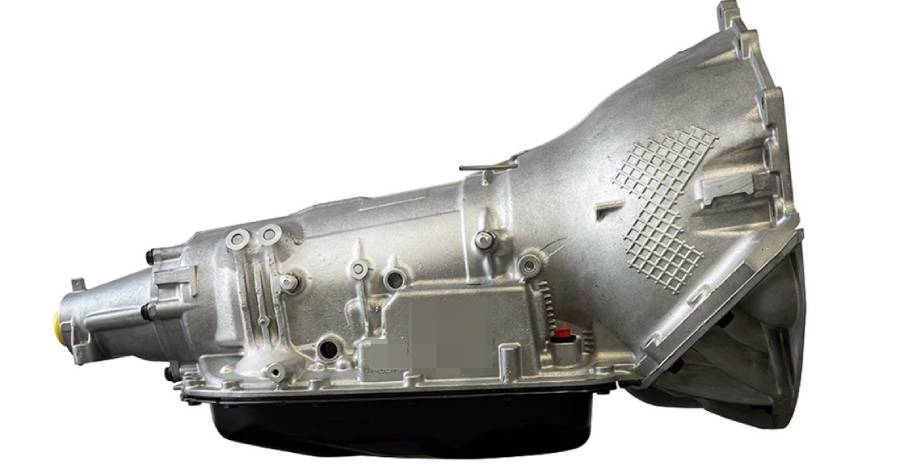
What Are the Best 4L80E Transmission Upgrades?
The six best 4L80E transmission upgrades are performance clutch packs, reinforced input shafts, valve body modifications, upgraded torque converters, improved cooling systems, and electronic shift calibration. Each upgrade addresses a specific limitation in torque transfer, hydraulic control, heat management, or mechanical durability. The correct combination depends on engine output, vehicle weight, traction, and intended use rather than horsepower alone.
Performance clutch packs increase the transmission’s ability to hold torque by using application-specific friction materials and clutch configurations. Reinforced input shafts improve resistance to torsional stress during high-load acceleration and aggressive launches. Valve body upgrades modify hydraulic fluid flow and clutch application, helping maintain consistent shifts under increased loads. These three upgrades are especially relevant when building a 4L80E for high-torque engines or repeated performance use.
An upgraded torque converter improves the connection between engine characteristics and transmission operation. A properly selected converter provides suitable stall behavior, efficient torque transfer, and sufficient lockup clutch capacity for the application. For example, a turbocharged LS engine with a large camshaft may require a different converter configuration than a naturally aspirated engine used for towing. Converter selection must account for engine torque characteristics, vehicle weight, axle gearing, and operating conditions.
Transmission cooling and electronic calibration complete the upgrade strategy. A properly sized external cooler helps control automatic transmission fluid temperature during sustained loads, while electronic tuning adjusts shift timing, pressure commands, and torque management. Increasing line pressure without matching the calibration to the transmission’s internal components does not guarantee greater durability. Excessive pressure or overly aggressive shifts can introduce additional mechanical stress.
For a stock-powered daily driver, restoring worn components and maintaining the cooling system may provide greater value than installing racing-oriented hardware. A high-output drag racing application places greater demands on clutch holding capacity, shaft strength, and hydraulic performance. Upgrade priorities should therefore follow the transmission’s actual operating requirements.
Which 4L80E Internal Upgrades Improve Strength and Durability?
The most important 4L80E internal upgrades include high-performance clutch packs, stronger input shafts, reinforced clutch drums, and application-specific planetary geartrain components. These parts transmit engine torque through the transmission and experience increased mechanical loading as engine output, vehicle weight, and traction rise. Strengthening the appropriate components reduces the risk of clutch slippage, shaft failure, and damage to the geartrain.
The 4L80E uses multiple clutch assemblies and planetary gearsets to establish its four forward ratios and reverse gear. During gear changes, hydraulic pressure applies specific friction elements to transfer torque through the geartrain. Increased engine output raises the demands on these friction elements, while sudden torque application creates additional stress on shafts, hubs, and drums. Internal upgrades must therefore address both clutch holding capacity and the mechanical strength of the rotating assemblies.
How Do Upgraded 4L80E Clutch Packs Improve Torque Capacity?
Upgraded 4L80E clutch packs improve torque capacity by increasing frictional holding capability and maintaining more consistent clutch engagement under demanding operating conditions. Their effectiveness depends on friction material, usable friction area, hydraulic apply force, and correct clutch clearance. Performance rebuilds may use improved friction plates, compatible steel plates, and revised clutch configurations to increase durability under repeated high-load shifts.
The 4L80E contains multiple friction elements, including forward, direct, intermediate, and overdrive clutch assemblies. Each assembly performs a specific function during transmission operation. When hydraulic apply force becomes insufficient for the torque being transferred, clutch plates can slip against one another. This generates heat, accelerates friction material wear, and may contaminate the transmission fluid with debris. Upgraded friction materials are selected to withstand the thermal and mechanical demands of the intended application.
Clutch capacity also depends on the relationship between friction area and apply pressure. Adding friction plates can increase available contact area when the drum design and clutch pack dimensions support the modification. However, installing additional plates without maintaining the required clearance can cause clutch drag, incomplete release, or abnormal wear. Builders must verify stack height, piston travel, and clutch clearance against the specifications of the selected components.
For example, a 4L80E installed behind a high-torque turbocharged LS engine experiences substantial clutch loading during full-throttle acceleration. A performance clutch package paired with appropriate hydraulic calibration can provide greater holding capability than worn or unsuitable stock friction components. Clutch upgrades work best as part of a coordinated rebuild, because improved friction materials cannot compensate for damaged drums, leaking seals, or inadequate apply pressure.
When Does a 4L80E Need an Upgraded Input Shaft?
A 4L80E needs an upgraded input shaft when the expected torque loading and shock loads exceed the capability of the existing shaft for the intended application. High-output engines, aggressive launches, heavy vehicles, and high-traction racing setups increase the forces transmitted through the input shaft. A reinforced shaft becomes particularly relevant when the transmission is being built for repeated high-load operation rather than ordinary street driving.
The input shaft transfers torque from the torque converter into the transmission’s internal rotating assemblies. During acceleration, the shaft experiences torsional loading as engine torque passes through the drivetrain. Rapid torque application, converter torque multiplication, and abrupt changes in traction can increase peak stress. Repeated loading can contribute to fatigue, while a sufficiently severe torque spike can cause immediate mechanical failure.
Performance input shafts use materials and manufacturing processes selected for increased strength and resistance to torsional stress. Depending on the product, improvements may involve alloy steel selection, heat treatment, machining, or changes to component geometry. However, the term billet alone does not establish a shaft’s torque capacity. Material specifications, heat treatment, design, and manufacturer testing are more meaningful indicators of suitability.
For example, a drag racing vehicle using a turbocharged V8, a high-stall torque converter, and slick tires places greater launch stress on the input shaft than a similarly powered vehicle driven conservatively on ordinary street tires. The higher available traction allows more engine torque to reach the drivetrain without immediate wheelspin. In this application, an appropriately rated reinforced input shaft provides additional protection against torsional failure.
Other internal hard parts also require attention during a performance rebuild. Clutch drums, hubs, planetary gearsets, bearings, bushings, and thrust components should be inspected for wear, cracking, distortion, and excessive clearance. Reinforced drums and upgraded geartrain components are appropriate when the intended torque loading or known component condition justifies their use. Replacing every factory hard part is not automatically necessary, because the strongest 4L80E build is one whose components are correctly matched, assembled, lubricated, and calibrated for the vehicle’s operating demands.
How Do 4L80E Valve Body and Shift Kit Upgrades Improve Shifting?
4L80E valve body and shift kit upgrades improve shifting by modifying hydraulic pressure regulation, fluid flow, and clutch application timing. These changes help reduce excessive clutch overlap or slipping during gear changes, improve shift consistency, and support greater torque loads. The effectiveness of each modification depends on the condition of the transmission, its internal components, and the electronic shift calibration.
The 4L80E valve body directs automatic transmission fluid through hydraulic passages to engage and release specific clutch assemblies. Electronic shift solenoids control gear selection, while the pressure control solenoid regulates hydraulic pressure according to commands from the transmission controller. During a gear change, the hydraulic system must release one friction element and apply another at the correct time. Incorrect pressure or timing can produce delayed shifts, excessive slipping, or harsh engagement.
A 4L80E shift kit modifies selected hydraulic circuits to change how the transmission applies its clutches. Depending on the kit design, modifications may include recalibrated accumulator circuits, replacement springs, separator plate changes, or revised pressure regulation components. These changes can reduce unnecessary shift duration and improve clutch engagement under load. For example, a performance-oriented 4L80E used for drag racing benefits from repeatable clutch application during full-throttle shifts, while a towing vehicle requires controlled engagement that balances durability with smooth operation.
Line pressure is another important factor in transmission performance. Higher hydraulic apply pressure increases the force holding engaged clutch plates together, helping prevent slipping when torque loads rise. However, maximum line pressure is not the same as optimal line pressure. Excessive pressure can increase pump loading, stress seals and hydraulic components, and produce unnecessarily harsh shifts. Proper calibration must account for friction materials, clutch clearance, engine torque, and operating temperature.
Electronic tuning complements mechanical valve body modifications. The 4L80E uses electronically controlled shift scheduling and pressure commands, allowing compatible controllers or tuning software to adjust shift points, commanded pressure, and torque management strategies. A transmission installed behind a modified LS engine may require recalibration because the original control settings were developed for different engine characteristics. Incorrect tuning can cause clutch slip or excessive drivetrain shock even when upgraded internal components are installed.
Before installing a shift kit, the transmission should be inspected for worn valves, damaged bores, pressure regulation problems, and electrical faults. A shift kit cannot repair a severely worn clutch pack or compensate for internal hydraulic leakage. The most effective 4L80E valve body upgrade combines sound mechanical condition, appropriate hydraulic modifications, and application-specific electronic calibration.
Which 4L80E Torque Converter Upgrades Are Worth Installing?
The most valuable 4L80E torque converter upgrades include application-matched stall speed, improved internal durability, stronger lockup clutch components, and reinforced converter construction. These modifications improve torque transfer and help the converter withstand increased engine output. Converter selection must match the engine’s torque curve, vehicle weight, axle ratio, tire size, and driving application rather than relying on a single advertised stall speed.
The torque converter connects the engine to the automatic transmission through hydraulic fluid coupling. Its main components include the impeller, turbine, stator, and lockup clutch assembly. During acceleration, the converter transfers and multiplies torque according to the relationship between impeller and turbine speed. At suitable cruising conditions, the lockup clutch creates a mechanical connection that reduces converter slip and associated heat generation.
Performance converters differ in stall characteristics, torque multiplication, coupling efficiency, and internal construction. A converter designed for a high-revving naturally aspirated engine may use different characteristics than one intended for a turbocharged engine that produces substantial torque at lower engine speeds. Selecting the wrong converter can reduce acceleration performance, increase transmission fluid temperature, or compromise low-speed drivability.
Reinforced converter components become particularly important when engine torque and operating loads increase. Performance converters may incorporate stronger turbine hubs, upgraded bearings, reinforced covers, and higher-capacity lockup clutches. A billet converter cover can improve resistance to deformation under demanding loads, but it does not independently determine converter durability. Internal design, assembly quality, clutch capacity, and thermal performance remain essential.
For a heavy-duty towing application, converter efficiency and dependable lockup operation generally take priority over a high stall speed. A drag racing application may require different stall characteristics to place the engine within its effective power range during launch. A correctly matched torque converter improves the performance of the entire 4L80E drivetrain, while an unsuitable converter can undermine otherwise well-selected transmission upgrades.
How Do You Choose the Right Stall Speed for a 4L80E?
Choose the right 4L80E torque converter stall speed by matching the converter’s operating characteristics to the engine’s torque curve, vehicle weight, gearing, and intended driving conditions. Stall speed describes the approximate engine speed reached under specific loading conditions when the converter turbine is prevented from rotating. It is not a fixed operating speed, and actual stall behavior changes with engine torque and converter design.
An engine with a large performance camshaft may produce limited torque at low RPM and develop stronger output higher in its operating range. A higher-stall converter can allow the engine to reach a more effective torque range during acceleration. Conversely, an engine producing substantial low-RPM torque generally requires less stall speed to launch effectively. Excessive stall speed in a towing or daily-driving vehicle can increase converter slip and heat generation during low-speed operation.
Vehicle weight and axle gearing also influence converter selection. A heavier vehicle places greater load on the converter during acceleration, while a numerically higher axle ratio changes the load experienced during launch. Tire diameter and available traction further affect the relationship between engine speed and vehicle acceleration. For example, a lightweight drag car with a high-revving LS engine may benefit from a converter selected for higher launch RPM, whereas a heavy pickup with a mild engine benefits from tighter coupling and controlled heat generation.
Stall speed recommendations must also distinguish between advertised ratings and actual vehicle behavior. Two engines using the same converter can produce different stall speeds because their torque output differs. A converter advertised with a particular stall rating should therefore be evaluated against the manufacturer’s engine and vehicle application guidelines.
Lockup clutch selection is equally important. The converter’s lockup system must withstand the torque applied during commanded engagement, particularly in high-output engines and heavy-load driving. Upgraded friction materials and reinforced lockup components can improve durability when correctly matched to the control strategy. Full-throttle lockup should only be used when the converter, transmission, and calibration are specifically designed to support it.
For most street-driven 4L80E builds, the best converter is the one that balances acceleration, coupling efficiency, manageable fluid temperatures, and reliable lockup operation. High stall speed alone does not indicate a higher-performance converter, and choosing the correct design requires considering the entire drivetrain.
What Cooling Upgrades Help a 4L80E Transmission Last Longer?
The most effective 4L80E cooling upgrades include an appropriately sized external transmission cooler, a temperature monitoring system, improved cooler lines, and application-compatible automatic transmission fluid (ATF). These upgrades help control operating temperatures, protect friction materials, and maintain hydraulic performance during towing, aggressive acceleration, and sustained high-load driving.
Heat is a major contributor to automatic transmission wear because elevated fluid temperatures accelerate ATF oxidation and reduce the fluid’s ability to protect internal components. The torque converter generates heat through fluid shear and slip, while clutch engagement produces additional thermal energy. Under heavy loads, insufficient cooling allows heat to accumulate faster than the transmission can dissipate it, increasing the risk of degraded friction materials, hardened seals, and inconsistent hydraulic operation.
A stacked-plate external transmission cooler is a practical upgrade for 4L80E applications that generate substantial heat. Its design provides efficient heat transfer through multiple fluid passages and cooling surfaces. Cooler selection should account for vehicle weight, engine output, towing demands, airflow, and installation location. For example, a pickup regularly towing a heavy trailer requires sufficient cooling capacity during sustained climbs, while a drag racing vehicle must manage repeated bursts of heat generated during launches and acceleration.
Transmission temperature monitoring helps identify cooling problems before they cause extensive damage. A dedicated temperature gauge or compatible electronic monitoring system allows drivers to observe fluid temperature under different operating conditions. Many conventional automatic transmission applications target operating temperatures around 175–200°F (79–93°C), although the appropriate range depends on transmission configuration, fluid specification, and manufacturer guidance. Sustained temperatures above the intended operating range warrant inspection of the cooling system and driving conditions.
Cooler installation also affects performance. Restrictive lines, damaged fittings, inadequate airflow, or an incorrectly routed cooling circuit can reduce cooling effectiveness. In cold climates, excessive cooling can delay fluid warm-up and affect transmission operation. Thermostatic bypass systems or properly integrated factory heat exchangers help maintain suitable temperatures when required by the application.
Correct fluid selection is as important as cooler capacity. The 4L80E requires ATF compatible with its friction materials, hydraulic system, and applicable GM service specifications. Dexron VI is commonly used in compatible 4L80E applications, but fluid selection should follow the transmission’s build specifications and the recommendations of its component manufacturers. Performance friction materials and specialized racing configurations may require different fluid characteristics.
Regular fluid inspection provides additional protection. Darkened fluid, a persistent burnt odor, metallic debris, or abnormal temperature increases can indicate internal wear or overheating. A cooling upgrade cannot repair damaged clutches or hydraulic leaks, but a properly designed cooling system reduces thermal stress and supports the long-term reliability of a correctly assembled 4L80E.
Which 4L80E Upgrades Are Needed for Different Horsepower Levels?
4L80E upgrade requirements increase with engine torque, vehicle load, traction, and the severity of transmission operation. A 500 HP street vehicle may operate reliably with a properly rebuilt transmission and selected supporting upgrades, while a 700 HP performance build generally requires greater attention to clutch capacity, converter durability, and internal component strength. A 1,000 HP application demands a more comprehensive evaluation of the transmission’s rotating assemblies, hydraulic system, and operating conditions.
Horsepower alone does not determine transmission durability. Horsepower describes the rate at which an engine performs work, while torque represents the rotational force transmitted through the drivetrain. Two engines producing identical peak horsepower can impose different loads on the transmission because their torque curves, converter characteristics, and operating speeds differ. Vehicle weight, tire traction, launch technique, and shift calibration further influence component stress.
The following comparison outlines practical upgrade priorities for three common performance build categories. These are planning guidelines rather than guaranteed horsepower ratings for a particular transmission.
| Upgrade component | 500 HP build | 700 HP build | 1,000 HP build |
|---|---|---|---|
| Performance clutch packs | Recommended | High priority | Essential |
| Reinforced input shaft | Application-dependent | Strongly recommended | Essential |
| Valve body calibration | Recommended | High priority | Essential |
| Upgraded torque converter | Recommended | High priority | Essential |
| External cooling system | Recommended | High priority | Essential |
| Reinforced hard parts | Inspect and upgrade as needed | Application-dependent | Comprehensive evaluation |
| Electronic tuning | Recommended | Essential | Essential |
What 4L80E Upgrades Are Recommended for a 500 HP Build?
A 500 HP 4L80E build should prioritize transmission condition, upgraded friction components where needed, appropriate hydraulic calibration, a matched torque converter, and dependable cooling. At this performance level, a healthy transmission may not require every available reinforced hard part, particularly when the vehicle is used primarily for street driving with moderate traction.
A quality rebuild provides a strong foundation when the transmission has accumulated significant mileage or shows evidence of clutch wear. Replacement friction plates, seals, bushings, and worn hydraulic components restore proper operation, while performance clutch materials can provide additional durability under increased loads. Clutch clearances and hydraulic pressure must be verified during assembly because incorrectly installed performance components can reduce reliability.
A properly selected torque converter is particularly important for a modified LS engine producing approximately 500 HP. Converter stall characteristics should match the engine’s camshaft, torque curve, and vehicle weight. For example, a naturally aspirated street engine with a mild camshaft generally benefits from a different converter than a turbocharged engine designed to produce substantial boost at higher RPM.
Cooling and electronic calibration complete the package. An external cooler helps manage temperature during spirited driving, while appropriate shift scheduling and pressure control reduce unnecessary clutch slip. For a street-driven vehicle, a carefully rebuilt and calibrated 4L80E is generally a more practical starting point than an unnecessarily aggressive racing configuration. Repeated high-traction launches may justify additional shaft and hard-part upgrades even at this horsepower level.
What 4L80E Upgrades Are Recommended for a 700 HP Build?
A 700 HP 4L80E build should include performance clutch packs, a reinforced input shaft where justified by torque loading, upgraded converter components, calibrated hydraulic controls, and increased cooling capacity. This power level creates greater demands on friction elements and rotating components, especially in heavy vehicles or applications involving aggressive launches.
High-performance clutch assemblies become a priority because increased engine torque raises the force required to prevent slipping during gear engagement. Suitable friction materials, correct clutch clearances, and adequate apply pressure work together to maintain holding capacity. Builders should also inspect clutch drums, hubs, and related components for wear or structural limitations before reassembly.
A reinforced input shaft provides additional protection against torsional loading, particularly when the vehicle uses sticky tires or launches under substantial engine torque. However, strengthening the input shaft does not eliminate stress on downstream components. The planetary gearsets, drums, hubs, and output components must remain suitable for the intended application.
The torque converter must also withstand the engine’s increased output. A performance converter with suitable internal construction, efficient coupling characteristics, and sufficient lockup clutch capacity helps manage torque transfer. For example, a 700 HP turbocharged street car requires a converter that supports the engine’s boost response without generating excessive heat during normal driving.
Hydraulic calibration and electronic tuning should be developed around the upgraded hardware. Inadequate apply pressure can allow clutch slip, while excessive pressure or unnecessarily harsh shifts can increase drivetrain shock. A properly sized cooler and temperature monitoring system provide additional protection during repeated acceleration or sustained high-load operation.
What 4L80E Upgrades Are Needed for a 1,000 HP Build?
A 1,000 HP 4L80E build requires a coordinated performance transmission package that addresses clutch capacity, shaft strength, geartrain durability, hydraulic control, torque converter construction, and heat management. At this output level, upgrading individual components without evaluating the complete transmission creates the risk of transferring failure loads to weaker parts.
Performance clutch assemblies must provide sufficient holding capacity for the engine’s torque delivery and intended shift strategy. Builders may use specialized friction materials, modified clutch configurations, and carefully calibrated hydraulic circuits. Correct assembly remains essential because inadequate clearance, internal leakage, or improper clutch application can cause failure regardless of the advertised strength of the friction materials.
Reinforced input shafts and other critical hard parts become major considerations. Depending on the application, a professional builder may specify upgraded drums, hubs, planetary assemblies, and other rotating components. Material strength, component geometry, fatigue resistance, and compatibility determine whether these upgrades provide meaningful durability improvements.
The torque converter must be engineered for the vehicle’s power delivery and operating conditions. A 1,000 HP turbocharged drag car may require a converter with specialized stall characteristics, reinforced internal components, and a lockup configuration suited to its racing strategy. A similarly powerful street vehicle places additional emphasis on coupling efficiency, part-throttle drivability, and thermal control.
Electronic control is equally important. Shift scheduling, pressure regulation, and torque management must match the engine and transmission hardware. During racing, rapid torque changes and high-traction launches place substantial stress on the drivetrain. A poorly calibrated shift can damage upgraded components despite their increased mechanical strength.
Cooling requirements depend on how the vehicle operates. A drag racing transmission experiences concentrated thermal loads during staging, launches, and repeated passes, while a street-driven high-output vehicle must also control temperature during extended operation. Cooler design, fluid selection, and temperature monitoring should therefore match the complete duty cycle.
A 1,000 HP rating should never be treated as a universal guarantee of 4L80E durability. Actual reliability depends on peak engine torque, converter multiplication, vehicle weight, traction, assembly quality, and maintenance. At this level, professional transmission design, component verification, and application-specific calibration are strongly recommended.
How Do 4L80E Upgrade Requirements Change by Driving Application?
4L80E upgrade requirements differ between towing, street performance, and drag racing because each application places different mechanical and thermal loads on the transmission. Towing requires sustained torque transfer, efficient converter operation, and reliable cooling. Street performance demands a balance between increased torque capacity, responsive shifting, and everyday drivability. Drag racing prioritizes resistance to launch shock, consistent clutch engagement, and the strength of internal rotating components.
A transmission built for continuous heavy-load operation does not require the same configuration as one designed for repeated full-throttle launches. For example, a heavy-duty pickup towing a trailer places prolonged stress on the torque converter and cooling system, while a lightweight drag car with slick tires generates concentrated torque loads during launch. Both applications benefit from stronger transmission components, but their upgrade priorities differ.
Matching 4L80E upgrades to the vehicle’s actual operating conditions is more important than installing the most aggressive performance components available. Converter characteristics, hydraulic calibration, friction materials, and cooling capacity must work together to support the intended driving application.
Which 4L80E Upgrades Are Best for Towing?
The best 4L80E upgrades for towing include an appropriately sized transmission cooler, a durable lockup torque converter, improved friction components when necessary, and hydraulic calibration designed for sustained heavy loads. These upgrades address the heat generation, converter slip, and clutch loading associated with pulling trailers or operating heavy vehicles.
Transmission cooling deserves particular attention because towing increases the amount of torque transferred through the drivetrain for extended periods. During hill climbs, stop-and-go driving, and low-speed maneuvering, the torque converter can generate substantial heat when operating without full lockup. An external stacked-plate cooler increases heat dissipation capacity, helping maintain stable fluid temperatures and protect internal seals and friction materials.
A towing-oriented torque converter should provide efficient coupling and dependable lockup operation. Excessively high stall speed can increase converter slip during low-speed operation, producing additional heat without improving towing performance. A converter matched to the engine’s low-RPM torque characteristics helps transfer power efficiently while maintaining predictable acceleration under load.
For example, a Chevrolet heavy-duty pickup equipped with a 4L80E and used to tow a large equipment trailer benefits from a converter designed for sustained torque transfer rather than high-RPM racing launches. A suitable lockup clutch, proper converter calibration, and effective cooling help control heat during extended highway driving and uphill operation.
Clutch pack upgrades become relevant when the transmission is rebuilt or when increased engine torque exceeds the requirements of the original configuration. Improved friction materials and correct hydraulic apply pressure help maintain consistent clutch engagement under load. However, excessively firm shifts are not necessary for effective towing. The objective is controlled clutch application that limits slipping without creating unnecessary drivetrain shock.
For towing applications, cooling efficiency, converter compatibility, and consistent hydraulic operation should generally take priority over racing-oriented modifications. Transmission service and temperature monitoring remain important because even reinforced internal components can experience accelerated wear when exposed to sustained overheating.
Street-driven performance vehicles require a different balance. A modified LS-powered car used for commuting and occasional spirited acceleration benefits from a torque converter matched to the engine’s powerband, moderate shift calibration, and reliable cooling. Performance clutch packs and reinforced hard parts should be selected according to actual torque loading rather than peak horsepower alone. This approach preserves part-throttle drivability while providing additional strength during demanding acceleration.
Which 4L80E Upgrades Are Best for Drag Racing?
The best 4L80E upgrades for drag racing include high-capacity clutch packs, reinforced input shafts, strengthened internal hard parts, a purpose-built performance torque converter, and application-specific shift calibration. These components help the transmission withstand repeated high-torque launches, rapid gear changes, and the mechanical shock associated with high-traction racing conditions.
Drag racing places concentrated stress on the transmission because the drivetrain must transfer substantial engine torque during a short acceleration period. When a vehicle launches on slick tires or a prepared racing surface, increased traction reduces wheelspin and transfers greater loads into the transmission and downstream drivetrain components. This makes input shaft strength, clutch holding capacity, and the condition of rotating assemblies especially important.
Reinforced input shafts help resist torsional loading during aggressive launches. Depending on the vehicle’s torque output and racing configuration, builders may also specify upgraded clutch drums, hubs, and planetary components. These upgrades should be evaluated as a complete system because strengthening one component can expose limitations elsewhere in the drivetrain.
Performance clutch packs support consistent gear engagement during full-throttle shifts. Friction materials, clutch configuration, apply pressure, and hydraulic timing determine how effectively the transmission transfers torque between gear ratios. A shift that takes too long can generate excessive friction heat, while an unnecessarily abrupt shift can increase mechanical shock. The objective is fast, controlled, and repeatable clutch engagement, not simply the harshest possible shift.
Torque converter selection is equally important for launch performance. A naturally aspirated racing engine that develops peak torque at higher RPM may require a different converter than a turbocharged engine designed to build boost before launch. Stall characteristics, torque multiplication, coupling efficiency, and converter durability must match the engine’s power delivery and the vehicle’s launch strategy.
For example, a turbocharged LS-powered drag car using a transbrake-equipped 4L80E requires a transmission specifically prepared for the additional stresses associated with its launch strategy. Transbrake compatibility depends on the valve body, internal configuration, and control system. Installing a transbrake without verifying these requirements can damage transmission components. Reinforced hard parts, suitable friction materials, and a converter matched to the engine’s boost characteristics become critical parts of the build.
Electronic shift control must also support the racing configuration. Shift points should match the engine’s effective power range, while pressure commands and torque management must account for the upgraded clutch assemblies. Incorrect calibration can produce slipping, inconsistent shift timing, or excessive mechanical shock, reducing performance and reliability.
Although drag racing involves short operating periods, transmission cooling remains necessary. Torque converter slip during staging, launch preparation, and repeated passes generates heat that must be removed between runs. A suitable cooling system, temperature monitoring, and regular fluid inspection help identify developing problems before they cause major component failures.
A drag racing 4L80E should be built around engine torque, launch conditions, vehicle weight, and expected racing frequency. A vehicle making occasional passes on street tires has different requirements from a dedicated race car using slick tires and repeated high-boost launches. Selecting components according to these operating conditions provides a stronger foundation for consistent performance and long-term durability.
How Much Do 4L80E Transmission Upgrades Cost?
4L80E transmission upgrades can cost approximately $150–$500 for basic shift improvements, $1,500–$3,500 for a performance-oriented rebuild, and $4,000–$8,000 or more for a professionally built high-horsepower transmission. Total expenses depend on component quality, transmission condition, labor rates, and the intended torque capacity. These figures are approximate U.S. budgeting ranges rather than verified current supplier quotes.
Individual upgrade costs vary according to component design and performance requirements. A basic shift kit generally costs less than a complete valve body assembly, while reinforced shafts and high-capacity torque converters require more specialized manufacturing. The following table provides estimated parts-only costs for common 4L80E upgrades.
| 4L80E Upgrade | Estimated Parts Cost (USD) |
|---|---|
| Performance shift kit | $75–$250 |
| Performance clutch and friction kit | $200–$600 |
| Reinforced input shaft | $300–$900 |
| Performance torque converter | $500–$1,500+ |
| External transmission cooler | $75–$300 |
| Standalone transmission controller | $500–$1,200+ |
| Complete performance rebuild kit | $400–$1,000+ |
Labor represents a substantial portion of the total cost because internal upgrades require transmission removal, disassembly, inspection, and precise reassembly. Replacing an input shaft or upgrading clutch packs generally involves more labor than installing an external cooler. Additional expenses may include seals, bushings, bearings, damaged hard parts, transmission fluid, and electronic calibration.
For example, upgrading a functioning street-driven 4L80E with an external cooler and compatible shift calibration is generally less expensive than rebuilding the entire transmission. However, a unit showing clutch slip, contaminated fluid, or damaged internal components requires diagnosis and repair before performance modifications can provide reliable results.
A complete rebuild becomes more economical when several internal components need replacement. Since the transmission is already disassembled, installing performance friction materials, inspecting the geartrain, and replacing worn hydraulic components can reduce the need for additional labor later. Conversely, installing expensive reinforced parts in a transmission that does not require them increases costs without necessarily improving everyday reliability.
The most cost-effective 4L80E upgrade strategy is to match the rebuild scope to the vehicle’s actual torque demands and the transmission’s mechanical condition. Owners should compare the total installed cost, including labor, tuning, warranty coverage, and supporting components, rather than evaluating individual parts prices alone.
Read more: Infiniti Q50 Valve Body Replacement: Cost & Symptoms
Is Upgrading a 4L80E Better Than Swapping to Another Transmission?
Upgrading an existing 4L80E is generally preferable when the vehicle already uses this transmission and requires greater torque capacity without major drivetrain changes. Rebuilding the existing unit preserves its four-speed overdrive configuration and can avoid the additional compatibility work associated with a transmission swap. However, alternatives such as the 4L60E and TH400 offer different advantages depending on vehicle weight, intended use, gearing, and installation requirements.
The 4L80E is based on a heavy-duty transmission architecture and shares design heritage with the TH400. Compared with the 4L60E, it uses a more robust internal configuration intended for greater torque loads. Its four forward gear ratios are 2.48:1, 1.48:1, 1.00:1, and 0.75:1. The overdrive fourth gear reduces engine speed during highway cruising compared with a transmission that has a 1.00:1 top gear, assuming the same axle ratio and tire diameter.
The 4L60E offers advantages in weight, packaging, and first-gear multiplication. Its 3.06:1 first gear provides greater initial gear reduction than the 4L80E’s 2.48:1 first gear. However, the 4L60E’s lighter-duty architecture generally requires more extensive modifications to support demanding high-torque applications. An upgraded 4L80E is therefore an attractive choice for heavy vehicles, powerful LS swaps, and builds that prioritize transmission strength.
The TH400 provides another alternative for performance applications. It uses a hydraulically controlled three-speed design with a 2.48:1 first gear and a direct-drive 1.00:1 third gear. Its mechanical simplicity and extensive aftermarket support make it popular in dedicated racing vehicles. However, the absence of an overdrive gear increases cruising engine speed compared with a 4L80E under otherwise equivalent drivetrain conditions.
| Feature | 4L80E | 4L60E | TH400 |
|---|---|---|---|
| Forward gears | 4 | 4 | 3 |
| First-gear ratio | 2.48:1 | 3.06:1 | 2.48:1 |
| Overdrive | Yes | Yes | No |
| Primary control | Electronic | Electronic | Hydraulic |
| Design category | Heavy-duty | Light-duty | Heavy-duty |
| Common performance use | High-torque street, towing, racing | Street performance, lighter vehicles | Drag racing, performance builds |
Transmission swaps also involve compatibility considerations beyond mechanical strength. Crossmember placement, driveshaft length, transmission mounts, torque converter fitment, electrical controls, and speedometer operation may require modifications. A 4L80E conversion into a vehicle originally equipped with a 4L60E, for example, can require changes to the driveshaft, wiring, control calibration, and installation hardware.
For a street-driven performance vehicle, the 4L80E offers a useful combination of heavy-duty construction, electronic shift control, and highway overdrive. A dedicated drag racing vehicle may benefit from the TH400’s simpler control arrangement, particularly when overdrive is unnecessary. The 4L60E remains suitable for applications where packaging, weight, and the vehicle’s actual torque requirements favor its design.
A built 4L80E is a strong choice when durability, overdrive capability, and electronic control are all priorities. Swapping to another transmission becomes more attractive when the alternative provides a specific advantage that outweighs the additional installation costs and compatibility requirements.
How Can You Maintain an Upgraded 4L80E Transmission?
Maintaining an upgraded 4L80E transmission requires regular fluid and filter service, temperature monitoring, inspection of hydraulic and electrical components, and early diagnosis of shifting problems. Proper maintenance protects upgraded clutch packs, torque converters, and internal hard parts from accelerated wear. Service requirements depend on engine torque, driving conditions, transmission configuration, and the recommendations of the transmission builder.
Automatic transmission fluid is essential for hydraulic pressure regulation, clutch engagement, lubrication, and heat transfer. As the transmission operates, friction materials and rotating components generate heat and microscopic wear particles. Over time, thermal exposure and contamination can degrade fluid performance, increase component wear, and affect hydraulic operation. Maintaining clean fluid at the correct level helps preserve consistent clutch application and protects internal components.
Transmission fluid and filter replacement intervals should reflect operating severity rather than mileage alone. For example, a street-driven 4L80E with moderate performance modifications may follow an appropriate GM severe-service schedule or the transmission builder’s maintenance recommendations. A vehicle used for heavy towing, repeated drag racing, or sustained high-load operation requires more frequent inspections because its fluid experiences greater thermal and mechanical stress. Specialized racing transmissions may also require fluid inspection after racing events.
Fluid condition provides useful information about internal transmission health. Healthy ATF should meet the fluid manufacturer’s appearance and performance specifications, while a persistent burnt odor, excessive darkening, or visible friction debris warrants further investigation. Fine metallic residue on the transmission pan magnet can develop through normal component wear, but substantial metal particles, clutch material accumulation, or unusual contamination may indicate internal damage. A fluid change alone will not repair worn friction elements or damaged rotating assemblies.
Transmission temperature monitoring is especially important for high-output and towing applications. Elevated operating temperatures accelerate fluid degradation and can damage seals and friction materials. A temperature gauge or compatible electronic monitoring system allows drivers to identify abnormal heat buildup during demanding conditions. If temperatures consistently exceed the transmission builder’s recommended range, the cooling system, converter operation, fluid level, and hydraulic performance should be inspected.
The external cooling system also requires periodic maintenance. Cooler lines, fittings, mounting brackets, and heat exchangers should be checked for leaks, restrictions, corrosion, and physical damage. A partially restricted cooler can reduce fluid circulation and heat removal, while leaking connections can lower the transmission fluid level. After a transmission failure that produces internal debris, contaminated coolers and lines must be properly cleaned or replaced to prevent debris from entering the rebuilt transmission.
Shift quality is another important indicator of 4L80E condition. Delayed engagement, engine RPM flare during gear changes, slipping under acceleration, unusually harsh shifts, and inconsistent gear selection can indicate hydraulic, mechanical, or electronic problems. These symptoms should be investigated promptly because continued operation under slipping conditions generates additional heat and accelerates clutch damage.
Electronic diagnostics help identify problems that cannot be confirmed through fluid inspection alone. The 4L80E uses shift solenoids, a pressure control solenoid, and electronic inputs to manage transmission operation. Diagnostic trouble codes, commanded gear information, transmission fluid temperature data, and pressure testing can help distinguish electrical faults from hydraulic or mechanical failures. For example, an incorrect pressure control command or a malfunctioning solenoid can affect shift behavior even when the upgraded clutch assemblies remain mechanically sound.
Performance transmissions also require periodic inspection of supporting drivetrain components. Worn transmission mounts, damaged driveshaft joints, incorrect driveline angles, and excessive drivetrain vibration can introduce additional stress during acceleration. These problems are particularly relevant to vehicles using reinforced transmission components, high-stall converters, and high-traction tires because greater torque loads can expose weaknesses outside the transmission itself.
For drag racing applications, maintenance should include monitoring shift consistency, checking fluid condition between racing events, and inspecting for leaks or unusual noises after aggressive launches. Towing vehicles require closer attention to converter lockup behavior, cooling performance, and fluid condition after sustained heavy-load operation. Street-driven performance vehicles benefit from regular service, stable operating temperatures, and prompt investigation of changes in shift quality.
The most reliable upgraded 4L80E is one that combines correctly matched performance components with consistent maintenance and early fault detection. Reinforced shafts, upgraded friction materials, and improved hydraulic controls increase the transmission’s capability, but they do not eliminate wear or compensate for overheating, contaminated fluid, or incorrect calibration. Following the transmission builder’s specifications and addressing developing problems early helps preserve performance and extend service life.