Infiniti Q50 valve body replacement involves removing a faulty hydraulic control assembly from the automatic transmission and installing a compatible replacement to restore proper gear shifting. The valve body controls transmission fluid flow and hydraulic pressure, allowing the transmission to engage gears smoothly. When this component fails, the Infiniti Q50 may experience harsh shifting, delayed gear engagement, slipping, or transmission-related warning lights.
A failing valve body does not always require replacing the entire transmission. In cases where the internal gears, clutches, and other transmission components remain in good condition, replacing the valve body may resolve the shifting problem. However, similar symptoms can result from defective shift solenoids, electrical faults, contaminated transmission fluid, or internal transmission damage. Accurate diagnosis is necessary before selecting a repair.
The cost of Infiniti Q50 valve body replacement depends on the vehicle’s model year, transmission configuration, replacement part, labor rates, and any required electronic programming. The procedure typically involves draining transmission fluid, removing the transmission pan, disconnecting electrical components, and installing the replacement assembly. This guide explains the symptoms, diagnostic methods, replacement costs, installation process, and post-repair checks to help Infiniti Q50 owners make informed repair decisions.
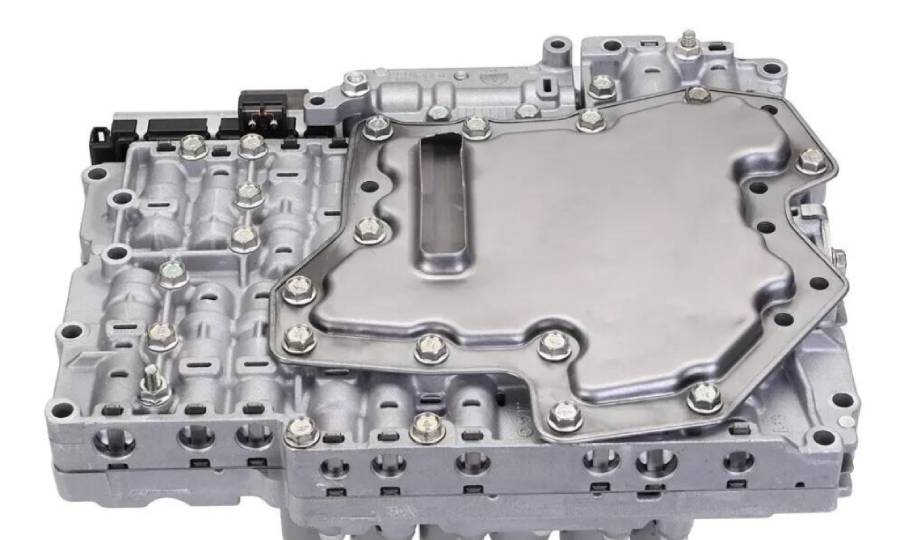
What Is the Valve Body in an Infiniti Q50 Transmission?
The Infiniti Q50 transmission valve body is a hydraulic control assembly that regulates automatic transmission fluid (ATF) flow to control gear engagement and shifting. It contains interconnected fluid passages, control valves, and electronically operated solenoids that direct hydraulic pressure to specific transmission components. In Infiniti Q50 models equipped with the 7-speed automatic transmission, the valve body works with the transmission control system to coordinate gear changes according to vehicle speed, engine load, and driver input.
The valve body operates by distributing pressurized transmission fluid to the clutches and other hydraulic components responsible for selecting gear ratios. When the transmission control module commands a gear change, the appropriate solenoids adjust fluid pressure within the valve body’s hydraulic circuits. This pressure activates or releases specific clutch elements, allowing the transmission to shift between gears. For example, during acceleration, the transmission control system adjusts hydraulic pressure to complete an upshift while maintaining smooth power delivery.
The Infiniti Q50 valve body also plays a critical role in transmission responsiveness and shift quality. Its hydraulic passages and control valves must maintain accurate fluid pressure to prevent delayed engagement, excessive clutch slipping, and abrupt gear changes. Wear, internal leakage, sticking valves, or malfunctioning solenoids can disrupt this pressure regulation. Because the valve body interacts with both mechanical and electronic transmission components, identifying the exact source of a shifting problem requires more than observing how the vehicle changes gears.
What Are the Symptoms of a Bad Infiniti Q50 Valve Body?
The most common symptoms associated with a faulty Infiniti Q50 transmission valve body are harsh shifting, delayed gear engagement, inconsistent gear changes, transmission slipping, and limp mode. These symptoms develop when hydraulic pressure or electronic shift control becomes inconsistent, preventing the transmission from engaging and releasing its internal clutch elements correctly. However, these warning signs can also indicate low transmission fluid, electrical problems, worn clutches, or other transmission faults.
Harsh shifting or jerking between gears occurs when the transmission applies or releases clutch pressure too abruptly. A malfunctioning pressure-control solenoid, sticking valve, or worn hydraulic passage can interfere with the gradual pressure changes required for smooth shifting. Infiniti Q50 drivers may notice a sudden jolt during acceleration, particularly when the transmission changes between lower gears. The severity of the shift disturbance depends on the underlying fault and operating conditions.
Delayed engagement into Drive or Reverse happens when the transmission takes longer than expected to establish the hydraulic pressure required to engage a gear. The driver may move the gear selector from Park to Drive or Reverse and experience a noticeable pause before the vehicle responds. Internal valve body leakage, restricted fluid passages, or pressure-control problems can contribute to this delay. Repeated delayed engagement should be diagnosed because it may also indicate transmission fluid or internal clutch problems.
Transmission slipping or inconsistent gear changes can occur when the valve body fails to maintain the hydraulic pressure necessary to hold a clutch fully engaged. The engine speed may increase without a corresponding rise in vehicle speed, or the transmission may hesitate between gear changes. Inconsistent shifting can also appear as unexpected downshifts or difficulty selecting the appropriate gear. Continued operation with inadequate clutch pressure can generate excessive heat and accelerate internal transmission wear.
Limp mode and transmission warning indicators may appear when the transmission control system detects an operating condition outside its expected parameters. Depending on the fault and transmission configuration, the vehicle may restrict gear selection or alter shifting behavior to limit further damage. Diagnostic trouble codes stored in the transmission control system can help identify the affected circuit or operating condition. However, a warning light or trouble code alone does not establish that the complete valve body requires replacement.
These symptoms should be evaluated together with transmission fluid condition, electronic diagnostic data, and vehicle-specific service procedures. For example, harsh shifting accompanied by a solenoid circuit fault may require electrical testing before any hydraulic components are removed. A correct diagnosis helps distinguish a defective valve body from problems that require a different repair.
How Do You Diagnose a Faulty Infiniti Q50 Valve Body?
Diagnosing a faulty Infiniti Q50 valve body requires checking transmission fault codes, fluid condition, electrical circuits, and hydraulic operation before replacing the assembly. Harsh shifting, delayed engagement, and gear slipping indicate transmission performance problems, but these symptoms do not identify a specific failed component. A systematic diagnosis helps determine whether the fault originates in the valve body, shift solenoids, transmission control system, or internal transmission components.
The diagnostic process begins with a transmission-capable scan tool that can communicate with the Infiniti Q50 transmission control system. The technician retrieves stored and pending diagnostic trouble codes (DTCs), reviews transmission operating data, and checks whether the reported fault occurs during specific gear changes. Transmission fluid level and condition must also be inspected according to the service procedure for the vehicle’s transmission. Low fluid levels, contamination, or incorrect fluid can affect hydraulic pressure and produce symptoms similar to valve body failure.
What Diagnostic Trouble Codes Indicate Infiniti Q50 Valve Body Problems?
Diagnostic trouble codes associated with shift solenoids, pressure regulation, and gear-ratio errors can indicate problems involving the Infiniti Q50 valve body. Relevant generic OBD-II codes include P0750, P0755, P0760, P0776, and P0730, although their applicability depends on the vehicle’s model year, transmission configuration, and control system.
P0750, P0755, and P0760 identify faults associated with specific shift-solenoid circuits or performance, depending on the diagnostic definition. Because shift solenoids control hydraulic fluid routing within the transmission, their malfunction can cause harsh shifting, delayed gear changes, or incorrect gear engagement. These codes do not automatically confirm that the complete valve body is defective. Wiring damage, connector problems, and individual solenoid failures must also be considered.
P0776 indicates a pressure-control solenoid performance or stuck-off condition under the generic OBD-II definition. A pressure-control problem can prevent the transmission from applying the hydraulic pressure required for normal clutch engagement. P0730 indicates an incorrect gear ratio, which can result from inadequate clutch pressure, internal transmission wear, or other mechanical and hydraulic faults. The presence of either code requires further testing rather than immediate valve body replacement.
A technician should compare the retrieved codes with Infiniti’s factory diagnostic procedures for the specific Q50. Manufacturer-specific codes, freeze-frame information, and live transmission data provide additional evidence about the operating conditions that triggered the fault.
How Can You Tell if the Valve Body or Another Transmission Component Is Faulty?
A faulty Infiniti Q50 valve body is identified by combining electronic testing with hydraulic and mechanical inspection. The technician first verifies transmission fluid condition and checks the wiring harness, electrical connectors, and relevant solenoid circuits. Electrical measurements and functional tests must follow the specifications for the installed transmission because acceptable resistance values and testing procedures differ between components.
When electrical circuits operate correctly but shifting problems remain, hydraulic pressure testing and transmission operating data can help identify pressure-control faults. For example, a transmission that consistently delays engagement despite having the correct fluid level may have internal hydraulic leakage, a sticking control valve, or worn clutch components. Additional testing is necessary to distinguish these conditions.
Internal transmission damage must also be considered before authorizing valve body replacement. Significant metal debris in the transmission pan, severely contaminated fluid, or evidence of damaged clutch material can indicate problems beyond the hydraulic control assembly. Replacing the valve body without addressing internal damage may leave the original shifting symptoms unresolved.
How Much Does Infiniti Q50 Valve Body Replacement Cost?
The total cost of Infiniti Q50 valve body replacement depends on the replacement assembly, labor time, transmission fluid, seals, and any required electronic programming. OEM assemblies, rebuilt units, and aftermarket parts have different prices and warranty conditions. The vehicle’s model year and transmission configuration also affect part availability and installation requirements.
A reliable replacement estimate should separate parts and labor from additional service charges. The figures below are illustrative U.S. budgeting ranges rather than verified current Infiniti Q50 repair quotes.
| Cost Component | Illustrative Estimated Cost |
|---|---|
| Replacement valve body | $400–$1,500+ |
| Labor | $300–$900+ |
| Transmission fluid and seals | $80–$250+ |
| Programming or calibration, if required | $100–$300+ |
| Total repair budget | Approximately $900–$2,500+ |
The final invoice can fall outside these ranges, particularly when the repair requires a more expensive integrated control assembly, additional diagnostics, or correction of other transmission problems.
How Much Does an Infiniti Q50 Replacement Valve Body Cost?
An Infiniti Q50 replacement valve body may cost approximately $400–$1,500 or more as a preliminary parts budget, depending on whether the assembly is aftermarket, remanufactured, or genuine OEM. This range is not a verified price for every Q50 model year. Exact pricing requires identifying the transmission and matching the replacement part number to the vehicle’s VIN.
OEM valve bodies are supplied through the vehicle manufacturer’s parts distribution system and are intended to match the specified transmission application. They may cost more than alternative replacement assemblies, but correct part selection remains essential regardless of the supplier. Some transmission configurations use control assemblies with integrated electronic components, which can increase replacement cost and affect programming requirements.
Remanufactured valve bodies are previously used assemblies that have undergone inspection, cleaning, repair, and testing. Their price depends on the rebuilding process, replaced components, supplier warranty, and core-return requirements. A lower purchase price does not guarantee a lower total repair cost if the replacement requires additional setup or fails to meet the transmission’s specifications.
How Much Does Labor Cost for Infiniti Q50 Valve Body Replacement?
Infiniti Q50 valve body replacement labor may be budgeted at approximately $300–$900 or more, but the actual charge depends on the shop’s hourly rate, the applicable labor-time estimate, and the repair procedure. This is an illustrative range rather than a confirmed manufacturer labor allowance.
Labor includes accessing the transmission valve body, removing the required components, disconnecting electrical connections, installing the replacement assembly, and completing the necessary fluid service. The technician must also verify the installation, check for leaks, and confirm that the transmission operates correctly after repair.
Dealerships and independent transmission repair shops may quote different labor rates and diagnostic charges. For example, a shop charging $150 per hour would bill $600 for four hours of labor, excluding parts and additional services. This calculation illustrates how labor rates affect the estimate; it does not establish that every Infiniti Q50 valve body replacement requires four hours.
Additional charges may include transmission fluid, gaskets, seals, electrical components, and control-system programming or calibration. These services should appear separately on the repair estimate when they are not included in the quoted labor price. Before approving replacement, the owner should request a written estimate identifying the replacement part, labor charges, required electronic procedures, and warranty coverage.
How Do You Replace the Valve Body in an Infiniti Q50?
Replacing the valve body in an Infiniti Q50 involves accessing the transmission’s hydraulic control assembly, removing the existing unit, installing a compatible replacement, and completing the required fluid and electronic setup procedures. The replacement process requires a transmission-capable diagnostic scanner, appropriate hand tools, a calibrated torque wrench, and equipment for servicing automatic transmission fluid.
Before starting, identify the vehicle’s model year, transmission configuration, and replacement part number using its VIN. Infiniti Q50 models have different powertrain configurations, and valve body designs, fastener specifications, and electronic setup requirements are not necessarily interchangeable. The correct factory service manual must be used to confirm removal procedures, tightening sequences, fluid specifications, and calibration requirements.
How Do You Remove the Old Infiniti Q50 Valve Body?
Removing the Infiniti Q50 valve body requires accessing the transmission’s internal hydraulic control assembly through the transmission oil pan. The vehicle must be secured on a level lift or properly rated supports, and the transmission must be allowed to cool before components are removed. Hot transmission fluid and unsupported vehicles present significant injury risks.
Step 1: Prepare the vehicle and transmission. Disconnect the battery as directed by the applicable service procedure, secure the vehicle, and remove any underbody covers that obstruct transmission access. Record existing transmission diagnostic trouble codes and operating information before disconnecting electrical components. This information provides a reference for evaluating the repair afterward.
Step 2: Drain the transmission fluid and remove the oil pan. Position a suitable drain container beneath the transmission and follow the specified fluid-draining procedure. Remove the transmission pan fasteners and carefully lower the pan to expose the hydraulic control assembly. Inspect the fluid and pan for excessive metal particles, clutch debris, or other signs of internal transmission damage. Significant contamination may indicate that valve body replacement alone will not resolve the problem.
Step 3: Disconnect the valve body electrical connections. Identify and release the electrical connectors and harness retainers associated with the hydraulic control assembly. Depending on the transmission design, additional components may need to be removed to access the valve body fasteners. Electrical connectors must be handled carefully because damaged terminals or wiring can cause transmission control faults after installation.
Step 4: Remove the valve body assembly. Support the assembly while removing its mounting bolts in the sequence specified by the factory service manual. Carefully lower the valve body without damaging the transmission case, hydraulic passages, or associated components. Keep track of fastener locations because bolt lengths and installation positions may differ. Any loose components, seals, or hydraulic control parts must be handled according to the transmission-specific service instructions.
After removal, compare the original valve body with the replacement assembly. Confirm matching part numbers or documented supersessions, connector configurations, and required components before proceeding with installation.
How Do You Install the Replacement Infiniti Q50 Valve Body?
Installing the replacement Infiniti Q50 valve body requires correct assembly positioning, electrical connections, fastener tightening, and transmission fluid servicing. Improper installation can cause hydraulic pressure loss, transmission fault codes, fluid leaks, or additional internal damage.
Step 1: Inspect the replacement assembly. Verify that the valve body matches the vehicle’s transmission application and inspect it for shipping damage, contamination, or missing components. Confirm whether the replacement includes solenoids, seals, or electronic control components. Transfer parts from the original assembly only when the manufacturer or replacement supplier explicitly requires it.
Step 2: Position and secure the valve body. Align the replacement assembly with the transmission’s hydraulic passages and mounting locations. Install the mounting bolts in their correct positions and tighten them using the specified sequence and torque values. Excessive tightening can damage the valve body or transmission case, while insufficient tightening can allow internal hydraulic leakage.
Step 3: Reconnect the electrical components. Reinstall the required wiring harnesses, electrical connectors, and retaining components according to the factory procedure. Ensure connectors are fully seated and wiring is routed away from moving components or sharp edges. Incorrect connections can prevent the transmission control system from operating the replacement valve body properly.
Step 4: Reinstall the transmission pan and service the fluid. Clean the specified sealing surfaces and replace gaskets, seals, or other single-use components as required. Reinstall the transmission pan using the correct tightening procedure. Refill the transmission with the exact automatic transmission fluid specified for the vehicle’s transmission configuration.
Transmission fluid level must be established using the manufacturer-defined procedure, which may require monitoring fluid temperature and checking the level under specific operating conditions. An incorrect fluid level can cause shifting problems, overheating, or transmission damage even when the replacement valve body is functioning correctly.
Does an Infiniti Q50 Valve Body Need Programming After Replacement?
An Infiniti Q50 valve body may require electronic programming, configuration, or transmission control learning procedures after replacement, depending on the model year, transmission design, and components included in the replacement assembly. Programming requirements must be confirmed using the applicable Infiniti service information rather than assumed for every Q50.
Some transmission control assemblies contain electronic components that must communicate with the vehicle’s existing control systems. Replacing an assembly that includes transmission control electronics may require configuration data, initialization, or other manufacturer-specified procedures. A replacement limited to hydraulic components may have different requirements.
A technician should use a compatible diagnostic tool to identify the installed control system, verify communication, and perform any required setup. Where specified, transmission learning procedures allow the control system to establish appropriate operating parameters for gear engagement and hydraulic pressure regulation. Clearing fault codes alone does not substitute for required programming or initialization.
After completing the electronic setup, the technician must verify transmission fluid level, inspect for leaks, check for returning diagnostic trouble codes, and evaluate gear engagement and shifting behavior. The vehicle should not be returned to normal operation until the required installation and verification procedures have been completed.
How Do You Verify an Infiniti Q50 Valve Body Replacement Was Successful?
An Infiniti Q50 valve body replacement is successful when the transmission engages gears correctly, shifts smoothly, maintains the specified fluid level, and operates without recurring transmission-related faults. Verification requires a post-installation inspection, diagnostic scan, and controlled road test. Installing a replacement valve body does not automatically confirm that the original transmission problem has been resolved.
The first verification step is checking the transmission fluid level using the manufacturer-specified procedure. Automatic transmission fluid expands as its temperature increases, making fluid temperature an important factor in accurate level measurement. The technician must use the correct fluid specification and follow the applicable procedure for the Q50’s transmission configuration. An incorrect fluid level can cause delayed engagement, unstable hydraulic pressure, or abnormal shifting that resembles valve body failure.
The technician must also inspect the transmission pan, sealing surfaces, drain or fill plugs, and disturbed electrical connections for leaks or installation problems. A transmission-capable diagnostic scanner should then be used to check for current, pending, or returning fault codes. Any required programming, initialization, or transmission learning procedure must be completed before final verification. A code that returns after replacement indicates that further diagnosis is necessary, even when the vehicle initially appears to shift normally.
A controlled road test provides the final functional assessment. The technician should first confirm that Drive and Reverse engage without abnormal delays, harsh impacts, or unusual noises. During the road test, the transmission should be evaluated under light and moderate acceleration, steady-speed driving, and normal deceleration. Gear changes should occur consistently without excessive engine-speed flare, slipping, or unexpected shifts. Diagnostic live data can provide additional confirmation of commanded gears, actual transmission behavior, and relevant control-system operation.
After the road test, the transmission should be inspected again for fluid leaks and checked for newly stored diagnostic trouble codes. The fluid level must be rechecked when required by the factory service procedure. If harsh shifting, delayed engagement, or slipping persists, the technician should investigate remaining hydraulic, electrical, or internal mechanical faults rather than assuming the replacement assembly is defective. Successful verification requires both normal driving performance and completion of the specified post-repair checks.
What Causes an Infiniti Q50 Transmission Valve Body to Fail?
Infiniti Q50 transmission valve body failure can result from contaminated transmission fluid, worn hydraulic control valves, malfunctioning solenoids, and electrical faults. These problems interfere with the valve body’s ability to regulate hydraulic pressure and direct transmission fluid to the correct clutch circuits. As hydraulic control becomes less precise, the transmission may develop harsh shifts, delayed engagement, or inconsistent gear changes.
Contaminated transmission fluid can accelerate valve body wear by carrying metal particles, clutch friction material, and other debris through narrow hydraulic passages. These contaminants may restrict fluid movement or interfere with the operation of pressure-control valves. For example, debris trapped inside a valve bore can prevent a control valve from moving freely, disrupting the hydraulic pressure required for smooth gear engagement. Transmission overheating can also accelerate fluid degradation and contribute to deposits that affect hydraulic operation.
Hydraulic valve and bore wear develops when repeated valve movement gradually changes the clearance between internal components. Excessive clearance allows pressurized transmission fluid to leak between hydraulic circuits, reducing the pressure available for clutch application. A worn pressure-regulating valve may cause delayed shifts or clutch slipping even when the transmission contains the correct amount of fluid. This type of internal wear may require valve body rebuilding or complete assembly replacement, depending on the extent of the damage.
Shift solenoid and electrical failures can disrupt the electronic commands responsible for controlling transmission fluid pressure. Solenoids use electrical signals from the transmission control system to regulate hydraulic flow. A damaged solenoid, corroded connector, or faulty wiring circuit can prevent the transmission from executing the intended gear change. For example, an intermittent electrical connection may produce inconsistent shifting behavior that changes with temperature or vibration. Because these faults can occur without mechanical valve body damage, electrical testing is necessary before replacing the entire assembly.
Read more: Nissan Pathfinder Transmission Problems: Causes & Fixes
Should You Replace the Valve Body or the Entire Infiniti Q50 Transmission?
Replacing the Infiniti Q50 valve body is generally the more targeted repair when diagnostic testing confirms a hydraulic control assembly fault and the transmission’s internal mechanical components remain serviceable. Complete transmission replacement becomes a stronger option when the transmission has extensive clutch damage, severe internal wear, or multiple mechanical failures that cannot be corrected through valve body replacement alone.
Valve body replacement is appropriate when the fault is isolated to the hydraulic control system. For example, a Q50 with harsh shifting caused by a confirmed sticking pressure-control valve may return to normal operation after the defective assembly is replaced and the required setup procedures are completed. This approach preserves the existing transmission housing, gearsets, and clutch assemblies while addressing the identified malfunction. However, the technician must verify that internal transmission damage has not contributed to the valve body failure.
Complete transmission replacement is appropriate when damage extends beyond the valve body. Severely worn clutch packs, damaged planetary gearsets, excessive internal metal contamination, or major mechanical failures may require extensive transmission rebuilding or replacement. Installing a new valve body in a transmission with damaged internal clutches will not restore the friction material or eliminate mechanical wear. In addition, debris remaining inside the transmission can contaminate a newly installed valve body and create recurring hydraulic problems.
Repair costs also influence the decision. Valve body replacement generally involves fewer components than replacing the complete transmission, but the final expense depends on parts availability, labor requirements, programming, and the condition of the existing unit. A complete transmission replacement typically includes the transmission assembly, removal and installation labor, fluid, and any required electronic configuration. Owners should compare written estimates that specify the repair scope, parts condition, warranty coverage, and additional services.
The final decision should be based on confirmed diagnostic findings rather than vehicle mileage or shifting symptoms alone. A high-mileage Infiniti Q50 with an isolated valve body defect may still be a reasonable candidate for targeted repair, while a lower-mileage vehicle with extensive internal damage may require transmission replacement. A qualified transmission technician should evaluate the mechanical condition, hydraulic performance, and electronic control system before recommending either option.
How Can You Prevent Infiniti Q50 Valve Body Problems?
Preventing Infiniti Q50 valve body problems requires maintaining proper transmission fluid condition, addressing shifting abnormalities early, and preventing excessive transmission heat. These practices help protect the hydraulic passages, control valves, and shift solenoids responsible for regulating transmission operation. Although routine maintenance cannot eliminate mechanical wear or electrical component failures, it can reduce preventable damage caused by fluid contamination, lubrication problems, and overheating.
Maintain the correct transmission fluid level and specification to support consistent hydraulic pressure and proper valve body operation. Automatic transmission fluid lubricates moving components, transfers hydraulic pressure, and helps remove heat from internal transmission parts. Low fluid levels can introduce air into the hydraulic system, while degraded or contaminated fluid can contribute to sticking valves and accelerated component wear. Infiniti Q50 owners should follow the maintenance guidance applicable to their vehicle’s model year and transmission configuration rather than relying on a universal fluid replacement interval.
Address transmission shifting problems as soon as they appear to prevent minor hydraulic or electrical faults from developing into more expensive repairs. Harsh gear changes, delayed engagement, transmission slipping, and recurring transmission fault codes require diagnostic inspection. For example, a malfunctioning pressure-control solenoid may initially cause intermittent shifting problems, but continued operation with inadequate clutch pressure can increase heat generation and accelerate clutch wear. Early diagnosis helps identify whether the problem involves transmission fluid, electrical connections, solenoids, or internal hydraulic components.
Prevent excessive transmission heat and repair fluid leaks promptly to protect the valve body and surrounding transmission components. Elevated operating temperatures accelerate transmission fluid oxidation and can reduce its ability to lubricate and regulate hydraulic pressure effectively. Owners should investigate visible fluid leaks, persistent overheating symptoms, and abnormal transmission behavior instead of continuing to drive under potentially damaging conditions. Maintaining the vehicle’s cooling systems and using the correct transmission fluid also support stable operating temperatures.
Regular transmission inspections provide an opportunity to identify leaks, fluid deterioration, and emerging control-system faults before they cause extensive damage. However, preventive maintenance cannot restore worn valve bores, repair damaged solenoids, or correct existing mechanical failures. When an Infiniti Q50 develops persistent shifting problems, professional diagnosis remains necessary to determine whether the valve body requires repair, replacement, or further transmission service.