The 4.3L Vortec V6 is one of General Motors’ most recognizable and long-lasting engines, powering millions of Chevrolet and GMC trucks, vans, and SUVs for more than three decades. Renowned for its simple design, dependable low-end torque, and relatively low maintenance costs, the 4.3 Vortec has earned a loyal following among truck owners, contractors, and DIY mechanics. Many well-maintained engines have surpassed 250,000 to 300,000 miles, proving that this V6 can deliver exceptional longevity when properly cared for.
However, no engine is immune to wear and tear. As these vehicles age and accumulate higher mileage, owners often encounter recurring 4.3 Vortec engine problems that can affect performance, fuel economy, and overall reliability. Issues such as intake manifold gasket leaks, faulty spider fuel injectors, distributor failures, and excessive oil consumption are among the most frequently reported. While some problems are relatively inexpensive to repair, others can become costly if ignored for too long.
The good news is that most of these issues are well understood by mechanics and experienced owners. Early diagnosis, routine maintenance, and timely repairs can prevent minor faults from turning into major engine damage.
In this guide, we’ll explore the most common 4.3 Vortec engine problems, explain their symptoms and root causes, provide practical repair solutions, and estimate typical repair costs. Whether you’re troubleshooting an existing issue or considering buying a used Chevrolet or GMC equipped with the 4.3L Vortec, this comprehensive guide will help you make informed decisions and keep your engine running reliably for years to come.
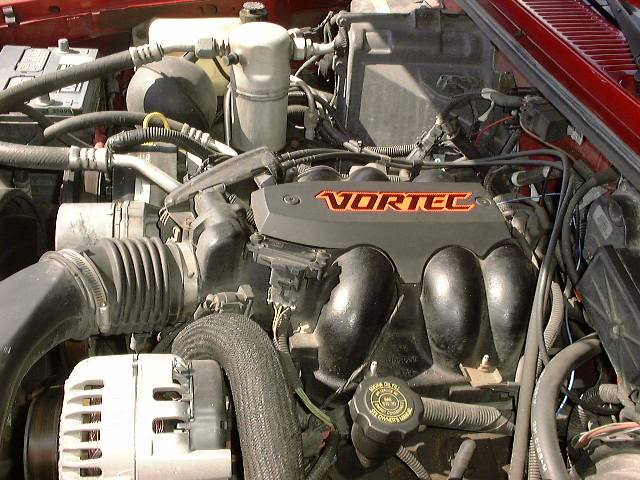
Overview of the GM 4.3 Vortec Engine
The GM 4.3L Vortec V6 is one of the most successful V6 engines ever produced by General Motors. Introduced in 1985 as an evolution of the Chevrolet 90 degree V6 family, it remained in production until 2014 and powered a wide range of Chevrolet and GMC vehicles. Built with durability in mind, the engine shares much of its architecture with the legendary small block Chevy V8, giving it exceptional strength and a reputation for lasting hundreds of thousands of miles with proper maintenance.
Over the years, the 4.3 Vortec was installed in popular models such as the Chevrolet Silverado, S10, Blazer, Astro, Express Van, GMC Sierra, Sonoma, Safari, and Savana. Depending on the model year, the engine produced between 160 and 200 horsepower and up to 260 lb ft of torque, making it well suited for towing, hauling, and everyday driving.
One of the biggest reasons for the engine’s popularity is its simple mechanical design. Compared to many modern turbocharged engines, the 4.3 Vortec has fewer complex components, making repairs easier and replacement parts widely available. This simplicity has also made it a favorite among DIY mechanics who appreciate its straightforward maintenance requirements.
With routine oil changes, cooling system maintenance, and timely replacement of worn ignition and fuel system components, a well-maintained 4.3 Vortec can often exceed 250,000 miles, with many owners reporting mileage well beyond 300,000 miles. However, age and high mileage inevitably lead to component wear, and several recurring issues have become well documented among owners and professional technicians.
Understanding these common failures allows owners to identify problems early, reduce repair costs, and maximize the engine’s service life.
Common 4.3 Vortec Engine Problems
Although the GM 4.3L Vortec has earned a solid reputation for reliability, it is not without its weaknesses. Most problems become noticeable after the engine reaches 100,000 to 150,000 miles, when aging seals, ignition components, and fuel system parts begin to deteriorate. Fortunately, many of these issues develop gradually, giving attentive owners an opportunity to address them before they lead to expensive engine damage.
The most frequently reported 4.3 Vortec engine problems include coolant leaks caused by failed intake manifold gaskets, spider fuel injector malfunctions, distributor cap moisture, ignition coil failures, excessive oil consumption, timing chain wear, vacuum leaks, oxygen sensor failures, and fuel pump issues. While some of these problems only affect drivability or fuel economy, others can result in severe overheating or internal engine damage if ignored.
Recognizing the symptoms early is the key to preventing larger repair bills. Warning signs such as rough idling, engine misfires, hard starting, coolant loss, blue exhaust smoke, poor fuel economy, or an illuminated Check Engine Light should never be dismissed. These symptoms often indicate a failing component that can usually be repaired before it causes additional damage to the engine.
In the following sections, we’ll examine each common problem in detail, including its symptoms, causes, recommended repair procedures, and estimated repair costs. This information will help you determine whether the issue is suitable for a DIY repair or should be handled by a qualified mechanic.
1. Intake Manifold Gasket Failure
One of the most common and expensive 4.3 Vortec engine problems is a failing intake manifold gasket. This issue is particularly common on engines built during the late 1990s and early 2000s, where the factory gasket material tends to deteriorate after years of repeated heating and cooling cycles. Once the gasket begins to fail, coolant or engine oil can leak internally or externally, leading to a variety of performance issues and potentially serious engine damage if left unattended.
Common Symptoms
Drivers typically notice a gradual loss of coolant without any obvious external leak. As the gasket deteriorates further, the engine may begin to overheat, especially during long drives or while towing. Some owners observe white exhaust smoke caused by coolant entering the combustion chamber, while others discover a milky substance on the oil dipstick or beneath the oil filler cap, indicating coolant contamination. A rough idle, poor engine performance, and an illuminated Check Engine Light may also accompany the problem.
What Causes It?
The primary cause is the gradual breakdown of the intake manifold gasket due to constant thermal expansion and contraction. Over time, the gasket material loses its sealing ability, allowing coolant and oil to escape. Poor cooling system maintenance or repeated overheating can accelerate gasket deterioration.
How to Fix It
Repairing this problem requires removing the intake manifold and replacing the damaged gasket with an updated, higher quality replacement. During the repair, technicians typically inspect the intake manifold for warping and clean all mating surfaces to ensure a proper seal. If coolant has mixed with the engine oil, an immediate oil and filter change is essential to prevent bearing damage. The cooling system should also be flushed and refilled with fresh coolant.
Estimated Repair Cost
Repair costs generally range from $500 to $1,200, depending on labor rates and whether additional engine damage has occurred. While the repair is moderately difficult, experienced DIY mechanics with the proper tools and service manual can often complete the job successfully, reducing overall costs.
2. Spider Fuel Injector Problems
The Central Sequential Fuel Injection (CSFI) system, commonly known as the spider injector, is one of the most well-known weak points of the 4.3 Vortec engine. Introduced to improve fuel delivery and emissions, this system uses a central injector assembly connected to individual poppet valves that deliver fuel to each cylinder. While innovative for its time, the design proved susceptible to clogging, sticking, and fuel leaks, particularly in engines with high mileage or poor maintenance histories.
Common Symptoms
A failing spider injector often causes rough idling, hesitation during acceleration, hard starting, and noticeable engine misfires. Drivers may also experience reduced fuel economy, a strong fuel smell near the engine, or intermittent stumbling while driving. In more severe cases, excessive fuel entering one or more cylinders can flood the engine, making it difficult to start after sitting overnight. The Check Engine Light frequently illuminates, accompanied by diagnostic trouble codes related to lean or rich fuel mixtures.
What Causes It?
The original CSFI system relies on mechanical poppet valves that can become clogged by carbon deposits or contaminated fuel. Over time, these valves may stick open or closed, disrupting the proper air-fuel mixture. Internal fuel pressure regulator leaks within the injector assembly are another common failure, allowing raw fuel to leak directly into the intake manifold.
How to Fix It
The most effective solution is replacing the original CSFI assembly with the updated Multi-Port Fuel Injection (MPFI) conversion kit offered by General Motors and aftermarket manufacturers. Unlike the original design, the MPFI system uses individual electronic injectors that provide more precise fuel delivery, improved reliability, and smoother engine performance. During the repair, technicians should also inspect fuel pressure, replace damaged fuel lines if necessary, and verify that the fuel filter is not restricting flow.
Estimated Repair Cost
Replacing the spider injector assembly typically costs between $400 and $900, depending on labor rates and the type of replacement kit used. While the repair requires removal of the upper intake manifold, many experienced DIY mechanics successfully complete the upgrade using standard hand tools and a service manual.
3. Distributor Cap and Rotor Failure
Unlike many modern engines that rely on coil-on-plug ignition systems, the 4.3 Vortec uses a traditional distributor to route ignition spark to each cylinder. Although this design is relatively simple and inexpensive to maintain, the distributor cap and rotor are highly susceptible to wear, moisture intrusion, and corrosion. As these components age, ignition performance gradually declines, leading to misfires and poor engine operation.
Common Symptoms
The earliest sign of distributor problems is often an intermittent engine misfire, especially during wet or humid weather. Drivers may notice rough idling, hesitation while accelerating, reduced power, or difficulty starting the engine. In more advanced cases, excessive corrosion inside the distributor cap can prevent spark from reaching one or more cylinders, resulting in severe misfires or a complete no-start condition. Moisture trapped inside the cap may also trigger random Check Engine Light warnings.
What Causes It?
Over time, normal electrical arcing wears away the metal contacts inside the distributor cap and rotor. Heat, vibration, and condensation accelerate this process, particularly in vehicles driven in humid climates or frequently exposed to water. Small cracks in the distributor housing can also allow moisture to enter, increasing the likelihood of corrosion and electrical shorts.
How to Fix It
Replacing both the distributor cap and rotor is the recommended repair, as these inexpensive components are designed to wear over time. During installation, the distributor housing should be inspected for cracks, excessive shaft play, or oil contamination that could indicate additional internal problems. Spark plug wires should also be checked for wear or damage, since deteriorated wires can produce symptoms similar to a failing distributor.
Estimated Repair Cost
Professional replacement usually costs between $150 and $350, while DIY repairs can often be completed for less than $100 in parts. Routine replacement every 60,000 to 80,000 miles helps maintain reliable ignition performance and reduces the likelihood of unexpected engine misfires.
4. Ignition Coil Failure
The ignition coil plays a crucial role in the 4.3 Vortec’s ignition system by converting the vehicle’s low battery voltage into the high voltage required to ignite the air-fuel mixture inside each cylinder. Although ignition coils are generally durable, years of heat exposure, vibration, and electrical stress eventually weaken their internal windings. A failing ignition coil can produce inconsistent spark output, causing a wide range of drivability problems that are often mistaken for fuel system or spark plug issues.
Common Symptoms
Drivers typically notice sluggish acceleration, rough idling, and reduced engine power. Random or cylinder-specific misfires become increasingly common, especially under heavy load or while climbing hills. The Check Engine Light may illuminate with misfire-related trouble codes, and fuel economy often declines because incomplete combustion forces the engine to burn more fuel. In severe cases, the engine may stall unexpectedly or refuse to start altogether.
What Causes It?
Most ignition coil failures result from prolonged exposure to extreme engine temperatures and continuous electrical cycling. Aging spark plugs, excessive spark plug wire resistance, or poor grounding can force the coil to work harder than intended, shortening its lifespan. Moisture intrusion and physical damage may also contribute to premature failure.
How to Fix It
Diagnosis begins by testing coil output using a digital multimeter or an ignition spark tester. If the coil produces weak or inconsistent spark, replacement is the most reliable solution. Mechanics should also inspect the spark plugs, plug wires, electrical connectors, and battery voltage to ensure another underlying problem is not overloading the new coil. Replacing worn ignition components at the same time can significantly improve engine performance and prevent future failures.
Estimated Repair Cost
Replacing the ignition coil generally costs between $150 and $350, including parts and labor. DIY owners can usually complete the repair for $50 to $120, making it one of the more affordable fixes for common 4.3 Vortec engine problems. Early replacement often restores smooth engine operation, improves fuel efficiency, and prevents catalytic converter damage caused by prolonged engine misfires.
5. Excessive Oil Consumption
Excessive oil consumption is a common concern for high-mileage 4.3 Vortec engines. While some oil usage is considered normal as an engine ages, losing more than one quart of oil between scheduled oil changes may indicate underlying mechanical wear. If left unresolved, low oil levels can lead to inadequate lubrication, accelerated engine wear, and even catastrophic engine failure.
Common Symptoms
Owners often notice that the oil level drops faster than expected without visible external leaks. Blue smoke from the exhaust, especially during startup or acceleration, is another classic symptom of oil entering the combustion chamber. Some engines may develop a burnt oil smell, fouled spark plugs, reduced engine performance, or increased carbon buildup inside the combustion chambers. Drivers who fail to monitor oil levels may also experience low oil pressure warnings or unusual engine noises caused by insufficient lubrication.
What Causes It?
The most common causes include worn piston rings, deteriorated valve stem seals, and excessive cylinder wall wear. As these components age, engine oil can seep into the combustion chamber and burn along with the air-fuel mixture. A clogged or malfunctioning Positive Crankcase Ventilation (PCV) valve may also increase crankcase pressure, forcing oil past engine seals and into the intake system. In some cases, prolonged overheating or poor maintenance accelerates internal engine wear, increasing oil consumption.
How to Fix It
The first step is identifying the exact source of the oil loss. A compression test or leak-down test can determine whether worn piston rings or cylinder wear are responsible. Replacing the PCV valve is an inexpensive repair that often resolves minor oil consumption issues. If valve stem seals are leaking, replacing them may significantly reduce oil burning without requiring a complete engine rebuild. However, engines suffering from severe internal wear may ultimately require major repairs or a complete overhaul.
Estimated Repair Cost
Repair costs vary widely depending on the underlying cause. Replacing a PCV valve typically costs $20 to $80, while valve stem seal replacement generally ranges from $500 to $1,200. If worn piston rings or cylinder damage require a complete engine rebuild, repair costs can exceed $2,500 to $5,000.
6. Timing Chain Wear
Although the 4.3 Vortec is known for its durable internal components, the timing chain naturally stretches over time as the engine accumulates mileage. While timing chains generally last much longer than timing belts, excessive wear can eventually affect valve timing, reduce engine performance, and increase the risk of serious internal damage if ignored.
Common Symptoms
A worn timing chain often produces a rattling or metallic noise from the front of the engine, particularly during cold starts. Drivers may also notice sluggish acceleration, rough idling, reduced fuel economy, or difficulty maintaining consistent engine performance. In more advanced cases, the Check Engine Light may illuminate with camshaft or crankshaft timing-related diagnostic codes. Severe timing chain wear can eventually cause incorrect valve timing, resulting in poor combustion and hard starting.
What Causes It?
Timing chain wear is primarily caused by normal mechanical fatigue after many years of operation. Insufficient lubrication, infrequent oil changes, or contaminated engine oil can accelerate wear on the chain, guides, and tensioner. Engines that regularly operate with low oil pressure are especially vulnerable because inadequate lubrication increases friction between moving components.
How to Fix It
Once excessive chain stretch has been confirmed, replacing the complete timing set is the recommended repair. This typically includes a new timing chain, crankshaft and camshaft sprockets, chain guides, and tensioner. During the repair, many mechanics also inspect the front engine seal and water pump, replacing them if signs of wear are present since these components are easily accessible with the timing cover removed.
Estimated Repair Cost
Timing chain replacement generally costs between $800 and $1,800, depending on labor rates and the vehicle model. Although experienced DIY mechanics can perform the repair, it requires specialized tools, careful timing alignment, and significant mechanical experience.
7. Coolant Leaks
Cooling system leaks become increasingly common as the 4.3 Vortec engine ages. Rubber hoses harden, gaskets deteriorate, and metal components gradually corrode, allowing coolant to escape from multiple locations. Even a small coolant leak should never be ignored because insufficient coolant can quickly lead to overheating, warped cylinder heads, or permanent engine damage.
Common Symptoms
One of the earliest warning signs is a gradual drop in coolant level that requires frequent refilling. Drivers may notice puddles of coolant beneath the vehicle, a sweet odor after parking, or steam escaping from the engine compartment. Rising engine temperatures, fluctuating temperature gauge readings, or repeated overheating are clear indications that the cooling system should be inspected immediately. In some cases, dried coolant residue may appear around hose connections, the radiator, or the water pump.
What Causes It?
Several components commonly develop leaks over time, including the intake manifold gasket, water pump, radiator, heater hoses, thermostat housing, and radiator end tanks. Aging rubber seals lose flexibility, while corrosion inside the cooling system weakens metal components. Poor maintenance, incorrect coolant mixtures, or neglected coolant flushes can further accelerate deterioration.
How to Fix It
A thorough cooling system pressure test is the most effective way to locate the source of a leak. Damaged hoses, clamps, or gaskets should be replaced immediately, while leaking radiators or water pumps often require complete replacement. After repairs are completed, the cooling system should be flushed to remove contaminants and refilled with the manufacturer-recommended coolant mixture. Regular coolant inspections can help detect small leaks before they become serious mechanical problems.
Estimated Repair Cost
Repair costs depend on the leaking component. Replacing a radiator hose may cost $100 to $250, while a new water pump typically ranges from $400 to $800. Radiator replacement usually costs between $500 and $1,000, and intake manifold gasket repairs may exceed $1,000 if coolant contamination has affected other engine components.
8. Vacuum Leaks
Vacuum leaks are among the most overlooked 4.3 Vortec engine problems, yet they can significantly affect engine performance and fuel efficiency. The 4.3L Vortec relies on a network of vacuum hoses and intake components to regulate airflow, fuel delivery, and emissions. As the engine ages, rubber hoses become brittle, plastic fittings crack, and intake seals deteriorate, allowing unmetered air to enter the engine.
Common Symptoms
A vacuum leak often causes a rough or unusually high idle, hesitation during acceleration, reduced engine power, and poor fuel economy. Drivers may notice a hissing sound from the engine bay or experience intermittent stalling when coming to a stop. The Check Engine Light may illuminate with lean mixture trouble codes such as P0171 or P0174, indicating that the engine is receiving more air than the fuel system expects.
What Causes It?
Most vacuum leaks are caused by aging rubber vacuum hoses that crack from years of heat exposure. Damaged intake manifold gaskets, leaking throttle body gaskets, broken vacuum fittings, or faulty PCV hoses can also introduce unwanted air into the intake system. In some cases, loose hose clamps or improperly installed aftermarket components contribute to the problem.
How to Fix It
Diagnosing a vacuum leak usually begins with a visual inspection of all vacuum lines for cracks, loose connections, or collapsed hoses. Professional technicians often perform a smoke test, which fills the intake system with harmless smoke to identify even the smallest leaks. Once the damaged component has been located, replacing the affected hose, gasket, or fitting typically restores proper engine operation. Clearing diagnostic codes and verifying normal fuel trim readings after the repair ensures the issue has been resolved.
Estimated Repair Cost
Simple vacuum hose replacement typically costs between $50 and $150, while repairs involving intake manifold or throttle body gaskets may range from $250 to $700, depending on labor requirements.
9. Oxygen Sensor Failure
Oxygen sensors play a critical role in maintaining the proper air-fuel ratio by monitoring the amount of oxygen remaining in the exhaust gases. The engine control module uses this information to continuously adjust fuel delivery for maximum efficiency and reduced emissions. As oxygen sensors age, their response time slows, resulting in inaccurate readings that negatively impact engine performance.
Common Symptoms
A faulty oxygen sensor often causes poor fuel economy, rough idling, sluggish acceleration, and increased exhaust emissions. The Check Engine Light is usually the first warning sign, accompanied by diagnostic trouble codes such as P0131, P0135, P0151, or P0155. Some drivers also notice a slight loss of power or a fuel smell from the exhaust due to an excessively rich air-fuel mixture.
What Causes It?
Oxygen sensors naturally wear out after prolonged exposure to high exhaust temperatures. Carbon deposits, coolant contamination, oil burning, or prolonged engine misfires can shorten sensor life even further. Vehicles with neglected maintenance or unresolved fuel system issues often experience premature oxygen sensor failure.
How to Fix It
The defective oxygen sensor should be identified using a professional scan tool that monitors live sensor data. Once confirmed, replacing the failed sensor is usually straightforward. It is also important to correct any underlying engine problems, such as oil consumption or coolant leaks, that may have damaged the sensor in the first place. After installation, clearing the fault codes and verifying proper fuel trim readings ensures the repair has been completed successfully.
Estimated Repair Cost
Most oxygen sensor replacements cost between $150 and $350, including parts and labor. DIY owners can often complete the repair for less than $100, provided the sensor can be removed without damaging the exhaust threads.
10. Fuel Pump Failure
Fuel pump failure is one of the more serious 4.3 Vortec engine problems because it directly affects the engine’s ability to receive adequate fuel pressure. The electric fuel pump, located inside the fuel tank, is designed to operate reliably for many years. However, age, contaminated fuel, and overheating eventually reduce its performance, especially on high-mileage vehicles.
Common Symptoms
A failing fuel pump often causes extended cranking before the engine starts, hesitation during acceleration, loss of power under heavy load, or sudden engine stalling while driving. In advanced stages of failure, the engine may crank normally but fail to start because insufficient fuel reaches the injectors. Some drivers also notice a whining noise coming from the fuel tank, indicating excessive wear inside the pump.
What Causes It?
The most common cause is normal wear after years of continuous operation. Running the vehicle with a nearly empty fuel tank can shorten pump life because gasoline helps cool the electric motor. A clogged fuel filter forces the pump to work harder, increasing heat and accelerating internal wear. Contaminated fuel or corrosion inside the fuel tank may also contribute to premature failure.
How to Fix It
Diagnosis begins by measuring fuel pressure with a fuel pressure gauge to verify that the pump is delivering the manufacturer’s specified pressure. If pressure is below specification, the fuel pump assembly should be replaced. Installing a new fuel filter at the same time is highly recommended to protect the replacement pump. Technicians should also inspect the fuel pump relay, electrical wiring, and connectors to rule out electrical faults before replacing the pump.
Estimated Repair Cost
Fuel pump replacement typically costs between $600 and $1,200, depending on the vehicle model and labor rates. While some trucks provide relatively easy access to the fuel tank, the repair often requires removing or lowering the fuel tank, making it a moderately difficult job for DIY mechanics.
Which 4.3 Vortec Engine Problems Are the Most Expensive to Repair?
The cost of repairing a 4.3 Vortec engine varies significantly depending on the failed component, labor rates, and whether additional engine damage has occurred. Addressing problems early almost always reduces repair costs and helps prevent secondary failures.
| Problem | Repair Difficulty | Typical Repair Cost | Repair Priority |
|---|---|---|---|
| Intake Manifold Gasket Failure | Moderate | $500 to $1,200 | High |
| Spider Fuel Injector Problems | Moderate | $400 to $900 | High |
| Distributor Cap and Rotor Failure | Easy | $150 to $350 | Medium |
| Ignition Coil Failure | Easy | $150 to $350 | Medium |
| Excessive Oil Consumption | Moderate to Severe | $20 to $5,000+ | High |
| Timing Chain Wear | Difficult | $800 to $1,800 | High |
| Coolant Leaks | Easy to Moderate | $100 to $1,000+ | High |
| Vacuum Leaks | Easy | $50 to $700 | Medium |
| Oxygen Sensor Failure | Easy | $150 to $350 | Low |
| Fuel Pump Failure | Moderate | $600 to $1,200 | High |
For most owners, intake manifold gasket failure, timing chain wear, excessive oil consumption, and fuel pump failure represent the most expensive repairs because they require significant labor or involve critical engine components. On the other hand, replacing ignition parts, oxygen sensors, or vacuum hoses is relatively affordable and can often be completed before they lead to more serious mechanical issues.
How to Prevent Common 4.3 Vortec Engine Problems
Although no engine is completely maintenance free, following a consistent service schedule can dramatically reduce the likelihood of major repairs. The 4.3L Vortec is well known for its durability, and many engines surpass 250,000 miles simply because owners stay ahead of routine maintenance instead of waiting for problems to appear.
Changing the engine oil and filter at the recommended intervals is one of the most important maintenance tasks. Clean engine oil reduces wear on internal components, protects the timing chain, and minimizes sludge buildup that can shorten engine life.
The cooling system should also receive regular attention. Flushing and replacing coolant according to the manufacturer’s maintenance schedule helps prevent corrosion, overheating, and premature failure of the intake manifold gasket, radiator, and water pump. Checking coolant levels regularly can also help detect small leaks before they become major repairs.
Keeping the fuel system clean is equally important. Replacing the fuel filter when recommended, using high quality gasoline, and occasionally adding a reputable fuel system cleaner can reduce injector deposits and extend the life of the spider fuel injector assembly.
The ignition system should never be neglected. Replacing spark plugs, spark plug wires, the distributor cap, rotor, and ignition coil at appropriate service intervals helps maintain efficient combustion and reduces the likelihood of engine misfires that can damage the catalytic converter.
Finally, owners should inspect vacuum hoses, belts, coolant hoses, and electrical connectors during routine maintenance. Addressing small cracks, leaks, or worn components early is far less expensive than repairing the damage caused by component failure. Paying attention to warning lights, unusual noises, or changes in engine performance allows problems to be diagnosed before they become costly repairs.
Is the 4.3 Vortec Still a Reliable Engine?
Despite its age, the GM 4.3L Vortec V6 remains one of the most reliable naturally aspirated truck engines ever produced. Its reputation has been built on decades of dependable performance in Chevrolet and GMC pickups, vans, and SUVs. Thanks to its robust cast-iron block, simple overhead valve design, and proven engineering, the engine has become a favorite among fleet operators, contractors, and enthusiasts who value durability over cutting-edge technology.
One of the greatest strengths of the 4.3 Vortec is its longevity. With routine maintenance, many engines continue running well beyond 250,000 miles, and examples exceeding 300,000 miles are not uncommon. Replacement parts are inexpensive and widely available, making repairs relatively affordable compared to many modern engines equipped with turbochargers or direct fuel injection systems. The engine’s straightforward design also makes it easier for experienced DIY mechanics to perform routine maintenance and common repairs.
However, prospective buyers should recognize that most remaining 4.3 Vortec engines are now more than a decade old. Even well-maintained examples will eventually require repairs due to aging gaskets, seals, ignition components, fuel system parts, and cooling system components. These failures are generally predictable and well documented, allowing owners to budget for repairs before serious problems develop.
Compared to newer V6 engines, the 4.3 Vortec does have some disadvantages. Fuel economy is modest by today’s standards, and emissions technology found on later models can add complexity as components age. Engine noise is also more noticeable than modern overhead cam designs, and horsepower figures are lower than many contemporary competitors. Nevertheless, these drawbacks are often outweighed by the engine’s proven reliability and low long-term ownership costs.
For buyers considering a used Chevrolet or GMC equipped with the 4.3L Vortec, overall vehicle condition and maintenance history are far more important than mileage alone. A well-maintained high-mileage engine is frequently a better investment than a neglected low-mileage example. Service records, regular oil changes, cooling system maintenance, and evidence of previous repairs provide a much clearer indication of future reliability than the odometer reading by itself.
Overall, the 4.3 Vortec continues to be an excellent choice for drivers seeking a durable, dependable, and easy-to-maintain truck engine. While it does have several common issues, most are manageable when identified early, and none significantly diminish the engine’s reputation for long-term durability.
Frequently Asked Questions
What is the most common 4.3 Vortec engine problem?
The most frequently reported issue is intake manifold gasket failure, particularly on late 1990s and early 2000s models. A deteriorated gasket can cause coolant leaks, overheating, rough engine performance, and coolant contamination in the engine oil if left unrepaired.
How long does a 4.3 Vortec engine last?
With consistent maintenance, a 4.3 Vortec engine commonly lasts between 250,000 and 300,000 miles. Many owners have reported even higher mileage when the engine receives regular oil changes, cooling system maintenance, and timely replacement of worn components.
Are 4.3 Vortec engines reliable?
Yes. The 4.3 Vortec is widely regarded as one of General Motors’ most reliable V6 engines. Its simple design, durable construction, and affordable replacement parts contribute to its excellent reputation. Most problems occur as a result of age rather than poor engineering.
Which model years have the fewest problems?
Later production years generally benefited from improved components and updated fuel injection systems. Vehicles manufactured after the early 2000s often experience fewer intake gasket and spider injector issues, although maintenance history remains the most important factor when evaluating reliability.
Is it worth repairing a high-mileage 4.3 Vortec?
In many cases, yes. If the engine has been properly maintained and the vehicle is otherwise in good condition, repairing common issues such as fuel injectors, ignition components, or cooling system leaks is usually far less expensive than replacing the vehicle. Major internal engine damage, however, may justify considering an engine replacement instead.
Can I repair common 4.3 Vortec problems myself?
Many repairs are suitable for experienced DIY mechanics. Replacing spark plugs, ignition coils, distributor components, oxygen sensors, vacuum hoses, and even the spider injector assembly can often be completed using standard tools. More complex repairs, such as timing chain replacement or internal engine work, generally require advanced mechanical knowledge and specialized equipment.
What maintenance helps prevent major engine problems?
Routine maintenance is the best defense against unexpected failures. Regular oil and filter changes, cooling system service, spark plug replacement, fuel filter replacement, and periodic inspections of hoses, belts, and ignition components can significantly extend the life of the 4.3 Vortec engine.
Conclusion
The 4.3 Vortec engine has earned its place as one of General Motors’ most dependable V6 powerplants. Although it is no longer in production, countless Chevrolet and GMC trucks, vans, and SUVs equipped with this engine remain on the road today, a testament to its durability and straightforward engineering. Like any high-mileage engine, it develops predictable wear over time, but understanding the most common 4.3 Vortec engine problems allows owners to address issues before they escalate into costly repairs.
Problems such as intake manifold gasket leaks, spider fuel injector failures, ignition system wear, timing chain stretch, coolant leaks, and fuel pump failures are well documented and generally repairable. In many cases, early diagnosis and routine maintenance can prevent these issues from causing significant engine damage. Investing in preventive care not only reduces repair costs but also helps preserve performance, fuel efficiency, and long-term reliability.
If you’re considering purchasing a used Chevrolet or GMC powered by the 4.3L Vortec, don’t let the engine’s age discourage you. Instead, focus on maintenance records, overall vehicle condition, and evidence of regular servicing. A properly maintained 4.3 Vortec can continue delivering reliable performance for many years and thousands of additional miles.
Have you experienced any of these 4.3 Vortec engine problems? Share your experience, repair tips, or maintenance advice in the comments below. Your insights may help other owners diagnose issues more quickly and keep their GM vehicles running at their best.