Knowing the correct 3.6 Pentastar oil capacity helps you perform a safe and accurate oil change. The right oil level keeps engine parts lubricated, controls heat, and reduces internal wear. It also supports stable oil pressure during daily driving, towing, and long highway trips. Using too much or too little oil can reduce engine performance and shorten engine life.
The 3.6L Pentastar V6 has powered many Jeep, Ram, Dodge, and Chrysler vehicles since 2011. Drivers value this engine for its strong performance, smooth operation, and long-term durability. Although the engine shares the same design across many models, the oil capacity does not always remain the same. The oil pan, model year, and oil filter size can change the final refill amount.
This guide explains everything you need to know about 3.6 Pentastar oil capacity. You will learn the correct oil capacity for different vehicle models and model years. You will also find the recommended oil type, oil viscosity, oil filter information, and oil change intervals. Finally, the guide explains how to check the oil level correctly and avoid common mistakes that may damage the engine.
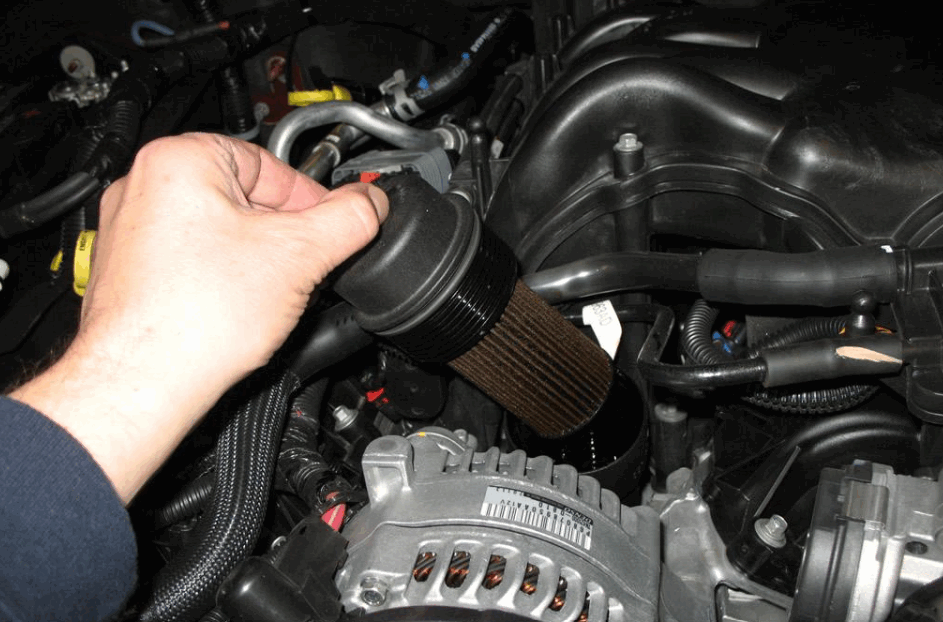
What Is the Oil Capacity of the 3.6 Pentastar Engine?
The 3.6 Pentastar oil capacity is 6 quarts (5.7 liters) with a new oil filter for most applications. This specification applies to many Jeep, Ram, Dodge, and Chrysler models equipped with the 3.6L Pentastar V6 engine. However, some vehicles use a different oil pan or filter design. Always confirm the exact specification in your owner’s manual before adding fresh oil.
Most drivers replace the oil filter during every oil change. A new filter holds a small amount of fresh oil after installation. As a result, the engine requires the full recommended capacity of about 6 quarts. If you reuse the existing filter, the refill amount may be slightly lower. The difference is usually small, but checking the dipstick remains essential after every refill.
Oil capacity can also vary between model years. Manufacturers may update the oil pan, engine calibration, or lubrication system during a production cycle. These changes often affect the final refill volume. For this reason, two vehicles with the same 3.6L Pentastar engine may not require exactly the same amount of oil.
After adding fresh oil, start the engine and let it idle for about one minute. This step allows the new oil to circulate through the engine and fill the filter. Next, turn the engine off and wait five minutes before checking the dipstick. Add oil slowly if the level stays below the Full mark. Avoid overfilling the engine because excess oil can create foam, increase crankshaft resistance, and reduce lubrication efficiency over time.
The table below summarizes the standard oil capacity for the 3.6 Pentastar engine.
| Specification | Capacity |
|---|---|
| Oil Capacity with Filter | 6 quarts (5.7 liters) |
| Oil Capacity without Filter | Approximately 5.6–5.8 quarts (5.3–5.5 liters), depending on the vehicle |
| Recommended Practice | Replace the oil filter during every oil change and verify the final oil level with the dipstick |
Does the Oil Capacity Change by Model and Model Year?
The 3.6 Pentastar oil capacity can vary by vehicle model and model year. Most applications require 6 quarts (5.7 liters) with a new oil filter, but some models use a different oil pan or lubrication setup. These design changes affect the total refill volume. Checking the factory specification before every oil change helps prevent overfilling or underfilling the engine.
Jeep models equipped with the 3.6L Pentastar engine usually follow the same capacity. Most Jeep Wrangler, Jeep Gladiator, and Jeep Grand Cherokee models require approximately 6 quarts (5.7 liters) when replacing both the engine oil and the filter. However, certain trims or production years may list a slightly different refill amount because of updated engine components. Always verify the specification for your exact VIN or owner’s manual.
Ram, Dodge, and Chrysler vehicles also share similar oil requirements because they use the same engine platform. The Ram 1500, Dodge Charger, Dodge Challenger, Chrysler 300, and Chrysler Pacifica typically require about 6 quarts (5.7 liters) with a filter change. Although the refill capacity remains consistent across many vehicles, manufacturers may revise service information during a model’s production cycle. Following the latest factory recommendation is more reliable than relying on specifications from another vehicle.
The table below provides a quick reference for the most common 3.6 Pentastar applications. Use it as a general guide, then confirm the final oil level with the dipstick after completing the oil change.
| Vehicle Model | Typical Oil Capacity with Filter |
|---|---|
| Jeep Wrangler | 6 quarts (5.7 liters) |
| Jeep Gladiator | 6 quarts (5.7 liters) |
| Jeep Grand Cherokee | 6 quarts (5.7 liters) |
| Ram 1500 | 6 quarts (5.7 liters) |
| Dodge Charger | 6 quarts (5.7 liters) |
| Dodge Challenger | 6 quarts (5.7 liters) |
| Chrysler 300 | 6 quarts (5.7 liters) |
| Chrysler Pacifica | 6 quarts (5.7 liters) |
Even if two vehicles use the same 3.6L Pentastar engine, do not assume they require identical service procedures. Engine updates, production revisions, and regional specifications can influence maintenance requirements. A quick check of the owner’s manual or official service information ensures the engine receives the correct oil capacity every time.
Which Oil Type Is Recommended for the 3.6 Pentastar Engine?
Choosing the right engine oil is just as important as using the correct 3.6 Pentastar oil capacity. The proper oil protects internal components, reduces friction, and maintains stable performance in different temperatures. It also supports faster lubrication during cold starts and helps control deposits inside the engine. Using an oil that meets the manufacturer’s specifications can extend engine life and improve long-term reliability.
Most modern 3.6L Pentastar engines require SAE 0W-20 full synthetic oil. This viscosity provides excellent flow at low temperatures while maintaining strong protection under normal operating conditions. Earlier versions of the engine may recommend 5W-20 instead. Some applications also allow 5W-30, especially in warmer climates or severe operating conditions. However, you should always follow the viscosity grade listed in the owner’s manual instead of selecting oil based only on climate or personal preference.
Oil quality matters as much as viscosity. Select a full synthetic oil that meets the latest API SP and ILSAC GF-6 standards whenever possible. These specifications improve wear protection, reduce sludge formation, and help prevent low-speed pre-ignition in modern gasoline engines. High-quality synthetic oil also resists oxidation better than conventional oil, allowing it to maintain stable performance throughout the recommended oil change interval.
Using the wrong oil can affect engine performance over time. A thicker oil may reduce fuel efficiency and delay lubrication during cold starts. A thinner oil than recommended may fail to maintain a strong protective film under heavy loads. Although the engine may continue to run, long-term use of the wrong viscosity can increase wear on critical components such as the timing chain, camshafts, and bearings.
Before purchasing engine oil, check both the viscosity grade and the performance certification printed on the bottle. Choosing an oil that matches the factory specification ensures the 3.6 Pentastar engine receives the protection it was designed to have. When combined with the correct oil capacity and regular maintenance, the recommended oil helps deliver reliable performance for hundreds of thousands of miles.
How Do You Perform an Oil Change on a 3.6 Pentastar Engine?
Performing an oil change on a 3.6L Pentastar engine is a straightforward maintenance task when you follow the correct procedure. Replacing the engine oil and filter at the recommended interval removes contaminants, restores proper lubrication, and helps protect critical engine components. Using the correct 3.6 Pentastar oil capacity also ensures stable oil pressure and consistent engine performance after every service.
Begin by parking the vehicle on a level surface and allowing the engine to reach normal operating temperature. Warm oil flows more easily and carries more contaminants out of the engine during draining. After turning the engine off, wait a few minutes before removing the drain plug. Allow the old oil to drain completely into a suitable container. Taking extra time during this step helps remove more used oil and reduces contamination when fresh oil is added.
Next, remove the old oil filter and install a new one that matches the manufacturer’s specifications. Apply a thin layer of fresh engine oil to the rubber gasket before tightening the new filter. This simple step creates a better seal and makes future filter removal easier. Once the filter is secure, reinstall the drain plug and tighten it to the specified torque to prevent leaks without damaging the oil pan threads.
Pour the recommended amount of fresh engine oil into the engine. Most 3.6 Pentastar applications require approximately 6 quarts (5.7 liters) when replacing the oil filter. Avoid adding the entire amount too quickly. Instead, leave a small margin, then check the dipstick after the oil has settled. This approach makes it easier to reach the correct level without overfilling the engine.
Start the engine and let it idle for about one minute. This allows fresh oil to circulate through the lubrication system and fill the new oil filter. Turn the engine off, wait five minutes, and check the dipstick again. Add a small amount of oil if necessary until the level reaches the Full mark. Finally, inspect the drain plug and oil filter for leaks before driving the vehicle. A careful final inspection confirms that the oil change was completed correctly and that the engine is ready for normal operation.
What Happens If the Engine Is Overfilled or Underfilled?
Maintaining the correct 3.6 Pentastar oil capacity is essential for engine reliability. Both overfilling and underfilling can reduce lubrication efficiency and increase the risk of mechanical damage. Although the engine may continue to operate for a short time, an incorrect oil level places unnecessary stress on critical components. Checking the dipstick after every oil change is the simplest way to prevent these problems.
Too much engine oil can be just as harmful as too little. When the oil level rises above the Full mark, the crankshaft may contact the oil inside the pan. This movement churns the oil into foam, which contains air bubbles instead of a solid lubricating film. Aerated oil cannot maintain consistent oil pressure, and moving engine parts may receive less protection. Over time, excessive oil can also increase crankcase pressure, damage engine seals, and cause oil leaks.
Low engine oil creates a different set of problems. An insufficient oil level reduces the amount of lubricant available to cool and protect internal components. As friction increases, engine temperature also rises. Bearings, camshafts, timing chain components, and valve train parts experience greater wear because they receive less lubrication. If the oil level drops too far, the oil pump may draw air instead of oil, causing a sudden loss of oil pressure that can lead to severe engine damage.
Several warning signs can indicate an incorrect oil level. An illuminated oil pressure warning light, abnormal engine noise, ticking sounds during startup, or visible oil leaks all deserve immediate attention. Some drivers also notice reduced engine performance or a burning oil smell after an incorrect refill. Ignoring these symptoms allows small lubrication problems to develop into expensive mechanical repairs.
The best way to avoid these issues is to verify the oil level every time you service the engine. Fill the engine with the recommended oil capacity, allow the oil to circulate, and check the dipstick after several minutes. Add oil only when necessary and avoid estimating the refill amount. A few extra minutes spent confirming the correct oil level can help protect the 3.6L Pentastar engine for many years of reliable operation.
How Often Should You Change the Oil in a 3.6 Pentastar Engine?
Changing the engine oil at the proper interval is one of the most effective ways to protect the 3.6L Pentastar engine. Fresh oil lubricates moving parts, carries heat away from critical components, and removes contaminants that build up during normal operation. Delaying an oil change allows the oil to lose its protective properties, which can increase engine wear and reduce long-term reliability.
Most manufacturers recommend changing the oil every 7,500 to 10,000 miles (12,000 to 16,000 kilometers) under normal driving conditions when using full synthetic oil. Normal driving includes steady highway travel, moderate temperatures, and light engine loads. Many modern Jeep, Ram, Dodge, and Chrysler vehicles also feature an Oil Life Monitoring System that calculates the remaining oil life based on engine operating conditions. Following this system helps owners perform maintenance at the right time instead of relying only on mileage.
Severe driving conditions require more frequent oil changes. Regular towing, carrying heavy loads, frequent short trips, stop-and-go traffic, dusty environments, and extreme temperatures place additional stress on the engine oil. These conditions cause the oil to break down more quickly and reduce its ability to protect internal components. In these situations, changing the oil every 5,000 to 7,500 miles (8,000 to 12,000 kilometers) provides better protection and helps maintain consistent engine performance.
Driving habits also influence oil life. Frequent cold starts increase fuel dilution because the engine needs more time to reach its normal operating temperature. Extended idling exposes the oil to unnecessary heat while reducing airflow through the engine compartment. Aggressive acceleration and high engine speeds create additional friction that accelerates oil degradation. These factors may shorten the effective service life even when the vehicle has not reached the recommended mileage interval.
Checking the engine oil regularly is just as important as replacing it on time. Inspect the oil level at least once a month and before long trips. Clean oil should remain close to the Full mark and appear smooth without excessive contamination. Combining the correct 3.6 Pentastar oil capacity, the recommended oil viscosity, and timely oil changes helps maximize engine durability, improve performance, and reduce the likelihood of costly repairs.
Frequently Asked Questions About 3.6 Pentastar Oil Capacity
How many quarts of oil does a 3.6 Pentastar engine take?
Most 3.6L Pentastar engines require 6 quarts (5.7 liters) of engine oil when replacing the oil filter. However, the exact capacity may vary slightly depending on the vehicle model, model year, and engine configuration. Always confirm the specification in the owner’s manual before refilling the engine.
Does replacing the oil filter change the oil capacity?
Yes. A new oil filter holds a small amount of fresh oil after installation. As a result, the engine requires the full recommended refill capacity when the filter is replaced. If the filter is not changed, the refill amount is usually slightly lower. Checking the dipstick after the engine has run for a few minutes provides the most accurate final oil level.
Can I use 5W-30 instead of 0W-20?
Some 3.6 Pentastar applications allow 5W-30, especially in hot climates or demanding operating conditions. However, many newer engines specify 0W-20 full synthetic oil to improve fuel efficiency and cold-start protection. Always use the viscosity grade recommended for your specific vehicle instead of choosing oil based only on ambient temperature.
What happens if I add too much engine oil?
Overfilling the engine can create oil foaming, increase crankcase pressure, and reduce lubrication efficiency. Excess oil may also damage seals and create leaks over time. If the oil level rises above the Full mark, remove the excess oil before driving the vehicle.
Which oil filter is recommended for a 3.6 Pentastar engine?
An OEM Mopar oil filter remains the best choice because it matches the original engine specifications. High-quality aftermarket filters from trusted manufacturers can also provide excellent filtration when they meet OEM performance standards. Selecting a premium oil filter helps maintain stable oil flow and protects the engine from harmful contaminants.
How often should I check the engine oil level?
Inspect the oil level at least once every month and before long trips. Frequent inspections help detect oil consumption or leaks before they become serious problems. Checking the dipstick regularly also ensures the engine continues to operate with the correct 3.6 Pentastar oil capacity.
Conclusion
Using the correct 3.6 Pentastar oil capacity is essential for maintaining engine performance, efficiency, and long-term reliability. Filling the engine with the recommended amount of oil, selecting the proper viscosity, and replacing the oil filter during every service help maintain stable oil pressure and protect internal components from excessive wear. These simple maintenance practices also reduce the risk of overheating, poor lubrication, and premature engine damage.
Although most 3.6L Pentastar engines require approximately 6 quarts (5.7 liters) with a new oil filter, you should always verify the specification for your exact vehicle model and model year. Small differences in engine design or production updates can affect the final refill volume. Following the manufacturer’s recommendations and checking the dipstick after every oil change ensures the oil level remains within the safe operating range.
Routine maintenance is the key to maximizing the service life of the 3.6L Pentastar V6. Combining the correct oil capacity with high-quality full synthetic oil, a premium oil filter, and timely oil changes helps keep the engine running smoothly for many years. If you also want to learn about the best oil brands, filter options, or complete maintenance procedures, explore our related guides on 3.6 Pentastar oil change, best oil for 3.6 Pentastar, and 3.6 Pentastar oil filter.