Shopping for a used midsize SUV can quickly become overwhelming, especially when you discover that not every model year delivers the same level of reliability. If you are asking what year is the most reliable Honda Pilot, you are already taking the right approach. While the Honda Pilot has earned a strong reputation for practicality, spacious seating, and dependable performance, some model years have proven far more reliable than others. Choosing the right year can save you thousands of dollars in future repair costs while providing years of confident family transportation.
One of the biggest mistakes used car buyers make is assuming every Honda Pilot offers identical durability. In reality, each generation introduced new technologies, updated transmissions, and redesigned components that influenced long term ownership. Some model years benefited from years of engineering improvements, while others experienced more reported issues during their early production cycle. Understanding these differences is essential before making a purchase.
This complete buyer’s guide compares the most reliable Honda Pilot model years, highlights the years that deserve extra caution, and explains the common mechanical issues you should know before buying. You will also learn how reliability changes across different generations, what maintenance records matter most, and how to identify a well cared for vehicle regardless of its mileage. By the end of this guide, you will have a clear understanding of which Honda Pilot delivers the best balance of reliability, value, and long term ownership confidence.
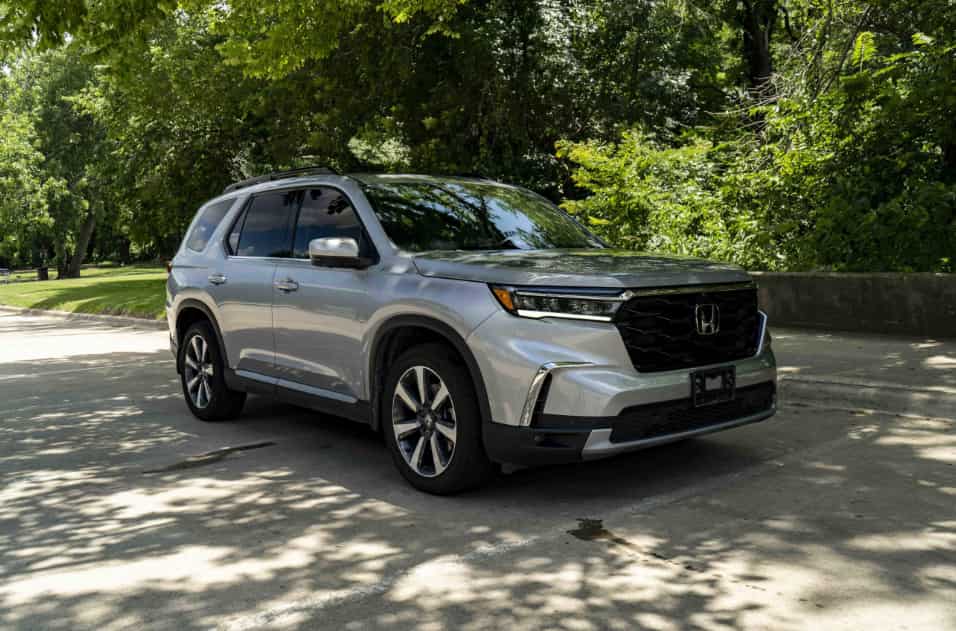
What Year Is the Most Reliable Honda Pilot?
If you are wondering what year is the most reliable Honda Pilot, the 2015 Honda Pilot stands out as the strongest choice for most used SUV buyers. It marks the final year of the second generation. Honda spent several years refining this platform before ending production. As a result, the 2015 model avoids many first year design issues that often affect newly redesigned vehicles.
The 2015 Honda Pilot uses Honda’s trusted 3.5 liter V6 engine. It also features a conventional five speed automatic transmission. This combination has earned a reputation for dependable performance when owners follow the recommended maintenance schedule. Many examples continue to perform well after reaching high mileage.
Another advantage is its excellent balance of price and reliability. Buyers usually pay less than they would for newer generations. At the same time, they still receive a spacious cabin, three rows of seating, and generous cargo space. Although the technology feels older, many owners prefer proven mechanical reliability over additional electronic features.
Even so, the model year should never be your only consideration. A well maintained 2021 Honda Pilot can be a better purchase than a neglected 2015 model. Always review the service history before making a decision. Check for completed recalls, regular maintenance, and signs of accident damage. Finally, arrange a professional pre purchase inspection. A careful evaluation will reduce the risk of expensive repairs after you buy the vehicle.
Best Honda Pilot Model Years Ranked
Choosing the right Honda Pilot model year can make a significant difference in your ownership experience. Some years offer outstanding long term reliability, while others provide a better balance of modern technology and everyday comfort. The best option depends on your budget, maintenance expectations, and the features you value most. Fortunately, several Honda Pilot model years have built strong reputations for dependable performance.
The 2015 Honda Pilot remains the top recommendation for most buyers. It combines a proven V6 engine with a reliable automatic transmission and years of engineering refinements. Many owners report dependable performance even after high mileage when routine maintenance is performed on time. It also offers a spacious interior and practical cargo capacity, making it an excellent family SUV.
The 2021 Honda Pilot is another strong choice for buyers who prefer newer technology. It includes modern safety features, an updated interior, and a more refined driving experience. Honda also addressed several concerns found in earlier third generation models. Although it costs more than the 2015 model, it delivers a better balance of comfort and convenience.
If your budget is tighter, the 2014 Honda Pilot offers excellent value. It shares many of the same strengths as the 2015 model while often selling for a lower price. Buyers looking for a newer design can also consider the 2020 Honda Pilot, which combines improved technology with solid reliability. Regardless of the model year you choose, always prioritize maintenance records, recall history, and a professional inspection over mileage alone. A well maintained Honda Pilot will usually provide greater long term value than a neglected vehicle with fewer miles.
Honda Pilot Years to Avoid
Not every Honda Pilot model year offers the same ownership experience. While the SUV has a strong reputation for durability, a few years have generated more complaints than others. These models are not necessarily bad choices, but they require extra research before you buy. Understanding their common issues can help you avoid unexpected repair costs.
The 2003 Honda Pilot deserves careful consideration because it was the first production year. First generation vehicles often experience problems that manufacturers solve in later years. Many owners reported transmission failures, especially on high mileage models. Today, age also increases the likelihood of worn suspension parts, leaking seals, and electrical issues.
The 2005 Honda Pilot also receives more complaints than many later models. Some owners experienced transmission problems and electrical faults during long term ownership. A complete maintenance history becomes especially important when considering this model year. If service records are incomplete, the purchase may carry a higher level of risk.
Buyers should also inspect the 2016 Honda Pilot carefully. Honda introduced a new generation that year, along with updated technology and a redesigned powertrain. Although the SUV offers a more modern driving experience, some owners reported transmission concerns, fuel injector issues, and infotainment system problems. Many vehicles have performed well after software updates and proper maintenance, but a detailed inspection remains essential.
The 2017 Honda Pilot shares some of the same concerns as the 2016 model. Certain trims equipped with the nine speed automatic transmission received complaints about rough shifting and delayed responses. These issues do not affect every vehicle, but they highlight the importance of a thorough test drive. Before buying any used Honda Pilot, review the maintenance records, verify recall repairs, and have an independent mechanic inspect the vehicle. Taking these steps can reduce the risk of expensive repairs and give you greater confidence in your purchase.
Common Honda Pilot Problems You Should Know
Every vehicle develops common issues as it ages, and the Honda Pilot is no exception. Knowing these problems before you buy can help you avoid expensive repairs and make a smarter decision. Most concerns appear after years of regular use rather than during the early stages of ownership. Fortunately, many of these issues can be prevented or managed with proper maintenance.
Transmission performance is one of the first areas to inspect. Some older Honda Pilot models may hesitate when shifting or produce noticeable vibration during acceleration. A delayed response when selecting Drive or Reverse can also indicate wear inside the transmission. Regular fluid changes often improve performance and extend transmission life.
The engine is generally reliable, but it still requires routine care. Some owners have reported excessive oil consumption or ignition misfires after high mileage. Worn spark plugs, aging ignition coils, or fuel injector problems can reduce performance and fuel economy. Addressing these issues early usually prevents more expensive repairs later.
Electrical components also deserve attention during a pre purchase inspection. Some vehicles develop problems with the infotainment system, backup camera, or touchscreen display as they age. Weak batteries or aging alternators may also cause warning lights or starting problems. Testing every electronic feature before buying can reveal hidden faults that are easy to overlook.
Older Honda Pilot models require additional maintenance because many use a timing belt instead of a timing chain. Replacing the timing belt at the recommended interval helps protect the engine from serious internal damage. Buyers should also inspect the suspension, steering components, brakes, and underbody for signs of excessive wear or corrosion. A clean service history combined with a thorough inspection is often a better indicator of reliability than mileage alone. Choosing a well maintained vehicle will usually provide a safer and more dependable ownership experience.
Honda Pilot Reliability by Generation
Honda has improved the Pilot through four generations, and each one offers a different ownership experience. Some generations focus on mechanical simplicity, while others introduce advanced technology and improved comfort. Understanding these differences helps buyers choose the model that best fits their budget and driving needs. It also explains why reliability can vary from one production year to another.
The first generation, produced from 2003 through 2008, established the Honda Pilot as a practical family SUV. It offered a comfortable ride, a spacious cabin, and a dependable V6 engine. However, some early models experienced transmission problems that affected their long term reputation. Because these vehicles are now more than fifteen years old, age related wear has become an important factor when evaluating reliability.
The second generation, built from 2009 through 2015, is widely considered the most dependable. Honda refined the platform over several years and improved overall durability. The 2015 model stands out because it combines a proven powertrain with years of engineering improvements. Many buyers consider this generation the best choice for long term ownership, especially when the vehicle has a complete maintenance history.
The third generation, introduced in 2016, brought a redesigned exterior, updated safety systems, and a more modern interior. It also introduced new technology that increased comfort and convenience. While later model years became more refined, some early examples experienced transmission, fuel injector, and infotainment issues. Buyers should review service records carefully before purchasing one of these vehicles.
The fourth generation, launched for the 2023 model year, delivers the most advanced features and the highest level of comfort. It includes updated driver assistance systems, improved cabin materials, and a more refined driving experience. Because this generation is still relatively new, it does not yet have the long term ownership history of earlier models. Buyers who value proven reliability often choose a well maintained second generation Pilot, while those who prefer modern technology may find the latest generation worth the higher purchase price.
How Long Does a Honda Pilot Last?
A well maintained Honda Pilot can provide many years of dependable service. Many owners keep their vehicles for more than 200,000 miles, and some examples continue running beyond that point. However, mileage alone does not determine how long a Honda Pilot will last. Maintenance quality, driving habits, climate conditions, and repair history all play important roles in long term reliability.
Regular maintenance is the most important factor behind a long lasting Honda Pilot. Owners should follow the recommended service schedule and replace essential components at the correct intervals. Oil changes, transmission fluid services, brake maintenance, and cooling system inspections help protect major mechanical parts. Neglecting small repairs can create larger problems and increase ownership costs over time.
Driving conditions also affect vehicle lifespan. A Honda Pilot used mainly for highway driving may experience less stress than one used for frequent short trips, heavy towing, or harsh weather conditions. Vehicles in areas with heavy road salt exposure may develop rust faster, especially around the underbody and suspension components. Regular inspections can help identify these issues before they become serious.
The engine and transmission condition usually determine the remaining life of a used Honda Pilot. A vehicle with complete service records and consistent maintenance can often outperform a newer model with poor care. Buyers should focus on the vehicle’s history instead of choosing based only on mileage.
Before purchasing a high mileage Honda Pilot, inspect important areas such as the engine, transmission, suspension, and electrical systems. A professional inspection can reveal hidden problems and help estimate future repair costs. When owners maintain the vehicle properly, the Honda Pilot can remain a reliable family SUV for many years while delivering strong value and practical everyday performance.
Used Honda Pilot Buying Checklist
Buying a used Honda Pilot requires more than checking the mileage and exterior condition. A vehicle with low mileage can still become expensive if the previous owner ignored maintenance. On the other hand, a higher mileage Pilot with complete service records may provide excellent value. A detailed inspection helps you identify potential problems before you commit to the purchase.
Start by reviewing the vehicle history report and maintenance records. Look for regular oil changes, transmission service, brake replacements, and major repairs. Service documentation shows how the previous owner cared for the vehicle. It also helps you understand which components may need attention soon.
Next, check the vehicle identification number, also known as VIN, for open recalls. Honda provides recall information through its official owner resources, and buyers should confirm that previous recall repairs have been completed. Recall repairs usually do not cost the owner money, but unresolved safety issues can create unnecessary risks.
A proper test drive is another essential step. Pay attention to how the engine starts, how the transmission shifts, and how the suspension feels on different road surfaces. Unusual noises, delayed shifting, vibrations, or warning lights may indicate mechanical concerns. Test the vehicle when the engine is cold because some problems only appear during startup.
You should also inspect the exterior and underbody carefully. Look for signs of accident repairs, rust, fluid leaks, or suspension damage. Pay special attention to the frame areas because corrosion can become expensive to repair. Inside the cabin, test every electronic feature, including the touchscreen, climate control, cameras, and safety systems.
Finally, arrange a professional pre purchase inspection before buying any used Honda Pilot. An experienced mechanic can identify issues that are difficult for regular buyers to notice. This small investment can prevent major repair expenses and give you confidence in your final decision. A careful inspection often matters more than choosing between two similar model years.
Is a Used Honda Pilot Worth Buying?
A used Honda Pilot can be an excellent choice for buyers who need a practical and reliable three row SUV. It offers a strong combination of interior space, comfort, safety features, and long term durability. Compared with many competitors in the same segment, the Pilot provides a more traditional SUV experience with a proven V6 engine and family focused design.
One of the biggest advantages of buying a used Honda Pilot is its practicality. The cabin provides comfortable seating for large families, while the flexible second and third rows make it easy to transport passengers and cargo. The SUV also delivers a smooth ride, making it suitable for daily commuting, road trips, and long distance driving.
Reliability is another reason many buyers choose the Honda Pilot. Models from the right production years can offer excellent ownership value when owners follow regular maintenance. The vehicle does not require unusual care, but it does need consistent service to maintain performance. Buyers who choose a well maintained example can often enjoy many years of dependable transportation.
However, a used Honda Pilot is not perfect for every driver. Fuel economy is average compared with smaller SUVs, and older models may lack the latest technology found in newer competitors. Some repairs can also become expensive as the vehicle ages, especially if previous owners delayed maintenance.
The Honda Pilot works best for buyers who value space, comfort, and long term reliability over sporty handling or maximum fuel efficiency. It is a strong option for families, outdoor enthusiasts, and anyone who needs a dependable daily SUV. Before buying, compare the Pilot with alternatives such as the Toyota Highlander, Mazda CX 9, and Kia Telluride to find the model that matches your priorities. When you select the right year and inspect the vehicle carefully, a used Honda Pilot can deliver excellent value for many years.
Frequently Asked Questions About Honda Pilot Reliability
What year Honda Pilot is the most reliable?
The 2015 Honda Pilot is often considered the most reliable model year for used SUV buyers. It represents the final year of the second generation, which means Honda had already refined the platform through several years of production. The proven V6 engine and simpler transmission design make it attractive for drivers who prioritize long term durability.
However, reliability depends on more than the model year. A well maintained Honda Pilot with complete service records will usually perform better than a neglected vehicle from a highly rated year. Always check maintenance history and vehicle condition before buying.
Which Honda Pilot years should I avoid?
Some Honda Pilot years require extra caution before purchase. The 2003 and 2005 models received more complaints related to transmission and electrical issues. The 2016 and 2017 models also deserve careful inspection because they introduced a redesigned platform with more advanced technology.
These years are not automatically bad choices. A vehicle with proper maintenance and completed repairs may still provide reliable service. Buyers should focus on the specific vehicle instead of avoiding an entire model year without research.
Is the 2015 Honda Pilot still worth buying?
Yes, the 2015 Honda Pilot remains a strong used SUV option. It offers a reliable powertrain, spacious interior, and lower purchase price compared with newer models. Many buyers choose it because Honda improved the second generation over time before introducing the redesigned 2016 model.
The main challenge is age. Buyers should expect possible wear on suspension components, rubber parts, and other aging systems. A detailed inspection is important before purchase.
How many miles can a Honda Pilot last?
A properly maintained Honda Pilot can often exceed 200,000 miles. Some owners achieve even higher mileage with consistent maintenance and careful driving habits. The engine, transmission, and overall condition determine how long the vehicle remains dependable.
Regular oil changes, transmission service, and timely repairs play a major role in extending vehicle life. Mileage should not be the only factor when evaluating a used Honda Pilot.
Does the Honda Pilot have transmission problems?
Some Honda Pilot models have reported transmission concerns, especially certain older vehicles and early third generation models. Common symptoms include rough shifting, delayed engagement, or unusual vibrations during acceleration.
Regular transmission service can help prevent many problems. Buyers should always test drive the vehicle and review maintenance records before purchase.
Is a Honda Pilot expensive to maintain?
The Honda Pilot has reasonable maintenance costs compared with many midsize SUVs. Routine services are generally affordable, and Honda parts are widely available. However, repair costs can increase as the vehicle ages or if maintenance has been neglected.
Choosing a reliable model year and maintaining the vehicle properly can significantly reduce ownership expenses.
Which Honda Pilot generation is the best?
The second generation Honda Pilot, especially the 2014 and 2015 models, is often considered the best choice for buyers seeking proven reliability. These models combine a refined platform with dependable mechanical components.
The third and fourth generations provide better technology, improved comfort, and modern safety features. However, buyers who want the strongest long term reliability record often prefer the second generation.
Conclusion: What Year Is the Most Reliable Honda Pilot?
When choosing a used Honda Pilot, the model year can make a major difference in reliability, ownership costs, and long term satisfaction. After comparing different generations and common problems, the 2015 Honda Pilot remains one of the strongest choices for buyers who want proven durability. Its refined second generation platform, reliable V6 engine, and practical design make it a favorite among families and used SUV shoppers.
The 2014 Honda Pilot also provides excellent value for buyers with a smaller budget. Meanwhile, the 2020 and 2021 Honda Pilot offer a better balance of modern technology, comfort, and updated safety features. These newer options may cost more, but they provide additional convenience for drivers who prefer a more modern SUV experience.
However, choosing the right year is only part of the buying process. A vehicle’s maintenance history, accident records, recall status, and previous ownership habits often matter more than the badge on the year label. A carefully maintained Honda Pilot can deliver many years of reliable transportation, even with higher mileage.
Before buying, always inspect the vehicle carefully and arrange a professional pre purchase inspection. This step helps you avoid unexpected repairs and choose a Honda Pilot that matches your needs.
So, what year is the most reliable Honda Pilot? For most buyers, the answer is the 2015 model because it offers the best combination of reliability, value, and proven performance. However, the best choice is ultimately the one with the strongest maintenance history and the condition that gives you confidence for years ahead.