Choosing between 75W90 and 80W90 gear oil is more important than many vehicle owners realize. Although both viscosity grades are designed to lubricate manual transmissions and differentials, they are not intended for the same operating conditions. Their differences become most noticeable during cold starts, temperature fluctuations, and heavy-load applications, making the correct choice essential for maintaining smooth gear operation and long-term component protection.
Many drivers assume that a thicker gear oil always provides better protection. In reality, gear oil performance depends on far more than viscosity alone. Factors such as ambient temperature, gearbox design, API performance rating, lubricant formulation, and the manufacturer’s specifications all influence how well a gear oil protects gears, bearings, and synchronizers. Selecting the wrong viscosity grade may result in harder shifting, reduced lubrication during startup, or unnecessary wear over time.
This guide compares 75W90 vs 80W90 from a practical and technical perspective. It explains how each viscosity grade behaves in different temperatures, how they affect transmission and differential performance, whether they can replace one another, and which vehicles benefit most from each option. By the end of this article, you will understand the key differences between 75W90 and 80W90 gear oil and be able to choose the lubricant that best matches your vehicle, driving conditions, and OEM recommendations.
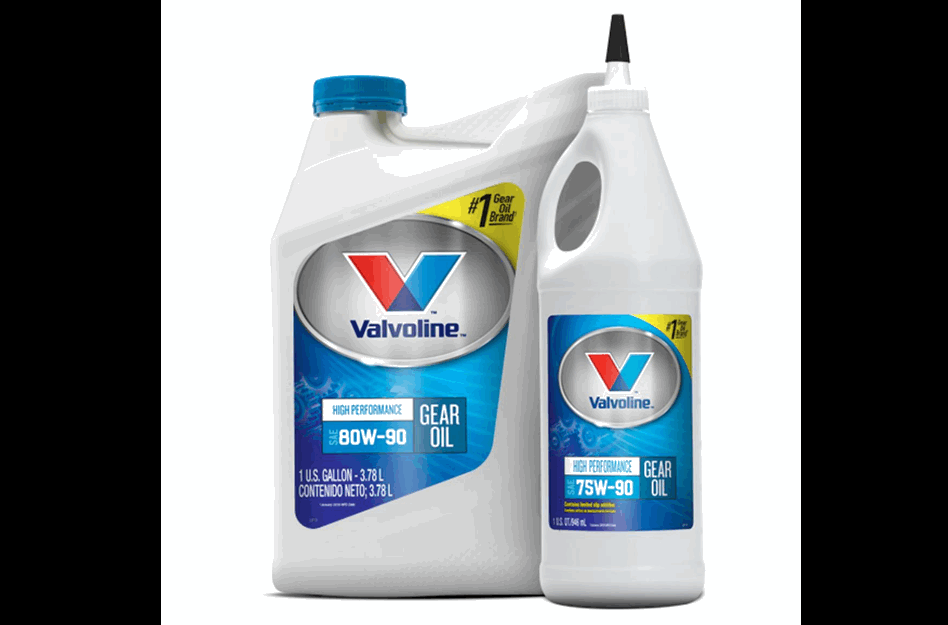
What Is the Difference Between 75W90 and 80W90?
The main difference between 75W90 and 80W90 gear oil is their low-temperature viscosity. Both lubricants protect gears at normal operating temperatures. However, 75W90 flows more easily during cold starts. That faster flow reduces startup wear and improves shift quality in cold weather. By comparison, 80W90 stays slightly thicker. It performs best in warmer climates and in vehicles that operate under steady heavy loads.
The SAE J306 standard defines both viscosity grades. The number before the letter “W” describes cold-temperature performance. The second number describes viscosity after the lubricant reaches operating temperature. Since 75W has a lower winter rating than 80W, it circulates faster in cold conditions. Both oils carry a 90 high-temperature rating, so they provide a similar lubricating film after the drivetrain warms up.
Vehicle design also influences the correct choice. Manufacturers often recommend synthetic 75W90 for modern manual transmissions, all-wheel-drive systems, and advanced differentials. These components benefit from faster lubrication during startup. In contrast, many older vehicles, light trucks, and agricultural machines continue to use 80W90. This viscosity grade delivers reliable protection in warm environments and under constant mechanical loads.
Viscosity alone should not determine your decision. You should also verify the API GL rating, additive package, differential design, and OEM specification. These factors determine whether the lubricant matches your drivetrain. Following the manufacturer’s recommendation protects gears, improves shifting performance, and extends service life.
How Does Gear Oil Viscosity Affect Performance?
Gear oil viscosity directly affects how well a transmission or differential performs under different operating conditions. The correct viscosity allows the lubricant to flow quickly during startup while maintaining a strong protective film after the drivetrain reaches operating temperature. If the oil is too thick, it moves slowly through gears and bearings. If it is too thin, it may not provide enough protection under heavy loads.
Cold-start performance is one of the biggest differences between viscosity grades. A lower winter rating, such as 75W, helps the lubricant circulate faster after the engine starts. Faster circulation reduces metal-to-metal contact before the oil fully coats gears, bearings, and synchronizers. As a result, drivers often notice smoother shifting and less resistance during cold weather.
Viscosity also influences protection under high loads and elevated temperatures. Both 75W90 and 80W90 provide a SAE 90 viscosity once they reach normal operating temperature. This allows each lubricant to maintain a durable oil film between gear teeth during daily driving. However, the lubricant must also resist shear, oxidation, and thermal breakdown. High-quality synthetic gear oils usually maintain their viscosity longer than conventional mineral formulations, especially during towing, off-road driving, or extended highway use.
Choosing the correct viscosity improves more than wear protection. It also supports smoother gear engagement, quieter drivetrain operation, and longer component life. Even so, viscosity should never override the manufacturer’s recommendation. Always confirm the required SAE grade, API GL classification, and OEM specification before selecting a gear oil. A lubricant that matches all three requirements delivers the best balance of performance, durability, and long-term reliability.
Which Vehicles Should Use 75W90 or 80W90?
The right gear oil depends on the vehicle’s drivetrain design, operating environment, and the manufacturer’s specifications. Modern vehicles often require 75W90 because it delivers excellent protection across a wide temperature range. Older vehicles and some heavy-duty applications may continue to use 80W90 because it provides dependable performance in warm climates and under steady operating conditions. Choosing the correct viscosity helps maximize drivetrain efficiency and reduces unnecessary wear.
Manufacturers commonly recommend 75W90 for modern manual transmissions, all-wheel-drive systems, and many front and rear differentials. Its superior low-temperature flow allows the lubricant to reach critical components quickly during startup. This improves shift quality, reduces friction, and protects gears before the drivetrain reaches operating temperature. Many synthetic 75W90 products also offer excellent oxidation resistance, making them suitable for vehicles that experience frequent towing, long highway trips, or varying weather conditions.
Many older pickup trucks, sport utility vehicles, agricultural machines, and commercial equipment continue to operate with 80W90 gear oil. These vehicles often use drivetrain designs that perform well with a slightly thicker lubricant during cold starts. In regions where temperatures rarely fall below freezing, 80W90 provides reliable lubrication while remaining a cost-effective option for routine maintenance. It also remains a common choice for conventional differentials that do not require the extended performance of premium synthetic lubricants.
The safest way to select a gear oil is to follow the OEM recommendation instead of relying only on vehicle age or climate. The owner’s manual specifies the correct SAE viscosity, API GL rating, and any additional performance requirements for the transmission or differential. Using the recommended lubricant ensures proper compatibility with gears, bearings, synchronizers, and limited-slip components. This approach delivers consistent performance, extends service life, and helps prevent expensive drivetrain repairs.
Does API GL Rating Matter More Than Viscosity?
Yes, the API GL rating is just as important as viscosity when selecting gear oil. Viscosity determines how the lubricant flows at different temperatures, while the API GL classification defines its performance under load. Choosing the correct viscosity without the required API rating may reduce protection or even damage transmission components. For this reason, you should always verify both specifications before purchasing gear oil.
API GL-4 and API GL-5 are the two most common classifications for passenger vehicles. GL-4 gear oil contains a moderate level of extreme-pressure additives and is widely used in manual transmissions with synchronizers. These additives provide sufficient wear protection while remaining compatible with synchronizer materials. Many manufacturers specify GL-4 because it supports smooth shifting and helps extend synchronizer life.
API GL-5 gear oil contains a higher concentration of extreme-pressure additives. This formulation provides stronger protection for hypoid gears that operate under high torque and heavy loads. Rear differentials, transfer cases, and many four-wheel-drive systems commonly require GL-5 lubricant. However, some GL-5 products may not suit manual transmissions that were originally designed for GL-4 unless the manufacturer specifically approves their use.
The best gear oil always matches the complete OEM specification rather than a single performance category. Before changing the lubricant, confirm the recommended SAE viscosity, API GL rating, and any manufacturer-specific approval listed in the owner’s manual. A gear oil that satisfies all of these requirements delivers the correct balance of wear protection, shifting performance, thermal stability, and long-term drivetrain reliability.
How Do You Choose Between 75W90 and 80W90?
Choosing between 75W90 and 80W90 starts with the manufacturer’s recommendation. Every transmission and differential is engineered to operate with a specific lubricant. The owner’s manual identifies the required SAE viscosity, API GL rating, and any additional OEM approval. Following these specifications provides the best combination of wear protection, shift quality, and long-term reliability.
Climate is the next factor to consider. If your vehicle operates in regions with cold winters or frequent temperature changes, 75W90 is usually the better choice. Its lower winter viscosity allows the oil to circulate faster during startup, reducing friction before the drivetrain reaches operating temperature. In warm climates where freezing temperatures are uncommon, 80W90 remains a practical option for many conventional drivetrains because its cold-flow characteristics have less impact on overall performance.
Driving conditions also influence the ideal gear oil. Vehicles that tow trailers, carry heavy loads, or travel long highway distances generate more heat inside the transmission and differential. A high-quality synthetic 75W90 often provides better oxidation resistance, shear stability, and thermal durability under these demanding conditions. For normal daily driving in older vehicles, conventional 80W90 may still deliver reliable protection while keeping maintenance costs lower.
You should also consider the type of drivetrain your vehicle uses. Many modern manual transmissions, all-wheel-drive systems, and advanced differentials specify 75W90 because they require consistent lubrication across a broad temperature range. Older rear-wheel-drive vehicles and conventional axles may continue to operate efficiently with 80W90 if the manufacturer recommends it. Selecting the correct gear oil is not about choosing the thicker or newer product. It is about matching the lubricant to the vehicle’s engineering requirements, operating environment, and intended use.
Frequently Asked Questions
Is 75W90 thicker than 80W90?
No. 75W90 is not thicker than 80W90 at normal operating temperature because both lubricants share the same SAE 90 viscosity rating. The difference appears during cold starts. A 75W90 gear oil flows more easily at lower temperatures, allowing faster lubrication and smoother shifting before the drivetrain warms up.
Is 80W90 suitable for winter?
It depends on the climate and the vehicle manufacturer’s recommendation. In regions with mild winters, 80W90 usually performs well. However, vehicles that operate in freezing temperatures often benefit from 75W90 because it circulates more quickly during startup and reduces initial drivetrain wear.
Can synthetic 75W90 replace conventional 80W90?
Yes, it can if the OEM approves both viscosity grades and the lubricant meets the required API GL specification. Synthetic 75W90 typically offers better oxidation resistance, improved shear stability, and longer service life. Even so, compatibility with the transmission or differential should always take priority over lubricant type.
Which gear oil lasts longer?
Synthetic gear oils generally last longer than conventional mineral gear oils because they resist heat, oxidation, and viscosity breakdown more effectively. The actual replacement interval still depends on the manufacturer’s maintenance schedule, driving conditions, and vehicle application.
Which gear oil is better for towing?
A high-quality synthetic 75W90 is often the preferred choice for frequent towing because it maintains stable viscosity under heavy loads and high temperatures. However, some heavy-duty axles are specifically designed for 80W90. Always follow the OEM recommendation to ensure proper protection.
Conclusion
There is no universal winner in the comparison between 75W90 and 80W90. Each viscosity grade serves a different purpose and performs best under specific operating conditions. While 75W90 provides superior cold-start performance and excellent protection across a wide temperature range, 80W90 remains a reliable option for many older vehicles and drivetrains that operate in warmer climates.
The most important step is to match the gear oil with your vehicle’s engineering requirements. Checking the recommended SAE viscosity, API GL rating, and OEM specification ensures proper lubrication, smooth shifting, and long-term drivetrain durability. Choosing the correct lubricant also helps reduce wear, improve efficiency, and lower maintenance costs over the life of the vehicle.
If your owner’s manual approves both viscosity grades, consider your local climate, driving habits, and operating conditions before making a decision. A gear oil that matches both the manufacturer’s specifications and your real-world driving environment will deliver the best balance of protection, performance, and reliability.