Turning on the air conditioner during a hot day should bring immediate relief, but that comfort disappears quickly when warm air starts flowing through the vents. If your Honda Civic AC is blowing hot air, the problem may come from something simple, such as a clogged cabin air filter or a faulty fuse. In other cases, the cause may involve low refrigerant, a refrigerant leak, a failed cooling fan, a damaged condenser, or a worn AC compressor.
The air conditioning system in a Honda Civic depends on several components working together. It needs proper refrigerant pressure, steady airflow, reliable electrical control, and a compressor that can circulate refrigerant through the system. When one part stops working correctly, the cabin may no longer cool as expected.
This issue can be especially frustrating because the repair cost is not always obvious. Some fixes are inexpensive, while major repairs can cost well over one thousand dollars. Repeatedly adding refrigerant without finding the real problem can also waste money and lead to more serious damage.
This guide explains the most common causes, practical diagnostic steps, possible repairs, and estimated costs. It will also help you decide which checks you can perform at home and when professional service is the safer choice.
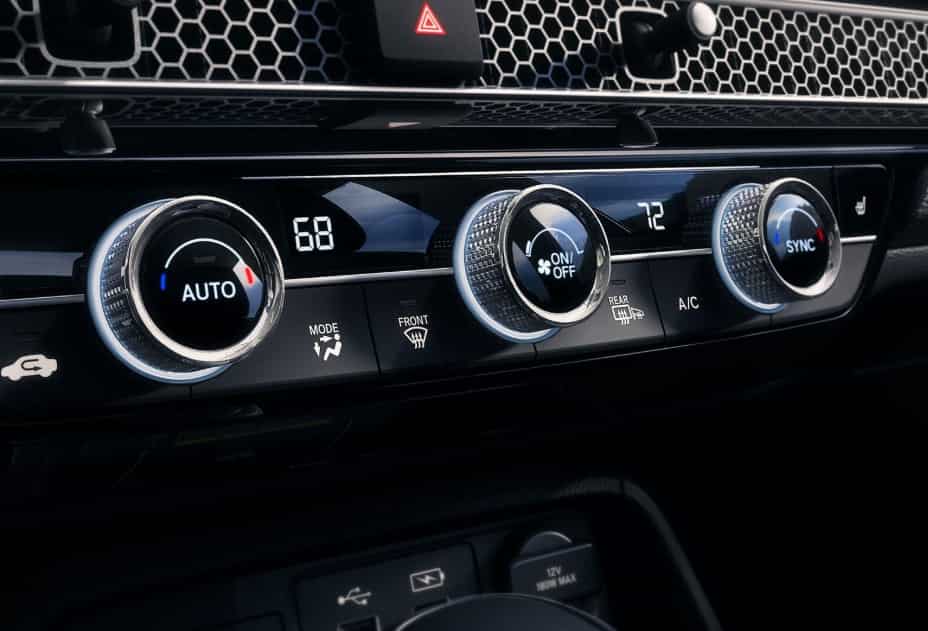
Why Is Your Honda Civic AC Blowing Hot Air?
When your Honda Civic AC is blowing hot air, it means the air conditioning system can no longer remove heat from the cabin efficiently. Instead of delivering cool air through the vents, the system allows warm air to circulate because one or more components are no longer working as intended. While the symptom is easy to recognize, the actual cause can range from a minor electrical problem to a major mechanical failure.
Most air conditioning issues are related to refrigerant, airflow, electrical components, or the compressor. Low refrigerant is one of the most common reasons because the system cannot absorb enough heat without the correct pressure. In many cases, low refrigerant is the result of a leak rather than normal use. Airflow problems can also reduce cooling performance. A clogged cabin air filter, blocked condenser, weak blower motor, or failed cooling fan can all prevent the system from removing heat effectively.
Electrical faults are another possibility. A blown fuse, faulty relay, damaged wiring, or failed pressure sensor may stop the compressor from engaging, preventing refrigerant from circulating through the system. Mechanical failures are less common but often more expensive. A worn compressor, damaged condenser, or restricted expansion valve can significantly reduce cooling performance or stop the system from producing cold air altogether.
The way the problem occurs often provides useful clues. Warm air only while idling usually points to poor condenser airflow or a faulty cooling fan, while cooling that gradually becomes weaker may indicate a slow refrigerant leak. Identifying these symptoms early makes diagnosis easier and helps prevent unnecessary repairs or higher repair costs later.
Common Causes of a Honda Civic AC Blowing Hot Air
Several issues can cause a Honda Civic AC to blow hot air instead of cold air. Some are simple and inexpensive to fix. Others require professional tools and advanced repairs. Understanding the most common causes can help you diagnose the problem faster and avoid unnecessary expenses.
Low refrigerant is one of the leading causes of poor AC performance. Refrigerant absorbs heat from the cabin and releases it outside the vehicle. When the refrigerant level drops, the system cannot remove enough heat. As a result, the air coming from the vents feels warm instead of cold. In a sealed system, refrigerant should not disappear over time. A low refrigerant level usually indicates a leak that needs to be repaired.
Refrigerant leaks can develop in several locations. Common leak points include hoses, O rings, the condenser, the evaporator, and compressor seals. Small leaks often reduce cooling performance gradually. Larger leaks may cause the AC to stop cooling within a short time. Most repair shops use UV dye or an electronic leak detector to find the exact source.
Restricted airflow can also reduce cooling efficiency. A dirty cabin air filter limits the amount of air entering the cabin. A clogged condenser cannot release heat effectively. A weak blower motor also reduces airflow through the vents. Even when refrigerant pressure is correct, poor airflow can make the AC feel much warmer than normal.
A faulty cooling fan is another common cause. The fan cools the condenser when the vehicle is stopped or moving slowly. If it stops working, refrigerant cannot release heat efficiently. This often causes the AC to blow hot air at idle but cool normally once the vehicle is moving. A failed fan motor, damaged wiring, blown fuse, or faulty relay can all create this symptom.
Electrical problems should never be overlooked. A blown fuse, faulty relay, damaged wire, or failed pressure sensor can stop the compressor from engaging. Without compressor operation, refrigerant cannot circulate through the system. The vents will then deliver warm air regardless of the temperature setting. Fortunately, many electrical faults are less expensive to repair than major mechanical failures.
The AC compressor is another critical component. It keeps refrigerant moving through the entire system. As the compressor wears out, cooling performance usually becomes weaker. Some compressors produce unusual noises before they fail completely. Others stop engaging without any warning. Internal damage can also spread metal particles throughout the system. This contamination may affect the condenser and other components, increasing the total repair cost.
Other mechanical failures are less common but still possible. A damaged condenser cannot remove heat efficiently. A restricted expansion valve can also reduce cooling performance by limiting refrigerant flow. These problems often produce symptoms that are similar to a failing compressor. Accurate testing is the best way to identify the real cause.
Because several faults can produce the same symptoms, replacing parts without proper testing is rarely a good idea. Begin with simple inspections, including the cabin air filter, cooling fan, fuses, relays, and visible refrigerant leaks. A step by step diagnosis is more reliable. It also reduces the chance of spending money on parts that do not need replacement.
Honda Civic AC Blows Hot Air at Idle but Cold While Driving
If your Honda Civic AC blows hot air while idling but becomes cold once you start driving, the problem is usually related to airflow across the condenser. This is one of the most common AC complaints. It also provides an important clue during diagnosis.
When the vehicle is moving, outside air passes through the condenser at a much higher rate. This airflow helps remove heat from the refrigerant before it returns to the evaporator. At idle, however, the system depends almost entirely on the electric cooling fan. If the fan cannot move enough air, the refrigerant stays too hot and the cabin temperature begins to rise.
A failed cooling fan motor is the most common cause. However, the problem may also involve a blown fuse, a faulty relay, damaged wiring, or a defective fan control module. In some cases, the fan works only at one speed. This can reduce cooling performance during hot weather or heavy traffic.
A dirty or blocked condenser can create similar symptoms. Dust, leaves, insects, and road debris reduce airflow through the condenser fins. As heat builds up inside the system, refrigerant pressure increases and cooling performance drops. Cleaning the condenser is often a simple maintenance task, but it can make a noticeable difference.
Start the engine and turn the air conditioner to the coldest setting. Then check whether the cooling fan starts within a few seconds. If the fan remains off or spins slowly, it should be inspected before replacing expensive AC components. Solving an airflow problem early can restore normal cooling and prevent unnecessary repair costs.
Honda Civic AC Blows Hot Air After a Recharge
Many Honda Civic owners expect the air conditioner to work normally after adding refrigerant. However, the AC may still blow hot air even after a recharge. This usually means the refrigerant was not the real problem. It may also indicate that the system was not serviced correctly.
A refrigerant recharge only restores the correct pressure. It does not repair damaged components or seal leaks. If refrigerant escapes through a cracked hose, a leaking condenser, or a worn compressor seal, the cooling performance will quickly decline again. In some cases, the system may lose enough refrigerant within a few days to stop producing cold air.
An incorrect refrigerant charge can also create problems. Too little refrigerant reduces cooling capacity. Too much refrigerant increases system pressure and makes it harder for the compressor to operate efficiently. Both conditions can cause warm air to come from the vents. For this reason, technicians should always recharge the system according to the manufacturer’s specifications.
Air or moisture inside the AC system is another possible cause. The system must be evacuated with a vacuum pump before new refrigerant is added. This process removes air and moisture that can reduce cooling performance. Moisture may also freeze inside the expansion valve and restrict refrigerant flow.
The compressor should also be inspected. A failed compressor clutch, worn internal components, or a faulty pressure sensor may prevent refrigerant from circulating. In this situation, adding more refrigerant will not solve the problem because the compressor cannot move it through the system.
If your Honda Civic AC is still blowing hot air after a recharge, avoid adding more refrigerant without proper testing. The best solution is to check refrigerant pressure, inspect the system for leaks, verify compressor operation, and confirm that the cooling fan is working correctly. A complete diagnosis is usually faster and less expensive than repeatedly recharging the system without identifying the actual fault.
How to Diagnose a Honda Civic AC That Is Blowing Hot Air
Diagnosing a Honda Civic AC that is blowing hot air does not always require advanced equipment. A few basic checks can help you narrow down the possible cause before visiting a repair shop. They can also prevent you from replacing parts that are still working properly.
Start the engine and set the climate control to the coldest temperature. Turn the blower to the highest speed and let the system run for a few minutes. Pay attention to the air coming from the vents. If it never becomes cool, continue with the next inspection.
Open the hood and check whether the AC compressor engages. The compressor clutch should begin spinning shortly after the air conditioner is turned on. If it does not engage, inspect the fuse and relay first. A failed pressure sensor or damaged wiring may also prevent the compressor from operating.
Next, inspect the cooling fan. It should run while the air conditioner is on, especially when the vehicle is idling. If the fan does not operate or spins slowly, the condenser cannot remove heat efficiently. This often causes the AC to blow warm air in traffic but cool normally at higher speeds.
Look for visible signs of a refrigerant leak. Oily residue around hoses, fittings, the condenser, or the compressor may indicate that refrigerant is escaping. Although small leaks are difficult to see, larger leaks often leave noticeable marks around the damaged area.
Check the cabin air filter if airflow feels weak. A dirty filter reduces the amount of air entering the cabin and can make the system appear less effective. Replacing the filter is inexpensive and often improves overall airflow.
Finally, measure the refrigerant pressure with the proper AC gauge set. Pressure readings help determine whether the system is low on refrigerant, overcharged, or affected by another mechanical problem. If the pressure is normal but the AC still blows hot air, the compressor, expansion valve, or another internal component may require professional testing.
Following these steps in order makes diagnosis more accurate. It also reduces unnecessary repair costs by identifying the actual fault before any parts are replaced.
Can You Fix a Honda Civic AC Blowing Hot Air Yourself?
Whether you can fix a Honda Civic AC that is blowing hot air depends on the actual cause. Some repairs are simple and require only basic tools. Others involve high pressure refrigerant and specialized equipment. Knowing the difference can save both time and money.
Begin with the easiest inspections. Check the cabin air filter and replace it if it is dirty. Inspect the AC fuse and relay if the compressor does not engage. You should also remove leaves, dirt, and debris from the condenser to improve airflow. These basic maintenance tasks are inexpensive and can sometimes restore normal cooling.
Next, observe how the system behaves. Listen for unusual noises from the compressor. Check whether the cooling fan runs when the air conditioner is turned on. Also pay attention to when the problem occurs. Warm air only at idle often points to an airflow issue, while warm air at all speeds may indicate a refrigerant or compressor problem.
Avoid adding refrigerant unless you know the system is low. Overcharging the system can reduce cooling performance and increase internal pressure. It can also damage expensive AC components. If the refrigerant level is low, the system should be inspected for leaks before it is recharged.
Some repairs should always be left to a qualified technician. Replacing the compressor, condenser, evaporator, or expansion valve requires specialized tools and proper refrigerant recovery. These repairs also require the correct refrigerant charge after installation. Skipping these steps can lead to poor cooling performance or additional damage.
If the simple checks do not solve the problem, professional diagnosis is usually the best option. A technician can measure refrigerant pressure, locate hidden leaks, and test electrical components with the proper equipment. Accurate testing often costs less than replacing parts based on guesswork. It also helps restore the air conditioning system safely and efficiently.
Repair Costs for a Honda Civic AC Blowing Hot Air
The cost to repair a Honda Civic AC that is blowing hot air depends on the failed component. A simple repair may cost less than one hundred dollars. A complete compressor replacement can cost more than one thousand dollars. The final price also depends on the model year, labor rates, and the extent of the damage.
Replacing a cabin air filter is usually the least expensive repair. Fixing an electrical problem, such as a blown fuse or faulty relay, is also affordable in most cases. Refrigerant leaks are more difficult because the damaged component must be repaired before the system is recharged. If the leak is ignored, the problem will return.
Major repairs are significantly more expensive. A failed compressor often requires additional parts, especially if metal debris has contaminated the system. In some cases, the condenser, receiver dryer, or expansion valve should also be replaced to ensure reliable operation.
The table below shows typical repair costs. Actual prices may vary by location and repair shop.
| Repair | Estimated Cost |
|---|---|
| Cabin air filter replacement | $20 to $60 |
| AC fuse or relay replacement | $15 to $80 |
| Refrigerant recharge | $150 to $350 |
| Refrigerant leak diagnosis and repair | $200 to $900 |
| Cooling fan replacement | $250 to $700 |
| Condenser replacement | $400 to $900 |
| Expansion valve replacement | $350 to $800 |
| AC compressor replacement | $800 to $1,500 |
Choosing the lowest repair quote is not always the best decision. Ask whether the technician has confirmed the root cause before replacing any parts. A proper diagnosis reduces unnecessary expenses and improves the chance of fixing the problem on the first visit. Investing in accurate testing is often cheaper than paying for multiple repairs that do not solve the issue.
Is It Safe to Drive a Honda Civic With the AC Blowing Hot Air?
In most cases, you can still drive a Honda Civic if the AC is blowing hot air. The vehicle will usually operate normally because the air conditioning system is separate from the engine. However, that does not mean the problem should be ignored. A small fault can become a much more expensive repair if it is left unresolved.
The level of risk depends on the cause of the problem. A dirty cabin air filter or a blown fuse is unlikely to affect vehicle safety. On the other hand, a failed cooling fan can create more serious issues. The same fan often helps cool the engine, especially when the vehicle is idling or moving slowly. If the fan stops working, engine temperatures may rise and increase the risk of overheating.
A damaged AC compressor can also cause additional damage if it continues to operate. Worn internal parts may release metal debris into the refrigerant system. This contamination can spread to the condenser and other components, making future repairs more expensive. Addressing the problem early may prevent a complete system failure.
Pay attention to warning signs while driving. Watch the engine temperature gauge and listen for unusual noises from the front of the vehicle. If the engine begins to overheat or you hear loud grinding sounds from the compressor, stop driving as soon as it is safe to do so. Continuing to drive under these conditions may result in severe engine or AC system damage.
If the only symptom is warm air from the vents, you can usually drive the vehicle for a short period while arranging a proper inspection. Even so, diagnosing the problem early is the best way to reduce repair costs and restore reliable cooling before the issue becomes more serious.
Prevent Future Honda Civic AC Problems
Regular maintenance is the best way to keep your Honda Civic air conditioning system working efficiently. Many AC problems develop slowly and show only minor symptoms at first. Detecting these issues early can prevent expensive repairs and extend the life of important components.
Run the air conditioner for at least ten minutes every week, even during cooler months. This keeps the compressor lubricated and helps the seals remain in good condition. Regular operation also reduces the chance of refrigerant leaks caused by dry or damaged seals.
Replace the cabin air filter according to the maintenance schedule or sooner if you often drive in dusty conditions. A clean filter improves airflow through the vents and reduces the workload on the blower motor. It also helps maintain better air quality inside the cabin.
Inspect the condenser regularly for dirt, leaves, and road debris. A blocked condenser cannot release heat efficiently, which reduces cooling performance and increases system pressure. Cleaning the condenser with low pressure water can improve airflow without damaging the cooling fins.
Pay attention to changes in cooling performance. If the air takes longer to become cold, the compressor cycles more frequently, or unusual noises appear, schedule an inspection as soon as possible. Fixing a small refrigerant leak or replacing a worn relay is usually much less expensive than repairing a damaged compressor.
Finally, avoid using refrigerant recharge kits unless the system has been properly diagnosed. Adding refrigerant without confirming the correct pressure can create new problems and increase repair costs. Routine maintenance and early diagnosis remain the most effective ways to keep your Honda Civic AC blowing cold air for years to come.
Frequently Asked Questions
Why is my Honda Civic AC blowing hot air instead of cold air?
The most common causes include low refrigerant, a refrigerant leak, a faulty compressor, a failed cooling fan, or an electrical problem. A proper diagnosis is the best way to identify the exact cause before replacing any parts.
Can low refrigerant cause the AC to blow hot air?
Yes. Low refrigerant reduces the system’s ability to absorb and transfer heat. In most cases, low refrigerant indicates a leak that should be repaired before the system is recharged.
Why does my Honda Civic AC blow hot air only at idle?
This problem is usually caused by poor airflow across the condenser. A failed cooling fan, blocked condenser, or fan control issue is often responsible. The system may cool normally again once the vehicle starts moving because outside air flows through the condenser.
Why is my AC still blowing hot air after a recharge?
A refrigerant recharge does not repair leaks or damaged components. The system may have an incorrect refrigerant charge, a faulty compressor, a pressure sensor failure, or another mechanical problem that prevents normal cooling.
How much does it cost to fix a Honda Civic AC that is blowing hot air?
Repair costs depend on the failed component. Simple repairs, such as replacing a fuse or cabin air filter, are relatively inexpensive. Major repairs, including compressor replacement, can cost more than one thousand dollars.
Can I drive my Honda Civic if the AC is blowing hot air?
Yes, in most situations you can continue driving if the engine is operating normally. However, you should have the problem inspected as soon as possible. Ignoring the issue may lead to more expensive repairs, especially if the cooling fan or compressor has failed.
Conclusion
A Honda Civic AC blowing hot air is more than just an inconvenience. It is often the first sign that the air conditioning system needs attention. The problem may be as simple as a dirty cabin air filter or a blown fuse. It can also result from a refrigerant leak, a failed cooling fan, or a worn AC compressor. Identifying the root cause early helps prevent additional damage and keeps repair costs under control.
The best approach is to begin with simple inspections before replacing expensive parts. Check the cabin air filter, verify that the cooling fan and compressor are operating correctly, and inspect the system for visible signs of refrigerant leaks. If these basic checks do not reveal the problem, professional testing can accurately identify the faulty component and prevent unnecessary repairs.
Routine maintenance also plays an important role in keeping your air conditioning system reliable. Replacing the cabin air filter on schedule, keeping the condenser clean, and addressing small problems before they become major failures can extend the life of the entire system.
If your Honda Civic AC is blowing hot air, do not ignore the warning signs. Early diagnosis and timely repairs will restore cooling performance, improve driving comfort, and help you avoid much higher repair costs in the future.