Cars with the best resale value retain a larger percentage of their original price and lose less money to depreciation over time. Models with strong reliability records, consistent used-car demand, limited supply, and durable designs tend to hold their value better than vehicles that depreciate quickly. Pickup trucks, SUVs, sports cars, and selected sedans can all rank highly, but resale performance varies substantially by model rather than vehicle type alone.
Resale value matters because depreciation is a major part of vehicle ownership cost. For example, two cars with similar purchase prices can produce very different ownership costs if one retains a substantially higher percentage of its value after five years. A vehicle that costs more initially can therefore be the less expensive vehicle to own when its depreciation is lower.
This guide identifies the cars with the best resale value and compares value retention across SUVs, pickup trucks, sedans, sports cars, and luxury cars. It also explains how resale value is calculated, why some vehicles depreciate more slowly, and how mileage, vehicle condition, maintenance history, powertrain, and market demand affect the amount a car is worth when it is time to sell or trade it in.
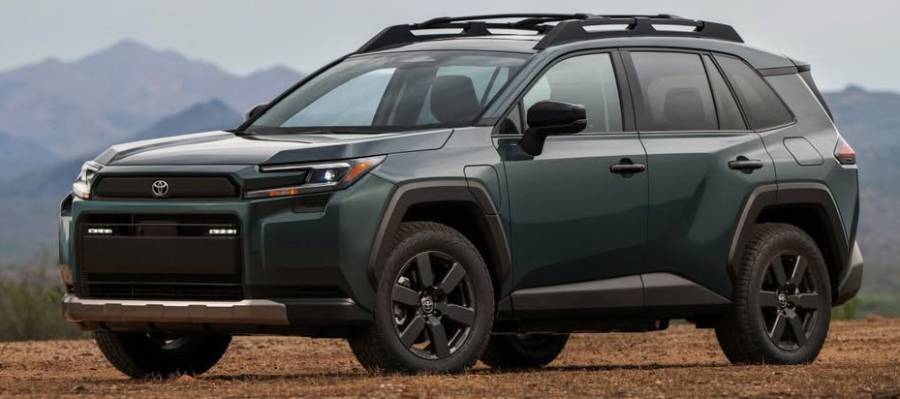
What Cars Have the Best Resale Value?
Cars with the best resale value are models that combine low depreciation with strong demand in the used-car market. Pickup trucks, off-road SUVs, selected sports cars, and several high-demand passenger vehicles tend to perform strongly because buyers continue to seek them after several years of ownership. Models with established reliability, durable mechanical components, and constrained used-market supply also have an advantage because these characteristics support demand for older vehicles.
Resale value should be compared using value retention, rather than resale price alone. A vehicle that originally costs $70,000 and sells for $35,000 retains 50% of its original value. A $40,000 vehicle that later sells for $28,000 retains 70%. Although the first vehicle has a higher resale price, the second vehicle has the stronger resale value because it loses a smaller percentage of its original price.
The ownership period also changes the ranking. A model that performs strongly after three years does not necessarily retain the same position after five years. For this reason, comparisons between cars should use the same ownership period and valuation method. Five-year value retention is particularly useful for comparing long-term depreciation because it captures several years of vehicle age, mileage accumulation, warranty expiration, and changes in used-car demand.
A useful ranking should therefore compare each model using the same metrics:
| Metric | What It Shows |
|---|---|
| Original price | The vehicle’s starting purchase or MSRP benchmark |
| Resale value | Its estimated value at the end of the comparison period |
| Value retained | The percentage of original value remaining |
| Depreciation | The percentage of original value lost |
| Ownership period | The number of years used for the comparison |
The exact models and percentages in a “best resale value” ranking depend on the dataset, model year, valuation date, and whether the source measures MSRP, transaction price, trade-in value, or private-party value. For that reason, a reliable ranking should identify its data source and methodology rather than combining percentages from unrelated studies.
Which SUVs Have the Best Resale Value?
The SUVs with the best resale value tend to be models with strong used-market demand, proven durability, and characteristics that remain desirable as the vehicle ages. Off-road-oriented and utility-focused SUVs can perform particularly well when buyers continue to value their capability after the initial ownership period. Strong resale performance, however, should be established at the individual model level rather than assuming every SUV from a particular category or manufacturer will depreciate slowly.
SUV resale value is supported when demand remains high relative to the number of desirable used examples available. A model with a recognizable identity, established reliability record, and useful capabilities can attract both new-car and used-car buyers. This demand gives sellers more pricing support as the vehicle ages. In contrast, an SUV can depreciate faster when used supply is abundant, buyer demand weakens, or newer generations make older models substantially less desirable.
Vehicle configuration also matters. Trim level, drivetrain, engine or powertrain, optional equipment, mileage, and condition can cause two examples of the same SUV to have different resale values. Four-wheel-drive capability, for example, may support demand for certain SUVs in markets where buyers specifically need off-road or all-weather capability, but an expensive option does not automatically return its full original cost at resale.
Buyers should therefore evaluate an SUV’s resale value alongside its purchase price and expected ownership costs. A higher-retention SUV can lose fewer dollars to depreciation, but the financial advantage can shrink if the vehicle carries a much higher initial price, insurance expense, fuel cost, or maintenance requirement. Resale value is most useful when it is considered as one component of the total cost of owning the vehicle.
Which Pickup Trucks Have the Best Resale Value?
Pickup trucks with the best resale value are typically models that maintain strong demand for their towing capacity, payload capability, durability, and everyday utility after several years of ownership. Unlike features that can become outdated quickly, the basic functions of a pickup truck remain useful throughout much of the vehicle’s service life. A five-year-old truck that can still tow, haul, and handle demanding driving conditions can therefore remain attractive to used-vehicle buyers.
Strong used-market demand is one mechanism that supports pickup truck resale value. Trucks serve several buyer groups, including commuters, recreational users, contractors, and drivers who need towing or cargo capacity. This broad buyer base can support resale prices when the supply of desirable used trucks is limited relative to demand. However, high demand for pickup trucks as a category does not mean every truck retains value equally well. Model reputation, configuration, condition, and local demand can produce substantial differences.
Configuration also affects the amount a used pickup is worth. Cab style, bed length, drivetrain, engine, towing equipment, and trim level change the vehicle’s usefulness for different buyers. A configuration that is desirable when new can remain desirable on the used market, while expensive equipment with limited secondhand demand may contribute less to resale value than its original option price suggests. Buyers should therefore compare retained value at the model and configuration level rather than assuming a higher original MSRP produces a higher retention percentage.
Condition becomes increasingly important for trucks that have been used for work, towing, hauling, or off-road driving. Two trucks of the same model year with similar mileage can receive different valuations when one has documented maintenance and limited physical wear while the other has body damage, neglected mechanical components, or evidence of intensive use. The model establishes the vehicle’s underlying resale potential, but the individual truck’s history helps determine how much of that potential remains when it is sold.
Which Sedans Have the Best Resale Value?
Sedans with the best resale value are models that continue to attract used-car buyers because of reliability, practical ownership costs, established market demand, and long-term usability. A sedan does not need the highest resale price in its segment to hold its value well. The relevant measurement is the percentage of its original value retained after a defined ownership period.
Reliability can be particularly important for used sedans because buyers often evaluate these vehicles as practical transportation. A sedan with a history of dependable operation can reduce uncertainty about repair expenses as it ages. This supports demand for well-maintained used examples and can help the model retain a greater percentage of its original value. The relationship is not automatic, however, because resale prices also reflect supply, mileage, condition, equipment, and broader market demand.
Purchase price must also be considered when comparing sedans. Suppose Sedan A costs $30,000 when new and is worth $18,000 after five years. It retains 60% of its original value and depreciates by $12,000. Sedan B costs $45,000 and is worth $22,500 after the same period. Although Sedan B sells for $4,500 more, it retains only 50% and loses $22,500 to depreciation. Sedan A therefore has the stronger resale value despite its lower resale price.
This distinction is especially useful when comparing mainstream and premium sedans. Features, technology, and a high initial purchase price can make a new sedan expensive without guaranteeing equally strong demand when the vehicle enters the used market. Buyers focused on resale value should compare depreciation percentages over the same period and then consider the actual dollars lost. Combining these two measurements provides a clearer picture of how depreciation affects the total cost of ownership.
Which Sports Cars Have the Best Resale Value?
Sports cars with the best resale value are models that maintain strong buyer demand as they age, particularly when their performance, design, driving experience, or limited availability remains desirable in the used-car market. Resale performance varies significantly between individual models because a high original price or strong performance specifications do not automatically result in high value retention.
Enthusiast demand is one mechanism that can support sports-car resale values. Buyers may continue searching for a specific model because of its engine, transmission, drivetrain, body style, or driving characteristics even after newer alternatives enter the market. A model with a distinctive combination of these attributes has fewer direct substitutes, which can help maintain demand for used examples. A sports car with specifications that are easily replaced by newer vehicles has less protection from normal depreciation.
Supply also affects value retention. A desirable sports car with relatively limited used inventory can retain value better when buyer demand exceeds the number of suitable vehicles available. However, limited production alone does not guarantee strong resale value. Scarcity supports pricing only when buyers continue to want the vehicle. A rare model with weak demand can still depreciate substantially.
Condition and ownership history have additional importance for performance vehicles. Buyers may examine accident history, maintenance records, modifications, tire and brake condition, and evidence of track or aggressive use when determining what they will pay. Original or carefully maintained examples can appeal to a different group of buyers than heavily modified cars. As a result, the resale performance of the model establishes a benchmark, while the condition and history of the individual vehicle determine how closely it follows that benchmark.
Which Luxury Cars Have the Best Resale Value?
Luxury cars with the best resale value are models that retain a high percentage of their original price rather than simply command a high selling price on the used market. This distinction is important because luxury vehicles can have high resale prices while still experiencing substantial depreciation in both percentage and dollar terms.
For example, a luxury car purchased for $80,000 and sold for $36,000 retains 45% of its original value and loses $44,000. A mainstream vehicle purchased for $40,000 and sold for $24,000 retains 60% and loses $16,000. The luxury car is worth $12,000 more when sold, but the mainstream vehicle has the better resale value because it retains 15 percentage points more of its original price.
Luxury-car depreciation can be affected by the difference between what buyers value in new and used vehicles. New-car customers may pay substantial premiums for the latest technology, interior features, performance options, and convenience systems. Those features do not necessarily retain the same monetary value several years later, particularly when similar technology becomes standard on newer and less expensive vehicles.
Expected ownership expenses can also influence used-market demand. Maintenance, repairs, insurance, replacement parts, and complex vehicle systems remain relevant after the vehicle’s market value has fallen. A used buyer therefore evaluates more than the discounted purchase price. When expected ownership costs remain high relative to the vehicle’s current value, the pool of willing buyers can become smaller and put additional pressure on resale prices.
The strongest-resale luxury cars are therefore not necessarily the most expensive or heavily equipped models. Buyers should compare value-retention percentages within the same ownership period and vehicle category, then examine the actual dollar depreciation. A luxury vehicle that retains 55% of its value can create a larger dollar loss than a cheaper car retaining 50% because depreciation applies to a much higher original purchase price.
Which Car Brands Have the Best Resale Value?
Car brands with the best resale value are manufacturers whose vehicles consistently maintain strong used-market demand and relatively low depreciation across multiple models. Brand-level resale value reflects the combined performance of individual vehicles, so a manufacturer with several strong-retention models can perform better overall than a brand whose resale strength depends on only one vehicle.
Brand reputation supports resale value when it affects how used-car buyers evaluate reliability, durability, ownership costs, and future demand. A manufacturer associated with dependable vehicles can attract buyers who are willing to pay more for an older car because they expect it to remain usable for longer. This relationship is strongest when the reputation is supported by the performance of specific models rather than the brand name alone.
The product mix of a manufacturer also influences brand-level resale performance. A company with a large proportion of high-demand SUVs, pickup trucks, or other slow-depreciating models can produce a stronger average than a manufacturer concentrated in segments with faster depreciation. For this reason, brand rankings and model rankings answer different questions. Brand rankings indicate broader resale performance across a manufacturer’s lineup, while model rankings identify the individual vehicles that retain the greatest percentage of their original value.
Buyers should therefore use brand resale value as a starting point rather than a substitute for model-specific research. A brand known for strong value retention can still sell individual vehicles that depreciate faster than its average. Model year, trim, powertrain, mileage, condition, and local market demand ultimately determine the resale value of the specific car being purchased.
Why Do Some Cars Hold Their Value Better Than Others?
There are 7 main factors that help cars hold their value: reliability, used-car demand, vehicle supply, depreciation patterns, ownership costs, vehicle condition, and model reputation. These factors influence how much buyers are willing to pay for a vehicle after several years of ownership and explain why similarly priced new cars can have substantially different resale values.
Reliability supports resale value by reducing the ownership risk perceived by used-car buyers. A vehicle with a strong reliability record is more attractive when buyers expect fewer mechanical failures and a longer usable life. This relationship becomes increasingly relevant as a vehicle ages because factory warranty coverage may expire while the probability of maintenance and repair expenses increases.
Used-car demand supports resale value by creating competition for available vehicles. A model wanted by a large pool of secondhand buyers has greater pricing support than a vehicle with limited demand. Demand can come from several sources, including practical utility, fuel economy, towing capability, off-road performance, reliability, or a distinctive driving experience. The relevant attributes vary by vehicle category, but the mechanism remains the same: stronger demand supports the price buyers are prepared to pay.
Vehicle supply affects resale value because used-car prices depend on both availability and demand. A large supply of similar used vehicles gives buyers more alternatives and can place downward pressure on prices. Limited supply can support stronger prices when demand remains high. Scarcity by itself is insufficient; a vehicle must also have enough interested buyers for restricted supply to influence resale value positively.
Depreciation patterns determine how quickly a vehicle loses its original monetary value. Cars do not necessarily depreciate at the same rate throughout their lives. Changes in vehicle age, warranty status, technology, market conditions, and replacement models can alter the rate of depreciation. A car that loses a smaller percentage of its original value during the same ownership period has stronger value retention.
Ownership costs influence what used buyers are willing to pay for an older vehicle. Maintenance, repairs, insurance, fuel or electricity, tires, and replacement components remain expenses after the purchase. A vehicle offered at an attractive used price can still face weaker demand when buyers expect substantial ongoing costs. Resale value therefore reflects not only what the car can do but also what buyers expect it to cost them after purchase.
Vehicle condition determines how much of a model’s potential resale value an individual car retains. Mileage, exterior damage, interior wear, mechanical condition, accident history, modifications, and service records can separate two otherwise similar vehicles. For example, two cars of the same model, model year, and trim do not have equal resale values when one has extensive accident damage or neglected maintenance.
Model reputation influences demand by shaping expectations about an older vehicle before a buyer evaluates a specific example. Models with established records for durability, utility, or desirable performance characteristics can maintain demand across multiple ownership cycles. Reputation does not guarantee a specific resale price, but it can reinforce demand when the vehicle’s actual reliability, condition, and ownership characteristics support that reputation.
These 7 factors interact rather than operate independently. A reliable vehicle can still depreciate quickly when supply greatly exceeds demand, while a relatively scarce model will not necessarily hold its value when few used-car buyers want it. Strong resale value develops when several favorable attributes reinforce one another, particularly sustained demand, controlled supply, acceptable ownership costs, and confidence in the vehicle as it ages.
How Is a Car’s Resale Value Calculated?
A car’s resale value is calculated by comparing its estimated current market value with its original price after a defined ownership period. The two most useful measurements are value retention and depreciation. Value retention shows how much of the original value remains, while depreciation shows how much value has been lost.
Value retention can be calculated with this formula:
Value Retention (%) = Resale Value ÷ Original Price × 100
For example, a car originally priced at $40,000 and worth $24,000 after five years retains 60% of its original value:
$24,000 ÷ $40,000 × 100 = 60%
Depreciation measures the same change from the opposite direction. It can be calculated as:
Depreciation (%) = (Original Price − Resale Value) ÷ Original Price × 100
Using the same $40,000 vehicle, the car has lost $16,000 after five years. Its depreciation is therefore 40%:
($40,000 − $24,000) ÷ $40,000 × 100 = 40%
Value retention and depreciation percentages should total 100% when both calculations use the same original price, resale value, and measurement date. A car retaining 60% of its original value has depreciated by 40%. This relationship makes it possible to compare vehicles even when their original prices differ substantially.
Resale value should not be confused with trade-in value. Resale value describes what a vehicle is worth in the used market under a specified valuation method, while a trade-in offer represents what a dealer is prepared to credit toward another vehicle. Private-party value, dealer retail price, and trade-in value can differ because each represents a different transaction context. Comparisons are therefore most reliable when every vehicle is evaluated using the same valuation method.
How Much Value Does a Car Lose After 3 and 5 Years?
A car loses value during both the first three and first five years of ownership, but the exact percentage depends on the model, original price, mileage, condition, market demand, and valuation method. There is no single depreciation percentage that accurately describes every car. A useful comparison measures vehicles at the same age using the same data source rather than applying one depreciation rate to the entire market.
A three-year measurement shows how well a relatively recent vehicle retains value during its early ownership period. At this stage, factors such as mileage, remaining warranty coverage, model updates, new-car pricing, and used-car availability can influence its market value. This measurement is useful for buyers who replace vehicles relatively frequently and want to estimate the financial effect of a shorter ownership cycle.
A five-year measurement provides a longer view of value retention. By this point, the vehicle has accumulated additional age and mileage, and some warranty coverage may have ended. New generations, updated powertrains, safety technology, infotainment systems, and changes in consumer demand may also separate the five-year-old vehicle more clearly from a new equivalent. These changes can affect how much used buyers are willing to pay.
For example, consider two hypothetical $40,000 cars. Car A is worth $28,000 after three years and $24,000 after five years. It retains 70% after three years and 60% after five years. Car B is worth $24,000 after three years and $18,000 after five years, retaining 60% and 45%, respectively. After five years, Car A has lost $16,000 while Car B has lost $22,000. The $6,000 difference demonstrates why depreciation can materially change ownership cost even when two vehicles start at the same price.
The comparison period must therefore be stated whenever a car is described as having “good resale value.” A 70% retention figure after three years cannot be directly ranked against a 70% figure after five years because the second vehicle has maintained the same percentage for two additional years. Consistent time periods, pricing definitions, and data sources are necessary for a meaningful resale-value comparison.
How Does Mileage Affect a Car’s Resale Value?
Higher mileage generally reduces a car’s resale value because it indicates greater vehicle use and increases a buyer’s expectations of mechanical wear and future maintenance. Mileage does not determine value by itself, but it becomes an important valuation attribute when two vehicles of the same model, model year, trim, and general condition are compared.
The mechanism connects mileage with expected remaining service life and ownership costs. As mileage accumulates, components such as tires, brakes, suspension parts, fluids, belts, bearings, and other mechanical systems move further through their service cycles. Used-car buyers can account for these expected expenses when deciding how much they are willing to pay. A higher-mileage vehicle may therefore need a lower price to compete with otherwise similar examples that have traveled fewer miles.
Mileage should also be evaluated relative to vehicle age. For example, 60,000 miles represents a different usage pattern on a three-year-old car than on a six-year-old car. Buyers and valuation systems can consider both total mileage and the rate at which mileage accumulated because these measurements provide additional context about how the vehicle was used.
Mileage alone does not reveal whether a car has been maintained properly. A lower-mileage vehicle with neglected maintenance, mechanical problems, or accident damage can be less desirable than a higher-mileage example with documented servicing and strong mechanical condition. Resale value therefore reflects the interaction between mileage, age, maintenance history, condition, and market demand rather than a fixed price deduction for every additional mile.
How Does Vehicle Condition Affect a Car’s Resale Value?
Vehicle condition affects resale value because buyers pay more for cars that require less immediate repair or restoration and present lower uncertainty about previous damage. The four condition areas that matter most are mechanical condition, exterior condition, interior condition, and vehicle history. Each can change the value of an individual car even when the model itself has strong resale performance.
Mechanical condition influences whether the next owner is likely to face immediate maintenance or repair expenses. Engine problems, transmission issues, worn suspension components, warning lights, fluid leaks, damaged brakes, and other unresolved faults can reduce buyer demand or lead to lower offers. A mechanically sound vehicle provides buyers with greater confidence that the purchase price will not immediately be followed by major repair costs.
Exterior and interior condition provide visible evidence of how the vehicle has been used and maintained. Body damage, paint deterioration, dents, damaged wheels, torn upholstery, broken interior components, persistent odors, and excessive wear can reduce the amount buyers are prepared to pay. Cosmetic defects do not always affect mechanical reliability, but repairing them costs money and influences the overall desirability of the vehicle.
Accident history can reduce resale value when previous damage creates uncertainty about structural integrity, repair quality, alignment, paintwork, safety systems, or future reliability. The effect depends on the severity of the accident and the quality of the repair. A minor documented repair is not equivalent to major structural damage, so accident history should be qualified rather than treated as a simple yes-or-no valuation factor.
Maintenance records can strengthen a used vehicle’s resale position by documenting completed servicing and repairs. Service records give buyers evidence that maintenance occurred instead of requiring them to rely entirely on the seller’s statement. Oil changes, scheduled servicing, brake work, tire replacement, and major repairs are examples of records that can help establish how the vehicle was maintained.
Regular maintenance protects resale value primarily by preserving vehicle condition rather than by adding the full cost of maintenance to the selling price. Spending $1,000 on routine service does not mean a car automatically becomes worth $1,000 more. Maintenance instead reduces the risk that neglect will create mechanical problems, poor condition, or uncertainty that causes the vehicle to sell below comparable well-maintained examples.
Condition therefore explains why two cars with identical model-level depreciation estimates can have different real-world resale values. A model may have excellent value-retention potential, but high mileage, major accident damage, neglected maintenance, or severe cosmetic wear can prevent an individual vehicle from achieving the resale value associated with clean examples of that model.
Do Hybrid Cars Have Good Resale Value?
Hybrid cars can have good resale value when fuel efficiency, reliability, battery condition, and used-car demand remain strong as the vehicle ages. A hybrid powertrain alone does not guarantee high value retention. Resale performance depends on the individual model and how buyers value its operating costs, reliability, condition, and remaining useful life compared with gasoline and electric alternatives.
Fuel efficiency can support demand for used hybrids because lower fuel consumption remains useful throughout the vehicle’s ownership cycle. A buyer considering a used hybrid can compare the higher or lower purchase price with expected fuel savings and other ownership expenses. When the economic advantages remain meaningful on the used market, demand can provide additional support for resale value.
Reliability also influences how buyers evaluate an older hybrid. Hybrid vehicles combine an internal-combustion engine with an electric motor, traction battery, power electronics, and related control systems. Used buyers therefore consider the condition and expected service life of the complete powertrain rather than fuel economy alone. A model with a strong record of long-term operation can face less buyer uncertainty than one associated with expensive or unpredictable repairs.
Battery condition becomes more relevant as a hybrid ages because the traction battery is an important component of the powertrain. Buyers can consider battery performance, vehicle age, warranty coverage, replacement cost, and documented condition when valuing an older hybrid. The effect on resale value varies by model, so battery age should not be converted into a universal depreciation percentage without model-specific evidence.
Hybrid resale value should therefore be compared at the model level and over the same ownership period as conventional vehicles. A five-year value-retention percentage for a hybrid is meaningful when it is compared with five-year figures calculated using the same pricing methodology. Comparing different ages or valuation methods can create the appearance of stronger or weaker resale performance even when the underlying vehicles are not directly comparable.
Do Electric Cars Have Good Resale Value?
Electric cars can have good resale value, but value retention varies substantially by model because battery condition, new-EV pricing, technological changes, incentives, charging characteristics, and used-market demand can influence depreciation. The EV label alone is not enough to predict how much value a particular vehicle will retain.
New-vehicle pricing can affect used-EV values because buyers compare a pre-owned electric car with the cost and capabilities of current new models. A substantial change in the price of a comparable new vehicle can alter the amount buyers are willing to pay for an older version. Purchase incentives can also change this comparison when they reduce the effective cost of an eligible new vehicle.
Technological development creates another valuation factor. Improvements in driving range, charging speed, efficiency, software, battery technology, and vehicle features can make newer EVs more attractive relative to older models. The resale effect depends on the size of the improvement and whether buyers still consider the older vehicle’s capabilities adequate for their needs. An older EV does not lose value simply because a newer model exists; depreciation pressure increases when the newer alternative materially changes the buyer’s value comparison.
Charging capability can also influence used-market demand. Maximum charging rate, charging-port compatibility, access to relevant charging infrastructure, and typical charging time affect how practical an EV is for its next owner. These characteristics can remain important throughout the vehicle’s life because they determine how easily the car fits into daily commuting and longer-distance travel.
Does Battery Health Affect an Electric Car’s Resale Value?
Battery health affects an electric car’s resale value because the traction battery determines available driving range and represents a major part of the vehicle’s long-term usability. A used EV with a battery that retains stronger usable capacity can provide greater practical range than an otherwise comparable vehicle with more degradation.
Battery degradation occurs as usable capacity declines over time and through use. Vehicle age, charging patterns, temperature exposure, battery chemistry, thermal management, and accumulated cycles can contribute to battery condition. These variables mean that two EVs with similar mileage do not necessarily have identical battery health.
The resale mechanism follows a direct relationship: battery health influences usable range, usable range influences vehicle utility, and vehicle utility influences buyer demand and valuation. For example, a buyer who needs a specific daily driving range may reject an older EV when battery degradation reduces its practical range below that requirement. The same vehicle can remain suitable for another buyer with shorter daily trips, which is why battery condition affects value in combination with buyer needs rather than through one universal price deduction.
Battery health should therefore be evaluated with vehicle-specific evidence when possible. Battery-condition reports, available capacity information, warranty status, charging history where available, and real-world range can provide more useful context than vehicle age alone. A battery replacement cost or degradation percentage should not be assumed without model-specific data.
Electric-car resale value ultimately depends on the complete vehicle rather than the battery alone. Condition, mileage, accident history, brand and model demand, charging capability, original price, current new-car pricing, and competing EVs all contribute to the used-market value. Battery health is a distinctive EV valuation attribute, but it operates alongside the same supply, demand, condition, and ownership-cost mechanisms that affect resale value across the broader car market.
Read more: What Cars Have the Best Gas Mileage in 2026?
How Can You Maintain Your Car’s Resale Value?
There are 6 practical ways to maintain a car’s resale value: follow the maintenance schedule, keep service records, control unnecessary mileage, protect the exterior and interior, repair problems promptly, and preserve the vehicle’s original condition when practical. These actions do not eliminate depreciation, but they help an individual vehicle retain more of the resale potential associated with its model, age, and market demand.
Follow the manufacturer’s maintenance schedule to reduce mechanical deterioration and unresolved problems. Oil and fluid changes, filters, brakes, tires, cooling-system service, and other scheduled work help keep major vehicle systems operating correctly. Maintenance protects resale value through condition: buyers are less likely to discount a vehicle heavily when it does not require obvious mechanical work immediately after purchase.
Keep maintenance and repair records to provide evidence of the vehicle’s history. Receipts, service invoices, inspection reports, and digital maintenance records allow a future buyer to verify completed work. Documentation is particularly useful when the vehicle has received major scheduled maintenance or repairs because the seller can demonstrate what was done, when it was completed, and which components were replaced.
Control unnecessary mileage because mileage is one of the attributes buyers use to compare otherwise similar used vehicles. This does not mean avoiding normal vehicle use simply to protect resale value. The economic benefit of owning a car comes from using it. The practical objective is to avoid accumulating mileage that provides little value to the owner when equivalent transportation is readily available.
Protect the exterior and interior from avoidable deterioration. Paint damage, dents, wheel damage, stained upholstery, torn materials, missing trim, persistent odors, and broken interior components can make a vehicle less desirable than comparable examples. Cleaning the vehicle and addressing minor deterioration before it develops into more expensive damage helps preserve its physical condition.
Repair mechanical and safety problems promptly when delaying a repair can cause additional damage. A small problem can affect connected components when it remains unresolved. Warning lights, fluid leaks, unusual noises, braking problems, and other faults should therefore be diagnosed rather than ignored solely to postpone repair costs. A vehicle with multiple unresolved faults gives a buyer more reasons to reduce an offer.
Preserve the vehicle’s original condition when modifications have limited demand in the used market. Personalized wheels, suspension changes, engine modifications, exterior alterations, or interior changes may be valuable to the current owner but not to the next buyer. Modifications do not automatically reduce resale value, but highly personalized changes can narrow the pool of potential buyers. Keeping original components can provide the option to return the vehicle closer to its factory configuration before resale.
These 6 actions protect resale value primarily by improving the condition and marketability of the individual car. They cannot transform a fast-depreciating model into a market-leading resale vehicle. Model demand, supply, age, and broader depreciation patterns remain outside the owner’s direct control.
Should You Buy a Car Based on Resale Value?
You should consider resale value when buying a car, but it should not be the only factor that determines which vehicle you purchase. Resale value matters because depreciation contributes directly to ownership cost, particularly when the vehicle will be sold or traded after a relatively short or predictable ownership period.
The financial impact becomes clearer when depreciation is measured in dollars. Consider two hypothetical vehicles purchased for $40,000. Vehicle A retains 60% of its value and is worth $24,000 when sold, creating $16,000 in depreciation. Vehicle B retains 45% and is worth $18,000, creating $22,000 in depreciation. Vehicle A leaves the owner with $6,000 more value at resale before other ownership expenses are considered.
Resale value does not reveal the complete cost of owning either vehicle. Purchase price, depreciation, financing, insurance, maintenance, repairs, fuel or electricity, registration costs, and eventual resale value all contribute to ownership economics. A car with excellent value retention can still cost more to own when its initial price and operating expenses are substantially higher than those of an alternative.
The expected ownership period also determines how important resale value should be to the purchase decision. A buyer planning to replace a vehicle after several years has greater exposure to its resale price because a significant portion of the original purchase value must be recovered through sale or trade-in. A buyer keeping a vehicle for much longer places more emphasis on durability, maintenance, repair costs, and usable service life as the vehicle ages.
Practical requirements remain essential. A vehicle that retains value exceptionally well is still the wrong purchase when it cannot provide the seating capacity, cargo space, towing ability, driving range, fuel economy, safety features, or other functions the owner requires. Resale performance should therefore be used to compare vehicles that already satisfy the buyer’s actual transportation needs.
The strongest buying decision combines vehicle suitability with ownership economics. First identify cars that meet the required use case, then compare purchase price, expected depreciation, reliability, operating expenses, and resale value over the intended ownership period. This approach makes resale value part of a complete ownership-cost decision rather than treating a high retention percentage as sufficient reason to buy a particular car.