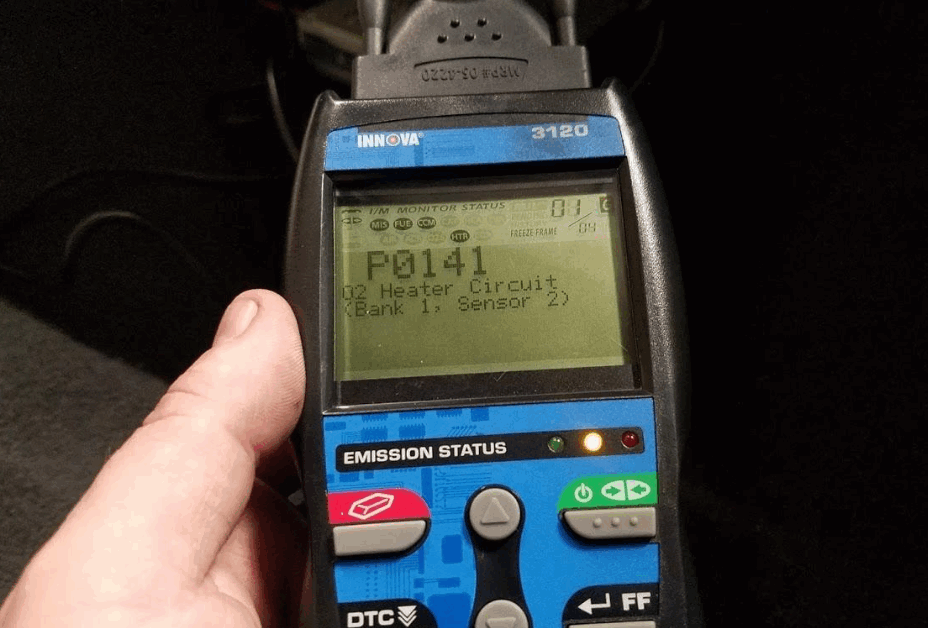
The Honda P0141 code indicates a problem in the heater circuit of the downstream oxygen sensor. The Engine Control Module detects this fault when Bank 1 Sensor 2 does not warm up within the expected time. As a result, the Check Engine Light turns on and stores the diagnostic trouble code.
Many drivers continue using their vehicles after seeing this warning. However, delaying the repair can make future diagnosis more difficult. A faulty heater prevents the oxygen sensor from reaching its operating temperature quickly. This delay reduces the accuracy of exhaust monitoring during a cold start. In some cases, the vehicle may produce higher emissions or fail an emissions inspection.
The good news is that the P0141 code usually has a clear electrical cause. A failed oxygen sensor, damaged wiring, corroded connectors, or a blown fuse account for most cases. Replacing the sensor without testing the heater circuit often wastes time and money because the sensor is not always the root cause.
This guide explains the Honda P0141 code from diagnosis to repair. You will learn what the code means, what symptoms to expect, and what causes the heater circuit to fail. You will also discover how to test the circuit correctly, choose the right repair, estimate repair costs, and prevent the problem from returning.
What Symptoms Does the Honda P0141 Code Cause?
The Honda P0141 code usually triggers the Check Engine Light before any noticeable drivability problems appear. In many Honda models, the engine continues to run normally because the downstream oxygen sensor does not control the air-fuel mixture directly. Instead, it monitors catalytic converter efficiency. Even so, the warning light indicates that the emission control system is no longer operating as designed and requires further diagnosis.
A failed heater circuit slows the warm-up time of the downstream oxygen sensor. The Engine Control Module must wait longer before it receives accurate exhaust data. During this delay, the vehicle may remain in an open-loop operating mode longer than intended. As a result, fuel management becomes less efficient during cold starts, especially in low-temperature conditions. Some drivers notice a slight increase in fuel consumption, although the change is often gradual rather than immediate.
Higher exhaust emissions are another common symptom of the Honda P0141 code. Because the downstream oxygen sensor cannot reach its operating temperature quickly, the Engine Control Module cannot verify catalytic converter performance as expected. This condition increases the likelihood of failing an emissions inspection. It also allows emission-related problems to remain hidden until additional diagnostic trouble codes appear.
The P0141 code rarely causes rough idling, hesitation, or engine misfires by itself. If these symptoms develop, another fault is often present at the same time. Related trouble codes such as P0138, P0140, or P0420 may indicate additional problems involving the oxygen sensor circuit or the catalytic converter. Scanning the vehicle for all stored and pending codes helps identify the complete fault instead of focusing on a single diagnostic code.
Drivers should also remember that the absence of obvious symptoms does not mean the problem is minor. The heater circuit can fail long before vehicle performance changes. Repairing the fault early helps restore normal emissions monitoring, prevents unnecessary parts replacement, and reduces the risk of more complex diagnostic work in the future.
What Causes the Honda P0141 Code?
A faulty downstream oxygen sensor heater is the most common cause of the Honda P0141 code. The heater element inside the sensor gradually wears out after years of exposure to high exhaust temperatures. Once the heater fails, the sensor cannot reach its operating temperature within the time expected by the Engine Control Module. The control module then stores the P0141 code because it detects a heater circuit malfunction rather than an incorrect oxygen sensor signal.
Damaged wiring is another frequent cause of this diagnostic trouble code. The oxygen sensor wiring sits close to the exhaust system, where it experiences constant heat, vibration, and road debris. Over time, the insulation may crack, melt, or rub against nearby components. These conditions can create an open circuit or a short circuit, preventing the heater from receiving a stable power supply. A careful visual inspection often reveals damaged wires before more advanced electrical testing becomes necessary.
Corroded or loose electrical connectors can also interrupt the heater circuit. Moisture, road salt, and dirt gradually build up inside the connector terminals. This contamination increases electrical resistance and reduces current flow to the heater element. Even a small amount of corrosion can prevent the circuit from operating correctly. Cleaning or replacing the connector often restores a reliable electrical connection when the sensor itself remains in good condition.
A blown fuse or a faulty relay may produce the same diagnostic code because both components supply power to the oxygen sensor heater circuit. If the fuse opens, the heater loses voltage immediately. A defective relay may also prevent the circuit from receiving battery power after the ignition turns on. Checking the fuse and relay before replacing the oxygen sensor saves both time and repair costs because these components are inexpensive and easy to inspect.
Although uncommon, an Engine Control Module fault can also trigger the Honda P0141 code. Internal driver failures, damaged control circuits, or software issues may prevent the module from operating the heater circuit correctly. However, technicians should only consider this possibility after confirming that the oxygen sensor, wiring, connectors, fuse, and relay all pass electrical testing. Following this diagnostic sequence reduces unnecessary parts replacement and helps identify the true root cause of the fault.
How Do You Diagnose the Honda P0141 Code?
Diagnosing the Honda P0141 code requires a systematic approach rather than replacing the oxygen sensor immediately. Many vehicles display this code because of wiring faults or power supply issues instead of a failed sensor. Following a step-by-step inspection helps identify the root cause and prevents unnecessary repairs.
The first step is to connect an OBD-II scanner and confirm that the P0141 code is active. You should also review any stored or pending trouble codes because related faults may point to a larger electrical problem. Freeze Frame Data provides valuable information about engine temperature, vehicle speed, and operating conditions when the code first appeared. This data helps determine whether the fault occurs only during cold starts or under specific driving conditions.
Next, inspect the downstream oxygen sensor and its wiring harness. Look for melted insulation, broken wires, loose connectors, or signs of corrosion. Because the wiring runs close to the exhaust system, heat damage is one of the most common problems. Even if the sensor appears normal, damaged wiring can interrupt the heater circuit and trigger the P0141 code.
After the visual inspection, test the heater circuit with a digital multimeter. Measure the resistance across the heater terminals and compare the reading with the manufacturer’s specifications. A reading outside the recommended range usually indicates a failed heater element. You should also verify that battery voltage reaches the heater circuit when the ignition is on. If voltage is missing, inspect the fuse, relay, and wiring before replacing the sensor.
The final step is to confirm the repair. Clear the diagnostic trouble code with the scan tool and perform a complete drive cycle. Monitor the live data to verify that the downstream oxygen sensor reaches operating temperature normally and that the Engine Control Module does not store the P0141 code again. Completing this verification ensures the original fault has been corrected instead of temporarily hidden.
How Do You Fix the Honda P0141 Code?
Fixing the Honda P0141 code depends on the root cause of the heater circuit failure. Replacing parts without testing the electrical system often leads to unnecessary expenses and repeated repairs. A complete diagnosis should always identify the faulty component before any repair begins.
A failed downstream oxygen sensor is the most common repair. If the heater element no longer meets the manufacturer’s resistance specifications, replacing the sensor is the correct solution. Choosing an OEM or high-quality aftermarket sensor helps ensure proper communication with the Engine Control Module and improves long-term reliability. Low-quality replacement sensors may fit correctly but often fail to provide consistent heater performance.
Damaged wiring should be repaired before installing a new oxygen sensor. Heat from the exhaust system can melt insulation or expose the copper conductors inside the harness. Any broken wire, short circuit, or poor electrical connection should be repaired using automotive-grade wiring and weather-resistant connectors. Proper routing also prevents the harness from contacting hot exhaust components after the repair.
A blown fuse or faulty relay can interrupt power to the heater circuit and trigger the P0141 code. Replacing the fuse alone is not enough if another electrical fault caused it to fail. The circuit should be inspected for excessive current draw or damaged wiring before installing a new fuse. If the relay does not deliver battery voltage to the heater circuit, replacing the relay usually restores normal operation.
Corroded connectors should also receive careful attention during the repair process. Dirt, moisture, and oxidation increase electrical resistance and reduce the current supplied to the heater element. Cleaning the terminals with an approved electrical contact cleaner may solve the problem when corrosion is minor. If the connector housing or terminals show severe damage, replacing the connector provides a more reliable repair than attempting a temporary fix.
After completing the repair, clear the stored trouble code with an OBD-II scanner and perform a road test under normal driving conditions. Monitor the live data to confirm that the downstream oxygen sensor reaches its operating temperature and responds correctly. If the Check Engine Light remains off and the P0141 code does not return after a complete drive cycle, the repair has successfully resolved the fault.
Can You Drive With the Honda P0141 Code?
You can usually continue driving with the Honda P0141 code for a short period, but you should repair the problem as soon as possible. This trouble code normally affects the oxygen sensor heater circuit instead of engine operation, so most vehicles remain safe to drive under normal conditions. Even so, the fault prevents the emissions system from working as intended and may lead to additional problems if you ignore it for too long.
The most immediate consequence is reduced emissions efficiency during cold starts. Because the downstream oxygen sensor warms up more slowly, the Engine Control Module takes longer to verify catalytic converter performance. The vehicle may produce higher exhaust emissions until the sensor reaches its operating temperature. If your area requires periodic emissions testing, the P0141 code can cause the vehicle to fail the inspection even when no other symptoms are present.
Long-term driving with an unresolved heater circuit fault can also complicate future diagnostics. New trouble codes may appear while the P0141 code remains active, making it more difficult to identify the original problem. In some cases, drivers ignore the warning light because the vehicle feels normal. As a result, they may overlook unrelated engine or emissions faults that require immediate attention.
Although the P0141 code rarely causes severe engine damage by itself, it should never become a permanent condition. Repairing the fault early restores normal emissions monitoring, keeps the Check Engine Light off, and ensures the Engine Control Module receives accurate information from the downstream oxygen sensor. Early diagnosis also helps avoid unnecessary repairs and prevents minor electrical problems from developing into larger failures.
How Much Does It Cost to Fix the Honda P0141 Code?
The cost to repair the Honda P0141 code depends on the failed component, labor rates, and the specific Honda model. In many cases, the repair is relatively affordable because the heater circuit involves only a few electrical components. An accurate diagnosis helps avoid replacing expensive parts that are still working properly.
Replacing the downstream oxygen sensor is the most common repair. Most Honda models require only one replacement sensor, and the total cost typically includes both the new part and labor. If the wiring harness has suffered heat damage or corrosion, the repair cost may increase because technicians must locate the damaged section, repair the circuit, and verify that the heater receives the correct voltage.
Electrical repairs often cost less than replacing major emissions components. A blown fuse or faulty relay usually requires only a simple replacement, while repairing damaged wiring depends on the location and severity of the damage. Vehicles with extensive corrosion or previous electrical modifications may require additional diagnostic time before technicians identify the exact fault.
| Repair Type | Estimated Cost (USD) |
|---|---|
| Diagnostic Scan | $50–$150 |
| Downstream Oxygen Sensor Replacement | $150–$350 |
| Wiring Repair | $100–$300 |
| Fuse or Relay Replacement | $20–$100 |
| Connector Repair | $50–$150 |
The final repair cost varies according to the vehicle’s condition and local labor rates. For this reason, technicians should complete a full electrical inspection before replacing any components. Identifying the root cause first reduces repair costs, shortens diagnostic time, and increases the likelihood of fixing the Honda P0141 code on the first attempt.
How Can You Prevent the Honda P0141 Code?
Preventing the Honda P0141 code starts with regular inspection of the oxygen sensor circuit and related electrical components. Although the downstream oxygen sensor eventually wears out, many heater circuit failures result from damaged wiring or poor electrical connections rather than normal sensor aging. Routine maintenance helps identify these issues before they trigger a diagnostic trouble code.
The wiring harness deserves special attention because it operates close to the exhaust system. Excessive heat, vibration, and road debris gradually weaken the insulation and increase the risk of an open or short circuit. During routine service, technicians should inspect the harness for melted insulation, loose clips, or contact with hot exhaust components. Correcting these problems early extends the life of both the wiring and the oxygen sensor.
Keeping electrical connectors clean also improves long-term reliability. Moisture, dirt, and road salt can corrode the terminals and increase electrical resistance inside the heater circuit. Applying dielectric grease to clean connector seals, when recommended by the manufacturer, helps reduce moisture intrusion and protects the terminals from corrosion. A secure electrical connection allows the heater to reach operating temperature quickly after every cold start.
Drivers should also address the Check Engine Light as soon as it appears. Continuing to drive with an active warning light may hide new diagnostic trouble codes that develop later. Performing an OBD-II scan after the warning appears allows technicians to identify electrical faults before they become more expensive repairs. Early diagnosis often reduces both repair time and replacement costs.
Following the manufacturer’s maintenance schedule is the best long-term strategy for preventing emissions-related problems. Regular inspections, prompt repairs, and quality replacement parts help maintain accurate oxygen sensor operation and reliable emissions monitoring. These practices reduce the likelihood of the Honda P0141 code returning after a successful repair.
Frequently Asked Questions About Honda P0141
Does the Honda P0141 code always mean the oxygen sensor is bad?
No. A failed oxygen sensor heater is the most common cause, but damaged wiring, corroded connectors, a blown fuse, or a faulty relay can produce the same diagnostic trouble code. Testing the entire heater circuit before replacing the sensor prevents unnecessary repairs.
Can I clear the Honda P0141 code without fixing the problem?
Yes, an OBD-II scanner can erase the stored code. However, the Engine Control Module will usually detect the fault again during the next drive cycle if the underlying problem remains. Clearing the code does not repair the heater circuit.
Will the Honda P0141 code affect fuel economy?
The effect is usually small. Because the downstream oxygen sensor mainly monitors catalytic converter efficiency, the engine often continues to run normally. Some vehicles may experience slightly higher fuel consumption during cold starts due to delayed emissions monitoring.
How long does it take to repair the Honda P0141 code?
Most repairs take one to two hours after technicians identify the root cause. Replacing an oxygen sensor is generally straightforward, while wiring repairs may require additional diagnostic time depending on the location and extent of the damage.
Can a bad catalytic converter cause the Honda P0141 code?
In most cases, no. The P0141 code specifically identifies a heater circuit malfunction for the downstream oxygen sensor. A failing catalytic converter is more likely to trigger efficiency-related trouble codes, such as P0420, rather than P0141.
Conclusion
The Honda P0141 code indicates a heater circuit problem affecting the downstream oxygen sensor. Although the vehicle usually remains drivable, ignoring the warning can increase emissions, complicate future diagnostics, and lead to failed emissions inspections. Identifying the exact cause is more important than replacing parts based on assumptions.
A systematic diagnosis should always begin with an OBD-II scan, followed by a careful inspection of the wiring, connectors, fuse, relay, and oxygen sensor. Verifying the heater circuit with electrical testing helps identify the true source of the fault and avoids unnecessary replacement costs. This approach improves repair accuracy and reduces the chance of the code returning.
Routine maintenance also plays an important role in preventing heater circuit failures. Inspecting the wiring harness, protecting electrical connectors, and responding quickly to the Check Engine Light help maintain reliable emissions system performance over the long term. Quality replacement parts and proper installation further improve repair durability.
By understanding the causes, symptoms, diagnostic process, repair methods, and preventive measures, you can resolve the Honda P0141 code efficiently and restore your Honda’s emissions system to normal operation.