Volkswagen DSG transmission problems include jerky gear shifts, clutch shuddering, gear slipping, delayed engagement, stuck gears, and sudden loss of drive. These issues can affect driving comfort, acceleration, and vehicle reliability. Common causes include faulty mechatronic units, worn clutch assemblies, hydraulic pressure problems, and electronic control failures. The specific cause depends on the DSG gearbox type, vehicle model, and operating conditions.
Volkswagen’s Direct-Shift Gearbox (DSG) uses a dual-clutch system to deliver fast gear changes without a traditional torque converter. However, its combination of mechanical, hydraulic, and electronic components creates several potential failure points. The seven-speed DQ200 dry-clutch transmission, for example, has different wear characteristics and maintenance requirements from wet-clutch systems such as the DQ250, DQ381, and DQ500.
Identifying DSG transmission problems early helps prevent further damage and unnecessary repair expenses. Symptoms such as hesitation when accelerating, vibration during takeoff, or unusual transmission noises can indicate clutch wear or control-system faults. Accurate diagnosis requires checking fault codes, transmission behavior, and relevant components before selecting a repair.
This guide explains the most common VW DSG transmission problems, their symptoms, underlying causes, diagnostic methods, repair options, estimated costs, and preventive maintenance practices.
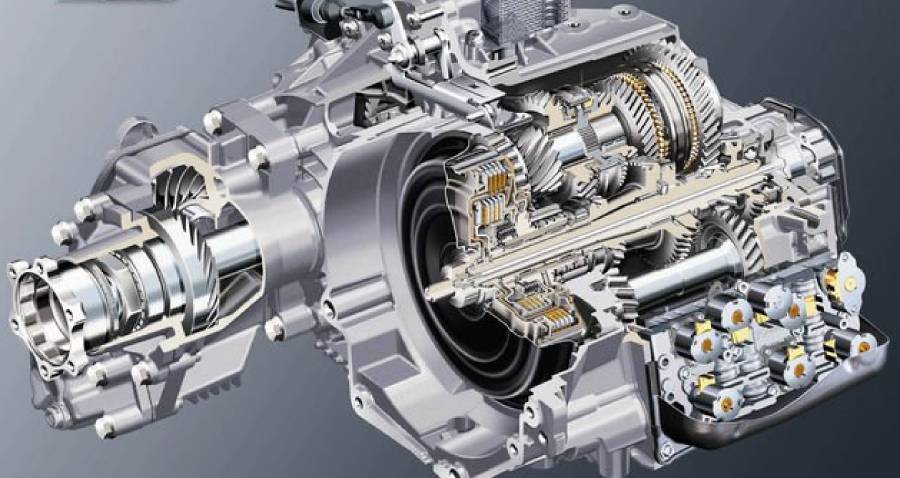
What Are the Most Common VW DSG Transmission Problems?
The six most common VW DSG transmission problems are jerky gear shifts, clutch shuddering, gear slipping, delayed gear engagement, stuck gears, and loss of drive. These symptoms can result from mechanical wear, mechatronic malfunctions, hydraulic pressure faults, or electronic control issues. Their severity depends on the transmission variant, mileage, maintenance history, and driving conditions.
1. Jerky gear shifts: Rough or abrupt gear changes occur when the DSG transmission fails to coordinate clutch engagement and gear selection smoothly. Drivers may notice sudden jolts during low-speed acceleration, particularly when shifting between first and second gear. Worn clutch components, incorrect clutch adaptation, and mechatronic control faults can contribute to this behavior. However, occasional low-speed hesitation does not automatically indicate transmission failure.
2. Clutch shuddering: DSG clutch shuddering produces noticeable vibration or judder when accelerating from a standstill. It occurs when the clutch engages unevenly instead of transferring engine torque smoothly. Worn friction surfaces, clutch contamination, or irregular engagement control can cause this symptom. Dry-clutch DSG systems, including the seven-speed DQ200, can exhibit takeoff judder, although similar vibrations may originate from engine mounts or other drivetrain components.
3. Gear slipping: DSG transmission slipping occurs when engine speed rises without a corresponding increase in vehicle speed. This happens when the engaged clutch cannot consistently transmit the required torque. Excessive clutch wear, insufficient clutch clamping force, or hydraulic control problems can produce this condition. Persistent slipping generates additional heat and accelerates friction material deterioration, making prompt diagnosis necessary.
4. Delayed gear engagement: Delayed engagement occurs when the transmission takes an unusually long time to respond after the driver selects Drive or Reverse. The delay may result from inadequate hydraulic pressure, actuator malfunctions, or incorrect clutch control. Drivers may experience a pause followed by a sudden engagement. A persistent or worsening delay requires diagnostic testing because the underlying cause cannot be confirmed from the symptom alone.
5. Stuck gears or limp mode: A DSG transmission may become restricted to certain gears when its control system detects a fault that threatens normal operation. This protective operating state, commonly called limp mode, can reduce acceleration and limit gear selection. Potential triggers include faulty speed sensors, mechatronic malfunctions, and transmission control errors. Warning messages or a flashing gear indicator may accompany the problem, depending on the Volkswagen model.
6. Loss of drive: Sudden loss of drive occurs when the DSG transmission can no longer transfer engine power to the wheels. Possible causes include severe clutch failure, mechatronic faults, internal mechanical damage, or loss of the hydraulic pressure needed for transmission operation. The engine may continue running while the vehicle fails to accelerate. Drivers should stop in a safe location and arrange professional inspection rather than continue operating a vehicle that has lost propulsion.
These six problems share several symptoms, but they do not always have the same underlying cause. For example, both worn clutches and faulty mechatronic controls can produce jerky shifts. Identifying the affected DSG variant and checking transmission fault codes are essential steps before determining whether the vehicle requires clutch adaptation, component repair, or transmission replacement.
What Are the Warning Signs of a Failing VW DSG Transmission?
The main warning signs of a failing VW DSG transmission are rough shifting, delayed acceleration, unusual vibrations, abnormal noises, transmission warning lights, and difficulty engaging gears. These symptoms indicate potential problems with clutch operation, mechatronic control, or internal gearbox components. Some develop gradually as components wear, while others appear suddenly when the transmission control system detects a malfunction.
Early warning signs typically involve changes in shifting behavior. Drivers may notice hesitation when accelerating from a stop, inconsistent gear changes in slow-moving traffic, or vibration when the clutch engages. For example, a Volkswagen Golf equipped with a DSG transmission may develop repeated judder during takeoff or noticeable jolts between first and second gear. These symptoms can indicate clutch wear or incorrect engagement control, but engine misfires and worn drivetrain mounts can produce similar sensations. Their frequency, severity, and operating conditions help distinguish normal transmission characteristics from developing faults.
Transmission warning lights indicate that the vehicle has detected a condition requiring attention. Depending on the Volkswagen model, the dashboard may display a gearbox malfunction message, a transmission temperature warning, or a flashing gear-selection indicator. Some faults activate an emergency operating mode that restricts available gears to protect transmission components. A Volkswagen-compatible diagnostic scanner, such as VCDS or ODIS, can retrieve stored transmission fault codes and associated operating data. However, a warning message alone cannot identify which component requires replacement.
Unusual noises provide additional clues about possible mechanical problems. Rattling near the transmission housing, particularly at idle or during engine shutdown, may indicate deterioration of the dual-mass flywheel. Grinding, metallic knocking, or persistent whining can suggest problems involving bearings, gears, or other rotating components. Noise diagnosis requires checking when the sound occurs because engine accessories, mounts, and surrounding drivetrain parts can generate similar sounds.
Severe warning signs include repeated gear disengagement, substantial clutch slipping, sudden loss of acceleration, and complete loss of drive. These conditions can compromise vehicle control and may indicate significant mechanical or electronic faults. Drivers should avoid continued operation when the transmission cannot maintain gear engagement, produces severe grinding noises, or unexpectedly loses propulsion. A professional diagnosis is necessary to determine whether the problem involves the clutch assembly, mechatronic unit, transmission electronics, or internal gearbox damage.
What Causes VW DSG Transmission Problems?
The main causes of VW DSG transmission problems are mechatronic unit failures, clutch wear, transmission fluid issues, and electronic sensor malfunctions. These faults interfere with clutch engagement, hydraulic pressure regulation, or gear selection, resulting in rough shifting, slipping, hesitation, and transmission warning messages. The underlying cause varies between DSG variants because dry-clutch and wet-clutch gearboxes use different clutch designs and lubrication systems.
How Does a Faulty DSG Mechatronic Unit Affect Gear Shifting?
A faulty DSG mechatronic unit disrupts gear shifting by interfering with hydraulic pressure control, clutch operation, or gear-selection commands. The mechatronic assembly combines electronic control with hydraulic components that coordinate gear changes based on engine speed, vehicle speed, accelerator position, and transmission operating conditions.
Mechatronic failures can involve defective solenoids, pressure regulation faults, damaged electronic circuits, or malfunctioning actuators. When these components fail to operate correctly, the transmission may engage gears abruptly, hesitate before shifting, or enter emergency operating mode. For example, a hydraulic pressure fault can prevent the system from applying the required force to a clutch actuator, causing delayed engagement or interrupted power delivery.
Mechatronic-related problems have been documented in several Volkswagen DSG applications, including certain DQ200 and DQ250 transmissions. However, failure mechanisms differ between gearbox generations and component revisions. Accurate diagnosis requires retrieving transmission fault codes, evaluating live operating data, and performing manufacturer-specified tests before replacing the mechatronic assembly.
How Does Clutch Wear Cause DSG Transmission Problems?
Clutch wear causes DSG transmission problems by reducing the friction and engagement consistency required to transfer engine torque to the gearbox. Unlike conventional automatic transmissions that use a torque converter, DSG gearboxes employ two clutches to manage alternating gear sets. These clutches experience friction during engagement, particularly when starting from a standstill or maneuvering at low speeds.
As clutch friction surfaces deteriorate, the transmission may develop shuddering, slipping, or inconsistent acceleration. Excessive heat, repeated stop-and-go driving, and prolonged clutch slipping can accelerate deterioration. For example, holding a vehicle stationary on an incline using the accelerator forces the clutch to transmit torque while slipping, increasing heat generation and wear.
Clutch wear characteristics also depend on transmission design. The DQ200 uses dry clutches, while the DQ250, DQ381, and DQ500 use wet multi-plate clutch systems. Wet clutches operate with transmission fluid that assists cooling and friction control, whereas dry clutches rely on different thermal management characteristics. Persistent slipping or judder requires inspection of clutch operation and related components because clutch adaptation cannot restore physically damaged friction surfaces.
Can DSG Transmission Fluid Problems Cause Shifting Issues?
DSG transmission fluid problems can cause shifting issues by affecting lubrication, cooling, hydraulic pressure regulation, and clutch operation. Their effects depend on gearbox design because wet-clutch DSG transmissions use fluid differently from dry-clutch systems.
In wet-clutch transmissions such as the DQ250, the correct fluid supports clutch operation, heat management, and hydraulic control. Incorrect fluid specifications, contamination, improper fluid levels, or neglected servicing can interfere with these functions. For example, insufficient fluid in an applicable hydraulic circuit can compromise pressure regulation and contribute to delayed or inconsistent gear engagement.
Dry-clutch transmissions such as the DQ200 have different lubrication and hydraulic arrangements, so wet-clutch maintenance procedures must not be applied to them. Fluid specifications, service intervals, and filling procedures should always match the exact gearbox code and Volkswagen maintenance documentation.
Electronic sensor malfunctions represent another cause of DSG shifting problems. Faulty speed sensors, position sensors, or wiring connections can send incorrect information to the transmission control module. The system may then interrupt gear changes, restrict available gears, or activate a warning message. Because these symptoms overlap with mechanical and hydraulic failures, diagnostic fault codes and component testing are necessary to identify the actual cause before repairs begin.
Which VW DSG Gearbox Types Have Different Failure Risks?
The four Volkswagen DSG gearbox types with distinct failure characteristics are the DQ200, DQ250, DQ381, and DQ500. These transmissions differ in clutch design, torque capacity, cooling systems, and mechatronic configurations. Consequently, their mechanical wear patterns, maintenance requirements, and potential failure mechanisms are not identical. Identifying the exact gearbox variant is essential for accurate diagnosis and repair.
| DSG Gearbox | Clutch Type | Gear Count | Potential Problems |
|---|---|---|---|
| DQ200 | Dry dual clutch | 7-speed | Clutch judder, mechatronic faults, engagement problems |
| DQ250 | Wet dual clutch | 6-speed | Mechatronic faults, clutch wear, fluid-related problems |
| DQ381 | Wet dual clutch | 7-speed | Hydraulic control faults, sensor issues, clutch engagement problems |
| DQ500 | Wet dual clutch | 7-speed | Mechatronic faults, clutch wear, internal mechanical problems |
The DQ200 is a seven-speed dry-clutch DSG designed for lower-torque applications. It has been used in Volkswagen models equipped with smaller-displacement engines, including certain Golf, Polo, and Jetta variants. Its dry clutch assembly does not operate immersed in cooling oil, making clutch engagement behavior and heat management particularly relevant during repeated low-speed maneuvering. Documented concerns in certain DQ200 applications include clutch judder, mechatronic malfunctions, and intermittent gear engagement failures. These issues vary by production year, component revision, and operating conditions.
The DQ250 is a six-speed wet-clutch DSG designed for higher torque loads than the DQ200. It has been fitted to Volkswagen vehicles such as certain Golf GTI, Golf R, and Passat models. Its oil-cooled multi-plate clutches support heat dissipation during engagement, but the transmission still depends on correct fluid specifications and hydraulic control. Potential problems include mechatronic solenoid faults, clutch deterioration, and shifting irregularities associated with fluid or pressure regulation issues.
The DQ381 is a seven-speed wet-clutch DSG used in various newer Volkswagen applications. Its transmission control system coordinates clutch engagement and gear selection through electronically controlled hydraulic components. Potential faults include sensor malfunctions, hydraulic pressure irregularities, and clutch control problems. However, the presence of these possible failure mechanisms does not establish that the DQ381 has a higher failure rate than other DSG variants.
The DQ500 is a seven-speed wet-clutch DSG developed for relatively high-torque applications, including certain Volkswagen Tiguan and Transporter configurations. Its clutch and gear assemblies are designed to accommodate greater torque demands, but mechanical wear, hydraulic control faults, and mechatronic malfunctions can still affect operation. Severe internal damage or clutch failure may require substantial repairs, depending on the affected components.
No single DSG variant can be classified as the least reliable without comparable failure-rate data. Gearbox condition depends on factors such as production generation, mileage, driving conditions, maintenance history, and previous repairs. Volkswagen owners should confirm the transmission code using vehicle documentation or manufacturer-compatible diagnostic information before selecting maintenance procedures or replacement parts.
How Can You Diagnose VW DSG Transmission Problems?
Diagnosing VW DSG transmission problems requires three main steps: identifying driving symptoms, retrieving transmission fault codes, and testing the affected mechanical or electronic components. This process helps distinguish clutch wear, mechatronic malfunctions, sensor faults, and hydraulic pressure problems. Accurate diagnosis also requires identifying the DSG gearbox variant because the DQ200, DQ250, DQ381, and DQ500 have different clutch systems and diagnostic procedures.
A transmission fault should not be diagnosed from a single symptom. For example, jerky acceleration can result from worn clutches, incorrect clutch adaptation, engine misfires, or drivetrain mount deterioration. Combining driving observations with diagnostic data helps identify the actual source of the problem and prevents unnecessary component replacement.
How Can You Identify DSG Problems During a Test Drive?
DSG transmission problems can be identified during a controlled test drive by checking gear engagement, acceleration response, shifting smoothness, and unusual vibrations. The vehicle should be evaluated under different driving conditions because some faults appear only during low-speed operation, while others become noticeable under acceleration or after the transmission reaches operating temperature.
Begin by observing how the transmission engages Drive and Reverse while the vehicle is stationary with the brake applied. Excessive hesitation, repeated jolting, or inconsistent engagement may indicate clutch control or hydraulic problems. During gentle acceleration, monitor shifts between lower gears for shuddering, slipping, or abrupt engagement. For example, repeated vibration when accelerating from a standstill may indicate clutch judder, although engine and drivetrain faults must also be considered.
Transmission behavior should also be evaluated during deceleration and normal gear changes. Unexpected gear disengagement, persistent hesitation, or abnormal mechanical noises require further investigation. Record the driving conditions, selected gear, transmission temperature when available, and circumstances under which each symptom occurs. These observations help technicians reproduce intermittent faults and compare them with diagnostic measurements.
Do not conduct a road test if the transmission has lost drive, repeatedly disengages gears, produces severe grinding noises, or displays a serious malfunction warning. These conditions require professional assessment, and towing may be necessary to avoid further damage or unsafe operation.
How Can You Diagnose DSG Problems Using Fault Codes?
VW DSG transmission fault codes can be retrieved using a Volkswagen-compatible diagnostic tool such as VCDS or ODIS. These systems communicate with the transmission control module and provide access to diagnostic trouble codes, operating measurements, and supported testing functions. A generic OBD-II scanner may not display all manufacturer-specific transmission faults.
The diagnostic process begins by scanning the transmission control module and recording stored, pending, or intermittent faults where supported. Relevant diagnostic information can include clutch position, input and output shaft speeds, transmission temperature, gear-selection status, and hydraulic pressure measurements on applicable gearbox variants. These values help technicians determine whether the transmission is responding correctly to control commands.
For example, a fault indicating a hydraulic pressure regulation problem may direct further testing toward the mechatronic assembly, pressure control components, or associated electrical circuits. However, a diagnostic trouble code identifies a detected fault condition rather than automatically proving that a specific component has failed. Wiring problems, sensor errors, and mechanical restrictions can produce overlapping fault indications.
Professional diagnosis may also include clutch adaptation measurements, actuator tests, electrical inspections, and mechanical checks. Clutch adaptation procedures must follow the specifications for the exact DSG transmission and should not be used as a substitute for repairing worn or damaged components. When diagnostic results confirm a mechanical or mechatronic failure, technicians can determine whether the appropriate solution involves adjustment, component repair, or replacement.
A complete diagnosis should finish with verification that the original fault has been corrected. This includes checking for returning fault codes, confirming normal gear engagement, and evaluating transmission operation under safe driving conditions. Repair decisions should be based on confirmed faults rather than symptoms or fault codes alone.
How Can You Fix VW DSG Transmission Problems?
VW DSG transmission problems can be fixed through clutch adaptation, mechatronic repair, clutch replacement, transmission fluid servicing, or complete gearbox replacement. The correct repair depends on the diagnosed fault, DSG variant, and condition of the affected components. Electronic control issues may require calibration or component replacement, while mechanical damage generally requires physical repair.
Repairing a DSG transmission begins with confirming the underlying cause rather than replacing parts based on symptoms alone. For example, jerky shifting caused by incorrect clutch adaptation requires a different solution from similar symptoms caused by worn clutch friction materials. Technicians should review diagnostic trouble codes, clutch operating data, hydraulic system performance, and service history before selecting a repair procedure.
Can DSG Clutch Adaptation Fix Jerky Gear Changes?
DSG clutch adaptation can fix certain jerky gear changes when the problem results from incorrect clutch engagement calibration rather than mechanical damage. Adaptation allows the transmission control system to learn or recalibrate clutch engagement parameters using manufacturer-specified procedures. These settings help coordinate clutch engagement and disengagement during gear changes.
Clutch adaptation may be appropriate after clutch replacement, certain mechatronic repairs, or when diagnostic testing identifies incorrect engagement values. For example, a DSG transmission that develops rough low-speed shifts after a relevant component replacement may require basic settings and adaptation to restore proper operation. The procedure must match the specific gearbox code and software configuration.
Technicians perform supported adaptation procedures using Volkswagen-compatible diagnostic equipment, such as VCDS or ODIS. Depending on the transmission, the process may require specific fluid temperatures, battery voltage conditions, stationary basic settings, and a prescribed adaptation drive. Incorrect procedures can result in unsuccessful calibration or additional shifting problems.
Clutch adaptation cannot repair worn friction materials, damaged clutch assemblies, defective solenoids, or internal gearbox damage. If a DSG transmission continues slipping or shuddering because its clutch surfaces have deteriorated, recalibration will not restore the missing friction capacity. Mechanical inspection and component replacement are necessary when physical wear is confirmed.
When Should You Repair or Replace DSG Components?
DSG components should be repaired or replaced when diagnostic testing confirms a mechanical, hydraulic, or electronic failure that cannot be corrected through servicing or calibration. The main repair decisions involve the mechatronic unit, dual-clutch assembly, associated drivetrain components, and internal gearbox mechanisms.
Mechatronic repair or replacement is necessary when confirmed electronic or hydraulic faults prevent correct clutch operation or gear selection. Depending on the failure, specialist repair may involve replacing defective electronic components, solenoids, or other serviceable parts. Severe internal damage or non-serviceable faults may require replacement of the complete mechatronic assembly. Replacement units may also require coding, software configuration, basic settings, and adaptation before normal operation can be verified.
Clutch replacement is appropriate when inspection and diagnostic measurements confirm excessive friction material wear, mechanical damage, or persistent slipping caused by the clutch assembly. For example, a DQ200 transmission experiencing repeated takeoff judder may require clutch replacement if testing confirms that its dry-clutch assembly is worn or damaged. Technicians should also inspect related components, including the dual-mass flywheel where fitted, because flywheel deterioration can produce similar vibration and noise symptoms.
Transmission fluid servicing can resolve certain shifting complaints when the underlying issue involves an incorrect fluid level, unsuitable fluid, or a service-related condition that has not caused permanent component damage. The required procedure depends on the gearbox design. Wet-clutch DSG transmissions, such as the DQ250, have specific fluid requirements, while dry-clutch systems such as the DQ200 use different lubrication arrangements. Fluid replacement cannot correct a failed mechatronic unit or restore damaged clutch friction surfaces.
Complete DSG transmission replacement becomes necessary when severe internal mechanical damage makes individual component repair impractical or uneconomical. Examples include extensive gear damage, major bearing failure, or multiple damaged internal assemblies. Replacement options may include new, remanufactured, or suitable used transmissions, provided their compatibility with the vehicle’s drivetrain and electronic systems is verified.
The final repair decision should consider component condition, labor requirements, replacement-part availability, and warranty coverage. A successful DSG repair must restore smooth gear engagement, eliminate the confirmed fault, and pass post-repair diagnostic verification. Technicians should check for recurring fault codes and confirm proper transmission operation before returning the vehicle to regular service.
How Much Does It Cost to Fix VW DSG Transmission Problems?
VW DSG transmission repair costs typically range from a few hundred dollars for minor servicing or calibration to several thousand dollars for major component replacement. The total expense depends on the DSG gearbox variant, failed component, labor rates, and whether the repair involves new, rebuilt, or used parts. Mechatronic replacement, clutch replacement, and complete gearbox replacement generally involve higher costs than diagnostic testing or routine maintenance.
The following table provides approximate repair budget ranges in US dollars. These are planning estimates rather than verified current market quotes, and actual prices vary significantly by vehicle model, repair facility, and location.
| DSG Repair Type | Estimated Cost (USD) |
|---|---|
| Transmission diagnosis | $100–$250 |
| DSG fluid and filter service | $200–$450 |
| Clutch adaptation | $100–$300 |
| Mechatronic repair or replacement | $800–$3,000+ |
| DSG clutch replacement | $1,000–$3,000+ |
| Complete DSG transmission replacement | $3,000–$7,000+ |
Mechatronic repair costs depend on the type and extent of the electronic or hydraulic failure. A specialist may repair certain faults without replacing the entire assembly, reducing parts expenses. However, complete mechatronic replacement involves the cost of the unit, installation labor, and any required coding or adaptation. For example, a defective pressure-control component may be repairable by a transmission specialist, while extensive electronic damage may require a replacement assembly.
DSG clutch replacement is expensive because the repair involves specialized components and substantial labor. Costs differ between dry-clutch and wet-clutch transmissions, and some repairs require additional calibration after installation. If the dual-mass flywheel is also damaged, replacing it increases the total expense. A clutch replacement estimate should therefore identify whether the quoted price includes the clutch assembly, related parts, labor, and adaptation procedures.
Complete DSG transmission replacement is generally the most expensive repair option. A new or remanufactured gearbox can cost several thousand dollars before installation, depending on availability and vehicle compatibility. Used transmissions may reduce the initial expense but introduce uncertainty regarding mileage, previous maintenance, and internal wear. Warranty coverage and the condition of replacement components should be considered when comparing options.
The most economical repair is not necessarily the one with the lowest initial price. Replacing a clutch without diagnosing an underlying mechatronic fault, for example, may leave the original shifting problem unresolved. Volkswagen owners should request an itemized estimate that separates diagnostic charges, parts, labor, calibration, and warranty terms before authorizing major DSG transmission repairs.
How Long Does a VW DSG Transmission Last?
A well-maintained VW DSG transmission can last beyond 150,000 miles (241,000 km), but there is no guaranteed lifespan for every gearbox. Actual durability depends on the DSG variant, clutch design, driving conditions, maintenance history, and mechanical condition. Some transmissions operate reliably at high mileage, while others require clutch or mechatronic repairs much earlier.
The DQ200, DQ250, DQ381, and DQ500 have different wear characteristics because they use different clutch and hydraulic systems. The DQ200’s dry-clutch design is sensitive to repeated clutch slipping and heat generated during low-speed operation. Wet-clutch transmissions such as the DQ250, DQ381, and DQ500 use fluid to manage clutch temperature, making correct lubrication and servicing essential. However, wet-clutch construction alone does not guarantee a longer service life.
Driving habits directly influence DSG component wear. Frequent stop-and-go traffic, prolonged creeping, aggressive acceleration, and holding a vehicle on an incline using the accelerator increase clutch engagement demands. For example, repeated low-speed maneuvering can generate additional clutch heat compared with steady highway driving, potentially accelerating friction material deterioration.
Following Volkswagen’s gearbox-specific maintenance schedule helps protect DSG transmission components. Using the correct transmission fluid, addressing warning signs promptly, and repairing confirmed faults before they cause secondary damage can support long-term reliability. A DSG transmission with documented maintenance and smooth shifting behavior provides stronger evidence of good condition than mileage alone. Nevertheless, high mileage does not automatically indicate failure, and low mileage does not eliminate the possibility of mechatronic or clutch problems.
Read more: 4R100 Transmission Rebuild: Cost, Parts & Process
How Can You Prevent VW DSG Transmission Problems?
VW DSG transmission problems can be reduced through scheduled maintenance, proper driving habits, correct transmission fluid servicing, and early diagnosis of shifting irregularities. These practices help limit clutch wear, prevent lubrication-related damage, and identify developing mechanical or electronic faults before they cause additional problems. Preventive maintenance requirements differ between DSG variants, making gearbox identification essential.
Driving habits play a significant role in reducing DSG clutch wear. Drivers should avoid holding the vehicle stationary on an incline using the accelerator because this forces the clutch to slip while transmitting engine torque. Using the brake or Auto Hold system, where equipped, prevents unnecessary clutch loading. Repeated creeping in heavy traffic also increases clutch engagement cycles and heat generation, particularly in dry-clutch transmissions such as the DQ200.
Early attention to abnormal shifting behavior helps prevent secondary damage. Persistent shuddering, delayed engagement, unusual transmission noises, or dashboard warnings should be investigated rather than ignored. For example, continued driving with a slipping clutch can generate excessive heat and accelerate friction material deterioration. Identifying the cause early may prevent damage to related transmission components.
How Often Should You Service a VW DSG Transmission?
VW DSG transmission service intervals depend on the gearbox type, vehicle model, production year, and manufacturer maintenance schedule. Certain wet-clutch DSG transmissions, including many DQ250 applications, require transmission fluid and filter servicing approximately every 40,000 miles (60,000 km). Other DSG variants have different maintenance requirements, so this interval should not be applied universally.
The DQ200 dry-clutch transmission uses a different lubrication arrangement from wet-clutch DSG systems. Its service requirements must be checked against the applicable Volkswagen maintenance documentation rather than following DQ250 fluid-change procedures. Similarly, DQ381 and DQ500 service specifications can differ according to gearbox version and vehicle application.
Correct fluid selection and servicing procedures are essential for DSG reliability. Using an unsuitable fluid, setting an incorrect fluid level, or failing to follow the specified temperature-dependent filling procedure can interfere with lubrication and hydraulic operation. Where applicable, servicing should include the required filter replacement, correct fluid specification, and inspection for leaks.
Volkswagen owners should verify the gearbox code and follow the maintenance schedule specified for their vehicle. Keeping service records, addressing transmission faults promptly, and avoiding unnecessary clutch slipping support long-term DSG performance. However, preventive maintenance cannot eliminate failures caused by defective electronic components, unexpected mechanical damage, or manufacturing-related faults.
Should You Drive a Volkswagen With DSG Transmission Problems?
You should not continue driving a Volkswagen with serious DSG transmission problems, particularly when the gearbox slips severely, unexpectedly disengages gears, loses drive, or displays a critical transmission warning. These conditions can interrupt power delivery, reduce vehicle control, and cause additional damage to the clutch assembly, mechatronic unit, or internal gearbox components.
Minor symptoms, such as occasional hesitation or slightly rough low-speed shifts, do not always indicate an immediate transmission failure. However, persistent or worsening symptoms require professional diagnosis. For example, repeated clutch shuddering during acceleration may indicate deteriorating friction materials or incorrect clutch engagement control. Continuing to drive without identifying the cause can increase wear and repair expenses.
Stop driving and arrange professional assistance if the transmission loses propulsion, produces severe grinding noises, repeatedly slips out of gear, or cannot engage Drive or Reverse reliably. Move the vehicle to a safe location if it can be done without creating additional danger. A vehicle with unpredictable gear engagement should be transported using a recovery method approved for its drivetrain configuration rather than driven to a repair facility.
The decision to continue driving should depend on the severity of the symptoms and the results of diagnostic testing. A qualified technician can determine whether the vehicle is safe to operate or requires immediate repair. Prompt diagnosis is the safest approach to preventing minor DSG transmission faults from developing into more expensive mechanical failures.