Honda Civic transmission problems are issues that affect the vehicle’s ability to transfer engine power smoothly to the wheels. These problems can appear in different forms, including transmission slipping, delayed acceleration, unusual noises, vibration, fluid leaks, and difficulty changing gears. The severity of these issues depends on factors such as the Civic model year, transmission type, mileage, maintenance history, and driving conditions.
The Honda Civic uses different transmission systems across generations, including automatic transmissions, manual transmissions, and continuously variable transmissions (CVT). Each system has specific components that can develop problems over time, such as worn transmission fluid, damaged internal parts, electronic control failures, or excessive heat buildup. For example, a Honda Civic with a CVT transmission may experience shuddering or inconsistent acceleration when the transmission fluid deteriorates or internal components begin to wear.
Understanding Honda Civic transmission problems helps owners identify warning signs before minor issues become expensive repairs. This guide explains the most common symptoms, causes, repair options, and prevention methods to help Honda Civic owners maintain transmission reliability and make informed decisions about vehicle maintenance.
What Are the Symptoms of Honda Civic Transmission Problems?
Honda Civic transmission problems usually appear through noticeable changes in driving performance before complete transmission failure occurs. The most common symptoms include transmission slipping, delayed gear engagement, unusual noises, vibration during acceleration, fluid leaks, and warning lights on the dashboard. These signs indicate that the transmission system is experiencing problems with power transfer, hydraulic pressure, lubrication, or electronic control.
Transmission slipping is one of the most recognized symptoms of a failing Honda Civic transmission. This happens when the engine speed increases but the vehicle does not accelerate at the same rate because the transmission cannot maintain proper power delivery. For example, a Civic may show rising RPMs while driving uphill but provide weak acceleration, which suggests that the transmission components are not engaging correctly.
Delayed shifting or hesitation during acceleration is another common warning sign. A healthy transmission changes gears smoothly, while a damaged transmission may create a noticeable pause when shifting from park to drive or when accelerating from a stop. This problem can occur because of worn transmission fluid, hydraulic pressure issues, or failures in the transmission control system.
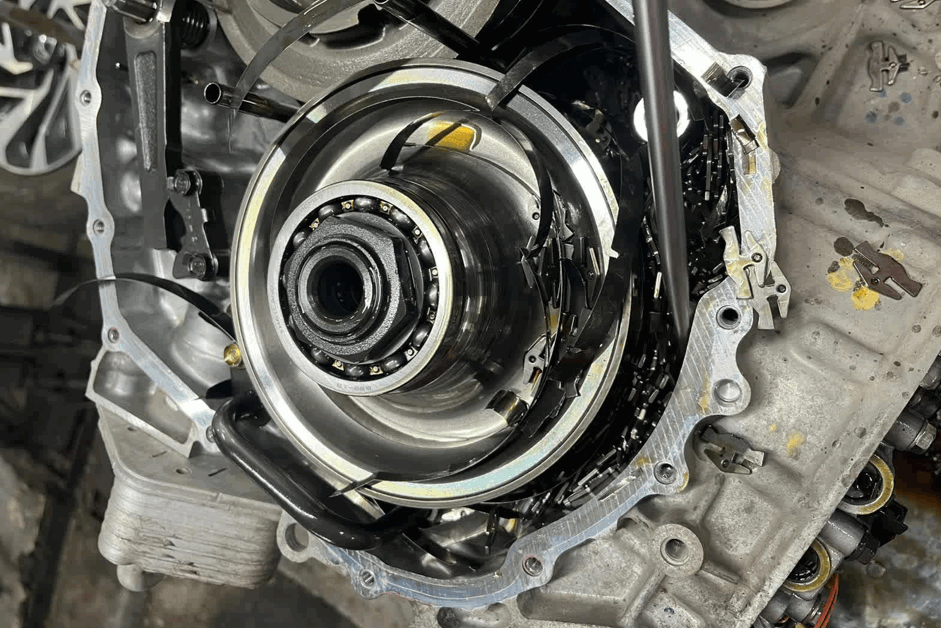
Unusual sounds and vibrations can also indicate transmission damage. Grinding, whining, humming, or shaking sensations often happen when internal transmission components such as bearings, gears, clutches, or CVT components experience excessive wear. In Honda Civic models equipped with CVT transmissions, shuddering during low speed acceleration is a common symptom that requires inspection.
Transmission fluid leaks and dashboard warning lights provide additional signals that should not be ignored. Low transmission fluid levels reduce lubrication and increase friction, which accelerates component wear. When the transmission control module detects abnormal operation, it may activate warning indicators to alert the driver that professional diagnosis is needed.
What Causes Honda Civic Transmission Problems?
Honda Civic transmission problems develop when the transmission system cannot maintain proper mechanical operation, fluid pressure, lubrication, or electronic control. The most common causes include old transmission fluid, excessive heat, internal component wear, electronic failures, and insufficient maintenance. These factors affect how efficiently the transmission transfers engine power and can gradually reduce vehicle performance if they are not addressed.
Worn or contaminated transmission fluid is one of the main causes of Honda Civic transmission issues. Transmission fluid performs several functions, including lubricating internal components, controlling hydraulic pressure, and reducing heat generated by friction. When the fluid becomes dirty, degraded, or reaches an incorrect level, the transmission cannot operate smoothly. For example, a Honda Civic with old CVT fluid may experience hesitation, shuddering, or inconsistent acceleration because the transmission components are not receiving adequate protection.
Transmission overheating is another major factor that contributes to premature wear. Excessive heat breaks down transmission fluid and damages sensitive components such as clutches, seals, bearings, and CVT belts or pulleys. This problem is more likely to occur when a vehicle is frequently driven in heavy traffic, carries heavy loads, or operates under high temperature conditions without proper cooling.
Electronic and sensor problems can also create transmission symptoms without requiring complete transmission replacement. Modern Honda Civic transmissions depend on components such as the Transmission Control Module (TCM), speed sensors, and solenoids to manage shifting behavior. A faulty sensor or software issue can cause incorrect gear selection, delayed shifting, or warning lights even when some mechanical components remain functional.
Lack of regular maintenance increases the risk of transmission failure. Following the recommended service schedule, using the correct Honda transmission fluid, and addressing early warning signs help reduce unnecessary wear. A transmission problem that starts as a minor fluid or sensor issue can become a major repair when ignored for an extended period.
Which Honda Civic Models Have Transmission Problems?
Honda Civic transmission problems can differ between model years. Honda has used several transmission systems throughout the Civic’s history. These include automatic transmissions, manual transmissions, and continuously variable transmissions (CVT). Each system has different components, designs, and maintenance requirements.
Transmission reliability depends on several factors. The most important factors are transmission type, maintenance history, mileage, and driving conditions. A specific Honda Civic model year does not automatically mean it will have transmission failure. A poorly maintained vehicle can develop problems even when the transmission design is reliable.
Older Honda Civic models with automatic transmissions may experience issues as mileage increases. Common problems include delayed shifting, rough gear changes, and worn internal components. These issues usually develop because of long-term mechanical wear. Regular transmission service helps reduce the risk of serious damage.
Newer Honda Civic models often use CVT transmissions. CVT systems improve fuel efficiency and provide smoother acceleration. However, they require specific maintenance because they use different operating mechanisms. Components such as pulleys, belts, and specialized CVT fluid must work together correctly. Old or incorrect fluid can cause symptoms such as hesitation, vibration, and poor acceleration.
The 8th, 9th, 10th, and 11th generation Honda Civic models have different transmission characteristics. Some vehicles may experience more complaints because of higher mileage or maintenance neglect. The transmission history of each vehicle is more important than the model year alone.
When buying a used Honda Civic, owners should check service records and test the transmission carefully. Smooth shifting, consistent acceleration, and proper maintenance history are strong indicators of transmission condition.
How Do You Diagnose Honda Civic Transmission Problems?
Honda Civic transmission problems require proper diagnosis before any repair decision is made. Many transmission symptoms can come from different causes, including fluid problems, electronic failures, or internal mechanical damage. A correct diagnosis helps identify the actual source of the problem and prevents unnecessary replacement costs.
The first step in diagnosis is checking the transmission fluid condition. Transmission fluid should maintain proper lubrication and hydraulic pressure inside the transmission system. Dark, contaminated, or low fluid levels can indicate excessive wear or poor maintenance. For example, a Honda Civic with old CVT fluid may experience hesitation or vibration during acceleration because the transmission cannot operate efficiently.
Scanning for diagnostic trouble codes (DTCs) is another important step. Modern Honda Civic transmissions use electronic systems to control shifting behavior. The Transmission Control Module (TCM) monitors sensors, solenoids, and operating conditions. When the system detects abnormal performance, it can store error codes that help technicians identify possible failures.
A physical inspection is also necessary when diagnosing transmission issues. Technicians check for fluid leaks, damaged components, unusual sounds, and abnormal shifting patterns. A leaking transmission seal can reduce fluid levels, while worn internal components can create grinding noises or delayed gear engagement.
A road test provides additional information about transmission performance. During the test, technicians observe acceleration response, gear changes, vibration, and shifting consistency. For example, a Honda Civic that shakes during low speed acceleration may have a CVT related issue that requires further inspection.
Accurate diagnosis separates minor problems from major transmission failures. A fluid service or sensor replacement may solve some issues, while severe internal damage may require rebuilding or replacing the transmission.
How Much Does It Cost to Repair Honda Civic Transmission Problems?
The cost to repair Honda Civic transmission problems depends on the type of failure, the transmission system, labor rates, and the condition of the vehicle. Minor issues usually require less expensive repairs, while major internal damage can require rebuilding or replacing the entire transmission. A proper diagnosis is necessary because the same symptom can come from different causes.
Transmission fluid service is one of the lowest cost maintenance procedures. It can solve performance issues caused by old or contaminated fluid. Fresh transmission fluid helps restore proper lubrication and hydraulic operation. However, fluid replacement cannot repair damaged internal components. For example, a Honda Civic with severe CVT component wear may continue to experience vibration even after receiving new fluid.
Sensor and electronic repairs usually cost less than mechanical transmission repairs. Modern Honda Civic transmissions depend on components such as speed sensors, solenoids, and the Transmission Control Module (TCM). A faulty sensor can create shifting problems or warning lights without requiring a complete transmission replacement.
More serious transmission damage may require a rebuild or replacement. A transmission rebuild involves repairing or replacing damaged internal parts, such as clutches, gears, bearings, or CVT components. A replacement transmission involves removing the existing unit and installing another transmission system. These repairs cost significantly more because they require extensive labor and specialized parts.
Several factors influence Honda Civic transmission repair costs. Vehicle age, mileage, transmission type, repair complexity, and local labor prices all affect the final expense. A newer Civic with a minor electronic issue may need a simple repair, while a high mileage vehicle with internal damage may require a larger investment.
Repair decisions should consider the vehicle’s overall condition. Comparing repair costs with the Honda Civic’s current market value helps owners choose the most practical solution.
How Can You Prevent Honda Civic Transmission Problems?
Preventing Honda Civic transmission problems requires regular maintenance, correct driving habits, and early attention to warning signs. The transmission system contains many precision components that depend on proper lubrication, temperature control, and accurate operation. A preventive approach reduces unnecessary wear and helps maintain long term reliability.
Regular transmission fluid maintenance is one of the most important prevention methods. Transmission fluid protects internal components, controls hydraulic pressure, and removes heat from the transmission system. Using the correct Honda recommended fluid is essential because different transmission designs require specific fluid characteristics. For example, Honda Civic models with CVT transmissions require CVT specific fluid to maintain proper belt and pulley operation.
Following the recommended maintenance schedule helps detect problems before they become major failures. Routine inspections can identify fluid leaks, unusual noises, or shifting changes at an early stage. A small fluid leak may seem harmless, but continued fluid loss can increase friction and cause serious internal damage.
Driving habits also influence transmission lifespan. Frequent aggressive acceleration, excessive towing, and prolonged driving under high heat conditions increase transmission stress. Smooth acceleration and avoiding unnecessary strain allow transmission components to operate within their designed limits.
Responding quickly to early symptoms can prevent expensive repairs. Drivers should inspect their vehicle when they notice slipping, delayed engagement, vibration, unusual sounds, or warning lights. A minor sensor issue or fluid problem can become a major transmission failure if it remains unresolved.
Proper maintenance does not eliminate every possible transmission problem, but it significantly reduces avoidable failures. A Honda Civic with regular service, correct fluid, and careful operation has a better chance of maintaining reliable transmission performance for many years.
Is a Honda Civic With Transmission Problems Worth Repairing?
A Honda Civic with transmission problems can still be worth repairing, depending on the vehicle’s condition, repair cost, mileage, and future reliability. A transmission issue does not always mean that the vehicle has reached the end of its usable life. Many Honda Civic models can continue providing reliable transportation after receiving the correct repair.
The first factor to consider is the type of transmission problem. Minor issues such as old transmission fluid, faulty sensors, or damaged solenoids often require smaller repairs. These problems can usually be addressed without replacing the entire transmission. For example, a Honda Civic with delayed shifting caused by low fluid levels may only need a fluid service and inspection.
Major transmission failures require a different evaluation. A complete transmission rebuild or replacement involves higher costs because it requires extensive labor and specialized components. Owners should compare the repair expense with the vehicle’s current market value, remaining lifespan, and overall mechanical condition before making a decision.
Vehicle mileage is another important factor. A Honda Civic with high mileage and multiple mechanical issues may not justify an expensive transmission repair. However, a well maintained Civic with a strong engine, clean service history, and limited problems may benefit from transmission repair.
The cost of replacing a vehicle should also be considered. Purchasing another used car involves unknown maintenance history and possible repair costs. Repairing an existing Honda Civic with known service records can sometimes be the more practical option.
A proper diagnosis helps owners make an informed decision. Understanding the exact cause of the transmission problem prevents unnecessary expenses and allows drivers to choose between repair, rebuild, or replacement based on the vehicle’s actual condition.
Should You Be Concerned About Honda Civic Transmission Problems?
Honda Civic transmission problems should not be ignored because early symptoms can indicate developing issues inside the transmission system. Problems such as slipping, delayed shifting, vibration, unusual noises, and fluid leaks often provide warning signs before major failure occurs. Identifying these symptoms early allows owners to address smaller issues before they become expensive repairs.
The reliability of a Honda Civic transmission depends on several factors, including transmission type, maintenance history, driving conditions, and repair quality. Automatic transmissions, manual transmissions, and CVT systems each have different maintenance requirements. A properly maintained Honda Civic can provide long term performance, while neglected maintenance can accelerate transmission wear.
Regular service is one of the most effective ways to prevent transmission problems. Using the correct transmission fluid, following maintenance schedules, and responding quickly to unusual driving behavior help protect important components. Proper diagnosis also ensures that owners repair the actual cause instead of replacing unnecessary parts.
A Honda Civic with transmission problems is not always a vehicle that needs replacement. The right decision depends on the severity of the issue, repair cost, vehicle condition, and future reliability. By understanding the symptoms, causes, repair options, and prevention methods, Honda Civic owners can make better decisions and maintain their vehicle’s transmission performance.