The Volvo D13 Engine stands as one of the most important power units in modern heavy-duty trucking. It powers long-haul freight operations where efficiency, durability, and stable performance matter the most. In this industry, downtime increases operational costs and disrupts delivery schedules, so operators treat engine selection as a critical decision.
Volvo Trucks developed the Volvo D13 Engine to meet these demands. Engineers designed it to deliver strong torque, efficient fuel use, and compliance with strict emission standards. These standards apply across North America and Europe. As global logistics grows, fleet operators face pressure to reduce fuel costs while maintaining consistent performance over long distances.
The Volvo D13 Engine performs well under heavy load conditions. It supports long-haul freight transport, regional distribution, and steep incline driving. The engine maintains stable output even under stress. Fleet owners choose it because it supports long-term efficiency instead of short-term savings.
The trucking industry also faces rising fuel prices and stricter environmental regulations. Maintenance costs continue to increase as well. Volvo responds to these challenges with engineering improvements. The Volvo D13 Engine uses turbocharging, electronic fuel injection, and advanced emission control systems. These technologies help improve efficiency and reduce environmental impact. Drivers also benefit from smoother and more stable engine behavior during operation.
This article explains the Volvo D13 Engine in detail. It covers technical structure, performance characteristics, and real-world use in heavy-duty trucks. The goal is to help readers understand why this engine plays a key role in global logistics and modern transportation systems.
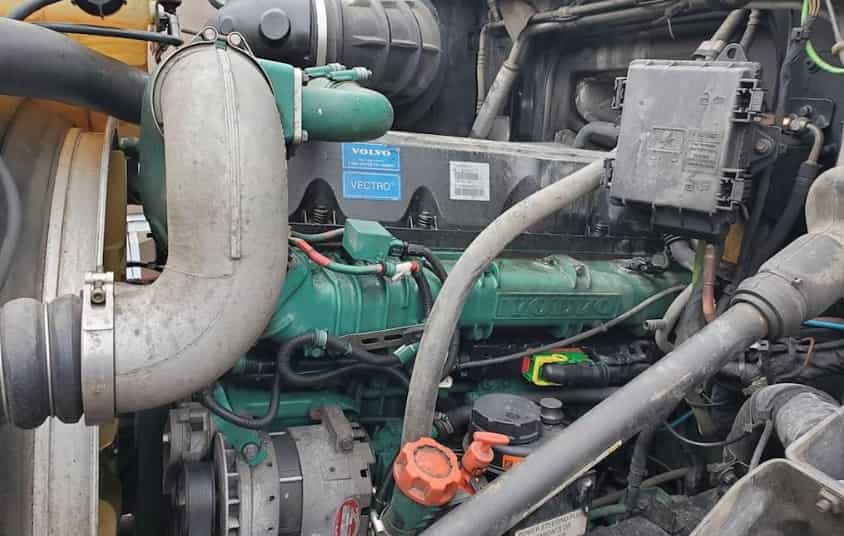
Technical Overview of Volvo D13 Engine
The Volvo D13 Engine uses an inline six-cylinder design that balances power delivery and long-term stability. Engineers select this configuration because it reduces vibration and improves smooth operation during long-haul trucking. This design also helps the engine maintain consistent performance under continuous heavy load, which is essential in freight transportation.
The engine relies on a turbocharged diesel system to improve combustion efficiency. A turbocharger increases the amount of air entering the combustion chamber, which allows fuel to burn more completely and generate higher power output. An intercooler supports this process by cooling the compressed air before it enters the engine. Cooler air increases air density and improves combustion quality, which directly enhances both power and efficiency.
The Volvo D13 Engine has a displacement of approximately 12.8 liters. This displacement level provides strong torque output, which is more important than horsepower in heavy-duty trucking applications. Torque determines how effectively the truck can move heavy loads, especially at low engine speeds. The engine delivers high torque early in the RPM range, which improves performance during uphill driving, highway acceleration, and stop-and-go conditions in logistics operations.
Volvo also integrates advanced emissions control systems into the engine. It uses Selective Catalytic Reduction technology to reduce nitrogen oxide emissions. The system injects Diesel Exhaust Fluid into the exhaust stream to break down harmful gases. The engine also includes a Diesel Particulate Filter that captures soot particles and removes them through regeneration cycles. These systems allow the Volvo D13 Engine to meet strict EPA and Euro emission standards while maintaining strong performance. This balance between power, efficiency, and environmental compliance makes the engine suitable for modern global transportation demands.
Performance Characteristics in Real-World Use
The Volvo D13 Engine delivers strong real-world performance in heavy-duty trucking operations. It focuses on torque stability, fuel efficiency, and consistent power delivery under varying load conditions. These factors matter most in long-haul freight transport, where trucks operate for extended hours and cover thousands of miles each week.
The engine performs efficiently in highway driving conditions. It maintains steady speed with low fuel consumption when the truck runs at optimal cruising ranges. Fleet operators often choose this engine because it helps reduce overall fuel costs across large vehicle fleets. Fuel efficiency depends on driving behavior, load weight, and terrain, but the Volvo D13 Engine consistently delivers competitive results in real operations.
The engine also performs well under heavy load conditions. It produces high torque at low RPM, which helps trucks accelerate smoothly even when carrying maximum payload. This reduces strain on the transmission system and improves overall drivetrain durability. Drivers benefit from smoother gear shifts and more controlled power delivery during uphill climbs or stop-and-go traffic.
Reliability remains a key strength of the Volvo D13 Engine. It supports long operating cycles without frequent breakdowns when operators follow proper maintenance schedules. Many fleet managers value this stability because it reduces downtime and improves logistics efficiency. The engine also maintains consistent thermal performance, which helps protect internal components during long periods of continuous operation.
Driver experience also plays an important role in real-world performance. The engine runs with reduced vibration and stable noise levels compared to older diesel systems. This improves comfort during long-distance driving and reduces driver fatigue. Overall, the Volvo D13 Engine combines efficiency, durability, and operational stability in demanding trucking environments.
Real-World Applications in Heavy-Duty Trucks
The Volvo D13 Engine plays a major role in modern heavy-duty trucking operations across global logistics networks. It supports a wide range of applications, especially in long-haul freight transport where reliability and fuel efficiency directly impact business performance. Many transport companies choose this engine because it delivers stable output under continuous operation and heavy load conditions.
In the freight and logistics industry, the engine powers trucks that move goods across countries and continents. It performs well on highways, mountain routes, and urban distribution networks. This flexibility allows fleet operators to use the same engine platform across different transport needs, which simplifies maintenance and training processes.
The Volvo D13 Engine integrates closely with modern truck platforms developed by Volvo Trucks. Engineers design the engine to work seamlessly with advanced transmission systems and electronic control units. This integration improves gear shifting precision and enhances overall vehicle efficiency. It also supports smoother communication between engine performance systems and drivetrain components.
Fleet operators value the engine for its long-term operational benefits. It reduces total cost of ownership by improving fuel efficiency and lowering maintenance frequency when properly serviced. Many logistics companies also benefit from reduced downtime, which increases delivery reliability and improves fleet productivity.
The engine also performs well in diverse geographic conditions. It operates efficiently in cold climates, hot environments, and high-altitude regions. This adaptability makes it suitable for international logistics companies that operate across different regions with varying road and weather conditions.
Overall, the Volvo D13 Engine supports modern transportation demands by combining durability, efficiency, and system integration in real-world heavy-duty applications.
Maintenance and Common Challenges
The Volvo D13 Engine requires regular maintenance to maintain long-term performance and reliability. Proper servicing helps the engine operate efficiently and reduces the risk of unexpected breakdowns during heavy-duty trucking operations. Fleet operators often follow strict maintenance schedules to protect engine components and extend service life.
Routine oil changes play an important role in engine health. Clean engine oil reduces friction between moving parts and helps control operating temperature. Filters also require regular replacement because they prevent contaminants from entering the engine system. When operators neglect these basic maintenance tasks, engine performance may decline over time.
The engine also depends on a properly functioning emissions system. Components such as the Diesel Particulate Filter and Selective Catalytic Reduction system must operate correctly to maintain efficiency and meet emission standards. When these systems experience clogging or malfunction, the engine may lose performance or trigger warning indicators that require immediate attention.
Some common challenges in the Volvo D13 Engine relate to fuel system components and emission control maintenance. Over time, injectors may require cleaning or replacement to maintain optimal combustion. Turbocharger performance can also decline if the engine operates under poor maintenance conditions or inconsistent servicing schedules. These issues do not appear frequently when operators follow preventive maintenance practices.
Fleet managers often focus on preventive maintenance rather than reactive repairs. This approach reduces downtime and improves long-term cost efficiency. Regular inspections help identify small issues before they develop into major failures. This strategy keeps the Volvo D13 Engine operating at a stable level across demanding logistics operations.
Overall, proper maintenance ensures the engine delivers consistent performance, fuel efficiency, and durability throughout its service life.
Conclusion
The Volvo D13 Engine stands out as a reliable and efficient power unit in the heavy-duty trucking industry. It delivers strong performance through a balance of torque, fuel efficiency, and advanced engineering design. This combination allows it to meet the demands of long-haul freight transport and modern logistics operations.
Throughout its design, Volvo focuses on durability and real-world usability. The engine supports consistent operation under heavy load conditions and performs well across different driving environments. It also integrates advanced emissions control systems that help meet strict environmental regulations without reducing overall performance.
Fleet operators value the Volvo D13 Engine because it reduces total cost of ownership over time. It improves fuel economy, supports long service intervals, and maintains stable performance when properly maintained. These factors make it a practical choice for companies that manage large fleets and require operational consistency.
At the same time, the engine requires proper maintenance to achieve its full potential. Regular servicing, filter replacement, and emissions system care play an important role in long-term reliability. When operators follow correct maintenance practices, the engine can deliver strong performance over many years of service.
Overall, the Volvo D13 Engine remains a key solution in modern heavy-duty transportation. It combines engineering efficiency with real-world durability and continues to support global logistics networks. For operators who prioritize performance, stability, and long-term value, this engine represents a proven choice in the diesel truck industry.