A transmission fluid leak when parked is commonly caused by a worn transmission pan gasket, damaged transmission seals, leaking cooler lines, or a cracked transmission housing. These components can allow transmission fluid to escape even when the engine is turned off. In some cases, fluid leaks while the vehicle is running, collects on nearby components, and drips onto the ground after parking.
Transmission fluid leaks typically leave red, pink, amber, or brown stains beneath the vehicle, depending on the fluid type and condition. The puddle’s location, fluid appearance, and surrounding components can help identify the source. However, not every fluid stain under a parked car indicates a transmission problem. Engine oil, coolant, and power steering fluid can produce similar signs.
Driving with a transmission fluid leak can cause serious transmission damage if fluid loss reduces hydraulic pressure, lubrication, or cooling. Small leaks can worsen over time, while substantial fluid loss may lead to delayed gear engagement, slipping, overheating, or complete transmission failure.
Identifying the leak source is essential before attempting repairs. This guide explains the common causes of transmission fluid leaks when parked, how to locate the leaking component, when driving becomes unsafe, and which repair methods address each problem.
Why Does Transmission Fluid Leak When a Car Is Parked?
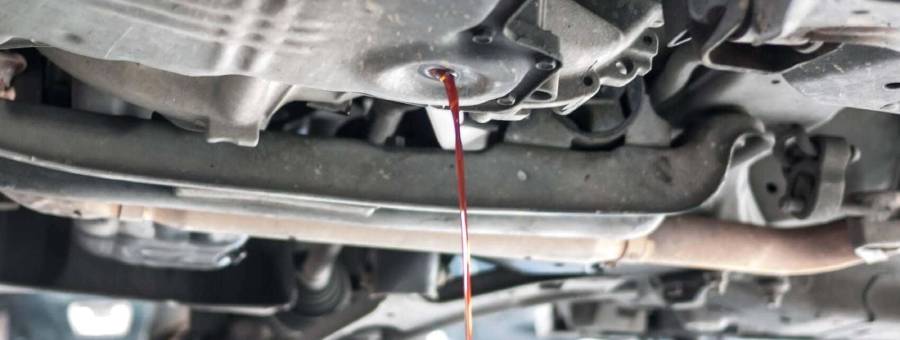
Transmission fluid leaks when a car is parked because damaged seals, worn gaskets, loose connections, or cracked components allow fluid to escape from the transmission system. Automatic transmissions contain fluid in the transmission pan, internal passages, and other components even after the engine stops. Gravity allows this fluid to seep through damaged sealing surfaces and collect beneath the vehicle.
Transmission fluid can also leak after driving because fluid trapped on the transmission housing, crossmembers, or protective covers continues dripping after the vehicle stops. During operation, transmission fluid circulates under pressure through hydraulic passages and cooling lines. A damaged cooler line or fitting may release fluid while the engine runs, leaving residue that drips onto the ground after parking. Therefore, a puddle discovered beneath a stationary vehicle does not necessarily mean the leak started after the engine was turned off.
Temperature changes can influence transmission fluid leaks by causing metal components and sealing materials to expand during operation and contract as they cool. A deteriorated gasket or hardened seal may fail to maintain consistent contact with its mating surface during these changes. However, cooling alone does not cause a properly sealed transmission to leak. An existing sealing defect or damaged component must provide a path for fluid to escape.
A transmission fluid leak that becomes visible after parking overnight typically indicates slow fluid seepage or residual fluid draining from nearby components. Small leaks may leave only a few drops after several hours, while larger leaks can create noticeable puddles. The amount of fluid on the ground depends on the leak location, fluid level, parking duration, and whether the transmission was recently operating. The puddle’s size alone cannot establish how much fluid remains inside the transmission.
What Are the Most Common Causes of a Transmission Fluid Leak When Parked?
The seven common causes of transmission fluid leaks when parked are worn transmission pan gaskets, damaged transmission pans, deteriorated transmission seals, leaking cooler lines, faulty torque converter seals, transmission overfilling, and cracked transmission housings. Each problem creates a different leakage path, making the location of fresh fluid residue an important diagnostic clue.
Can a Worn Transmission Pan Gasket Cause a Fluid Leak?
A worn transmission pan gasket can cause transmission fluid to leak while parked because it no longer maintains a reliable seal between the transmission housing and the fluid pan. The gasket prevents fluid from escaping through the joint between these components. Over time, heat exposure, material deterioration, improper installation, or distortion of the mating surfaces can compromise this seal.
A leaking pan gasket typically leaves fluid residue around the transmission pan perimeter. Fluid may collect along the gasket seam before dripping from the lowest edge of the pan. For example, a vehicle with a deteriorated gasket may develop a small puddle beneath the transmission after remaining parked overnight. However, fluid running down from a higher component can produce similar staining, so the gasket should not be replaced until the actual leak source is confirmed.
A damaged transmission pan can produce similar symptoms. Road debris may dent or puncture the pan, while corrosion can weaken its metal surface. Excessive or uneven bolt tightening can also distort certain pans and interfere with gasket sealing. Repair requires inspecting the pan and its sealing surfaces rather than assuming gasket deterioration is the only cause.
Can Damaged Transmission Seals Cause Fluid to Leak While Parked?
Damaged transmission seals can cause fluid leaks while parked by allowing transmission fluid to pass around rotating shafts or component connections. These seals maintain fluid containment where transmission components extend through the housing. Rubber deterioration, shaft wear, improper installation, and excessive movement can reduce sealing effectiveness.
Axle seals are potential leak sources on transaxles and other transmissions where drive axles enter the housing. A failing axle seal may leave fluid around the inner CV joint or the point where the axle connects to the transmission. Output shaft seals on applicable rear-wheel-drive transmissions can leak near the driveshaft connection. Fluid from either location may travel along nearby surfaces before reaching the ground.
A faulty front transmission seal can also release fluid near the torque converter and bellhousing. This leak may appear at the bottom of the bellhousing, making it difficult to identify without further inspection. Because replacing certain front seals requires transmission removal, accurately identifying the source is essential before beginning repairs.
Can Transmission Cooler Lines Leak After Parking?
Transmission cooler lines can leak after parking when damaged tubing, deteriorated hoses, or loose fittings allow transmission fluid to escape. These lines transport fluid between the transmission and its cooling system on vehicles equipped with an external transmission cooler or radiator-integrated cooler. During operation, fluid flows through these connections, and leaks can leave residue that continues dripping after the engine stops.
Metal cooler lines may develop corrosion damage, particularly in vehicles exposed to road salt or moisture. Flexible hose sections can deteriorate from heat and age, while fittings may leak because of damaged sealing surfaces or improper connections. For example, a corroded cooler line near the radiator may release fluid during driving, causing a puddle to appear near the front of the vehicle after parking.
Transmission overfilling and cracked housings are two additional potential causes. Excess fluid can become aerated or escape through a transmission vent during operation, depending on the transmission design. A cracked housing may leak directly through damaged metal. Both conditions require confirmation through inspection because adding sealant or replacing unrelated gaskets will not correct the underlying problem.
How Can You Tell If the Fluid Under Your Parked Car Is Transmission Fluid?
You can identify a possible transmission fluid leak by checking the fluid’s color, consistency, location, and characteristics against the fluids specified for your vehicle. Automatic transmission fluid (ATF) is commonly red, pink, amber, or brown, depending on its formulation and condition. However, fluid color alone cannot confirm a transmission leak because engine oil, coolant, and power steering fluid can have similar appearances.
The location of the puddle provides another diagnostic clue. Transmission fluid commonly appears beneath the transmission housing, transmission pan, axle connections, or transmission cooler lines. On many front-wheel-drive vehicles, the transmission is mounted beside the engine, while rear-wheel-drive vehicles generally position the transmission behind the engine. Fluid can also travel along structural components or protective covers before dripping onto the ground, so the puddle may not be directly below the leaking component.
What Color Is Transmission Fluid When It Leaks?
Leaking transmission fluid can appear red, pink, amber, or brown, depending on the transmission fluid specification, operating history, and contamination level. Many conventional automatic transmission fluids contain red dye, making fresh leaks easier to distinguish from engine oil. However, some manufacturers specify fluids with different colors, and certain continuously variable transmissions (CVTs) and dual-clutch transmissions use specialized formulations.
Fresh red or pink fluid may indicate a transmission or power steering system leak, depending on the vehicle. Amber or brown fluid can indicate aged transmission fluid, but these colors also overlap with engine oil. Dark fluid accompanied by a burnt odor may suggest excessive heat exposure or fluid deterioration, although color and odor alone cannot establish the transmission’s mechanical condition.
A practical identification method is to place clean white cardboard beneath the suspected leak location while the vehicle is parked on level ground. The cardboard makes it easier to observe fluid color, approximate drip location, and accumulation over time. Compare these observations with the manufacturer’s fluid specifications before identifying the substance as transmission fluid.
How Can You Tell the Difference Between Transmission Fluid and Engine Oil?
You can distinguish transmission fluid from engine oil by comparing fluid appearance, leak location, and the components showing fresh residue. Engine oil is commonly amber to dark brown or black, while conventional ATF is frequently red or pink. However, aged transmission fluid and engine oil can both appear brown, making visual identification unreliable without additional evidence.
Engine oil leaks commonly originate around the engine oil pan, valve cover gasket, oil filter housing, or crankshaft seals. Transmission fluid leaks are more closely associated with the transmission pan, axle seals, output shaft seals, bellhousing, and cooler lines. For example, fresh fluid surrounding an automatic transmission pan gasket supports a transmission leak diagnosis, while residue originating from the engine valve cover suggests an engine oil leak.
Other vehicle fluids must also be considered. Engine coolant may appear green, orange, pink, or another manufacturer-specific color and generally has a watery consistency. Power steering fluid may resemble ATF because some hydraulic steering systems use transmission-type fluid. Clear, odorless water beneath a vehicle after air-conditioning operation is commonly condensation rather than a mechanical fluid leak.
Identifying the fluid requires combining these observations with the vehicle’s service information. A fluid puddle should not be classified solely by color or parking location, especially when several vehicle systems use fluids with similar characteristics.
How Do You Find the Source of a Transmission Fluid Leak?
To find the source of a transmission fluid leak, confirm the leaking fluid, inspect the transmission fluid level using the manufacturer’s procedure, and trace fresh residue to its highest visible point. Start with the vehicle parked on a level surface, the parking brake engaged, and the engine turned off for an initial external inspection. Avoid touching hot exhaust components or moving parts.
Inspect the ground beneath the vehicle to determine where fluid accumulates. Place clean cardboard under the suspected area and check for new drips after several hours. Record whether the puddle forms near the transmission pan, axle connections, bellhousing, or front-mounted cooler lines. These observations help narrow the inspection area but do not independently identify the failed component.
Transmission fluid can flow across nearby surfaces before reaching the ground. Therefore, the most useful evidence is fresh residue at the actual leakage point rather than fluid collected on the lowest component.
How Do You Check the Transmission Fluid Level?
To check the transmission fluid level, follow the vehicle manufacturer’s specified procedure for the transmission type, fluid temperature, and engine operating condition. Some automatic transmissions use a dipstick, while others require a level-check plug, diagnostic equipment, or a controlled fluid temperature.
For a transmission equipped with a dipstick, the manufacturer may require the engine to reach operating temperature and remain idling while the selector is placed in a specified position. Remove the dipstick, wipe it with a clean lint-free cloth, reinsert it fully, and read the fluid level according to the marked range. Procedures differ between vehicles, so these steps should only be performed when they match the owner’s manual or service instructions.
Sealed transmissions without a conventional dipstick often require checking fluid through a designated level opening at a specified temperature. An incorrect procedure can produce a misleading reading or result in overfilling or underfilling. These systems are best inspected by a qualified technician when specialized equipment is required.
A low fluid reading supports the possibility of fluid loss but does not identify where the transmission is leaking. Fluid should only be added using the exact specification required for the vehicle, and the leak source must still be located and repaired.
How Do You Inspect the Transmission for Fluid Leaks?
To inspect the transmission for fluid leaks, examine the transmission pan, gasket perimeter, axle seals, output shaft seals, bellhousing, and cooler line connections for fresh fluid residue. Begin with accessible areas that can be inspected safely without reaching beneath an unsupported vehicle.
The transmission pan is a useful starting point because it holds fluid in many automatic transmission designs. Look for wet gasket edges, fluid trails, damaged pan surfaces, and staining around fasteners. A leaking axle seal may leave fluid near the inner CV joint, while a front transmission seal leak may produce residue near the bottom of the bellhousing. Cooler line leaks may leave wet fittings, stained hoses, or fluid deposits along the lines leading toward the radiator or external cooler.
Clean accessible contaminated surfaces with a suitable automotive cleaner when necessary, then inspect for fresh residue after the vehicle has been operated under safe conditions. Removing old fluid deposits helps distinguish active leaks from residue left by previous repairs or spills. Do not operate a transmission suspected of having critically low fluid merely to reproduce a leak.
A transmission-compatible fluorescent UV dye can help locate leaks that are difficult to identify visually. The dye must be approved for the transmission and fluid type. After the dye circulates according to the product instructions, a UV inspection lamp can reveal the leakage path. This method is particularly useful when fluid spreads across multiple components before dripping onto the ground.
Never crawl beneath a vehicle supported only by a hydraulic jack. Use manufacturer-approved lifting points, properly rated jack stands, and a stable working surface. When the leaking area cannot be accessed safely, professional inspection is the appropriate diagnostic method.
Is It Safe to Drive a Car That Leaks Transmission Fluid When Parked?
Driving with a transmission fluid leak is risky because fluid loss can reduce hydraulic pressure, lubrication, and cooling inside the transmission. A minor leak does not always cause immediate transmission failure, but continued driving can increase the risk of internal damage as the fluid level drops. The decision to drive depends on the leak rate, remaining fluid level, transmission condition, and presence of abnormal operating symptoms.
Low transmission fluid can interfere with the hydraulic systems responsible for engaging gears in conventional automatic transmissions. Insufficient fluid pressure may cause delayed gear engagement, slipping, harsh shifting, or difficulty accelerating. Fluid loss can also reduce lubrication and heat removal, increasing friction and operating temperatures. For example, a vehicle with a leaking transmission pan gasket may initially shift normally but develop delayed engagement as the fluid level continues to decrease.
Stop driving and arrange towing if the transmission is slipping, overheating, failing to engage gears, or losing fluid rapidly. Large puddles, continuous dripping, burning odors, and transmission temperature warnings are additional reasons to avoid operating the vehicle until the problem is inspected. Driving with these symptoms can turn a repairable external leak into expensive internal transmission damage. A vehicle with substantial fluid loss should not be driven simply to reach a repair shop.
A small transmission fluid leak can also become serious over time. Even a few drops after each parking period can gradually reduce the fluid level, particularly when the transmission also leaks during operation. Puddle size is not a reliable measurement of remaining fluid because leakage rates change with temperature, fluid pressure, and vehicle operation. A small stain does not guarantee that the transmission contains enough fluid for safe driving.
The safest response is to identify the leak source and verify the fluid level before continuing normal vehicle use. A qualified technician can determine whether the vehicle requires immediate towing or whether limited movement is appropriate after inspection. Adding transmission fluid does not repair a leak, and using the wrong fluid specification can introduce additional transmission problems.
How Do You Fix a Transmission Fluid Leak When Parked?
Fixing a transmission fluid leak requires identifying and repairing the leaking component, restoring the correct fluid level, and confirming that the transmission no longer leaks. Common repairs include replacing transmission pan gaskets, damaged seals, cooler lines, and defective transmission pans. The appropriate procedure depends on the leak location, transmission design, and condition of the surrounding components.
A leaking transmission pan gasket is repaired by removing the pan, inspecting its sealing surfaces, and installing the manufacturer-specified gasket or sealant. The technician must also check for a warped pan, damaged fasteners, or corrosion that could prevent proper sealing. After reassembly, the transmission is refilled with the specified fluid and checked according to the manufacturer’s temperature and level-setting procedure. Tightening pan bolts beyond the specified torque can distort the sealing surface and create additional leaks.
Damaged transmission seals require replacement rather than simply adding fluid. Axle seal repairs generally involve removing the axle shaft to access the defective seal, while certain output shaft seals require driveshaft removal. A leaking front transmission seal can involve substantially more labor because the transmission may need to be separated from the engine to access the torque converter area. The sealing surface and related shaft or bearing condition must also be inspected because replacing a seal alone may not resolve leakage caused by excessive movement or damaged components.
Leaking transmission cooler lines are repaired by replacing damaged tubing, hoses, fittings, or sealing components with parts that meet the vehicle manufacturer’s specifications. Corroded metal lines and deteriorated rubber sections should be replaced rather than covered with temporary patches. Cooler lines must withstand the transmission system’s operating temperature and pressure, and incompatible replacement hoses can fail during normal driving. After installation, the system should be inspected for leaks under the operating conditions specified by the manufacturer.
Cracked transmission housings and severely damaged pans require a different repair approach. A damaged pan can often be replaced without removing the entire transmission, while a cracked housing may require extensive disassembly or component replacement. Repairs should address the underlying cause, such as impact damage or failed mounting components, to reduce the likelihood of recurring leakage.
After completing any transmission leak repair, the technician should verify the fluid level, inspect the repaired area, and confirm normal transmission operation. A follow-up inspection after an appropriate test drive helps identify remaining leaks or improperly sealed connections. The vehicle should not be returned to normal service until the repair has been verified.
Can Transmission Stop-Leak Additives Fix a Transmission Fluid Leak?
Transmission stop-leak additives are not a reliable substitute for repairing damaged gaskets, seals, cooler lines, or transmission housings. Some additives are formulated to condition certain elastomer seals, but their effectiveness depends on the seal material, transmission fluid formulation, and underlying cause of leakage. They cannot restore a cracked metal housing, repair a punctured transmission pan, or reconnect a damaged cooler line.
Seal-conditioning additives generally attempt to alter the flexibility or swelling characteristics of compatible rubber sealing materials. This approach does not correct mechanical wear, distorted sealing surfaces, or damaged shafts. For example, an additive cannot repair a transmission cooler line that leaks through a corrosion hole, regardless of how much product is added.
Transmission manufacturers specify fluid formulations with particular friction, viscosity, and material-compatibility requirements. Adding an unapproved chemical product can alter these properties and may affect transmission performance. Some manufacturers explicitly discourage supplemental additives, so the vehicle’s service documentation should be checked before introducing any product into the transmission.
Replacing the defective component is the dependable long-term solution to a transmission fluid leak. A proper repair restores fluid containment without relying on chemical additives to compensate for mechanical damage.
Read more: DSG vs CVT: Which Transmission Is Better?
How Much Does It Cost to Repair a Transmission Fluid Leak?
Transmission fluid leak repair costs generally range from around $100 for a minor repair to more than $1,500 for work requiring transmission removal. The final price depends on the leaking component, vehicle model, labor rates, replacement parts, and whether internal transmission damage has occurred. Replacing an accessible gasket or cooler line typically costs less than repairing a front transmission seal because the latter may require removing the transmission.
The following table provides approximate repair cost ranges for passenger vehicles in the United States. These are general planning estimates, not verified current quotes, and actual prices vary by vehicle and repair facility.
| Transmission leak repair | Estimated cost (USD) |
|---|---|
| Transmission pan gasket replacement | $150–$400 |
| Transmission pan replacement | $200–$600 |
| Axle or output shaft seal replacement | $150–$500 |
| Transmission cooler line replacement | $150–$450 |
| Front transmission seal replacement | $500–$1,500+ |
| Transmission housing repair or replacement | $800–$2,500+ |
Transmission pan gasket replacement generally involves removing the pan, cleaning the mating surfaces, installing a replacement gasket, and restoring the correct fluid level. The cost increases when the transmission requires an integrated filter replacement, specialized fluid, or additional components. For example, a transmission using a manufacturer-specific fluid may have higher material costs than one using a widely available ATF formulation.
Transmission seal replacement costs depend primarily on accessibility. An external axle seal may be reached after removing the axle shaft, while a front transmission seal can require separating the transmission from the engine. This additional labor explains why two relatively inexpensive seals can have substantially different total replacement costs.
Repairing a transmission fluid leak early is generally less expensive than repairing damage caused by prolonged fluid loss. A leak that reduces hydraulic pressure or lubrication can contribute to internal clutch damage, overheating, and transmission failure. Obtaining a written repair estimate after the leak source has been confirmed helps distinguish necessary repairs from unrelated services.
How Can You Prevent Transmission Fluid Leaks When Parking?
You can reduce the risk of transmission fluid leaks by following the manufacturer’s maintenance schedule, inspecting transmission components for damage, and repairing minor leaks before significant fluid loss occurs. Preventive maintenance cannot eliminate seal aging or unexpected mechanical failures, but it can identify deteriorating components before they cause major transmission problems.
Inspect the transmission pan, gasket perimeter, axle seals, and cooler line connections during scheduled vehicle maintenance. Look for fresh fluid residue, damaged hoses, corroded metal lines, and stains around sealing surfaces. For example, a cooler line showing corrosion near a fitting should be evaluated before the damaged section develops an active leak. Checking the parking surface for new fluid stains also helps detect leakage between maintenance visits.
Use only the transmission fluid specification recommended by the vehicle manufacturer. Automatic transmissions, continuously variable transmissions, and dual-clutch transmissions may require different fluid formulations. Incorrect fluid selection or improper filling procedures can affect transmission operation, while overfilling may cause fluid aeration or vent discharge in certain transmission designs. Follow the manufacturer’s specified fluid level and service procedures rather than relying on a universal filling method.
Address minor leaks promptly instead of repeatedly adding transmission fluid. A deteriorated gasket, worn shaft seal, or corroded cooler line will not regain its original sealing ability through routine fluid top-offs. Early diagnosis and component-specific repairs are the most effective ways to prevent a small transmission fluid leak from developing into a more serious transmission problem.