The best 6L80 transmission upgrades include an upgraded torque converter, high-performance clutch packs, valve body modifications, an improved transmission cooling system, and optimized TCM tuning. These upgrades address common weaknesses in the GM 6L80 six-speed automatic transmission, including torque converter clutch wear, hydraulic pressure loss, clutch slippage, and excessive operating temperatures.
The right upgrades depend on engine torque, vehicle weight, driving conditions, and the transmission’s existing condition. For daily-driven Chevrolet Silverado and GMC Sierra trucks, a durable torque converter and improved cooling system can help reduce transmission stress. Vehicles used for towing or high-horsepower applications may require stronger clutch assemblies, hydraulic improvements, and revised shift calibration to handle increased loads.
Upgrading a 6L80 transmission does not always require a complete rebuild. External modifications, such as installing an auxiliary transmission cooler, can improve thermal management without opening the transmission. However, internal upgrades involving clutch packs, planetary gearsets, or hydraulic components generally require specialized tools and professional installation.
This guide explains the most effective 6L80 transmission upgrades, how each modification affects reliability and performance, which components suit different driving applications, and what to consider before investing in a transmission upgrade.
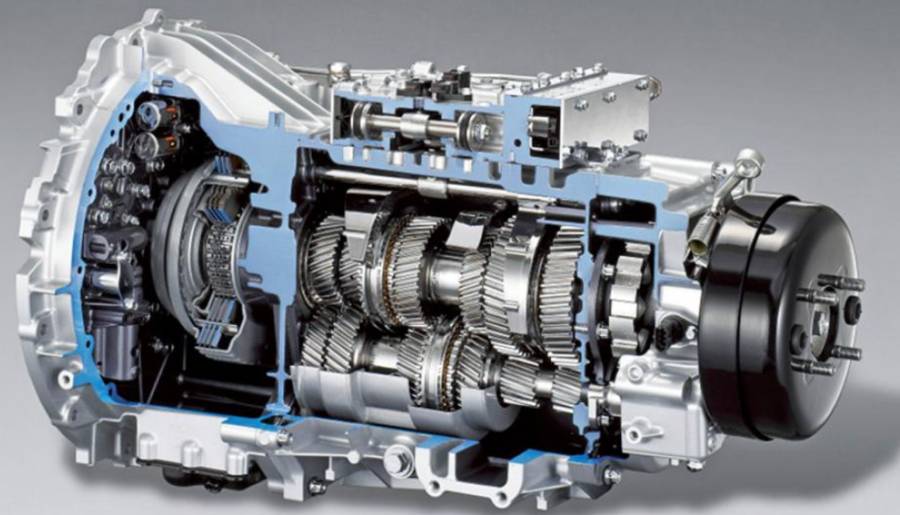
What Are the Best 6L80 Transmission Upgrades?
The five best 6L80 transmission upgrades are a reinforced torque converter, upgraded clutch packs, valve body improvements, an auxiliary transmission cooler, and optimized transmission control module (TCM) tuning. Each upgrade targets a different aspect of transmission operation, including torque transfer, clutch holding capacity, hydraulic pressure, heat management, and shift control. The most effective combination depends on the transmission’s condition, engine output, and intended vehicle use.
| Upgrade | Primary benefit | Best application |
|---|---|---|
| Upgraded torque converter | Improves lockup clutch durability and torque transfer | Daily driving, towing, performance builds |
| Performance clutch packs | Increases friction capacity when properly configured | High-torque applications and rebuilds |
| Valve body upgrades | Corrects hydraulic wear and improves pressure regulation | Transmissions with hydraulic control issues |
| Auxiliary transmission cooler | Helps control transmission fluid temperature | Towing and sustained heavy loads |
| TCM tuning | Adjusts shift scheduling and torque management | Modified engines and upgraded transmissions |
An upgraded torque converter is a priority when converter clutch durability is a concern. The 6L80 uses a torque converter clutch (TCC) to reduce slip during lockup operation. Repeated clutch slip under demanding conditions generates heat and accelerates friction material wear. A properly matched aftermarket converter with improved clutch construction can withstand greater operating demands, while an unsuitable converter may introduce drivability problems or excessive heat.
Performance clutch packs and valve body improvements address different parts of the same hydraulic operating system. Clutch packs transmit torque through friction elements, while the valve body directs pressurized automatic transmission fluid (ATF) to apply and release those elements. Upgraded friction materials and properly configured clutch clearances can improve torque capacity. Valve body repairs, including pressure regulator and worn-bore corrections, help maintain consistent clutch application. Installing stronger clutches without correcting hydraulic pressure problems does not resolve the underlying cause of slippage.
Cooling upgrades and TCM calibration support the mechanical components. An auxiliary cooler increases heat rejection when the original cooling system cannot maintain suitable operating temperatures under load. TCM tuning adjusts transmission behavior through shift scheduling, torque management, and converter clutch control. These modifications are most effective when matched to the vehicle’s mechanical configuration rather than used to compensate for worn internal components.
Why Should You Upgrade a 6L80 Transmission?
Upgrading a 6L80 transmission improves its ability to handle demanding operating conditions and addresses known component weaknesses, particularly those involving torque converter clutch wear, hydraulic pressure loss, friction element deterioration, and excessive heat. The 6L80 is designed to operate within specific torque and thermal limits, but towing, increased engine output, repeated heavy acceleration, and accumulated component wear can place additional stress on its internal assemblies.
One important concern is torque converter clutch deterioration. The converter clutch operates under controlled slip conditions during certain driving situations. As its friction material deteriorates, clutch engagement can become inconsistent, producing shudder or excessive slip. Friction debris from a failing converter can circulate through the transmission fluid and contaminate hydraulic passages, solenoids, and other internal components. Replacing a damaged converter and addressing contamination is therefore important before installing additional performance upgrades.
Hydraulic pressure loss and clutch wear are additional reasons to consider a 6L80 upgrade during a rebuild. The transmission relies on precisely controlled hydraulic pressure to engage clutch assemblies, including the 3-5-R and 4-5-6 clutches. Wear in valve body passages, damaged sealing components, or deteriorated friction plates can interfere with clutch application. Inadequate holding pressure allows clutch elements to slip, generating heat and accelerating friction material damage. Appropriate hydraulic repairs and upgraded clutch components can improve durability when installed with the correct clearances and pressure characteristics.
Transmission temperature also influences long-term reliability. Excessive heat accelerates ATF degradation and increases stress on friction materials and sealing components. Vehicles that tow heavy trailers, operate in high ambient temperatures, or produce substantially more torque than their original configuration may benefit from additional cooling capacity. However, an auxiliary cooler cannot repair existing mechanical damage or correct insufficient hydraulic pressure.
Not every 6L80 requires performance upgrades. A properly functioning transmission in a stock daily-driven vehicle may only need scheduled maintenance and repairs based on its actual condition. Upgrades become more relevant when the vehicle’s operating demands exceed its original configuration or when a transmission rebuild provides an opportunity to address identified weaknesses. Diagnostic testing, fluid inspection, transmission temperature data, and evaluation of shift behavior should guide the upgrade decision.
What Are the Best Torque Converter Upgrades for the 6L80?
The best torque converter upgrades for the 6L80 include reinforced torque converter clutch assemblies, billet converter components, and application-specific stall speed configurations. These modifications improve converter durability, torque transfer, and power delivery when properly matched to the engine and transmission. A suitable upgrade must account for engine torque, vehicle weight, driving conditions, and transmission control calibration.
The 6L80 uses a torque converter to transfer engine power to the transmission through a hydraulic coupling. Its internal lockup clutch, known as the torque converter clutch (TCC), creates a mechanical connection between the engine and transmission during appropriate operating conditions. This reduces converter slip and improves drivetrain efficiency. However, repeated controlled-slip operation, elevated fluid temperatures, and increased engine torque can accelerate friction material deterioration. A reinforced lockup clutch with appropriate friction material and apply capacity addresses these durability concerns.
An upgraded multi-disc lockup converter is an option for 6L80 applications that place greater demands on the TCC. Multi-disc designs use multiple friction interfaces to distribute the torque load across a larger effective friction area. This arrangement can increase holding capacity when combined with suitable clutch materials, apply pressure, and converter construction. However, multi-disc converters are not automatically superior for every vehicle. Clutch engagement characteristics, converter efficiency, and compatibility with the transmission’s lockup strategy must also be considered.
Converter selection also affects transmission heat generation and drivability. A converter with inappropriate stall characteristics may generate excessive slip during low-speed operation, while an overly aggressive lockup configuration can produce harsh engagement or vibration. For this reason, converter upgrades should be selected as part of the complete drivetrain configuration rather than according to advertised torque capacity alone.
Is a Billet Torque Converter Worth It for a 6L80?
A billet torque converter is worth considering for a 6L80 used in high-torque, towing, or performance applications when its reinforced construction addresses the vehicle’s operating demands. Billet components are machined from solid metal stock and can provide improved structural rigidity compared with certain conventional stamped or cast components. Their value depends on which converter components use billet construction and how the complete assembly is engineered.
Billet front covers are a common feature of performance torque converters. The front cover supports the lockup clutch assembly and must withstand the mechanical forces generated during clutch engagement. Under demanding conditions, cover deflection can affect clutch contact and apply characteristics. A properly engineered billet cover can provide greater resistance to deformation, helping maintain consistent clutch engagement under increased torque loads.
However, a billet cover does not automatically increase the torque capacity of the entire converter. Lockup clutch friction material, piston design, damper construction, internal bearings, and assembly quality also influence durability. For example, a converter with a reinforced cover but inadequate clutch holding capacity can still experience lockup slip when subjected to excessive torque. Converter specifications must therefore be evaluated as a complete system.
For a stock 6L80 used primarily for commuting, a quality replacement converter with appropriate lockup clutch construction may provide sufficient reliability without the additional expense of a billet performance unit. A modified truck or high-output performance vehicle places different demands on the converter and may justify stronger construction. The decision should be based on expected torque loading, converter clutch requirements, and the manufacturer’s documented application specifications.
What Stall Speed Is Best for a 6L80 Transmission?
The best stall speed for a 6L80 transmission depends on the engine’s torque curve, camshaft characteristics, vehicle weight, axle gearing, and intended driving application. There is no universal stall speed that delivers optimal performance for every 6L80-equipped vehicle. A stock engine generally benefits from converter characteristics close to its original calibration, while a modified engine with a higher-RPM powerband may require a higher-stall converter.
Stall speed describes the approximate engine speed reached when a torque converter is heavily loaded while the turbine is held stationary. Actual stall behavior varies with engine torque and converter design, meaning the same converter can exhibit different stall characteristics behind different engines. A higher-stall converter allows the engine to reach a higher RPM range before transferring substantial torque under heavy load, which can improve acceleration when the engine produces its strongest torque at elevated speeds.
For daily driving and towing, a relatively tight converter with controlled low-speed slip is generally preferable to an unnecessarily high-stall design. Excessive converter slip increases heat generation and can reduce efficiency during demanding low-speed operation. A truck that regularly pulls heavy trailers requires predictable torque delivery, suitable thermal capacity, and stable lockup behavior. Converter selection must also account for the vehicle’s gross weight, tire diameter, and axle ratio.
Performance vehicles with aftermarket camshafts or engines that produce peak torque at higher RPM may benefit from increased stall speed. For example, a naturally aspirated engine with a large camshaft may produce limited low-RPM torque and require a looser converter to improve launch performance. In contrast, a supercharged engine producing substantial torque at lower RPM may require a different converter configuration even when both vehicles have similar peak horsepower.
Stall speed selection must also be coordinated with TCM calibration, torque converter clutch engagement strategy, and transmission cooling capacity. An aftermarket converter can change the relationship between engine speed, turbine speed, and vehicle acceleration. Incorrect calibration may cause undesirable lockup behavior, excessive slip, or inconsistent shift quality. Before purchasing a converter, vehicle owners should confirm its compatibility with the specific 6L80 application and obtain stall-speed recommendations based on actual engine and vehicle specifications.
Which Internal 6L80 Transmission Upgrades Improve Durability?
The most effective internal 6L80 transmission upgrades include high-performance clutch packs, improved friction materials, reinforced clutch apply components, upgraded sealing components, and stronger planetary gearsets when required by the application. These modifications improve the transmission’s ability to transfer engine torque, maintain clutch engagement, and withstand repeated mechanical loads. However, their effectiveness depends on correct hydraulic pressure, clutch clearance, component compatibility, and assembly quality.
The 6L80 uses multiple planetary gearsets and hydraulically applied clutch assemblies to produce six forward gear ratios and reverse. Each gear ratio requires a specific combination of engaged friction elements to transmit torque through the transmission. When engine output increases, the clutch assemblies and supporting mechanical components experience greater loading. Insufficient clutch holding capacity can cause friction elements to slip, generating heat and accelerating wear. Internal upgrades address these limitations by improving friction performance, maintaining consistent clutch application, and strengthening components exposed to elevated torque.
The 3-5-R and 4-5-6 clutch assemblies are important areas to inspect during a 6L80 performance rebuild. The 3-5-R clutch participates in third gear, fifth gear, and reverse operation, while the 4-5-6 clutch operates in fourth, fifth, and sixth gears. Damage to these assemblies can affect multiple gear ranges rather than a single shift. Upgraded friction plates, properly matched steel plates, and suitable sealing components can improve durability when the underlying hydraulic system operates correctly. Clutch pack upgrades must also maintain the manufacturer’s required dimensional relationships and apply characteristics.
Internal durability also depends on mechanical components beyond the friction assemblies. Planetary gearsets, shafts, bearings, bushings, and thrust components must withstand the forces transmitted through the geartrain. Increased engine torque, repeated aggressive launches, and existing lubrication problems can accelerate wear or expose mechanical weaknesses. A comprehensive rebuild should therefore include inspection of the complete power flow path rather than focusing exclusively on clutch capacity.
Are Upgraded Clutch Packs Worth Installing in a 6L80?
Upgraded clutch packs are worth installing in a 6L80 when increased engine torque, demanding operating conditions, or an existing rebuild justify additional friction capacity and durability. Performance clutch assemblies use friction materials and component configurations designed for specific load and temperature requirements. Their purpose is to maintain reliable torque transfer during clutch engagement without excessive slip or premature friction deterioration.
Clutch holding capacity depends on several interacting factors, including friction coefficient, effective friction area, applied hydraulic force, and the number of active friction interfaces. Increasing friction capacity can improve torque handling, but simply adding friction plates does not guarantee a stronger transmission. The clutch housing, piston travel, available apply pressure, and required clearance determine whether a particular configuration can operate correctly. An improperly assembled clutch pack may drag when released or slip when applied, even when it contains upgraded friction materials.
High-energy friction materials are particularly relevant to performance-oriented 6L80 rebuilds. These materials are engineered to operate under demanding engagement conditions, but their performance depends on the complete clutch system. Friction material selection must account for ATF compatibility, heat generation, surface characteristics, and the intended shift strategy. For example, a clutch pack designed for aggressive performance applications may have different engagement characteristics from an original-equipment assembly intended for smooth daily driving. The correct choice balances holding capacity, thermal resistance, and acceptable shift behavior.
The 3-5-R clutch assembly deserves attention when rebuilding a 6L80 with evidence of slipping or friction damage in its associated gear ranges. Replacing damaged friction plates without correcting worn sealing components, inadequate apply pressure, or valve body leakage can allow the same failure to occur again. A reliable rebuild includes inspection of clutch pistons, seals, related hydraulic circuits, and mating components. Clutch clearances must be measured and adjusted according to the specifications for the particular assembly and upgrade kit.
For stock vehicles with healthy clutch assemblies, replacing functional friction components solely for increased advertised capacity may offer limited practical benefit. Performance clutch packs become more valuable when combined with appropriate hydraulic repairs, converter selection, and calibration for higher-torque applications. The strongest clutch material cannot compensate for insufficient apply pressure or excessive heat caused by another transmission fault.
When Should 6L80 Planetary Gearsets Be Upgraded?
6L80 planetary gearsets should be upgraded when inspection reveals mechanical damage or when the intended torque and operating loads exceed the capability of the existing geartrain components. Planetary assemblies distribute engine torque through sun gears, planet gears, and ring gears to produce the transmission’s gear ratios. Their durability depends on gear tooth strength, bearing condition, lubrication, alignment, and the loads transmitted during acceleration and shifting.
A planetary gearset experiences substantial mechanical loading when the transmission transfers torque through its internal geartrain. Higher engine output increases the forces acting on gear teeth and supporting components, while repeated hard launches and abrupt torque changes can create additional stress. Worn bearings, damaged gear teeth, excessive component clearance, or inadequate lubrication can further reduce durability. These conditions require mechanical inspection rather than assuming that a stronger clutch pack will protect the entire transmission.
Reinforced planetary components are most relevant to heavily modified performance vehicles and specialized transmission builds. A vehicle producing substantially more torque than its original configuration may require additional hard-part strength, particularly when subjected to repeated high-load acceleration. However, a planetary upgrade must be compatible with the transmission’s geartrain configuration, shaft interfaces, lubrication requirements, and related components. Installing a stronger individual component does not eliminate the possibility of failure elsewhere in the transmission.
For a daily-driven 6L80 operating near its original power level, replacing worn or damaged planetary components with correctly specified quality parts is generally more appropriate than installing specialized racing components. A transmission builder should inspect gear teeth, bearings, thrust surfaces, and supporting shafts before determining whether replacement or reinforcement is necessary.
Internal upgrades deliver the greatest reliability improvement when clutch capacity, hydraulic control, and mechanical strength are matched to the same operating requirements. A transmission equipped with stronger friction plates but worn hydraulic components remains vulnerable to clutch slippage. Likewise, reinforced planetary gearsets do not prevent converter clutch deterioration or overheating. Effective 6L80 durability upgrades require the internal assemblies to function as a coordinated mechanical and hydraulic system.
How Do 6L80 Valve Body Upgrades Improve Shifting?
6L80 valve body upgrades improve shifting by restoring hydraulic pressure control, reducing internal fluid leakage, and maintaining consistent clutch engagement. The most important improvements involve pressure regulator valve repairs, worn valve bore corrections, sealing upgrades, and application-specific shift kits. These modifications address hydraulic problems that contribute to delayed engagement, inconsistent shift timing, clutch slippage, and harsh gear changes.
The 6L80 valve body controls the distribution of automatic transmission fluid (ATF) to the clutch assemblies responsible for selecting gear ratios. Its hydraulic circuits work alongside electronically controlled solenoids and the Transmission Electro-Hydraulic Control Module (TEHCM) to regulate clutch application and release. When valve bores wear or sealing surfaces deteriorate, internal fluid leakage can reduce the pressure available to operate specific clutch circuits. Insufficient apply pressure allows friction elements to slip during engagement, generating heat and accelerating clutch wear. Correcting these hydraulic losses helps restore predictable clutch operation.
Pressure regulator valve and valve bore repairs are among the most relevant hydraulic upgrades for a worn 6L80. The pressure regulation system controls the hydraulic supply needed for transmission operation. Wear in the regulator valve bore can interfere with pressure stability, while leakage in other control circuits can affect individual clutch applications. Aftermarket repair components from manufacturers such as Sonnax and TransGo address selected hydraulic wear conditions, although the correct repair depends on the valve body version and diagnosed failure. Oversized valves, replacement sleeves, and specialized sealing components must be installed according to their specific machining and assembly requirements.
Shift kits provide another approach to improving hydraulic operation. A properly selected 6L80 shift kit may modify pressure regulation, improve circuit sealing, or address known hydraulic control weaknesses. However, a shift kit does not automatically make every shift faster or improve the condition of worn clutch packs. Its effectiveness depends on the modifications included and the transmission’s existing condition. Some kits focus on restoring original hydraulic performance, while others are intended to support higher-torque applications. Incorrect installation or unsuitable hydraulic changes can produce harsh engagement, excessive clutch loading, or inconsistent shifting.
Valve body upgrades must also be coordinated with electronic transmission control. The 6L80 uses adaptive shift strategies that adjust clutch operation based on operating conditions and learned transmission behavior. Mechanical changes that affect hydraulic response can alter the relationship between commanded pressure and actual clutch engagement. Appropriate diagnostic procedures, calibration verification, and transmission adaptation procedures are therefore important after substantial hydraulic repairs or modifications. Electronic tuning should support correct mechanical operation rather than compensate for unresolved pressure leakage.
The best 6L80 valve body upgrade is the repair or modification that addresses a verified hydraulic limitation. For example, a transmission exhibiting delayed engagement and abnormal clutch slip requires inspection of fluid condition, pressure control, clutch integrity, and related hydraulic circuits before selecting a repair kit. A transmission operating correctly under stock engine output may not benefit from aggressive shift modifications. For higher-torque builds, properly restored hydraulic circuits and compatible calibration help upgraded clutch assemblies maintain consistent holding capacity.
How Can You Improve 6L80 Transmission Cooling?
6L80 transmission cooling can be improved by installing a properly sized auxiliary transmission cooler, maintaining the factory cooling circuit, using the specified ATF, and monitoring operating temperatures under load. These measures reduce the risk of excessive fluid temperatures during towing, heavy acceleration, and prolonged high-load driving. Effective cooling supports torque converter operation, clutch durability, hydraulic stability, and transmission fluid service life.
The 6L80 generates heat through torque converter slip, friction clutch engagement, hydraulic pumping, and internal mechanical losses. The torque converter is a significant heat source when the transmission operates with substantial speed differences between the impeller and turbine. During towing or repeated acceleration, increased torque demand can raise the amount of heat transferred into the ATF. When the cooling system cannot reject heat as quickly as the transmission produces it, fluid temperature rises. Sustained excessive temperatures accelerate fluid oxidation and place additional stress on seals and friction materials.
An auxiliary stacked-plate transmission cooler is a practical upgrade for 6L80-equipped vehicles operating under sustained heavy loads. Stacked-plate coolers use internal fluid passages and external cooling surfaces to transfer heat from the ATF to surrounding air. Their effectiveness depends on cooler size, airflow, fluid flow rate, and installation location. A properly sized cooler mounted where it receives adequate airflow can increase heat rejection capacity, particularly during highway towing and demanding driving conditions. However, an oversized or poorly configured cooling system can create unnecessary pressure restriction or interfere with proper transmission warm-up.
The factory cooling circuit should be inspected before installing additional components. Restricted cooler passages, damaged lines, contaminated heat exchangers, or malfunctioning temperature-control components can reduce cooling performance. Some GM applications use transmission fluid thermal management components that regulate fluid flow according to operating temperature. These systems vary by vehicle and production year, so any modification must be compatible with the specific cooling arrangement. Removing or bypassing thermal management components without evaluating the complete system can create unintended operating problems.
Maintaining the correct transmission fluid is equally important for 6L80 thermal management. ATF transfers heat, lubricates internal components, and provides the hydraulic medium required for clutch operation. Fluid viscosity and friction characteristics influence shift quality and torque converter clutch behavior. The 6L80 requires fluid meeting the applicable GM specification, with DEXRON-VI being the specified fluid for standard 6L80 applications. Fluid level must also be checked using the correct temperature-dependent procedure. Incorrect fluid level, contaminated ATF, or unsuitable fluid can contribute to hydraulic instability and increased transmission wear.
Transmission temperature monitoring helps determine whether cooling improvements are necessary. There is no single ideal operating temperature that applies to every 6L80 installation, because temperature varies with vehicle configuration, ambient conditions, driving load, and cooling-system design. The most useful approach is to monitor transmission fluid temperature through compatible diagnostic equipment and compare the readings with the applicable vehicle service information. Repeated temperature increases during towing, especially when accompanied by converter slip or abnormal shifting, indicate that the cooling system and transmission operation require further evaluation.
Cooling upgrades also have limitations. An auxiliary cooler can reduce operating temperatures when additional heat rejection is needed, but it cannot correct a slipping clutch, damaged torque converter, or hydraulic pressure loss. These problems may continue generating excessive heat even after cooling capacity increases. For reliable operation, cooling improvements should complement properly functioning internal components, suitable converter selection, and correct transmission calibration.
For daily driving, maintaining the original cooling system in good condition is the first priority. Vehicles used for frequent towing or sustained high-load operation may benefit from additional cooling capacity after their actual operating temperatures and cooling-system configuration have been evaluated. High-performance builds should consider transmission cooling as part of the complete drivetrain package, particularly when converter characteristics and increased engine torque create additional thermal demands.
Can Tuning Improve 6L80 Transmission Performance?
TCM tuning can improve 6L80 transmission performance by optimizing shift scheduling, torque management, torque converter clutch operation, and transmission response to engine load. Proper calibration helps the transmission use its available mechanical capacity more effectively, particularly when engine modifications or upgraded internal components change the vehicle’s operating requirements. However, tuning does not increase the physical strength of clutch packs, planetary gearsets, or other transmission components.
The 6L80 uses a Transmission Control Module (TCM), integrated into the Transmission Electro-Hydraulic Control Module (TEHCM), to coordinate electronic commands with hydraulic operation. The control system processes operating information such as engine load, throttle position, transmission speed, and fluid temperature to determine shift timing and clutch application behavior. During gear changes, the transmission also coordinates with the engine control system to manage torque delivery. Appropriate calibration changes can improve shift consistency and reduce unnecessary clutch slip when the mechanical transmission is functioning correctly.
Shift scheduling is one of the most noticeable areas affected by 6L80 tuning. The factory calibration balances acceleration, fuel efficiency, emissions requirements, and everyday drivability. Performance-oriented calibration can adjust upshift and downshift points to better match an engine’s torque curve. For example, a modified engine that develops peak power at higher RPM may benefit from revised wide-open-throttle shift points. However, increasing shift RPM without considering engine power characteristics and transmission operating limits does not necessarily improve acceleration.
Torque management calibration also influences transmission durability. During certain shifts, the engine control system temporarily reduces delivered torque to help the transmission complete clutch transitions. This reduces the load placed on friction elements while one clutch releases and another applies. Reducing torque management excessively can increase stress on clutch assemblies, shafts, and planetary components, especially in vehicles producing more torque than the original powertrain configuration. A properly developed calibration balances shift response with controlled torque delivery rather than simply eliminating factory protection strategies.
Torque converter clutch calibration is another important consideration. The TCM controls when the converter clutch applies, releases, and operates with commanded slip. After installing a performance torque converter, the original lockup strategy may not suit the replacement converter’s clutch design or operating characteristics. Calibration adjustments may be necessary to manage engagement timing and reduce unwanted slip. Incorrect lockup commands can produce shudder, harsh engagement, or excessive heat, even when the converter itself is mechanically sound.
TCM tuning is most valuable when it supports a verified mechanical upgrade or a specific drivability objective. A stock 6L80 with no mechanical problems does not automatically require aftermarket calibration. Vehicles equipped with modified engines, upgraded converters, or performance clutch assemblies may benefit from calibration developed for their exact configuration. Changes should be performed using compatible tuning equipment, followed by diagnostic verification of shift behavior, converter slip, and transmission temperature. Required adaptation or relearn procedures should follow the applicable service information.
Which 6L80 Transmission Upgrades Are Best for Your Driving Needs?
The best 6L80 transmission upgrades depend on whether the vehicle is used for daily driving, towing, or high-horsepower performance. Daily-driven vehicles benefit primarily from reliable converter operation and consistent hydraulic control. Towing applications place greater emphasis on heat management and sustained torque transfer, while high-horsepower builds require coordinated improvements to clutch capacity, converter construction, hydraulic operation, and electronic calibration.
| Driving application | Priority upgrades | Primary objective |
|---|---|---|
| Daily driving | Quality torque converter, hydraulic repairs when needed, cooling-system maintenance | Reliability and smooth shifting |
| Towing | Suitable torque converter, additional cooling when required, hydraulic system improvements | Thermal stability and durability under load |
| High-horsepower builds | Performance converter, upgraded clutch packs, hydraulic modifications, TCM calibration | Increased torque capacity and consistent power transfer |
What 6L80 Upgrades Are Best for Daily Driving?
The best 6L80 upgrades for daily driving are a durable replacement torque converter, appropriate hydraulic repairs, and a properly maintained transmission cooling system. These improvements prioritize predictable shifting, efficient torque transfer, and long-term component durability rather than maximum performance. A stock vehicle with a healthy transmission generally does not require a complete performance rebuild.
Torque converter reliability deserves attention when an existing converter shows signs of clutch deterioration or when the transmission is already being rebuilt. A quality replacement converter with suitable lockup clutch construction can restore dependable engagement without substantially changing factory driving characteristics. For daily use, converter selection should preserve appropriate low-speed response, smooth clutch engagement, and compatibility with the original calibration. An unnecessarily high-stall converter can increase slip and heat generation during ordinary driving.
Hydraulic system condition is equally important. Worn valve bores, leaking seals, or pressure regulation problems can cause inconsistent clutch application even when the friction elements remain serviceable. Correcting these faults during a rebuild helps restore shift quality and reduces the risk of additional clutch damage. However, installing aggressive shift modifications into an otherwise healthy daily-driven transmission may introduce unnecessary harshness without providing a meaningful reliability advantage.
Routine maintenance should remain the foundation of daily-driving reliability. Correct ATF, proper fluid level, functioning cooling components, and timely diagnosis of abnormal shifting help protect the transmission. For example, a Silverado used primarily for commuting and occasional light hauling generally benefits more from maintaining the original cooling system and correcting identified wear than from installing racing-oriented planetary gearsets or a high-stall converter.
What 6L80 Upgrades Are Best for Towing?
The best 6L80 transmission upgrades for towing are improved transmission cooling, a torque converter suited to sustained load, and hydraulic components that maintain consistent clutch application. Towing increases drivetrain load, particularly during acceleration, hill climbing, and operation in hot weather. These conditions can increase converter slip, fluid temperature, and the mechanical stress placed on internal transmission components.
An auxiliary transmission cooler is a practical option when operating-temperature data indicates that the original cooling system lacks sufficient heat rejection capacity. A properly sized stacked-plate cooler can improve ATF temperature control during prolonged towing. Cooler selection must account for airflow, fluid restriction, the existing heat exchanger, and any factory thermal management system. Additional cooling capacity should not interfere with proper transmission warm-up or the manufacturer’s required fluid-temperature operating conditions.
Torque converter selection also affects towing performance. A converter with appropriate low-speed coupling characteristics and durable lockup clutch construction is generally better suited to towing than an unnecessarily loose, high-stall performance converter. Excessive converter slip generates heat and can reduce efficiency when moving heavy loads. A properly matched converter provides predictable torque transfer while supporting controlled lockup operation under suitable driving conditions.
Hydraulic integrity becomes particularly important when the transmission operates under sustained torque demand. Pressure loss from worn valve body components or damaged seals can reduce clutch holding capacity and accelerate friction deterioration. Correcting these weaknesses helps the transmission maintain reliable engagement during demanding operation. TCM calibration should also preserve appropriate torque management and converter clutch behavior rather than prioritizing aggressive shifts.
For example, a GMC Sierra used to tow a travel trailer through mountainous terrain places different demands on its transmission than the same truck used for unloaded highway commuting. The towing vehicle experiences sustained load during climbs and may require additional thermal management. However, transmission upgrades do not increase the vehicle manufacturer’s rated towing capacity. Engine cooling, braking performance, axle ratings, suspension, and the vehicle’s gross combined weight rating remain independent operating limits.
What 6L80 Upgrades Are Best for High-Horsepower Builds?
The best 6L80 upgrades for high-horsepower builds include a performance torque converter, increased clutch holding capacity, hydraulic system improvements, stronger internal components where necessary, and application-specific TCM tuning. These modifications address the higher torque loads and more demanding shift conditions associated with modified engines. The complete upgrade package must be selected according to actual engine torque, vehicle weight, traction, and intended performance use.
A performance torque converter is an important starting point because it directly influences engine loading, launch characteristics, and lockup clutch durability. Engines equipped with aggressive camshafts may require higher stall characteristics to operate effectively within their powerband. Supercharged or turbocharged engines can place different demands on the converter because of their torque delivery characteristics. Reinforced converter construction and increased lockup clutch capacity may be appropriate, but the converter must also match the engine’s torque curve and the vehicle’s operating requirements.
Upgraded clutch packs improve torque handling when friction capacity and hydraulic apply force are correctly matched. Higher engine torque increases the load transmitted through the 6L80’s clutch assemblies during acceleration and gear changes. Performance friction materials, suitable clutch configurations, and accurately measured clearances help maintain holding capacity under demanding conditions. However, friction upgrades alone cannot prevent clutch slip when worn valve body components or internal leakage reduce available apply pressure.
Hydraulic modifications should therefore support the upgraded friction assemblies. Pressure regulator repairs, appropriate valve body components, and improved sealing can help maintain consistent clutch application. More aggressive hydraulic calibration is not automatically better because excessive apply pressure or poorly controlled clutch transitions can increase mechanical shock. The objective is reliable torque transfer with appropriate clutch engagement timing.
Planetary gearsets, shafts, bearings, and other hard parts also require evaluation in high-output builds. Repeated hard launches, increased traction, and substantial torque multiplication can place significant loads on these components. Reinforced hard parts may be justified when the original components cannot reliably support the intended application. However, a universal horsepower rating cannot accurately define the strength of every 6L80 build, because actual durability depends on torque delivery, vehicle mass, traction, component condition, and assembly specifications.
Finally, TCM tuning connects the mechanical upgrades to the vehicle’s operating strategy. Shift scheduling, torque management, clutch pressure control, and converter lockup behavior must be calibrated for the upgraded drivetrain. A high-horsepower 6L80 with stronger clutches and a reinforced converter can still experience premature wear when its calibration produces excessive clutch slip or uncontrolled torque loading. A properly engineered performance build treats the transmission as an integrated hydraulic, mechanical, and electronic system rather than a collection of independent aftermarket parts.
How Much Do 6L80 Transmission Upgrades Cost?
6L80 transmission upgrade costs depend on the components being replaced, the condition of the existing transmission, and the labor required for installation. External upgrades, such as an auxiliary transmission cooler, generally cost less than internal modifications involving clutch packs, valve body repairs, or a complete performance rebuild. The total expense also varies according to vehicle configuration, aftermarket component quality, and local transmission shop labor rates.
The following table provides approximate U.S. budget ranges for common 6L80 upgrades. These are planning estimates rather than verified current supplier quotations.
| 6L80 upgrade | Estimated parts cost (USD) | Installation considerations |
|---|---|---|
| Auxiliary transmission cooler | $75–$300 | External installation; additional lines and fittings may be required |
| Valve body repair components | $75–$350 | Labor varies with repair scope and machining requirements |
| Performance clutch components | $250–$700 | Requires transmission disassembly |
| Upgraded torque converter | $500–$1,500+ | Requires transmission removal |
| TCM calibration | $300–$800 | May require tuning licenses and specialized equipment |
| Performance transmission rebuild | $3,000–$6,500+ | Scope varies with internal damage and upgraded components |
Torque converter upgrades represent a significant expense because installation requires removing the transmission from the vehicle. Although the converter itself may cost several hundred dollars or more, labor, transmission fluid, seals, and related service procedures increase the final bill. When a failing converter has contaminated the transmission with friction material or metal debris, additional cleaning, inspection, and component replacement may be necessary. Replacing the converter without addressing contamination can lead to repeated hydraulic or mechanical problems.
Internal clutch upgrades become more economical when performed during an already necessary transmission rebuild. The transmission must be disassembled to access the clutch assemblies, making labor a substantial part of the total cost. Installing performance friction components during a rebuild may avoid paying for the same disassembly work twice. However, the final price depends on the condition of the clutch drums, pistons, planetary components, pump, and hydraulic circuits.
A complete performance rebuild is generally the most expensive option because it combines internal parts, specialized labor, inspection, and assembly procedures. A rebuild designed for increased torque may include a reinforced converter, upgraded friction components, hydraulic repairs, replacement seals, and calibration adjustments. The cost increases when damaged hard parts require replacement or the intended application demands specialized components.
Before selecting an upgrade package, vehicle owners should request an itemized estimate separating parts, labor, fluid, machining, and calibration. The estimate should also specify warranty coverage and whether the transmission shop has included inspection of the converter, valve body, cooling circuit, and internal components. Comparing the complete installed cost provides a more accurate basis for choosing between targeted upgrades and a full rebuild.
Which Vehicles Are Compatible With 6L80 Transmission Upgrades?
6L80 transmission upgrades are compatible with selected Chevrolet, GMC, Cadillac, and Pontiac vehicles equipped with the GM 6L80 six-speed automatic transmission. Common applications include the Chevrolet Silverado 1500, GMC Sierra 1500, Chevrolet Camaro SS, Chevrolet Corvette, Chevrolet Tahoe, and GMC Yukon. However, compatibility depends on the transmission’s production year, internal configuration, drivetrain layout, and electronic control system rather than the vehicle model alone.
The following table identifies representative 6L80-equipped vehicle applications. Model-year ranges are approximate and apply only to configurations originally fitted with the 6L80.
| Vehicle | Representative model years | Application |
|---|---|---|
| Chevrolet Silverado 1500 | 2009–2021, select configurations | Pickup truck |
| GMC Sierra 1500 | 2009–2021, select configurations | Pickup truck |
| Chevrolet Camaro SS | 2010–2015 | Performance coupe |
| Chevrolet Corvette | 2006–2014 | Sports car |
| Chevrolet Tahoe | 2009–2020, select configurations | Full-size SUV |
| GMC Yukon | 2009–2020, select configurations | Full-size SUV |
| Chevrolet Suburban | 2009–2020, select configurations | Full-size SUV |
| Pontiac G8 GT | 2008–2009 | Performance sedan |
The transmission identification code is the first compatibility requirement when selecting 6L80 upgrades. General Motors identifies the 6L80 with the MYC regular production option (RPO) code. Vehicles from the same model year may use different transmissions depending on engine, trim, and drivetrain configuration. For example, certain Chevrolet Silverado 1500 models were available with six-speed, eight-speed, or ten-speed automatic transmissions. Owners should verify the transmission using the vehicle’s VIN, build information, and applicable service documentation before ordering upgrade components.
Internal compatibility also varies between 6L80 production versions. Torque converters must match the engine’s mounting arrangement, converter hub, transmission input interface, and intended operating characteristics. Clutch packs and hydraulic repair components must match the relevant internal assembly and valve body configuration. A repair kit designed for one valve body version should not be assumed to fit another simply because both transmissions carry the 6L80 designation.
Electronic compatibility is particularly important when replacing or upgrading the TEHCM. The integrated control system must communicate correctly with the vehicle’s engine controller and other electronic modules. Depending on the application and replacement procedure, programming, calibration verification, or transmission adaptive learning procedures may be required. A mechanically compatible transmission component does not guarantee that its electronic controls will operate correctly in a different vehicle.
The 6L80 should also be distinguished from the heavier-duty 6L90 transmission. Although both belong to GM’s 6L transmission family and share design characteristics, they are not universally interchangeable. For example, the Chevrolet Camaro SS used the 6L80 in applicable automatic configurations, while the higher-output Camaro ZL1 used the 6L90. Component selection must therefore be based on the exact transmission rather than assuming that parts from the same transmission family are interchangeable.
The safest approach is to confirm the vehicle’s transmission code, production configuration, and aftermarket part number before purchasing upgrades. Manufacturers’ application catalogs and transmission-specific installation instructions should be used to verify fitment. This is especially important for torque converters, internal clutch components, valve body repair kits, and electronic control modules, where incorrect parts can create installation problems or damage the transmission.
Read more: Transmission Fluid Leak When Parked: Causes & Fixes
Can You Install 6L80 Transmission Upgrades Yourself?
You can install certain 6L80 transmission upgrades yourself, including auxiliary transmission coolers and some external cooling components, but internal upgrades generally require professional transmission rebuilding experience. The difficulty depends on whether the modification involves external components, electronic calibration, or complete transmission disassembly. Torque converter replacement, clutch pack installation, valve body machining, and planetary gearset upgrades require specialized procedures that can affect transmission reliability when performed incorrectly.
An auxiliary transmission cooler is one of the more accessible upgrades for experienced DIY mechanics. Installation typically involves mounting the cooler, routing transmission fluid lines, connecting suitable fittings, and verifying that the cooling circuit operates without leaks or excessive restriction. The cooler must receive adequate airflow and remain compatible with the vehicle’s factory heat exchanger and thermal management system. For example, a Silverado owner with appropriate mechanical experience may install an auxiliary stacked-plate cooler without removing the transmission. However, improper hose routing, inadequate fittings, or incorrect fluid levels can cause leaks, overheating, or transmission damage.
Torque converter replacement requires substantially more mechanical work because the transmission must be separated from the engine. The procedure involves supporting the drivetrain, disconnecting related components, removing the transmission, and installing the replacement converter with the correct engagement and mounting clearances. The converter must be fully seated in the transmission pump before installation. Incorrect seating can damage the pump or converter drive components when the transmission is attached to the engine. Appropriate lifting equipment, torque specifications, and vehicle-specific service procedures are essential.
Internal clutch and planetary upgrades require even greater precision. The 6L80 contains multiple clutch assemblies, hydraulic passages, seals, bearings, and geartrain components that must be inspected and assembled in the correct sequence. Rebuilding these assemblies requires measuring clutch clearances, checking component wear, inspecting sealing surfaces, and verifying mechanical operation. Incorrect clutch clearance can cause dragging, delayed engagement, or slipping, while contamination or damaged seals can compromise hydraulic pressure. Specialized holding fixtures, measuring equipment, and detailed transmission service information are necessary for reliable assembly.
Valve body modifications also vary in difficulty. Some repair procedures involve replacing accessible components, while others require precision machining of worn valve bores. Oversized valve installations must follow the repair manufacturer’s specifications because incorrect bore dimensions or surface finishes can create hydraulic leakage or valve sticking. Similarly, TCM calibration requires compatible software, appropriate licensing, and an understanding of transmission control strategies. Incorrect electronic changes can affect shift timing, converter lockup, and torque management.
Professional installation is the safer choice for internal 6L80 upgrades when the installer lacks transmission-specific rebuilding equipment or experience. A qualified transmission builder can inspect related components, identify underlying failure mechanisms, and verify the completed assembly. Professional installation may also provide access to workmanship warranties and post-repair diagnostic testing. DIY work is most appropriate when the procedure, required tools, safety precautions, and compatibility requirements are fully understood.
Is It Better to Upgrade or Replace a 6L80 Transmission?
Upgrading a 6L80 transmission is generally preferable when its main mechanical assemblies remain serviceable or when a planned rebuild can address specific weaknesses. Replacing the transmission is more appropriate when extensive internal damage, widespread contamination, or repair costs make rebuilding the existing unit impractical. The decision depends on transmission condition, vehicle requirements, total installed cost, warranty coverage, and the owner’s long-term performance objectives.
Targeted upgrades provide the most economical approach when the transmission is otherwise functioning correctly. For example, a 6L80-equipped truck that experiences elevated fluid temperatures during towing may benefit from improved cooling without requiring internal modifications. Likewise, a transmission with a diagnosed hydraulic control problem may be repaired through appropriate valve body work when its clutch assemblies and geartrain remain in good condition. These repairs address specific operating limitations while avoiding unnecessary replacement of serviceable components.
A performance rebuild becomes more attractive when the transmission requires major internal repairs or the vehicle produces substantially more torque than its original configuration. During a rebuild, the transmission can be disassembled, inspected, and fitted with upgraded friction components, improved hydraulic parts, and a suitable torque converter. This approach allows the builder to address existing wear while configuring the transmission for the intended application. However, the durability of a performance rebuild depends on component selection, assembly accuracy, hydraulic integrity, and calibration rather than the number of aftermarket parts installed.
A remanufactured transmission offers another option when the existing unit has extensive damage. Remanufacturing generally involves disassembling a transmission, inspecting reusable components, replacing worn or damaged parts, and reassembling the unit according to a defined process. Depending on the supplier, a remanufactured 6L80 may include updated components and warranty coverage. However, a standard remanufactured transmission should not automatically be considered suitable for high-horsepower applications. Its rated operating capability and warranty conditions must match the vehicle’s actual use.
Replacing the transmission with a used unit may reduce the initial purchase cost, but it introduces uncertainty about previous operating conditions and internal wear. A used 6L80 may have accumulated torque converter clutch deterioration, hydraulic wear, or friction damage that is not immediately apparent during installation. Compatibility also requires verification of the transmission configuration, electronic controls, and vehicle application. The lower purchase price should therefore be evaluated against installation labor, possible programming requirements, and the risk of additional repairs.
The following comparison summarizes the most appropriate circumstances for each option.
| Option | Best situation | Main consideration |
|---|---|---|
| Targeted upgrades | Healthy transmission with a specific improvement needed | Does not address unrelated internal wear |
| Performance rebuild | Existing internal damage or increased torque requirements | Requires skilled assembly and matched components |
| Remanufactured transmission | Extensive damage requiring complete replacement | Verify specifications and warranty coverage |
| Used replacement transmission | Budget-limited repair with verified compatible unit | Unknown wear history and potentially limited warranty |
The final decision should be based on a complete transmission diagnosis and a comparison of total installed costs. Diagnostic trouble codes, fluid condition, converter clutch slip data, shift behavior, and evidence of internal contamination help determine whether the existing transmission can be repaired reliably. For example, a 6L80 with a damaged converter and widespread friction debris may require extensive cleaning and internal repairs, making a complete rebuild or remanufactured replacement more practical than converter replacement alone.
Vehicle ownership plans also influence the decision. An owner intending to keep a truck for several years may benefit from a properly documented rebuild that addresses existing weaknesses and supports the vehicle’s operating demands. A performance enthusiast planning substantial engine modifications may prefer a purpose-built transmission with components selected for the expected torque output. Conversely, a stock vehicle requiring extensive repairs may be better served by a compatible remanufactured unit with clearly defined warranty protection.
For most 6L80 owners, the best solution is the least extensive repair or upgrade that reliably addresses the diagnosed problem and supports the vehicle’s intended use. A functioning transmission does not require a performance rebuild solely because aftermarket components are available. When internal damage is substantial or engine torque demands exceed the original configuration, a professionally built upgraded transmission becomes a more appropriate investment.