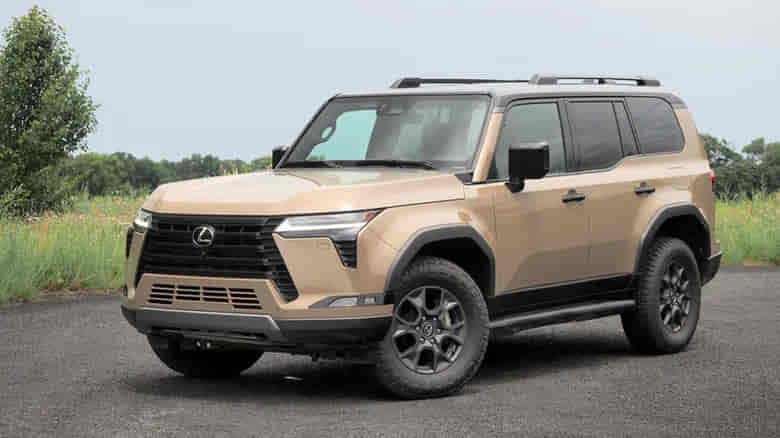
Choosing an SUV with captain seats is about more than adding a premium interior feature. For many families, second-row captain chairs improve everyday comfort, create easier access to the third row, and provide a more spacious cabin for both passengers and child safety seats. As three-row SUVs continue to dominate the family vehicle market, more manufacturers now offer captain seats either as a standard feature or as an optional seating configuration. However, not every SUV includes them, and the availability often depends on the trim level rather than the model itself.
The best SUVs with captain seats range from practical midsize family vehicles like the Honda Pilot and Kia Telluride to full-size models such as the Chevrolet Tahoe and Ford Expedition, as well as luxury SUVs including the BMW X7, Mercedes-Benz GLS, and Cadillac Escalade. While these vehicles share the same seating concept, they differ significantly in passenger capacity, interior flexibility, cargo space, ride comfort, and overall value. Some prioritize maximum seating for large families, while others focus on premium second-row accommodations with heating, ventilation, massage functions, and executive-style comfort.
This guide explains everything you need to know before choosing an SUV with captain seats. You’ll learn how captain chairs differ from traditional bench seats, the advantages and disadvantages of each configuration, which SUVs offer captain seats as standard or optional equipment, and which models provide the best combination of comfort, practicality, and long-term value. By the end of this article, you’ll have a clear understanding of which SUV best fits your family’s needs, budget, and daily driving habits.
What Are Captain Seats in an SUV?
Captain seats are two individual seats installed in the second row of an SUV, replacing the traditional three-person bench seat. Unlike a bench configuration that spans the entire width of the cabin, captain chairs create a center aisle or leave space for a removable center console, depending on the vehicle. This layout transforms the second row into a more comfortable passenger area while making it easier to reach the third row. As consumer demand shifts toward family-friendly SUVs with premium interiors, captain seats have become one of the most desirable seating configurations in the midsize, full-size, and luxury SUV segments.
The defining characteristic of captain seats is their emphasis on individual comfort rather than maximum seating capacity. Because each passenger has a dedicated seat with separate armrests, improved lateral support, and additional shoulder room, long-distance travel becomes significantly more comfortable than sitting on a continuous bench. Many manufacturers also equip captain chairs with premium features such as heating, ventilation, power adjustment, reclining seatbacks, and sliding mechanisms. Higher-end models like the Cadillac Escalade, Mercedes-Benz GLS, and BMW X7 even offer executive-style second-row seating that rivals the comfort traditionally reserved for front-seat occupants.
One of the biggest advantages of captain seats is improved access to the third row. In a conventional three-row SUV with a bench seat, passengers often need to fold or slide part of the second-row bench before climbing into the rear seats. With captain chairs, the open space between the seats creates a natural walkway that allows passengers to move into the third row more easily. This design is particularly valuable for families with children, older adults, or anyone who regularly uses all three seating rows. Even when the second-row seats remain occupied, the center passage often provides a quicker and more convenient route to the back.
Captain seats also improve the overall sense of space inside the cabin. Although the vehicle’s exterior dimensions remain unchanged, separating the second-row seats creates a more open interior environment that reduces the feeling of crowding. Each passenger benefits from dedicated personal space without competing for shoulder or elbow room. This layout is especially appreciated during long road trips, where greater separation between passengers contributes to a quieter and more relaxed travel experience. In SUVs designed for premium family transportation, manufacturers frequently combine captain chairs with panoramic sunroofs, rear climate controls, USB charging ports, and independent entertainment systems to further enhance passenger comfort.
Despite these advantages, captain seats reduce the maximum number of passengers an SUV can accommodate. Replacing a three-person bench with two individual seats typically decreases seating capacity by one. For example, a three-row SUV configured with second-row captain chairs usually seats seven passengers instead of eight, while some luxury models accommodate only six occupants because the third row is also designed for two passengers. This trade-off is an important consideration for buyers who frequently transport large families, sports teams, or groups of adults, where maximizing seating capacity may take priority over individual comfort.
Another difference between captain seats and bench seats involves cargo flexibility and child seat installation. Families with multiple child safety seats often appreciate captain chairs because each seat has its own dedicated mounting position, reducing interference between adjacent child seats. At the same time, the open space between the captain chairs allows easier movement throughout the cabin without removing installed child restraints. However, families who need to secure three children across the second row may find a traditional bench seat more practical because it provides an additional seating position that captain chairs cannot offer.
The growing popularity of captain seats reflects broader changes in consumer preferences rather than a simple design trend. Modern SUV buyers increasingly prioritize comfort, convenience, and premium interior experiences over achieving the highest possible seating capacity. As a result, manufacturers now offer captain chairs across a wider range of vehicles, from mainstream models such as the Honda Pilot, Kia Telluride, Hyundai Palisade, and Toyota Grand Highlander to luxury SUVs like the Lexus TX, Lincoln Navigator, and Audi Q7. In many cases, captain seats are no longer limited to flagship trims but are available as optional configurations across multiple trim levels, giving buyers greater flexibility when selecting their preferred interior layout.
Understanding what captain seats are is essential before comparing specific SUVs because the seating configuration directly influences passenger comfort, cabin accessibility, interior versatility, and overall ownership experience. While every SUV with captain seats follows the same fundamental concept of replacing the second-row bench with two individual chairs, the execution varies considerably between manufacturers. Factors such as seat adjustability, available luxury features, third-row access, and cabin dimensions ultimately determine how comfortable and practical those captain seats are in everyday use.
What Are the Benefits and Drawbacks of SUVs With Captain Seats?
SUVs with captain seats are designed to prioritize passenger comfort and cabin accessibility over maximum seating capacity. For many buyers, especially families who regularly travel with five to seven occupants, this seating configuration creates a more comfortable and practical interior than a traditional second-row bench. However, captain seats also involve trade-offs that affect passenger capacity, cargo flexibility, and long-term usability. Understanding both the advantages and disadvantages helps buyers determine whether this configuration matches their daily driving needs rather than simply choosing it because it appears more luxurious.
The greatest advantage of captain seats is the level of comfort they provide for second-row passengers. Unlike a bench seat, where three occupants share one continuous cushion, captain chairs offer individually sculpted seats with dedicated armrests, improved lumbar support, and greater shoulder room. This design reduces passenger fatigue during long journeys because each occupant has a defined seating position without competing for personal space. Many manufacturers further enhance comfort by offering heated, ventilated, reclining, or power-adjustable captain chairs, allowing second-row passengers to enjoy amenities once reserved almost exclusively for the front seats. In premium SUVs such as the Cadillac Escalade, Lincoln Navigator, and BMW X7, the second row can feel more like a pair of executive lounge seats than conventional passenger seating.
Another significant benefit is easier access to the third row. Three-row SUVs are often purchased because they can carry larger families, but the usefulness of the third row depends heavily on how easily passengers can reach it. Captain seats naturally create a passage between the two second-row chairs, allowing children or adults to walk directly to the rear seats without folding part of the second row every time they enter the vehicle. Even in models where the center gap is relatively narrow, it usually provides a more convenient pathway than climbing over or repeatedly sliding a bench seat forward. Families with grandparents, teenagers, or children who frequently move between seating rows often notice this convenience every day rather than only during long trips.
Captain seats also improve the overall feeling of openness inside the cabin. Although the SUV’s dimensions remain unchanged, separating the second-row seating visually enlarges the passenger compartment by creating more open floor space. Individual seating positions reduce the sense of crowding, particularly when all three rows are occupied. This spacious atmosphere is one reason captain chairs have become increasingly common in premium family SUVs and luxury models. Combined with panoramic glass roofs, ambient lighting, rear climate controls, and larger side windows, captain seats contribute to a cabin environment that feels more refined and relaxing than a traditional three-person bench.
Families with young children often appreciate another practical advantage: easier child seat management. Installing child safety seats on individual captain chairs generally leaves a clear pathway between the seats, making it easier for parents to reach the third row without removing car seats or disturbing sleeping children. The additional space also simplifies helping children fasten seat belts or assisting them when entering and exiting the vehicle. For households using two child seats while still needing regular access to the rear seats, captain chairs frequently provide a more convenient solution than a bench seat.
Despite these advantages, the most obvious drawback is reduced seating capacity. Replacing a second-row bench with two captain chairs typically decreases the total number of seats by one. A midsize SUV that normally accommodates eight passengers may only seat seven when equipped with captain chairs, while certain luxury SUVs drop from seven passengers to six because the third row is configured for only two occupants. Buyers who regularly transport large families, sports teams, coworkers, or extended relatives may find this limitation more significant than the additional comfort offered by individual seating.
Captain seats can also reduce interior flexibility in certain situations. A traditional bench seat provides a continuous seating surface that allows passengers to shift positions when necessary or temporarily accommodate an additional rider in the center seat. Captain chairs eliminate this flexibility by fixing the second row into two individual seating positions. As a result, there is no option to squeeze an extra passenger into the middle during short trips, which may become inconvenient for families whose transportation needs vary from day to day.
Cargo practicality is another consideration. Although captain seats themselves do not directly reduce cargo volume behind the third row, the lower seating capacity means buyers often need to use the third row more frequently when carrying larger groups. Once all passenger seats are occupied, the remaining luggage space in most three-row SUVs becomes relatively limited regardless of whether the vehicle has captain chairs or a bench seat. Families planning long vacations with seven passengers may therefore need rooftop cargo carriers or rear-mounted cargo boxes to compensate for the reduced storage available behind the third row.
Cost is another factor worth evaluating. In many mainstream SUVs, captain seats are not included on the base trim but become available only on higher trim levels or through optional equipment packages. This means buyers may need to spend several thousand dollars more to obtain their preferred seating configuration while also paying for additional luxury features bundled within the same package. Although premium trims often include worthwhile upgrades such as larger infotainment displays, leather upholstery, and advanced driver-assistance technologies, shoppers should confirm whether the added investment aligns with their overall budget rather than focusing solely on the seating layout.
Ultimately, the value of captain seats depends on how an SUV is used. Families with four to six occupants who prioritize comfort, easier third-row access, and a more premium cabin experience generally benefit most from this configuration. Conversely, buyers who frequently need every available seat, maximize passenger capacity, or require the flexibility to carry eight occupants may find a traditional bench seat to be the more practical choice. Neither layout is universally better. Instead, each serves a different purpose, and selecting the right configuration requires balancing comfort, convenience, seating requirements, and long-term ownership needs.
Read more: How to Add Apps to Android Auto
Which SUVs Come With Captain Seats?
Captain seats are no longer exclusive to luxury SUVs. Today, nearly every major manufacturer offers at least one three-row SUV with second-row captain chairs, although availability varies by trim level and market. Some models include captain seats as standard equipment on higher trims, while others allow buyers to choose between captain chairs and a traditional bench seat at no additional cost. Because seating configurations differ significantly across manufacturers, selecting the right SUV requires looking beyond the presence of captain seats and evaluating how they integrate with passenger space, third-row accessibility, cargo capacity, and overall interior design.
Among midsize SUVs, the Honda Pilot remains one of the strongest choices for families seeking versatility. Recent generations offer second-row captain seats on upper trims while retaining an easy-to-use sliding seat mechanism that simplifies access to the third row. Honda also introduced a removable center seat on selected trims, allowing owners to switch between an eight-passenger bench configuration and a seven-passenger captain-seat layout. This flexible design gives the Pilot an advantage over many competitors because buyers are not forced to commit permanently to a single seating arrangement. Combined with generous passenger space, excellent outward visibility, and strong reliability, the Pilot continues to be one of the most practical family SUVs available.
The Kia Telluride has become another benchmark in the midsize segment thanks to its premium interior and thoughtful cabin design. Most mid-level and upper trims are equipped with second-row captain chairs, creating a spacious cabin that rivals considerably more expensive luxury SUVs. The wide opening between the seats makes third-row access straightforward, while the seats themselves provide excellent cushioning and long-distance comfort. Together with high-quality materials, advanced driver-assistance technology, and a quiet cabin, the Telluride delivers one of the most refined second-row experiences in its class without entering the luxury price range.
Similarly, the Hyundai Palisade emphasizes passenger comfort over maximum seating capacity. Captain seats are available across several trims and feature generous padding, reclining seatbacks, and ample legroom for adult passengers. Hyundai’s interior design focuses on creating a premium atmosphere through soft-touch materials, large digital displays, and multiple convenience features for second-row occupants. Families who prioritize comfort during extended road trips often compare the Palisade directly with the Telluride because both vehicles share a platform while offering distinct styling and interior personalities.
Toyota expanded its lineup by introducing the Grand Highlander, a larger alternative to the standard Highlander that provides significantly more third-row space. Captain seats are available on many configurations, allowing buyers to prioritize passenger comfort without sacrificing overall practicality. The Grand Highlander addresses one of the most common criticisms of traditional midsize SUVs by offering a genuinely usable third row for adults, making it an attractive option for larger families that frequently travel with six or seven passengers. Buyers who need additional towing capability can also consider the Toyota Sequoia, whose higher trims include captain chairs alongside a powerful hybrid powertrain and impressive long-distance capability.
The Mazda CX-90 approaches captain seats from a different perspective. Rather than focusing solely on family practicality, Mazda positions the CX-90 as a near-luxury SUV with sophisticated interior craftsmanship and engaging driving dynamics. Higher trim levels feature elegant second-row captain chairs that emphasize premium materials and passenger comfort. Combined with rear-wheel-drive architecture and upscale cabin design, the CX-90 appeals to buyers seeking a more refined driving experience without moving into the price range of traditional luxury brands.
Another strong contender is the Volkswagen Atlas, which offers captain seats on selected trims while maintaining one of the roomiest cabins in the midsize SUV category. The Atlas is particularly well suited for families with teenagers or taller passengers because its third row provides more usable headroom and legroom than many competitors. Even with captain chairs installed, the vehicle retains practical cargo space and a spacious interior that comfortably accommodates long-distance travel.
Moving into the full-size SUV segment, the Chevrolet Tahoe stands out as one of the most popular choices for buyers who require exceptional passenger capacity and towing capability. Captain seats are widely available across multiple trims and complement the Tahoe’s expansive cabin dimensions. Adults can comfortably occupy all three seating rows, while the generous walkway between the second-row seats makes rear access effortless. The longer Chevrolet Suburban builds upon the Tahoe’s strengths by offering substantially more cargo space behind the third row, making it one of the best options for large families who travel with extensive luggage or recreational equipment.
The GMC Yukon shares its platform with the Tahoe and Suburban but introduces additional refinement through premium interior materials and advanced suspension technology. Higher trims equipped with captain seats provide an upscale second-row experience that bridges the gap between mainstream and luxury SUVs. Buyers seeking even greater luxury often move to the Cadillac Escalade, where second-row captain chairs can include heating, ventilation, power adjustment, and executive-style center consoles. In premium configurations, the Escalade transforms the second row into a first-class seating environment while preserving excellent third-row accessibility and class-leading road presence.
Ford’s full-size offering, the Expedition, also provides captain seats on numerous trim levels. Known for its spacious interior and strong towing performance, the Expedition combines wide-opening rear doors, generous second-row legroom, and a flexible seating layout that works well for growing families. Buyers wanting additional luxury can step into the mechanically related Lincoln Navigator, where second-row captain chairs receive premium leather upholstery, massage functions on selected trims, and a quieter cabin that emphasizes long-distance comfort. The Navigator consistently ranks among the most luxurious non-European SUVs available with captain-seat configurations.
Jeep offers two distinct options for buyers seeking captain chairs. The Grand Cherokee L extends the standard Grand Cherokee into a three-row SUV and provides second-row captain seats on selected trims, balancing off-road capability with everyday family usability. Buyers needing even more interior space can choose the Jeep Wagoneer or the flagship Grand Wagoneer, both of which feature spacious second-row captain chairs and impressive towing capacity. The Grand Wagoneer, in particular, competes directly with established luxury SUVs by combining premium materials, advanced technology, and executive-level passenger accommodations.
Luxury manufacturers have embraced captain seats as a defining feature of premium three-row SUVs. The BMW X7 offers exceptionally supportive second-row captain chairs that complement its performance-oriented character, while the Mercedes-Benz GLS focuses on comfort through spacious seating, sophisticated suspension tuning, and high-end interior craftsmanship. The Audi Q7 balances agile handling with a refined cabin, making its optional captain-seat configuration attractive to buyers seeking a more dynamic luxury SUV. The Volvo XC90 emphasizes Scandinavian design and passenger safety, pairing minimalist styling with comfortable individual seating that suits families prioritizing understated luxury.
Several premium Japanese brands also provide compelling alternatives. The Acura MDX combines sporty driving dynamics with available second-row captain chairs that improve third-row accessibility without sacrificing overall practicality. The Infiniti QX60 emphasizes ride comfort and elegant interior materials while offering captain seats across multiple trims. Lexus expanded its three-row lineup with the Lexus TX, which was designed specifically to meet growing demand for spacious family SUVs. Many TX configurations include captain chairs that maximize second-row comfort while preserving generous passenger room throughout the cabin. Buyers seeking greater off-road capability can also consider the redesigned Lexus GX, where higher trims blend rugged construction with increasingly premium interior appointments.
Although all of these SUVs offer captain seats, they serve different priorities. Midsize models such as the Honda Pilot, Kia Telluride, Hyundai Palisade, Toyota Grand Highlander, Mazda CX-90, and Volkswagen Atlas provide an excellent balance of affordability, family practicality, and interior comfort. Full-size SUVs including the Chevrolet Tahoe, Chevrolet Suburban, GMC Yukon, Ford Expedition, Toyota Sequoia, Jeep Wagoneer, and Cadillac Escalade prioritize passenger space, towing capability, and long-distance versatility. Luxury models such as the BMW X7, Mercedes-Benz GLS, Audi Q7, Volvo XC90, Lexus TX, Acura MDX, and Lincoln Navigator elevate the experience further through premium materials, advanced seating technology, and executive-level comfort. The best choice ultimately depends not only on whether captain seats are available, but also on how well the entire vehicle aligns with your family’s lifestyle, passenger requirements, and long-term ownership expectations.
Which SUV Has the Best Captain Seats?
The best captain seats are not determined by appearance alone. A truly well-designed second row combines supportive cushioning, generous legroom, multiple adjustment functions, convenient access to the third row, and enough personal space to keep passengers comfortable during both short commutes and long road trips. While nearly every three-row SUV offers individual second-row seats, the quality of those seats varies considerably depending on the vehicle’s size, interior layout, and market positioning. Some manufacturers prioritize family practicality, while others focus on delivering an executive-class passenger experience comparable to a luxury sedan.
Among mainstream midsize SUVs, the Kia Telluride consistently stands out for offering one of the most comfortable second-row seating environments in its class. The captain chairs provide generous cushioning, supportive backrests, and sufficient thigh support for adult passengers during extended journeys. Combined with a wide cabin, rear climate controls, and easy third-row access, the Telluride creates an interior that feels noticeably more refined than many competitors at a similar price point. Its second-row seats strike an effective balance between comfort and practicality, making the vehicle particularly attractive for families who spend significant time traveling together.
The Hyundai Palisade delivers a similarly impressive experience because it shares much of its engineering with the Telluride while emphasizing a slightly more luxurious interior atmosphere. Higher trim levels include heated and ventilated second-row captain chairs, premium leather upholstery, and reclining seatbacks that improve passenger comfort on long-distance trips. Hyundai also places considerable emphasis on noise insulation, allowing second-row occupants to enjoy a quieter cabin that contributes to a more relaxing travel experience. For buyers seeking premium comfort without entering the luxury SUV segment, the Palisade remains one of the strongest choices available.
The Honda Pilot approaches second-row comfort from a different perspective by emphasizing flexibility. While its captain chairs may not include as many premium features as some competitors, they are exceptionally practical for everyday family use. Wide-opening rear doors, easily adjustable seats, and Honda’s removable center seat system allow owners to switch between seven-passenger and eight-passenger configurations depending on changing transportation needs. This adaptability gives the Pilot an advantage for households that sometimes require maximum seating capacity while still appreciating the convenience of captain chairs for daily driving.
Moving into the premium midsize category, the Mazda CX-90 offers one of the most sophisticated second-row environments outside the luxury market. Rather than focusing solely on spaciousness, Mazda combines high-quality materials, carefully contoured seating, and refined craftsmanship to create an upscale passenger experience. Depending on the trim level, captain chairs are paired with a fixed center console that enhances the feeling of exclusivity while providing additional storage and convenience features. The result is a second row that feels intentionally designed for adult passengers instead of simply maximizing seating capacity.
Full-size SUVs naturally provide more interior volume, allowing manufacturers to build larger and more supportive captain chairs. The Chevrolet Tahoe and GMC Yukon benefit from their expansive cabins by offering exceptional legroom, generous shoulder space, and easier movement between seating rows than most midsize SUVs. Their second-row seats comfortably accommodate taller adults while maintaining sufficient access to the third row, even when child safety seats are installed. Buyers who regularly travel with six or seven passengers often appreciate this combination of spaciousness and practicality because it reduces the compromises typically associated with three-row vehicles.
The Chevrolet Suburban extends these advantages even further through its longer wheelbase. The additional cabin length creates more usable third-row space without sacrificing second-row comfort, allowing passengers in every seating position to enjoy generous legroom. Families who frequently take road trips or transport multiple adults often find that the Suburban provides one of the least restrictive seating environments available in a non-luxury SUV. The larger interior also improves overall passenger circulation, making entry and exit noticeably easier than in shorter three-row vehicles.
At the top of the luxury segment, the Cadillac Escalade offers one of the most advanced captain-seat configurations on the market. Depending on the trim level, second-row passengers may enjoy heated, ventilated, and power-adjustable seats, premium leather upholstery, dedicated climate controls, and an executive-style center console that separates the individual chairs. Higher-end versions further enhance the experience with rear-seat entertainment systems and high-end audio components, transforming the second row into a premium lounge rather than a conventional passenger compartment. This level of refinement makes the Escalade a popular choice among buyers who regularly transport clients, executives, or family members over long distances.
European luxury SUVs approach second-row comfort with slightly different priorities. The BMW X7 combines firm but supportive seating with exceptional build quality, reflecting the brand’s focus on balancing comfort and driving dynamics. The Mercedes-Benz GLS places greater emphasis on ride quality and long-distance relaxation, pairing spacious captain chairs with an advanced air suspension system that minimizes road imperfections. Meanwhile, the Audi Q7 delivers a refined yet more compact second-row environment that appeals to buyers seeking a luxury SUV with responsive handling rather than maximum cabin size. Although each vehicle has a distinct personality, all three provide significantly higher levels of craftsmanship and seating quality than mainstream alternatives.
The Lincoln Navigator competes directly with the Escalade by emphasizing comfort above all else. Its second-row captain chairs feature exceptionally soft cushioning, available massage functions, premium leather finishes, and generous legroom made possible by the SUV’s large dimensions. Combined with an exceptionally quiet cabin and smooth suspension tuning, the Navigator creates one of the most relaxing second-row experiences available in any production SUV. Passengers traveling long distances often notice less fatigue because the seating position, ride quality, and cabin isolation work together to minimize physical strain throughout the journey.
Determining which SUV has the best captain seats ultimately depends on what buyers value most. Families seeking the best combination of affordability and comfort will likely gravitate toward the Kia Telluride, Hyundai Palisade, or Honda Pilot. Buyers prioritizing interior craftsmanship without entering the luxury segment may prefer the Mazda CX-90. Those needing maximum passenger space should consider the Chevrolet Suburban, Chevrolet Tahoe, GMC Yukon, or Ford Expedition. For shoppers pursuing the highest level of luxury, the Cadillac Escalade, Lincoln Navigator, BMW X7, and Mercedes-Benz GLS remain the benchmark, offering second-row accommodations that rival many premium executive vehicles. Rather than asking which captain seats are universally the best, the more useful question is which seating experience best matches your family’s travel habits, comfort expectations, and overall budget.
Should You Choose Captain Seats or a Bench Seat?
Choosing between captain seats and a bench seat is one of the most important decisions when configuring a three-row SUV because the seating layout influences passenger capacity, interior flexibility, daily convenience, and long-term ownership satisfaction. Neither configuration is universally better. Instead, each is designed to support different lifestyles and transportation needs. Buyers who understand how these seating arrangements affect everyday usability are more likely to choose an SUV that continues to meet their needs long after the purchase.
Captain seats are generally the better option for families that prioritize passenger comfort over carrying the maximum number of occupants. By replacing the second-row bench with two individual chairs, each passenger receives dedicated seating space, separate armrests, and greater shoulder room. This layout reduces the feeling of crowding and creates a more relaxed environment during long trips. Adults benefit from improved ergonomics, while children enjoy additional personal space that often leads to fewer distractions and conflicts during extended journeys. For households that rarely need more than six or seven seats, sacrificing one seating position is usually a worthwhile compromise for the increased comfort.
Another reason many buyers prefer captain seats is the easier access they provide to the third row. In most three-row SUVs equipped with a bench seat, passengers must either fold a seat forward or slide the entire bench to reach the rear. While modern sliding mechanisms have become increasingly convenient, they still require additional effort, particularly when child safety seats are installed. Captain chairs eliminate much of this inconvenience by creating a permanent pathway between the two seats, allowing passengers to move into the third row without disturbing those seated in the second row. Families with young children, older adults, or frequent third-row passengers often notice this advantage every time they enter or exit the vehicle.
Captain seats also complement modern family travel habits. Many households no longer purchase large SUVs solely to maximize seating capacity. Instead, they seek vehicles that offer greater comfort during school commutes, weekend road trips, airport transportation, and daily errands. Manufacturers have responded by transforming the second row into a more premium living space, equipping captain chairs with features such as heating, ventilation, reclining seatbacks, power adjustment, USB charging ports, and dedicated climate controls. In higher-end SUVs, second-row passengers enjoy an experience that closely resembles first-class airline seating, reinforcing the shift toward comfort-oriented vehicle design.
Despite these advantages, a traditional bench seat remains the more practical solution for buyers who regularly need every available seating position. A second-row bench typically increases total capacity from seven passengers to eight in many full-size SUVs or from six to seven in certain luxury models. That additional seat may seem insignificant during most daily commutes, but it becomes valuable when transporting extended family members, friends, teammates, or classmates. Households with larger families often discover that the flexibility of an extra seating position outweighs the premium feel provided by captain chairs.
Bench seats can also provide greater versatility when transporting children. Families with three young children may find it easier to install multiple child safety seats across a wide second-row bench than to divide passengers between the second and third rows. Although captain chairs simplify access to the rear of the vehicle, they also eliminate the center seating position entirely. As children grow and transportation needs change, some families appreciate the ability to configure the second row in multiple ways without permanently giving up seating capacity.
Cargo usage should also influence the decision. Regardless of seating configuration, cargo space behind the third row is limited in most three-row SUVs when every passenger seat is occupied. However, buyers choosing captain chairs are more likely to use the third row because the overall seating capacity is lower, leaving less flexibility to fold rear seats for additional luggage. Families that frequently travel with seven or eight passengers and large amounts of baggage should evaluate cargo dimensions carefully rather than assuming captain seats automatically improve practicality. In many situations, the overall size of the SUV has a greater impact on cargo capacity than the seating configuration itself.
Resale value is another consideration. Demand for captain seats has increased steadily as buyers place greater emphasis on premium interiors and family comfort. Popular models such as the Kia Telluride, Hyundai Palisade, Honda Pilot, Chevrolet Tahoe, and Cadillac Escalade often attract buyers specifically looking for second-row captain chairs. Nevertheless, resale demand ultimately depends on local market preferences. In regions where large families commonly require eight-passenger seating, SUVs equipped with a bench seat may appeal to a broader group of potential buyers. Instead of assuming one configuration always holds its value better, owners should consider how their local market and intended ownership period influence future resale opportunities.
The decision also depends on how frequently the third row is used. Buyers who regularly carry adults in every seating row often appreciate captain chairs because they improve access and reduce the inconvenience of entering the rear seats. Conversely, if the third row is rarely occupied and serves primarily as additional cargo space, the benefits of easier access become less significant. In these situations, the choice shifts toward whether greater second-row comfort or maximum passenger capacity better supports the owner’s typical driving routine.
Ultimately, captain seats and bench seats represent two different approaches to family transportation rather than competing solutions with a single winner. Captain chairs prioritize comfort, convenience, premium cabin design, and easier movement throughout the interior, making them ideal for families with four to six regular passengers or buyers seeking a more luxurious driving experience. Bench seats maximize seating capacity, increase flexibility for larger households, and provide an additional passenger position that can prove valuable in everyday situations. The best configuration is therefore the one that aligns with how the SUV will actually be used instead of how it might occasionally be used, ensuring the vehicle continues to meet the owner’s needs throughout years of daily driving.
What Should You Consider Before Buying an SUV With Captain Seats?
Choosing an SUV with captain seats involves more than selecting a preferred seating layout. The second-row configuration influences how the entire vehicle functions, affecting passenger capacity, cabin flexibility, long-distance comfort, cargo management, and even future resale value. While captain chairs have become increasingly popular across midsize, full-size, and luxury SUVs, they are not automatically the best choice for every household. Evaluating how the vehicle will be used on a daily basis is far more important than simply following current market trends.
The first factor to consider is the size of your household and the number of passengers you transport regularly. Captain seats are ideal for families with four to six occupants because they maximize individual comfort while maintaining convenient access to the third row. However, households that frequently carry seven or eight passengers should carefully assess whether giving up one seating position is practical. Although the additional comfort provided by captain chairs is noticeable, the loss of passenger capacity may become inconvenient during family gatherings, school activities, or vacations when every available seat is needed. Choosing the correct seating configuration begins with understanding how many people the SUV is expected to carry most of the time rather than only on special occasions.
How often you use the third row should also influence your decision. In many three-row SUVs, the rear seats remain folded for most of the year and are used only when additional passengers are present. In this situation, captain seats mainly provide a more spacious second row without delivering their greatest advantage of easier third-row access. Conversely, families with children, teenagers, or grandparents who frequently occupy the rear seats benefit significantly from the open walkway between the captain chairs. The ability to reach the third row without folding the second-row seats improves everyday convenience and reduces interruptions for passengers already seated inside the vehicle.
Child safety seat requirements deserve careful consideration before making a purchase. Families with infants or toddlers often install multiple child restraints that remain in place for years. Captain chairs simplify movement throughout the cabin because parents can reach the third row through the center aisle without removing child seats or folding the second row. This layout also makes it easier to assist children with seat belts or enter the rear of the vehicle while parked. However, households that need to install three child safety seats across the second row may discover that a traditional bench seat provides greater flexibility. Understanding both your current and future child seating needs helps prevent choosing a configuration that becomes restrictive as your family grows.
Interior space should be evaluated as a complete package rather than focusing solely on the second row. Two SUVs may both offer captain seats, yet provide very different passenger experiences because of differences in wheelbase, cabin width, floor height, and third-row dimensions. A midsize SUV such as the Honda Pilot or Toyota Grand Highlander may offer excellent second-row comfort while still providing a usable third row for children and smaller adults. Full-size models such as the Chevrolet Suburban, Ford Expedition, or GMC Yukon extend this advantage by creating substantially more legroom in every seating row and preserving larger cargo areas behind the third row. Buyers should therefore compare the overall cabin layout instead of assuming captain seats alone determine passenger comfort.
Cargo capacity is another important consideration, particularly for families who travel frequently. Although replacing a bench seat with captain chairs does not directly reduce luggage space, passenger seating patterns often change. When all seating positions are occupied, every three-row SUV experiences reduced cargo volume behind the third row. Families planning road trips, airport transportation, or outdoor adventures should evaluate how much luggage can realistically fit behind the final seating row when the vehicle is carrying six or seven passengers. In some cases, selecting a longer full-size SUV may provide greater long-term practicality than simply choosing captain seats in a smaller vehicle.
Trim level availability is equally important because captain seats are not offered uniformly across every model. Some SUVs include them as standard equipment only on premium trims, while others make them available as a standalone option or as part of a larger convenience package. Buyers occasionally discover that obtaining captain chairs also requires purchasing upgraded upholstery, larger infotainment systems, panoramic sunroofs, or advanced driver-assistance technologies. Although these additional features often enhance the ownership experience, they also increase the purchase price. Comparing trim levels carefully helps determine whether the added investment provides value beyond the seating configuration itself.
Comfort features built into the captain chairs can vary substantially between manufacturers. Entry-level SUVs may provide manually adjustable captain seats with durable cloth upholstery, while premium models introduce leather seating surfaces, heating, ventilation, power adjustment, memory settings, and reclining functions. Luxury SUVs such as the Cadillac Escalade, Lincoln Navigator, Mercedes-Benz GLS, and BMW X7 go even further by offering executive-style seating packages with center consoles, wireless charging, premium audio controls, and massage functions. Buyers who regularly spend hours on the road should evaluate these features because seat quality influences travel comfort just as much as suspension tuning or cabin noise insulation.
Long-term ownership costs should also be part of the decision-making process. While captain seats themselves require little additional maintenance, the higher trim levels that often include them may increase insurance premiums, repair costs, and replacement part expenses. Vehicles equipped with premium leather upholstery, powered seat mechanisms, or advanced climate-controlled seating systems contain more electronic components than basic seating configurations. Although these features improve comfort, they also introduce additional complexity that owners should consider if they intend to keep the SUV for many years.
Future resale value is another practical consideration. Market demand for SUVs with captain seats has grown steadily as more buyers prioritize premium interiors and family comfort. Popular models equipped with second-row captain chairs often attract strong interest in the used vehicle market, particularly in higher trim levels. Nevertheless, resale demand varies by region and buyer demographics. Areas where larger families commonly seek eight-passenger SUVs may continue to favor bench-seat configurations. Instead of assuming one option always retains greater value, buyers should consider local market trends alongside their own ownership plans.
Ultimately, purchasing an SUV with captain seats should be based on how the vehicle will serve your lifestyle over the coming years rather than how it appears in a showroom. The ideal SUV balances seating capacity, passenger comfort, third-row accessibility, cargo flexibility, available features, and long-term value in a way that supports your family’s everyday routine. By evaluating these factors together instead of focusing solely on the presence of captain chairs, buyers can select a vehicle that delivers lasting satisfaction rather than short-term appeal.
Frequently Asked Questions
Which SUVs come standard with captain seats?
Several SUVs include second-row captain seats as standard equipment on specific trim levels rather than across the entire lineup. Models such as the Kia Telluride SX, Hyundai Palisade Calligraphy, Cadillac Escalade, Lincoln Navigator, and many premium trims of the Chevrolet Tahoe, GMC Yukon, and Toyota Grand Highlander commonly feature captain chairs as standard. On other models, including the Honda Pilot and Volkswagen Atlas, buyers may be able to choose between captain seats and a second-row bench depending on the trim and optional packages.
Can you replace a bench seat with captain seats in an SUV?
In most cases, replacing a factory-installed bench seat with captain chairs is not a simple modification. The floor mounting points, seat rails, wiring harnesses, airbags, and seatbelt systems are designed for a specific seating configuration. While aftermarket conversions exist for certain models, they can be expensive and may affect safety certifications or warranty coverage. Buyers who specifically want captain seats are generally better served by purchasing a vehicle originally equipped with that configuration.
Are captain seats better for families?
Captain seats are often the better choice for families with four to six regular passengers because they improve comfort, provide easier access to the third row, and create more personal space for each occupant. Families with larger households or those who frequently transport seven or eight people may benefit more from a second-row bench because it maximizes seating capacity.
Which luxury SUV has the most comfortable captain seats?
The Cadillac Escalade and Lincoln Navigator are widely recognized for offering some of the most comfortable second-row captain chairs thanks to their spacious cabins, premium leather upholstery, heating, ventilation, power adjustment, and available executive seating packages. European models such as the Mercedes-Benz GLS and BMW X7 also provide exceptional comfort, although they emphasize different driving and interior design philosophies.
Do captain seats reduce cargo space?
Captain seats do not directly reduce the cargo area because they occupy the same floor space as a second-row bench. However, they reduce overall passenger capacity by one seat, meaning families may rely on the third row more frequently. When every seating position is occupied, cargo space behind the third row remains limited regardless of whether the SUV has captain chairs or a bench seat.
Can an SUV with captain seats still seat eight passengers?
Generally, no. Replacing a three-person second-row bench with two individual captain chairs usually reduces seating capacity by one. Most SUVs equipped with captain seats accommodate seven passengers, while some luxury models seat only six. A few vehicles, such as certain Honda Pilot configurations, offer removable center seats that provide greater flexibility between seven- and eight-passenger layouts.
Are captain seats safer than bench seats?
Neither seating configuration is inherently safer. Modern SUVs are engineered to meet the same crash safety standards regardless of whether they are equipped with captain chairs or a bench seat. Passenger safety depends more on proper seat belt use, correctly installed child restraints, advanced safety systems, and the vehicle’s overall crash-test performance than on the seating layout itself.
Which midsize SUV offers the best value with captain seats?
The Kia Telluride, Hyundai Palisade, Honda Pilot, Toyota Grand Highlander, and Mazda CX-90 consistently rank among the best-value midsize SUVs with available captain seats. Each model combines spacious interiors, modern technology, strong safety ratings, and competitive pricing while offering comfortable second-row accommodations suitable for family use.