Hearing an unusual humming, grinding, or growling noise coming from your Subaru can be unsettling, especially when you have no idea how serious the problem might be or how much it will cost to fix. One of the most common causes behind these symptoms is a worn or failing wheel bearing. While it may start as a minor annoyance, delaying repairs can lead to more extensive damage, compromised driving safety, and significantly higher repair bills.
If you are researching the Subaru wheel bearing replacement cost, you are likely looking for clear answers before scheduling a repair appointment. The challenge is that replacement costs can vary widely depending on your Subaru model, model year, labor rates in your area, and whether you choose an authorized dealership or an independent repair shop.
In this complete 2026 pricing guide, we will break down the average cost of replacing a wheel bearing on popular Subaru models, explain the factors that influence repair expenses, compare dealership and independent shop pricing, and share practical tips to help you save money without compromising quality. Whether you drive an Outback, Forester, Crosstrek, Impreza, or Legacy, this guide will help you understand what to expect and make an informed decision before authorizing any repairs.
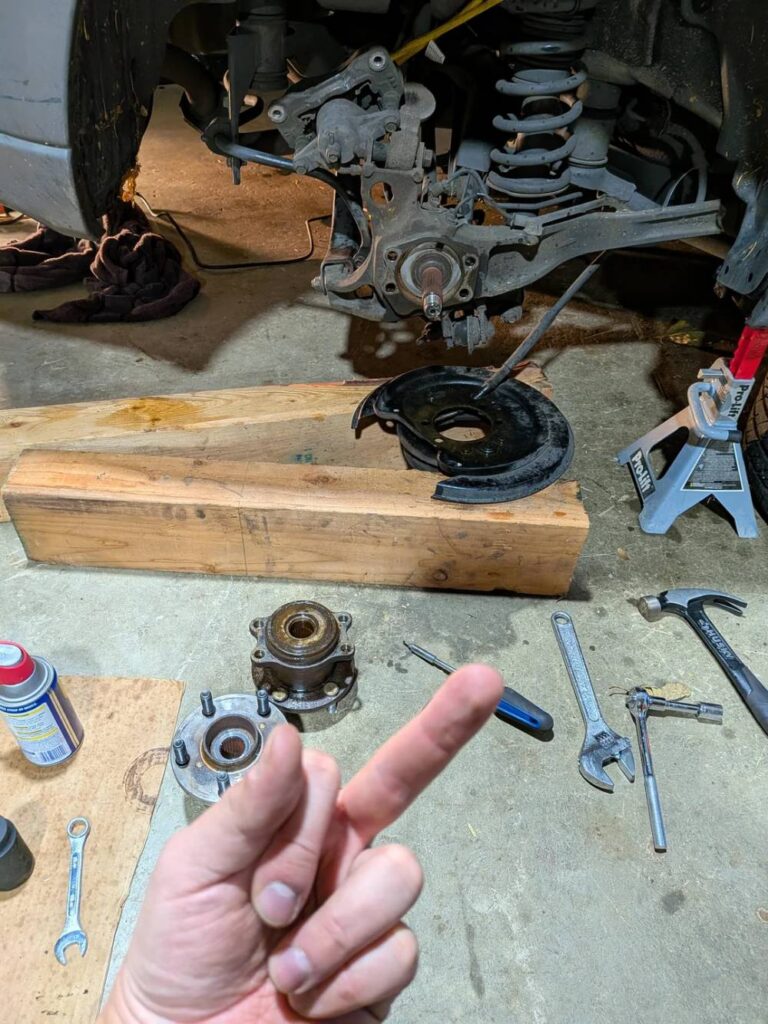
Subaru Wheel Bearing Replacement Cost in 2026
The average Subaru wheel bearing replacement cost in 2026 typically ranges from $280 to $750 per wheel, depending on several factors. In most cases, the total expense includes both replacement parts and labor charges. Wheel bearings themselves generally cost between $90 and $320, while labor expenses often range from $150 to $430. Vehicles with more complex suspension setups or severe corrosion may require additional labor time, resulting in higher overall costs.
Several factors influence the final repair bill. The specific Subaru model plays a major role because different models use different wheel hub assemblies and bearing designs. The model year can also affect pricing, particularly if older vehicles require extra work to remove seized components. Front and rear wheel bearings may vary in replacement difficulty, which impacts labor costs. Geographic location is another important consideration, as hourly labor rates differ significantly between regions. Finally, choosing original equipment manufacturer parts or aftermarket alternatives can substantially change the total amount you pay.
Although replacing a wheel bearing may seem expensive, addressing the issue early often prevents more costly repairs in the future. Ignoring the warning signs could lead to damage involving the wheel hub, ABS components, or even the suspension system. For this reason, understanding the expected costs can help Subaru owners budget appropriately and avoid unpleasant surprises when visiting a repair facility.
Subaru Wheel Bearing Replacement Cost by Model
Repair costs can vary considerably depending on which Subaru you drive. Below are estimated price ranges for some of the most popular Subaru models.
Subaru Outback
The Subaru Outback is one of the brand’s best known models, and wheel bearing replacement costs generally range from $320 to $680 per wheel. Labor charges account for a significant portion of the expense because technicians may need additional time to access and remove worn components. Owners of older Outback models should be aware that rust and corrosion can increase labor requirements.
Subaru Forester
For the Subaru Forester, wheel bearing replacement typically costs between $300 and $700. Some model years have developed a reputation for experiencing wheel bearing wear earlier than expected, particularly when vehicles are frequently driven on rough roads or exposed to harsh weather conditions. Prompt diagnosis can prevent additional damage and help keep repair costs manageable.
Subaru Crosstrek
Subaru Crosstrek owners can generally expect to pay $280 to $620 for a wheel bearing replacement. Front and rear wheel bearings may differ slightly in repair complexity, which can affect labor pricing. Choosing high quality aftermarket components may provide a balance between affordability and reliability.
Subaru Impreza
The average replacement cost for a Subaru Impreza ranges from $290 to $650 per wheel. The exact price depends on factors such as the vehicle’s age, mileage, and local labor rates. Drivers who notice unusual road noise should arrange an inspection quickly, as early intervention often reduces long term expenses.
Subaru Legacy
Wheel bearing replacement for the Subaru Legacy typically falls between $300 and $680. Vehicles with higher mileage may require additional services related to surrounding components during the repair process. Obtaining estimates from multiple repair facilities can help owners identify fair pricing in their area.
| Subaru Model | Estimated Replacement Cost |
|---|---|
| Subaru Outback | $320 to $680 |
| Subaru Forester | $300 to $700 |
| Subaru Crosstrek | $280 to $620 |
| Subaru Impreza | $290 to $650 |
| Subaru Legacy | $300 to $680 |
These estimates provide a general guideline, but obtaining a personalized quote based on your specific vehicle remains the best approach.
Labor Cost for Subaru Wheel Bearing Replacement
Labor is often one of the largest components of the overall Subaru wheel bearing replacement cost. On average, repair shops charge between $150 and $430 in labor, with most wheel bearing jobs requiring approximately 1.5 to 3 hours of technician time.
Several factors contribute to these labor expenses. Replacing a wheel bearing involves more than simply swapping out a small part. Technicians must remove the wheel, brake components, and portions of the hub assembly before accessing the damaged bearing. In some cases, specialized equipment is required to press the old bearing out and install the new one correctly.
Older Subaru vehicles may present additional challenges due to corrosion or seized hardware. Components exposed to moisture, road salt, and years of use can become difficult to remove, increasing the amount of time required to complete the repair. As a result, labor costs for aging vehicles may exceed standard estimates.
Despite the expense, professional installation is highly recommended. Proper wheel bearing replacement ensures correct wheel alignment, smooth operation, and optimal safety. Improper installation can shorten the lifespan of the new bearing and potentially create additional mechanical problems. Choosing an experienced technician can provide peace of mind and reduce the likelihood of repeat repairs.
Subaru Dealership vs Independent Repair Shop
One of the biggest decisions Subaru owners face when dealing with wheel bearing issues is choosing between an authorized dealership and an independent repair shop. Both options have their advantages, and the right choice often depends on your budget, warranty considerations, and personal preferences.
Subaru dealerships typically employ technicians who receive specialized training on Subaru vehicles. They are familiar with model specific repair procedures and usually use original equipment manufacturer parts. This can provide added confidence, especially for newer vehicles that are still covered under factory warranties. Dealerships may also offer comprehensive service records and extended repair guarantees. However, these benefits often come with higher labor rates, resulting in repair costs that can be significantly above the national average.
Independent repair shops, on the other hand, often provide more competitive pricing. Many reputable shops employ experienced technicians who work on Subaru models regularly and can perform wheel bearing replacements to a high standard. In addition, independent facilities may offer customers the choice between OEM and quality aftermarket parts, allowing for greater flexibility based on individual budgets. The key is to research local reviews, verify certifications, and ask about warranty coverage before authorizing repairs.
For Subaru owners seeking maximum savings without sacrificing reliability, a trusted independent mechanic can be an excellent option. However, those who prioritize factory parts and manufacturer specific expertise may find greater value in dealership service despite the higher cost.
Signs Your Subaru Needs Wheel Bearing Replacement
Recognizing the early symptoms of a failing wheel bearing can help prevent more serious mechanical problems and reduce overall repair expenses. Since wheel bearings support the weight of the vehicle and allow the wheels to rotate smoothly, deterioration can gradually affect both comfort and safety.
One of the most common warning signs is a humming or growling noise that becomes louder as vehicle speed increases. Many drivers initially mistake this sound for tire noise, only to discover that a worn wheel bearing is the actual cause. The noise may become more pronounced when turning in a particular direction, depending on which bearing has failed.
Another symptom is a grinding sound coming from the affected wheel area. This may indicate advanced wear that requires immediate attention. Drivers may also notice vibrations transmitted through the steering wheel, especially at highway speeds. Although steering vibration can result from several different issues, wheel bearing failure should not be ruled out during diagnosis.
Uneven tire wear can also signal underlying wheel bearing problems. Excessive movement within the hub assembly may alter wheel alignment characteristics over time, leading to irregular tread patterns. In some cases, vehicles equipped with wheel speed sensors may trigger the ABS warning light if the bearing assembly begins affecting sensor performance.
Ignoring these warning signs can increase repair costs and compromise vehicle safety. Scheduling a professional inspection at the first indication of trouble remains the most effective way to minimize both risk and expense.
Can You Drive with a Bad Wheel Bearing?
Although some drivers continue operating their vehicles after noticing wheel bearing symptoms, doing so is generally not recommended. A damaged wheel bearing rarely improves on its own, and postponing repairs often leads to worsening conditions that affect multiple vehicle systems.
In the early stages, a failing wheel bearing may produce only mild noise. However, continued driving places additional stress on surrounding components, including the wheel hub, axle assemblies, and braking system. As wear progresses, the wheel may develop excessive play, reducing steering precision and negatively affecting handling characteristics.
Advanced wheel bearing failure can present significant safety concerns. The increased friction generated by damaged bearings may cause overheating and accelerate deterioration. In severe cases, compromised wheel stability can impact braking performance and overall vehicle control. While catastrophic failures are uncommon, the potential consequences make prompt repairs a wise decision.
From a financial perspective, addressing wheel bearing issues early often results in lower repair costs. Replacing a single bearing before secondary damage occurs is typically far less expensive than repairing multiple affected components. Drivers who hear unusual noises, experience steering vibrations, or notice changes in vehicle behavior should arrange an inspection as soon as possible.
Ultimately, while a vehicle with a worn wheel bearing may remain operational for a limited period, delaying repairs is not advisable. Prioritizing timely maintenance protects both your safety and your long term ownership costs.
OEM vs Aftermarket Wheel Bearings
When replacing a worn wheel bearing, Subaru owners are often faced with an important decision: should they choose original equipment manufacturer parts or opt for aftermarket alternatives? Understanding the differences between these options can help you balance cost, performance, and long term reliability.
OEM wheel bearings are manufactured to meet Subaru’s original specifications. These components are designed specifically for your vehicle, ensuring a precise fit and consistent performance. Many Subaru owners prefer OEM parts because they provide peace of mind and often come with manufacturer backed warranties. For newer vehicles or owners who prioritize maintaining factory standards, OEM bearings can be an excellent investment.
The primary drawback of OEM components is their higher price. In many cases, OEM wheel bearings cost noticeably more than aftermarket equivalents, contributing to a higher overall repair bill. Depending on the model and repair facility, choosing OEM parts may increase the total replacement cost by a substantial margin.
Aftermarket wheel bearings offer a more budget friendly alternative. Reputable aftermarket manufacturers produce components that meet or exceed industry standards while costing less than factory parts. For owners seeking to reduce expenses without compromising quality, premium aftermarket options can represent excellent value.
However, not all aftermarket parts deliver the same level of durability. Lower quality products may wear prematurely, generate additional noise, or fail sooner than expected. Before selecting an aftermarket bearing, it is advisable to discuss available brands with your mechanic and consider products from manufacturers with strong reputations for reliability.
Ultimately, the best choice depends on your priorities. If long term confidence and factory specifications matter most, OEM bearings may justify the additional expense. If cost savings are a primary concern, carefully selected aftermarket components can provide dependable performance at a lower price point.
How to Save Money on Subaru Wheel Bearing Replacement
Although wheel bearing replacement is an unavoidable repair for many Subaru owners, there are several practical strategies that can help reduce the financial impact without sacrificing quality or safety.
One of the simplest ways to save money is to obtain estimates from multiple repair facilities. Labor rates vary considerably between dealerships and independent shops, and comparing quotes can reveal substantial differences in pricing. Taking the time to research reputable local mechanics may lead to significant savings.
Addressing wheel bearing problems early is another effective approach. Many drivers postpone repairs in an effort to avoid immediate expenses, only to face larger bills later when additional components become damaged. Replacing a failing bearing promptly can prevent costly repairs involving wheel hubs, brake components, or suspension parts.
Discussing parts options with your technician may also lower overall costs. While OEM components offer certain advantages, high quality aftermarket bearings can provide reliable performance at a more affordable price. Asking about warranty coverage on both parts and labor can further protect your investment.
Combining services during a scheduled maintenance visit may create additional efficiencies. If brake work, tire replacement, or suspension repairs are already planned, completing related tasks simultaneously can reduce duplicate labor charges.
Finally, paying attention to unusual vehicle noises and handling changes can help identify problems before they become severe. Proactive maintenance remains one of the most effective ways to minimize repair expenses throughout the lifespan of your Subaru.
Frequently Asked Questions
How much does Subaru charge for wheel bearing replacement?
The average Subaru wheel bearing replacement cost typically ranges from $280 to $750 per wheel, depending on the model, labor rates, and whether OEM or aftermarket parts are used. Dealership pricing is often higher than that of independent repair shops.
Is it cheaper to replace one wheel bearing or both?
If only one wheel bearing has failed, replacing the affected component is usually sufficient. However, if both bearings on the same axle exhibit similar wear or the vehicle has accumulated high mileage, replacing both simultaneously may reduce future labor expenses.
How long do Subaru wheel bearings last?
Under normal driving conditions, Subaru wheel bearings often last between 85,000 and 150,000 miles. Factors such as road conditions, driving habits, exposure to moisture, and overall vehicle maintenance can influence their lifespan.
Can I replace a Subaru wheel bearing myself?
Although experienced individuals with specialized tools may attempt a do it yourself repair, wheel bearing replacement is generally considered an advanced procedure. Improper installation can lead to premature failure and potential safety concerns. Professional service is recommended for most vehicle owners.
What happens if I ignore a bad wheel bearing?
Delaying repairs may result in increased noise, reduced handling performance, accelerated wear of surrounding components, and higher repair costs. In severe situations, wheel stability may be compromised, creating a safety risk that should not be overlooked.
Are wheel bearing problems common on Subaru vehicles?
While wheel bearing wear can occur on any vehicle, some Subaru models and model years have been reported by owners to experience wheel bearing issues more frequently. Routine inspections and prompt attention to unusual noises can help detect problems before they escalate.
How long does wheel bearing replacement take?
Most wheel bearing replacements require approximately 1.5 to 3 hours per wheel. Additional time may be necessary if corrosion, seized components, or related repairs complicate the process.
Conclusion
Understanding the Subaru wheel bearing replacement cost can help you make informed decisions and avoid unexpected repair expenses. While the average cost in 2026 typically ranges from a few hundred dollars per wheel, the final price depends on factors such as your Subaru model, labor rates in your area, the type of replacement parts selected, and whether you choose a dealership or an independent repair shop.
More importantly, recognizing the early warning signs of a failing wheel bearing can save you both time and money. Unusual humming noises, steering vibrations, uneven tire wear, and grinding sounds should never be ignored. Addressing these symptoms promptly may prevent damage to other components and reduce the likelihood of more extensive repairs in the future.
Whether you drive a Subaru Outback, Forester, Crosstrek, Impreza, or Legacy, investing in timely maintenance is one of the best ways to preserve your vehicle’s reliability and safety. Comparing repair estimates, understanding your parts options, and working with a qualified technician can help ensure you receive quality service at a fair price.
If you suspect that your Subaru may have a worn wheel bearing, consider scheduling a professional inspection as soon as possible. Taking action early can protect your vehicle, enhance your driving experience, and ultimately save you money in the long run.
EXCELLENT, NOW AT THE VERY LEAST i HAD A BIT OF REASONING RELATED TO THE EXPENCE ASSOIATED WITH THIS CRITICAL REPAIR.