Have you ever checked your Subaru’s oil level only to discover that it has dropped significantly long before your next scheduled oil change? Perhaps the low oil warning light has appeared unexpectedly, leaving you wondering whether this is normal or a sign of a more serious engine problem.
For many Subaru owners, excessive oil consumption is a frustrating issue that raises concerns about reliability, maintenance costs, and potential engine damage. While some level of oil consumption can occur in modern engines, unusually rapid oil loss should never be ignored. In certain cases, it may indicate underlying mechanical problems that require immediate attention.
Understanding the difference between normal oil usage and excessive oil consumption is essential for protecting your vehicle and avoiding costly repairs. From worn piston rings and oil leaks to driving habits and maintenance practices, several factors can contribute to this problem. Identifying the warning signs early can help you take the right steps before minor issues turn into major engine failures.
In this comprehensive guide, we will explore the most common causes of Subaru oil consumption, the symptoms every owner should watch for, and the most effective solutions available. Whether you currently own a Subaru experiencing oil-related issues or are considering purchasing a used model, this article will provide the practical insights you need to make informed decisions and keep your vehicle running smoothly for years to come.
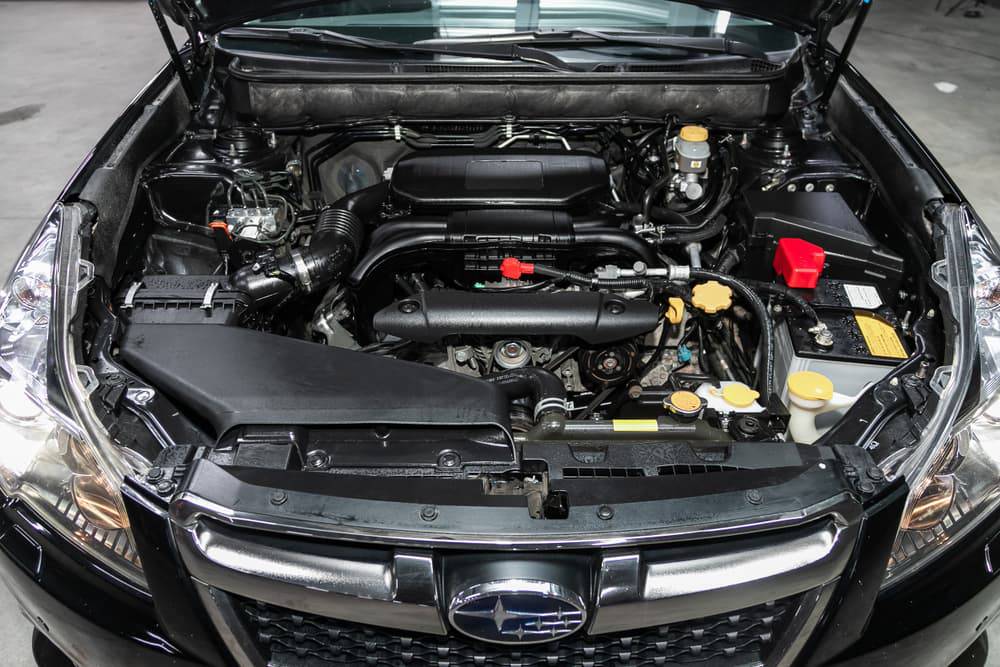
What Is Subaru Oil Consumption?
Subaru oil consumption refers to the amount of engine oil that is used or lost between scheduled oil changes. Every internal combustion engine consumes a small amount of oil during normal operation. Engine oil lubricates moving components, reduces friction, dissipates heat, and helps keep the engine clean. However, when oil levels drop faster than expected, it may indicate an underlying issue that requires attention.
Many Subaru owners become concerned when they notice that they need to add oil before reaching the recommended service interval. In some cases, this level of consumption falls within the manufacturer’s acceptable range. In others, excessive oil loss may point to mechanical problems such as worn piston rings, oil leaks, or issues related to the engine’s internal design.
One factor often discussed in relation to Subaru oil consumption is the brand’s signature Boxer engine. Unlike traditional inline or V-shaped engines, the Boxer engine features horizontally opposed cylinders. This design contributes to a lower center of gravity and improved vehicle handling. However, some automotive experts and owners believe that the unique layout may influence oil distribution patterns within the engine, particularly as components age.
It is important to understand that not every Subaru vehicle experiences excessive oil consumption. Many owners drive their vehicles for years without encountering any significant oil-related concerns. The key is knowing what constitutes normal oil usage and recognizing when the rate of oil loss becomes abnormal.
Checking the oil level regularly is one of the simplest yet most effective ways to monitor engine health. If you notice a consistent decline in oil levels over a relatively short distance, it is advisable to investigate the cause before more serious damage occurs.
Subaru Models Commonly Associated With Oil Consumption Issues
Over the years, discussions surrounding Subaru oil consumption have frequently involved certain models and production years. While this does not mean that every vehicle within these categories is affected, understanding these patterns can help current and prospective owners make informed decisions.
Subaru Forester
The Subaru Forester has long been one of the brand’s most popular models, valued for its practicality, all wheel drive capability, and family friendly design. However, some owners of specific model years have reported higher than expected oil consumption.
Symptoms often include the need to add oil between service intervals and the appearance of low oil warning indicators. Buyers considering a used Forester should review maintenance records carefully and ask whether regular oil level checks were performed throughout ownership.
Despite these concerns, many Forester owners report years of reliable performance when proper maintenance schedules are followed consistently.
Subaru Outback
Known for blending the comfort of a wagon with the versatility of a sport utility vehicle, the Subaru Outback has also been mentioned in owner discussions regarding oil consumption.
Drivers may first notice the issue when preparing for routine maintenance and discovering that oil levels have fallen below recommended thresholds. Regular monitoring becomes particularly important for owners who frequently undertake long road trips or drive under demanding conditions.
When shopping for a pre owned Outback, it is beneficial to obtain a comprehensive inspection from a qualified mechanic who is familiar with Subaru engines.
Subaru Crosstrek
The Subaru Crosstrek appeals to drivers seeking a compact crossover with excellent all weather capability. Although many Crosstrek owners enjoy trouble free ownership experiences, reports of oil consumption have surfaced among certain production years.
Routine oil inspections can help identify developing issues before they escalate. Maintaining detailed service records may also prove valuable if warranty discussions or future resale considerations arise.
Owners who remain proactive with maintenance often find that minor concerns can be addressed before they evolve into significant mechanical repairs.
Subaru Impreza
As one of Subaru’s foundational models, the Impreza has built a reputation for reliability and everyday usability. Nevertheless, some owners have reported instances of increased oil usage.
Common warning signs include frequent oil top offs and occasional low oil alerts. Addressing these symptoms promptly can reduce the likelihood of long term engine wear.
Prospective buyers should remember that an oil consumption concern does not automatically disqualify a used Impreza from consideration. A well maintained vehicle with documented service history may continue to provide dependable transportation for years.
It is essential to emphasize that oil consumption experiences vary considerably from one vehicle to another. Driving habits, maintenance practices, environmental conditions, and previous ownership history all play a role in determining long term engine performance.
What Causes Excessive Oil Consumption in Subaru Vehicles?
Understanding the causes of Subaru oil consumption is crucial for identifying the most effective solution. Several factors may contribute to excessive oil loss, and in some cases, more than one issue may be present simultaneously.
Worn or Defective Piston Rings
Piston rings serve an important function within the engine by sealing the combustion chamber and regulating the amount of oil that reaches the cylinder walls.
When these rings become worn, damaged, or fail to seal properly, engine oil can enter the combustion chamber and burn alongside the fuel mixture. This process may occur gradually over time, making the problem difficult to detect during its early stages.
If left unresolved, worn piston rings can lead to declining engine performance, increased emissions, and expensive repair bills.
Characteristics of the Boxer Engine Design
Subaru’s Boxer engine remains one of the brand’s defining engineering features. Its horizontally opposed layout contributes to improved balance and a lower center of gravity.
However, because the cylinders are positioned differently from those in conventional engine designs, oil behavior within the engine may vary under certain operating conditions. While the design itself is not inherently flawed, it is often cited in discussions involving oil consumption patterns.
Understanding the engine’s unique characteristics enables owners to adopt maintenance practices that support long term reliability.
Incorrect Oil Selection
Using engine oil that does not meet Subaru’s specifications may increase the likelihood of oil related problems.
Selecting the wrong viscosity grade can affect lubrication efficiency and oil retention. Lower quality products may also degrade more quickly under high temperatures, reducing their effectiveness over time.
Always consult the owner’s manual and choose oils that meet the manufacturer’s recommended standards. Following these guidelines can help optimize engine protection and minimize unnecessary oil loss.
Extended Oil Change Intervals
Delaying oil changes beyond recommended intervals may contribute to accelerated engine wear.
As oil ages, it gradually loses its protective properties. Contaminants accumulate, viscosity characteristics change, and lubrication effectiveness diminishes. These factors can place additional stress on internal engine components, potentially increasing oil consumption.
Adhering to an appropriate maintenance schedule remains one of the simplest ways to promote engine longevity.
External Oil Leaks
Not all oil loss results from internal engine problems. External leaks can also cause oil levels to decline.
Potential leak sources include valve cover gaskets, crankshaft seals, oil drain plugs, and improperly installed oil filters. In some situations, leaks may leave visible spots beneath the vehicle. In others, oil may burn off on hot engine surfaces before reaching the ground.
Routine inspections performed by experienced technicians can help identify and address leaks before they worsen.
Driving Habits and Operating Conditions
The way a vehicle is driven can influence oil consumption rates.
Frequent high speed driving, aggressive acceleration, towing heavy loads, and operating in extreme temperatures may increase engine stress. Under these conditions, some degree of additional oil usage may occur.
Developing responsible driving habits and monitoring fluid levels more frequently during demanding use can help reduce the risk of unexpected oil related issues.
Recognizing these potential causes empowers Subaru owners to take proactive steps toward preserving engine health. Early diagnosis often leads to simpler solutions, lower repair costs, and greater peace of mind behind the wheel.
Signs That Your Subaru Is Consuming Excessive Oil
Recognizing the early symptoms of excessive oil consumption can help prevent severe engine damage and costly repairs. Unfortunately, many Subaru owners do not realize there is a problem until the situation has already progressed. Paying close attention to changes in your vehicle’s behavior is essential for early detection.
Frequent Low Oil Warning Lights
One of the most obvious signs of excessive oil consumption is the repeated appearance of the low oil warning light. If this indicator turns on long before your next scheduled oil change, it should never be ignored.
Many drivers assume that warning lights are temporary glitches or isolated incidents. However, consistently low oil levels may indicate that the engine is consuming oil faster than normal. Continuing to drive without investigating the cause can place additional stress on critical engine components.
The Need to Add Oil Between Oil Changes
Modern vehicles are designed to operate efficiently between routine maintenance intervals. While minor oil consumption can occur naturally, regularly topping off the engine oil should raise concerns.
If you find yourself carrying extra oil in the trunk because your Subaru requires frequent refills, it may be time to schedule a professional inspection. Keeping track of how much oil is added and how often it is needed can provide valuable information during diagnosis.
Blue Smoke From the Exhaust
Blue or bluish gray smoke coming from the tailpipe is often associated with burning oil.
When oil enters the combustion chamber and burns together with fuel, it can produce a distinctive smoke color that differs from ordinary exhaust emissions. This symptom may be more noticeable during acceleration or immediately after starting the vehicle.
Visible exhaust smoke should always be evaluated promptly, as it may indicate internal engine wear.
Burning Oil Smell
An unusual burning odor inside or outside the vehicle can also signal an oil related issue.
In some cases, leaking oil may drip onto hot engine components, creating a noticeable smell. In others, oil burning internally may produce an odor that becomes more apparent during prolonged driving.
Although this symptom does not always indicate severe damage, it should never be dismissed without further investigation.
Reduced Engine Performance
Excessive oil consumption may eventually affect overall engine performance.
Drivers may notice sluggish acceleration, rough idling, hesitation during throttle response, or a decline in fuel efficiency. As engine components experience increased wear, performance problems can become more pronounced.
Addressing oil consumption concerns early may help preserve engine efficiency and prevent additional complications.
Unusual Engine Noises
Engine oil plays a critical role in reducing friction between moving parts. When oil levels fall too low, metal components may begin operating without adequate lubrication.
This condition can produce ticking, knocking, or rattling sounds originating from the engine compartment. These noises often indicate that immediate attention is necessary.
Driving with insufficient oil can dramatically increase the risk of catastrophic engine failure.
How to Check Subaru Oil Consumption Properly
Monitoring oil usage accurately is one of the most effective ways to determine whether your Subaru is experiencing excessive oil consumption. Establishing a routine inspection process allows owners to identify trends and seek assistance before serious damage develops.
Check the Oil Level Correctly
Accurate measurements begin with proper technique.
Park the vehicle on a level surface and turn off the engine. Allow several minutes for the oil to settle back into the oil pan. Remove the dipstick, wipe it clean, reinsert it fully, and remove it again to inspect the oil level.
The oil should fall within the designated markings on the dipstick. If the level approaches the minimum mark, additional oil may be required.
Repeating this process under consistent conditions improves reliability and reduces the chance of inaccurate readings.
Track Oil Usage Over Time
Simply checking the oil occasionally may not provide enough information to identify a developing problem.
Maintaining a written record of mileage, oil additions, and service dates can reveal patterns that might otherwise go unnoticed. Recording this information allows owners and technicians to calculate the approximate rate of oil consumption.
For example, noting that one quart of oil is required every one thousand miles provides valuable insight during diagnostic evaluations.
This documentation may also prove useful when discussing concerns with dealerships or repair facilities.
Inspect for Visible Leaks
Before assuming that oil is being burned internally, it is important to rule out external leaks.
Look for oil spots beneath the vehicle after it has been parked for several hours. Examine the engine bay for signs of oil residue around gaskets, seals, and filter mounting areas.
While some leaks are easy to identify, others may require professional equipment to detect accurately.
Addressing leaks promptly can prevent unnecessary oil loss and reduce environmental impact.
Request an Oil Consumption Test
If excessive oil usage is suspected, an official oil consumption test may provide definitive answers.
During this procedure, technicians typically change the engine oil, document the starting level, seal critical components, and instruct the owner to return after driving a specified distance. The remaining oil level is then measured to determine whether consumption exceeds acceptable limits.
These tests can help distinguish between normal operating characteristics and issues requiring mechanical intervention.
Seeking professional guidance early may prevent minor concerns from escalating into major repairs.
How to Fix Subaru Oil Consumption
The appropriate solution depends largely on the underlying cause of the problem. Some situations can be addressed through routine maintenance adjustments, while others may require more extensive mechanical repairs.
Use the Correct Engine Oil
Selecting the proper oil specification is one of the easiest and most important steps in managing oil consumption.
Always follow the recommendations outlined in the owner’s manual regarding viscosity grade and performance standards. High quality synthetic oils often provide improved thermal stability and enhanced protection under demanding conditions.
Using the correct product may help optimize engine efficiency and reduce unnecessary oil loss.
Shorten Oil Change Intervals
Certain driving environments place additional stress on engine oil.
Frequent short trips, stop and go traffic, extreme temperatures, and towing activities can accelerate oil degradation. In these circumstances, reducing the interval between oil changes may offer added protection.
Consulting a qualified technician can help determine an appropriate maintenance schedule based on your driving habits.
Repair External Oil Leaks
If inspections reveal leaking gaskets, seals, or filters, repairing these components should become a priority.
Although some leaks begin as minor inconveniences, they often worsen over time. Delaying repairs may result in more substantial oil loss and increased maintenance expenses.
Correcting leaks promptly helps maintain proper lubrication levels and supports long term engine health.
Replace Worn Internal Components
In more serious cases, excessive oil consumption may result from worn piston rings or other internal engine issues.
Repairing these conditions often requires significant labor and specialized expertise. Depending on the extent of the damage, technicians may recommend replacing affected components or performing a complete engine overhaul.
While these repairs can be costly, addressing the problem before total engine failure occurs may ultimately reduce long term expenses.
Develop Better Maintenance Habits
Preventive care remains one of the most effective strategies for minimizing future oil related concerns.
Checking oil levels regularly, responding promptly to warning indicators, following recommended service schedules, and seeking professional advice when unusual symptoms appear can significantly improve reliability.
Consistent attention to maintenance not only reduces the likelihood of severe oil consumption problems but also contributes to a longer engine lifespan and greater confidence behind the wheel.
Taking proactive action today may help Subaru owners avoid the frustration, inconvenience, and financial burden associated with neglected oil consumption issues.
Subaru Oil Consumption Repair Costs
One of the biggest concerns for Subaru owners dealing with excessive oil consumption is the potential cost of repairs. The total expense can vary significantly depending on the underlying cause, the severity of the issue, the specific model involved, and local labor rates.
Minor problems are generally less expensive to address. For example, replacing a leaking valve cover gasket or correcting an improperly installed oil filter can often resolve oil loss without major engine work. Although these repairs still require professional attention, they are usually more manageable from a financial perspective.
Diagnostic procedures may also involve additional costs. Technicians may perform oil consumption tests, leak inspections, compression testing, or other evaluations to determine the exact source of the problem. While some owners hesitate to authorize diagnostic work, identifying the root cause early can prevent unnecessary repairs and reduce long term expenses.
More serious cases involving worn piston rings or internal engine damage often require substantial investment. Repairs of this nature involve extensive labor because the engine must be partially or completely disassembled. Depending on the condition of the affected components, technicians may recommend replacing damaged parts or performing a complete engine rebuild.
The financial burden associated with major engine repairs highlights the importance of early detection. Ignoring persistent oil loss in the hope that the problem will resolve itself may ultimately lead to significantly higher costs. Regular inspections and prompt action remain the most effective ways to protect both the vehicle and the owner’s budget.
Before authorizing major repairs, obtaining estimates from multiple reputable repair facilities can help ensure fair pricing and appropriate recommendations. Choosing experienced technicians who understand Subaru engines may also improve repair outcomes and reduce the likelihood of recurring issues.
How to Prevent Excessive Oil Consumption in Your Subaru
Although not every case of oil consumption can be prevented, adopting proper maintenance habits can reduce the risk of developing serious problems.
One of the simplest preventive measures is checking the oil level regularly. Many drivers rely solely on scheduled maintenance appointments, assuming that technicians will identify any concerns during routine service. However, spending a few minutes each month inspecting the dipstick can reveal changes before they escalate into major mechanical failures.
Using the correct engine oil is equally important. Subaru engineers specify oil grades designed to provide adequate lubrication under a wide range of operating conditions. Selecting products that meet these requirements helps maintain optimal engine performance and protection.
Following recommended oil change intervals also plays a critical role. Fresh oil lubricates moving parts more effectively and removes contaminants that accumulate during normal operation. Delaying oil changes may contribute to accelerated wear and reduced engine efficiency.
Drivers should also pay close attention to warning lights and unusual symptoms. Burning odors, unexpected drops in oil level, and changes in engine performance should never be dismissed as insignificant. Seeking professional evaluation promptly may prevent small concerns from becoming expensive repairs.
Driving habits can influence engine longevity as well. Aggressive acceleration, prolonged high speed operation, and heavy towing place additional stress on internal components. While Subaru vehicles are designed to handle a variety of driving conditions, adopting smoother driving practices may help minimize wear over time.
Maintaining detailed service records provides another valuable benefit. Accurate documentation allows owners to monitor trends, demonstrate consistent maintenance practices, and provide useful information during future inspections or resale transactions.
Preventive care requires commitment, but the rewards often include improved reliability, lower ownership costs, and greater peace of mind.
Frequently Asked Questions About Subaru Oil Consumption
Is oil consumption normal in Subaru vehicles?
A certain degree of oil consumption can occur in many modern engines, including those manufactured by Subaru. However, excessive oil loss that requires frequent top offs between scheduled services should be evaluated by a qualified technician.
How often should I check my Subaru’s oil level?
Checking the oil level at least once a month is a sensible practice for most drivers. More frequent inspections may be advisable if the vehicle has a history of oil consumption, is used for towing, or operates under demanding conditions.
Can I continue driving if my Subaru is consuming oil?
Continuing to drive without monitoring oil levels can increase the risk of severe engine damage. If excessive oil consumption is suspected, owners should check the oil frequently and arrange for professional diagnosis as soon as possible.
Will adding oil solve the problem?
Adding oil helps maintain safe lubrication levels, but it does not address the underlying cause of excessive consumption. While topping off the oil may be necessary temporarily, identifying and correcting the source of the problem remains essential.
Does excessive oil consumption always mean engine failure?
Not necessarily. Some cases result from relatively minor issues such as external leaks or maintenance related factors. However, persistent oil loss should never be ignored because more serious internal engine problems may also be responsible.
Is purchasing a used Subaru with a history of oil consumption a bad idea?
Not always. The overall condition of the vehicle, the quality of previous maintenance, and the results of a thorough pre purchase inspection are important considerations. A well maintained Subaru may continue to provide reliable service despite past oil related concerns.
Conclusion
Subaru oil consumption remains a topic of concern for many owners, but understanding the issue is the first step toward effective management. While some degree of oil usage may fall within normal operating parameters, persistent or excessive oil loss deserves prompt attention.
Recognizing the warning signs, including frequent low oil alerts, the need for repeated oil top offs, unusual exhaust smoke, and changes in engine performance, can help owners identify problems before significant damage occurs. Equally important is understanding the potential causes, which may range from external leaks and maintenance practices to more complex internal engine conditions.
Routine oil level checks, adherence to recommended service schedules, and the use of appropriate engine oil can all contribute to improved engine health and reduced risk of future complications. When concerns arise, seeking professional evaluation early often leads to more affordable and effective solutions.
Owning a Subaru should be an enjoyable experience built on confidence and reliability. By remaining proactive and informed, drivers can make better maintenance decisions, extend the life of their engines, and avoid the stress associated with unexpected repairs.
Have you experienced oil consumption issues with your Subaru? Share your model, model year, and experience in the comments below. Your insights may help other Subaru owners recognize potential warning signs and make more informed decisions about caring for their vehicles.