Have you ever pressed your Subaru key fob only to find that the door refuses to lock or unlock? A malfunctioning door lock can be more than just a minor inconvenience. It can compromise your vehicle’s security, make daily driving frustrating, and leave you wondering whether the issue is a simple fix or an expensive repair.
Modern Subaru vehicles rely on a complex combination of electronic components, door lock actuators, wiring systems, and keyless entry technology to operate the locking mechanism. When one of these components fails, you may experience symptoms such as a door that won’t lock, a key fob that suddenly stops working, or a lock that makes a clicking sound without actually moving.
The good news is that many Subaru door lock problems can be diagnosed without advanced mechanical knowledge. In some cases, the solution may be as simple as replacing a key fob battery or a blown fuse. In others, a worn door lock actuator or damaged wiring may require more extensive repairs.
In this guide, you’ll learn the most common causes of Subaru door lock issues, practical troubleshooting steps you can perform at home, estimated repair costs, and proven solutions to get your locking system working properly again. Whether you own an Outback, Forester, Crosstrek, Legacy, or WRX, this article will help you identify the problem and determine the best course of action.
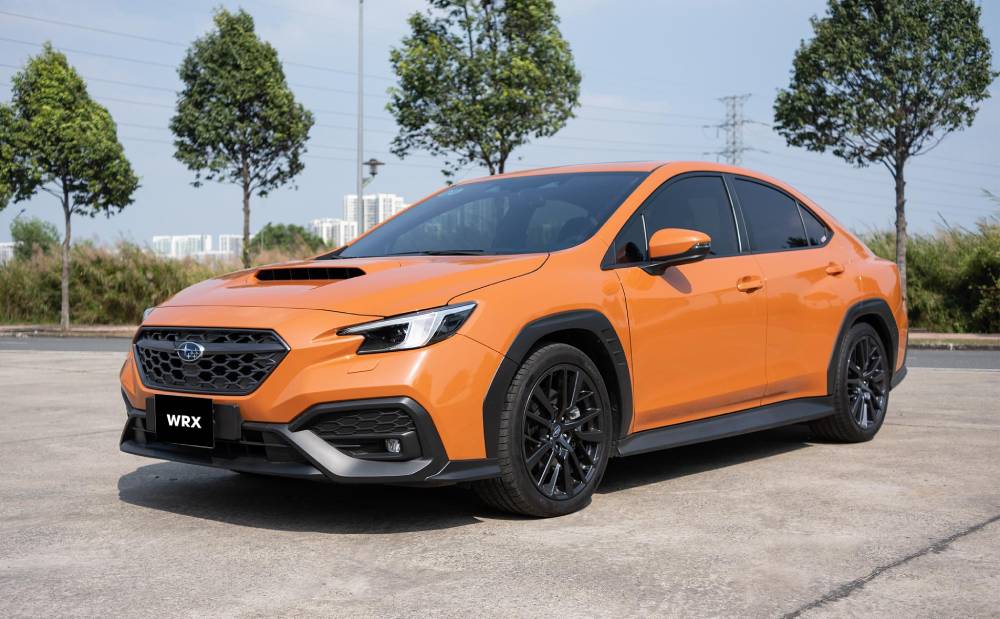
Common Signs Your Subaru Door Lock Is Failing
Before you begin troubleshooting, it is important to recognize the warning signs of a failing door lock system. Subaru door lock issues rarely occur without symptoms. Identifying these signs early can help prevent more expensive repairs and improve vehicle security.
Door Won’t Lock or Unlock
One of the most obvious symptoms is when a door fails to lock or unlock using the key fob, interior lock switch, or physical key. This issue may affect a single door or the entire vehicle, depending on the underlying cause.
One Door Stops Responding
In many Subaru models, a failing door lock actuator causes only one door to stop working while the remaining doors continue operating normally. This is particularly common on older vehicles with high mileage.
Clicking Noise Without Movement
If you hear a clicking or buzzing sound coming from inside the door panel when you press the lock button, the actuator may still be receiving power but lacks the strength to move the locking mechanism.
Intermittent Operation
Door locks that work occasionally and then suddenly stop are often linked to wiring problems, loose connections, or a worn actuator motor. Intermittent failures can be frustrating because the problem may disappear temporarily before returning.
Key Fob Works Inconsistently
A weak key fob battery or communication issue may cause the remote to function sporadically. Drivers often notice reduced operating range before the key fob stops controlling the locks altogether.
Understanding these symptoms can help narrow down the source of the problem and make diagnosis much easier.
7 Common Causes of a Subaru Door Lock Not Working
Subaru door lock failures can result from both electrical and mechanical issues. While some problems are simple and inexpensive to fix, others may require professional repair. Below are the most common causes.
1. Dead or Weak Key Fob Battery
A weak key fob battery is often overlooked because many drivers assume the vehicle itself is malfunctioning. As the battery loses power, the remote’s signal becomes weaker and less reliable.
Common symptoms include reduced operating distance, delayed lock response, and complete failure to lock or unlock the doors.
Replacing the battery is inexpensive and often solves the problem immediately.
2. Blown Fuse
The power door lock system relies on dedicated fuses to protect electrical circuits. If a fuse blows, the locking system may stop functioning entirely.
Drivers may notice that none of the doors respond when using either the key fob or interior lock switch. Checking the owner’s manual and inspecting the appropriate fuse can quickly determine whether this is the cause.
3. Faulty Door Lock Actuator
The door lock actuator is one of the most common failure points in Subaru vehicles. This small electric motor physically moves the locking mechanism when you press the lock or unlock button.
Over time, normal wear and tear can cause the actuator to weaken or fail completely. Symptoms often include clicking noises, sluggish lock movement, or one door that no longer responds.
Replacing the actuator is usually the permanent solution.
4. Damaged Wiring or Loose Connections
Every time a door opens and closes, the wiring harness flexes slightly. After years of use, wires can become damaged, frayed, or disconnected.
Broken wires inside the rubber boot between the door and vehicle body are particularly common. Electrical faults of this type can cause intermittent lock operation and unpredictable behavior.
5. Frozen or Stuck Lock Mechanism
Drivers in colder climates frequently encounter door lock problems during winter. Moisture can freeze inside the locking mechanism, preventing normal movement.
Dirt, debris, and old lubricant may also cause mechanical resistance. In many cases, cleaning and lubricating the lock assembly can restore proper operation.
6. Faulty Body Control Module
The Body Control Module, often called the BCM, acts as the central computer responsible for managing numerous vehicle functions, including door locks.
When the BCM develops a fault, the locking system may behave erratically. Multiple electrical problems often appear simultaneously, making professional diagnostic testing necessary.
7. Mechanical Damage Inside the Door
Not every lock issue is electrical. Physical damage to internal rods, clips, latches, or lock linkages can prevent the mechanism from operating correctly.
This type of damage may occur after years of wear, accidental impact, or previous repair work. A thorough inspection of the door’s internal components can reveal hidden mechanical failures.
How to Troubleshoot a Subaru Door Lock Problem at Home
Before scheduling a repair appointment, there are several diagnostic steps you can perform yourself. These simple checks can help identify the source of the problem and potentially save money on unnecessary repairs.
Test All Doors
Begin by checking every door individually. Determine whether the problem affects only one door, multiple doors, or the entire vehicle.
If only one door fails to respond, a faulty actuator is often the most likely cause. If all doors are affected, the issue may involve the fuse, BCM, or power supply.
Use the Interior Lock Switch
Try locking and unlocking the doors using the switch located inside the vehicle.
If the interior switch works but the key fob does not, the problem is likely related to the remote, battery, or keyless entry system rather than the locking hardware itself.
Listen for Actuator Activity
Stand near the affected door and listen carefully when activating the lock.
A clicking sound usually indicates that power is reaching the actuator. However, the actuator may be too weak to move the lock mechanism fully.
Inspect the Fuses
Consult your Subaru owner’s manual to locate the fuse associated with the power door lock system.
A visual inspection may reveal a blown fuse. Replacing a damaged fuse is often one of the simplest and least expensive repairs.
Check the Wiring Harness
Inspect the wiring that passes between the door and vehicle body. Look for signs of cracking, corrosion, exposed wires, or loose connectors.
Damaged wiring can interrupt communication between the locking system and vehicle electronics.
Scan for Diagnostic Trouble Codes
If the problem remains unresolved, an OBD-II scanner may help identify electronic faults stored within the vehicle’s control modules.
Diagnostic codes can provide valuable clues about BCM failures, communication issues, and other electrical problems that are difficult to detect through visual inspection alone.
Subaru Door Lock Repair Costs
One of the first questions Subaru owners ask after discovering a door lock problem is how much the repair will cost. The answer depends largely on the underlying cause, the affected components, and whether the work is performed by a dealership, an independent repair shop, or as a DIY project.
A simple key fob battery replacement is usually the least expensive fix, often costing less than $20. Replacing a blown fuse is also affordable and can typically be completed in minutes.
Door lock actuator replacement is one of the more common repairs. Depending on the Subaru model, labor rates, and parts used, the total cost generally ranges from $150 to $500 per door. Luxury trim levels and newer vehicles equipped with advanced keyless entry systems may fall toward the higher end of that range.
Wiring repairs can vary significantly in cost. A minor wiring repair may cost around $100, while extensive electrical troubleshooting and harness replacement can exceed $400. If the problem originates from the Body Control Module, diagnostic and repair costs may range from a few hundred dollars to over $1,000 in some cases.
Mechanical repairs involving damaged latches, rods, or internal lock assemblies can also vary depending on parts availability and labor complexity. Obtaining an accurate diagnosis before replacing components can help avoid unnecessary expenses and ensure the correct repair is performed the first time.
Subaru Models Most Commonly Associated With Door Lock Issues
Although door lock problems can occur in virtually any vehicle, certain Subaru models tend to generate more owner reports due to age, mileage, and common component wear patterns.
Subaru Outback
The Subaru Outback is known for its reliability, but high mileage examples may experience actuator wear and electrical issues over time. Owners frequently report driver-side door lock failures after years of regular use.
Because the Outback is often used for daily commuting, road trips, and outdoor activities, its door locks may experience more operating cycles than those in less frequently driven vehicles.
Subaru Forester
The Forester is another popular Subaru model where door lock actuator failures are occasionally reported. Many owners notice that one door stops responding while the rest of the locking system continues functioning normally.
Electrical connector corrosion and aging components can also contribute to lock-related issues in older Forester models.
Subaru Crosstrek
While generally considered dependable, some Crosstrek owners have reported intermittent locking behavior caused by wiring or electronic communication issues.
These problems are less common than actuator failures but can still occur, particularly in vehicles exposed to harsh weather conditions.
Subaru Legacy
Older Legacy models may experience lock actuator wear, damaged linkage components, or age-related electrical failures. As vehicles accumulate mileage, internal mechanical parts naturally become more susceptible to wear.
Subaru WRX
WRX owners occasionally encounter door lock issues linked to heavy daily use and long-term actuator fatigue. Because many WRX vehicles remain on the road for years, actuator replacement becomes a normal maintenance item for some owners.
While these models may appear more frequently in owner discussions, it is important to remember that door lock failures can affect any Subaru vehicle as components age and wear over time.
Preventing Future Subaru Door Lock Problems
Although no mechanical or electrical component lasts forever, regular maintenance can significantly reduce the likelihood of door lock failures.
One of the simplest preventive measures is replacing the key fob battery before it becomes completely depleted. Many drivers wait until the remote stops working entirely, but proactive replacement can prevent unexpected inconvenience.
Keeping the locking mechanism clean is equally important. Dirt, dust, and moisture can gradually accumulate inside door components, increasing friction and accelerating wear. Applying an appropriate automotive lubricant to moving lock components can help maintain smooth operation.
Drivers living in colder climates should take additional precautions during winter. Using lock-safe lubricants and addressing moisture buildup can reduce the risk of frozen lock mechanisms.
Electrical issues should never be ignored. If you notice intermittent lock operation, unusual clicking sounds, or inconsistent key fob performance, addressing the problem early can prevent more serious failures later.
Avoid slamming doors whenever possible. Excessive force can stress internal components, loosen electrical connections, and accelerate wear on lock assemblies.
Routine vehicle inspections can also help identify minor issues before they become costly repairs. A small wiring problem or weak actuator may be relatively inexpensive to fix today, but delaying repairs can lead to more extensive damage and higher repair bills in the future.
By following these preventive maintenance practices, Subaru owners can extend the lifespan of their door lock systems and reduce the chances of unexpected failures.
Frequently Asked Questions
Why is only one Subaru door lock not working?
When only one door fails to lock or unlock, the most likely cause is a faulty door lock actuator. The actuator inside the affected door may no longer generate enough force to move the locking mechanism. Damaged wiring, loose electrical connections, or a broken latch assembly can also cause a single door to stop responding while the rest of the system continues to operate normally.
Can a dead battery cause Subaru door lock problems?
Yes. Both a weak vehicle battery and a weak key fob battery can interfere with normal door lock operation. If the vehicle battery does not provide sufficient voltage, electronic components may not function correctly. Similarly, a depleted key fob battery can prevent the remote from communicating with the vehicle.
How long does a Subaru door lock actuator last?
Most Subaru door lock actuators last between seven and fifteen years, depending on usage patterns, environmental conditions, and overall vehicle maintenance. Vehicles that are driven daily and frequently locked and unlocked may experience actuator wear sooner than those used less often.
Can I replace a Subaru door lock actuator myself?
Many experienced DIY enthusiasts can replace a door lock actuator at home. However, the process typically requires removing the interior door panel, disconnecting electrical connectors, and accessing components within the door assembly. If you are unfamiliar with automotive repairs, professional installation may be the safer option.
Why does my Subaru door lock make a clicking noise but not lock?
A clicking noise often indicates that the actuator is receiving electrical power but lacks the strength needed to move the lock mechanism. In many cases, this symptom points to a worn or failing actuator motor. Mechanical binding inside the lock assembly can also produce similar symptoms.
How much does it cost to fix a Subaru door lock?
Repair costs vary depending on the root cause. Simple repairs such as replacing a key fob battery or fuse may cost less than $20. More involved repairs, including actuator replacement, wiring repairs, or control module diagnostics, can range from $150 to over $1,000.
Can cold weather affect Subaru door locks?
Yes. Freezing temperatures can cause moisture inside the lock mechanism to freeze, preventing normal operation. Cold weather may also thicken old lubricant and increase resistance within the lock assembly. Using appropriate lubricants and keeping moisture out of the system can help prevent winter-related lock issues.
Conclusion
A Subaru door lock that refuses to work can be frustrating, inconvenient, and potentially compromise your vehicle’s security. Fortunately, most door lock problems can be traced to a handful of common causes, including weak key fob batteries, blown fuses, failing door lock actuators, damaged wiring, frozen lock mechanisms, or issues within the vehicle’s electronic control systems.
The key to avoiding unnecessary repair costs is proper diagnosis. By identifying the symptoms early and following a systematic troubleshooting process, many Subaru owners can pinpoint the source of the problem before replacing expensive parts. In some situations, a simple battery replacement or fuse check may solve the issue entirely. In others, professional inspection may be necessary to address more complex electrical or mechanical failures.
Regular maintenance also plays an important role in preventing future problems. Keeping lock components clean, replacing worn batteries proactively, and addressing unusual symptoms as soon as they appear can help extend the lifespan of your Subaru’s locking system.
Whether you drive a Subaru Outback, Forester, Crosstrek, Legacy, WRX, or another model, understanding how the door lock system works can save both time and money. With the information provided in this guide, you are better equipped to diagnose the issue, choose the right repair solution, and restore reliable operation to your vehicle’s door locks.