A spark plug blow out is one of the most alarming engine problems a driver can experience. Imagine driving normally when suddenly you hear a loud popping sound from the engine, followed by a loss of power and a rough running motor. In many cases, this situation occurs when a spark plug is forcefully pushed out of the cylinder head due to extreme pressure inside the combustion chamber. Although it may seem like a rare mechanical failure, spark plug blow out problems are more common than many drivers realize, especially in vehicles with aluminum cylinder heads or engines with high mileage.
Spark plugs play a crucial role in the ignition process. They ignite the air and fuel mixture inside the combustion chamber and allow the engine to generate the power needed to move the vehicle. When a spark plug blows out of its threaded hole, the engine instantly loses compression in that cylinder. This can lead to severe engine misfires, loud engine noise, and potential damage to important components such as the ignition coil and cylinder head threads.
Understanding the causes, symptoms, and repair options for a spark plug blow out is essential for every vehicle owner. Early detection can prevent expensive repairs and protect the long term health of your engine. In this guide, you will learn what a spark plug blow out is, why it happens, the warning signs you should never ignore, and the proven repair methods that can restore your engine to proper working condition.
Contents
What Is a Spark Plug Blow Out
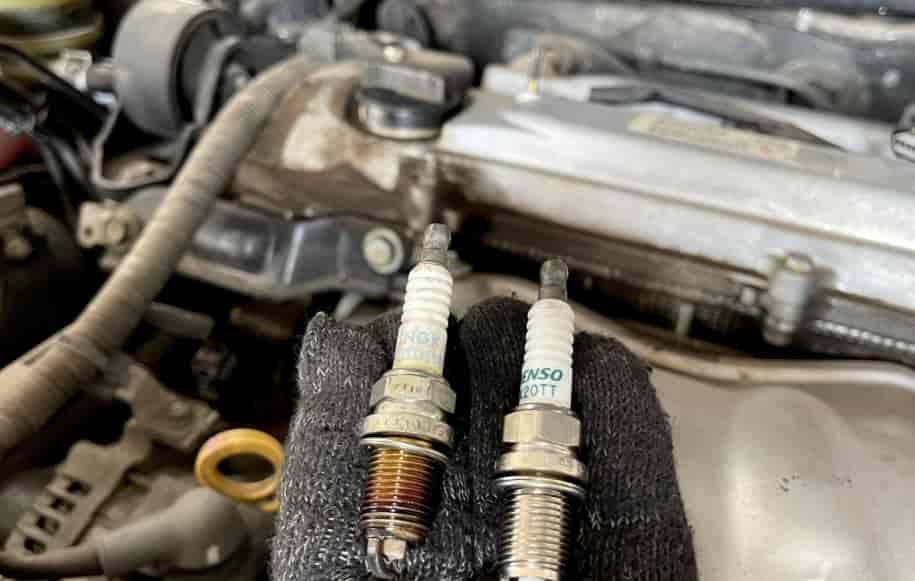
A spark plug blow out happens when a spark plug is pushed out of the cylinder head while the engine is running. The plug loses its grip in the threaded hole and pops out due to the high pressure inside the combustion chamber. This failure often produces a loud popping sound and immediate engine problems.
Spark plugs play a vital role in the ignition process. Each plug creates a spark that ignites the air and fuel mixture inside the cylinder. This small ignition event generates the power that moves the vehicle. For the system to work correctly, the spark plug must stay tightly secured in the cylinder head.
Engines operate under extreme pressure and heat. During combustion, pressure inside the cylinder rises rapidly. The spark plug threads must hold the plug firmly in place under these harsh conditions. If the threads weaken or become damaged, they can no longer hold the plug securely.
When a spark plug blow out occurs, the affected cylinder instantly loses compression. The engine may begin to misfire or run roughly. Drivers often notice a loud engine noise and a sudden loss of power. In some cases, the ignition coil above the spark plug can also suffer damage.
Many modern engines use aluminum cylinder heads. Aluminum helps reduce engine weight and improve fuel efficiency. However, aluminum threads wear faster than steel threads. Incorrect installation, over tightening, or worn threads can increase the risk of a spark plug blow out.
Understanding this problem helps drivers recognize early warning signs. Quick action can prevent serious engine damage and expensive repairs.
Common Causes of Spark Plug Blow Out
A spark plug blow out does not happen without a reason. Several mechanical issues can weaken the connection between the spark plug and the cylinder head. When this connection fails, the pressure inside the combustion chamber can force the spark plug out of its seat. Understanding these causes helps drivers prevent serious engine damage and expensive repairs.
Stripped Spark Plug Threads
Damaged or worn threads are one of the most common causes of a spark plug blow out. The spark plug relies on strong threads inside the cylinder head to stay firmly in place. Over time, these threads can wear down. This problem occurs more often in engines with aluminum cylinder heads because aluminum is softer than steel.
When threads become stripped, they cannot hold the spark plug securely. As engine pressure builds during combustion, the spark plug may loosen or eject from the cylinder head. Even a slightly damaged thread can increase the risk of failure.
Incorrect Spark Plug Torque
Proper installation plays a critical role in preventing a spark plug blow out. Mechanics must tighten spark plugs according to the manufacturer’s torque specification. If a spark plug is too loose, it may gradually vibrate out of position while the engine runs. This movement can damage the threads and eventually lead to ejection.
Over tightening also creates problems. Excessive torque can weaken the cylinder head threads or distort the spark plug seat. This damage may not appear immediately, but it can cause the threads to fail later under engine pressure.
Engine Overheating
High engine temperatures can also contribute to spark plug blow out problems. Heat causes metal components to expand. When an engine overheats, the cylinder head may expand more than expected. This expansion can reduce the strength of the threads that hold the spark plug in place.
Repeated overheating can slowly damage the thread structure. Over time, the spark plug may lose its secure fit and become vulnerable to being forced out by combustion pressure.
Worn Cylinder Head Threads
Engines with high mileage often experience gradual wear in critical components. The threads inside the cylinder head are no exception. Constant heat cycles, vibration, and spark plug replacement can slowly weaken the threads.
After many years of use, the threads may no longer hold the spark plug tightly. At that point, even normal combustion pressure can trigger a spark plug blow out.
Poor Spark Plug Installation
Improper installation can cause immediate or long term thread damage. One common mistake is cross threading. This happens when the spark plug enters the threaded hole at the wrong angle. Instead of aligning correctly, the plug cuts into the existing threads and damages them.
Once the threads become misaligned or damaged, the spark plug may not sit correctly in the cylinder head. This weak connection can eventually result in a spark plug blow out during engine operation.
Understanding these causes makes it easier to protect your engine. Regular inspection, proper installation, and correct torque settings can greatly reduce the risk of this problem.
Symptoms of a Spark Plug Blow Out
A spark plug blow out often appears suddenly and creates several noticeable engine problems. Drivers may first hear a loud popping sound coming from the engine bay. This noise occurs when high pressure gases escape from the combustion chamber after the spark plug loses its seal in the cylinder head. The sound can repeat continuously while the engine runs. Many drivers notice the noise during acceleration or when the engine is under load.
Another common symptom is engine misfire. Each spark plug plays an essential role in igniting the air and fuel mixture inside its cylinder. When a spark plug blows out, that cylinder can no longer complete the combustion process. As a result, the engine may begin to run unevenly. Drivers often feel strong vibrations through the steering wheel or the vehicle body. In many cases, the check engine light will also appear because the engine control unit detects abnormal combustion activity.
Loss of engine power is another clear warning sign. Since one cylinder stops producing power, the engine must operate with reduced efficiency. Drivers may notice slower acceleration and weak throttle response. The vehicle may struggle to maintain speed, especially during uphill driving or when carrying heavy loads. This reduction in power often becomes more obvious the longer the engine continues to run with the problem.
Some drivers also notice a strong fuel smell around the engine or near the exhaust system. This happens because the air and fuel mixture may escape from the combustion chamber without burning properly. In more severe cases, the spark plug may completely eject from the cylinder head, which makes the problem easy to identify during a visual inspection of the engine.
Engine Damage Caused by Spark Plug Blow Out
A spark plug blow out can cause more than a simple engine misfire. If drivers ignore the problem, it can lead to serious mechanical damage inside the engine. The longer the engine runs with a loose or missing spark plug, the greater the risk of damaging important components such as the cylinder head, ignition system, and combustion chamber.
One of the most common types of damage involves the cylinder head threads. When a spark plug blows out, the threads that hold the plug in place are often stripped or heavily worn. These threads normally keep the spark plug tightly sealed in the cylinder head. Once they fail, the spark plug can no longer sit securely in its position. In many cases, mechanics must repair the threads using a special thread repair insert or replace the entire cylinder head.
The ignition coil can also suffer damage during a spark plug blow out. In many modern engines, the ignition coil sits directly on top of the spark plug. When the plug suddenly ejects from the cylinder head, it can push the ignition coil upward or break its housing. A damaged ignition coil can lead to further ignition problems and increase repair costs.
Another possible issue is contamination inside the combustion chamber. When a spark plug blows out, debris from damaged threads or metal fragments may enter the cylinder. These particles can interfere with normal combustion and cause additional wear on internal engine parts. Over time, this contamination can reduce engine efficiency and increase the risk of further mechanical failure.
Because of these risks, drivers should treat a spark plug blow out as a serious mechanical issue. Early diagnosis and proper repair can prevent long term engine damage and help maintain reliable vehicle performance.
How to Fix a Spark Plug Blow Out
Fixing a spark plug blow out requires careful inspection and the right repair method. The best solution often depends on the level of damage inside the cylinder head. In some cases, a simple thread repair can restore the spark plug seat. In more severe situations, the cylinder head may require extensive repair or replacement. Understanding the available repair options helps vehicle owners choose the safest and most effective solution.
The first step is to inspect the spark plug hole and the surrounding threads. Mechanics usually remove the ignition coil and check whether the spark plug threads remain intact. If the threads show minor wear or partial damage, a thread repair kit may solve the problem. These kits allow technicians to restore the damaged threads so the spark plug can sit securely again. A common repair method involves installing a threaded insert that strengthens the spark plug seat and provides a new surface for the spark plug to grip.
Another widely used repair method involves installing a thread insert system such as a precision threaded sleeve. This type of repair creates strong and durable threads inside the cylinder head. Many professional mechanics prefer this solution because it provides a long term fix and reduces the chance of another spark plug blow out in the future.
In situations where the cylinder head suffers severe thread damage, a more complex repair may be required. Mechanics may remove the cylinder head to repair the threads properly or replace the entire component. Although this solution costs more, it ensures that the engine regains full structural integrity.
Drivers should avoid running the engine after a spark plug blow out occurs. Continuing to drive can worsen the damage and increase repair costs. A quick inspection and proper repair will help restore normal engine operation and prevent further mechanical problems.
Cost to Repair a Spark Plug Blow Out
The cost to repair a spark plug blow out can vary depending on the severity of the damage and the repair method required. In some cases, the repair is relatively simple and affordable. In other situations, the damage to the cylinder head can make the repair much more expensive. Understanding the potential costs helps vehicle owners prepare for the repair process and make informed decisions.
If the spark plug threads are only slightly damaged, a thread repair kit may solve the problem. This repair usually involves installing a threaded insert that restores the spark plug seat inside the cylinder head. Many mechanics can complete this type of repair without removing the cylinder head. In most cases, the cost for this repair ranges from about 150 to 400 dollars, depending on the vehicle model and labor rates.
A more advanced repair may require a professional thread insert system that creates stronger and more durable threads. This method often takes more time and precision, especially when the damaged threads require careful cleaning and alignment. The cost for this type of repair usually falls between 300 and 800 dollars.
In severe cases, the cylinder head threads may be too damaged to repair directly. When this happens, mechanics may need to remove the cylinder head from the engine to perform a complete repair or replace the part entirely. Cylinder head replacement is the most expensive option, and the total cost can range from 1000 to 3000 dollars or more depending on the engine design and labor requirements.
Because repair costs can increase quickly, early diagnosis is extremely important. Fixing the problem soon after the spark plug blow out occurs can prevent additional damage and keep repair expenses under control.
How to Prevent Spark Plug Blow Out
Preventing a spark plug blow out is much easier and less expensive than repairing the damage after it occurs. Regular maintenance and proper installation practices can greatly reduce the risk of this problem. Vehicle owners who follow recommended service procedures can protect the engine and extend the life of important components.
One of the most important preventive steps is using the correct torque when installing spark plugs. Manufacturers specify a precise tightening force for each engine type. If the spark plug is too loose, engine vibration can slowly loosen the plug and damage the threads. If the spark plug is over tightened, the cylinder head threads can weaken and eventually fail. Using a torque wrench ensures that the spark plug remains securely installed.
Regular spark plug inspection also plays an important role in prevention. Mechanics should check the condition of spark plugs during routine maintenance. Worn or damaged plugs should be replaced before they create additional stress on the threads inside the cylinder head. Replacing spark plugs at the recommended service interval helps maintain proper engine performance.
Avoiding engine overheating is another important factor. Excessive heat can weaken metal components and increase the risk of thread damage. A properly maintained cooling system helps control engine temperature and protects critical parts such as the cylinder head.
By following these maintenance practices, drivers can significantly reduce the risk of a spark plug blow out and keep their engines running smoothly for many years.
Conclusion
A spark plug blow out may start as a sudden and alarming engine problem, but understanding its causes and warning signs can help drivers respond quickly and avoid serious damage. This issue usually occurs when the threads inside the cylinder head fail to hold the spark plug securely. High combustion pressure can then force the spark plug out of its seat, which leads to loud engine noise, severe misfires, and noticeable power loss.
Several factors can contribute to this problem. Damaged threads, incorrect spark plug torque, overheating engines, and poor installation practices can all increase the risk of a spark plug blow out. When the issue occurs, it may also damage surrounding components such as the ignition coil and the cylinder head. In more serious cases, metal debris may enter the combustion chamber and create additional engine wear.
Fortunately, many spark plug blow out problems can be repaired if they are diagnosed early. Mechanics often restore the damaged threads using specialized thread repair inserts. In more severe situations, cylinder head repair or replacement may be necessary. The repair cost can vary widely, which makes early detection especially important.
Regular maintenance remains the best way to prevent this problem. Proper spark plug installation, routine inspections, and good engine cooling system maintenance all help protect the cylinder head threads. By following these practices, vehicle owners can reduce the risk of a spark plug blow out and maintain reliable engine performance for the long term.