Have you ever started your vehicle and seen a warning message that says “Service Required Do Not Shift Gears”? This alert can create immediate concern for many drivers. The vehicle may refuse to change gears or behave differently during operation.
Many car owners do not know what this message means. They also do not know whether they can continue driving or need professional help. The warning often points to a problem with the transmission system, gear selector, or electronic control components.
Modern vehicles use advanced computer systems to monitor transmission performance. When the system detects an unusual condition, it may limit gear changes to protect important components. This safety feature helps prevent further damage and reduces the risk of a major transmission failure.
The Service Required Do Not Shift Gears warning does not always mean that you need a complete transmission replacement. Some cases come from simple issues, such as low transmission fluid or a faulty sensor. Other cases may involve the transmission control module or internal mechanical damage.
In this complete guide, you will learn what Service Required Do Not Shift Gears means, why it happens, and how to fix it. We will also explain repair costs and prevention tips. Understanding this warning can help you make better decisions and avoid expensive repairs in the future.
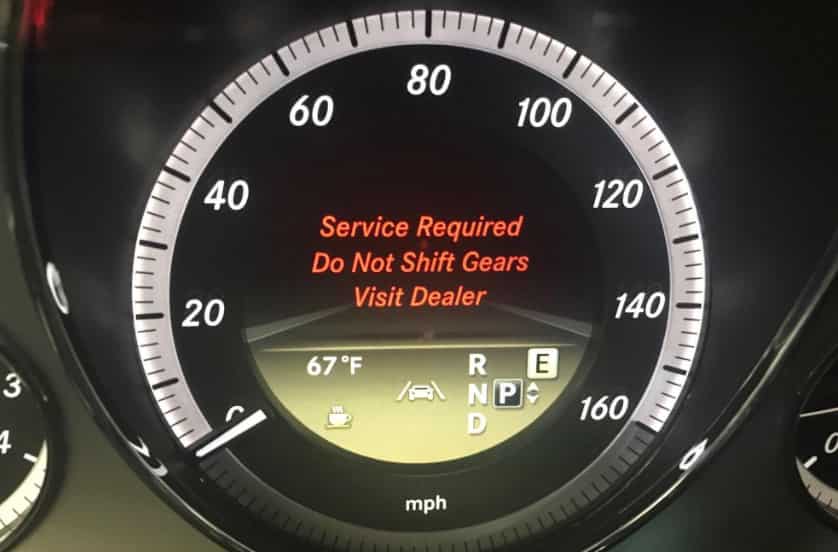
What Does Service Required Do Not Shift Gears Mean?
The Service Required Do Not Shift Gears message is a warning related to your vehicle’s transmission system. It means the vehicle has detected a problem that may affect its ability to change gears correctly. The warning tells the driver that the transmission needs inspection before normal operation continues.
Modern vehicles use multiple sensors and computer modules to control gear changes. The transmission control module monitors speed, pressure, temperature, and other important signals. When the system finds an abnormal reading, it can trigger the Service Required Do Not Shift Gears warning.
In many cases, the vehicle enters a protective mode called limp mode. This mode limits certain functions to reduce stress on the transmission. The car may stay in one gear, refuse to shift, or provide limited power during acceleration. This helps protect internal components until the problem receives proper attention.
Drivers often confuse this warning with a regular maintenance reminder. However, this message usually indicates a transmission-related issue rather than a simple service notification. The actual cause can range from low transmission fluid to electrical problems or damaged transmission components.
The exact meaning of this warning depends on the vehicle model and the detected fault code. A professional diagnostic scan can identify the specific problem and prevent unnecessary repairs. Checking the issue early can help avoid more serious transmission damage and higher repair costs.
Common Causes of Service Required Do Not Shift Gears Warning
The Service Required Do Not Shift Gears warning can appear for many different reasons. The transmission system depends on mechanical parts, electronic controls, sensors, and fluids working together. When one part fails or sends incorrect information, the vehicle may activate this warning to protect the transmission.
One common cause is a problem with the transmission control module (TCM). The TCM acts as the brain of the transmission system. It receives information from different sensors and controls how the vehicle changes gears. A software issue, electrical fault, or damaged module can prevent the transmission from shifting properly.
Another frequent cause is low or contaminated transmission fluid. Transmission fluid helps lubricate internal parts and maintain proper hydraulic pressure. When the fluid level drops or becomes dirty, the transmission may struggle to change gears smoothly. Drivers may notice delayed shifting, unusual noises, or rough gear changes before the warning appears.
Faulty sensors can also trigger the Service Required Do Not Shift Gears message. The transmission relies on sensors to measure vehicle speed, gear position, and operating conditions. If a sensor provides inaccurate information, the control system may activate a safety mode and restrict gear movement.
Electrical problems are another possible reason behind this warning. Damaged wiring, loose connections, or weak battery voltage can interrupt communication between the transmission components and the vehicle computer. These issues may seem minor, but they can affect the entire shifting process.
In some situations, the problem comes from internal transmission damage. Worn gears, damaged clutches, or failing hydraulic components can prevent normal gear operation. These repairs usually require more time and cost because they involve major transmission components.
Finding the exact cause requires proper diagnosis. A diagnostic scan can reveal fault codes and help technicians identify the source of the problem. Early inspection can reduce repair costs and prevent a small transmission issue from becoming a major failure.
Symptoms That Come With Service Required Do Not Shift Gears
The Service Required Do Not Shift Gears warning often appears with other noticeable symptoms. These signs can help drivers understand that the vehicle has a transmission-related problem. Recognizing them early can prevent further damage and reduce repair costs.
One common symptom is difficulty changing gears. The vehicle may refuse to shift into drive, reverse, or higher gears. In some cases, the transmission stays in a single gear and limits performance. This usually happens when the vehicle activates a protective mode to prevent additional damage.
Many drivers also experience delayed or rough shifting. The vehicle may hesitate before changing gears or produce a sudden jerk during acceleration. These changes often indicate that the transmission system cannot control gear movement properly.
Another warning sign is reduced acceleration. The engine may run normally, but the vehicle may not respond quickly when the driver presses the accelerator. This happens because the transmission cannot transfer engine power efficiently to the wheels.
Unusual sounds can also appear when the transmission develops a problem. Drivers may hear humming, grinding, or clicking noises while changing gears. These sounds can point to worn internal components or low transmission fluid levels.
The warning may also appear together with other dashboard indicators. A check engine light or transmission warning light can provide additional information about the problem. These alerts show that the vehicle computer has detected an issue that requires attention.
In more serious cases, the vehicle may lose the ability to move. The gear selector may not respond, or the car may remain stuck in park or neutral. When this happens, continuing to drive can increase the risk of expensive transmission repairs.
Paying attention to these symptoms can help you take action before the problem becomes severe. A professional inspection can identify the cause and restore normal transmission performance.
Can You Drive With Service Required Do Not Shift Gears Warning?
Many drivers ask whether they can continue driving after seeing the Service Required Do Not Shift Gears warning. The answer depends on the severity of the transmission problem. Some vehicles may still move for a short distance, while others may become unsafe to operate.
If the vehicle still shifts normally and shows no serious symptoms, you may be able to drive carefully to a repair facility. However, you should avoid long trips, heavy acceleration, and stressful driving conditions. A small transmission issue can become worse when the system continues to operate under pressure.
You should stop driving immediately if the vehicle cannot change gears, makes loud mechanical noises, or loses power suddenly. These signs may indicate a serious transmission failure. Continuing to drive in this condition can damage internal components and increase repair costs.
Some vehicles enter limp mode after detecting a transmission problem. This safety feature reduces vehicle performance and limits gear operation. While limp mode allows the driver to move the vehicle in some situations, it does not fix the underlying issue.
Ignoring the Service Required Do Not Shift Gears warning can create more serious problems over time. A minor sensor issue may become a larger transmission repair if you delay diagnosis. Early inspection helps identify the problem before it affects expensive components.
The safest option is to perform a diagnostic check as soon as possible. A technician can read the transmission fault codes and determine whether the vehicle needs a simple repair or more extensive service. Taking action early can protect your vehicle and help you avoid unexpected repair expenses.
How to Fix Service Required Do Not Shift Gears Warning
Fixing the Service Required Do Not Shift Gears warning starts with finding the exact cause of the problem. Since many different issues can trigger this message, replacing parts without proper diagnosis can lead to unnecessary expenses. A complete inspection helps identify the real source of the transmission problem.
The first step is checking the vehicle’s diagnostic trouble codes. A technician uses an OBD scanner to communicate with the vehicle computer and read stored fault codes. These codes provide important information about the transmission system and help narrow down possible causes.
The next step is inspecting the transmission fluid. Low fluid levels or poor fluid condition can affect hydraulic pressure and gear operation. If the fluid looks dark, smells unusual, or does not meet manufacturer requirements, a transmission fluid service may improve performance.
Technicians should also check the electrical system and related components. Loose connections, damaged wiring, or faulty sensors can interrupt communication between the transmission and the vehicle computer. Repairing these issues may restore normal shifting without major transmission work.
In some cases, the transmission control module requires a reset, software update, or replacement. The TCM controls many important transmission functions, so a malfunction can prevent proper gear changes. A professional technician can determine whether the module needs attention.
More serious cases may require internal transmission repairs. Damaged clutches, worn gears, or failing hydraulic components can affect the vehicle’s ability to shift. These repairs usually involve more time and cost because technicians need to access the internal transmission parts.
After completing repairs, technicians should perform a system test to confirm that the warning has disappeared. They should also check that the vehicle shifts smoothly under different driving conditions. Proper diagnosis and repair can restore transmission performance and prevent future problems.
Service Required Do Not Shift Gears Repair Cost
The repair cost for the Service Required Do Not Shift Gears warning depends on the actual cause of the problem. Some issues require a simple adjustment or maintenance service, while others may involve expensive transmission repairs. A proper diagnosis is the first step to understanding the expected cost.
A diagnostic inspection is usually the lowest-cost service. Technicians use professional scan tools to identify transmission fault codes and locate potential problems. This step helps avoid unnecessary repairs because it shows which components need attention.
Transmission fluid problems are often less expensive to fix compared with major transmission failures. A fluid replacement or transmission service may solve the issue if the warning comes from low fluid levels or poor fluid condition. However, ignoring fluid problems can lead to more serious damage over time.
Sensor-related repairs usually cost more than basic maintenance but remain affordable compared with major transmission work. Replacing a faulty gear position sensor, speed sensor, or related electrical component can restore normal shifting in many cases.
A damaged transmission control module can increase repair costs because the component controls important transmission functions. Some vehicles may only need software updates or module reprogramming, while others may require a complete module replacement.
The highest repair costs usually come from internal transmission damage. Problems involving clutches, gears, hydraulic systems, or other internal parts may require extensive repairs or transmission rebuilding. In severe cases, replacing the entire transmission may become the most practical solution.
Repair costs also depend on the vehicle model, labor rates, and the availability of replacement parts. Luxury vehicles and advanced transmission systems often require specialized equipment and technicians, which can increase the final price.
Addressing the Service Required Do Not Shift Gears warning early can help reduce expenses. A quick diagnosis may prevent a small transmission issue from developing into a major repair. Regular maintenance and early attention can protect your vehicle and extend transmission life.
How to Prevent Service Required Do Not Shift Gears Problems
Preventing the Service Required Do Not Shift Gears warning starts with proper transmission care. The transmission system contains many mechanical and electronic components that work together. Regular maintenance helps these parts operate correctly and reduces the risk of unexpected failures.
One of the most important steps is checking and replacing transmission fluid at the recommended intervals. Clean transmission fluid helps reduce friction, maintain hydraulic pressure, and protect internal components. Using the correct fluid type for your vehicle also helps maintain smooth gear changes.
Drivers should pay attention to early warning signs from the transmission. Delayed shifting, unusual noises, jerking movements, or changes in driving performance should not be ignored. Early inspection can identify small issues before they become expensive repairs.
Keeping the vehicle’s electrical system in good condition can also prevent transmission problems. Weak batteries, damaged wiring, or poor electrical connections can affect communication between the transmission control module and other vehicle systems. Regular vehicle inspections can help detect these problems early.
Driving habits also affect transmission health. Avoiding excessive acceleration, heavy towing beyond vehicle limits, and aggressive driving can reduce stress on transmission components. Allowing the vehicle to warm up properly in cold conditions can also support smoother operation.
Following the manufacturer’s maintenance schedule is another important prevention method. Vehicle makers provide specific recommendations for fluid changes, inspections, and service intervals based on the transmission design.
A well-maintained transmission provides better performance, improved reliability, and a longer service life. Taking preventive steps can reduce the chance of seeing the Service Required Do Not Shift Gears warning and help avoid costly repairs in the future.
Conclusion
The Service Required Do Not Shift Gears warning is an important message that drivers should never ignore. This warning usually indicates a problem within the transmission system, gear selector, sensors, or electronic control components. While some causes may require simple maintenance, others can lead to serious transmission damage if left untreated.
Understanding the meaning, causes, symptoms, and repair options can help you respond quickly when this warning appears. Issues such as low transmission fluid, faulty sensors, electrical problems, and transmission control module failures can affect the way your vehicle changes gears.
The best solution is to diagnose the problem as soon as possible. A professional inspection can identify the exact cause and prevent unnecessary repairs. Early action can also reduce repair costs and protect important transmission components.
Regular maintenance plays an important role in preventing transmission problems. Checking fluid levels, following service schedules, and paying attention to unusual driving behavior can help keep your vehicle reliable.
Have you experienced the Service Required Do Not Shift Gears warning on your vehicle? Share your vehicle model and symptoms to help others understand similar transmission problems. If your vehicle shows this warning, consider getting a professional diagnosis before the issue becomes more serious.