Honda owners often install an S VCM Controller to reduce Variable Cylinder Management activation and improve driving comfort. In many cases, the device performs exactly as expected. However, some drivers eventually notice unusual behavior such as the ECO indicator returning, a check engine light appearing, unstable temperature readings, or inconsistent engine performance. These symptoms can be frustrating because they do not always indicate that the controller itself has failed. Instead, they may result from installation errors, damaged wiring, sensor faults, battery issues, or an unrelated cooling system problem.
Understanding the real cause of S VCM Controller problems is essential before replacing parts or removing the device. Since the controller works by influencing the engine coolant temperature signal, even a small interruption in the electrical circuit can create symptoms that resemble more serious mechanical issues. A careful diagnosis can save both time and money while preventing unnecessary repairs.
This guide explains the most common S VCM Controller problems, their warning signs, possible causes, and proven solutions. You will also learn how to inspect the controller correctly, identify problems that are unrelated to the device, and follow practical maintenance tips to reduce the risk of future issues. Whether you drive a Honda Pilot, Odyssey, Ridgeline, Passport, or another compatible model, this guide will help you troubleshoot S VCM Controller problems with greater confidence.
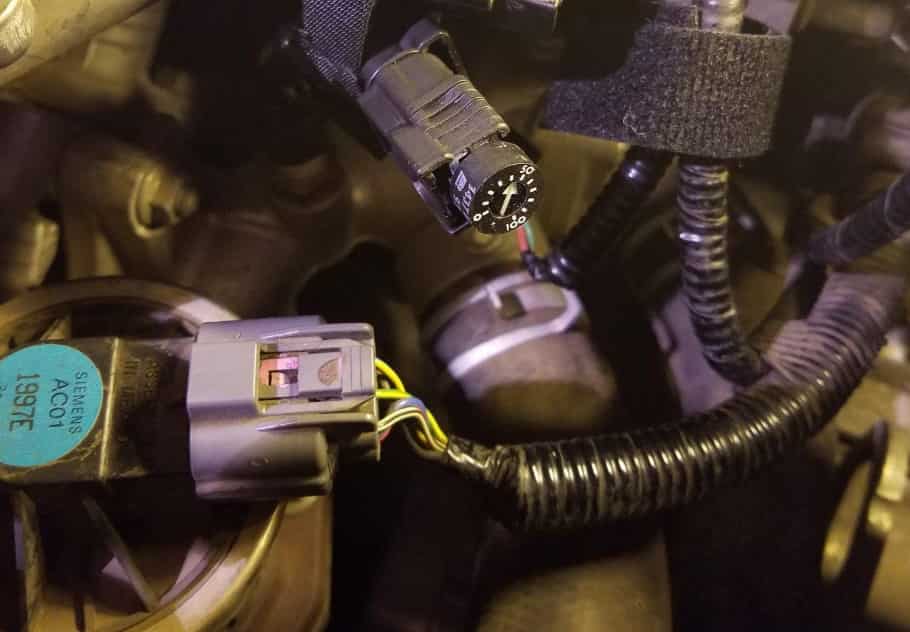
What Is an S VCM Controller?
An S VCM Controller is an aftermarket device that helps reduce Honda Variable Cylinder Management activation. Many Honda and Acura owners install it to keep all engine cylinders working more consistently during normal driving. This approach often creates a smoother driving experience and reduces frequent cylinder switching.
The controller adjusts the coolant temperature signal before the engine control module receives it. The control module then keeps the engine in full cylinder operation under more driving conditions. The device does not remove the factory VCM system. Instead, it changes how the system responds during normal operation. If you remove the controller and reconnect the original wiring, the vehicle returns to its factory settings.
Many drivers blame the controller as soon as a warning light appears. However, other problems can create the same symptoms. A faulty coolant temperature sensor, damaged wiring, loose electrical connectors, a weak battery, or a failing thermostat can all affect engine performance. These issues often look similar, so replacing the controller without testing the vehicle may waste both time and money.
A clear understanding of how the S VCM Controller works makes troubleshooting much easier. You can identify the real cause faster and avoid replacing parts that still work properly. This knowledge also helps you separate controller related issues from normal engine or cooling system faults.
Common Symptoms of S VCM Controller Problems
S VCM Controller problems can appear in different ways, and the symptoms often vary from one vehicle to another. Some issues develop immediately after installation, while others become noticeable after weeks or even months of normal driving. Understanding these warning signs can help you identify the real problem before replacing parts or removing the controller.
One of the most common symptoms is the return of the ECO indicator during normal driving. Many owners install an S VCM Controller to reduce VCM activation, so the ECO light returning may suggest that the controller is no longer working as intended. However, this symptom alone does not confirm a failed controller because wiring problems or sensor faults can produce the same result.
Another common sign is a check engine light. The engine control module may detect an unusual coolant temperature signal and store a diagnostic trouble code. Reading the stored codes is the first step because they provide valuable information about the affected system. Clearing the warning light without diagnosing the cause can make troubleshooting more difficult.
Some drivers also notice unusual temperature readings on the dashboard. The engine may appear to warm up too slowly, or the temperature gauge may fluctuate during normal driving. In some cases, the cooling fans run more often than expected. These symptoms can point to problems with the controller, but they may also indicate a faulty thermostat, a damaged coolant temperature sensor, or an issue within the cooling system.
Engine performance can also change when an electrical problem affects the controller. You may experience rough acceleration, slight hesitation, or inconsistent engine response. These symptoms do not always originate from the S VCM Controller. Ignition problems, fuel system faults, or existing engine issues can create similar driving conditions. For this reason, a complete inspection is always the best approach before replacing any component.
Main Causes of S VCM Controller Problems
Several factors can cause S VCM Controller problems, and the controller is not always the source of the issue. Many symptoms begin with a simple installation mistake or a weak electrical connection. Identifying the real cause helps you avoid unnecessary repairs and reduces the risk of replacing parts that still function correctly.
Loose electrical connectors are one of the most common causes. Even a small gap between the connector and the sensor can interrupt the coolant temperature signal. As a result, the engine control module may receive incorrect information and activate warning lights or restore normal VCM operation. Always inspect every connector and confirm that it locks securely into place.
Incorrect installation can also create unexpected problems. A twisted wire, poor cable routing, or excessive tension may damage the wiring over time. Heat from the engine can make the situation worse because damaged insulation often leads to unstable electrical signals. Moisture and corrosion inside the connector can produce similar symptoms, especially in vehicles that operate in wet or humid environments.
Vehicle related problems can also affect controller performance. A faulty coolant temperature sensor, a worn thermostat, or damaged factory wiring may send incorrect data to the engine control module. Low battery voltage can create unstable electrical conditions as well. In some cases, these faults appear shortly after installing the controller, which leads many owners to blame the device even though another component has actually failed.
Although less common, the controller itself can develop an internal fault after years of exposure to heat and vibration. Electronic components naturally wear over time, especially inside the engine compartment. If every connector, sensor, and wiring circuit passes inspection, replacing the controller may become the most practical solution.
How to Diagnose S VCM Controller Problems
A systematic inspection is the best way to diagnose S VCM Controller problems. Avoid replacing parts before you understand the actual cause. A careful inspection saves time, reduces repair costs, and prevents unnecessary work.
Start by checking the engine temperature. Look for signs of overheating, coolant leaks, or steam from the engine bay. If the engine overheats, stop driving the vehicle and repair the cooling system before testing the controller. Engine temperature problems can create symptoms that closely resemble controller faults.
Next, connect a diagnostic scan tool and read any stored trouble codes. Record the codes before clearing them because they provide valuable clues about the affected system. Live data is equally important. Compare the coolant temperature reading with the actual engine condition. Large differences may indicate a faulty sensor, damaged wiring, or an electrical problem within the circuit.
After that, inspect the S VCM Controller and its wiring. Check every connector for a secure fit and look for bent terminals, corrosion, or damaged insulation. Follow the wiring harness through the engine bay and confirm that it does not touch hot components or moving parts. Even minor damage can interrupt the electrical signal and produce inconsistent engine behavior.
If the inspection does not reveal the problem, restore the vehicle to its factory configuration. Disconnect the controller and reconnect the original wiring according to the installation instructions. Drive the vehicle under normal conditions and compare its behavior with the previous test. If the symptoms disappear, continue inspecting the controller and its connections before deciding to replace the unit.
Finally, inspect the battery and charging system. Low voltage often affects electronic components and may create false warning lights or unstable sensor readings. A healthy electrical system provides a reliable foundation for accurate diagnosis. Once you complete these steps, you can identify the real source of the problem with much greater confidence.
How to Fix S VCM Controller Problems
Fixing S VCM Controller problems starts with identifying the exact cause. A careful inspection often reveals a simple issue that requires only a minor repair. Taking the time to diagnose the problem first can prevent unnecessary expenses and help restore normal engine operation.
Begin by checking every electrical connector. Disconnect each plug and inspect it for dirt, corrosion, or bent terminals. Clean the contacts if necessary, then reconnect each plug until it locks firmly into place. A secure connection helps maintain a stable coolant temperature signal and prevents intermittent faults.
Next, inspect the wiring harness. Look for damaged insulation, loose sections, or areas where the wiring touches hot engine components. Replace damaged wires whenever possible instead of applying temporary repairs. Proper wire routing also protects the harness from heat, vibration, and long term wear.
If the wiring appears normal, inspect the coolant temperature sensor and thermostat. A faulty sensor can send incorrect information to the engine control module, while a worn thermostat may prevent the engine from reaching its normal operating temperature. Replacing a defective component often resolves the problem without changing the controller.
The battery and charging system also deserve attention. Low voltage can affect electronic devices throughout the vehicle and create inconsistent warning lights or abnormal sensor readings. Test the battery, inspect the terminals, and confirm that the charging system operates within the manufacturer’s specifications before moving to the next step.
If every related component passes inspection and the symptoms continue, the controller itself may have developed an internal fault. In this situation, replacing the S VCM Controller is usually the most effective solution. After installation, perform a road test and monitor engine temperature, dashboard indicators, and overall vehicle performance. This final check confirms that the repair has resolved the issue and that the vehicle operates as expected.
How to Prevent Future Problems
Regular maintenance is the best way to prevent S VCM Controller problems. A few simple checks can improve reliability and reduce the chance of unexpected faults. Consistent care also helps the controller perform as intended for a longer period.
Inspect the electrical connectors during routine vehicle maintenance. Make sure every connection remains clean, dry, and fully locked. Remove any dirt or corrosion before it affects the electrical signal. Small connection problems can develop into larger issues if they remain unnoticed.
Check the wiring harness for signs of wear. Look for cracked insulation, loose clips, or contact with hot engine components. Secure the wiring if necessary and replace damaged sections as soon as possible. Good wire protection reduces the risk of signal interruptions.
Pay close attention to the cooling system. Maintain the correct coolant level and replace the coolant according to the service schedule. Inspect the thermostat, radiator, and coolant temperature sensor whenever you notice unusual temperature changes. A healthy cooling system supports accurate controller operation and improves overall engine performance.
Monitor the battery and charging system as part of your regular maintenance routine. Clean the battery terminals and confirm that the battery holds a proper charge. Stable voltage helps electronic components operate correctly and reduces the risk of false warning lights.
Finally, inspect the controller after any major engine repair or electrical work. Confirm that every connector remains secure and that the wiring follows the correct routing. A quick inspection only takes a few minutes, but it can prevent many common S VCM Controller problems before they affect your vehicle.
Frequently Asked Questions
Can an S VCM Controller damage my engine?
No. A properly installed and functioning S VCM Controller does not damage the engine. Most problems result from installation errors, wiring issues, or unrelated engine faults rather than the controller itself.
Why did the ECO light return after installing the controller?
The ECO indicator may return if the controller loses its electrical connection or if another component affects the coolant temperature signal. Inspect the wiring, connectors, and coolant temperature sensor before replacing the controller.
Can I drive with S VCM Controller problems?
The answer depends on the symptom. If the vehicle drives normally and only the controller appears to have stopped working, you can often drive safely while diagnosing the issue. However, stop driving immediately if the engine overheats, the temperature warning light appears, or you notice severe performance problems.
How long does an S VCM Controller last?
Service life varies with driving conditions, engine heat, and installation quality. Many controllers operate reliably for years when owners maintain the electrical connections and cooling system.
Should I remove the controller before visiting a repair shop?
That decision depends on the reason for the visit. If the repair involves the cooling system or engine wiring, removing the controller may simplify diagnosis. For routine maintenance, removal is usually unnecessary unless the technician requests it.
Conclusion
S VCM Controller problems do not always indicate a defective controller. In many cases, loose connectors, damaged wiring, a faulty coolant temperature sensor, or cooling system issues create the same warning signs. A careful inspection helps you identify the real cause and avoid replacing parts that still function correctly.
Following a logical diagnostic process makes troubleshooting much easier. Start with the electrical connections, inspect the wiring, check the cooling system, and read any stored diagnostic codes before making repairs. This approach saves time, reduces repair costs, and improves the accuracy of every decision.
Regular maintenance also plays an important role in long term reliability. Clean electrical connections, healthy wiring, stable battery voltage, and a well maintained cooling system help the S VCM Controller operate as expected. With proper care and timely inspections, you can reduce future problems, improve driving confidence, and enjoy more consistent engine performance.