RAM EcoDiesel engines have several known problem areas involving the emissions system, fuel delivery, turbocharger, cooling system, and internal engine components. Common warning signs include coolant loss, overheating, check engine lights, reduced power, hard starting, stalling, and unusual engine noises. The severity ranges from emissions-related faults that require diagnosis or component service to internal mechanical damage that can lead to major engine repair.
The cause of a RAM EcoDiesel problem cannot be identified reliably from one symptom alone. A loss of power, for example, can originate from the diesel particulate filter (DPF), turbocharger, fuel system, or another engine-management fault. Coolant loss can also point toward different parts of the cooling and emissions systems. Accurate diagnosis therefore requires matching the symptoms with diagnostic trouble codes, fluid condition, operating behavior, and component-specific tests before replacing parts.
This guide explains the most common RAM EcoDiesel engine problems, the symptoms associated with each issue, why they occur, and how they are diagnosed and fixed. It also covers model-year considerations, repair costs, preventive maintenance, and the factors that determine whether a used RAM EcoDiesel is a reliable purchase.
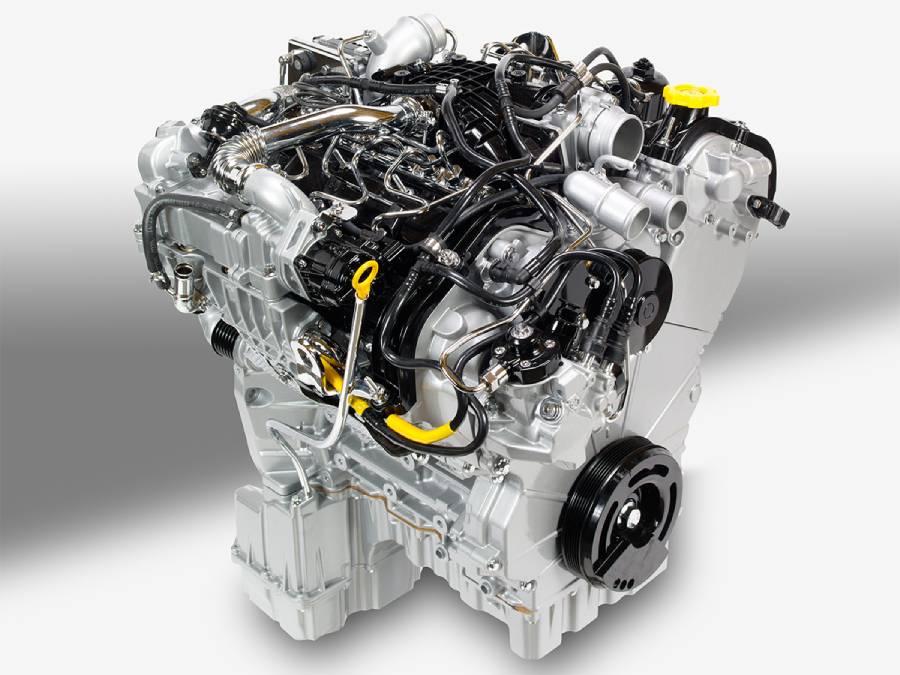
What Are the Most Common RAM EcoDiesel Engine Problems?
The most common RAM EcoDiesel engine problems involve the EGR cooler, diesel particulate filter (DPF), fuel system, turbocharger, cooling and lubrication systems, and internal engine components. These problems differ significantly in severity. A restricted DPF may initially cause warning messages and reduced performance, while lubrication failure or internal bearing damage can result in major engine damage.
EGR cooler and DPF problems involve the engine’s emissions system but can affect engine operation in different ways. The EGR system recirculates a controlled amount of exhaust gas, while the DPF captures soot from the exhaust stream. Problems in these systems can produce check engine lights, reduced power, abnormal regeneration behavior, coolant loss, or overheating depending on the component and type of failure.
Fuel system and turbocharger problems directly affect engine performance. A diesel engine depends on precise fuel delivery and sufficient boost pressure to operate correctly. A fuel-pressure fault can cause hard starting, stalling, rough operation, or loss of power. A turbocharger or boost-control problem can also reduce acceleration and trigger an engine warning or reduced-power condition.
Cooling, lubrication, and internal engine problems carry greater mechanical risk because they can affect the engine’s ability to control temperature and protect moving components. Persistent overheating, low oil pressure, abnormal mechanical noises, or significant fluid loss should therefore be investigated promptly rather than treated as normal EcoDiesel operating characteristics.
| Problem area | Common symptoms | System affected | Potential severity |
|---|---|---|---|
| EGR cooler | Coolant loss, overheating, warning light | Emissions/cooling | High |
| DPF | DPF warning, reduced power, regeneration problems | Exhaust/emissions | Medium–High |
| Fuel system | Hard starting, stalling, rough running | Fuel delivery | High |
| Turbocharger | Loss of power, boost problems, unusual noise | Forced induction | High |
| Cooling/lubrication system | Overheating, fluid loss, oil-pressure warnings | Engine | High |
| Internal engine components | Knocking, abnormal noise, major engine failure | Engine internals | Severe |
What Symptoms Indicate a RAM EcoDiesel Engine Problem?
The main symptoms of a RAM EcoDiesel engine problem include a check engine light, reduced power, coolant loss, overheating, hard starting, stalling, abnormal exhaust behavior, and unusual mechanical noises. These symptoms identify where diagnosis should begin, but they do not prove that a specific component has failed. Several EcoDiesel systems can produce similar drivability symptoms.
Why Does the Check Engine Light Come On in a RAM EcoDiesel?
The check engine light comes on when the engine control system detects a fault that falls outside its expected operating parameters. On a RAM EcoDiesel, the fault may involve emissions equipment, fuel delivery, boost pressure, sensors, or another monitored engine system. The warning light itself does not identify which part needs replacement.
Diagnostic trouble codes provide more useful information because they identify the system or operating condition that triggered the warning. A code related to insufficient boost, for example, directs diagnosis toward the air and turbocharging system, while an emissions-related code may require inspection of the EGR, DPF, sensors, or associated components. The code should therefore be treated as diagnostic evidence rather than automatic confirmation that the component named in a code description has failed.
Why Does a RAM EcoDiesel Lose Power or Enter Limp Mode?
A RAM EcoDiesel can lose power or enter a reduced-power mode when the engine control system detects a condition that could affect engine operation, emissions performance, or component protection. The vehicle may limit available torque or acceleration while storing diagnostic information that helps identify the underlying fault.
Several systems can cause the same symptom. Restricted exhaust flow from a DPF problem can affect engine performance, while a turbocharger or boost-control fault can prevent the engine from receiving the expected amount of compressed air. Fuel-pressure problems can also reduce power because the injection system cannot deliver fuel under the conditions required for normal combustion.
Loss of power should therefore be diagnosed from the fault codes and operating data rather than attributed immediately to the turbocharger or DPF. The distinction matters because replacing a turbocharger will not correct a reduced-power condition caused by fuel pressure, exhaust restriction, or an electronic control fault.
Why Does a RAM EcoDiesel Lose Coolant or Overheat?
Coolant loss or overheating indicates a problem within a system responsible for containing coolant or controlling engine temperature. On an EcoDiesel, diagnosis can involve the conventional cooling system as well as components that interact with coolant, including the EGR cooling circuit.
Coolant absorbs heat from the engine and transfers that heat through the cooling system. A leak reduces the amount of coolant available for heat transfer, while a circulation or heat-exchange problem can prevent the system from controlling temperature effectively. Continued operation under an overheating condition increases the risk of damage to components that depend on stable engine temperature.
Visible coolant loss, repeated low-coolant warnings, or rising engine temperature should therefore be investigated before the vehicle is driven extensively. The leak location and cooling-system condition need to be established before identifying the failed component.
Why Does a RAM EcoDiesel Stall or Become Hard to Start?
Hard starting and stalling can occur when the EcoDiesel cannot maintain the fuel delivery, pressure, airflow, or electronic control conditions required for combustion. Fuel-system diagnosis is particularly important because modern diesel injection relies on controlled fuel pressure to start and keep the engine running.
A weak or interrupted fuel supply can produce extended cranking, rough operation, loss of power, or stalling. Fuel contamination, filtration problems, pressure faults, pump problems, and injector-related conditions can produce overlapping symptoms, which makes component testing more reliable than diagnosis based on starting behavior alone.
Diagnostic trouble codes and fuel-pressure data can help narrow the cause. Fuel condition, filters, delivery pressure, and relevant fuel-system components can then be inspected or tested according to the fault identified.
What Engine Noises Can Indicate a Serious EcoDiesel Problem?
Persistent knocking, pronounced ticking, grinding, or a new mechanical noise that changes with engine speed can indicate a RAM EcoDiesel problem that requires inspection. Diesel engines naturally produce more combustion noise than many gasoline engines, so the important diagnostic factor is whether the sound is abnormal for that specific engine or has recently changed.
Internal engine components depend on adequate lubrication to prevent damaging metal-to-metal contact. A mechanical noise accompanied by an oil-pressure warning, overheating, loss of power, or visible fluid loss creates a more serious combination of symptoms than noise alone. Continuing to operate an engine with inadequate lubrication can turn a repairable problem into extensive internal damage.
A new severe knocking sound or mechanical noise accompanied by an oil-pressure or overheating warning should therefore be treated as a reason to stop driving and diagnose the engine. Identifying whether the noise originates from an accessory, fuel-injection process, turbocharger, valvetrain, or internal rotating assembly requires physical inspection rather than sound alone.
Why Does the RAM EcoDiesel EGR Cooler Fail?
A RAM EcoDiesel EGR cooler can develop problems when the cooler or related EGR components can no longer manage exhaust-gas recirculation and heat transfer correctly. The EGR cooler is part of the emissions system, but it also interacts with engine coolant because its purpose is to reduce the temperature of exhaust gases before they are recirculated through the engine.
The system works by routing a controlled portion of exhaust gas through the EGR cooler before returning it to the intake side of the engine. Coolant absorbs heat from the exhaust gases as they pass through the cooler. A failure within this circuit can therefore produce symptoms involving both emissions operation and the cooling system rather than creating a single EGR-specific symptom.
Coolant loss is one warning sign that requires investigation when an EcoDiesel develops an EGR cooler or cooling-system problem. Other indicators can include a low-coolant warning, rising engine temperature, a check engine light, or changes in engine operation. These symptoms do not confirm EGR cooler failure because coolant can escape from several locations in the cooling system. The leak source must be identified before the cooler is replaced.
An EGR-related diagnostic trouble code also does not automatically mean that the EGR cooler itself has failed. The EGR valve, sensors, passages, wiring, airflow conditions, and other emissions components can affect EGR operation. Diagnosis should combine stored fault codes with coolant inspection, leak testing, EGR-system data, and a physical inspection of the affected components.
A confirmed EGR cooler problem requires repair according to the component and type of failure found during diagnosis. Continuing to drive with significant coolant loss or overheating increases the risk beyond the EGR system because insufficient cooling can expose the engine to excessive temperature. The immediate priority is therefore to determine whether coolant is being lost and whether the engine can maintain normal operating temperature.
What Causes DPF Problems on a RAM EcoDiesel?
RAM EcoDiesel DPF problems occur when soot accumulates faster than the diesel particulate filter can remove it through regeneration or when a fault prevents the regeneration process from operating correctly. The DPF captures particulate matter from diesel exhaust instead of allowing it to leave directly through the tailpipe. The accumulated material must periodically be burned off to keep exhaust restriction within the system’s operating range.
Regeneration raises exhaust temperature so accumulated soot can be oxidized. The vehicle manages this process according to operating conditions and information supplied by the engine and emissions-control systems. Problems develop when the required regeneration conditions are repeatedly unavailable or when another engine, sensor, fuel, or emissions fault interferes with the process.
DPF problems can become progressive. Additional soot increases filter loading, greater filter loading increases exhaust restriction, and excessive restriction can affect engine performance. The driver may first notice a warning message before experiencing reduced power or other drivability changes. Ignoring repeated DPF warnings can therefore allow a manageable regeneration problem to develop into a condition requiring more extensive diagnosis or service.
DPF diagnosis should also identify why excessive loading occurred. Replacing or cleaning a filter without correcting the condition that prevented successful regeneration can allow the same problem to return.
What Are the Symptoms of a Clogged EcoDiesel DPF?
The main symptoms of an overloaded or restricted EcoDiesel DPF include DPF-related warnings, a check engine light, reduced engine performance, abnormal regeneration behavior, and reduced-power operation when restriction becomes severe. The exact symptoms depend on filter loading and whether another emissions or engine fault is present.
A warning message is particularly important because it can appear before severe drivability problems develop. The engine control system monitors information related to exhaust and filter operation to determine whether the DPF is functioning within expected conditions. When soot loading or another monitored condition exceeds the allowable range, the system can alert the driver and store diagnostic information.
Reduced power can occur as the problem becomes more significant. A diesel engine must expel exhaust efficiently, and excessive restriction changes the conditions under which the engine and turbocharging system operate. The vehicle can also restrict performance when its control strategy determines that continued normal operation could create additional problems.
A clogged DPF should not be diagnosed from power loss alone. Turbocharger, fuel-system, EGR, sensor, and other engine-management problems can create similar symptoms. DPF-related fault codes, exhaust-system data, filter-loading information, and the circumstances under which regeneration occurs provide stronger diagnostic evidence.
Can Short Trips Cause RAM EcoDiesel DPF Problems?
Repeated short-trip operation can contribute to RAM EcoDiesel DPF problems when the vehicle does not consistently reach the operating conditions required for effective regeneration. The relevant mechanism is the exhaust temperature and regeneration opportunity created by the driving cycle, not simply the physical distance of an individual trip.
Diesel particulate filters need sufficient conditions to remove accumulated soot. Longer periods of normal operation can provide more opportunity for the exhaust system to reach and maintain temperatures compatible with regeneration. Repeated cold starts followed by brief operation can reduce those opportunities, particularly when the vehicle repeatedly stops before an active regeneration cycle can complete.
Driving pattern is only one factor in DPF loading. Engine faults that increase soot production, emissions-system problems, sensor faults, or conditions that prevent regeneration can also contribute. A vehicle that develops recurring DPF warnings should therefore be diagnosed rather than assuming that changing the driving pattern will correct every filter problem.
This distinction is important for owners who mainly use a RAM EcoDiesel for short urban trips. Providing appropriate operating conditions can support normal DPF operation, but a persistent warning or repeated regeneration problem indicates that the emissions system may require diagnostic testing.
How Are RAM EcoDiesel DPF Problems Fixed?
RAM EcoDiesel DPF problems are fixed by determining the filter’s condition, identifying why regeneration is not controlling soot loading, and then selecting the appropriate regeneration, cleaning, repair, or replacement procedure. The correct response depends on whether the problem is normal soot accumulation, excessive restriction, a failed supporting component, or physical damage to the filter.
Regeneration can address soot accumulation when the DPF and supporting systems are still capable of operating normally. The process raises exhaust temperature to oxidize accumulated soot and reduce filter loading. The appropriate regeneration procedure depends on the vehicle’s condition and diagnostic findings rather than a universal driving routine.
Cleaning or additional service may be necessary when regeneration alone cannot restore acceptable operation. A severely restricted, contaminated, or damaged filter may require removal or replacement. Before replacing the DPF, the underlying cause should be investigated because a new filter can develop the same loading problem when excessive soot production or a regeneration-system fault remains unresolved.
The diagnostic sequence should therefore move from warning or symptom → fault-code and operating-data analysis → DPF condition → regeneration-system diagnosis → appropriate service. This approach separates the root cause from the affected component and reduces the risk of replacing an expensive DPF when another fault is responsible for the problem.
What Fuel System Problems Affect the RAM EcoDiesel?
RAM EcoDiesel fuel system problems can involve fuel delivery, fuel pressure, filtration, contamination, the high-pressure pump, or fuel injectors. These faults can produce hard starting, stalling, rough running, reduced power, and engine warning lights because a diesel engine requires fuel to be delivered at the correct pressure and quantity for combustion.
The fuel system moves diesel from the tank through filtration and into the high-pressure injection system. The high-pressure side then supplies the injectors under precisely controlled conditions. A restriction, pressure loss, contaminated fuel supply, or mechanical failure within this process can prevent the engine from receiving the fuel conditions required for normal starting and operation.
Fuel-system symptoms frequently overlap with problems elsewhere in the engine. Reduced power, for example, can result from insufficient fuel delivery, but it can also occur with DPF restriction or a turbocharging fault. Hard starting can indicate inadequate fuel pressure but does not identify whether the pump, filter, injector, fuel quality, electrical system, or another component is responsible.
For this reason, fuel-system diagnosis should establish whether the engine is receiving the required fuel supply and pressure before individual components are replaced. Diagnostic trouble codes, commanded and actual fuel-pressure data, fuel condition, filter condition, and component-specific testing can narrow the fault to the affected part of the system.
What Are the Symptoms of an EcoDiesel Fuel Pump Problem?
EcoDiesel fuel pump problems can cause extended cranking, hard starting, stalling, rough engine operation, loss of power, or a no-start condition when the fuel system cannot develop or maintain the required pressure. The severity depends on how much the pump’s performance has deteriorated and whether the fault has affected other fuel-system components.
Starting places a specific demand on the fuel system because adequate pressure must be established for injection and combustion to occur correctly. A vehicle that cranks normally but takes longer to start can therefore require fuel-pressure testing. A more severe pressure problem can prevent the engine from starting or cause it to stall after starting.
Power loss can appear under load when fuel demand increases. The engine control module expects actual fuel pressure to follow commanded pressure as operating conditions change. A significant difference between these values can help technicians determine whether the problem involves fuel supply, pressure generation, pressure control, or another part of the injection system.
These symptoms do not prove that the high-pressure fuel pump has failed. Filters, fuel supply, sensors, injectors, pressure-control components, wiring, and contaminated fuel can produce related symptoms. Pump replacement should therefore follow diagnosis rather than being based solely on hard starting or a stored fuel-pressure code.
Can Fuel Contamination Damage a RAM EcoDiesel Engine?
Fuel contamination can damage a RAM EcoDiesel fuel system when water, debris, incorrect fuel, or other contaminants interfere with lubrication, filtration, pressure generation, or injection. Modern diesel fuel systems operate with precise clearances and high pressures, making clean fuel important to component operation.
The fuel filter provides a barrier against contaminants before fuel reaches sensitive downstream components, but filtration has limits. Water in diesel fuel can interfere with the properties required by the fuel system, while solid contamination can contribute to wear or restriction. Incorrect fuel can create a different lubrication and combustion environment from the one for which the diesel system was designed.
Contamination becomes particularly serious when damaged fuel-system components distribute debris farther through the system. In that situation, diagnosis may need to extend beyond the original failed component to determine whether the fuel lines, rail, injectors, tank, or other parts of the system have also been affected.
Suspected contaminated fuel should therefore be evaluated before repeatedly attempting to run an engine that has developed a sudden fuel-related problem. Inspecting fuel condition and determining the extent of contamination can prevent a localized fuel problem from causing additional component damage.
How Are EcoDiesel Fuel System Problems Diagnosed?
EcoDiesel fuel system problems are diagnosed by checking fuel condition, supply, pressure, diagnostic trouble codes, and the performance of the components responsible for delivering and injecting fuel. Diagnosis should progress from evidence of a fuel-delivery problem toward individual component testing rather than starting with parts replacement.
The first stage is to establish the operating condition in which the fault occurs. A no-start condition, extended cranking, intermittent stall, rough idle, and power loss under load create different diagnostic paths. Stored codes and live engine data can then show whether actual fuel pressure corresponds with the pressure requested by the engine control system.
Fuel quality and filtration should also be inspected because a pressure problem can originate before the high-pressure pump. Once supply-side conditions have been established, testing can focus on pressure-control components, the high-pressure pump, injectors, sensors, or other components indicated by the diagnostic evidence.
The practical sequence is symptom identification → fault-code analysis → fuel inspection → pressure testing → component-specific diagnosis. Following this order reduces the chance of replacing a high-cost fuel component when the root cause is located elsewhere in the system.
What Turbocharger Problems Occur on the RAM EcoDiesel?
RAM EcoDiesel turbocharger problems can cause insufficient boost, loss of power, abnormal turbo noise, engine warning lights, and reduced-power operation. A turbocharger uses exhaust-gas energy to compress intake air, allowing the engine to receive the airflow required for efficient combustion and power production.
Turbocharger performance depends on more than the turbo assembly itself. Air intake, exhaust flow, boost control, sensors, connections, and lubrication all influence the amount of boost the engine receives. A fault anywhere along this chain can create a boost-related symptom or diagnostic trouble code.
This relationship is particularly important on an EcoDiesel because an exhaust restriction or emissions-system problem can affect conditions around the turbocharger without the turbo itself being the original cause. Likewise, an air leak or control problem can produce insufficient boost even when the rotating turbocharger components remain functional.
Turbo diagnosis should therefore compare requested and actual operating conditions before the turbocharger is condemned. Inspecting airflow, boost pressure, connections, exhaust conditions, lubrication, and stored fault information provides a more reliable diagnosis than treating every low-boost condition as turbo failure.
What Are the Symptoms of a Failing EcoDiesel Turbocharger?
A failing EcoDiesel turbocharger can produce reduced acceleration, insufficient boost, unusual whining or mechanical noise, abnormal exhaust smoke, oil-related symptoms, or a check engine light. The combination of symptoms provides more diagnostic value than any single indicator.
Loss of power is one of the most noticeable symptoms because the engine cannot produce expected performance when it receives insufficient compressed air. The engine control system can detect a difference between expected and measured boost conditions and store a fault code or limit engine output.
Noise can provide additional evidence when it represents a clear change from normal turbo operation. A new mechanical sound combined with low boost, oil consumption, smoke, or drivability problems warrants inspection because the symptoms may indicate a mechanical or lubrication-related turbo problem.
Smoke must also be interpreted in context. Exhaust smoke can originate from several combustion, fuel, air, or oil-related conditions, so smoke alone cannot establish turbocharger failure. Confirming the cause requires inspection of the turbo system and related engine operating data.
What Causes Turbo Problems on an EcoDiesel Engine?
EcoDiesel turbo problems can develop from inadequate lubrication, contaminated oil, airflow or boost-control faults, exhaust restrictions, leaks, or mechanical wear. These causes affect either the turbocharger’s rotating components or the conditions required for it to generate and control boost.
Lubrication is critical because the turbocharger operates at high rotational speed and temperature. Oil must reach its moving components under the required conditions to reduce friction and carry away heat. A lubrication problem can accelerate bearing and shaft wear and eventually produce noise, excessive movement, or loss of turbo performance.
Air and exhaust conditions also determine turbocharger output. Intake leaks can prevent compressed air from reaching the engine as expected, while exhaust restriction can change the energy available to drive the turbo. Boost-control or sensor faults can further cause the engine control system to observe boost values outside the expected range.
The root cause should remain part of the repair process. Replacing a damaged turbo without identifying an unresolved lubrication, intake, control, or exhaust problem can expose the replacement component to the same operating condition.
Can You Drive a RAM EcoDiesel With a Turbo Problem?
A RAM EcoDiesel should not continue normal driving when a suspected turbo problem causes severe power loss, mechanical noise, heavy smoke, oil loss, or another sign of potential component damage. Minor boost-related faults still require diagnosis, but symptoms suggesting mechanical or lubrication failure create a greater risk of additional engine damage.
The decision depends on the nature of the fault rather than the presence of a turbo-related code alone. An electronic control or sensor problem can produce different mechanical risks from a turbocharger with damaged rotating components or inadequate lubrication. Both require repair, but they do not justify the same response.
Continuing to operate the engine becomes particularly risky when a turbo symptom appears together with abnormal oil consumption, oil-pressure concerns, severe noise, or smoke. The turbocharger and engine share lubrication-related dependencies, so a significant oil problem can affect more than one component.
The safest diagnostic approach is to determine whether the problem is a control, airflow, exhaust, lubrication, or mechanical turbo fault before returning the vehicle to normal use. A severe mechanical symptom should be inspected immediately instead of attempting to drive until the turbocharger stops functioning completely.
What Cooling and Oil System Problems Affect the RAM EcoDiesel?
RAM EcoDiesel cooling and oil system problems can cause coolant loss, overheating, lubrication problems, abnormal engine temperatures, oil-pressure warnings, and eventually internal engine damage. These systems perform different functions, but both protect the engine from conditions that accelerate mechanical wear. The cooling system controls temperature, while the lubrication system reduces friction and protects moving components.
The cooling system circulates coolant through heat-producing areas of the engine and transfers that heat to the radiator. A loss of coolant, restricted circulation, or another cooling-system fault reduces the system’s ability to maintain the correct operating temperature. Overheating becomes particularly serious when it continues because excessive temperature can affect components beyond the original cooling-system fault.
The lubrication system performs a different protective function. Engine oil forms a lubricating film between moving components, reduces friction, carries heat, and protects surfaces from accelerated wear. Insufficient oil supply or pressure can therefore damage bearings and other internal components that depend on continuous lubrication.
Cooling and lubrication symptoms should be evaluated together when appropriate because one engine problem can create secondary effects elsewhere. For example, a driver who notices an overheating warning together with fluid loss has stronger evidence of an active mechanical problem than a driver who observes a temporary temperature change without other symptoms.
What Causes Coolant Loss in a RAM EcoDiesel?
RAM EcoDiesel coolant loss occurs when coolant escapes from the cooling circuit or is lost through a component connected to that circuit. The possible source must be located before the repair is selected because a low coolant level identifies the symptom rather than the failed component.
The cooling circuit contains multiple connections, hoses, heat exchangers, seals, and other components that must retain coolant under changing temperature and pressure. A leak can therefore develop at different points. Components associated with the EGR cooling circuit also need consideration when the symptoms and diagnostic evidence point toward that part of the system.
External coolant loss can sometimes leave visible evidence such as wet components, residue, or coolant beneath the vehicle. Other forms of coolant loss may be less obvious and require cooling-system pressure testing or component-specific inspection. Repeatedly adding coolant without identifying where it is going does not correct the underlying failure.
Coolant loss becomes more urgent when it occurs with rising engine temperature. Less coolant reduces the system’s heat-transfer capacity, and continued operation can expose the engine to overheating. A repeated low-coolant condition should therefore be treated as a diagnostic problem rather than normal fluid consumption.
What Causes a RAM EcoDiesel to Overheat?
A RAM EcoDiesel overheats when the cooling system cannot remove engine heat at the rate required to maintain its normal operating temperature. Coolant loss, circulation problems, insufficient heat transfer, or failure of a cooling-related component can disrupt this process.
Engine operation continuously produces heat. Coolant absorbs part of that heat and transports it through the cooling circuit so it can be released. When coolant volume falls or circulation becomes inadequate, heat remains concentrated in the engine and temperature rises beyond its intended range.
The cause should be diagnosed from the complete symptom pattern. Overheating accompanied by coolant loss directs attention toward a leak or coolant-related failure, while an overheating engine with a normal coolant level requires investigation of circulation, heat transfer, controls, and other cooling-system functions.
Continued driving during significant overheating increases the possibility that a cooling-system fault will become an internal engine problem. High temperatures can affect seals, lubricants, and metal components. The engine should therefore be allowed to cool and the cause diagnosed when the temperature warning indicates a serious overheating condition.
What Oil-Related Problems Can Damage an EcoDiesel Engine?
The most serious EcoDiesel oil-related problems are conditions that reduce oil quantity, oil pressure, oil flow, or effective lubrication of internal engine and turbocharger components. These conditions increase friction and heat between moving surfaces and can accelerate mechanical wear.
Oil must circulate continuously while the engine is running. Bearings and other moving components depend on an adequate lubricating film to prevent direct surface contact. When lubrication becomes insufficient, the protective film can deteriorate and component wear can increase rapidly under load.
Oil condition also matters because lubrication depends on the oil retaining the properties required by the engine. Correct service intervals and the specified lubricant help maintain those properties. An oil-related warning, visible leak, or abnormal mechanical noise should therefore be investigated instead of assuming that topping off the oil addresses the cause.
The combination of low oil pressure and new mechanical noise represents a more serious warning than either observation should be treated as in isolation. Continuing to operate an engine with confirmed inadequate lubrication can damage bearings, the turbocharger, and other oil-dependent components and can ultimately result in major engine failure.
What Internal Engine Problems Can Occur in a RAM EcoDiesel?
Internal RAM EcoDiesel engine problems can involve bearings and other lubricated rotating or moving components, with severe failures potentially requiring extensive engine repair or replacement. Internal damage is more serious than many emissions-related faults because it affects the mechanical assembly responsible for producing engine power.
Internal components operate under combustion loads, rotational forces, heat, and friction. They depend on correct lubrication and temperature control to maintain separation between moving surfaces and prevent excessive wear. A significant lubrication or overheating problem can therefore progress from a supporting-system fault into mechanical engine damage.
The symptoms of internal damage can include abnormal knocking or mechanical noise, oil-pressure problems, deterioration in engine operation, or complete engine failure. These symptoms require diagnosis because external components can also generate noise or performance changes that resemble an internal problem.
Internal engine diagnosis should establish the location and extent of damage before deciding whether individual components can be repaired or whether a larger engine repair is justified. The distinction directly affects repair cost and whether keeping the vehicle remains economically practical.
What Symptoms Can Indicate Bearing or Internal Engine Damage?
Persistent knocking, abnormal mechanical noise, oil-pressure warnings, metal-related evidence in the lubrication system, and severe deterioration in engine operation can indicate bearing or internal engine damage. No single symptom should be used by itself to confirm an internal failure.
Bearings depend on a controlled film of oil between moving surfaces. Loss of adequate lubrication allows greater contact and wear, which can change clearances and produce mechanical noise. As damage progresses, the problem can affect other rotating components and increase the scope of the required repair.
Noise characteristics provide diagnostic clues but are not a complete diagnosis. A sound that changes with engine speed or load can help identify the system involved, while inspection of oil condition and pressure can provide supporting evidence. Mechanical testing may then be necessary to determine whether the source is actually inside the engine.
A severe new knock accompanied by an oil-pressure warning should be treated as a high-risk combination. Operating the engine under those conditions can continue the damaging mechanism, turning localized wear into broader internal failure.
What Can Cause Severe EcoDiesel Engine Failure?
Severe EcoDiesel engine failure can result when inadequate lubrication, excessive temperature, or another mechanical fault damages components required for normal engine operation. The final failure can be the result of a chain of events rather than one isolated component suddenly becoming defective.
A lubrication-related failure demonstrates this progression. Insufficient lubrication increases friction between moving surfaces, increased friction accelerates heat and wear, and continued operation can damage bearings or other internal components. The initial lubrication problem can therefore become an engine-level failure when operation continues after serious warning signs appear.
Overheating creates another damaging pathway. Excessive engine temperature places additional stress on lubricants, seals, and metal components. Repeated or severe overheating can expand the scope of the original cooling-system problem and increase the likelihood of expensive mechanical repairs.
This is why early symptoms matter. Coolant loss, overheating, oil-pressure warnings, or new mechanical noises represent information about an active process inside or around the engine. Diagnosing the initiating fault before secondary damage occurs can substantially change the scale of the repair.
When Does a RAM EcoDiesel Need Engine Replacement?
A RAM EcoDiesel may need engine replacement when internal damage is extensive enough that repairing the existing engine is technically impractical or economically less reasonable than replacing the assembly. The decision should be based on confirmed damage and repair economics rather than mileage alone.
A localized problem does not automatically justify complete engine replacement. When damage is limited to a serviceable component and the remaining engine is in suitable condition, targeted repair can be the more appropriate solution. Extensive bearing, rotating-assembly, or related internal damage creates a different repair calculation because labor and parts requirements increase significantly.
Diagnosis should determine what failed, what secondary damage occurred, and whether contamination or damaged material has affected additional components. Repair estimates can then compare rebuilding or repairing the existing engine with installing an appropriate replacement.
Vehicle condition also matters to the ownership decision. The value of the truck, its mileage, maintenance history, other required repairs, and the cost and warranty of the proposed engine replacement should be considered together. There is therefore no single mileage at which every RAM EcoDiesel requires replacement; the extent of confirmed internal damage is the primary mechanical factor.
How Are RAM EcoDiesel Engine Problems Diagnosed?
RAM EcoDiesel engine problems are diagnosed by combining symptoms, warning messages, diagnostic trouble codes, fluid inspection, live operating data, and component-specific tests. The objective is to identify the system causing the problem before replacing individual components. This distinction is important because power loss, hard starting, overheating, and check engine lights can each originate from more than one EcoDiesel system.
Diagnosis should begin with the conditions under which the problem occurs. A technician needs to determine whether the fault appears during a cold start, acceleration, highway driving, regeneration, towing, or normal idle. The timing of the symptom helps establish which engine systems are active when the fault develops and narrows the diagnostic path.
Diagnostic trouble codes provide the next layer of information. An OBD-II scan can identify stored or pending codes associated with fuel pressure, boost, emissions operation, sensors, or other monitored systems. Live data can add context by showing values such as commanded and actual pressures, temperatures, and other operating parameters while the engine is running.
Physical evidence should then be compared with the electronic diagnosis. Coolant level, engine oil condition, visible leaks, abnormal exhaust smoke, unusual mechanical noises, wiring, hoses, and connections can reveal conditions that a fault code cannot fully explain. Component-specific testing should follow when the evidence points toward the EGR system, DPF, fuel system, turbocharger, cooling system, or internal engine components.
The diagnostic sequence is therefore symptom identification → warning and code analysis → physical inspection → live-data evaluation → system testing → confirmed component diagnosis. Following this order reduces unnecessary parts replacement and separates the root cause from secondary symptoms.
What Should You Check First When an EcoDiesel Shows Engine Problems?
Check the warning messages, fluid levels, visible leaks, engine temperature, abnormal noises, exhaust behavior, and diagnostic trouble codes first when a RAM EcoDiesel develops an engine problem. These observations establish whether the vehicle has a drivability fault that can be diagnosed normally or a potentially serious condition that requires the engine to be shut down.
Start with the instrument cluster because warning lights and messages document conditions detected by the vehicle’s control systems. A check engine light requires diagnostic scanning, while an oil-pressure or overheating warning demands greater immediate attention because continued operation can expose mechanical components to damage.
Inspect coolant and engine oil after the vehicle is in a safe condition for those checks. Repeated coolant loss supports investigation of the cooling system or coolant-connected components. A low oil level, visible oil leak, or abnormal oil condition can direct diagnosis toward lubrication-related problems. Fluid observations should be combined with the warning symptoms rather than interpreted independently.
Listen for changes in engine operation during starting and running. Extended cranking, rough running, severe knocking, new mechanical noises, or sudden loss of power can help identify which diagnostic tests should follow. Visible smoke or unusual exhaust behavior provides additional evidence when interpreted together with fuel, air, turbocharger, and emissions-system data.
The first inspection should not become an attempt to guess the failed component. Its purpose is to establish the symptoms, determine severity, and collect enough evidence to select the correct system-specific tests.
Can an OBD-II Scanner Identify the Exact EcoDiesel Problem?
An OBD-II scanner can identify the system and operating condition associated with many RAM EcoDiesel faults, but a diagnostic trouble code does not always identify the exact component that needs replacement. The scanner is a diagnostic starting point rather than a substitute for mechanical testing.
A trouble code is generated when the engine control system detects a monitored value or operating condition outside the expected range. For example, a boost-related code establishes that the control system detected a boost problem. It does not by itself prove that the turbocharger assembly has mechanically failed because leaks, sensors, controls, exhaust conditions, or other components can affect measured boost.
The same principle applies to fuel and emissions faults. A fuel-pressure code can require inspection of fuel supply, pressure generation, sensors, injectors, or control components. A DPF or EGR-related code can require analysis of filter loading, regeneration conditions, sensors, airflow, EGR operation, or supporting components before the root cause is established.
More capable scan tools can improve diagnosis by displaying live data and allowing technicians to compare commanded values with actual operating values. That information becomes more useful when combined with physical inspection and system-specific tests. Read the code first, verify the operating condition second, and replace a component only after the evidence confirms the failure.
When Should You Stop Driving a RAM EcoDiesel?
Stop driving a RAM EcoDiesel when it develops severe overheating, an oil-pressure warning, major coolant or oil loss, pronounced mechanical knocking, heavy abnormal smoke, or another symptom indicating that continued operation could cause additional engine damage. These conditions differ from a check engine light with otherwise normal engine operation because they can indicate an active mechanical or lubrication problem.
Overheating requires particular attention because the engine depends on stable temperature control. Continuing to drive while temperature remains excessively high can extend damage beyond the component that caused the original cooling problem. Coolant loss combined with overheating creates an even stronger reason to stop because the cooling system may no longer have sufficient fluid to remove engine heat effectively.
An oil-pressure warning accompanied by mechanical noise is another high-risk condition. Internal bearings, the turbocharger, and other moving components require continuous lubrication. Operating the engine without adequate oil pressure can accelerate wear while the engine remains running.
Severe knocking or grinding also warrants immediate inspection, particularly when accompanied by an oil warning, power loss, or other abnormal behavior. A minor electronic or emissions fault and a developing internal engine failure should not receive the same response. The presence of symptoms that indicate mechanical damage should determine whether continued driving is appropriate.
How Are Common RAM EcoDiesel Problems Fixed?
Common RAM EcoDiesel problems are fixed by confirming the failed system first and then applying the repair required for the EGR, DPF, fuel, turbocharger, cooling, lubrication, or internal engine fault. There is no single EcoDiesel repair because similar symptoms can originate from different components.
EGR-related repairs depend on whether diagnosis identifies the cooler, valve, sensor, passages, or another associated component. Coolant loss requires the leak source to be established rather than automatically replacing the EGR cooler. An EGR-related trouble code likewise requires confirmation of the component or operating condition responsible for the code.
DPF repairs depend on filter condition and the reason soot accumulation became excessive. A filter that remains serviceable may require an appropriate regeneration procedure, while another condition can require cleaning or replacement. A fault that prevents regeneration or causes excessive soot production must also be corrected to prevent the problem from returning.
Fuel-system repairs can range from addressing filtration or contaminated fuel to repairing pressure-control, pump, injector, or related fuel-delivery problems. The extent of repair becomes especially important when contamination or component damage has affected multiple parts of the high-pressure fuel system.
Turbocharger repairs should address both the damaged component and the mechanism that caused the failure. A boost leak or control fault requires a different repair from mechanical turbo damage. Lubrication problems, airflow faults, and exhaust restrictions should be identified before or during turbocharger repair so the same operating condition does not damage the repaired system.
Cooling-system repairs require the leak, circulation, or heat-transfer problem to be located and corrected. Internal engine repair becomes necessary when diagnosis confirms mechanical damage rather than an external supporting-system fault. Severe internal damage can require a larger repair or engine replacement when component-level repair is no longer technically or economically practical.
| Confirmed problem | Typical repair direction |
|---|---|
| EGR system fault | Diagnose and repair the affected EGR component |
| EGR cooler/coolant fault | Locate coolant loss and repair the failed component |
| Excessive DPF loading | Diagnose the cause and perform appropriate regeneration or service |
| Damaged or unserviceable DPF | Replace the filter after correcting the root cause |
| Fuel-pressure fault | Test and repair the affected fuel-delivery component |
| Fuel contamination | Remove contamination and inspect affected fuel-system components |
| Boost-control problem | Repair the leak, control, sensor, or related fault |
| Mechanical turbo problem | Repair or replace the turbo and correct the underlying cause |
| Cooling-system fault | Repair the leak, circulation, or heat-transfer problem |
| Internal engine damage | Repair, rebuild, or replace according to damage severity |
The repair process should follow diagnosis → root-cause confirmation → component repair → verification. Verification is the final step because clearing a diagnostic code or replacing a part does not prove that the original operating condition has been corrected. The repaired vehicle should be checked to confirm that the symptom, fault condition, and relevant diagnostic data have returned to normal.
Which RAM EcoDiesel Model Years Have the Most Problems?
RAM EcoDiesel problem patterns vary by model year, engine generation, maintenance history, mileage, and the specific emissions or mechanical components installed on the vehicle. A model year should therefore not be classified as problematic solely because individual owners report engine failures. Recall history, technical service information, repair records, and the specific engine configuration provide stronger evidence when comparing EcoDiesel years.
Earlier and later EcoDiesel applications should also be evaluated separately because changes to emissions equipment, engine calibration, fuel-system components, and other hardware can change the types of problems owners encounter. A problem associated with one version of the 3.0L EcoDiesel does not automatically apply to every RAM equipped with an EcoDiesel engine.
For a used truck, the individual vehicle’s history can be more useful than its model year alone. Two RAM EcoDiesel trucks from the same production year can have different reliability outcomes when one has documented maintenance and completed applicable repairs while the other has an incomplete service history, unresolved warning lights, or repeated emissions-system faults.
The practical way to compare model years is therefore to evaluate generation → applicable recalls and service actions → known component issues → maintenance history → current mechanical condition. A separate model-year reliability analysis is more appropriate for identifying specific years to consider or avoid because that comparison requires verified year-by-year failure and recall data.
Are RAM EcoDiesel Engine Problems Expensive to Repair?
RAM EcoDiesel repair costs range from relatively limited diagnostic or component repairs to expensive turbocharger, fuel-system, emissions-system, or internal engine work. The total cost depends primarily on the failed component, secondary damage, labor requirements, parts availability, and whether the repair is covered by an applicable warranty, recall, or service program.
Diagnostic and isolated component faults generally sit at the lower end of the repair spectrum compared with failures that affect multiple systems. A sensor, connection, hose, or localized control problem requires a different level of repair from a mechanically damaged turbocharger or contaminated high-pressure fuel system.
Emissions-system repairs can become more expensive when a DPF or EGR-related problem progresses beyond the original fault. A regeneration issue, for example, should be distinguished from a physically damaged or unserviceable DPF. Correcting the condition that caused excessive soot loading is also part of the repair because replacing the filter without correcting the root cause can allow the problem to return.
Fuel-system repair costs can increase substantially when a failure affects more than one component. Contamination or mechanical damage that spreads through the high-pressure system can require inspection or replacement of additional fuel-system parts rather than a single pump or injector repair.
Internal engine damage represents the highest financial risk because extensive mechanical failure can require major disassembly, rebuilding, or complete engine replacement. The repair decision should compare the confirmed damage with the truck’s value, overall condition, mileage, and expected remaining ownership period rather than considering the engine repair in isolation.
Exact repair prices should be obtained from a current estimate for the specific vehicle. Labor rates, replacement-part choices, geographic location, and the extent of damage make a universal EcoDiesel repair price unreliable.
How Can You Prevent Common RAM EcoDiesel Engine Problems?
RAM EcoDiesel owners can reduce avoidable engine problems by following the required maintenance schedule, using the correct fluids and filters, responding promptly to warning messages, monitoring coolant and oil condition, and operating the vehicle in a way that supports normal diesel emissions-system operation. Preventive maintenance cannot eliminate every component failure, but it can reduce failures caused or accelerated by neglected service and unresolved warning signs.
Maintenance is particularly important because the EcoDiesel combines several systems that depend on one another. Engine oil protects internal components and the turbocharger, coolant controls temperature, clean fuel protects high-pressure injection components, and the emissions system depends on suitable engine and exhaust operating conditions. Neglect in one area can therefore create consequences beyond the original maintenance item.
Early diagnosis provides another form of prevention. A low-coolant warning investigated immediately is different from an overheating engine repeatedly driven while losing coolant. Likewise, an emissions warning addressed when it first appears can require a different repair from a DPF problem that progresses to severe restriction.
Owners should also retain maintenance and repair records. Documentation establishes which fluids, filters, emissions repairs, recalls, and major components have already been addressed. These records become particularly valuable when diagnosing recurring faults or determining the condition and value of a used EcoDiesel.
How Does Regular Maintenance Reduce EcoDiesel Problems?
Regular maintenance reduces EcoDiesel problems by keeping lubrication, cooling, filtration, fuel delivery, and emissions-related systems within their intended operating conditions. Maintenance is most effective when it follows the requirements for the specific model year and engine rather than a generic diesel service schedule.
Oil service protects components that depend on continuous lubrication. Engine bearings and the turbocharger operate under conditions where oil quality, quantity, and circulation are important to durability. Extending service beyond the applicable interval or using unsuitable fluids can remove part of that protection.
Fuel-filter maintenance protects the injection system by helping prevent water and contaminants from reaching sensitive high-pressure components. The fuel system relies on controlled pressure and precise component clearances, so contamination that passes through the supply side can create problems farther downstream.
Cooling-system maintenance provides similar protection against excessive temperature. Coolant condition and level should be monitored, and unexplained coolant loss should be diagnosed instead of repeatedly topping up the reservoir. Preventing prolonged overheating reduces the possibility that a cooling-system fault will develop into internal engine damage.
Maintenance should therefore be viewed as protection for interconnected systems rather than a collection of unrelated service items. Oil protects lubricated components, coolant controls heat, filtration protects fuel delivery, and timely diagnosis prevents smaller faults from progressing.
Does Driving Style Affect EcoDiesel DPF Problems?
Driving patterns can affect EcoDiesel DPF operation because the particulate filter requires suitable exhaust conditions to complete regeneration and remove accumulated soot. Repeated operation that does not provide sufficient regeneration opportunities can contribute to increasing filter loading.
Short operating cycles are relevant when the engine repeatedly starts cold and shuts down before the exhaust system reaches or maintains the conditions required for effective regeneration. The problem is therefore not that a specific trip distance automatically damages the DPF. The important factor is whether the vehicle’s operating pattern consistently supports the regeneration process.
Longer operation under appropriate conditions can provide more opportunity for normal regeneration, but driving style is not a repair for a malfunctioning emissions system. A sensor fault, engine problem, excessive soot production, or another condition that prevents regeneration can continue to create DPF problems regardless of trip length.
Repeated DPF warnings require diagnosis rather than increasingly long drives in an attempt to clear an unknown fault. The vehicle’s warning information, diagnostic codes, filter condition, and regeneration data should determine whether normal operation, service regeneration, component repair, cleaning, or another response is required.
What Should Owners Monitor Between Service Intervals?
RAM EcoDiesel owners should monitor 7 primary indicators between service intervals: engine oil, coolant level, fluid leaks, engine temperature, dashboard warnings, starting and performance behavior, and new mechanical noises. Changes in these indicators can reveal a developing problem before the next scheduled maintenance visit.
Engine oil and coolant provide direct information about two systems responsible for protecting the engine. A repeated decrease in either fluid should be investigated because engines do not correct an active leak simply because fluid is added. Changes in engine temperature provide another indication that the cooling system may not be operating normally.
Dashboard warnings should be recorded rather than ignored or repeatedly cleared. A check engine light, DPF warning, oil-pressure warning, or temperature warning represents a different operating condition and should be diagnosed according to its severity.
Starting and performance changes provide additional information. Extended cranking, unexpected stalling, rough operation, reduced acceleration, or recurring reduced-power operation can indicate changes in fuel delivery, airflow, emissions operation, or another monitored system.
New mechanical noises complete the basic monitoring process. A diesel engine has characteristic operating sounds, but a pronounced new knock, grinding noise, or other sound that develops together with an oil warning, overheating, or performance deterioration requires prompt inspection. Monitoring these 7 indicators gives owners a practical way to identify changes between scheduled services without attempting to diagnose individual components themselves.
How Reliable Is the RAM EcoDiesel Engine?
RAM EcoDiesel reliability depends on the engine generation, model year, maintenance history, mileage, previous repairs, emissions-system condition, and how the truck has been operated. The presence of known EcoDiesel problems does not mean every engine will experience the same failures, but problems involving the EGR system, DPF, fuel system, turbocharger, cooling system, and internal components should be considered when evaluating long-term ownership.
Maintenance history is one of the strongest vehicle-specific indicators because several EcoDiesel systems depend on correct fluids, filtration, and service intervals. Documented oil changes provide information about lubrication maintenance, while fuel-filter records help establish how the high-pressure fuel system has been maintained. Cooling-system repairs and records of unexplained coolant loss can also reveal whether previous temperature-related problems have been addressed.
Previous repairs need to be evaluated by both the component replaced and the reason it failed. A truck with a documented repair that corrected the root cause can present a different ownership risk from one with recurring warning lights and repeated parts replacement without a confirmed diagnosis. Records involving the EGR system, DPF, turbocharger, fuel system, or major engine work should therefore be reviewed in context.
Driving history also affects the condition of emissions-related components. A diesel truck that regularly operates under conditions compatible with normal DPF regeneration can have a different emissions-system history from a vehicle used primarily for repeated short operating cycles. Driving pattern does not determine overall engine reliability by itself, but it provides useful context when evaluating DPF and regeneration history.
Mileage alone is not sufficient to classify an EcoDiesel as reliable or unreliable. A higher-mileage truck with documented maintenance and resolved repairs can be a more predictable purchase than a lower-mileage example with missing records, active warning lights, coolant loss, or abnormal mechanical noise. The condition and history of the individual RAM EcoDiesel are therefore more useful for an ownership decision than mileage alone.
Should You Buy a Used RAM EcoDiesel?
A used RAM EcoDiesel can be a reasonable purchase when it has a documented maintenance history, no unresolved engine or emissions faults, completed applicable recall or service work, and passes a thorough pre-purchase inspection. A truck with active warning lights, unexplained coolant loss, severe mechanical noise, recurring reduced-power operation, or an uncertain major-repair history requires substantially more caution.
Start with the service history because it provides evidence about how the engine has been maintained. Look for records covering engine oil and filters, fuel-filter service, cooling-system work, emissions repairs, and major fuel or turbocharger repairs. Gaps in maintenance records do not prove that the truck has been neglected, but they remove information that could otherwise reduce uncertainty about its condition.
Check the vehicle’s recall and service history for its specific VIN and model year. EcoDiesel applications have changed across production years, so a campaign or component issue associated with one vehicle should not automatically be applied to every RAM EcoDiesel. VIN-specific information provides a more reliable basis for determining which actions apply to the truck being considered.
Perform a diagnostic scan even when no check engine light is currently illuminated. Stored or pending diagnostic trouble codes can reveal conditions that are not obvious during a short visual inspection. The scan should be interpreted together with live data and physical inspection rather than used as a simple pass-or-fail test.
Inspect the truck for coolant and oil leaks before and after the engine runs. Verify fluid levels and look for evidence of repeated coolant loss, oil leakage, or recent cleaning around areas that require closer inspection. The objective is not to diagnose the vehicle in a parking lot but to identify evidence that warrants professional testing.
Observe a cold start whenever possible. A cold start can reveal extended cranking, abnormal smoke, rough operation, warning messages, fluid leaks, or mechanical noises that may be less obvious after the engine reaches operating temperature. An engine that has already been warmed before every inspection removes part of this diagnostic opportunity.
Use the test drive to evaluate acceleration, engine temperature, transmission of power under load, warning messages, smoke, and reduced-power behavior. The engine should respond consistently as operating temperature increases. A short test drive cannot establish long-term reliability, but it can expose symptoms that justify additional diagnosis.
Pay particular attention to the emissions system when the truck has a history of DPF warnings or repeated regeneration problems. A recently cleared warning does not establish that the root cause has been repaired. Diagnostic information and service records should show what caused the problem and what corrective work was performed.
A professional pre-purchase inspection should complete the evaluation. The inspection is particularly valuable for a diesel truck because fuel-pressure, turbocharger, emissions, cooling, and internal engine problems can require specialized diagnosis and expensive repairs. The cost of an inspection is small compared with discovering a major fuel-system or internal engine failure after purchase.
The buying decision can be reduced to 8 checks: service history, VIN-specific recall history, diagnostic scan, fluid condition, cold-start behavior, road-test performance, emissions-system condition, and professional inspection. A RAM EcoDiesel that performs well across these checks provides a stronger ownership case than one selected primarily because of low mileage or purchase price.
A prospective buyer should reconsider the purchase when several high-risk indicators appear together. Active overheating, unexplained coolant loss, low oil pressure, severe mechanical knocking, recurring stalling, major fuel-system faults, unresolved DPF problems, or evidence of internal engine damage can turn a lower purchase price into a substantially larger repair liability. In these cases, the underlying problem should be diagnosed and the repair cost established before the vehicle’s value can be evaluated accurately.