A reliable cooling system is essential to keeping your Jeep Grand Cherokee running at peak performance. At the heart of that system is the water pump, a component responsible for circulating coolant through the engine and radiator to maintain safe operating temperatures. When the water pump fails, the consequences can range from minor coolant leaks to severe engine overheating and costly mechanical damage. This is why many owners are searching for information about the Jeep Grand Cherokee water pump recall and whether their vehicle may be affected.
If you’ve noticed coolant leaking beneath your vehicle, an unexpected rise in engine temperature, or unusual noises coming from the front of the engine, you’re not alone. Water pump issues have been reported by some Jeep Grand Cherokee owners over the years, leading many to wonder whether these problems are covered under an official recall or simply represent normal wear and tear. Understanding the difference can save you both time and money while helping you avoid unnecessary repairs.
This comprehensive guide explains everything you need to know about the Jeep Grand Cherokee water pump recall. We’ll discuss what a vehicle recall actually means, identify the model years that may be affected, outline the most common symptoms of a failing water pump, and show you how to determine if your Jeep qualifies for recall repairs. You’ll also learn what to expect during the repair process, how much a replacement typically costs if your vehicle isn’t covered, and what maintenance practices can help extend the life of your cooling system.
Whether you own an older WK2 model or a newer Jeep Grand Cherokee, staying informed about potential cooling system issues is one of the best ways to protect your investment and ensure your SUV remains safe and dependable for years to come.
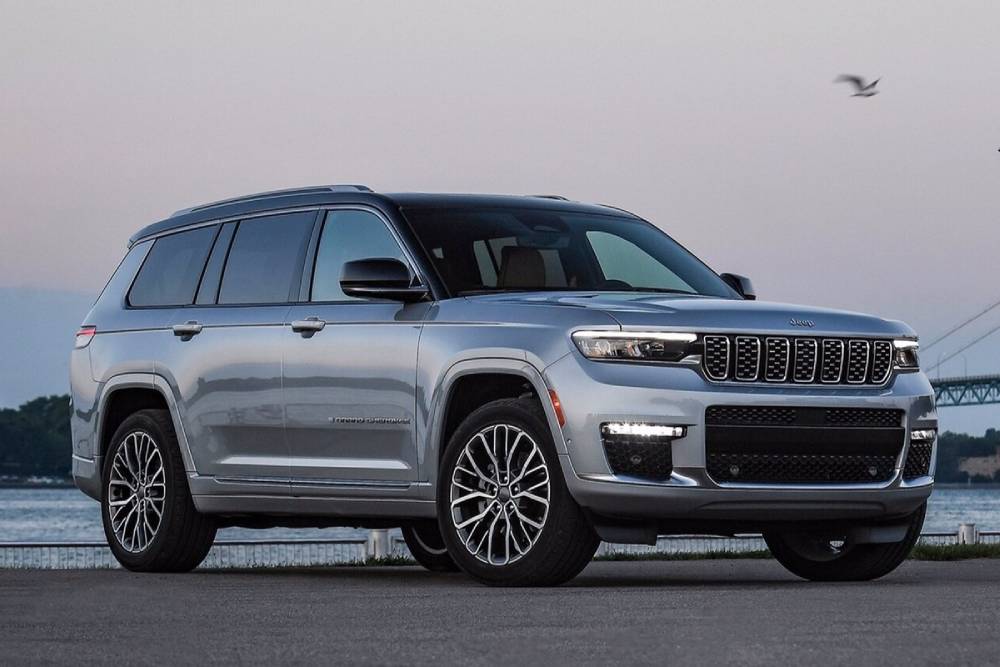
What Is the Jeep Grand Cherokee Water Pump Recall?
The phrase Jeep Grand Cherokee water pump recall is frequently used by owners searching for help with coolant leaks, overheating, or premature water pump failure. However, owners should understand that a water pump problem does not automatically mean their vehicle is covered by an official safety recall.
A safety recall is issued when the manufacturer or the National Highway Traffic Safety Administration determines that a vehicle or component creates an unreasonable safety risk or fails to meet federal safety standards. When a vehicle is included in an active recall, the authorized dealership normally completes the required repair at no charge to the owner.
At the time of checking, there does not appear to be one universal water pump recall covering every Jeep Grand Cherokee model year, engine, and configuration. Some owners may be dealing with a standard mechanical failure, a warranty claim, a service bulletin, a customer satisfaction campaign, or a model specific recall involving another part of the cooling system. These programs are not interchangeable.
The water pump circulates coolant between the engine and radiator. If its internal bearing, seal, pulley, or impeller fails, coolant circulation may decrease or stop. The engine can then overheat, especially during heavy traffic, towing, hot weather, or long distance driving.
This distinction matters because an owner who assumes every water pump failure is recalled may delay necessary repairs while waiting for free coverage that does not apply. The most reliable approach is to search the vehicle identification number through an official recall database and contact an authorized Jeep dealership.
Owners should also ask whether any warranty extension, technical service bulletin, or manufacturer assistance program applies. A technical service bulletin can help technicians diagnose a known problem, but it does not necessarily provide a free repair.
Which Jeep Grand Cherokee Model Years Are Affected?
There is no single list of Jeep Grand Cherokee model years that can automatically be described as affected by a universal water pump recall. Recall eligibility is normally determined by the vehicle identification number, production date, engine, assembly plant, installed components, and the exact safety campaign involved.
This means two Grand Cherokees from the same model year may have different recall statuses. One vehicle may be included because it was built during a particular production period, while another may not be affected because it uses a different engine, supplier component, or manufacturing revision.
Owners of WK2 generation vehicles, including models equipped with gasoline or diesel engines, may encounter online discussions about water pump failures. Newer WL generation vehicles may also experience cooling system complaints. However, owner reports and repair forum discussions are not proof that an official recall exists.
Jeep Grand Cherokee vehicles have been involved in various safety campaigns over the years, but many of those campaigns concern components other than the primary engine water pump. Examples have included fuel system, brake, electrical, battery, and diesel engine related concerns. An official recall document must identify the affected vehicles and the specific defect before an owner should assume coverage.
The most accurate way to determine whether your SUV is affected is to check its 17 character VIN. The VIN can usually be found on the lower driver side of the windshield, the driver door label, the registration document, or the insurance paperwork.
Enter the VIN into the NHTSA recall lookup system or the official Jeep recall checker. NHTSA also provides recall searches using a license plate in supported cases.
Do not rely only on the model year. A VIN search can reveal open recalls that have not been completed and can help an authorized dealer confirm whether parts and repairs are available.
Common Symptoms of a Failing Water Pump
A failing water pump may give several warning signs before the engine experiences serious overheating. Recognizing these symptoms early can help Jeep Grand Cherokee owners avoid cylinder head damage, head gasket failure, engine seizure, or an unexpected breakdown.
One of the most common symptoms is a coolant leak near the front or lower area of the engine. The fluid may appear orange, pink, purple, green, or another color depending on the coolant installed. A small leak can leave dried residue around the water pump housing, nearby hoses, or engine components.
A sweet smell after driving may also indicate that coolant is escaping onto a hot surface. Even when no puddle is visible, a slow leak can reduce the coolant level over time.
Another warning sign is an engine temperature gauge that rises above its normal position. The temperature may increase during idling, towing, climbing hills, or driving in hot weather. Drivers may also receive a high temperature warning or low coolant message.
Unusual noises can point to mechanical wear inside the pump. A whining, grinding, chirping, or rumbling sound from the front of the engine may be caused by a worn bearing, damaged pulley, loose belt, or another accessory drive component. Because several parts can create similar sounds, a professional inspection is recommended.
Steam from under the hood is a severe warning. It may mean that coolant is boiling or spraying from a failed component. Continuing to drive in this condition can cause major engine damage.
Other possible symptoms include frequent coolant top ups, weak cabin heat, visible coolant residue, reduced engine performance, or an illuminated Check Engine Light. These signs can also be caused by a damaged hose, thermostat, radiator, cooling fan, reservoir, or head gasket, so the water pump should not be replaced without proper diagnosis.
When Should You Stop Driving?
Stop driving as soon as it is safe if the temperature warning appears, the gauge enters the hot range, steam is visible, or coolant is rapidly leaking. Turn off the engine and allow it to cool completely. Do not remove the radiator or coolant reservoir cap while the system is hot because pressurized coolant can cause serious burns.
Having the vehicle towed is usually less expensive than repairing an engine damaged by severe overheating.
How to Check Whether Your Jeep Is Included in the Recall
The most reliable way to determine whether your Jeep Grand Cherokee is covered by an active recall is by checking its Vehicle Identification Number (VIN). Since recalls are assigned to specific vehicles rather than entire model years, a VIN lookup provides the most accurate and up-to-date information.
Your VIN is a unique 17-character code that identifies your vehicle. You can find it in several locations, including the lower corner of the driver’s side windshield, the certification label inside the driver’s door jamb, your vehicle registration, insurance documents, or the original purchase paperwork.
Once you have located the VIN, visit the official National Highway Traffic Safety Administration (NHTSA) Recall Lookup website or Jeep’s official recall page. Enter the VIN exactly as it appears on the vehicle. Within seconds, the system will indicate whether there are any open safety recalls associated with your Grand Cherokee.
If an active recall is listed, carefully review the campaign details. The recall notice will explain the safety issue, describe the potential risks, identify the affected component, and outline the corrective action that an authorized Jeep dealership will perform. In most cases, recall repairs are completed free of charge regardless of vehicle mileage or ownership history.
If no recall appears but your vehicle is showing symptoms such as coolant leaks or engine overheating, do not assume the water pump is functioning properly. Mechanical failures can occur even when no recall exists. In this situation, scheduling a professional inspection is the safest course of action.
You should also contact your local Jeep dealer with your VIN. Dealerships can verify whether there are newly released recall campaigns, customer satisfaction notifications, software updates, or Technical Service Bulletins that may not be immediately apparent to owners. Keeping your contact information updated with Jeep also ensures you receive future recall notifications promptly.
What Happens During the Recall Repair?
If your Jeep Grand Cherokee is covered under an official recall involving the cooling system or water pump, the repair process is generally straightforward. After confirming your VIN, the dealership will schedule an appointment and inspect your vehicle to verify that it qualifies for the repair specified in the recall campaign.
The technician will begin by examining the cooling system for visible signs of leaks, damaged hoses, worn seals, contaminated coolant, or other components that may have been affected. Depending on the recall instructions, the technician may replace the water pump itself or perform repairs on related components identified in the campaign.
Once the replacement has been completed, fresh coolant is added according to the manufacturer’s specifications. The cooling system is then properly bled to remove trapped air, as air pockets can reduce cooling efficiency and lead to future overheating problems.
Next, technicians perform a pressure test to verify that the cooling system is completely sealed. They also inspect the drive belt, pulleys, thermostat housing, radiator connections, and coolant reservoir to ensure there are no additional leaks or damaged parts that could affect long-term reliability.
After the repair, the engine is brought up to normal operating temperature while technicians monitor coolant circulation and engine temperature. A final road test may be performed to confirm that the repair has resolved the issue.
Most recall repairs can be completed within a few hours, although repair times may vary depending on dealership workload and parts availability. If replacement components are temporarily unavailable, the dealer may place your vehicle on a waiting list and notify you once the required parts arrive.
Owners should always keep copies of repair invoices and recall documentation for future reference. These records can be valuable when selling the vehicle, filing warranty claims, or demonstrating that all required safety repairs have been completed.
How Much Does Water Pump Replacement Cost?
If your Jeep Grand Cherokee is not covered by a recall or warranty program, replacing the water pump becomes a standard customer-paid repair. The final cost depends on factors such as the model year, engine type, labor rates in your area, and whether original equipment or aftermarket parts are used.
| Repair Item | Estimated Cost (USD) |
|---|---|
| Water Pump | $100 to $350 |
| Coolant and Supplies | $30 to $80 |
| Labor | $300 to $700 |
| Total Replacement Cost | $430 to $1,130 |
Vehicles equipped with larger engines or those requiring extensive disassembly typically have higher labor costs. In some cases, technicians may recommend replacing the thermostat, serpentine belt, belt tensioner, or coolant hoses at the same time since these components are already accessible during the repair. Although this increases the initial expense, it can reduce future labor costs and improve overall cooling system reliability.
Choosing genuine OEM parts generally provides the best fit and durability, while reputable aftermarket brands may offer a more affordable alternative. Owners should compare warranty coverage, product quality, and installer experience before making a decision.
Ignoring a failing water pump can become far more expensive than replacing it promptly. Continued driving with inadequate coolant circulation can result in severe engine overheating, warped cylinder heads, blown head gaskets, or even complete engine failure. Repairs for these problems can easily exceed several thousand dollars.
If your vehicle qualifies for an official recall, the recall-related repair is typically performed at no cost by an authorized Jeep dealership. However, damage caused by prolonged overheating before the recall repair, or repairs unrelated to the recall campaign, may not be covered. For that reason, owners should schedule recall repairs as soon as they receive notification and avoid delaying service if warning signs appear.
Can You Drive With a Bad Water Pump?
The short answer is no. Although your Jeep Grand Cherokee may continue to run for a short period with a failing water pump, driving the vehicle is extremely risky. A malfunctioning water pump cannot circulate coolant efficiently, allowing engine temperatures to rise rapidly. Even a brief overheating event can cause expensive internal engine damage that far exceeds the cost of replacing the water pump.
In the early stages of failure, you may notice only a small coolant leak or a slight increase in engine temperature. These symptoms can quickly become more severe as the leak worsens or the pump bearing fails. If the impeller stops spinning or the drive mechanism breaks, coolant circulation may stop almost completely, causing the engine to overheat within minutes.
Continuing to drive an overheating vehicle can lead to warped cylinder heads, damaged head gaskets, cracked engine components, piston damage, or complete engine failure. Modern engines operate within a narrow temperature range, and excessive heat can permanently damage precision-machined components.
If you notice the temperature gauge climbing above normal, a high-temperature warning message, steam coming from under the hood, or coolant pouring from the engine compartment, pull over as soon as it is safe to do so. Turn off the engine immediately and allow it to cool before inspecting the vehicle. Never remove the radiator cap or coolant reservoir cap while the engine is hot, as pressurized coolant can cause serious burns.
If the vehicle cannot maintain a safe operating temperature, it should be towed to a qualified repair facility rather than driven. The cost of a tow truck is insignificant compared to the thousands of dollars that may be required to repair an engine damaged by severe overheating.
How to Prevent Future Water Pump Problems
Although no mechanical component lasts forever, proper maintenance can significantly extend the service life of your Jeep Grand Cherokee’s water pump and cooling system. Preventive maintenance also reduces the likelihood of unexpected breakdowns and expensive repairs.
One of the most important maintenance tasks is replacing the engine coolant according to Jeep’s recommended service schedule. Over time, coolant loses its corrosion inhibitors and lubricating properties, increasing wear on the water pump seal and internal bearings. Always use the coolant type specified for your particular engine to ensure maximum protection.
Regularly inspect the engine compartment for signs of coolant leakage. Even a small leak around the water pump, radiator, thermostat housing, or hoses should be investigated before it develops into a larger problem. White or colored residue around cooling system components often indicates a slow coolant leak.
Pay attention to unusual noises coming from the front of the engine. A whining, grinding, or squealing sound may indicate bearing wear in the water pump or another accessory-driven component. Addressing these noises early can prevent a sudden failure while driving.
Monitor the engine temperature gauge during every trip. The needle should remain within its normal operating range after the engine reaches operating temperature. Any sudden increase, fluctuating temperature, or recurring overheating should be diagnosed immediately.
Routine inspections by a qualified technician are also valuable. During scheduled maintenance, technicians can examine the serpentine belt, belt tensioner, coolant hoses, radiator, thermostat, and water pump for signs of wear. Replacing aging components before they fail helps maintain the overall reliability of the cooling system.
Finally, if your Jeep Grand Cherokee becomes eligible for a future recall or service campaign, schedule the repair as soon as possible. Completing manufacturer-recommended repairs promptly helps ensure your vehicle remains safe, reliable, and protected against preventable mechanical failures.
Frequently Asked Questions
Is every Jeep Grand Cherokee included in a water pump recall?
No. Recall eligibility depends on your vehicle’s VIN and any active safety campaigns issued by the manufacturer. A water pump failure alone does not mean your vehicle is covered by a recall.
How do I know if my vehicle has an active recall?
The easiest method is to enter your 17-character VIN into the official NHTSA recall database or Jeep’s recall lookup tool. An authorized Jeep dealership can also verify your recall status.
Are recall repairs free?
Yes. If your vehicle is covered by an official safety recall, the repair described in that campaign is generally performed free of charge by an authorized Jeep dealership.
How long does a recall repair usually take?
Many recall repairs can be completed within a few hours. However, the total time depends on dealership scheduling, inspection requirements, and the availability of replacement parts.
What if my water pump failed before I learned about a recall?
If an official recall is issued after you’ve already paid for repairs, you may qualify for reimbursement under certain conditions. Keep all repair invoices and contact Jeep or your local dealership to determine whether reimbursement is available.
Can engine overheating always be blamed on the water pump?
No. Overheating can also result from a faulty thermostat, radiator blockage, leaking hoses, a malfunctioning cooling fan, a damaged head gasket, low coolant levels, or other cooling system failures. A complete diagnostic inspection is recommended before replacing parts.
Is it safe to continue driving if coolant is leaking?
Even a small coolant leak should be inspected as soon as possible. Driving with insufficient coolant can quickly cause the engine to overheat and may result in severe mechanical damage.
Can I replace the water pump myself?
Experienced DIY mechanics with the proper tools may be able to replace a water pump on some Jeep Grand Cherokee models. However, because the repair often requires draining the cooling system, correctly bleeding air from the system, and following manufacturer torque specifications, many owners choose to have the work completed by a qualified technician.
Does a vehicle recall expire?
Generally, safety recalls do not have an expiration date. If your vehicle has an open recall, the repair is usually available regardless of the vehicle’s age. However, it is always advisable to contact an authorized dealership to confirm eligibility and parts availability.
How can I reduce the risk of future cooling system problems?
Follow the recommended maintenance schedule, replace coolant at the proper intervals, inspect the cooling system regularly, repair leaks promptly, and address any overheating symptoms before they become serious.
Conclusion
Understanding the Jeep Grand Cherokee water pump recall is an important step toward protecting your vehicle from unexpected breakdowns and costly engine repairs. While many owners search for information about a possible recall after experiencing coolant leaks or overheating, it is essential to remember that not every water pump failure is associated with an official safety campaign. The most accurate way to determine whether your Jeep qualifies for recall repairs is by checking your Vehicle Identification Number (VIN) through the official NHTSA database or contacting an authorized Jeep dealership.
If your Grand Cherokee shows warning signs such as coolant leaks, rising engine temperatures, unusual noises, or steam from under the hood, do not ignore them. Prompt diagnosis and repair can prevent minor cooling system issues from developing into severe engine damage that may require thousands of dollars in repairs. Regular maintenance, including scheduled coolant replacement and routine inspections of the cooling system, remains the best defense against premature water pump failure.
Whether your vehicle is covered by a recall, a warranty program, or requires a standard repair, acting quickly can save both time and money while improving the long-term reliability of your SUV. Staying informed about manufacturer recalls, following the recommended maintenance schedule, and responding immediately to early warning signs will help keep your Jeep Grand Cherokee performing safely for years to come.
Have you experienced a water pump failure or received a recall notice for your Jeep Grand Cherokee? Share your experience in the comments below. Your insights may help other owners recognize potential problems early and make informed decisions about maintaining their vehicles.