Choosing between Pennzoil Ultra Platinum and Pennzoil Platinum is not always easy. Both oils belong to Pennzoil’s premium full synthetic lineup. Both use PurePlus Technology and meet current API and ILSAC specifications. At first glance, they look almost identical. However, they target different driving needs and performance priorities.
Pennzoil Platinum focuses on dependable protection for everyday vehicles. Pennzoil Ultra Platinum adds stronger cleaning performance and extra protection for demanding conditions. The difference may seem small on paper, but it becomes more noticeable in engines that operate under higher loads, longer drain intervals, or frequent high temperatures. Understanding these differences helps you choose the right oil instead of paying more for features you may never use.
This guide compares Pennzoil Ultra Platinum and Pennzoil Platinum from every important angle. You will learn how they differ in engine protection, deposit control, oxidation resistance, cold start performance, and high temperature stability. The guide also explains which oil delivers better value for daily driving, turbocharged engines, performance vehicles, and long term ownership. By the end of this comparison, you will know which product matches your vehicle, your driving style, and your maintenance budget.
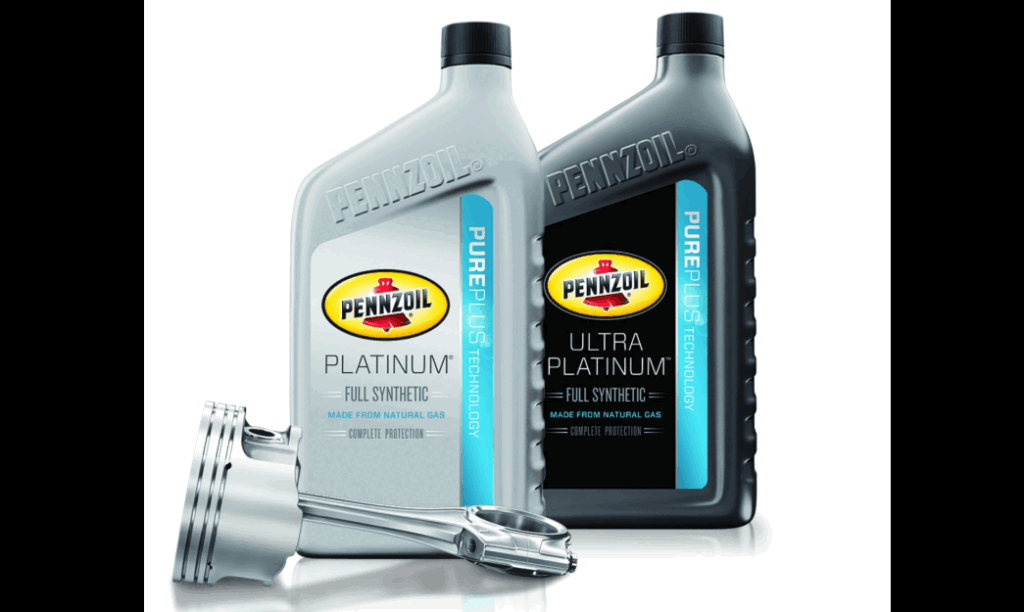
What Is the Difference Between Pennzoil Ultra Platinum and Pennzoil Platinum?
The main difference between Pennzoil Ultra Platinum and Pennzoil Platinum is their performance focus. Both oils use Pennzoil’s PurePlus Technology and meet modern API SP, ILSAC GF-6A, and manufacturer specifications. However, Pennzoil Ultra Platinum contains a more advanced additive package that targets maximum engine cleanliness and stronger protection under demanding operating conditions. Pennzoil Platinum focuses on delivering reliable performance for everyday driving while maintaining excellent engine protection.
Both products provide full synthetic lubrication and help reduce engine wear, control sludge, and improve fuel efficiency. They also protect modern gasoline engines from low speed pre ignition, which is especially important for turbocharged direct injection engines. As a result, most drivers will experience similar performance during normal daily use. The biggest differences become noticeable only when an engine operates under higher temperatures, heavier loads, or longer service intervals.
Engine cleanliness is where Pennzoil Ultra Platinum creates the greatest separation. Its enhanced detergent system removes deposits more effectively and helps prevent new carbon buildup from forming on critical engine components. Cleaner pistons, piston rings, and turbocharger parts allow the engine to maintain its designed efficiency over time. This additional cleaning capability becomes increasingly valuable in vehicles that experience frequent stop and go traffic, long highway trips, aggressive acceleration, or heavy towing.
Pennzoil Platinum remains an excellent choice for most passenger vehicles because it already exceeds the protection requirements of many vehicle manufacturers. Drivers who follow normal maintenance schedules and use their vehicles for commuting or family transportation may notice little real world difference between the two oils. In contrast, Pennzoil Ultra Platinum offers greater long term value for owners who want the highest level of engine cleanliness, operate turbocharged engines, or regularly drive under severe conditions. Choosing the better oil therefore depends less on brand quality and more on how demanding your driving environment is.
How Do Pennzoil Ultra Platinum and Platinum Compare in Engine Protection?
Both Pennzoil Ultra Platinum and Pennzoil Platinum provide excellent engine protection because they meet the latest industry standards for modern gasoline engines. Each oil helps reduce friction, minimize wear, and protect critical engine components during daily operation. For most drivers, either product delivers more than enough protection to support the manufacturer’s recommended oil change interval. The difference appears when an engine faces higher stress over an extended period.
Pennzoil Platinum protects engine parts by forming a durable lubricating film that separates moving metal surfaces. This protective layer reduces contact between components such as camshafts, crankshaft bearings, pistons, and valve train parts. It also resists oxidation and thermal breakdown, allowing the oil to maintain stable viscosity as engine temperatures rise. These qualities make Pennzoil Platinum a dependable choice for commuters, family vehicles, and drivers who follow regular maintenance schedules.
Pennzoil Ultra Platinum builds on the same foundation with an enhanced additive package that delivers stronger protection under severe operating conditions. The formula helps control deposits that develop during repeated high temperature cycles and heavy engine loads. A cleaner engine allows oil to circulate more efficiently and reduces the risk of harmful deposits forming around piston rings and turbocharger components. This additional protection benefits drivers who tow trailers, travel long highway distances, or frequently operate turbocharged engines.
Real world performance often depends more on driving conditions than on laboratory specifications. A vehicle used for short daily trips may show little difference between the two oils. However, engines that experience frequent acceleration, heavy loads, or extended high speed driving can benefit from the additional protection offered by Pennzoil Ultra Platinum. Pennzoil Platinum remains an outstanding option for normal use, while Pennzoil Ultra Platinum provides a greater safety margin for demanding applications and long term engine durability.
Which Oil Delivers Better Cleaning Performance?
Pennzoil Ultra Platinum delivers better cleaning performance than Pennzoil Platinum. Both oils help prevent sludge and harmful deposits, but Ultra Platinum uses a stronger detergent package to keep internal engine components cleaner over time. This advantage becomes more noticeable in engines that operate under high temperatures, heavy loads, or extended service intervals. Cleaner engine parts help maintain consistent performance and reduce the buildup that can limit efficiency.
Carbon deposits naturally form as fuel burns inside the engine. These deposits collect on pistons, piston rings, intake components, and turbochargers. If they continue to accumulate, they can reduce combustion efficiency, increase friction, and restrict oil flow in critical areas. Pennzoil Platinum slows this process by controlling sludge and oxidation. Pennzoil Ultra Platinum goes one step further by removing existing deposits more effectively while reducing the formation of new ones.
A cleaner engine supports stable performance throughout the oil change interval. Clean piston rings maintain a better seal inside the combustion chamber, which helps preserve compression and improve fuel efficiency. Clean turbocharger components also operate more efficiently because oil circulates with fewer restrictions. These benefits become especially important for turbocharged engines and vehicles that spend long hours in stop and go traffic or complete frequent highway trips.
Most daily drivers will not notice a dramatic difference after a single oil change. The advantage of Pennzoil Ultra Platinum becomes clearer over thousands of miles as deposits continue to accumulate inside the engine. Drivers who want maximum engine cleanliness, plan to keep their vehicle for many years, or regularly drive under severe conditions will gain the greatest benefit from the upgraded formula. For routine commuting and standard maintenance schedules, Pennzoil Platinum still delivers excellent cleaning performance and remains one of the strongest options in its class.
Which Oil Performs Better Under Extreme Driving Conditions?
Pennzoil Ultra Platinum performs better under extreme driving conditions because it provides stronger protection against heat, oxidation, and deposit formation. Both oils maintain stable viscosity across a wide temperature range and protect modern gasoline engines during daily operation. However, demanding conditions place greater stress on both the lubricant and the engine. In these situations, the enhanced formulation of Ultra Platinum offers an additional layer of protection that helps maintain consistent performance.
High temperatures accelerate oil oxidation and increase the risk of harmful deposits. Heavy towing, mountain driving, spirited acceleration, and long highway trips can also place extra pressure on the lubrication system. Pennzoil Platinum resists thermal breakdown and protects engine components throughout the recommended service interval. Pennzoil Ultra Platinum improves on this performance by maintaining cleaner internal parts and preserving its protective properties during prolonged exposure to heat. This added stability helps reduce wear when the engine operates under continuous load.
Cold weather presents a different challenge because engine oil must circulate quickly after start up. Both Pennzoil Ultra Platinum and Pennzoil Platinum flow rapidly at low temperatures when the correct viscosity grade is used. Fast oil circulation reduces metal to metal contact during the first few seconds after ignition, which is one of the most critical periods for engine wear. Drivers in regions with cold winters can expect reliable cold start performance from either product, provided they follow the vehicle manufacturer’s viscosity recommendation.
Driving conditions should guide the final decision. Pennzoil Platinum delivers dependable protection for commuting, city driving, and regular highway travel. Pennzoil Ultra Platinum becomes the stronger choice for turbocharged engines, frequent towing, performance vehicles, and drivers who spend long hours behind the wheel. The performance gap remains small during normal use, but it becomes more valuable as engine load, operating temperature, and driving intensity increase.
Is Pennzoil Ultra Platinum Worth the Higher Price?
Pennzoil Ultra Platinum is worth the higher price for drivers who regularly push their engines beyond normal operating conditions. Its enhanced detergent system and stronger resistance to deposits provide measurable advantages in demanding environments. However, those benefits are not equally valuable for every vehicle. The best choice depends on how you drive, how long you plan to keep your vehicle, and whether your engine experiences frequent high loads or extreme temperatures.
For everyday commuting, Pennzoil Platinum offers outstanding value. It delivers excellent wear protection, controls sludge, and meets the latest API SP and ILSAC GF-6A standards. Most naturally aspirated passenger cars driven under normal conditions will not experience a significant difference between the two products during a standard oil change interval. In these cases, spending more on Ultra Platinum may not produce noticeable improvements in engine performance or longevity.
The additional cost of Pennzoil Ultra Platinum becomes easier to justify when engine demands increase. Turbocharged engines generate higher operating temperatures and place greater stress on engine oil. Heavy towing, frequent highway driving, spirited acceleration, and extended ownership also increase the importance of long term deposit control. A cleaner engine can maintain better efficiency over time and reduce the risk of performance loss caused by carbon buildup. For drivers who expect the highest level of protection, the extra investment can provide greater confidence throughout the vehicle’s lifespan.
Value should not be measured by purchase price alone. A lower priced oil becomes more expensive if it cannot match the protection your engine requires. At the same time, paying for additional performance that you never use offers little practical benefit. Pennzoil Platinum remains the smarter choice for most daily drivers because it balances protection and cost extremely well. Pennzoil Ultra Platinum becomes the better investment for owners who demand maximum engine cleanliness, stronger protection under severe conditions, and the highest level of long term performance.
Which Oil Should You Choose Based on Your Vehicle and Driving Style?
The best choice between Pennzoil Ultra Platinum and Pennzoil Platinum depends on your vehicle and driving habits rather than the product name alone. Both oils provide excellent protection for modern gasoline engines, but they serve different priorities. Pennzoil Platinum delivers outstanding performance for everyday transportation, while Pennzoil Ultra Platinum offers additional protection for drivers who place greater demands on their engines. Matching the oil to your driving conditions allows you to maximize both engine performance and long term value.
Pennzoil Platinum is the better option for most passenger cars used for commuting, school runs, shopping, and regular highway travel. It protects against wear, controls sludge, and supports fuel efficiency throughout the recommended oil change interval. Drivers who follow the manufacturer’s maintenance schedule and operate naturally aspirated engines under normal conditions will gain excellent results without paying for features they are unlikely to use. This makes Pennzoil Platinum an ideal choice for sedans, family SUVs, and light duty pickup trucks used in everyday driving.
Pennzoil Ultra Platinum becomes the stronger choice when an engine operates under higher stress. Turbocharged vehicles, performance cars, and trucks that frequently tow heavy loads generate more heat and place greater demands on engine oil. Long distance highway driving, repeated stop and go traffic, and aggressive acceleration also increase deposit formation over time. The enhanced cleaning capability of Ultra Platinum helps maintain cleaner pistons, turbocharger components, and oil passages, allowing the engine to perform more consistently during prolonged use.
Drivers who plan to keep their vehicles for many years may also benefit from Pennzoil Ultra Platinum. Long term engine cleanliness plays an important role in preserving efficiency and reducing the effects of carbon buildup as mileage increases. However, this does not mean every driver should automatically choose the premium product. Pennzoil Platinum already provides excellent protection for the majority of vehicles on the road today. Selecting the right oil should always reflect how the vehicle is driven instead of assuming the most expensive option is always the best.
Pennzoil Ultra Platinum vs Pennzoil Platinum: Side by Side Comparison
The table below highlights the most important differences between Pennzoil Ultra Platinum and Pennzoil Platinum. While both products use PurePlus Technology and satisfy the latest industry standards, they target different performance priorities. Pennzoil Platinum delivers excellent protection for everyday driving, whereas Pennzoil Ultra Platinum places greater emphasis on engine cleanliness and performance under demanding conditions.
| Feature | Pennzoil Ultra Platinum | Pennzoil Platinum |
|---|---|---|
| Oil Type | Full Synthetic | Full Synthetic |
| Base Oil Technology | PurePlus Technology | PurePlus Technology |
| API Rating | API SP | API SP |
| ILSAC Rating | ILSAC GF-6A | ILSAC GF-6A |
| Dexos Approval* | Available on selected viscosities | Available on selected viscosities |
| Engine Wear Protection | Excellent | Excellent |
| Engine Cleanliness | Superior | Excellent |
| Deposit Control | Superior | Very Good |
| Oxidation Resistance | Superior | Excellent |
| Turbocharged Engine Protection | Excellent | Excellent |
| Fuel Economy Support | Excellent | Excellent |
| Recommended Driving Conditions | Severe and high performance driving | Daily driving and normal service |
| Overall Value | Best for maximum protection | Best value for most drivers |
*Approval depends on the viscosity grade and product specification.
Although the specification table shows many similarities, the real difference lies in long term performance rather than basic certification. Both oils meet the requirements of modern gasoline engines and provide outstanding wear protection. Most drivers will receive reliable lubrication, stable viscosity, and dependable performance regardless of which product they choose.
Pennzoil Ultra Platinum separates itself through stronger deposit control and improved engine cleanliness. Those advantages become more valuable as engine temperature, operating load, and service severity increase. Drivers who own turbocharged vehicles, performance cars, or trucks used for towing are more likely to benefit from the enhanced formulation. Cleaner internal components help preserve efficiency and maintain consistent performance over thousands of miles.
Pennzoil Platinum remains the better value for the average vehicle owner. It already delivers protection that exceeds the requirements of many manufacturers while costing less than Ultra Platinum. For routine commuting, family transportation, and standard maintenance intervals, the performance difference is unlikely to justify the higher price. The comparison ultimately shows that both oils rank among the best full synthetic motor oils in their class, but each product serves a different type of driver.
Conclusion
Pennzoil Ultra Platinum and Pennzoil Platinum both rank among the best full synthetic motor oils available for modern gasoline engines. They share the same PurePlus Technology, meet the latest API SP and ILSAC GF-6A standards, and deliver reliable protection against wear, sludge, and oxidation. For most vehicles, either product can provide excellent lubrication when used with the correct viscosity grade and the manufacturer’s recommended oil change interval.
The biggest difference comes down to engine cleanliness and operating conditions. Pennzoil Platinum offers outstanding value for daily commuting, family vehicles, and drivers who follow normal maintenance schedules. It provides the level of protection that most passenger cars need without adding unnecessary cost. Pennzoil Ultra Platinum builds on that foundation with enhanced deposit control and stronger long term protection for engines exposed to higher temperatures, heavier loads, and more demanding driving conditions.
The better oil is not simply the more expensive one. It is the product that matches your vehicle, driving style, and ownership goals. If you drive a naturally aspirated vehicle under normal conditions, Pennzoil Platinum remains the smarter value. If you own a turbocharged engine, tow regularly, enjoy spirited driving, or plan to keep your vehicle for many years, Pennzoil Ultra Platinum is the stronger investment. Choosing the right oil based on real driving conditions will deliver greater long term value than choosing solely by price or marketing claims.