Choosing between Amsoil and Mobil 1 can be difficult because both brands produce premium synthetic motor oils. Each brand has built a strong reputation for engine protection, long oil life, and reliable performance. However, they differ in base oil technology, additive packages, pricing, and recommended drain intervals. These differences affect engine wear, maintenance costs, and long-term reliability.
This comparison focuses on the factors that influence buying decisions the most. It examines engine protection, oxidation resistance, cold-start performance, high-temperature stability, industry certifications, and extended drain capability. It also compares how each oil performs in daily commuting, highway driving, towing, turbocharged engines, and high-mileage vehicles. The goal is to provide practical information instead of repeating marketing claims.
By the end of this guide, you will understand the strengths and weaknesses of both brands. You will also learn which oil fits your driving habits, maintenance schedule, and budget. Whether you want maximum engine protection or the best overall value, this comparison will help you choose the right synthetic motor oil with confidence.
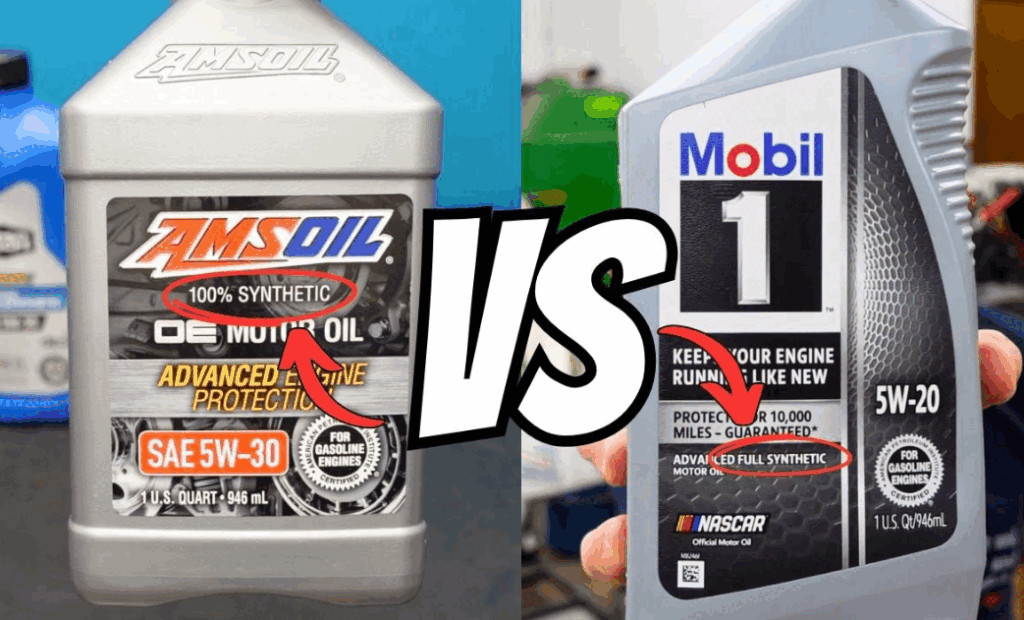
What Are the Main Differences Between Amsoil and Mobil 1?
Amsoil and Mobil 1 are premium synthetic motor oil brands, but they serve different priorities. Amsoil focuses on maximum engine protection and extended oil change intervals. Mobil 1 emphasizes broad manufacturer approvals, consistent performance, and easy availability. Although both oils meet modern industry standards, they target different types of drivers and maintenance strategies.
Amsoil positions itself as a high-performance lubricant for drivers who want longer service intervals and stronger protection under demanding conditions. Its premium product lines often feature advanced synthetic base oils and additive technologies that improve wear resistance, oxidation stability, and deposit control. This approach makes Amsoil a popular choice for towing, performance driving, and vehicles that accumulate high annual mileage. Drivers who prefer fewer oil changes also consider Amsoil because several products are designed for extended drain intervals when used under appropriate operating conditions.
Mobil 1 follows a different strategy by balancing performance, compatibility, and convenience. The brand offers a wide selection of synthetic oils that meet API, ILSAC, Dexos, and numerous OEM specifications. Many vehicle manufacturers approve Mobil 1 for factory-fill applications, making it a trusted option for newer vehicles that require strict compliance with warranty requirements. Its products are also widely available through dealerships, auto parts stores, and major retailers, making routine maintenance simple for most drivers.
The biggest difference between the two brands is their overall value proposition. Amsoil prioritizes premium performance and long-term durability, while Mobil 1 focuses on certified protection, accessibility, and dependable everyday performance. Choosing between them depends on your driving conditions, maintenance schedule, engine requirements, and budget rather than brand reputation alone.
Which Oil Delivers Better Engine Protection?
Amsoil generally delivers stronger engine protection under severe operating conditions, while Mobil 1 provides excellent protection for everyday driving and manufacturer-recommended service intervals. Both oils reduce friction, control engine wear, and protect critical components. However, they achieve these results through different formulation strategies and performance priorities.
Engine protection begins with a stable lubricating film that separates moving metal surfaces. Amsoil formulates many of its premium oils with a focus on maintaining film strength under extreme heat, heavy loads, and extended oil change intervals. This helps reduce metal-to-metal contact during demanding conditions such as towing, performance driving, or prolonged highway travel. A stronger oil film also minimizes wear on critical components, including camshafts, bearings, pistons, and timing chains.
Mobil 1 focuses on delivering balanced protection across a wide range of driving environments. Its synthetic formulations resist oxidation, reduce sludge formation, and maintain viscosity throughout the recommended service interval. These qualities help keep the engine clean while protecting internal components from harmful deposits. Mobil 1 also performs consistently during frequent cold starts, making it a dependable choice for drivers who regularly operate their vehicles in changing weather conditions or stop-and-go traffic.
Heat resistance plays an important role in long-term engine durability. High temperatures accelerate oil breakdown and increase oxidation, which can reduce lubrication performance over time. Amsoil places greater emphasis on thermal stability and long-drain performance, while Mobil 1 prioritizes consistent protection that aligns with modern manufacturer specifications. Both brands perform well under normal operating conditions, but Amsoil often appeals to drivers who place higher demands on their engines or extend maintenance intervals.
For most passenger vehicles, either oil provides reliable engine protection when the correct viscosity and manufacturer specifications are followed. Amsoil offers an advantage for severe service and extended performance, whereas Mobil 1 remains an excellent choice for daily driving, factory warranty compliance, and dependable long-term reliability.
Which Synthetic Oil Lasts Longer?
Amsoil generally lasts longer than Mobil 1 because it is designed for extended drain intervals and long-term oxidation resistance. Mobil 1 also offers excellent oil life, especially in its Extended Performance lineup, but most of its products follow manufacturer-recommended service intervals. The better choice depends on your maintenance habits, driving conditions, and vehicle requirements.
Oil life depends on more than mileage alone. A high-quality synthetic oil must resist oxidation, maintain its viscosity, neutralize harmful acids, and keep contaminants suspended until the next oil change. As oil ages, heat, moisture, fuel dilution, and combustion byproducts gradually reduce its effectiveness. A formulation that preserves these properties for a longer period can continue protecting the engine without sacrificing performance.
Amsoil develops several premium products for drivers who prefer extended maintenance intervals. Its formulations focus on oxidation stability, shear resistance, and long-lasting detergent additives that help maintain oil performance over thousands of miles. This approach allows the oil to retain its protective properties for a longer period when the engine operates under suitable conditions and receives proper maintenance. Many independent used oil analysis reports also show that Amsoil maintains viscosity and wear protection well during extended service, although results vary by engine design and driving environment.
Mobil 1 also delivers excellent durability through advanced synthetic technology and strong additive chemistry. Its oils resist thermal breakdown, reduce sludge formation, and provide consistent lubrication throughout the recommended drain interval. The Mobil 1 Extended Performance series further increases service life while maintaining compatibility with many manufacturer specifications. For most drivers, this level of durability is more than sufficient for normal daily use and scheduled maintenance.
Drivers who extend oil change intervals should also consider factors beyond the oil itself. Engine condition, oil filter quality, climate, driving style, and fuel quality all influence how long an oil remains effective. Amsoil offers a greater advantage for long-drain applications, while Mobil 1 provides dependable oil life that aligns with the maintenance schedules recommended by most vehicle manufacturers.
Which Oil Meets More Industry Standards?
Mobil 1 meets more industry standards and original equipment manufacturer approvals than Amsoil. This broad certification portfolio makes Mobil 1 a preferred choice for drivers who want an oil that fully aligns with factory recommendations. Amsoil also meets many important industry standards, but it focuses more on performance-driven formulations than on obtaining every available manufacturer approval.
Industry certifications confirm that a motor oil satisfies specific performance requirements for wear protection, oxidation resistance, fuel economy, deposit control, and emission system compatibility. Modern gasoline engines often require oils that meet standards such as API SP and ILSAC GF-6. Many manufacturers also specify proprietary approvals, including GM Dexos, Mercedes-Benz, BMW Longlife, Porsche, Volkswagen, and other European specifications. Choosing an oil that meets these requirements helps maintain engine performance and supports warranty compliance.
Mobil 1 has built its reputation by working closely with vehicle manufacturers. Many of its products carry a long list of OEM approvals across North American, European, and Asian brands. Several automakers also use Mobil 1 as a factory-fill oil for new vehicles, reflecting its ability to satisfy demanding engineering standards. This extensive certification coverage gives drivers greater confidence when selecting oil for newer vehicles that require exact manufacturer specifications.
Amsoil takes a different approach by designing oils that exceed the performance requirements of many industry standards rather than pursuing every official approval. Its premium formulations emphasize long-term durability, oxidation resistance, and extended drain capability. As a result, some Amsoil products recommend applications that meet or exceed certain specifications without carrying the same number of formal OEM approvals. This strategy appeals to experienced drivers who prioritize performance over certification volume.
For most vehicle owners, both brands provide oils that meet the requirements of modern engines. Mobil 1 offers the widest range of certified approvals and stronger compatibility with manufacturer recommendations. Amsoil focuses on delivering premium performance for drivers who value extended protection and long service intervals. The best choice depends on whether factory certification or maximum performance is your primary priority.
Which Oil Offers Better Value for Money?
Mobil 1 offers better value for most drivers because it combines strong engine protection, broad manufacturer approvals, and competitive pricing. Amsoil costs more, but it delivers additional value for drivers who prioritize extended drain intervals, severe-duty performance, and long-term engine protection. The better investment depends on how the vehicle is used rather than the purchase price alone.
The initial cost of a motor oil is only one part of its overall value. Drivers should also consider oil life, maintenance frequency, engine protection, and long-term operating costs. A lower-priced oil may require more frequent changes, while a premium oil can reduce maintenance over time if the engine and driving conditions support extended service intervals. Looking beyond the price per quart provides a more accurate comparison between the two brands.
Mobil 1 remains one of the most cost-effective premium synthetic oils on the market. It is widely available through dealerships, automotive retailers, warehouse clubs, and online stores, where frequent promotions reduce the overall cost. Most drivers can easily find the correct viscosity grade and manufacturer-approved formulation without paying a significant premium. This combination of accessibility and reliable performance makes Mobil 1 an attractive choice for routine maintenance.
Amsoil carries a higher purchase price because its formulations target premium performance and longer service life. Drivers who travel high annual mileage or operate under severe conditions may recover part of that additional cost through fewer oil changes and consistent engine protection. The value becomes even greater when extended drain intervals reduce maintenance time and service expenses. However, these benefits depend on following the manufacturer’s recommendations and confirming that longer drain intervals are appropriate for the vehicle.
For the average vehicle owner, Mobil 1 delivers the strongest balance between price and performance. Amsoil becomes the better value for drivers who expect maximum durability, longer maintenance intervals, and additional protection under demanding operating conditions. Choosing the right oil should reflect your driving habits, maintenance goals, and total ownership costs instead of focusing only on the purchase price.
Which Oil Performs Better in Different Driving Conditions?
The better oil depends on how and where you drive. Amsoil performs better under severe operating conditions, while Mobil 1 delivers consistent performance during everyday driving. Both oils protect modern engines, but their formulations target different maintenance goals and driving demands.
Daily commuting places moderate stress on engine oil through frequent cold starts, short trips, and stop-and-go traffic. Mobil 1 performs exceptionally well in these conditions because it flows quickly at low temperatures and maintains stable protection throughout the manufacturer’s recommended oil change interval. Its broad OEM approvals also make it a practical choice for newer vehicles that require factory-approved lubricants. For most commuters, Mobil 1 provides dependable performance without increasing maintenance costs.
More demanding conditions require stronger resistance to heat, pressure, and oxidation. Long highway trips, heavy towing, mountain driving, and high-performance applications expose engine oil to higher operating temperatures for extended periods. Under these conditions, Amsoil offers a noticeable advantage through its focus on thermal stability, oxidation resistance, and long-lasting film strength. These properties help the oil maintain consistent lubrication when the engine operates under continuous heavy loads.
Climate also affects engine oil performance. Cold weather requires rapid oil circulation during startup to reduce wear before full lubrication develops. Hot climates demand an oil that resists thinning and oxidation while protecting engine components at elevated temperatures. Both brands perform well across a wide temperature range, but Amsoil generally provides greater stability during prolonged high-temperature operation. Mobil 1 continues to deliver reliable protection in changing weather and remains an excellent option for year-round driving.
Driving style should play an important role in the final decision. Drivers who follow normal maintenance schedules and use their vehicles primarily for commuting will find Mobil 1 more than capable of meeting their needs. Drivers who regularly tow, travel long distances, operate performance vehicles, or prefer extended oil change intervals may benefit more from Amsoil’s premium formulation and additional performance margin.
Which Oil Is Better for Different Engine Types?
Both Amsoil and Mobil 1 work well in modern engines, but each brand performs better in specific applications. Amsoil is often the stronger choice for high-performance, turbocharged, and high-mileage engines that operate under demanding conditions. Mobil 1 provides outstanding compatibility with a wide range of passenger vehicles and remains an excellent option for engines that require strict manufacturer-approved specifications.
Turbocharged engines generate higher temperatures and greater mechanical stress than naturally aspirated engines. These conditions accelerate oil oxidation and increase the demand for stable lubrication. Amsoil performs exceptionally well in turbocharged applications because its premium formulations maintain viscosity, resist thermal breakdown, and protect engine components during sustained high-temperature operation. Mobil 1 also delivers reliable turbocharger protection and meets the requirements of many manufacturers that equip their vehicles with factory-installed turbocharged engines.
Direct injection engines introduce another challenge because they are more susceptible to fuel dilution and low-speed pre-ignition. Modern formulations from both brands address these issues by meeting current API SP and ILSAC GF-6 standards. These specifications improve deposit control, timing chain protection, and resistance to abnormal combustion. As a result, both oils provide dependable protection for the latest gasoline engine technologies.
High-mileage vehicles benefit from strong wear protection and effective deposit control. Amsoil offers excellent long-term durability for older engines that remain in good mechanical condition and continue to accumulate significant annual mileage. Mobil 1 also provides dedicated High Mileage formulations that help condition seals, reduce oil consumption, and maintain engine cleanliness. These products make Mobil 1 a practical solution for aging vehicles that require additional protection without changing maintenance routines.
Choosing the right oil ultimately depends on the engine’s design and operating requirements. Mobil 1 is the safer choice for drivers who prioritize manufacturer approvals and factory recommendations. Amsoil becomes the better option for owners who demand maximum performance, operate under severe conditions, or plan to extend oil change intervals while maintaining a high level of engine protection.
What Are the Advantages and Disadvantages of Amsoil?
Amsoil stands out for its premium performance, long service life, and excellent protection under demanding conditions. Its formulations target drivers who expect maximum durability and prefer extended oil change intervals. While the higher price may discourage some buyers, many enthusiasts and high-mileage drivers consider the added cost worthwhile because of the oil’s long-term performance.
One of Amsoil’s biggest advantages is its ability to maintain stable performance under extreme operating conditions. The oil resists oxidation, retains viscosity, and preserves a strong lubricating film during prolonged exposure to heat and heavy engine loads. These characteristics help reduce engine wear while keeping pistons, bearings, timing chains, and valve train components properly protected. The formulation also provides strong resistance to sludge and harmful deposits, allowing the engine to remain cleaner over extended service periods.
Another strength is Amsoil’s focus on extended drain capability. Many of its premium products are engineered to maintain their protective properties for significantly longer than conventional maintenance intervals when operating conditions are appropriate. This can reduce maintenance frequency and lower long-term servicing costs for drivers who accumulate high annual mileage. It also appeals to owners of trucks, SUVs, performance cars, and vehicles that regularly tow heavy loads or operate in demanding environments.
Despite these advantages, Amsoil is not the ideal choice for every driver. Its higher purchase price increases the cost of each oil change, especially for vehicles that already follow short manufacturer-recommended service intervals. Availability can also be less convenient because Amsoil products are not stocked in as many retail stores as competing brands. Many customers purchase the oil through authorized dealers or online distributors, which may require additional planning before routine maintenance.
Amsoil is an excellent choice for drivers who value maximum engine protection, extended oil life, and premium performance. However, drivers who prioritize lower maintenance costs, easy availability, or strict manufacturer approvals may find another premium synthetic oil better suited to their needs.
What Are the Advantages and Disadvantages of Mobil 1?
Mobil 1 combines reliable engine protection, broad manufacturer approvals, and competitive pricing, making it one of the most practical synthetic motor oils on the market. Its balanced performance suits a wide range of vehicles, from daily commuters to high-performance models. Although it does not focus on extremely long drain intervals like Amsoil, Mobil 1 consistently delivers dependable protection within manufacturer-recommended maintenance schedules.
One of Mobil 1’s greatest strengths is its extensive certification portfolio. Many of its products meet or exceed the latest API and ILSAC standards while carrying approvals from leading automakers such as General Motors, Mercedes-Benz, BMW, Porsche, and Volkswagen. These approvals give drivers confidence that the oil matches the engineering requirements of their engines. They also help maintain warranty compliance, which is especially important for newer vehicles.
Mobil 1 also performs exceptionally well in everyday driving. Its synthetic formulation flows quickly during cold starts, maintains stable viscosity at operating temperature, and protects internal engine components from wear and harmful deposits. Strong oxidation resistance helps preserve oil quality throughout the recommended service interval, while effective detergent additives reduce sludge formation and keep critical engine parts clean. This balanced performance makes Mobil 1 suitable for city driving, highway travel, seasonal weather changes, and moderate towing applications.
Another advantage is its wide availability. Mobil 1 is sold through dealerships, automotive retailers, warehouse clubs, supermarkets, and online stores around the world. Frequent discounts and bundled promotions further improve its overall value, allowing drivers to purchase a premium synthetic oil without paying a significant premium. Finding the correct viscosity grade or manufacturer-approved formulation is also easier because of the brand’s extensive product range.
Mobil 1 has a few limitations when compared with premium competitors such as Amsoil. Most product lines prioritize manufacturer-recommended drain intervals instead of maximizing extended service life. Drivers who regularly tow heavy loads, participate in motorsports, or prefer very long oil change intervals may find greater value in oils specifically formulated for those conditions. Even so, Mobil 1 remains one of the best all-around synthetic motor oils for drivers who value certified performance, convenience, and long-term reliability.
Conclusion
Amsoil and Mobil 1 rank among the best synthetic motor oils available today, but they are designed with different priorities in mind. Amsoil focuses on maximum engine protection, superior thermal stability, and extended drain performance. Mobil 1 emphasizes broad manufacturer approvals, dependable everyday protection, and excellent value. Neither brand is the universal winner because the right choice depends on how the vehicle is driven and maintained.
Drivers who regularly tow heavy loads, operate high-performance vehicles, or accumulate high annual mileage may benefit more from Amsoil. Its premium formulations provide outstanding wear protection, maintain viscosity under severe operating conditions, and support longer oil change intervals when the engine and maintenance schedule allow. These advantages make Amsoil an attractive option for owners who prioritize long-term durability over initial purchase cost.
Mobil 1 remains the better fit for most drivers who follow manufacturer-recommended maintenance schedules. Its extensive OEM approvals, proven engine protection, and wide availability make routine servicing simple and convenient. The combination of certified performance, competitive pricing, and consistent reliability explains why Mobil 1 continues to be a trusted factory-fill oil for many leading automotive manufacturers.
The final decision should be based on your vehicle’s specifications, driving environment, maintenance habits, and budget. Selecting the correct viscosity grade and meeting the manufacturer’s required specifications will always have a greater impact on engine longevity than choosing a premium brand alone. When both oils satisfy your engine’s requirements, you can confidently select the one that best matches your maintenance strategy and long-term ownership goals.