Choosing the right MS-11655 power steering fluid equivalent protects your steering system and helps it perform as designed. Not every power steering fluid meets the same hydraulic specification. Chrysler created the MS-11655 standard to ensure proper lubrication, stable hydraulic pressure, and reliable steering performance. The correct fluid also protects the power steering pump, steering rack, seals, and hoses from premature wear.
Many drivers believe that any universal power steering fluid can replace the original product. Others assume that ATF+4 works in every vehicle that requires MS-11655. These assumptions often lead to poor steering performance, increased pump noise, fluid leaks, or expensive repairs. The manufacturer’s specification always matters more than the product label.
This guide explains what the MS-11655 specification means and why it is important. You will learn which fluids are truly compatible and which products you should avoid. The guide also compares OEM and aftermarket alternatives, explains whether ATF+4 is a suitable replacement, and shows how to choose the right fluid for your vehicle. After reading this article, you will understand how to protect your steering system and select a fluid that matches the original specification.
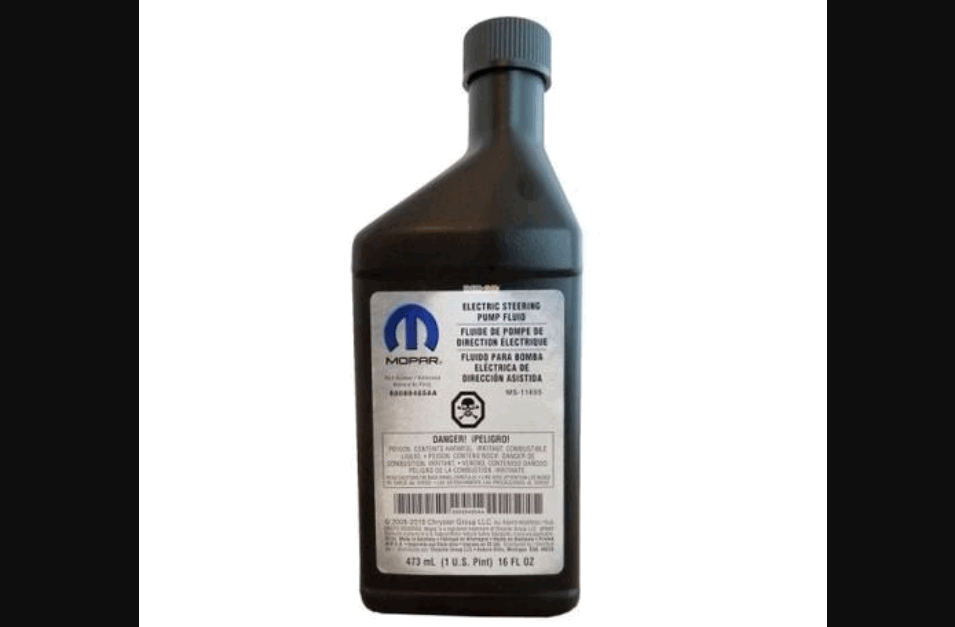
What Is MS-11655 Power Steering Fluid?
MS-11655 is a power steering fluid specification developed by Chrysler for selected hydraulic steering systems. It defines the fluid properties required to deliver consistent steering performance under different driving conditions. The specification focuses on viscosity, lubrication, oxidation resistance, and seal compatibility instead of a specific brand name. As a result, any replacement fluid must meet these technical requirements before it can serve as a true equivalent.
The MS-11655 specification helps protect every major component in the steering system. The power steering pump relies on the correct fluid to generate hydraulic pressure without excessive friction. At the same time, the steering rack, hoses, and rubber seals depend on proper lubrication to reduce wear and prevent leaks. A compatible fluid also maintains stable performance in both high and low temperatures. Consequently, the steering system responds smoothly throughout the year.
Many Chrysler, Dodge, Jeep, and Ram vehicles require a fluid that complies with the MS-11655 specification. However, the exact requirement depends on the model year and steering system design. Some vehicles use a dedicated power steering fluid, while others are engineered to operate with ATF+4 or a different hydraulic fluid. For this reason, owners should always verify the manufacturer’s recommendation before replacing the fluid.
Understanding the specification is more important than recognizing a product label. Many aftermarket products advertise broad compatibility, but only those that clearly state compliance with MS-11655 should replace the original fluid. Choosing the correct specification protects the steering system, maintains reliable performance, and helps prevent costly repairs caused by incompatible hydraulic fluid.
Which Power Steering Fluid Is Equivalent to MS-11655?
The best MS-11655 power steering fluid equivalent is a product that fully meets the original Chrysler specification. The label should clearly state compatibility with MS-11655 or identify the manufacturer’s approval. A fluid that only claims to work with most vehicles does not guarantee the same hydraulic performance. Therefore, you should always choose a product that matches the required specification instead of relying on a universal formula.
The original Mopar Power Steering Fluid remains the safest option because Chrysler designed it specifically for systems that require MS-11655. However, several aftermarket products also meet the same performance standards. Pentosin CHF 11S is one of the most recognized alternatives thanks to its high thermal stability and excellent low temperature performance. Pentosin CHF 202 offers similar characteristics and serves as another suitable choice when the vehicle manufacturer approves its use. Some premium synthetic hydraulic fluids from reputable brands also list MS-11655 compatibility on the product label. Always verify this information before making a purchase.
Many drivers confuse an equivalent fluid with a universal power steering fluid. Although universal products may work in some steering systems, they do not always provide the viscosity, additive package, or seal compatibility required by Chrysler. Using the wrong formulation can increase pump noise, reduce hydraulic pressure, and shorten the service life of critical components. In contrast, a true equivalent maintains the same operating characteristics as the original fluid and supports reliable steering performance in both hot and cold conditions.
Before selecting a replacement fluid, consult the owner’s manual and compare the product specifications carefully. A reputable manufacturer will clearly identify the OEM standards that its fluid meets. This simple step reduces the risk of compatibility issues and helps protect the power steering pump, steering rack, seals, and hydraulic lines throughout the vehicle’s service life.
Can You Use ATF+4 Instead of MS-11655 Power Steering Fluid?
The answer depends on your vehicle’s factory specification. Some Chrysler vehicles are designed to use ATF+4 in the power steering system, while others require a dedicated fluid that meets the MS-11655 specification. Although both fluids support hydraulic systems, they are not automatically interchangeable. You should always follow the recommendation in the owner’s manual instead of assuming that ATF+4 is a universal replacement.
ATF+4 delivers excellent oxidation resistance, stable viscosity, and reliable lubrication under a wide range of operating temperatures. These characteristics make it suitable for specific Chrysler steering systems that were engineered to use automatic transmission fluid. In those vehicles, ATF+4 maintains proper hydraulic pressure, reduces pump wear, and provides smooth steering performance. When the manufacturer specifically approves ATF+4, it can perform just as effectively as the original factory fill.
Problems begin when drivers use ATF+4 in systems that require a dedicated MS-11655 power steering fluid. Even though the differences may appear small, the additive package and friction characteristics can vary enough to affect long term reliability. The wrong fluid may increase steering noise, reduce lubrication efficiency, or accelerate wear inside the pump and steering rack. Rubber seals may also age more quickly if the fluid does not match the original specification.
The safest approach is to verify the required specification before adding or replacing any fluid. If the owner’s manual or service information lists MS-11655, choose a product that clearly states compliance with that standard. If the manual specifies ATF+4, use a licensed ATF+4 product from a reputable manufacturer. Matching the correct specification protects the steering system, maintains consistent performance, and helps prevent unnecessary repairs caused by fluid incompatibility.
How Do You Choose the Right MS-11655 Equivalent?
Choosing the right MS-11655 power steering fluid equivalent starts with checking your vehicle’s required specification. The owner’s manual and the service manual provide the most reliable information. Some Chrysler, Dodge, Jeep, and Ram models require MS-11655, while others are designed for ATF+4 or a different hydraulic fluid. Verifying the specification first helps you avoid costly mistakes and ensures the replacement fluid matches the original design.
Next, examine the product label carefully before making a purchase. A high quality replacement fluid should clearly state that it meets or exceeds the MS-11655 specification. Reputable manufacturers also publish technical data sheets that list OEM approvals, viscosity ratings, and compatibility information. These details allow you to compare products with confidence instead of relying on general marketing claims. Selecting a fluid with verified specifications provides better protection for the power steering pump, steering rack, seals, and hydraulic lines.
Fluid quality is just as important as compatibility. A premium synthetic hydraulic fluid usually offers better oxidation resistance, thermal stability, and wear protection than a lower quality product. These properties help the fluid maintain consistent performance during cold starts, heavy steering loads, and high operating temperatures. As a result, the steering system operates more smoothly and critical components experience less long term wear.
Finally, buy replacement fluid from a trusted brand with a proven reputation in the automotive industry. Well known manufacturers invest in testing and quality control to ensure their products meet strict performance standards. Choosing a verified MS-11655 equivalent reduces the risk of fluid incompatibility, extends the service life of the steering system, and helps maintain the precise steering feel that the manufacturer intended.
What Happens If You Use the Wrong Power Steering Fluid?
Using the wrong power steering fluid can reduce steering performance and damage important hydraulic components over time. The steering system depends on a fluid with the correct viscosity and additive package to generate stable hydraulic pressure. When the fluid does not meet the required specification, it cannot protect the system as intended. Even if the vehicle continues to operate normally at first, problems often develop as the incorrect fluid circulates through the system.
One of the first warning signs is unusual steering noise. Drivers may notice whining, groaning, or squealing sounds when turning the steering wheel, especially at low speeds. These noises usually indicate that the pump is struggling to maintain proper hydraulic pressure. At the same time, the steering wheel may feel heavier or respond less smoothly because the fluid no longer delivers the lubrication and pressure the system requires.
An incompatible fluid can also shorten the service life of seals, hoses, and internal components. Different fluid formulations contain different additive packages that affect rubber materials in different ways. Over time, the wrong fluid may cause seals to harden, swell, or crack, increasing the risk of leaks. Metal components inside the power steering pump and steering rack may also experience greater friction, leading to premature wear and expensive repairs.
If you suspect that the wrong fluid has been added, address the problem as soon as possible. Drain the contaminated fluid, flush the steering system, and refill it with a product that meets the correct OEM specification. Acting quickly helps minimize internal damage and restores proper hydraulic performance. More importantly, using the correct MS-11655 power steering fluid equivalent protects the steering system and helps maintain reliable operation for many years.
How Do You Replace MS-11655 Power Steering Fluid?
Replacing MS-11655 power steering fluid helps maintain smooth steering performance and protects the hydraulic system from premature wear. Over time, heat, moisture, and contaminants reduce the fluid’s effectiveness. Fresh fluid restores proper lubrication and allows the power steering pump to operate more efficiently. Following the correct replacement procedure also reduces the risk of air entering the hydraulic system.
Begin by parking the vehicle on a level surface and allowing the engine to cool. Locate the power steering reservoir and inspect the condition of the existing fluid. Dark fluid, a burnt smell, or visible debris often indicates that the fluid has reached the end of its service life. Remove as much old fluid as possible from the reservoir before disconnecting the return hose if a complete system flush is required.
After draining the old fluid, refill the reservoir with a MS-11655 power steering fluid equivalent that matches the manufacturer’s specification. Start the engine and slowly turn the steering wheel from lock to lock several times. This process circulates the new fluid through the steering rack and power steering pump while helping remove trapped air. Continue checking the fluid level during the procedure because the level may drop as the system fills completely.
Once the fluid remains clean and the steering feels smooth, inspect the entire system for leaks. Pay close attention to the reservoir, hoses, pump, and steering rack. Finally, verify that the fluid level matches the recommended mark after the engine reaches normal operating temperature. A proper fluid replacement improves steering response, reduces unnecessary component wear, and helps the hydraulic system deliver reliable performance over the long term.
Frequently Asked Questions About MS-11655 Power Steering Fluid Equivalent
Many vehicle owners have similar questions when choosing a replacement for MS-11655 power steering fluid. The answers below address the most common concerns and help you avoid compatibility problems that could affect steering performance or shorten the life of the hydraulic system.
Is Pentosin CHF 11S compatible with MS-11655?
Pentosin CHF 11S is compatible with many hydraulic steering systems, but compatibility depends on the specific vehicle and the manufacturer’s requirements. You should never assume that a premium hydraulic fluid automatically replaces MS-11655. Always confirm that the product explicitly lists the required OEM specification before using it.
Can universal power steering fluid replace MS-11655?
A universal power steering fluid can only replace MS-11655 if the manufacturer clearly states that it meets or exceeds the Chrysler specification. Many universal products support a wide range of vehicles, but some lack the viscosity or additive package required for systems designed around MS-11655. Reading the technical specifications is far more reliable than trusting the product name alone.
Can you mix different power steering fluids?
Mixing different power steering fluids is not recommended unless the manufacturer specifically approves it. Different formulations may use different additive packages that reduce overall performance when combined. If you need to switch to another compatible fluid, perform a complete system flush before adding the new product. This approach minimizes contamination and helps maintain stable hydraulic performance.
How often should power steering fluid be replaced?
Most manufacturers do not specify a fixed replacement interval for every vehicle. However, many automotive technicians recommend inspecting the fluid during routine maintenance and replacing it every 50,000 to 60,000 miles under normal driving conditions. Vehicles that tow heavy loads or operate in extreme temperatures may benefit from more frequent service.
What color should healthy power steering fluid be?
Fresh power steering fluid is usually clear, light amber, or light green, depending on the product and manufacturer. As the fluid ages, it often becomes dark brown or develops a burnt odor because heat and oxidation gradually break down the additives. Replacing degraded fluid improves lubrication and helps protect the steering pump and rack from unnecessary wear.
Which vehicles require MS-11655 power steering fluid?
Several Chrysler, Dodge, Jeep, and Ram models use a power steering fluid that meets the MS-11655 specification. However, the requirement varies by model year, engine, and steering system design. The safest way to verify compatibility is to consult the owner’s manual or the official service information for your specific vehicle.
Conclusion
Choosing the right MS-11655 power steering fluid equivalent is one of the simplest ways to protect your vehicle’s hydraulic steering system. The correct fluid maintains stable hydraulic pressure, reduces internal wear, and supports smooth steering under a wide range of driving conditions. More importantly, it helps extend the service life of the power steering pump, steering rack, seals, and hoses by providing the lubrication and protection that the system was designed to use.
Although many replacement products are available, they are not all suitable for vehicles that require the MS-11655 specification. The safest approach is to follow the manufacturer’s recommendation and verify that the replacement fluid clearly states compliance with the required OEM standard. A quality equivalent provides the same level of performance as the original fluid without compromising reliability or long-term durability.
Regular fluid inspections and timely replacements also play an important role in preventing steering problems before they become expensive repairs. Clean hydraulic fluid allows the steering system to operate efficiently and helps maintain consistent performance throughout the vehicle’s lifespan. If you are planning additional maintenance, you may also find it helpful to learn how to flush a power steering system, whether different power steering fluids can be mixed, and the common symptoms of low power steering fluid. Understanding these related topics will help you keep your steering system in excellent condition and make more informed maintenance decisions.