Imagine walking toward your Mercedes after a busy day and pressing the key fob button, but nothing happens. The doors stay locked, the remote does not respond, or one door suddenly stops working. This situation can quickly become frustrating for any Mercedes owner because it affects both convenience and vehicle security.
A Mercedes Central Locking System Not Working issue can come from several different causes. Some problems are simple, such as a weak key fob battery or a low vehicle battery. Other issues may involve door lock actuators, control modules, or damaged wiring. Modern Mercedes vehicles depend on complex electronic systems, so finding the exact cause is important before replacing any parts.
Understanding the symptoms can help you identify the problem faster. It can also prevent unnecessary repair costs. Some locking issues require only basic checks and simple fixes. However, more serious electrical faults may need professional diagnostic tools and specialist knowledge.
This guide explains how the Mercedes central locking system works and why it may fail. You will learn about common causes, warning signs, troubleshooting steps, repair options, and expected costs. Whether your Mercedes key fob stops working or your doors refuse to lock, this guide will help you find the right solution.
How Does the Mercedes Central Locking System Work?
The Mercedes central locking system allows drivers to lock and unlock multiple vehicle doors at the same time. This system improves daily convenience and provides an important layer of security. Instead of controlling each door manually, Mercedes vehicles use electronic signals and mechanical components to manage the locking process.
When you press the button on your Mercedes key fob, the key sends a coded signal to the vehicle receiver. The receiver then communicates with the vehicle control system to confirm the command. If the system recognizes the signal, it activates the door locking components and allows the doors to lock or unlock.
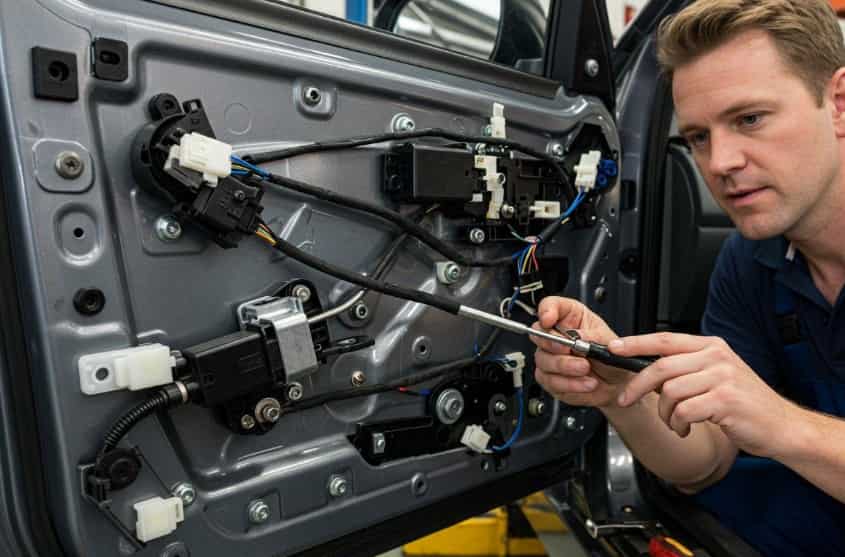
Several parts work together to make the central locking system function correctly. The key fob provides the initial command, while the vehicle battery supplies electrical power to the system. Door lock actuators inside each door control the physical movement of the locks. These actuators use small electric motors to move the locking mechanism into the locked or unlocked position.
Mercedes vehicles also rely on electronic control modules to manage communication between different systems. Depending on the model, the SAM module, body control module, or other electronic units may control locking functions. These modules process signals and monitor the condition of related components.
Because the system depends on both electronic and mechanical parts, a failure in any single component can affect the entire locking operation. A weak battery, damaged actuator, faulty module, or wiring problem can prevent the system from responding correctly.
Understanding how the Mercedes central locking system works makes troubleshooting easier. By knowing which components control the locking process, owners can identify possible causes and choose the right repair solution more effectively.
Common Symptoms of Mercedes Central Locking System Failure
A Mercedes central locking failure can appear in different ways. Some problems are easy to notice, while others happen occasionally and become worse over time. Recognizing the early warning signs can help you find the cause before the issue affects other vehicle systems.
One common symptom is a key fob that does not lock or unlock the vehicle. You may press the buttons several times without any response from the car. In many cases, the problem comes from a weak key fob battery. However, signal issues or electronic faults can also prevent communication between the key and the vehicle.
Another common sign is when only one door fails to lock or unlock. If the other doors work normally, the problem often points to a damaged door lock actuator or a mechanical issue inside that specific door. You may hear clicking sounds without seeing any movement from the lock.
Some Mercedes owners experience a complete central locking failure. In this situation, none of the doors respond to the remote key or the interior locking button. This type of problem may relate to the vehicle battery, electrical supply, control modules, or communication faults within the locking system.
The trunk or fuel door may also stop responding when the central locking system develops a fault. Since these components connect to the same locking network, a failure in the system can affect multiple areas of the vehicle.
Intermittent locking problems are another warning sign that owners should not ignore. The system may work normally one day but fail the next. These inconsistent issues often indicate an early electrical problem, such as a weak connection, damaged wiring, or a failing control module.
Identifying these symptoms helps Mercedes owners understand the severity of the problem. It also makes the diagnostic process faster and helps prevent unnecessary repairs.
Why Is My Mercedes Central Locking System Not Working?
When your Mercedes central locking system stops working, the problem can come from several different areas. Some failures happen because of simple power issues, while others involve complex electronic components. Finding the correct cause is the first step toward an effective repair.
Weak or Dead Key Fob Battery
A weak key fob battery is one of the easiest problems to overlook. Many Mercedes owners assume the vehicle has a serious electrical fault when the remote simply cannot send a strong enough signal.
When the key fob battery becomes weak, you may notice delayed responses or inconsistent locking behavior. The remote may work only when you stand very close to the vehicle. In some cases, the buttons may stop working completely.
Replacing the key fob battery is usually a simple and affordable solution. However, if a new battery does not solve the problem, the issue may involve the key itself, the vehicle receiver, or another electronic component.
Low Vehicle Battery Voltage
The vehicle battery plays an important role in the Mercedes central locking system. Modern Mercedes models use many electronic control units, and they require stable voltage to operate correctly.
A weak vehicle battery can create unusual electrical problems. The central locking system may respond slowly, fail randomly, or stop working completely. Other warning signs may include dim interior lights, difficulty starting the engine, or multiple electronic errors appearing at the same time.
Low voltage problems often appear after the vehicle sits unused for a long period. Extreme weather conditions and an aging battery can also reduce performance. Testing the battery voltage can help determine whether the power supply causes the locking issue.
Blown Fuse or Electrical Power Problems
The central locking system depends on electrical circuits protected by fuses. If a fuse fails, the system may lose power and stop responding.
A blown fuse can happen because of an electrical overload, a short circuit, or a damaged component. Checking the related fuses is one of the first diagnostic steps because it is quick and inexpensive.
However, replacing a fuse without identifying the reason behind the failure may only provide a temporary solution. If the new fuse fails again, the vehicle may have a deeper electrical problem that requires further inspection.
Failed Door Lock Actuator
The door lock actuator controls the physical movement of the lock mechanism inside each door. It converts electrical signals into mechanical movement, allowing the door to lock and unlock.
A damaged actuator is a common cause of Mercedes door lock problems. When an actuator begins to fail, you may notice that one door does not respond while the other doors work normally. You may also hear clicking noises from the door without any locking movement.
Over time, the actuator motor can wear out, or internal mechanical parts can become damaged. Replacing the faulty actuator usually restores normal locking operation.
Faulty SAM Module or Control Module Failure
Mercedes vehicles use electronic control modules to manage many body functions, including central locking. The SAM module, which stands for Signal Acquisition Module, plays an important role in controlling electrical communication between different systems.
A faulty SAM module can cause various electrical problems. The central locking system may stop responding, behave randomly, or show multiple unrelated symptoms. Water damage, voltage problems, or internal electronic failures can affect module performance.
Diagnosing a SAM module issue usually requires a professional diagnostic scanner. Replacing or repairing the module may also require programming to match the vehicle.
Wiring and Communication Problems
The central locking system relies on electrical connections between multiple components. Damaged wiring, loose connectors, or corrosion can interrupt communication and prevent the system from working correctly.
Wiring problems may appear after moisture exposure, repairs, accidents, or long-term wear. These faults can be difficult to identify because the system may work intermittently before failing completely.
A proper inspection should include checking electrical connections, wiring conditions, and communication signals between control modules.
Understanding these common causes can help Mercedes owners avoid unnecessary part replacements. A simple key battery issue requires a very different solution compared with a failed actuator or control module. Proper diagnosis saves time, reduces repair costs, and helps restore the central locking system safely.
How to Diagnose a Mercedes Central Locking Problem Step by Step
Diagnosing a Mercedes central locking problem requires a structured approach. Many owners replace expensive parts before finding the actual cause. Starting with simple checks can help identify the issue faster and avoid unnecessary repair costs.
Begin by checking the key fob battery. A weak battery can reduce signal strength and prevent the vehicle from responding to lock or unlock commands. If you have a spare key, test it to determine whether the problem comes from the key fob.
Next, inspect the vehicle battery condition. Mercedes vehicles depend on stable electrical power, and low voltage can affect multiple electronic systems. A battery test can confirm whether insufficient power causes the locking failure.
After checking the batteries, inspect the related fuses and electrical connections. A damaged fuse or loose connection can interrupt power to the central locking system. If one door fails while others work normally, the door lock actuator may be the source of the problem.
For more complex issues, use a diagnostic scanner to check control modules and stored fault codes. Problems involving the SAM module, wiring, or communication systems usually require professional equipment and experience.
A step by step diagnosis helps Mercedes owners identify the real cause before replacing components. Proper testing saves time, reduces repair expenses, and ensures the locking system receives the correct solution.
How to Fix Mercedes Central Locking System Not Working
Fixing a Mercedes central locking system depends on the actual cause of the failure. Some problems require only simple adjustments, while others need professional repairs. Identifying the source of the issue first helps prevent unnecessary part replacements and reduces repair costs.
The easiest solution is replacing the key fob battery. If the remote cannot send a strong signal to the vehicle, the central locking system may not respond correctly. Installing a new battery can restore normal operation if the key itself works properly.
If the vehicle battery has low voltage, charging or replacing it may solve the problem. A weak battery can affect many electronic functions in a Mercedes, including door locks, interior systems, and control modules. Maintaining the correct battery condition helps prevent future electrical issues.
Checking and replacing damaged fuses is another possible solution. A blown fuse can stop power from reaching the central locking components. However, if the fuse fails again after replacement, the vehicle may have an underlying electrical problem that requires further inspection.
A faulty door lock actuator may require repair or replacement. When an actuator fails, one or more doors may stop locking or unlocking properly. Replacing the damaged actuator usually restores the mechanical operation of the door lock.
For more advanced problems, technicians may need to repair wiring issues or diagnose control modules such as the SAM module. These components control communication between different electrical systems in the vehicle. Module repairs or replacements often require specialist tools and programming.
Some Mercedes central locking problems can be fixed at home with basic checks. However, electrical faults require careful diagnosis because incorrect repairs may create additional problems. A professional Mercedes specialist can identify complex failures and provide the correct repair solution.
Addressing the problem early can prevent a small fault from becoming a more expensive repair. Regular battery checks, proper maintenance, and early diagnosis help keep the Mercedes central locking system working reliably.
Mercedes Central Locking Repair Cost: What Should You Expect?
The cost of repairing a Mercedes central locking system depends on the cause of the problem. Simple issues usually require affordable solutions, while electronic failures can become more expensive. Understanding the possible repair costs helps owners make better decisions before visiting a workshop.
A key fob battery replacement is usually the least expensive repair. If the problem only comes from a weak remote battery, the solution is quick and does not require professional assistance.
A vehicle battery replacement can cost more because the battery supplies power to many electrical systems. If low voltage causes the locking problem, replacing an old battery may restore normal operation and prevent additional electronic issues.
Door lock actuator replacement usually costs more than basic battery repairs. The final price depends on the Mercedes model, replacement part quality, and labor time. OEM parts often provide better reliability but may cost more than aftermarket alternatives.
Control module problems, including SAM module failures, can create higher repair expenses. These systems require advanced diagnostic equipment, and some replacements need programming to match the vehicle. Repair costs can vary significantly depending on the level of damage.
Several factors influence the final Mercedes central locking repair cost. These include the vehicle model, production year, parts availability, workshop rates, and whether the repair requires electrical diagnosis or programming.
Although some owners try to replace parts based on symptoms, incorrect diagnosis can increase expenses. A professional inspection can identify the real cause and prevent unnecessary replacements.
Fixing a Mercedes central locking issue early is usually more affordable than waiting until additional electrical problems appear. Proper diagnosis ensures that you spend money on the correct repair instead of replacing components that still work.
When Should You Visit a Mercedes Specialist?
Some Mercedes central locking problems can be solved with simple checks, such as replacing a key fob battery or testing the vehicle battery. However, certain situations require professional diagnosis and specialist equipment.
You should visit a Mercedes specialist if the locking system continues to fail after basic troubleshooting. Repeated failures often indicate deeper electrical issues that are difficult to identify without proper testing tools.
Professional inspection is also recommended when multiple electronic systems experience problems at the same time. For example, central locking failures combined with dashboard warnings, lighting issues, or other electrical faults may point to a control module or communication problem.
If you suspect a SAM module failure, wiring damage, or a faulty control unit, professional repair is the safer option. These components manage important vehicle functions, and incorrect repairs can create additional electrical problems.
A Mercedes specialist can use diagnostic equipment to read fault codes, test communication between modules, and identify the exact source of the failure. This approach saves time and prevents unnecessary replacement of expensive components.
How to Prevent Future Mercedes Central Locking Problems
Regular maintenance can help reduce the risk of central locking failures. The vehicle battery should be checked regularly because low voltage is one of the most common causes of electronic issues in modern Mercedes vehicles.
Replacing the key fob battery before it completely loses power can also prevent unexpected locking problems. A weak remote battery may cause inconsistent operation and make diagnosis more difficult.
Owners should also protect electrical components from moisture and corrosion. Water damage around control modules, connectors, or wiring can create long term problems with the locking system.
Following the recommended maintenance schedule and addressing small electrical issues early can improve system reliability. A Mercedes central locking system depends on many connected components, so keeping each part in good condition helps prevent major failures.
Early diagnosis, proper maintenance, and professional support when needed can keep your Mercedes locking system working smoothly for years.
Conclusion
A Mercedes Central Locking System Not Working issue can happen for many different reasons, from simple battery problems to complex electrical failures. Understanding the symptoms and possible causes is the first step toward finding the right solution.
Common problems include a weak key fob battery, low vehicle battery voltage, damaged fuses, faulty door lock actuators, wiring issues, and control module failures. While some problems require only basic checks, others need professional diagnostic equipment and specialist knowledge.
A correct diagnosis can save time and prevent unnecessary repair expenses. Replacing parts without identifying the real cause may not solve the problem and can increase costs. Checking the system carefully helps Mercedes owners choose the most effective repair option.
Regular maintenance also plays an important role in preventing future locking failures. Keeping the vehicle battery healthy, replacing key batteries when needed, and addressing electrical issues early can improve system reliability.
If your Mercedes central locking system stops working, start with simple troubleshooting steps and monitor the symptoms carefully. For complex electrical faults, working with a qualified Mercedes specialist can ensure accurate diagnosis and reliable repairs. Taking action early can help protect your vehicle’s security, convenience, and long term performance.