Mercedes-Benz vehicles are known for luxury, performance, and advanced engineering. However, even premium vehicles can develop transmission problems over time. One issue that many owners may encounter is the Mercedes-Benz P0730 Code. This diagnostic trouble code points to an incorrect gear ratio detected by the transmission control system.
The P0730 code means that the actual gear ratio does not match the expected value during vehicle operation. When this happens, the transmission may struggle to deliver smooth and efficient performance. Drivers may notice unusual shifting behavior, reduced acceleration, or warning lights on the dashboard.
Many Mercedes owners worry about this problem because transmission repairs can become expensive if they ignore early warning signs. However, the P0730 code does not always mean the transmission requires complete replacement. A proper diagnosis can reveal the real cause and help determine the most effective repair solution.
This guide explains everything about the Mercedes-Benz P0730 Code, including its meaning, common causes, symptoms, diagnostic process, and repair options. By understanding this transmission issue, Mercedes owners can take action early and protect their vehicle from more serious damage.
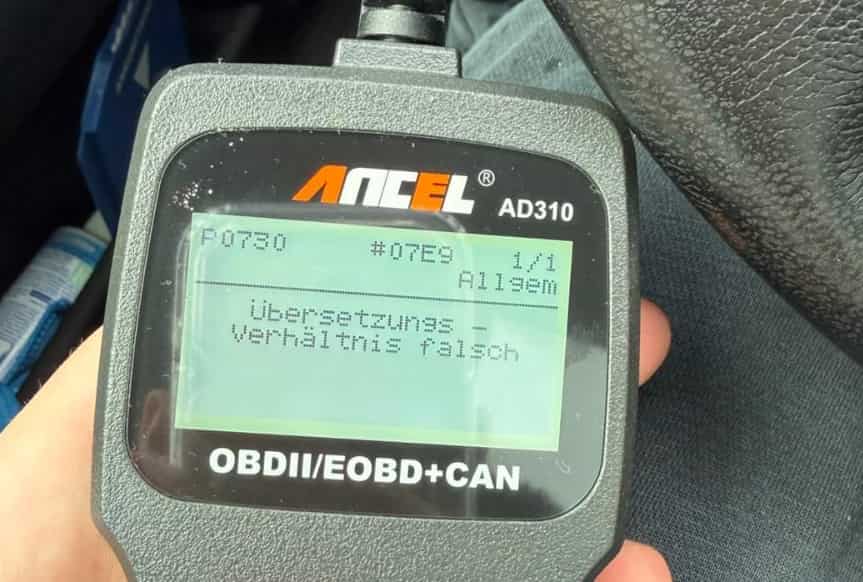
What Does the Mercedes-Benz P0730 Code Mean?
The Mercedes-Benz P0730 Code is an OBD2 transmission fault code that indicates an incorrect gear ratio. This means the transmission control system detects a difference between the expected gear ratio and the actual ratio during driving conditions. The vehicle computer compares input speed, output speed, and gear position data to confirm that the transmission operates correctly.
Modern Mercedes-Benz automatic transmissions rely on several electronic and mechanical components to maintain smooth gear changes. The Transmission Control Module, also known as the TCM, continuously monitors transmission performance. It uses information from speed sensors and other components to control shifting accuracy and efficiency.
When the TCM detects that the selected gear does not produce the expected output speed, it stores the P0730 code. The system may also activate a warning light or place the vehicle into a protective mode. This safety feature helps reduce further transmission damage.
The Mercedes-Benz P0730 Code does not identify one specific failed component. Instead, it points to a transmission performance problem that requires further inspection. The cause may involve low transmission fluid, worn internal parts, faulty sensors, or hydraulic control issues.
Understanding what triggers this code is important because early diagnosis can prevent unnecessary repairs. A complete transmission inspection helps technicians find the actual source of the problem and choose the correct repair method.
Common Causes of Mercedes-Benz P0730 Code
The Mercedes-Benz P0730 Code can appear for several different reasons. This fault does not always mean the transmission has suffered major damage. In many cases, the problem starts with a smaller issue that affects transmission performance. Finding the correct cause is essential because each problem requires a different repair approach.
One of the most common causes is low or degraded transmission fluid. Mercedes automatic transmissions depend on clean fluid to create proper hydraulic pressure and support smooth gear changes. When the fluid level becomes too low or the fluid loses its quality, the transmission may struggle to maintain the correct gear ratio. Old or contaminated fluid can also affect internal transmission components.
Another possible cause is a faulty transmission solenoid. Solenoids control the flow of transmission fluid inside the gearbox. When a solenoid becomes damaged or fails to operate correctly, the transmission may select the wrong gear or experience delayed shifting. This can trigger the P0730 code and create noticeable driving problems.
Worn internal transmission components can also cause an incorrect gear ratio. Over time, clutch packs, gears, and other mechanical parts may experience wear. This wear can cause transmission slipping because the gearbox cannot transfer engine power efficiently.
Faulty speed sensors are another common cause of the Mercedes-Benz P0730 Code. The transmission control system depends on accurate speed information from input and output sensors. If these sensors send incorrect data, the TCM may detect a false gear ratio problem.
In some cases, the issue comes from the valve body or the Transmission Control Module. The valve body controls hydraulic pressure inside the transmission, while the TCM manages electronic shifting decisions. Problems with either component can affect transmission operation and lead to incorrect gear ratio readings.
A proper diagnostic process helps identify the real cause behind the Mercedes-Benz P0730 Code. Replacing parts without accurate testing can increase repair costs and may not solve the original problem.
Symptoms of Mercedes-Benz P0730 Transmission Error
The Mercedes-Benz P0730 Code can cause several noticeable changes in vehicle performance. Some drivers may experience minor shifting issues, while others may face serious transmission problems. Recognizing these warning signs early can help prevent further damage and reduce repair costs.
One common symptom is transmission slipping. This happens when the engine speed increases, but the vehicle does not accelerate as expected. Drivers may feel a loss of power, especially during acceleration or when the transmission changes gears. Slipping often indicates that the gearbox cannot maintain the correct gear ratio.
Another common sign is hard or delayed shifting. A healthy Mercedes automatic transmission should change gears smoothly and quickly. When the P0730 code appears, drivers may notice rough gear engagement, sudden jerks, or hesitation before the vehicle moves into the next gear.
Some Mercedes vehicles may enter limp mode after detecting the P0730 Code. The transmission control system activates this protective mode to limit performance and reduce the risk of additional damage. In this situation, the vehicle may stay in one gear or provide limited acceleration.
A Check Engine Light or transmission warning message may also appear on the dashboard. The warning does not always show the exact cause of the problem, but it signals that the vehicle needs proper diagnostic testing.
Reduced fuel efficiency can also occur when the transmission cannot maintain the correct gear ratio. The engine may work harder because the gearbox does not operate at its optimal level. Over time, this can increase fuel consumption and affect overall driving comfort.
If you notice any of these symptoms with your Mercedes-Benz, it is important to perform a transmission inspection as soon as possible. Early diagnosis can help identify the cause of the P0730 code before it develops into a more expensive transmission repair.
Mercedes-Benz Models That May Experience P0730 Code
The Mercedes-Benz P0730 Code can appear on different models equipped with automatic transmission systems. While this issue is not limited to a specific vehicle line, certain Mercedes-Benz models may experience transmission problems more frequently due to mileage, driving conditions, and maintenance history.
The Mercedes-Benz C-Class is one of the models that may develop transmission related issues over time. Many C-Class vehicles use advanced automatic gearboxes that require regular maintenance to maintain smooth shifting performance. As mileage increases, problems with transmission fluid, sensors, or internal components can contribute to incorrect gear ratio errors.
The Mercedes-Benz E-Class can also experience P0730 transmission faults. This model combines luxury comfort with advanced transmission technology, which means the gearbox relies heavily on accurate electronic and hydraulic control. Poor maintenance or worn transmission components may affect shifting performance and trigger fault codes.
The Mercedes-Benz S-Class features highly advanced transmission systems designed for maximum comfort and efficiency. However, complex transmission components can become expensive to repair when problems develop. A P0730 code on an S-Class requires careful diagnosis because multiple systems work together to control gearbox operation.
Mercedes-Benz SUV models such as the GLE and GLS may also experience this transmission issue. These vehicles carry more weight and often operate under higher transmission loads. Towing, frequent heavy acceleration, or long term use without proper servicing can increase stress on transmission components.
The possibility of a Mercedes-Benz P0730 Code depends on many factors, including vehicle age, driving habits, maintenance schedule, and transmission condition. Regardless of the model, accurate diagnosis remains the most important step before choosing any repair solution.
How to Diagnose Mercedes-Benz P0730 Code
Diagnosing the Mercedes-Benz P0730 Code requires a careful inspection because the fault can come from different transmission components. A proper diagnosis helps technicians identify the real cause instead of replacing parts without confirmation. This approach saves time, reduces repair costs, and prevents unnecessary transmission work.
The first step involves scanning the vehicle with a professional diagnostic tool. Mercedes technicians often use advanced systems such as XENTRY Diagnosis to communicate with the Transmission Control Module. The scan provides stored fault codes, live data, and important transmission information that helps identify abnormal operation.
The next step is checking the transmission fluid condition. Technicians inspect the fluid level, color, and overall quality. Low fluid levels or damaged fluid can reduce hydraulic pressure and affect gear engagement. If the fluid shows signs of contamination or overheating, further inspection may be necessary.
After checking the fluid, technicians examine transmission sensors, wiring, and electrical connections. The input and output speed sensors play an important role in calculating gear ratios. A damaged sensor or faulty connection can send incorrect information to the transmission control system.
A hydraulic pressure test may also be required when the initial checks do not reveal the problem. The test helps determine whether the transmission creates enough pressure for proper gear operation. Low hydraulic pressure can indicate issues with the valve body, solenoids, or internal transmission components.
The final stage involves inspecting internal gearbox parts when necessary. Worn clutch packs, damaged gears, or mechanical failures can prevent the transmission from maintaining the correct gear ratio.
A complete diagnostic process is the key to repairing the Mercedes-Benz P0730 Code correctly. Finding the exact cause allows owners to choose the right solution and avoid expensive repairs caused by incorrect assumptions.
Mercedes-Benz P0730 Code Repair Solutions
The correct repair solution for the Mercedes-Benz P0730 Code depends on the actual cause of the transmission problem. Some cases require simple maintenance, while others may involve complex gearbox repairs. A proper diagnosis helps determine the most effective solution and prevents unnecessary expenses.
If the problem comes from low or degraded transmission fluid, a fluid service may restore normal transmission performance. Technicians can inspect the fluid condition and replace it with the correct Mercedes approved transmission fluid when necessary. Clean and properly filled fluid helps maintain hydraulic pressure and supports smoother gear changes.
A faulty transmission solenoid may require repair or replacement. Solenoids control fluid flow inside the gearbox and help the transmission select the correct gears. When a solenoid fails, replacing the damaged component can often restore proper shifting operation without rebuilding the entire transmission.
In some cases, the valve body may need repair. The valve body controls hydraulic pressure and directs fluid to different transmission components. A damaged valve body can create shifting problems and cause the transmission control system to detect an incorrect gear ratio.
If sensors cause the P0730 code, replacing faulty speed sensors or repairing damaged wiring can solve the issue. Accurate sensor signals are essential because the Transmission Control Module depends on this information to manage gear changes.
More serious cases may involve internal transmission wear. Damaged clutch packs, worn gears, or mechanical failures may require transmission rebuilding. In extreme situations, complete transmission replacement may become necessary.
The Mercedes-Benz P0730 Code does not automatically mean the vehicle needs a new transmission. Many problems can be repaired through targeted solutions when technicians identify the correct cause. Early diagnosis gives Mercedes owners a better chance of restoring transmission performance while controlling repair costs.
Mercedes-Benz P0730 Repair Cost: What Should You Expect?
The repair cost for the Mercedes-Benz P0730 Code can vary widely depending on the cause of the problem. Some vehicles may only require basic maintenance, while others may need major transmission repairs. The final cost depends on the vehicle model, transmission type, damaged components, and labor rates.
A professional diagnostic scan is usually the first expense when dealing with a P0730 code. Mercedes specialists may charge around $100 to $250 for a complete transmission inspection. This step helps identify the actual problem before any repair work begins.
If the issue comes from old or low transmission fluid, a fluid service may cost between $200 and $500. This repair is often one of the more affordable solutions and can improve transmission performance when fluid condition causes the problem.
Replacing a faulty solenoid may cost around $500 to $1,500, depending on the Mercedes model and the complexity of the transmission system. Valve body repairs usually cost more because this component requires detailed inspection and specialized labor. Owners can expect valve body repairs to range from $1,000 to $3,000.
More serious transmission problems can lead to higher expenses. A transmission rebuild may cost between $3,000 and $7,000 or more. If the gearbox has severe internal damage, a complete transmission replacement can exceed $5,000 and may reach $10,000 or higher.
The best way to control Mercedes-Benz P0730 Code repair costs is to diagnose the issue early. Ignoring early symptoms can allow minor transmission problems to develop into major failures. A timely inspection often provides more repair options and helps protect your investment.
Can You Drive a Mercedes-Benz With P0730 Code?
Driving a Mercedes-Benz with the P0730 Code depends on the severity of the transmission problem. In some cases, the vehicle may continue operating for a short period. However, ignoring the issue for too long can increase the risk of serious transmission damage.
If the vehicle only shows a warning light and still shifts smoothly, it may be possible to drive it carefully until a professional inspection is available. Drivers should avoid aggressive acceleration, heavy loads, and long trips because these conditions can place additional stress on the transmission.
A Mercedes-Benz with noticeable symptoms requires more attention. Problems such as transmission slipping, harsh shifting, delayed gear engagement, or limp mode activation indicate that the gearbox may not operate correctly. Continuing to drive in this condition can damage internal components and increase repair costs.
The P0730 Code often indicates that the transmission cannot maintain the expected gear ratio. When the gearbox continues working with incorrect operation, components such as clutch packs, solenoids, and internal gears may experience additional wear.
The safest approach is to schedule a transmission diagnosis as soon as possible after detecting the Mercedes-Benz P0730 Code. A professional inspection can determine whether the issue requires simple maintenance or more advanced repairs.
Taking action early can help prevent a small transmission problem from becoming a major failure. For Mercedes owners, timely diagnosis is one of the most effective ways to protect vehicle performance and avoid unnecessary repair expenses.
How to Prevent Mercedes-Benz P0730 Transmission Problems
Preventing the Mercedes-Benz P0730 Code starts with proper transmission care and regular vehicle maintenance. Automatic transmissions contain many electronic and mechanical components that work together. Small issues can develop into larger problems when owners ignore early warning signs.
Regular transmission service is one of the most important steps to protect gearbox performance. Mercedes-Benz vehicles require the correct transmission fluid specification to maintain proper lubrication and hydraulic pressure. Using the wrong fluid or delaying service can affect shifting quality and increase component wear.
Checking transmission fluid condition during maintenance can also help identify potential problems early. Dark fluid, unusual smells, or contamination may indicate internal transmission stress. Addressing these signs before a major failure can reduce repair costs and extend transmission life.
Driving habits also affect transmission durability. Frequent aggressive acceleration, excessive towing, and heavy driving conditions can place additional stress on the gearbox. Smooth acceleration and proper vehicle operation help reduce unnecessary transmission wear.
Regular diagnostic checks can provide valuable information about transmission health. Modern Mercedes vehicles store detailed data through their electronic control systems. Early detection of unusual transmission behavior allows technicians to correct problems before they become more serious.
Mercedes owners should also pay attention to early symptoms such as delayed shifting, unusual noises, or warning messages. The Mercedes-Benz P0730 Code often appears after the transmission has already experienced performance issues. Quick action can prevent further damage and maintain reliable vehicle performance.
Proper maintenance does not guarantee that transmission problems will never occur. However, consistent care, correct servicing, and early diagnosis can significantly reduce the risk of expensive transmission repairs.
Frequently Asked Questions About Mercedes-Benz P0730 Code
What does Mercedes-Benz P0730 Code mean?
The Mercedes-Benz P0730 Code means the transmission control system has detected an incorrect gear ratio. The actual gear performance does not match the expected value calculated by the vehicle computer. The issue may come from fluid problems, faulty components, or internal transmission wear.
Is Mercedes-Benz P0730 Code a serious transmission problem?
The seriousness of the P0730 code depends on the cause. Some cases involve simple issues such as low transmission fluid or faulty sensors. Other cases may involve internal gearbox damage that requires more advanced repairs. A professional diagnosis is necessary to determine the severity.
Can low transmission fluid cause Mercedes-Benz P0730 Code?
Yes. Low or degraded transmission fluid can affect hydraulic pressure and prevent the gearbox from maintaining the correct gear ratio. Regular fluid inspection and proper servicing can help prevent this type of transmission problem.
Does Mercedes-Benz P0730 Code mean I need a new transmission?
No. The P0730 code does not always require transmission replacement. Many cases can be repaired through fluid service, sensor replacement, solenoid repair, or valve body repair. Complete transmission replacement is only necessary when severe internal damage occurs.
How long can I drive with Mercedes-Benz P0730 Code?
The driving time depends on the condition of the vehicle. Some vehicles may continue operating for a short period, while others may experience rapid transmission failure. Drivers should arrange a professional inspection as soon as possible to avoid further damage.
Conclusion
The Mercedes-Benz P0730 Code is an important transmission warning that should not be ignored. This code indicates that the vehicle has detected an incorrect gear ratio, which can affect shifting performance, driving comfort, and long term transmission reliability.
Although the P0730 code may sound serious, it does not always mean the transmission requires complete replacement. Many causes can be repaired through proper diagnosis and targeted solutions. Issues such as transmission fluid problems, faulty sensors, solenoid failures, or valve body concerns can often be resolved when technicians identify the correct source.
The most important step is accurate diagnosis. Replacing expensive transmission components without confirming the cause can lead to unnecessary costs and wasted time. Early inspection allows Mercedes owners to choose the right repair approach and protect their vehicle investment.
If your Mercedes displays the P0730 code, paying attention to symptoms and seeking professional assistance can prevent minor issues from becoming major transmission failures. Have you experienced the Mercedes-Benz P0730 Code on your vehicle? Share your Mercedes model and symptoms to help other owners understand possible solutions.