A Mazda Parking Brake Malfunction warning can be alarming. It may appear without any obvious brake problems. Sometimes the electronic parking brake will not engage. In other cases, it refuses to release. The warning may also appear after a battery replacement or a brake service. These situations often leave drivers wondering what went wrong.
Fortunately, this warning does not always mean a major repair is necessary. Modern Mazda vehicles use an Electronic Parking Brake system to improve safety and convenience. The system depends on sensors, electric motors, control modules, and software. If one component stops communicating correctly, the warning message may appear. A weak battery, a faulty parking brake switch, damaged wiring, or a failing actuator can all trigger the same alert.
Finding the real cause is essential before replacing any parts. Many owners spend money on unnecessary repairs because they assume the actuator has failed. In reality, the problem may be as simple as low battery voltage or a blown fuse. Ignoring the warning is also risky. A minor electrical fault can eventually affect braking performance or prevent the parking brake from working properly.
This guide explains everything you need to know about a Mazda Parking Brake Malfunction. You will learn how the Electronic Parking Brake system works. You will also discover the most common warning signs, possible causes, diagnostic steps, reset procedures, repair options, and expected repair costs. Whether you drive a Mazda CX 5, Mazda3, Mazda6, CX 30, CX 50, or CX 9, this guide will help you identify the problem and choose the right solution.
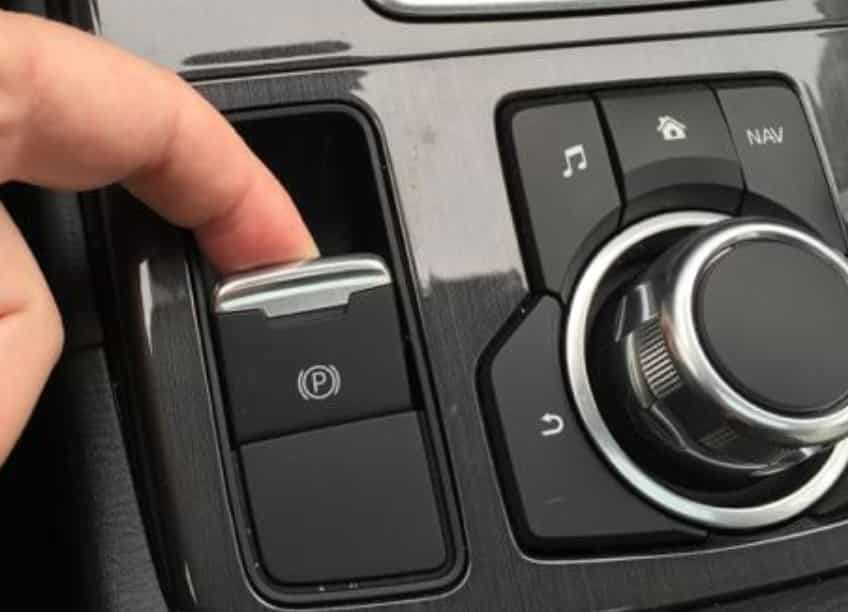
What Does a Mazda Parking Brake Malfunction Mean?
A Mazda Parking Brake Malfunction warning means the Electronic Parking Brake system has detected a problem that requires attention. The issue may be electrical, mechanical, or software related. In many cases, the parking brake still works. However, the system stores a fault because one or more components are not operating within the expected range.
Unlike a traditional handbrake, Mazda’s Electronic Parking Brake uses electric motors and a control module to apply and release the rear brakes. The system also receives information from several sensors throughout the vehicle. It checks battery voltage, wheel speed, brake pedal input, and other operating conditions before activating the parking brake. If any of these signals become inaccurate or unavailable, the warning message may appear on the dashboard.
Not every warning indicates a serious failure. For example, a weak battery can reduce the voltage supplied to the Electronic Parking Brake module. After replacing the battery, the system may also require initialization before it operates normally again. In these situations, the warning may disappear after the underlying issue is corrected and the system is reset.
On the other hand, persistent warnings often point to a component that needs repair or replacement. A worn rear brake caliper, a faulty parking brake actuator, damaged wiring, or a failed control module can all prevent the system from working correctly. Ignoring these problems may lead to additional damage or reduce braking performance over time. For that reason, identifying the exact cause should always be the first step before replacing any parts.
How the Mazda Electronic Parking Brake Works
The Electronic Parking Brake replaces the conventional mechanical handbrake with an electric system. When the driver presses the parking brake switch, the control module sends a signal to electric actuators mounted on the rear brake calipers. These actuators apply enough force to lock the rear wheels and keep the vehicle stationary.
When the brake is released, the actuators reverse their movement and allow the rear wheels to rotate freely. The process takes only a few seconds. It also operates automatically under certain driving conditions, depending on the vehicle model and available safety features.
To ensure safe operation, the system continuously monitors several components. These include the battery, brake pedal switch, wheel speed sensors, ABS module, and Electronic Parking Brake module. If one of these components reports abnormal data, the system stores a fault code and displays a warning message.
Why the Warning Message Appears
The warning appears when the Electronic Parking Brake system detects a condition that could affect normal operation. Some faults are temporary and disappear after the system is restarted. Others remain active until the underlying problem is repaired.
Low battery voltage is one of the most common causes. It can interrupt communication between electronic modules and trigger multiple dashboard warnings at the same time. Brake service that is performed incorrectly may also cause the system to enter a fault state. In addition, damaged wiring, faulty switches, worn actuators, or software calibration errors can all produce the same warning.
Because many different faults generate an identical dashboard message, visual inspection alone is rarely enough. A systematic diagnosis helps identify the true cause and prevents unnecessary repairs. This approach also saves time and reduces overall repair costs.
Common Warning Signs of a Mazda Parking Brake Malfunction
A Mazda Parking Brake Malfunction can appear in several ways. Some drivers only notice a warning light on the dashboard. Others experience braking problems that affect normal driving. Recognizing these symptoms early can help prevent more expensive repairs and reduce the risk of additional damage.
The warning signs may appear suddenly or develop over time. In some cases, the problem disappears after restarting the vehicle. However, repeated warnings usually indicate that the Electronic Parking Brake system needs further inspection.
Parking Brake Warning Light Stays On
One of the most common symptoms is a parking brake warning light that remains illuminated after the brake has been released. The light may stay solid or flash continuously. This warning tells you that the system has detected an abnormal condition.
If the light remains on after restarting the vehicle, the issue should not be ignored. The fault may involve the Electronic Parking Brake module, battery voltage, or another related component.
Electronic Parking Brake Will Not Engage
Some drivers find that the parking brake does not activate when they press the switch. The indicator light may flash briefly before turning off. In other cases, nothing happens at all.
This symptom often points to a faulty parking brake switch, an electrical problem, or a failed actuator. A weak battery can also prevent the system from generating enough power to apply the rear brakes.
Parking Brake Will Not Release
A parking brake that refuses to release is a more serious symptom. The rear wheels may remain locked even after pressing the release switch. The vehicle may also resist movement or feel as though the brakes are dragging.
Driving with partially applied brakes can overheat the brake pads and rotors. Continued driving may also damage the rear brake calipers and reduce overall braking performance.
Flashing Electronic Parking Brake Indicator
A flashing indicator usually means the system is attempting to complete a function but cannot finish the process. The fault may be temporary, but repeated flashing often indicates an active system error.
The warning can appear because of low battery voltage, damaged wiring, calibration problems, or communication errors between control modules. A diagnostic scan is usually required to identify the exact cause.
Brake System Warning Message
Some Mazda models display a message such as Brake System Malfunction together with the Electronic Parking Brake warning. Multiple warning lights may also appear at the same time.
When this happens, the problem may extend beyond the parking brake itself. The ABS module, wheel speed sensors, or brake control module may also require inspection.
Clicking or Grinding Noise from the Rear Brakes
Unusual sounds from the rear wheels should never be ignored. Clicking noises may indicate that the actuator is trying to move but cannot complete its operation. Grinding sounds can suggest worn brake components or a seized caliper.
These noises often become more noticeable when applying or releasing the parking brake. They may also occur immediately after starting the vehicle.
Vehicle Rolls After Parking
The Electronic Parking Brake is designed to keep the vehicle securely in place. If the vehicle rolls after being parked, the system may not be applying enough braking force.
This symptom requires immediate attention, especially when parking on an incline. An inspection should be performed before driving the vehicle again.
Burning Smell Near the Rear Wheels
A burning odor near the rear wheels may indicate that the parking brake has failed to release completely. Constant friction generates excessive heat and accelerates brake wear.
Ignoring this symptom can damage the brake pads, rotors, and calipers. In severe cases, overheating may also affect nearby brake components.
Reduced Fuel Economy
Many drivers do not associate poor fuel economy with a parking brake problem. However, a partially engaged parking brake creates additional rolling resistance.
The engine must work harder to move the vehicle. As a result, fuel consumption increases while overall driving performance declines.
Multiple Dashboard Warning Lights
A Mazda Parking Brake Malfunction may appear together with other dashboard warnings. Common examples include the ABS warning light, traction control warning, Smart Brake Support warning, or general brake system alert.
Several warning lights appearing together often indicate a shared electrical issue. Low battery voltage, damaged wiring, or a communication fault between control modules are among the most common causes. A full diagnostic scan is the fastest way to determine whether these warnings are related.
Common Causes of a Mazda Parking Brake Malfunction
A Mazda Parking Brake Malfunction can have many different causes. Some problems are simple and inexpensive to fix. Others require professional diagnosis and replacement of damaged components. Understanding the possible causes can help you avoid unnecessary repairs and identify the real problem more quickly.
The Electronic Parking Brake system depends on several mechanical and electronic components working together. If one component fails, the entire system may display a warning even though the parking brake still appears to function normally.
Weak or Discharged Battery
A weak battery is one of the most common reasons for a parking brake warning. The Electronic Parking Brake relies on stable voltage to operate correctly. If the battery cannot provide enough power, the control module may detect a fault.
This problem often occurs during cold weather or after the vehicle has been parked for several days. Drivers may also notice slow engine cranking, dim headlights, or multiple warning lights appearing at the same time.
Before replacing expensive brake components, always test the battery. A simple battery replacement may solve the problem if the battery has reached the end of its service life.
Battery Replacement or Battery Disconnection
Many Mazda owners report a parking brake warning after replacing the battery. This does not always mean a component has failed. The Electronic Parking Brake system may temporarily lose its calibration when battery power is disconnected.
In many cases, the warning disappears after the system completes its initialization process. Some models may also require a manual reset or a short driving cycle before the warning clears.
If the warning remains after the battery has been installed correctly, additional diagnosis is recommended.
Faulty Parking Brake Switch
The parking brake switch sends commands to the Electronic Parking Brake control module. Every time the driver presses or releases the switch, the module receives an electrical signal.
A worn or damaged switch may send incorrect signals. The system may fail to engage the parking brake or refuse to release it. Dirt, moisture, or internal wear can also affect switch performance.
Replacing the switch is usually straightforward. However, the problem should be confirmed before installing new parts.
Failed Electronic Parking Brake Actuator
The actuator is responsible for applying and releasing the rear brakes. Each rear brake caliper contains an electric motor that performs this function.
Over time, the actuator can wear out because of age, corrosion, or repeated use. Internal gears may also fail. When this happens, the parking brake may stop working correctly.
Drivers often hear repeated clicking sounds from the rear wheels. The parking brake may fail to engage or remain locked after activation.
A failed actuator normally requires replacement. Resetting the system alone will not solve the problem.
Rear Brake Caliper Problems
The rear brake calipers work together with the Electronic Parking Brake system. If a caliper becomes seized, the actuator may struggle to move the braking mechanism.
Corrosion is a common cause of seized calipers. Torn rubber boots and contaminated brake fluid can also create excessive friction inside the caliper.
Common symptoms include uneven brake pad wear, overheating, reduced fuel economy, and pulling to one side while driving.
Regular brake inspections help identify these issues before they damage other components.
Blown Fuse or Damaged Wiring
Electrical faults can interrupt communication between the parking brake switch, control module, and actuators. A blown fuse is one possible cause. Damaged wiring is another.
Wiring problems often develop because of vibration, moisture, corrosion, or rodent damage. Loose connectors may also interrupt electrical signals.
Technicians usually inspect the fuse box before performing more advanced testing. If the fuse is intact, wiring continuity should be checked with proper diagnostic equipment.
Brake Control Module Failure
The Brake Control Module manages communication between several braking systems. It processes information from multiple sensors and controls Electronic Parking Brake operation.
If the module develops an internal fault, it may generate false warning messages or prevent the parking brake from operating correctly.
Module failures are less common than battery or actuator problems. However, they should be considered if other components test normally.
Professional diagnostic equipment is usually required to confirm this type of fault.
ABS Module or Wheel Speed Sensor Problems
The Anti Lock Braking System shares information with the Electronic Parking Brake system. Wheel speed sensors continuously monitor wheel rotation and transmit data to the control modules.
A damaged sensor can provide inaccurate information. The Electronic Parking Brake may interpret this as a system fault and display a warning message.
Drivers often notice an ABS warning light together with the parking brake warning. Traction control warnings may also appear.
Replacing a faulty sensor usually restores normal system operation after the fault codes have been cleared.
Parking Brake Service Mode Was Not Completed Correctly
Modern Mazda vehicles enter a special service mode before rear brake pads are replaced. This mode retracts the Electronic Parking Brake actuator and protects the braking mechanism during maintenance.
If the technician forgets to exit service mode, the system may continue displaying warning messages. Incorrect service procedures can also affect actuator calibration.
Following the correct maintenance procedure helps prevent unnecessary Electronic Parking Brake faults after brake service.
Software or Calibration Errors
Not every parking brake problem is caused by damaged hardware. Software issues can also trigger warning messages.
A control module may lose its calibration after battery replacement or electrical interruption. In some cases, the manufacturer releases updated software to improve system performance.
Reprogramming the module or performing a calibration procedure may restore normal operation without replacing any parts.
Moisture and Corrosion
Water can enter electrical connectors through damaged seals or worn insulation. Moisture encourages corrosion and increases electrical resistance.
Corroded connectors may interrupt communication between the parking brake module and other components. The problem often appears after heavy rain, flooding, or frequent driving in areas where road salt is used.
Cleaning or replacing damaged connectors usually restores reliable communication if corrosion has not spread too far.
Poor Maintenance Practices
Neglected brake maintenance increases the risk of Electronic Parking Brake problems. Worn brake pads force the actuators to work harder during every parking cycle. Dirty brake components also increase mechanical resistance.
Routine inspections help detect worn parts before they affect the Electronic Parking Brake system. Replacing brake pads on time and servicing the rear brakes according to Mazda’s maintenance schedule can significantly reduce the risk of future warnings.
Although many causes can trigger a Mazda Parking Brake Malfunction, low battery voltage remains one of the most common. For this reason, battery testing should always be the first diagnostic step. If the battery is in good condition, the inspection can then move to the switch, actuators, brake calipers, sensors, wiring, and control modules. A systematic approach saves time, reduces repair costs, and prevents unnecessary parts replacement.
Is It Safe to Drive with a Mazda Parking Brake Malfunction?
A Mazda Parking Brake Malfunction warning does not always mean the vehicle is unsafe to drive. In many cases, the problem is caused by low battery voltage, a temporary system error, or a calibration issue after a battery replacement. If the Electronic Parking Brake releases normally and the vehicle drives without unusual noises or resistance, you can usually drive a short distance to a repair shop. However, the warning should never be ignored because the underlying fault may become more serious over time.
The situation changes if the parking brake remains engaged or does not release completely. A dragging brake creates constant friction between the brake pads and rotors. This generates excessive heat and causes premature wear. Continuing to drive under these conditions can damage the rear brake calipers, rotors, and the Electronic Parking Brake actuator. Repair costs can increase significantly if the problem is left unresolved.
You should also pay attention to other dashboard warning lights. If the parking brake warning appears together with the ABS, Brake System, or Traction Control warning, the issue may involve multiple safety systems. These systems work together, so a fault in one component can affect the overall braking performance of the vehicle.
If the warning appears after replacing the battery and the vehicle operates normally, the cause may simply be a temporary communication or calibration issue. Even so, it is still important to scan the system for diagnostic trouble codes and confirm that no hidden faults are present.
The safest approach is to diagnose the problem as soon as possible. A Mazda Parking Brake Malfunction may be caused by a simple electrical issue, but it can also indicate a failing brake component that requires immediate attention. Early diagnosis helps prevent unnecessary repairs, improves vehicle safety, and reduces long term maintenance costs.
How to Diagnose a Mazda Parking Brake Malfunction
Diagnosing a Mazda Parking Brake Malfunction begins with identifying the root cause instead of replacing parts at random. Because the Electronic Parking Brake system relies on several electrical and mechanical components, the same warning message can be triggered by different problems. A systematic inspection saves time and helps avoid unnecessary repair costs.
Start by checking the battery condition. Low battery voltage is one of the most common causes of Electronic Parking Brake warnings. If the battery is weak or close to the end of its service life, recharge or replace it before performing any further repairs. Next, inspect the parking brake switch and confirm that it responds correctly when pressed. A damaged switch or loose electrical connection can prevent the system from operating normally.
The next step is to inspect the rear brake components. Look for signs of worn brake pads, seized calipers, damaged wiring, or corrosion around the Electronic Parking Brake actuator. Any visible damage should be repaired before resetting the system.
Finally, connect an OBD II scanner that supports Mazda brake systems. Reading the diagnostic trouble codes is the fastest way to identify the affected component. The stored codes can reveal problems related to the actuator, wheel speed sensors, Brake Control Module, ABS module, or communication network. Once the underlying fault has been repaired, clear the codes and confirm that the warning no longer appears during a road test.
Following this diagnostic process helps identify the real cause of a Mazda Parking Brake Malfunction while reducing the risk of replacing parts that are still working properly.
How to Reset a Mazda Parking Brake Malfunction
Resetting a Mazda Parking Brake Malfunction only works if the underlying problem has been resolved. If a faulty actuator, damaged wiring, or another mechanical issue is still present, the warning will usually return. For this reason, always inspect the system before attempting a reset.
Begin by parking the vehicle on a level surface and shifting the transmission into Park. Turn the ignition off and wait for about one minute before restarting the engine. Once the vehicle has started, press the brake pedal firmly and apply the Electronic Parking Brake. Wait a few seconds, then release it. Repeat this process two or three times to allow the system to complete a basic self check.
If the warning appeared after replacing or disconnecting the battery, drive the vehicle for several minutes under normal conditions. Some Mazda models automatically recalibrate the Electronic Parking Brake after a complete drive cycle. If the warning disappears, no further action may be required.
When the warning remains, use an OBD II scanner that supports Mazda Electronic Parking Brake functions. Scan the system for diagnostic trouble codes, repair any recorded faults, and then clear the codes. Avoid clearing fault codes before fixing the actual problem, as the warning will likely return.
If the message still appears after completing these steps, the vehicle may require professional diagnosis. A failed actuator, damaged control module, or software calibration issue often requires specialized equipment that is not available with basic scan tools.
In many cases, a simple reset is enough to restore normal operation after a temporary electrical issue. However, a persistent Mazda Parking Brake Malfunction should always be treated as a sign that the braking system needs further inspection.
How to Fix a Mazda Parking Brake Malfunction
Fixing a Mazda Parking Brake Malfunction depends on the cause of the warning. Once the problem has been identified, the repair is often more straightforward than many drivers expect. Replacing parts without a proper diagnosis can increase repair costs and may not solve the issue.
If the battery is weak, start by charging or replacing it. A stable power supply is essential for the Electronic Parking Brake system. Many warning messages disappear after installing a healthy battery and completing a normal drive cycle.
If the battery is not the problem, inspect the parking brake switch, related fuses, and wiring. Loose connectors, blown fuses, or damaged wires can interrupt communication between the switch and the control module. Repairing these electrical faults is usually less expensive than replacing major brake components.
Mechanical problems require closer inspection. A seized rear brake caliper, worn brake pads, or a failed Electronic Parking Brake actuator can prevent the system from applying or releasing the brake correctly. These components should be repaired or replaced as needed. After completing the repair, the system may require calibration to restore normal operation.
Some vehicles continue displaying the warning because of software or control module issues. In these cases, updating the control module software or performing a system calibration with a professional scan tool may clear the fault. If the Brake Control Module has failed, replacement and programming may be necessary.
After every repair, perform a road test and confirm that the parking brake engages and releases smoothly. Scan the system again to ensure no diagnostic trouble codes remain. A successful repair should eliminate the warning message and restore normal Electronic Parking Brake operation.
The best way to fix a Mazda Parking Brake Malfunction is to follow a logical repair process. Begin with the simplest checks, such as the battery and electrical connections, before moving to more complex components. This approach reduces unnecessary repairs, saves money, and helps ensure the braking system operates safely and reliably.
Mazda Parking Brake Malfunction Repair Costs
The cost of repairing a Mazda Parking Brake Malfunction depends on the faulty component, the vehicle model, and local labor rates. Some issues require only a simple battery replacement, while others involve replacing electronic components or rear brake hardware. A professional diagnosis is the best way to determine the exact repair before spending money on parts.
Electrical problems are usually the least expensive to fix. Replacing a weak battery, repairing damaged wiring, or installing a new fuse often restores the Electronic Parking Brake system without major repairs. These issues can usually be resolved quickly and require fewer replacement parts.
Mechanical repairs are generally more expensive. A failed Electronic Parking Brake actuator, seized rear brake caliper, or damaged Brake Control Module can significantly increase the final repair bill. In some cases, the system also requires calibration or software programming after the repair is complete.
The table below provides typical repair cost estimates. Actual prices vary by location, vehicle model, and repair shop.
| Repair | Estimated Cost |
|---|---|
| Diagnostic scan | $50 to $150 |
| Battery replacement | $150 to $350 |
| Parking brake switch replacement | $100 to $300 |
| Fuse or wiring repair | $100 to $400 |
| Rear brake caliper replacement | $250 to $600 |
| Electronic Parking Brake actuator replacement | $400 to $900 |
| Brake Control Module replacement | $700 to $1,500 |
Regular brake inspections and routine maintenance can help reduce the risk of unexpected repairs. Addressing a Mazda Parking Brake Malfunction early is often much less expensive than waiting until additional components are damaged.
Conclusion
A Mazda Parking Brake Malfunction can be caused by several different issues, ranging from a weak battery to a failed Electronic Parking Brake actuator. Although the warning may seem serious, many cases are resolved with a proper diagnosis and a simple repair. Understanding the warning signs and following a logical troubleshooting process can save both time and money.
Start by checking the battery, electrical connections, and parking brake switch before replacing expensive components. If the warning remains, inspect the rear brake system and scan the vehicle for diagnostic trouble codes. Identifying the root cause is always more effective than replacing parts based on guesswork.
Most importantly, do not ignore a persistent warning message. Driving with a parking brake that does not operate correctly can lead to additional brake damage and increase repair costs. If the warning appears together with other brake related alerts, arrange for a professional inspection as soon as possible.
By following the recommendations in this guide, you can diagnose and repair a Mazda Parking Brake Malfunction with greater confidence. Whether the solution is a simple battery replacement or a more advanced repair, taking action early helps keep your Mazda safe, reliable, and ready for the road.