Owning a Mazda is often associated with responsive handling, excellent fuel efficiency, and dependable engineering. Many drivers choose the brand because of its strong reputation for producing vehicles that can deliver years of reliable performance with proper care. However, like every manufacturer, Mazda is not completely immune to mechanical issues. As vehicles accumulate mileage, even well designed engines can develop wear that leads to reduced performance or costly repairs. Understanding common Mazda engine problems before they become serious can help owners avoid unexpected breakdowns and extend the life of their vehicles.
Engine issues can appear in many different ways. Some begin with subtle warning signs such as unusual noises, rough idling, increased oil consumption, or a Check Engine Light. Others develop more gradually through neglected maintenance, cooling system failures, or normal component wear. While these symptoms may seem minor at first, ignoring them can eventually result in extensive internal engine damage and significantly higher repair costs. Recognizing these early indicators is often the difference between a simple repair and a complete engine replacement.
This comprehensive guide explores the most common Mazda engine problems, their underlying causes, typical symptoms, proven repair methods, and practical maintenance strategies. Whether you currently own a Mazda3, CX5, CX30, CX50, CX9, Mazda6, or you are considering purchasing a used Mazda, this article will provide the information you need to make informed decisions, reduce long term ownership costs, and keep your engine operating at its best for many years.
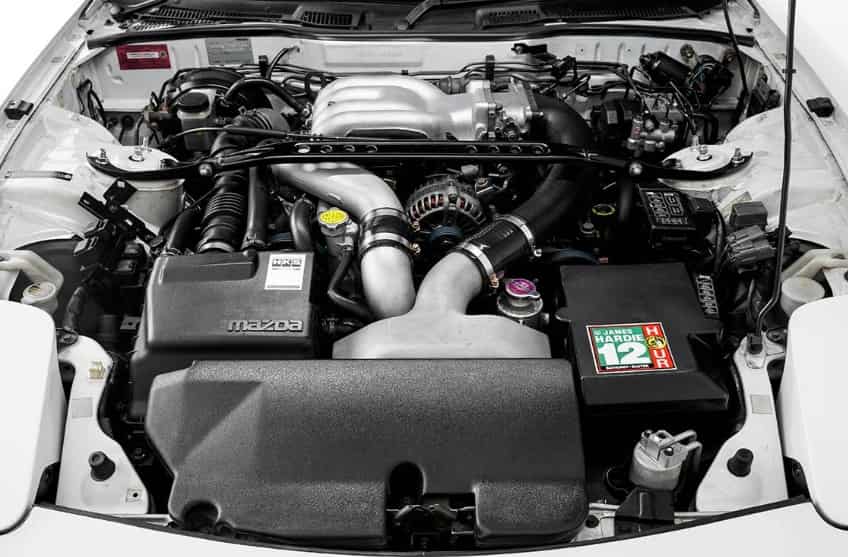
Are Mazda Engines Reliable?
Mazda has earned a strong reputation for building reliable and efficient engines. Many drivers choose the brand because it delivers an enjoyable driving experience with low operating costs. Modern Skyactiv engines also improve fuel economy without sacrificing performance. With proper maintenance, many Mazda engines can easily exceed 200,000 miles.
However, no engine lasts forever. Every engine experiences wear as mileage increases. Poor maintenance, overheating, and contaminated oil can shorten engine life. Ignoring small warning signs also increases the risk of serious damage. Many common Mazda engine problems begin with minor symptoms that become worse over time.
Owners may notice increased oil consumption, rough idling, engine knocking, or an illuminated Check Engine Light. Some vehicles also develop carbon buildup, cooling system issues, or turbocharger problems. These issues do not always indicate major engine damage. However, they should never be ignored because early repairs usually cost much less than major engine work.
Regular maintenance has the greatest impact on engine reliability. Changing the engine oil on schedule helps reduce internal wear. Maintaining the cooling system also prevents overheating, which remains one of the leading causes of engine failure. Drivers should also inspect fluid levels, replace worn ignition components, and respond quickly to warning lights.
Engine reliability also depends on the vehicle model, production year, and engine type. Naturally aspirated engines usually have fewer components that require maintenance. Turbocharged engines offer more power, but they need proper lubrication and cooling to perform well. A well maintained high mileage Mazda can often prove more reliable than a newer vehicle with a poor service history. For this reason, regular maintenance is always the best investment for long term engine health.
Most Common Mazda Engine Problems
Mazda engines are known for their durability, but no engine is completely immune to wear or mechanical failure. Most problems develop gradually and often begin with subtle symptoms that many drivers overlook. Identifying these issues early can reduce repair costs and prevent extensive engine damage. Below are the most common Mazda engine problems that owners should understand before they become serious.
Excessive Oil Consumption
Excessive oil consumption is one of the most frequently reported concerns in certain Mazda models. The engine may use more oil than expected between scheduled services, even when there are no visible leaks. Drivers often notice a low oil warning light, a burning oil smell, or blue smoke from the exhaust. Worn piston rings, damaged valve seals, or turbocharger wear can all contribute to this problem. Checking the oil level regularly and using the correct oil specification can help reduce the risk of severe engine damage.
Carbon Buildup
Many modern Mazda engines use direct fuel injection to improve efficiency and performance. While this technology offers several benefits, it also allows carbon deposits to accumulate on the intake valves over time. Excessive carbon buildup can reduce airflow and affect combustion. As a result, drivers may experience rough idling, slower acceleration, reduced fuel economy, or occasional misfires. Regular maintenance and professional intake cleaning can restore engine performance when carbon deposits become excessive.
Engine Overheating
Engine overheating remains one of the most damaging mechanical problems for any vehicle. Low coolant levels, a leaking radiator, a faulty thermostat, or a failing water pump can all raise engine temperature. Drivers should never ignore a rising temperature gauge or steam coming from the engine compartment. Continuing to drive an overheated vehicle may warp the cylinder head, damage the head gasket, or cause complete engine failure.
Engine Knocking and Unusual Noises
Unusual engine noises often indicate that internal components need attention. Knocking, ticking, rattling, or grinding sounds may result from low oil pressure, worn bearings, timing chain wear, or valve train problems. Some noises become louder as engine speed increases, while others appear only during a cold start. Any persistent noise deserves immediate inspection because early diagnosis often prevents much more expensive repairs.
Check Engine Light and Engine Misfires
A Check Engine Light should never be ignored, especially when the engine runs roughly or loses power. Faulty spark plugs, failing ignition coils, clogged fuel injectors, vacuum leaks, or sensor failures commonly trigger this warning. Some vehicles may also hesitate during acceleration or consume more fuel than usual. Prompt diagnostic testing helps identify the root cause before additional components become damaged.
Timing Chain Problems
Although timing chains usually last longer than timing belts, they still wear after years of service. Poor lubrication, dirty engine oil, or worn chain tensioners can accelerate this process. Early symptoms often include rattling during startup, poor engine performance, and warning lights. Replacing worn timing components before failure helps prevent serious internal engine damage.
Turbocharger Problems
Turbocharged Mazda engines deliver stronger acceleration and improved performance. However, they also operate under higher temperatures and greater mechanical stress. Oil starvation, contaminated oil, boost leaks, or worn seals can reduce turbocharger efficiency. Drivers may notice slower acceleration, excessive smoke, unusual whining sounds, or increased oil consumption. Regular oil changes remain one of the best ways to protect the turbocharger.
Coolant Leaks and Head Gasket Failure
A healthy cooling system protects the engine from excessive heat. Coolant leaks can develop from hoses, radiators, water pumps, or gasket failures. Early warning signs include a falling coolant level, white exhaust smoke, sweet smelling coolant, or repeated overheating. Ignoring these symptoms may allow coolant to enter the combustion chamber, leading to costly engine repairs.
Fuel Injector Problems
Fuel injectors play an important role in maintaining efficient combustion. Dirty or failing injectors can restrict fuel delivery and reduce engine performance. Drivers may notice rough idling, hesitation, poor fuel economy, or difficult starting. Cleaning or replacing faulty injectors often restores normal engine operation and improves fuel efficiency.
Premature Engine Failure
Premature engine failure rarely results from a single problem. In most cases, several neglected issues combine over time and eventually cause severe internal damage. Chronic overheating, low oil pressure, poor maintenance, and ignored warning lights are among the leading causes. Regular inspections and timely repairs remain the most effective way to avoid expensive engine replacement.
What Causes Mazda Engine Problems?
Most Mazda engine problems develop over time rather than appearing suddenly. Many failures start with small issues that owners ignore until they become expensive repairs. Understanding the main causes can help drivers protect their engines and improve long term reliability.
Poor maintenance remains one of the biggest causes of engine trouble. Skipping oil changes or using incorrect oil can increase friction between internal components. This extra stress may damage important parts such as bearings, piston rings, and timing components. Following the recommended maintenance schedule helps prevent unnecessary engine wear.
Cooling system failures can also create serious engine damage. Problems with the radiator, thermostat, water pump, or coolant system may cause overheating. Excessive heat can damage the head gasket and other internal components. Drivers should always investigate rising temperatures or coolant loss immediately.
Driving habits also affect engine performance. Frequent short trips, aggressive acceleration, and poor warm up practices can increase wear. Turbocharged Mazda engines require extra attention because they operate under higher pressure and temperature conditions.
Fuel quality, high mileage, and delayed repairs can contribute to additional problems. Carbon buildup, oil deposits, and worn components often appear as vehicles age. However, proper maintenance can help many Mazda engines continue running reliably beyond 200,000 miles.
In some cases, specific model years may experience manufacturing or design related concerns. Checking service records, technical updates, and recall information can help owners make better decisions.
Preventing Mazda engine problems requires regular maintenance, early diagnosis, and quick action when warning signs appear. Small repairs today can prevent major engine damage in the future.
Common Symptoms of Mazda Engine Problems
Recognizing early warning signs can help drivers prevent serious engine damage. Many Mazda engine problems begin with small changes in performance, sound, or fuel consumption. When owners identify these symptoms early, they can often repair minor issues before they become major mechanical failures.
One of the most common signs is an illuminated Check Engine Light. This warning may appear because of problems with ignition components, sensors, fuel delivery, or engine performance. A steady light usually requires inspection soon, while a flashing light may indicate a more serious issue that needs immediate attention.
Unusual engine noises can also indicate potential problems. Knocking, ticking, or rattling sounds may point to low oil levels, timing system wear, or internal component damage. These noises often become more noticeable during acceleration or cold starts. Ignoring abnormal sounds can lead to expensive repairs.
Changes in engine performance are another important warning sign. Drivers may experience rough idling, hesitation, slow acceleration, or sudden power loss. These symptoms can result from issues such as dirty fuel injectors, ignition failures, carbon buildup, or air intake problems.
Increased oil consumption is another symptom that Mazda owners should monitor. If the engine requires frequent oil top ups between services, it may indicate leaks, worn internal components, or other mechanical concerns. Low oil levels can increase friction and accelerate engine wear.
Other warning signs include overheating, excessive exhaust smoke, poor fuel economy, difficulty starting, and unusual vibrations. Each symptom may have different causes, so accurate diagnosis is important.
Paying attention to these signs allows Mazda owners to address problems before they become severe. Regular inspections, proper maintenance, and quick repairs remain the most effective ways to reduce the risk of costly Mazda engine problems.
Mazda Engine Problems by Popular Model
Although Mazda engines share similar engineering principles, reliability can vary between different models, engine types, and production years. Factors such as vehicle size, driving conditions, maintenance history, and engine design all influence long term performance. Understanding common issues by model can help buyers and owners make better decisions when dealing with potential Mazda engine problems.
Mazda3 Engine Problems
The Mazda3 is one of the brand’s most popular vehicles because of its excellent handling, fuel efficiency, and reliable engine options. However, some owners have reported issues related to oil consumption, carbon buildup, ignition problems, and rough engine operation. Direct injection engines may develop carbon deposits over time, especially when drivers frequently make short trips.
Regular oil changes, proper spark plug replacement, and early diagnosis of performance changes can help maintain Mazda3 engine reliability. For used Mazda3 models, buyers should review maintenance records and check for warning lights before purchase.
Mazda CX5 Engine Problems
The Mazda CX5 is known for combining practicality with enjoyable driving characteristics. Most naturally aspirated engines provide strong reliability when owners follow proper maintenance schedules. However, some vehicles may experience oil consumption, cooling system issues, or carbon buildup.
Turbocharged CX5 models require additional attention because the turbo system depends heavily on clean oil and proper lubrication. Drivers should monitor oil levels, unusual noises, and changes in acceleration performance.
Mazda CX30 Engine Problems
The Mazda CX30 shares many components with the Mazda3 and uses similar engine technology. Common concerns include ignition issues, sensor problems, carbon buildup, and occasional Check Engine Light warnings.
Many CX30 engine problems come from small issues that develop over time. Routine inspections and quick repairs can prevent these minor concerns from affecting long term reliability.
Mazda6 Engine Problems
The Mazda6 has earned a reputation for comfort, performance, and durability. However, high mileage examples may develop oil leaks, timing system wear, or increased oil consumption. Turbocharged versions require careful maintenance because neglecting oil service can affect turbocharger performance.
Mazda CX9 Engine Problems
The Mazda CX9 uses larger and more powerful engines, including turbocharged options in newer generations. These engines deliver strong performance but require consistent maintenance. Common concerns may include coolant leaks, turbocharger issues, and oil related problems.
For used CX9 buyers, a professional inspection is highly recommended. Checking the cooling system, oil condition, and service history can reveal potential engine problems before purchase.
Mazda CX50 Engine Problems
The Mazda CX50 is a newer model that benefits from Mazda’s latest engineering improvements. While long term reliability data continues to develop, owners should still follow strict maintenance practices. Turbocharged versions require proper oil care, regular inspections, and attention to early warning signs.
Overall, Mazda engines across different models can provide excellent durability when properly maintained. However, understanding model specific concerns helps owners identify risks earlier and make smarter decisions when buying or maintaining a Mazda vehicle.
How to Diagnose Mazda Engine Problems
Accurate diagnosis is the first step toward fixing any engine issue. Many Mazda engine problems share similar symptoms, which means guessing the cause can lead to unnecessary repairs and wasted money. A proper diagnostic process helps identify the real problem and ensures that owners replace only the components that actually need attention.
The first step is a visual inspection. Drivers or technicians should check for obvious signs such as oil leaks, coolant leaks, damaged hoses, loose connections, or worn components. Fluid levels also provide important clues. Low engine oil or coolant levels may indicate leaks or maintenance problems that require immediate attention.
The next step involves scanning the vehicle with an OBD2 diagnostic tool. This device reads error codes stored in the engine control module. These codes can reveal problems related to sensors, ignition systems, fuel delivery, emissions components, or engine performance. However, an error code does not always identify the exact failed part. Further testing is often necessary to confirm the root cause.
Mechanical tests can provide deeper information when basic checks are not enough. Compression testing helps evaluate the condition of internal engine components. A leak down test can identify problems with valves, piston rings, or cylinder sealing. Oil pressure testing also helps determine whether the lubrication system works correctly.
Professional diagnosis becomes especially important when symptoms involve overheating, severe engine noise, smoke, or significant power loss. These issues may indicate deeper mechanical damage that requires specialized equipment and experience.
Preventing unnecessary repairs requires a complete diagnostic approach. Instead of replacing parts based only on symptoms, technicians should investigate the underlying cause. A correct diagnosis saves money, reduces repair time, and helps maintain long term Mazda engine reliability.
How Much Does It Cost to Fix Mazda Engine Problems?
The cost of repairing Mazda engine problems depends on the type of failure, the vehicle model, the engine design, and the amount of damage involved. Some issues require simple repairs, while others may involve major engine work. Understanding potential costs helps owners prepare financially and decide whether a repair is worthwhile.
Minor engine repairs usually involve components that technicians can replace quickly. Problems such as worn spark plugs, ignition coils, small oil leaks, or faulty sensors often require less time and fewer parts. These repairs are usually much more affordable when owners address them early.
Moderate repairs can involve more complex systems. Carbon buildup cleaning, fuel injector replacement, thermostat replacement, water pump repairs, or cooling system fixes may require additional labor. These problems often cost more because technicians need more time to access and repair affected components.
Major engine repairs represent the highest expense. Timing chain replacement, turbocharger repairs, head gasket replacement, engine rebuilding, or complete engine replacement require significant labor and specialized knowledge. In severe cases, continuing to drive with a damaged engine can increase repair costs because one failure may damage multiple internal components.
Several factors influence the final repair price. Labor rates vary by location, while parts costs depend on whether owners choose new, used, or remanufactured components. The specific Mazda model and engine type also affect repair complexity. Turbocharged engines, for example, may require more expensive repairs than naturally aspirated engines because they include additional components.
The best way to reduce repair costs is to focus on prevention. Regular oil changes, cooling system maintenance, and early diagnosis can prevent small issues from becoming major failures. Addressing early warning signs often saves thousands of dollars compared with replacing an entire engine.
How to Prevent Mazda Engine Problems
Preventing Mazda engine problems starts with consistent maintenance and early attention to warning signs. While no engine can avoid wear completely, proper care can significantly extend engine life and reduce the chance of expensive repairs. Many serious failures happen because owners ignore small issues until they affect major engine components.
Regular oil maintenance is one of the most important steps for protecting a Mazda engine. Engine oil reduces friction, controls heat, and helps internal parts operate smoothly. Owners should follow the recommended oil change schedule and use the correct oil type for their specific Mazda model. Checking oil levels between services can also help detect leaks or excessive oil consumption early.
Maintaining the cooling system is equally important. Low coolant levels, damaged hoses, or failing components can cause overheating and permanent engine damage. Drivers should inspect coolant levels regularly and repair any leaks as soon as they appear. A healthy cooling system helps the engine maintain a stable operating temperature.
Good driving habits also support long term engine reliability. Avoiding aggressive acceleration when the engine is cold reduces unnecessary stress on internal components. Turbocharged Mazda engines especially benefit from gentle warm up periods and proper oil care because they operate under higher pressure and temperature conditions.
Replacing worn components on time can prevent larger failures. Spark plugs, filters, ignition components, and other maintenance items play an important role in engine performance. Delaying these services may reduce fuel efficiency and increase mechanical stress.
Drivers should also respond quickly to unusual symptoms. Strange noises, warning lights, smoke, rough idling, or changes in fuel economy often indicate developing problems. Early diagnosis allows owners to fix smaller issues before they become serious engine failures.
Ultimately, preventing Mazda engine problems requires a combination of regular maintenance, responsible driving, and quick action. A proactive approach helps protect engine performance, improves reliability, and reduces long term ownership costs.
Should You Buy a Used Mazda With Engine Problems?
Buying a used Mazda can be a smart decision because many models offer strong reliability, excellent driving performance, and reasonable ownership costs. However, purchasing a vehicle with known Mazda engine problems requires careful evaluation. Some issues may only require affordable repairs, while others can indicate serious engine damage that creates expensive future costs.
A used Mazda with minor engine issues may still be worth considering if the problem has a clear diagnosis and a reasonable repair plan. For example, replacing spark plugs, repairing a small oil leak, or cleaning carbon buildup may not be a major concern when the vehicle has complete maintenance records. A lower purchase price can sometimes justify these repairs, especially if the vehicle has been properly maintained.
However, buyers should be cautious when they discover signs of major engine damage. Low oil pressure, severe knocking sounds, repeated overheating, heavy exhaust smoke, or coolant mixed with engine oil can indicate expensive internal failures. These problems may require engine rebuilding or replacement, which can cost more than the value of the vehicle.
Before purchasing a used Mazda, a professional inspection is highly recommended. A qualified mechanic can perform an OBD2 scan, check fluid conditions, inspect the cooling system, and evaluate engine performance. Buyers should also review service records to understand how well the previous owner maintained the vehicle.
Mileage should not be the only factor when evaluating a used Mazda. A high mileage vehicle with excellent maintenance history may be a better choice than a lower mileage vehicle with neglected service. The condition of the engine, repair history, and overall maintenance quality matter more than the number on the odometer.
Ultimately, buying a used Mazda with engine problems depends on the severity of the issue and the transparency of the seller. A careful inspection and realistic repair estimate can help buyers avoid costly mistakes and make a confident decision.
Frequently Asked Questions About Mazda Engine Problems
What are the most common Mazda engine problems?
The most common Mazda engine problems include excessive oil consumption, carbon buildup, overheating, engine misfires, timing system wear, and turbocharger issues. These problems do not affect every Mazda vehicle, but they can appear in certain models, engine types, or vehicles with poor maintenance history. Regular servicing and early diagnosis can greatly reduce the risk of serious engine damage.
Are Mazda engines reliable?
Yes, Mazda engines are generally considered reliable when owners follow proper maintenance schedules. Many Mazda engines can reach high mileage with regular oil changes, cooling system care, and timely repairs. However, reliability depends on factors such as driving habits, service history, engine type, and vehicle age.
Which Mazda engine has the fewest problems?
Naturally aspirated Mazda engines with regular maintenance often have strong reliability records. Engines using Skyactiv technology are known for their efficiency and durability. However, no engine is completely problem free, and maintenance history remains one of the most important factors when evaluating reliability.
Is it safe to drive a Mazda with the Check Engine Light on?
It depends on the situation. A steady Check Engine Light may indicate a problem that requires inspection soon. However, a flashing Check Engine Light often signals a serious misfire that can damage the catalytic converter or other components. Drivers should diagnose the issue as quickly as possible.
How long do Mazda engines last?
A well maintained Mazda engine can often last more than 200,000 miles. Some vehicles may continue operating beyond this mileage when owners perform regular maintenance and repair problems early. Engine lifespan depends on oil quality, driving conditions, service history, and overall care.
Are Mazda engine repairs expensive?
Repair costs vary depending on the specific problem. Minor repairs such as replacing spark plugs or sensors are usually affordable. Major repairs involving timing components, turbochargers, head gaskets, or engine replacement can become significantly more expensive.
How can I prevent Mazda engine problems?
The best prevention methods include regular oil changes, proper coolant maintenance, using quality fuel, replacing worn parts on schedule, and responding quickly to unusual symptoms. Preventive maintenance is usually much cheaper than repairing severe engine damage.
Conclusion
Mazda vehicles have earned a reputation for combining enjoyable driving performance, efficient engines, and long term reliability. However, like any mechanical system, Mazda engines can develop problems when components wear out or maintenance is neglected. Understanding common Mazda Engine Problems helps owners recognize warning signs early and take action before minor issues become expensive repairs.
Problems such as excessive oil consumption, carbon buildup, overheating, engine misfires, timing system wear, and turbocharger concerns can affect engine performance over time. Fortunately, many of these issues can be reduced through regular maintenance, proper oil changes, cooling system care, and timely inspections. Paying attention to unusual noises, warning lights, changes in fuel economy, and performance issues allows drivers to address problems before serious damage occurs.
For buyers considering a used Mazda, checking service history and completing a professional inspection are essential steps. A well maintained Mazda with higher mileage may provide better reliability than a newer vehicle with poor maintenance records. The condition of the engine matters more than the mileage alone.
Ultimately, preventing Mazda Engine Problems requires a proactive approach. Regular maintenance, responsible driving habits, and early diagnosis can help protect engine performance and extend vehicle lifespan. Whether you currently own a Mazda or plan to purchase one, understanding potential engine issues allows you to make smarter decisions and enjoy a more reliable ownership experience.
Have you experienced any Mazda engine issues with your vehicle? Share your model year, mileage, and symptoms to help other Mazda owners better understand common problems and solutions.