A weak air conditioner can make every drive uncomfortable, especially during the hottest months of the year. Many owners look for a Mazda CX 5 AC recharge as soon as the vents stop blowing cold air. However, low refrigerant is not always the real cause. A failing compressor, a clogged condenser, or a refrigerant leak can produce the same symptoms.
The Mazda CX 5 uses a sealed air conditioning system that relies on the correct refrigerant level to cool the cabin efficiently. Under normal conditions, the system should not lose refrigerant. When the refrigerant level drops, you should identify the cause before adding more. Recharging a leaking system may restore cold air for a short time, but it will not solve the underlying problem.
Knowing how the air conditioning system works can save both time and money. The correct refrigerant type, the proper charge amount, and safe charging procedures all play an important role. Even a small mistake can reduce cooling performance or damage expensive components.
This guide explains every step of a Mazda CX 5 AC recharge. You will learn how to identify the correct refrigerant, estimate recharge costs, recognize common warning signs, and recharge the system safely. You will also discover when a DIY recharge makes sense and when professional service is the better choice. By the end of this guide, you will have the knowledge to keep your Mazda CX 5 air conditioning system working at its best.
What Is a Mazda CX 5 AC Recharge?
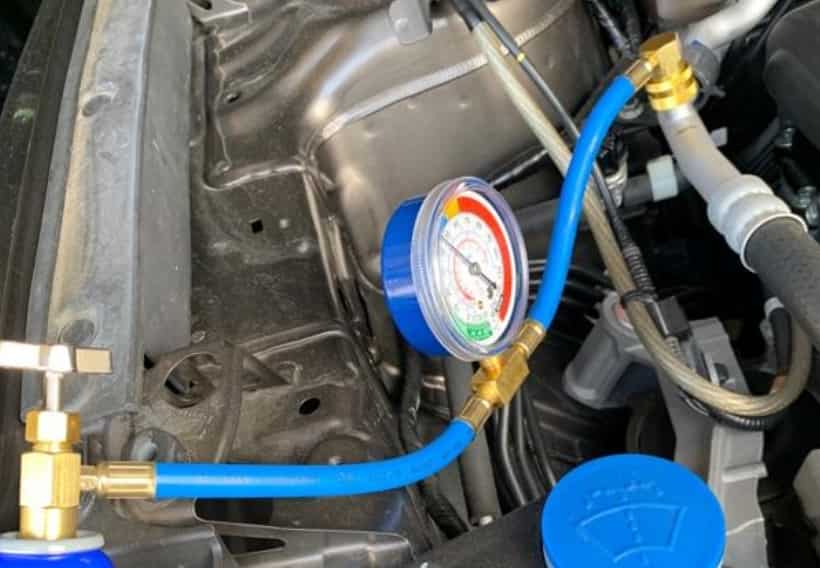
A Mazda CX 5 AC recharge is the process of adding the correct amount of refrigerant back into the vehicle’s air conditioning system. The refrigerant helps the AC system remove heat from the cabin and deliver cool air through the vents. When the refrigerant level becomes too low, the system may struggle to maintain comfortable temperatures.
The air conditioning system in a Mazda CX 5 uses several important components to create cold air. The compressor moves refrigerant through the system and increases its pressure. The condenser removes heat from the refrigerant, while the evaporator absorbs heat from the cabin air. The expansion valve controls refrigerant flow and helps regulate cooling performance.
During an AC recharge, a technician or vehicle owner checks the system pressure, confirms the correct refrigerant type, and adds refrigerant when necessary. A proper recharge requires more than connecting a refill can to the service port. The process should include system inspection, pressure testing, and checking for possible leaks.
Many drivers confuse an AC recharge with an AC repair. A recharge only restores the refrigerant level. It does not fix damaged components or repair leaks. For example, a leaking condenser or worn compressor can continue to cause cooling problems even after adding refrigerant.
Before starting a Mazda CX 5 AC recharge, you should understand why the system lost refrigerant. If the system has a small leak, adding more refrigerant may provide temporary cooling but will not solve the main issue. Finding the cause helps protect the AC system and prevents repeated repair costs.
A correct recharge can improve cooling performance and restore comfort inside the vehicle. However, the process requires attention to detail because incorrect refrigerant levels can reduce efficiency. Too little refrigerant can limit cooling, while too much refrigerant can increase system pressure and create additional problems.
Signs Your Mazda CX 5 Needs an AC Recharge
A Mazda CX 5 air conditioning system usually gives clear warning signs when it cannot cool the cabin properly. Recognizing these signs early can help you avoid larger repair costs. However, you should remember that low refrigerant is only one possible cause of poor cooling performance.
One of the most common signs appears when the AC blows warm or slightly cool air. The system may still produce airflow, but the temperature feels much higher than normal. This often happens when the refrigerant level becomes too low and the evaporator cannot remove enough heat from the cabin.
Another common symptom involves slow cooling performance. A healthy AC system should reduce cabin temperature within a reasonable time. If your Mazda CX 5 takes much longer to cool down, the system may have a refrigerant issue, airflow restriction, or a failing component.
You may also notice unusual compressor behavior. The compressor normally turns on and off during operation to maintain the desired temperature. When refrigerant levels drop, the compressor may cycle more frequently because the system cannot maintain stable pressure.
Strange sounds can also indicate an AC problem. A hissing noise from the air conditioning system may suggest refrigerant movement through a restricted area or a possible leak. In addition, clicking sounds from the compressor area may point to electrical or mechanical problems.
Visible signs around AC components require attention as well. Refrigerant leaks often leave behind oily residue near hoses, connections, or the condenser area. Since refrigerant carries oil through the system, this residue can help identify possible leak locations.
A Mazda CX 5 AC recharge may improve cooling when the system has low refrigerant. However, you should inspect the entire AC system before adding refrigerant. A proper diagnosis helps you avoid repeated recharges and protects expensive components such as the compressor.
Before purchasing a recharge kit, check the symptoms carefully. If the AC stopped cooling suddenly, the problem may involve a leak or component failure instead of simple refrigerant loss. Understanding the difference can save time, money, and unnecessary repairs.
Mazda CX 5 Refrigerant Type and Capacity
Choosing the correct refrigerant is one of the most important steps in a Mazda CX 5 AC recharge. The air conditioning system depends on a specific refrigerant type to work efficiently. Using the wrong refrigerant can reduce cooling performance and may damage important AC components.
Many Mazda CX 5 models use either R 134a or R 1234yf refrigerant, depending on the model year, production date, and market location. Newer vehicles often use R 1234yf because it meets updated environmental regulations. Older models commonly use R 134a. However, you should always confirm the correct refrigerant before starting any recharge process.
The easiest way to identify the refrigerant type is to check the label inside the engine compartment. Mazda places important AC information on this label, including the recommended refrigerant specification. This information provides a more reliable answer than online discussions or general assumptions based only on the vehicle year.
Refrigerant capacity also plays an important role in AC performance. Every Mazda CX 5 requires a specific amount of refrigerant to maintain the correct pressure balance. Adding too little refrigerant can reduce cooling power, while adding too much can increase system pressure and affect compressor operation.
Many DIY recharge kits use pressure readings as a guide. However, professional technicians usually measure refrigerant by weight because the correct charge amount depends on the exact system specification. Pressure alone does not always show the complete condition of the AC system.
You should never mix different refrigerant types in the same system. R 134a and R 1234yf have different chemical properties, operating pressures, and service requirements. Mixing refrigerants can contaminate the system and create expensive repair problems.
Before performing a Mazda CX 5 AC recharge, always verify three key details. First, confirm the refrigerant type. Second, check the recommended capacity. Third, inspect the system for possible leaks. These steps help maintain cooling efficiency and prevent unnecessary AC repairs.
Understanding refrigerant requirements allows Mazda CX 5 owners to make better maintenance decisions. A correct recharge does not simply add more refrigerant. It restores the balance that allows the entire air conditioning system to operate properly.
Mazda CX 5 AC Recharge Cost
The cost of a Mazda CX 5 AC recharge depends on several factors, including the refrigerant type, service method, location, and the condition of the air conditioning system. A simple recharge may cost less than a complete AC inspection. However, the final price can increase if the system has leaks or damaged components.
A professional AC recharge usually includes more than adding refrigerant. A technician may inspect the system, measure pressure, recover old refrigerant, check for leaks, and add the correct amount of refrigerant. This complete service helps ensure that the AC system works properly after the recharge.
The refrigerant type can also affect the total cost. R 134a services often cost less because the refrigerant and equipment are more widely available. R 1234yf services usually cost more because the refrigerant has a higher market price and requires specialized service equipment.
DIY recharge costs are usually lower than professional services. A basic recharge kit may include a refrigerant can, charging hose, and pressure gauge. Many vehicle owners choose this option because it appears simple and affordable. However, DIY methods have limitations because basic gauges cannot always identify leaks or measure the exact refrigerant amount.
A low refrigerant level may indicate a larger problem. If the Mazda CX 5 has a refrigerant leak, the system will lose cooling ability again after a short period. In this situation, paying for repeated recharges can become more expensive than repairing the original issue.
The age and condition of the AC system also influence repair costs. A vehicle with a damaged condenser, weak compressor, or faulty expansion valve may require additional repairs before the system can cool properly. A recharge alone cannot restore performance when major components fail.
Many owners compare DIY recharge with professional service based only on price. However, the cheapest option is not always the most cost effective solution. A proper diagnosis can prevent unnecessary refrigerant use and protect expensive components such as the compressor.
Before choosing a Mazda CX 5 AC recharge service, consider the symptoms, the vehicle condition, and the possible cause of cooling problems. A simple recharge may solve the issue when refrigerant is slightly low. A complete inspection provides better value when the system has a leak or mechanical failure.
Tools Needed for a DIY Mazda CX 5 AC Recharge
A DIY Mazda CX 5 AC recharge requires the right tools to complete the process safely. Many vehicle owners choose a DIY approach because it can reduce service costs. However, proper preparation helps prevent mistakes and protects the air conditioning system from damage.
The most important item is the correct refrigerant. You must choose the refrigerant type that matches your Mazda CX 5 model. Using an incorrect refrigerant can affect cooling performance and create serious system problems. Always check the information label inside the engine compartment before purchasing any refrigerant.
A recharge hose with a pressure gauge is another essential tool. The hose connects the refrigerant container to the low pressure service port. The gauge helps you monitor system pressure during the recharge process. However, basic gauges only provide limited information and cannot replace professional diagnostic equipment.
Safety equipment also plays an important role during an AC recharge. Wear protective gloves and safety glasses to reduce the risk of refrigerant exposure. Refrigerant can become extremely cold when released and may cause skin injuries or eye damage.
A digital thermometer can help measure AC performance before and after the recharge. Checking vent temperature allows you to compare cooling results and determine whether the recharge improves system performance. This simple tool provides useful information during the testing process.
Leak detection tools can also improve the accuracy of a DIY inspection. Some owners use UV dye or electronic leak detectors to locate refrigerant loss. Finding the leak source helps prevent repeated recharging and reduces long term repair costs.
A DIY recharge kit may look convenient, but it does not solve every AC problem. If your Mazda CX 5 has a major leak, compressor failure, or an empty system, you may need professional service. These situations require advanced equipment and proper refrigerant recovery procedures.
Before starting a Mazda CX 5 AC recharge, make sure you understand the limits of DIY work. The right tools can help with simple maintenance, but they cannot replace professional diagnosis when the system has complex problems.
How to Recharge a Mazda CX 5 AC
A Mazda CX 5 AC recharge requires careful preparation and attention to detail. Although the process may appear simple, incorrect handling can reduce cooling performance or damage the air conditioning system. Before adding refrigerant, inspect the system and confirm that low refrigerant is the actual cause of the problem.
Start by checking the refrigerant information label under the hood. This label shows the correct refrigerant type and provides important service information. Confirm that your recharge product matches the specification listed for your Mazda CX 5.
Next, inspect the AC system for visible problems. Look around hoses, connections, and the condenser area for signs of leaks or oily residue. If you find damage or signs of refrigerant loss, repair the issue before adding more refrigerant.
After inspection, start the engine and turn on the air conditioner. Set the temperature to the lowest setting and select the recirculation mode. Use the highest fan speed to allow the system to operate under normal cooling conditions.
Locate the low pressure service port on the AC system. The recharge hose connects only to this port. Never connect a recharge kit to the high pressure side because this can create safety risks and damage the equipment.
Connect the recharge hose carefully and check the pressure reading. Follow the instructions provided with your recharge kit. Add refrigerant slowly and monitor the system during the process. Adding too much refrigerant can increase pressure and reduce cooling efficiency.
During the recharge process, observe the air temperature from the vents. A properly working system should produce colder air as the refrigerant level reaches the correct range. If the temperature does not improve, the problem may involve another AC component.
After completing the recharge, remove the hose carefully and reinstall the service port cap. The cap helps protect the port from contamination and future leaks. Test the AC system during a short drive to confirm that the cooling performance has improved.
A successful Mazda CX 5 AC recharge depends on more than adding refrigerant. Correct identification, careful monitoring, and proper testing help maintain system efficiency. If the AC continues to blow warm air after the recharge, investigate other possible causes instead of adding more refrigerant.
Safety Tips When Recharging the AC
A Mazda CX 5 AC recharge requires careful handling because refrigerant can create safety risks when used incorrectly. Although the process may seem simple, the air conditioning system operates under pressure. Proper preparation helps protect both the vehicle and the person performing the service.
Always wear protective gloves and safety glasses before working with refrigerant. Direct contact with refrigerant can cause extreme cold injuries on the skin. If refrigerant reaches your eyes, seek medical attention immediately.
Work in a well ventilated area when performing an AC recharge. Refrigerant gas should not build up in an enclosed space because it can create an unsafe environment. Good airflow helps reduce exposure risks during the process.
Avoid touching moving engine components while the vehicle runs. The compressor belt, cooling fans, and other mechanical parts can move without warning. Keep tools, clothing, and hands away from these areas during AC operation.
Never release refrigerant into the atmosphere intentionally. Refrigerants can affect the environment and many regions have regulations that control handling procedures. Professional technicians use recovery equipment to remove refrigerant safely from AC systems.
Do not heat, puncture, or damage refrigerant containers. Increasing the temperature of a refrigerant can raise internal pressure and create dangerous conditions. Store unused refrigerant containers according to the manufacturer’s instructions.
You should also avoid guessing when diagnosing AC problems. Adding refrigerant to a damaged system may hide a larger issue. For example, a leaking condenser or failing compressor requires proper repair before a recharge can restore normal cooling.
A safe Mazda CX 5 AC recharge focuses on more than restoring cold air. It requires the correct refrigerant, careful handling, and attention to system condition. When the problem involves leaks, pressure issues, or damaged components, professional service provides a safer and more accurate solution.
Why Your Mazda CX 5 AC Is Still Not Cold After a Recharge
A Mazda CX 5 AC recharge can restore cooling performance when the system has low refrigerant. However, some vehicles continue to blow warm air after a recharge. When this happens, the problem usually comes from another part of the air conditioning system.
A refrigerant leak is one of the most common reasons for poor cooling after a recharge. The AC system works as a sealed system, so refrigerant should remain at the correct level. If a leak exists, the refrigerant will escape again and the cooling performance will gradually decrease.
The compressor can also cause AC problems. The compressor moves refrigerant through the system and creates the pressure needed for cooling. If the compressor cannot engage or does not operate correctly, the system may fail to produce cold air even with the correct refrigerant level.
A damaged condenser can reduce cooling efficiency as well. The condenser removes heat from the refrigerant before it returns to the cabin cooling cycle. Dirt, physical damage, or airflow problems can prevent the condenser from working properly.
A clogged cabin air filter can create another issue. The AC system may produce cold air, but restricted airflow can prevent that air from reaching the cabin effectively. Replacing a dirty filter can improve airflow and overall comfort.
Electrical problems may also affect AC performance. The compressor clutch, sensors, relays, and control modules all help manage the cooling system. A failure in any of these areas can stop the AC from operating normally.
An overcharged system can create similar symptoms. Adding too much refrigerant increases system pressure and may reduce cooling ability. Some owners assume that more refrigerant creates colder air, but the AC system requires a precise refrigerant level to work efficiently.
Air or moisture inside the AC system can also reduce performance. These contaminants affect pressure balance and may interfere with normal refrigerant circulation. Professional service can remove these issues through proper recovery and evacuation procedures.
If your Mazda CX 5 still has warm air after a recharge, avoid adding more refrigerant immediately. Additional refrigerant will not fix mechanical or electrical problems. A complete inspection can identify the real cause and prevent unnecessary repair costs.
Understanding these possible issues helps Mazda CX 5 owners make better decisions after an AC recharge. The goal is not only to add refrigerant but also to restore the complete air conditioning system to proper working condition.
Common Mazda CX 5 AC Problems
A Mazda CX 5 AC recharge can improve cooling when the system has low refrigerant. However, many air conditioning problems come from damaged components rather than refrigerant levels. Understanding common AC failures helps owners identify the right solution and avoid unnecessary recharges.
One common issue involves the AC compressor. The compressor acts as the heart of the air conditioning system because it moves refrigerant through the cooling cycle. When the compressor becomes weak or fails, the system may stop producing cold air even when the refrigerant level looks normal.
The condenser can also create cooling problems. This component removes heat from the refrigerant before the system sends it back through the cooling cycle. Road debris, corrosion, and physical damage can reduce condenser performance and affect overall AC efficiency.
Refrigerant leaks are another frequent concern among Mazda CX 5 owners. Small leaks may develop around hoses, seals, service ports, or condenser connections. A leaking system may work temporarily after a recharge, but the cooling performance will decrease again as refrigerant escapes.
The expansion valve can also affect AC operation. This component controls refrigerant flow into the evaporator. When it becomes restricted or fails, the system may experience poor cooling, uneven temperature control, or unusual pressure readings.
The evaporator creates another possible source of problems. It absorbs heat from the cabin air and helps create the cooling effect. If the evaporator develops a leak or becomes contaminated, the AC system may lose efficiency and require professional diagnosis.
A faulty blower motor can create confusion because the AC may produce cold air but fail to move enough air into the cabin. Drivers often mistake weak airflow for a refrigerant problem. Checking airflow strength helps separate ventilation issues from cooling issues.
The cabin air filter also affects AC performance. A dirty filter restricts airflow and reduces comfort inside the vehicle. Replacing the filter regularly allows the system to move air more efficiently and reduces unnecessary strain on the blower motor.
Electrical failures can interrupt normal AC operation as well. Sensors, relays, fuses, and control modules work together to manage the system. A small electrical problem can prevent the compressor from activating or cause inconsistent cooling.
Before performing another Mazda CX 5 AC recharge, identify the actual cause of the problem. A recharge can solve low refrigerant issues, but it cannot repair mechanical failures or electrical faults. A complete diagnosis provides a more reliable solution and protects the long term condition of the AC system.
DIY AC Recharge vs. Professional Service
Choosing between a DIY Mazda CX 5 AC recharge and professional AC service depends on the condition of the vehicle and the complexity of the problem. A DIY recharge may seem attractive because it costs less and requires less time. However, professional service offers more accurate diagnosis and better protection for the AC system.
A DIY recharge can work in simple situations where the system has slightly low refrigerant and no visible damage exists. Vehicle owners can use a compatible recharge kit to restore cooling performance and improve cabin comfort. This option may help drivers save money when they understand the basic process and follow safety guidelines.
However, DIY recharge methods have several limitations. Most consumer recharge kits only measure low side pressure. They cannot fully evaluate the high side pressure, refrigerant weight, or internal condition of the AC system. As a result, a DIY recharge may hide problems such as leaks or compressor issues.
Professional AC service provides a more complete approach. Technicians use specialized equipment to recover refrigerant, measure the exact charge amount, test system pressure, and check for leaks. These steps help ensure that the system receives the correct refrigerant amount and operates efficiently.
Professional service becomes more important when the AC system has serious symptoms. For example, a completely empty system, visible refrigerant leak, damaged compressor, or abnormal pressure reading requires proper diagnosis. Adding more refrigerant in these situations may waste money and create additional damage.
The cost difference between DIY and professional service often depends on the actual problem. A simple recharge may require only basic materials, while a complete repair may involve replacement parts and labor. Investing in accurate diagnosis can prevent repeated repairs and unnecessary expenses.
Mazda CX 5 owners should consider their experience level before choosing a recharge method. A careful DIY approach may suit basic maintenance tasks, but complex AC problems require professional knowledge and equipment.
The best solution depends on the goal. If the system only needs a minor refrigerant adjustment, a DIY recharge may provide a temporary solution. If the system shows signs of leaks, component failure, or repeated cooling loss, professional AC service offers a safer and more reliable result.
A successful Mazda CX 5 AC recharge is not only about adding refrigerant. It requires understanding the condition of the entire system and choosing the correct repair approach. Making the right decision helps maintain cooling performance and extends the life of important AC components.
How to Maintain Your Mazda CX 5 Air Conditioning System
Regular maintenance helps your Mazda CX 5 air conditioning system deliver reliable cooling performance throughout the year. Many AC problems develop slowly, so early attention can prevent expensive repairs and reduce the need for frequent Mazda CX 5 AC recharge services.
One of the easiest maintenance steps involves replacing the cabin air filter. This filter removes dust, pollen, and other particles before air enters the cabin. A dirty filter can restrict airflow and make the AC system work harder to maintain a comfortable temperature.
Keeping the condenser clean also improves AC efficiency. The condenser sits near the front of the vehicle and releases heat from the refrigerant. Dirt, leaves, and road debris can block airflow and reduce the system’s ability to remove heat.
Running the AC system regularly can help maintain proper operation. Even during cooler months, occasional AC use allows the compressor and internal components to circulate refrigerant and lubricant. This practice helps maintain seals and keeps the system ready for warmer weather.
Pay attention to changes in cooling performance. If the AC starts blowing warmer air, takes longer to cool the cabin, or produces unusual sounds, inspect the system early. Small problems can become larger repairs when owners ignore warning signs.
Avoid repeated refrigerant top offs without finding the cause. A healthy AC system should maintain refrigerant levels for a long time. If the system repeatedly needs more refrigerant, a leak or component problem may exist.
Preparing the AC system before summer can improve comfort and reliability. Check the cabin filter, inspect visible AC components, and confirm that the system produces cold air before temperatures rise. Early maintenance gives you more time to solve problems before they become urgent.
Proper care does more than improve cooling performance. It protects expensive components such as the compressor, reduces repair costs, and helps your Mazda CX 5 AC system operate efficiently for many years.
Frequently Asked Questions
What refrigerant does a Mazda CX 5 use?
The Mazda CX 5 uses different refrigerant types depending on the model year, production date, and market location. Many older models use R 134a, while some newer models use R 1234yf. Always check the AC information label under the hood before starting a Mazda CX 5 AC recharge.
How often should a Mazda CX 5 AC be recharged?
A properly functioning AC system should not need regular recharging. The refrigerant works inside a sealed system and should remain at the correct level for many years. If your Mazda CX 5 needs frequent recharges, the system may have a leak or another mechanical issue.
Can I recharge my Mazda CX 5 AC myself?
Yes, some owners can perform a basic recharge if the system only has slightly low refrigerant and no major problems exist. However, DIY recharge methods have limitations. They cannot always detect leaks, measure exact refrigerant weight, or identify complex AC failures.
Where is the low pressure port on a Mazda CX 5?
The low pressure service port is located on the larger AC line in the engine compartment. The exact location can vary by model year and engine configuration. Always confirm the correct port before connecting a recharge hose.
Why is my Mazda CX 5 AC still blowing warm air after a recharge?
Several issues can cause warm air after a recharge. Common causes include refrigerant leaks, compressor failure, condenser problems, electrical faults, airflow restrictions, or an incorrect refrigerant charge. Adding more refrigerant will not solve these problems.
Can adding too much refrigerant damage the AC system?
Yes. An overcharged AC system can create excessive pressure and reduce cooling performance. Too much refrigerant can also increase stress on the compressor and other components. The system requires the correct refrigerant amount to operate efficiently.
How long does a Mazda CX 5 AC recharge last?
The duration depends on the condition of the AC system. If the system has no leaks and receives the correct refrigerant amount, cooling performance can remain stable for a long time. A recharge that stops working quickly usually indicates an underlying problem.
Is a Mazda CX 5 AC recharge cheaper than AC repair?
A recharge usually costs less than replacing AC components. However, a recharge only solves low refrigerant problems. If the system has a damaged compressor, leaking condenser, or another failure, repair work may provide a better long term solution.
Should I use an AC recharge kit for my Mazda CX 5?
An AC recharge kit may work for simple situations, but it cannot replace professional diagnosis. Before using a kit, confirm the refrigerant type and make sure the system does not have a serious leak or mechanical problem.
What should I check before a Mazda CX 5 AC recharge?
Before recharging, check the refrigerant specification, inspect visible AC components, look for leak signs, and confirm that the compressor operates correctly. These steps help prevent incorrect repairs and protect the AC system.
Conclusion
A Mazda CX 5 AC recharge can restore comfortable cooling when the system has low refrigerant. However, adding refrigerant is not always the complete solution. A proper diagnosis helps identify whether the problem comes from low refrigerant, a leak, a damaged component, or another AC system issue.
Understanding the correct refrigerant type, recharge cost, and maintenance process allows Mazda CX 5 owners to make better decisions. Always confirm the recommended refrigerant specification before starting any recharge procedure. Using the wrong refrigerant or adding an incorrect amount can reduce performance and create unnecessary repair costs.
A DIY recharge may work for simple situations, but it has clear limitations. Professional AC service provides more accurate testing, leak detection, and refrigerant measurement. When the system shows repeated cooling problems, unusual sounds, or visible damage, expert inspection offers a safer solution.
Regular maintenance also plays an important role in long term AC performance. Replacing the cabin air filter, keeping the condenser clean, and responding quickly to cooling changes can help prevent larger problems. These simple steps protect important components and improve driving comfort.
Before purchasing a recharge kit or scheduling service, take time to understand the condition of your Mazda CX 5 AC system. Identify the symptoms, check the refrigerant information, and choose the repair method that matches the actual problem. A careful approach will help your air conditioning system deliver reliable cooling for many years.