Seeing the tire pressure warning light remain on after adding air to your tires can be frustrating. Many Mazda owners assume the warning will disappear immediately, only to discover that the light continues to stay illuminated. In reality, a successful Mazda CX 5 tire pressure reset depends on more than simply inflating the tires. The reset procedure varies by model year, TPMS system, and even regional vehicle specifications. Understanding these differences can save time, prevent unnecessary repairs, and help keep your vehicle operating safely.
This guide explains everything you need to know about the Mazda CX 5 tire pressure reset process. Whether your vehicle uses a TPMS reset button or an automatic relearn system, you will learn the correct procedure to clear the warning light. You will also discover why the TPMS light sometimes stays on after a reset, how to identify common sensor problems, and what steps to take after rotating or replacing your tires.
By the end of this guide, you will know how to perform a Mazda CX 5 tire pressure reset correctly for your specific model. More importantly, you will understand when the warning light indicates a simple pressure issue and when it points to a problem that requires professional attention. Following the proper procedure not only restores the TPMS system but also helps improve tire life, fuel efficiency, and overall driving safety.
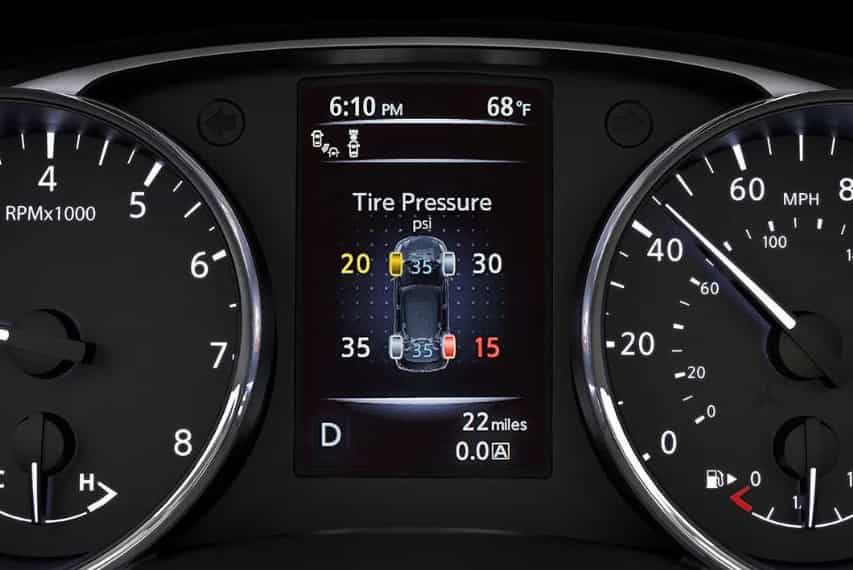
How to Reset the Mazda CX 5 Tire Pressure Light
A successful Mazda CX 5 tire pressure reset always starts with the correct tire pressure. Many drivers try to clear the warning light first. However, the TPMS cannot work properly if one or more tires still have incorrect pressure. Before you begin, park the vehicle on a level surface and let the tires cool. Then check the recommended pressure on the label inside the driver’s door. Do not use the maximum PSI printed on the tire sidewall because it does not represent the correct operating pressure.
After adjusting all four tires, choose the reset method that matches your Mazda CX 5. Some older models include a TPMS reset button. Turn the ignition to the ON position without starting the engine. Press and hold the reset button until the warning light flashes. Release the button and start the engine. The system will save the current tire pressure as its new reference.
Many newer Mazda CX 5 models do not have a reset button. These vehicles use an automatic TPMS relearn system. After setting the correct tire pressure, start the engine and drive at a steady speed for several minutes. During the drive, the system reads the pressure from each sensor and updates the warning light automatically. In most cases, the light turns off after the relearn process finishes.
If the warning light stays on, check every tire again. Even a small pressure difference can trigger the system. A leaking valve, a punctured tire, or a faulty TPMS sensor can also prevent a successful Mazda CX 5 tire pressure reset. If the light flashes before staying on, the TPMS likely has a system fault and requires further inspection.
Mazda CX 5 Tire Pressure Reset by Model Year
The Mazda CX 5 tire pressure reset procedure changes with the model year. Mazda has updated the TPMS system over time, so drivers should not follow the same instructions for every vehicle. Using the wrong method may leave the warning light on even when the tires have the correct pressure.
Many early Mazda CX 5 models include a TPMS reset button. After inflating all four tires to the recommended cold pressure, switch the ignition to the ON position and press the reset button until the indicator flashes. This step tells the system to store the current tire pressure as the new reference. Once the process finishes, the warning light should turn off.
Most newer Mazda CX 5 models no longer use a dedicated reset button. Instead, they rely on a direct TPMS with an automatic relearn function. After correcting the tire pressure, simply drive the vehicle at a steady speed. The system reads the sensor data from each wheel and updates the warning light without any manual action. This process usually takes only a short drive under normal conditions.
Equipment may also vary by country, trim level, and production date. Two Mazda CX 5 vehicles from the same model year may not use the same TPMS configuration. For that reason, always confirm the reset procedure in the owner’s manual or check the equipment installed on your vehicle before starting the process.
If you recently replaced a tire, installed new wheels, or changed a TPMS sensor, the system may need extra time to recognize the new sensor. When the warning light continues to flash after several drive cycles, inspect the TPMS sensors or have the system diagnosed to identify the exact cause.
Why the Mazda CX 5 Tire Pressure Light Stays On
A successful Mazda CX 5 tire pressure reset should turn off the warning light after the system finishes updating. If the light stays on, the problem often goes beyond low tire pressure. Finding the real cause will help you avoid unnecessary repairs and keep your vehicle safe on the road.
Incorrect tire pressure remains the most common reason for a persistent warning light. Even a small difference between the recommended and actual pressure can trigger the TPMS. Always check all four tires when they are cold. Do not rely on a visual inspection because a tire can look normal while still losing pressure.
Temperature changes can also affect tire pressure. Cold weather lowers the air pressure inside each tire, which may activate the warning light overnight. In many cases, adding air to the recommended level solves the problem. Check the pressure again after the weather changes to make sure every tire stays within the correct range.
A damaged TPMS sensor can prevent the system from working correctly. The warning light often flashes for a short time before remaining on when the system detects a sensor fault. A weak sensor battery, physical damage, or an incompatible replacement sensor can all cause this issue. Replacing the sensor usually restores normal operation.
A slow air leak can create the same warning even after you complete a Mazda CX 5 tire pressure reset. A nail, damaged valve stem, or leaking wheel bead may allow air to escape over time. If one tire repeatedly loses pressure, inspect it carefully or visit a qualified tire shop. Fixing the leak is the only way to stop the warning light from returning.
Common TPMS Reset Problems and Solutions
A Mazda CX 5 tire pressure reset does not always solve the warning light problem immediately. Many drivers follow the correct steps but still see the TPMS warning after driving. In most cases, the issue comes from incorrect pressure, sensor problems, or an incomplete relearn process.
One common problem happens when the driver resets the system before checking the tire pressure. The TPMS uses the current pressure as a reference point. If the tires have low pressure during the reset, the system may store an incorrect value. Always adjust the tire pressure first, then complete the reset procedure.
Another issue appears after tire rotation or tire replacement. Some Mazda CX 5 models can recognize new tire positions automatically, while others may require additional initialization. If the vehicle does not detect the new tire information, the warning light may remain active.
A flashing TPMS light indicates a different problem. A normal low pressure warning usually creates a steady light. However, a flashing light often points to a communication issue between the vehicle and the TPMS sensors. Common causes include a damaged sensor, a weak sensor battery, or an incompatible replacement part.
The warning light may also return after a successful reset because of a slow leak. A small puncture can reduce tire pressure over several days. Check the tire pressure regularly and inspect any tire that loses air repeatedly.
If the Mazda CX 5 tire pressure reset process fails several times, a professional inspection can identify hidden TPMS faults. A technician can check sensor signals and confirm whether the system needs repair or replacement.
Where Is the Mazda CX 5 TPMS Reset Button?
Many Mazda owners search for the Mazda CX 5 tire pressure reset button when the warning light stays on. However, not every CX 5 model includes a physical TPMS reset button. The location and reset method depend on the model year, trim level, and TPMS system installed in the vehicle.
For Mazda CX 5 models that include a TPMS reset button, the button is usually located below the dashboard near the driver’s side. It normally has a tire symbol with an exclamation mark. Drivers can use this button to initialize the system after adjusting the tire pressure. The vehicle then stores the current tire pressure as the new reference value.
Some newer Mazda CX 5 models do not have a dedicated reset button. These vehicles use an automatic TPMS learning process. Instead of pressing a button, drivers only need to adjust the tire pressure and drive the vehicle under normal conditions. The system collects information from the tire sensors and updates automatically.
Many owners make a common mistake by searching for a reset button that does not exist on their vehicle. Before attempting any procedure, check the owner’s manual or inspect the dashboard area carefully. Using the wrong reset method will not fix a TPMS warning problem.
If you cannot find the Mazda CX 5 tire pressure reset button, your vehicle may use an automatic relearn system. In that case, focus on correct tire pressure, proper driving conditions, and checking for possible sensor problems.
What Is the Correct Tire Pressure for a Mazda CX 5?
Finding the correct tire pressure is the first step before any Mazda CX 5 tire pressure reset. Many drivers focus on resetting the warning light but ignore the actual tire pressure. A reset cannot solve a problem caused by incorrect inflation.
The recommended tire pressure for a Mazda CX 5 depends on several factors. These factors include the model year, tire size, wheel size, trim level, and vehicle specification. Because of these differences, there is no single pressure value that applies to every CX 5 model.
The best source for your vehicle’s tire pressure is the information label inside the driver’s door frame. This label shows the recommended cold tire pressure for your specific Mazda CX 5. It may also show different pressure requirements for the front and rear tires.
Many drivers use the number printed on the tire sidewall as a reference. However, this number shows the maximum pressure that the tire can safely handle. It does not represent the ideal pressure for your vehicle. Using the wrong pressure can affect handling, comfort, fuel economy, and tire wear.
Always check tire pressure when the tires are cold. Driving increases tire temperature and raises the pressure reading. For the most accurate result, check the tires before driving or after the vehicle has been parked for several hours.
Maintaining the correct tire pressure helps the TPMS system work properly. It also improves braking performance, extends tire life, and supports safer driving conditions. Before completing a Mazda CX 5 tire pressure reset, confirm that every tire matches the recommended specification.
Frequently Asked Questions
Does Every Mazda CX 5 Have a Tire Pressure Reset Button?
No, not every Mazda CX 5 has a physical tire pressure reset button. Some older models use a TPMS button for initialization, while many newer models use an automatic relearn system. The correct method depends on the model year, trim level, and vehicle specification.
How Long Does a Mazda CX 5 TPMS Reset Take?
The time required for a Mazda CX 5 tire pressure reset depends on the TPMS system. A button initialization process can take only a few minutes. An automatic relearn system may require a short drive before the vehicle updates the tire pressure information.
Can I Reset the Mazda CX 5 TPMS Without Inflating the Tires?
No. Always check and adjust the tire pressure before resetting the system. Resetting the TPMS with incorrect pressure can create an inaccurate reference point and may cause the warning light to return.
Why Does My Mazda CX 5 Tire Pressure Light Come Back After Resetting?
The warning light may return because of a slow leak, incorrect tire pressure, temperature changes, or a faulty TPMS sensor. Check all four tires and inspect the system if the warning continues.
Can I Drive With the Mazda CX 5 Tire Pressure Warning Light On?
You should check the tire pressure as soon as possible. A low pressure warning can indicate a safety issue, especially if a tire loses air quickly. Avoid ignoring the warning because a damaged tire can affect vehicle control.
Does Disconnecting the Battery Reset the Mazda CX 5 TPMS?
Disconnecting the battery usually does not fix TPMS problems. The system requires correct tire pressure, proper initialization, or sensor diagnosis depending on the issue.
Why Is My Mazda CX 5 TPMS Light Flashing?
A flashing TPMS light usually indicates a system fault rather than simple low tire pressure. Possible causes include a damaged sensor, weak sensor battery, or communication problem between the vehicle and TPMS system.
Does Tire Rotation Require a Mazda CX 5 Tire Pressure Reset?
The answer depends on the TPMS type and model year. Some systems adjust automatically, while others may need initialization after service. Always check the correct procedure for your specific CX 5.
Conclusion
A Mazda CX 5 tire pressure reset is a simple process when you understand how the TPMS system works. The most important step is not pressing a button. It is checking the tire pressure and making sure every tire matches the recommended specification for your vehicle.
Some Mazda CX 5 models require manual initialization with a TPMS reset button. Other models use an automatic relearn system that updates while you drive. Because the system changes between model years and vehicle configurations, always confirm the correct method before starting the reset process.
If the warning light remains on after a reset, do not ignore it. The cause may involve incorrect tire pressure, a slow leak, a damaged sensor, or a TPMS communication problem. Finding the real cause will help protect your tires and maintain safe driving performance.
Regular tire checks can prevent many TPMS issues before they become serious problems. Proper tire pressure improves handling, supports better fuel efficiency, and helps extend tire life.
Before performing a Mazda CX 5 tire pressure reset, take a few minutes to inspect your tires and review your vehicle information label. A correct reset combined with proper tire maintenance will keep your Mazda CX 5 ready for every journey.