Imagine walking up to your GMC, key fob in your pocket, expecting the door handle unlock button to open the vehicle instantly. You press the button, but nothing happens. The door remains locked, forcing you to pull out your key fob or manually unlock the vehicle. While this issue can be frustrating, it is also one of the most common problems affecting GMC vehicles equipped with the Passive Entry System.
The good news is that a GMC door handle unlock button not working does not always mean the entire door handle needs to be replaced. In many cases, the problem is caused by something simple, such as a weak key fob battery, dirt blocking the button, a blown fuse, or a software-related issue. However, more serious failures involving the door handle switch, wiring harness, door lock actuator, or Body Control Module (BCM) can also prevent the system from functioning correctly.
Understanding the root cause is the key to avoiding unnecessary repairs and expensive dealership bills. Rather than replacing parts blindly, a systematic diagnosis can often identify the exact component responsible for the failure, saving both time and money.
In this guide, you’ll learn how the GMC Passive Entry System works, the nine most common reasons why the door handle unlock button stops responding, practical DIY troubleshooting steps, estimated repair costs, and expert tips to help restore your vehicle’s keyless entry system quickly and safely. Whether you drive a GMC Sierra, Yukon, Acadia, Terrain, Canyon, or another GMC model, this comprehensive guide will help you determine the best solution for your specific situation.
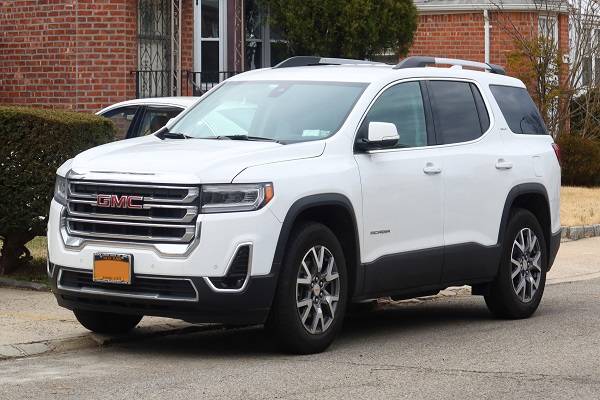
How the GMC Door Handle Unlock Button Works
The unlock button on a GMC exterior door handle is part of the vehicle’s Passive Entry System. This feature allows the driver or passenger to unlock the vehicle without removing the key fob from a pocket, bag, or purse. As long as the programmed key fob is close enough to the vehicle, pressing the button on the door handle should trigger the doors to unlock.
When you press the handle button, the switch sends an electrical signal to the Body Control Module, commonly known as the BCM. The BCM acts as the central control unit for many body-related features, including power locks, interior lighting, alarms, remote entry, and passive entry functions.
The vehicle then searches for a recognized key fob near the selected door. Low-frequency antennas positioned around the vehicle communicate with the fob to confirm that an authorized key is present. Once the system verifies the key, the BCM sends a command to the appropriate door lock actuator. The actuator moves the locking mechanism and releases the door.
This entire process usually happens within a fraction of a second. Because several components must communicate correctly, a failure in any part of the system can cause the button to stop responding.
The most important components involved include:
- The door handle unlock button or switch
- The passive entry antenna
- The key fob and its battery
- The exterior door handle wiring
- The door lock actuator
- The Body Control Module
- The vehicle battery
- Related fuses and electrical connectors
A problem with the button itself may only affect one door. In comparison, a weak vehicle battery, damaged BCM, or system-wide communication problem may affect multiple doors and other electrical features at the same time.
The operating behavior can also vary between GMC models and equipment packages. Some vehicles unlock only the selected door after the first press. A second press may unlock all remaining doors. Other vehicles can be configured through the infotainment settings to unlock every door immediately.
Before assuming the handle is defective, check the vehicle settings. Passive entry may have been disabled accidentally after a battery replacement, software update, service appointment, or driver profile change.
Understanding this process makes troubleshooting much easier. Instead of replacing the entire handle immediately, you can test each component in a logical order and identify the actual source of the problem.
Symptoms of a Faulty GMC Door Handle Unlock Button
A GMC door handle unlock button problem can appear in several ways. The exact symptoms often reveal whether the failure is isolated to the handle or connected to a larger electrical issue.
The Button Does Nothing
The most obvious symptom is a complete lack of response. You press the button with the key fob nearby, but the lights do not flash, the locks do not move, and no sound comes from the door.
This symptom may point to a failed handle switch, damaged wiring, a dead key fob battery, or a disabled passive entry setting.
Only One Door Is Affected
When the button on one door stops working but the other handle buttons still function, the problem is usually local to that door.
Possible causes include:
- A damaged door handle switch
- Corroded electrical terminals
- Broken wires inside the door
- A failed passive entry antenna
- Water intrusion inside the handle assembly
This pattern is helpful because it usually rules out a system-wide BCM failure or weak vehicle battery.
The Key Fob Still Unlocks the Vehicle
In many cases, the remote buttons on the key fob continue to work normally even though the exterior handle button does not.
This usually means the main power door lock system and door lock actuators are still operating. The fault is more likely to involve the passive entry function, proximity detection, exterior handle switch, or related wiring.
The Button Works Intermittently
An intermittent button may work in dry weather but fail after rain, a car wash, or freezing temperatures. It may also respond only when pressed firmly or from a certain angle.
Intermittent operation often suggests:
- Moisture inside the switch
- Corroded contacts
- A loose connector
- A partially broken wire
- Dirt around the button
- A weak key fob battery
Intermittent faults can be more difficult to diagnose because the system may appear normal during inspection.
The Driver Door Works but the Passenger Door Does Not
If the driver-side button works but the passenger-side button does not, the key fob is probably being recognized correctly. The failure is more likely related to the passenger handle switch, antenna, wiring, or connector.
Testing each door is one of the fastest ways to narrow down the problem.
The Doors Lock but Do Not Unlock
Some GMC handles use the same button for both locking and unlocking, depending on whether a valid key is detected inside or outside the vehicle. In certain cases, the vehicle may lock successfully but refuse to unlock.
This can indicate that the button is physically working, but the system is not detecting the key fob correctly. A weak fob battery, failed proximity antenna, or BCM communication issue may be responsible.
A Passive Entry Warning Appears
Some GMC vehicles may display messages such as:
“Remote Not Detected”
“No Remote Detected”
“Replace Battery in Remote Key”
“Service Keyless Start System”
A warning message can provide an important clue. However, not every handle button failure will trigger a dashboard alert or diagnostic trouble code.
Other Electrical Features Behave Strangely
When the handle button problem appears together with other electrical symptoms, the issue may extend beyond the handle.
Examples include:
- Interior lights operating incorrectly
- Power locks cycling unexpectedly
- Remote start failing
- Alarm system problems
- Multiple doors refusing to unlock
- Battery drain
- Driver settings resetting
These symptoms may indicate low system voltage, damaged wiring, grounding problems, or a BCM fault.
Common Causes of a GMC Door Handle Unlock Button Not Working
Several components can prevent the exterior handle button from operating correctly. The best troubleshooting approach is to start with the easiest and least expensive possibilities before moving to more complex repairs.
1. Weak or Dead Key Fob Battery
A weak key fob battery is one of the most common and affordable causes of passive entry problems.
The remote buttons may continue working even when the battery becomes too weak for reliable proximity detection. This happens because pressing a remote button sends a stronger signal than the passive communication used when approaching the vehicle.
Common signs of a weak key fob battery include:
- The handle button works only when the fob is very close to the door
- Passive entry works intermittently
- The dashboard displays a remote battery warning
- The vehicle sometimes fails to detect the key inside the cabin
- Remote start becomes inconsistent
Replace the battery with the correct type listed in the owner’s manual or printed on the existing battery. Many GMC key fobs use a CR2032 coin-cell battery, but the correct battery depends on the model and key design.
When installing the new battery, confirm that the positive and negative sides are positioned correctly. Avoid touching both flat surfaces excessively because oil and moisture from your fingers can reduce electrical contact.
After replacement, test the button at multiple doors. In most cases, the fob does not require reprogramming after a simple battery change.
2. Dirty or Damaged Door Handle Button
The exterior button is constantly exposed to rain, road salt, dust, soap, wax, ice, and temperature changes. Over time, contamination may collect around the button and prevent it from moving freely.
Press the button several times and pay attention to how it feels. A healthy switch usually produces a noticeable click. If the button feels sticky, loose, soft, or completely rigid, it may be dirty or mechanically damaged.
Clean the surrounding area using a microfiber cloth and a mild automotive cleaner. For narrow gaps, use a soft detailing brush. Avoid forcing sharp objects into the switch because this may damage the seal or button surface.
Do not spray a large amount of liquid directly into the handle. Excess moisture can enter the switch housing and worsen corrosion.
If cleaning does not restore operation, the internal contacts may be worn or damaged. Depending on the handle design, the button may be available separately, or the entire exterior handle assembly may need to be replaced.
3. Failed Passive Entry Sensor or Antenna
The Passive Entry System relies on antennas to detect the key fob near a specific area of the vehicle. When an antenna fails, the handle button may work inconsistently or stop working on one side of the vehicle.
A failed antenna can produce confusing symptoms because the key fob buttons may still operate normally. The vehicle may also recognize the fob near the driver door but not near the passenger door or rear liftgate.
To perform a basic test, move the fob to different positions around the affected door. Try holding it next to the handle, near the window, and near the lower section of the door.
Also test the spare key fob. If both fobs fail in the same location but work at other doors, the local antenna or its wiring may be defective.
Professional diagnosis may require a compatible scan tool that can read BCM data and passive entry antenna status. A technician can monitor whether the vehicle detects the key near each entry point.
4. Broken or Damaged Door Wiring
Wires inside the door and door jamb flex every time the door opens and closes. After years of movement, individual wires can crack inside their insulation or break completely.
The rubber wiring boot between the body and door is a common failure point. Moisture, previous collision repairs, accessory installations, and improper door removal can also damage the wiring.
Signs of a wiring problem may include:
- The handle button works when the door is partly open
- The button stops working when the door moves
- The window or mirror also operates intermittently
- The power lock works only in certain door positions
- Multiple electrical functions fail on the same door
Inspect the visible wiring boot for cracks, cuts, or signs of previous repair. A complete electrical test usually requires removing the door panel and checking continuity with a multimeter.
Do not replace the handle until the wiring has been inspected. A new handle will not solve the problem if the signal wire or power supply is broken.
5. Blown Fuse
A blown fuse can interrupt power to the door lock system, passive entry components, BCM circuits, or related modules.
Fuse locations and labels differ between GMC models and model years. The relevant fuse may be located in the engine compartment fuse block, instrument panel fuse block, rear electrical center, or a combination of these locations.
Check the owner’s manual for labels related to:
- Door locks
- Keyless entry
- Remote control door lock receiver
- Body Control Module
- Driver door module
- Passenger door module
Remove the suspected fuse and inspect the internal metal strip. A broken or burned strip indicates failure. A multimeter or test light provides a more reliable result than visual inspection alone.
Always replace a blown fuse with one that has the same amperage rating. Installing a higher-rated fuse can damage wiring and create a fire risk.
If the replacement fuse blows again, do not continue replacing it. A repeated failure usually indicates a short circuit, damaged component, or wiring problem that requires further diagnosis.
6. Weak or Failing Vehicle Battery
Although most drivers immediately suspect the key fob when the door handle unlock button stops working, the vehicle’s battery itself can also be responsible. Modern GMC vehicles rely on stable system voltage for every electronic control module, including the Passive Entry System. If the battery voltage drops below the required level, the Body Control Module may disable certain convenience features to preserve power for essential vehicle functions.
A weak battery often causes multiple electrical problems instead of a single isolated issue. You may notice slow engine cranking, dim headlights, intermittent infotainment operation, or warning messages appearing on the instrument cluster. The door handle unlock button may work one day and fail the next, especially after the vehicle has been parked overnight.
To check battery condition, measure the voltage using a digital multimeter. A fully charged battery should read approximately 12.6 volts with the engine off. Readings below 12.4 volts indicate the battery is partially discharged, while anything below 12.2 volts suggests the battery should be tested or recharged.
Corroded battery terminals can create similar symptoms. White or bluish corrosion increases electrical resistance, preventing modules from receiving stable voltage. Cleaning the battery terminals and ensuring tight cable connections may restore proper operation without replacing any components.
If your battery is more than four or five years old, have it load-tested by a qualified repair shop or auto parts retailer. Replacing an aging battery before complete failure can prevent many electronic issues, including intermittent passive entry problems.
7. Faulty Door Lock Actuator
The door lock actuator is the electric motor responsible for physically locking and unlocking the door after receiving a command from the Body Control Module. Even if the exterior handle button, key fob, and Passive Entry System are working correctly, a failed actuator can prevent the lock from moving.
A faulty actuator usually produces one or more noticeable symptoms. You may hear a clicking sound inside the door without the lock moving, or the lock may move only partially before stopping. In some cases, the actuator operates slowly or requires several attempts before unlocking the door.
Unlike a failed door handle switch, actuator problems often affect every unlocking method. The key fob, interior power lock switch, and exterior handle button may all fail to unlock the same door because the locking mechanism itself is no longer functioning properly.
To help distinguish between these problems, test the door using multiple methods. If the key fob unlocks every other door except one, and the interior lock switch also fails to operate that same door, the actuator becomes a primary suspect.
Replacing a door lock actuator typically requires removing the interior door panel, disconnecting the linkage rods, and installing a new unit. Labor time varies depending on the vehicle model, but most repairs take between one and three hours. Because several door components must be removed, many technicians inspect the wiring and door handle switch during the same repair to avoid duplicate labor costs later.
8. Body Control Module (BCM) Malfunction
The Body Control Module serves as the electronic hub for many comfort and convenience systems throughout the vehicle. It manages communication between the key fob, Passive Entry System, power door locks, alarm system, interior lighting, remote start, and numerous other body-related functions.
Although BCM failures are less common than battery or switch problems, they can produce confusing symptoms that affect several systems simultaneously. Drivers may experience intermittent door lock operation, random warning messages, remote start failures, malfunctioning interior lights, or repeated communication errors stored in the vehicle’s diagnostic system.
Because the BCM controls multiple electronic modules through the vehicle’s communication network, diagnosing these problems requires more than a visual inspection. A professional scan tool capable of reading manufacturer-specific diagnostic trouble codes is often necessary to identify software errors, communication faults, or failed module outputs.
In some situations, the BCM may simply require a software update. Manufacturers occasionally release updated programming to improve system reliability or correct known issues. If the software is current and diagnostic testing confirms an internal module failure, replacement may be necessary.
A replacement BCM cannot simply be installed and driven immediately. The new module usually requires programming, security initialization, and synchronization with the vehicle’s immobilizer system and key fobs. This process normally requires dealership equipment or advanced aftermarket programming tools.
Because BCM replacement is one of the more expensive repairs associated with passive entry issues, technicians should always eliminate simpler possibilities such as a weak battery, damaged wiring, blown fuses, faulty door handle switches, or failed actuators before condemning the module itself.
9. Water Damage or Corrosion
Water intrusion is another common reason why a GMC door handle unlock button stops working. Exterior door handles are exposed to rain, snow, road salt, humidity, and frequent car washes throughout their service life. Although the handle assembly is designed with weather-resistant seals, these seals can deteriorate over time, allowing moisture to reach sensitive electrical components.
Once water enters the handle assembly, corrosion can begin forming on the electrical contacts, connector terminals, or passive entry sensor. Even a small amount of corrosion can increase electrical resistance enough to interrupt communication between the door handle switch and the Body Control Module.
Vehicles driven in coastal regions or areas that use road salt during winter are particularly vulnerable. Salt accelerates corrosion and can significantly shorten the lifespan of electrical connectors and wiring inside the door.
Common signs of water-related damage include intermittent operation after heavy rain, failure immediately following a car wash, or a button that works only after the vehicle has dried out. During cold weather, trapped moisture may freeze inside the handle, preventing the switch from moving normally.
Inspect the exterior handle for visible cracks, loose trim, or damaged rubber seals. If the interior door panel is removed, examine the electrical connector for signs of green or white corrosion, rust, moisture, or damaged terminals.
Minor corrosion can sometimes be removed using electrical contact cleaner and a soft nylon brush. Severely corroded connectors, damaged wiring, or water-damaged handle assemblies should be replaced to ensure long-term reliability. Applying dielectric grease to clean electrical terminals before reassembly can also help protect the connection from future moisture intrusion.
Step-by-Step Troubleshooting Guide
Instead of replacing expensive components immediately, follow a logical diagnostic process. Beginning with the simplest inspections can often save hundreds of dollars in unnecessary repairs.
Step 1: Replace the Key Fob Battery
The key fob battery is inexpensive and takes only a few minutes to replace. Even if the remote buttons still work, a weak battery may not provide enough power for passive entry communication.
After installing a new battery, test every exterior door handle to determine whether the problem has been resolved.
Step 2: Test Every Door Handle
Walk around the vehicle and press the unlock button on each door.
If only one door fails, the issue is likely limited to that specific handle, switch, sensor, wiring, or actuator.
If every door fails, focus on system-wide components such as the key fob, vehicle battery, BCM, or related fuses.
Step 3: Try the Spare Key Fob
Many owners overlook this simple diagnostic step.
If the spare key works perfectly while the primary key does not, the original key fob is likely defective or has a weak battery.
If neither key functions correctly, the problem almost certainly lies within the vehicle itself.
Step 4: Inspect the Door Handle
Carefully examine the affected handle for physical damage.
Look for cracked plastic, excessive movement, broken trim pieces, dirt accumulation, or signs of impact damage.
Clean the button using a microfiber cloth and an approved automotive cleaner before testing again.
Step 5: Check the Vehicle Battery
Measure battery voltage with a multimeter or have the battery tested at a repair facility.
Low system voltage can create numerous electronic issues that appear unrelated to the battery.
If the battery fails a load test, replace it before performing additional diagnostics.
Step 6: Inspect the Fuses
Consult the owner’s manual to identify fuses related to the Body Control Module, keyless entry system, and power door locks.
Replace any blown fuse with one of the same amperage rating.
If the replacement fuse blows again, discontinue testing and locate the electrical short before replacing additional fuses.
Step 7: Listen for the Door Lock Actuator
While pressing the unlock button, place your ear close to the affected door.
If you hear the actuator attempting to operate but the lock does not move, the actuator or mechanical linkage may be faulty.
If there is no sound at all, the problem may involve the switch, wiring, BCM, or power supply.
Step 8: Scan for Diagnostic Trouble Codes
Many passive entry faults do not illuminate the check engine light.
A professional scan tool capable of communicating with the Body Control Module can identify stored fault codes, communication errors, antenna failures, and switch malfunctions.
Reading diagnostic codes before replacing parts greatly increases the chances of identifying the correct repair.
Step 9: Inspect the Wiring Harness
If earlier tests fail to locate the problem, inspect the wiring inside the door and the rubber boot between the door and the vehicle body.
Broken wires hidden beneath the insulation are more common than many owners realize, especially on older vehicles with high mileage.
Repair any damaged wiring before replacing electronic components.
DIY Fixes You Can Try at Home
Many GMC passive entry problems can be resolved without expensive dealership repairs. If you have basic hand tools and some mechanical experience, the following solutions are worth trying before replacing major components.
Replace the Key Fob Battery
Installing a fresh battery is the quickest and least expensive repair. Always use a high-quality replacement battery from a reputable manufacturer to ensure reliable performance.
Clean the Door Handle
Dirt, wax, road salt, and debris can prevent the button from operating smoothly.
Clean the handle thoroughly using automotive-safe cleaning products and dry it completely before testing.
Reset the Passive Entry System
Some electronic glitches can be cleared by resetting the vehicle.
Turn off the engine, disconnect the negative battery cable for approximately ten to fifteen minutes, reconnect it, and test the system again. Be aware that this may reset radio presets and other stored vehicle settings.
Inspect Electrical Connectors
If you remove the interior door panel, inspect every connector for loose terminals, corrosion, or damaged locking tabs.
Clean the terminals with electrical contact cleaner and ensure each connector is fully seated before reassembly.
Repair Damaged Wiring
If continuity testing identifies a broken wire, repair it using proper automotive-grade wire, solder or quality crimp connectors, and heat-shrink tubing.
Avoid temporary repairs using household electrical tape alone, as these repairs often fail after exposure to vibration and moisture.
Lubricate the Door Latch
A sticking latch can sometimes make it appear that the unlock button has failed.
Apply a high-quality silicone or dry-film lubricant to the latch mechanism and operate the lock several times to distribute the lubricant evenly.
Replace the Door Handle Switch
On some GMC models, the exterior switch can be replaced separately without purchasing the entire handle assembly.
If the switch is available individually, this repair can significantly reduce parts costs while restoring normal operation.
Know When to Seek Professional Help
If you have replaced the key fob battery, verified the vehicle battery, inspected the fuses, cleaned the handle, tested multiple key fobs, and checked the wiring without resolving the issue, professional diagnosis is recommended.
Advanced electrical problems involving the Body Control Module, passive entry antennas, security programming, or communication networks require specialized diagnostic equipment and manufacturer-specific software that are typically unavailable to most DIY mechanics.
GMC Door Handle Unlock Button Repair Costs
The cost of repairing a GMC door handle unlock button not working depends on the failed component, your vehicle model, labor rates in your area, and whether genuine OEM or aftermarket parts are used. Fortunately, many repairs are relatively inexpensive if the issue is diagnosed early.
The least expensive repair is replacing the key fob battery, which typically costs between $5 and $15 if you do it yourself. This simple fix often restores passive entry functionality in just a few minutes.
If a blown fuse is responsible, replacement usually costs between $10 and $30, including the fuse itself. However, if the fuse continues to fail, additional diagnostic work will be required to locate the underlying electrical fault.
A faulty exterior door handle switch generally costs $50 to $150 for the part. If the switch cannot be replaced separately, you may need to install a complete door handle assembly, increasing the total repair cost to approximately $180 to $450, including labor.
Door lock actuator replacement is another common repair. Depending on the GMC model and labor time, expect to pay $200 to $500. Vehicles with more complex door assemblies or additional trim removal may fall toward the higher end of this range.
Repairing damaged wiring typically costs between $100 and $300, although extensive corrosion or hidden wire damage inside the door harness can increase labor time.
The most expensive repair involves the Body Control Module. BCM replacement, programming, and initialization generally range from $300 to $900, depending on the vehicle and dealership labor rates.
Professional diagnosis alone usually costs $120 to $200, but many repair shops apply this fee toward the final repair if you choose to have the work completed at the same location.
Whenever possible, obtain a proper diagnosis before authorizing expensive repairs. Replacing the wrong component can quickly cost more than paying for a professional inspection.
Frequently Asked Questions
This is one of the most common symptoms of a passive entry problem. The remote buttons on the key fob use a different communication method than the proximity-based passive entry system. In many cases, the key fob battery is too weak for passive entry, or the problem is related to the exterior door handle switch, passive entry antenna, or wiring.
It depends on the GMC model. Some vehicles allow the switch to be replaced separately, while others require replacement of the complete exterior door handle assembly. Consult the service manual or parts catalog for your specific model and year.
Why does only one door stop working?
A single-door failure usually indicates a localized problem rather than a system-wide failure. Common causes include a defective handle switch, damaged wiring, a failed door lock actuator, or corrosion inside that particular door.
Will disconnecting the battery reset the Passive Entry System?
Disconnecting the battery may temporarily reset certain electronic modules and clear minor software glitches. However, it will not repair damaged switches, broken wiring, failed sensors, or defective control modules.
Yes. Ice, frozen moisture, and low temperatures can temporarily prevent the button from moving or interfere with electrical contacts inside the handle. If the system works normally after warming up, inspect the handle for water intrusion or deteriorated seals.
Is this problem covered under warranty?
Coverage depends on the vehicle’s age, mileage, warranty status, and the cause of the failure. If your GMC is still covered by the factory warranty or an extended service contract, the repair may be partially or fully covered. Contact your local GMC dealer to verify eligibility.
In most cases, the vehicle can still be driven safely if the key fob and manual locking functions continue to operate. However, the issue should not be ignored because the underlying problem may worsen over time or affect additional electronic systems.
Conclusion
A GMC door handle unlock button not working can be inconvenient, but it does not always indicate a major mechanical failure. In many situations, the solution is surprisingly simple, such as replacing the key fob battery, cleaning the exterior handle, or replacing a blown fuse. Taking a systematic approach to diagnosis can prevent unnecessary part replacements and significantly reduce repair costs.
If the basic checks do not resolve the issue, continue testing the vehicle step by step by inspecting the door handle switch, wiring harness, passive entry antenna, door lock actuator, and Body Control Module. Identifying the exact cause before purchasing replacement parts is the most effective way to save both time and money.
Routine maintenance can also reduce the likelihood of future problems. Keeping the exterior door handles clean, protecting electrical connectors from moisture, replacing aging batteries before they fail, and addressing warning signs early will help maintain reliable operation of your GMC’s Passive Entry System.
Whether you drive a GMC Sierra, Yukon, Acadia, Terrain, Canyon, or another GMC model, understanding how the keyless entry system works gives you a significant advantage when troubleshooting. By following the diagnostic steps outlined in this guide, you can confidently determine whether the repair is a simple DIY project or one that requires professional assistance.
If you have experienced a GMC door handle unlock button not working issue, share your symptoms, vehicle model, and repair experience in the comments below. Your insights may help other GMC owners diagnose the same problem more quickly and avoid unnecessary repair expenses.