Following the correct Mazda CX 5 service schedule can make the difference between predictable ownership and a series of expensive, unexpected repairs. Your vehicle may still start normally, drive smoothly, and show no warning lights, but engine oil, filters, brake components, tires, fluids, belts, and suspension parts continue to wear with every mile. Waiting until something fails often costs far more than completing preventive maintenance at the right time.
The challenge is that there is no single maintenance timeline that applies to every Mazda CX 5. Service requirements can vary depending on the model year, engine type, country, driving environment, and maintenance history. A turbocharged engine may require certain services sooner than a naturally aspirated engine. A vehicle used for repeated short trips, heavy traffic, dusty roads, or extreme temperatures may also need more frequent attention than one driven mainly on open highways.
This Mazda CX 5 service schedule explains the major maintenance milestones from 5,000 to 150,000 miles. It covers oil changes, tire rotations, brake inspections, filters, spark plugs, coolant, transmission checks, and high mileage components. You will also learn which services are essential, which items depend on condition, and how to avoid paying for unnecessary work.
Always confirm the final interval in the owner’s manual for your exact vehicle. Mileage is important, but time, driving conditions, warning signs, and previous service records matter just as much.
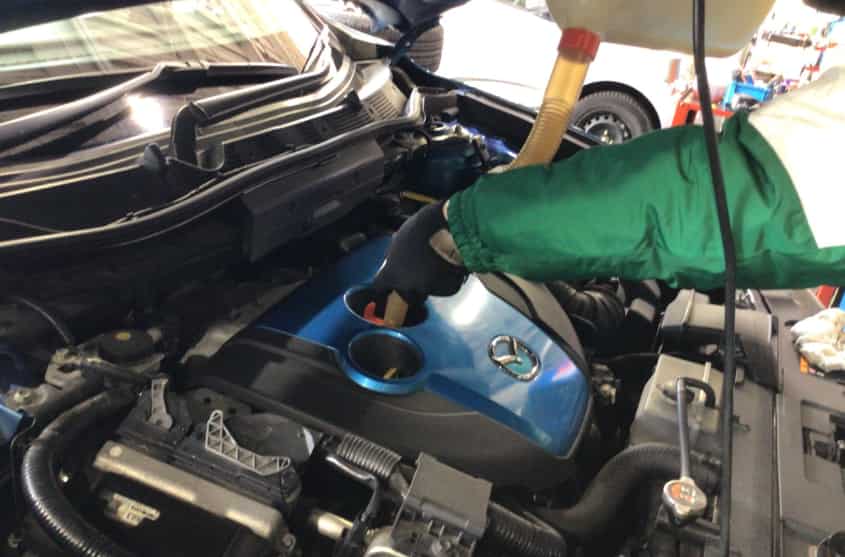
Mazda CX 5 Service Schedule at a Glance
Understanding the Mazda CX 5 service schedule is much easier when you can see the major maintenance milestones in one place. While every vehicle should follow the recommendations in its owner’s manual, this overview provides a practical reference for the most common service intervals. Completing maintenance on time helps reduce wear, improve reliability, and lower the risk of unexpected repair bills.
| Mileage | Recommended Maintenance |
|---|---|
| 5,000 Miles | Inspect engine oil, rotate tires, inspect brakes, check fluid levels, inspect lights and wiper blades |
| 7,500 Miles | Change engine oil and filter if required, rotate tires, inspect steering, suspension, battery, and belts |
| 15,000 Miles | Inspect air filters, brakes, steering, suspension, fuel lines, exhaust system, and cooling system |
| 30,000 Miles | Replace engine air filter if needed, inspect cabin air filter, inspect belts and hoses, test battery, inspect brake system |
| 40,000 Miles | Replace spark plugs on applicable turbocharged engines, inspect ignition system and engine performance |
| 60,000 Miles | Inspect transmission, cooling system, suspension, drivetrain components, and replace filters if necessary |
| 75,000 Miles | Replace spark plugs on applicable naturally aspirated engines, inspect alignment, engine mounts, and battery |
| 100,000 Miles | Perform a comprehensive inspection of the engine, transmission, suspension, cooling system, brakes, and driveline |
| 120,000 Miles | Repeat major inspections, evaluate aging components, inspect seals, hoses, and cooling system |
| 150,000 Miles | Complete a full high mileage inspection and replace worn components as needed |
These mileage intervals should be viewed as a maintenance planning guide rather than a fixed rule for every Mazda CX 5. Service requirements can change depending on the model year, engine configuration, driving habits, climate, and local maintenance recommendations. Drivers who frequently travel in stop and go traffic, drive short distances, or operate in very hot, cold, or dusty environments often require more frequent inspections than those who mainly drive on highways.
Instead of waiting for a problem to appear, use this schedule to stay ahead of wear and tear. Preventive maintenance is almost always less expensive than repairing a failed engine component, damaged transmission, or worn suspension system. Keeping accurate service records also helps preserve resale value and makes it easier to track future maintenance needs.
How the Mazda CX 5 Maintenance Schedule Works
The Mazda CX 5 service schedule helps you keep every major system in excellent condition. Instead of following a single maintenance interval, you should consider mileage, time, driving conditions, and the maintenance monitor together. This approach reduces unnecessary repairs and keeps the vehicle performing at its best.
Mileage plays the biggest role in routine maintenance. Every mile adds wear to the engine, brakes, suspension, tires, and other moving parts. As the mileage increases, more components require inspection or replacement. Following the recommended intervals helps protect the engine, improve fuel economy, and reduce the risk of costly breakdowns.
Time also affects your vehicle, even if you drive only a few thousand miles each year. Engine oil loses its protective qualities over time. Brake fluid absorbs moisture, while rubber hoses and belts naturally age. For this reason, many maintenance items include both a mileage limit and a time limit. You should always follow whichever comes first.
Most Mazda CX 5 models include a maintenance monitor that reminds you when routine service is due. This system makes maintenance easier to manage, but it cannot inspect every component. You should still check the tires, brakes, fluid levels, lights, and battery on a regular basis. Routine inspections often reveal small problems before they become expensive repairs.
Your driving habits also influence the service schedule. Many owners believe they drive under normal conditions, but daily commuting often tells a different story. Heavy traffic, frequent short trips, long periods of idling, dusty roads, mountain driving, and extreme weather all increase mechanical wear. Under these conditions, your Mazda CX 5 may require maintenance sooner than the standard schedule suggests.
Preventive maintenance always costs less than major repairs. Keeping accurate service records and completing inspections on time helps your Mazda CX 5 remain safe, reliable, and efficient for many years. It also protects the long term value of your vehicle and makes future maintenance easier to plan.
Mazda CX 5 5,000 and 7,500 Mile Service
The first maintenance milestones play an important role in keeping your Mazda CX 5 in excellent condition. Although the vehicle is still relatively new, regular inspections help identify minor issues before they become expensive repairs. Staying on schedule also supports engine performance, fuel efficiency, and long term reliability.
At 5,000 miles, begin with a complete visual inspection. Check the engine oil level and look for signs of contamination or leaks. Inspect the coolant, brake fluid, windshield washer fluid, and other essential fluids. Rotate the tires to promote even tread wear, then confirm that each tire has the correct air pressure. This simple service helps extend tire life and improves handling.
Next, inspect the brake pads and rotors for early signs of wear. Examine the steering and suspension components for damage or loose parts. Check all exterior lights, windshield wipers, and the battery terminals. These inspections require little time, but they can prevent safety issues and unexpected repair costs later.
By 7,500 miles, many Mazda CX 5 models require an engine oil and oil filter change, depending on the maintenance monitor and driving conditions. Replacing clean oil at the proper interval reduces friction inside the engine and protects critical internal components. Fresh oil also improves lubrication and helps maintain consistent engine performance.
This service visit is also a good opportunity to inspect the drive belts, cooling hoses, and battery condition. Review the maintenance monitor after completing the required work and reset the system if necessary. Keeping accurate service records makes future maintenance easier and provides valuable documentation if you decide to sell the vehicle.
Drivers who spend most of their time in heavy traffic, drive short distances, or travel on dusty roads should pay even closer attention to these early service intervals. Harsh driving conditions increase wear on the engine, brakes, and tires. Completing routine maintenance on time helps prevent premature component failure and keeps your Mazda CX 5 running smoothly for years to come.
Mazda CX 5 15,000 Mile Service
Reaching 15,000 miles is an important milestone because your Mazda CX 5 has already completed thousands of miles of everyday driving. At this stage, routine maintenance should go beyond basic oil service. A more detailed inspection helps identify early wear and keeps the vehicle operating safely and efficiently.
Start with an engine oil and oil filter change if the maintenance schedule or monitor recommends it. Fresh oil protects internal engine components and supports smooth performance in different driving conditions. Rotate the tires again and inspect the tread for uneven wear. Uneven tire wear may indicate incorrect tire pressure, poor wheel alignment, or suspension issues that need attention.
The braking system also deserves a careful inspection. Check the brake pads, rotors, brake lines, and brake hoses for signs of wear or damage. A healthy braking system improves safety and helps prevent more expensive repairs in the future. If you notice unusual noises, vibrations, or a soft brake pedal, schedule a professional inspection as soon as possible.
Next, inspect the steering and suspension system. Look for worn bushings, damaged ball joints, loose components, and leaking shock absorbers. These parts affect ride comfort, steering response, and tire life. Detecting small problems early often prevents larger repairs later.
Air filters should also receive attention at this mileage. Inspect the engine air filter for dirt and debris that may restrict airflow. Check the cabin air filter as well because a clogged filter reduces airflow through the climate control system and allows dust to enter the cabin. Replacing dirty filters improves engine efficiency and creates a more comfortable driving experience.
Finally, inspect the cooling system, exhaust components, fuel lines, and visible hoses. Look for leaks, corrosion, cracks, or loose connections. Recording every completed service keeps your maintenance history organized and makes future service planning much easier. Consistent care at the 15,000 mile interval helps your Mazda CX 5 remain dependable as it moves toward higher mileage.
Mazda CX 5 30,000 Mile Service
The 30,000 mile service is one of the most important maintenance milestones for the Mazda CX 5. By this point, many components have experienced years of daily use. While routine services such as oil changes and tire rotations remain essential, this visit should include a more detailed inspection of the vehicle. Addressing small issues now can prevent major repairs later and help maintain long term reliability.
Begin with an engine oil and oil filter change if it is due. Fresh oil continues to protect the engine from friction and heat while supporting smooth performance. Rotate the tires and inspect the tread depth across all four wheels. Uneven wear may point to alignment or suspension problems that should be corrected before they shorten tire life.
The brake system should receive a thorough inspection. Check the brake pads, rotors, calipers, brake hoses, and brake fluid. Worn brake components reduce stopping performance and may damage other parts if left unattended. Replacing worn parts early often costs less than waiting until the damage becomes more severe.
This milestone is also a good time to inspect both air filters. A dirty engine air filter can reduce airflow and affect fuel economy, while a clogged cabin air filter limits airflow inside the vehicle and lowers air quality. Replace either filter if it shows excessive dirt or wear.
Next, inspect the cooling system, drive belts, and rubber hoses. Look for cracks, leaks, swelling, or signs of aging. Test the battery to confirm it still holds a proper charge, especially if it has been in service for several years. The steering and suspension system should also be checked for worn bushings, loose joints, or leaking dampers that could affect handling and ride comfort.
Before completing the service, inspect the exhaust system, fuel lines, and visible underbody components. These inspections help identify corrosion, loose connections, or developing leaks before they become serious problems. Keeping detailed maintenance records after every service visit also makes it easier to monitor your vehicle’s condition and supports a higher resale value.
Completing the 30,000 mile service on time lays a strong foundation for the next stage of ownership. Regular inspections combined with preventive maintenance help your Mazda CX 5 deliver dependable performance, lower operating costs, and a more enjoyable driving experience for many years.
Mazda CX 5 40,000 Mile Service
The 40,000 mile service is an important checkpoint for many Mazda CX 5 owners, especially those who drive a model equipped with the turbocharged 2.5 liter engine. While routine maintenance continues to focus on fluids, tires, and brakes, some turbocharged models also reach the recommended interval for spark plug replacement. Replacing worn spark plugs at the right time helps maintain smooth engine performance and supports better fuel efficiency.
Start the service by changing the engine oil and oil filter if they are due. Clean oil protects the engine from excessive wear and helps control operating temperatures. Rotate the tires and inspect the tread for uneven wear. If the vehicle pulls to one side or the tires show irregular wear patterns, inspect the wheel alignment and suspension before replacing the tires.
Owners of turbocharged models should pay close attention to the ignition system. Worn spark plugs can cause rough idling, slower acceleration, poor fuel economy, and engine misfires. Replacing them according to the recommended schedule helps the engine deliver consistent power and reduces unnecessary strain on the ignition system.
Continue with a complete inspection of the brake system. Examine the brake pads, rotors, brake fluid, and flexible brake hoses. Reliable braking performance depends on healthy components working together, so even minor wear should receive attention before it develops into a larger problem.
Inspect the engine air filter and cabin air filter for dirt or restricted airflow. Clean filters improve engine efficiency and help the heating and air conditioning system deliver fresh air into the cabin. At the same time, inspect the cooling system, drive belts, and rubber hoses for leaks, cracks, or signs of aging that could affect long term reliability.
Finish the service by checking the battery, steering system, suspension components, and exterior lighting. Look underneath the vehicle for fluid leaks or damaged protective covers. Recording every completed inspection and replacement makes it easier to plan future maintenance and gives you a complete service history for your Mazda CX 5.
Completing the 40,000 mile service on schedule helps preserve engine performance and reduces the risk of unexpected repairs. Consistent maintenance at this stage also prepares the vehicle for the more comprehensive inspections that come with higher mileage.
Mazda CX 5 60,000 Mile Service
Reaching 60,000 miles marks another major maintenance milestone for the Mazda CX 5. By this stage, the vehicle has accumulated years of normal wear, even if it has received regular service. A comprehensive inspection helps identify aging components before they affect reliability, safety, or driving comfort. Investing in preventive maintenance now often costs far less than repairing a major mechanical failure later.
Begin with an engine oil and oil filter change if the service is due. Fresh oil keeps internal engine parts properly lubricated and helps reduce friction during daily driving. Rotate the tires and inspect the tread depth on all four wheels. Uneven wear may indicate alignment problems, suspension wear, or incorrect tire pressure that should be corrected as soon as possible.
The braking system should receive another detailed inspection. Examine the brake pads, rotors, calipers, brake hoses, and brake fluid. If brake performance feels different or unusual noises appear during braking, address the issue immediately. Replacing worn brake components early improves safety and prevents damage to other parts of the braking system.
Next, inspect the cooling system for leaks, damaged hoses, and signs of corrosion. Confirm that the coolant level is correct and check the radiator, water pump, and hose connections for visible wear. The drive belts should also be inspected for cracks, glazing, or other signs of aging that may lead to failure if ignored.
The transmission deserves careful attention at this mileage. Inspect the transmission fluid according to the recommendations for your specific model year. If your Mazda CX 5 uses all wheel drive, inspect the differential and transfer case for leaks and verify that the lubricants remain in good condition. These inspections help protect the drivetrain and support smooth power delivery.
Complete the service by checking the steering system, suspension components, battery condition, engine air filter, cabin air filter, and exhaust system. Replace any filter that has reached the end of its service life or shows excessive contamination. A clean filtration system supports engine efficiency and improves cabin comfort throughout the year.
Maintaining detailed service records becomes even more valuable as the vehicle reaches higher mileage. Accurate documentation helps you monitor previous repairs, plan future maintenance, and demonstrate that the vehicle has been properly cared for. Following the recommended Mazda CX 5 service schedule at 60,000 miles helps extend the life of the engine, transmission, and other critical systems while reducing the likelihood of unexpected repair costs.
Mazda CX 5 75,000 Mile Service
The 75,000 mile service is another important step in preserving the long term reliability of your Mazda CX 5. At this point, many components have completed years of daily use, making preventive maintenance more valuable than ever. A careful inspection allows you to replace worn parts before they affect engine performance, safety, or fuel efficiency.
Start with an engine oil and oil filter change if it is due. Fresh oil continues to protect internal engine components from friction and heat while supporting smooth operation. Rotate the tires and inspect the tread depth across all four wheels. If you notice uneven wear, inspect the wheel alignment and suspension before replacing the tires.
For many naturally aspirated Mazda CX 5 models, this mileage is also the recommended interval for spark plug replacement. Spark plugs gradually wear as they create thousands of ignition events every minute. As the electrodes wear, the engine may become less efficient. Replacing the spark plugs at the proper interval helps restore smooth acceleration, stable idling, and consistent fuel economy.
The brake system should receive another complete inspection. Check the brake pads, rotors, calipers, brake hoses, and brake fluid for signs of wear or deterioration. Even if the brakes still feel normal, measuring component wear provides a better picture of their remaining service life and helps you plan future maintenance with confidence.
Continue by inspecting the steering and suspension system. Examine control arms, bushings, ball joints, and shock absorbers for excessive wear or damage. These components play a major role in ride quality, handling, and tire life. Correcting suspension problems early also helps prevent uneven tire wear and improves driving stability.
Inspect the cooling system, drive belts, rubber hoses, and battery before completing the service. Look for leaks, cracks, corrosion, or other signs of aging that could lead to unexpected failures. If your vehicle is equipped with all wheel drive, inspect the drivetrain for leaks and confirm that all related components remain in good condition.
Finally, review your maintenance history and compare it with the recommended service schedule. Confirm that previous services were completed on time and note any components that may require attention during the next inspection. Staying consistent with preventive maintenance helps your Mazda CX 5 remain dependable well beyond 100,000 miles while reducing the risk of costly repairs.
Mazda CX 5 100,000 Mile Service
Reaching 100,000 miles is a significant milestone for any vehicle. A well maintained Mazda CX 5 can continue to deliver dependable performance at this stage, but it requires more than routine oil changes and tire rotations. A comprehensive inspection helps identify aging components before they develop into costly mechanical problems. This proactive approach improves reliability and gives you greater confidence during daily driving and long trips.
Begin with an engine oil and oil filter change if it is due. Fresh oil protects internal engine components from excessive friction and helps maintain consistent performance. Rotate the tires and inspect the tread depth, sidewalls, and tire pressure. If the tires show uneven wear, inspect the alignment and suspension to determine the underlying cause before replacing the tires.
The braking system should receive a complete evaluation. Inspect the brake pads, rotors, calipers, brake hoses, and brake fluid. Components that have performed well for many years may now show noticeable wear. Replacing them before they reach their limits helps maintain safe stopping performance and prevents additional damage to the braking system.
Next, inspect the cooling system in detail. Check the radiator, water pump, hoses, clamps, and coolant for leaks or signs of deterioration. The drive belts and rubber hoses should also be examined for cracks, hardening, or swelling. Replacing aging rubber components before they fail helps reduce the risk of overheating and roadside breakdowns.
The drivetrain also deserves careful attention at this mileage. Inspect the transmission according to the maintenance recommendations for your specific model. If your Mazda CX 5 is equipped with all wheel drive, inspect the differential and transfer case for leaks or abnormal wear. Addressing small issues early helps protect these expensive components and supports smooth power delivery.
Complete the inspection by checking the steering system, suspension, wheel bearings, engine mounts, battery, exhaust system, and visible seals. Listen for unusual noises during the inspection and look for oil or coolant leaks underneath the vehicle. Even small leaks can become larger problems if they remain unnoticed.
This is also a good time to review your complete maintenance history. Compare previous services with the recommended schedule and verify that important items such as spark plugs, filters, and fluid inspections have been completed. A consistent maintenance record not only helps extend the life of your Mazda CX 5 but also improves its resale value if you decide to sell it in the future.
Regular maintenance becomes even more valuable after 100,000 miles. By addressing wear before it turns into failure, you can continue enjoying reliable performance while avoiding many of the expensive repairs commonly associated with high mileage vehicles.
Mazda CX 5 120,000 and 150,000 Mile Service
Once your Mazda CX 5 reaches 120,000 miles, maintenance becomes more focused on long term reliability than routine servicing alone. Many major components have already accumulated years of use, so regular inspections become even more valuable. A well maintained vehicle can continue to perform reliably at high mileage, but only if small issues are corrected before they become expensive repairs.
Begin with an engine oil and oil filter change if it is due. Rotate the tires and inspect them for uneven tread wear, sidewall damage, or signs of aging. Check the wheel alignment if the vehicle pulls to one side or if the tires wear unevenly. These simple inspections help improve handling and extend tire life.
The brake system should receive another detailed inspection. Examine the brake pads, rotors, calipers, brake hoses, and brake fluid. Replace worn components when necessary to maintain strong and predictable braking performance. Safe braking remains one of the most important priorities for any high mileage vehicle.
Continue by inspecting the cooling system. Check the radiator, coolant hoses, clamps, water pump, and coolant condition. Rubber parts naturally become harder with age, so replacing deteriorated hoses before they fail can help prevent overheating. Inspect the drive belts for cracks or excessive wear and replace them if they no longer meet service standards.
Pay close attention to the steering and suspension system. Worn bushings, ball joints, wheel bearings, and shock absorbers can reduce ride comfort and affect vehicle stability. Correcting these problems early improves handling and helps prevent additional wear on the tires and suspension components.
Inspect the transmission, differential, and transfer case if your Mazda CX 5 is equipped with all wheel drive. Look for leaks, damaged seals, or unusual noises during operation. At this stage, it is also wise to inspect engine mounts, exhaust components, battery condition, and visible gaskets for signs of aging.
When your Mazda CX 5 reaches 150,000 miles, repeat these comprehensive inspections and compare the vehicle’s current condition with its maintenance history. Replace worn components based on inspection results instead of waiting for a failure to occur. This approach reduces the likelihood of unexpected breakdowns and helps control long term ownership costs.
Many Mazda CX 5 models continue to provide dependable transportation well beyond 150,000 miles when owners follow a consistent maintenance routine. Keeping detailed service records, addressing problems early, and using quality replacement parts can significantly extend the life of the engine, transmission, suspension, and other critical systems.
Mazda CX 5 Maintenance Schedule by Component
Following the Mazda CX 5 service schedule is much easier when you understand how each major component should be maintained. While mileage milestones provide a helpful guide, every part of the vehicle ages at a different rate. Driving habits, road conditions, and climate can all influence how often inspections or replacements become necessary.
Engine Oil and Oil Filter
Engine oil is one of the most important fluids in your Mazda CX 5. It lubricates moving parts, reduces friction, and helps control engine temperature. Over time, oil loses its protective properties and becomes contaminated with dirt and combustion byproducts. Replacing the engine oil and oil filter at the recommended interval helps extend engine life, improve fuel economy, and maintain smooth performance. Always use the oil grade and specification recommended for your model.
Tires
Tires affect handling, braking, fuel efficiency, and ride comfort. Rotate the tires at regular intervals to promote even tread wear. Check tire pressure at least once a month because incorrect pressure can shorten tire life and reduce fuel economy. Inspect the tread for uneven wear, cracks, cuts, or embedded objects. If you notice abnormal wear, inspect the wheel alignment and suspension before replacing the tires.
Engine Air Filter
The engine air filter prevents dust and debris from entering the engine. A clean filter supports proper airflow, improves combustion, and helps maintain engine efficiency. Inspect the filter during scheduled maintenance and replace it when it becomes excessively dirty. Drivers who travel on dusty roads may need more frequent inspections.
Cabin Air Filter
The cabin air filter cleans the air entering the passenger compartment. As the filter collects dust, pollen, and other airborne particles, airflow through the climate control system gradually decreases. Replacing a clogged filter improves air quality, increases heating and cooling performance, and creates a more comfortable cabin environment.
Brake System
Inspect the brake pads, rotors, calipers, hoses, and brake fluid during every scheduled service. Brake components wear at different rates depending on driving style and traffic conditions. If you hear squealing, grinding, or feel vibration while braking, arrange an inspection without delay. Maintaining the brake system protects both vehicle safety and repair costs.
Spark Plugs
Spark plugs ignite the air and fuel mixture inside the engine. As they wear, engine performance may decline, fuel consumption may increase, and misfires can occur. Turbocharged and naturally aspirated Mazda CX 5 models may have different replacement intervals, so always follow the recommendations for your specific engine.
Cooling System
The cooling system keeps the engine operating within a safe temperature range. Inspect the coolant level, radiator, hoses, clamps, and water pump during routine maintenance. Even a small coolant leak can lead to overheating if it is ignored. Replacing worn hoses before they fail helps prevent unexpected breakdowns.
Transmission and Drivetrain
Inspect the transmission according to the maintenance schedule for your model year. If your Mazda CX 5 has all wheel drive, inspect the differential and transfer case for leaks or unusual wear. Regular inspections help protect expensive drivetrain components and support smooth power delivery under different driving conditions.
Battery
The battery should be tested during routine maintenance, especially after several years of service. Inspect the battery terminals for corrosion and make sure all electrical connections remain secure. A weak battery can lead to difficult starting, poor charging performance, and unexpected failures during extreme weather.
Maintaining each component according to the recommended schedule helps your Mazda CX 5 remain reliable throughout its life. Instead of waiting for a warning light or mechanical problem, regular inspections allow you to identify normal wear early and plan repairs before they become more expensive.
Normal and Severe Driving Conditions
Driving conditions have a direct impact on how quickly vehicle components wear out. Although the standard Mazda CX 5 service schedule works well for many owners, not every vehicle operates under the same conditions. Daily driving habits, weather, road surfaces, and traffic patterns can all shorten maintenance intervals. Understanding the difference between normal and severe driving helps you choose the right service schedule and avoid unnecessary repairs.
Normal driving usually involves steady highway travel, moderate temperatures, and consistent engine operation. Vehicles driven under these conditions experience less stress because the engine reaches its normal operating temperature and maintains a stable workload. As a result, components such as engine oil, brakes, and tires often wear at a slower rate.
Severe driving is far more common than many owners realize. Frequent short trips prevent the engine from warming up completely, allowing moisture and fuel residue to build inside the engine oil. Heavy traffic increases engine idle time and places additional strain on the cooling system and transmission. Dusty roads expose filters and moving parts to more dirt, while rough roads create extra stress on the suspension and steering system.
Extreme weather also affects maintenance requirements. High temperatures accelerate fluid breakdown and place greater demands on the cooling system. Cold weather reduces battery performance and causes engine oil to thicken during cold starts. In both situations, regular inspections help detect developing problems before they affect vehicle reliability.
Drivers who regularly tow a trailer or carry heavy cargo should also follow a more demanding maintenance schedule. Additional weight increases the workload on the engine, transmission, brakes, and suspension. More frequent inspections help ensure these systems continue operating safely under higher loads.
If your driving routine includes several of these conditions, you should inspect your Mazda CX 5 more often than the standard schedule suggests. Earlier maintenance may increase routine service costs slightly, but it greatly reduces the risk of expensive repairs caused by excessive wear. Following the correct schedule for your driving conditions is one of the most effective ways to protect your investment and extend the life of your vehicle.
Mazda CX 5 Maintenance Costs
Understanding maintenance costs helps you plan your budget and avoid unexpected expenses. While the exact amount varies by model year, engine type, location, and labor rates, routine maintenance is generally much more affordable than repairing a neglected vehicle. Following the recommended Mazda CX 5 service schedule allows you to spread maintenance costs over time while protecting the engine, transmission, and other major components.
The lowest maintenance costs usually involve routine services such as engine oil changes, oil filter replacement, tire rotation, and basic inspections. These services are performed regularly because they help prevent premature wear throughout the vehicle. Delaying them may seem like a way to save money, but it often leads to more expensive repairs later.
Moderate maintenance costs typically include replacing engine air filters, cabin air filters, brake pads, spark plugs, coolant, and batteries. These components wear naturally over time and should be replaced according to their condition or the recommended service interval. Replacing them before they fail helps maintain vehicle performance and reduces the risk of additional damage.
Higher maintenance costs often involve major systems such as the transmission, suspension, steering components, wheel bearings, or braking system. These repairs become more common as the vehicle reaches higher mileage. Regular inspections help identify worn parts early, giving you the opportunity to schedule repairs before a complete failure occurs.
One of the best ways to reduce long term ownership costs is to request a detailed inspection report before approving major repairs. Ask the technician to explain why each service is recommended and whether the work is required immediately or can safely wait until the next maintenance visit. This approach helps you separate essential repairs from optional recommendations.
Keeping complete maintenance records also provides financial benefits. A documented service history demonstrates that the vehicle has been properly maintained, which may increase its resale value. It also helps technicians diagnose problems more efficiently because they can review previous repairs and replacement dates.
Preventive maintenance is always a smarter investment than emergency repairs. Spending a small amount on routine service today can help you avoid much larger repair bills in the future. Consistent maintenance also improves reliability, supports fuel efficiency, and allows your Mazda CX 5 to remain dependable for many years.
Dealer Service Versus Independent Repair Shop
Choosing where to service your Mazda CX 5 is just as important as following the recommended maintenance schedule. Both dealerships and independent repair shops offer valuable services, but each option has different advantages. Understanding these differences helps you make informed decisions based on your budget, vehicle age, and maintenance needs.
A Mazda dealership is often the preferred choice for newer vehicles that remain under warranty. Factory trained technicians work with Mazda vehicles every day and have access to specialized diagnostic equipment, technical service information, and genuine replacement parts. This experience can be especially valuable when diagnosing complex electrical problems, software updates, or manufacturer specific issues.
Independent repair shops are a popular option for many owners after the warranty period ends. Labor rates are often lower, which can reduce the cost of routine maintenance and common repairs. Many independent technicians also have extensive experience working on Mazda vehicles and can provide high quality service while using original equipment or equivalent replacement parts.
Regardless of where you choose to service your Mazda CX 5, always look for a repair facility that communicates clearly and provides written estimates before beginning any work. A trustworthy technician should explain the purpose of each recommended service and answer your questions without pressuring you to approve unnecessary repairs.
It is also helpful to request a detailed inspection report after every service visit. This report creates a maintenance history that allows you to monitor component wear over time. It also makes future inspections more efficient because technicians can compare current conditions with previous findings.
Price should never be the only factor when selecting a repair shop. Experience, reputation, transparency, and quality workmanship often provide greater long term value than choosing the lowest estimate. A properly maintained Mazda CX 5 can deliver reliable performance for many years, and selecting the right service provider plays an important role in achieving that goal.
Common Mazda CX 5 Maintenance Mistakes
Even owners who follow a regular maintenance routine can make mistakes that shorten the life of their Mazda CX 5. Many of these issues develop slowly, making them easy to overlook until they become expensive repairs. Understanding the most common maintenance mistakes helps you avoid unnecessary costs and keeps your vehicle performing at its best.
One of the biggest mistakes is delaying routine maintenance because the vehicle still feels normal to drive. Engine oil, brake fluid, filters, and other service items continue to age even when no warning lights appear. Waiting until performance changes often means the component has already experienced excessive wear.
Another common mistake is ignoring time based maintenance. Some owners drive only a few thousand miles each year and believe they can postpone service indefinitely. In reality, engine oil loses its protective qualities over time, brake fluid absorbs moisture, and rubber components naturally deteriorate with age. Following both mileage and time intervals provides better long term protection.
Many drivers also overlook the impact of severe driving conditions. Daily commuting in heavy traffic, frequent short trips, and extended idling place much more stress on the engine than steady highway driving. If you regularly drive under these conditions, your Mazda CX 5 may require maintenance sooner than the standard schedule suggests.
Using incorrect fluids or low quality replacement parts is another mistake that can reduce vehicle reliability. Engine oil, coolant, transmission fluid, and brake fluid should always meet the specifications recommended for your model. Choosing the correct products helps protect major components and supports consistent performance.
Some owners replace parts simply because they reach a certain mileage, while others ignore inspections altogether. The best approach combines scheduled maintenance with condition based inspections. A qualified technician can determine whether a component still performs properly or truly requires replacement.
Finally, many owners fail to keep accurate maintenance records. Service receipts and inspection reports provide valuable information about previous repairs and replacement dates. A complete maintenance history also improves resale value and helps technicians diagnose future problems more efficiently.
Avoiding these common mistakes makes it easier to keep your Mazda CX 5 reliable for many years. Consistent preventive maintenance, careful inspections, and accurate service records reduce the likelihood of unexpected breakdowns and help control long term ownership costs.
Signs Your Mazda CX 5 Needs Immediate Service
Following the recommended Mazda CX 5 service schedule reduces the risk of unexpected problems, but no maintenance plan can prevent every issue. Some warning signs require immediate attention because they may indicate a developing mechanical failure or a safety concern. Recognizing these symptoms early can help prevent more extensive damage and reduce repair costs.
Warning lights are often the first indication that something needs attention. If the check engine light, oil pressure light, battery warning light, or brake warning light appears, do not ignore it. Some warning lights signal minor issues, while others indicate problems that require immediate diagnosis. If a warning light flashes or is accompanied by unusual engine behavior, stop driving as soon as it is safe to do so and arrange for a professional inspection.
Unusual noises also deserve prompt attention. Squealing brakes may indicate worn brake pads, while grinding noises can suggest metal to metal contact that damages the brake rotors. Knocking sounds from the engine, clunking from the suspension, or whining from the transmission should never be considered normal. Identifying the source early often prevents more expensive repairs.
Pay close attention to changes in the way your Mazda CX 5 drives. A rough idle, slow acceleration, poor fuel economy, transmission hesitation, or difficulty shifting may point to ignition, fuel, or drivetrain problems. Steering vibration, excessive body movement, or pulling to one side can indicate worn suspension components, alignment issues, or tire problems that affect both comfort and safety.
Fluid leaks should never be ignored. Engine oil, coolant, transmission fluid, and brake fluid all play critical roles in vehicle operation. Even a small leak can become a serious problem if the fluid level drops below the recommended range. Inspect the area under your vehicle regularly and investigate any fresh stains or unusual odors.
Overheating is another condition that requires immediate action. If the temperature gauge rises above normal or you notice steam coming from the engine compartment, stop the vehicle as soon as it is safe. Continuing to drive with an overheating engine can result in severe engine damage that is far more expensive than repairing the original cooling system problem.
Finally, trust your instincts. If your Mazda CX 5 suddenly feels different, sounds unusual, or displays new warning symptoms, do not wait until the next scheduled maintenance visit. A timely inspection often prevents small problems from becoming major repairs and helps keep your vehicle safe, reliable, and ready for every journey.
Frequently Asked Questions
How often should a Mazda CX 5 be serviced?
Most Mazda CX 5 models require routine inspections every few thousand miles, while larger maintenance services occur at higher mileage intervals. The exact schedule depends on the model year, engine type, driving conditions, and the owner’s manual.
Does every Mazda CX 5 need an oil change every 5,000 miles?
Not always. Some vehicles can safely follow longer oil change intervals under normal driving conditions, while severe driving may require more frequent service. Always follow the maintenance monitor and the recommendations for your specific model.
When should spark plugs be replaced?
The replacement interval depends on the engine. Turbocharged and naturally aspirated engines often have different maintenance schedules. Always verify the correct interval in the owner’s manual for your vehicle.
Should transmission fluid be replaced?
Transmission maintenance varies by model year and driving conditions. Regular inspections are important because clean transmission fluid helps protect internal components and supports smooth shifting.
How long can a Mazda CX 5 last?
A properly maintained Mazda CX 5 can provide many years of reliable service. Consistent preventive maintenance, timely repairs, and quality replacement parts all contribute to long vehicle life.
Can I perform maintenance myself?
Many routine tasks, such as checking fluid levels, replacing windshield wipers, monitoring tire pressure, and inspecting lights, are suitable for most owners. More complex repairs should be completed by a qualified technician with the proper tools and experience.
Is dealer service required?
Routine maintenance can usually be completed by any qualified repair facility. The most important factors are following the recommended maintenance schedule, using the correct replacement parts and fluids, and keeping complete service records.
Why is keeping maintenance records important?
Accurate records help you track completed services, plan future maintenance, support warranty claims when applicable, and improve resale value by showing that the vehicle has been properly maintained.
Conclusion
Following the correct Mazda CX 5 service schedule is one of the best ways to protect your investment and keep your vehicle performing at its highest level. Routine maintenance does far more than replace worn parts. It helps identify developing problems early, improves fuel efficiency, supports vehicle safety, and reduces the likelihood of costly repairs throughout the life of the vehicle.
Remember that no single maintenance schedule fits every Mazda CX 5. Model year, engine type, driving conditions, climate, and service history all influence when maintenance should be performed. Using the recommended mileage intervals as a guide while following the owner’s manual for your specific vehicle provides the most reliable approach.
Preventive maintenance is always less expensive than major repairs. Regular inspections, quality replacement parts, and accurate service records make it easier to keep your Mazda CX 5 dependable well beyond 100,000 miles. Whether you drive every day or only occasionally, staying consistent with scheduled maintenance will help you enjoy safer, smoother, and more reliable ownership for years to come.
Before scheduling your next service, check your current mileage, review your maintenance records, and compare them with the recommended service intervals. A little planning today can help prevent expensive repairs tomorrow and ensure that your Mazda CX 5 continues to deliver the performance and reliability you expect.