Choosing the right fuel plays an important role in your vehicle’s performance, efficiency, and ownership costs. Many Mazda CX-5 owners ask one common question: what type of gas does the Mazda CX-5 take?
The answer depends on the engine version you choose. Most Mazda CX-5 models work well with regular unleaded gasoline. However, turbocharged models can benefit from higher octane fuel. Knowing the correct Mazda CX-5 gas type helps drivers reduce unnecessary fuel costs and protect engine performance.
Fuel choice matters for every SUV owner. Many drivers want strong performance without spending more money at the pump. Using premium gas when it is not needed can increase expenses. On the other hand, choosing the wrong fuel for a turbo engine can reduce its performance potential.
This guide explains everything about Mazda CX-5 fuel requirements. You will learn about recommended gasoline types, regular versus premium fuel, engine differences, MPG performance, and real ownership costs. Whether you already drive a Mazda CX-5 or plan to buy one, this information will help you choose the right fuel for your vehicle.
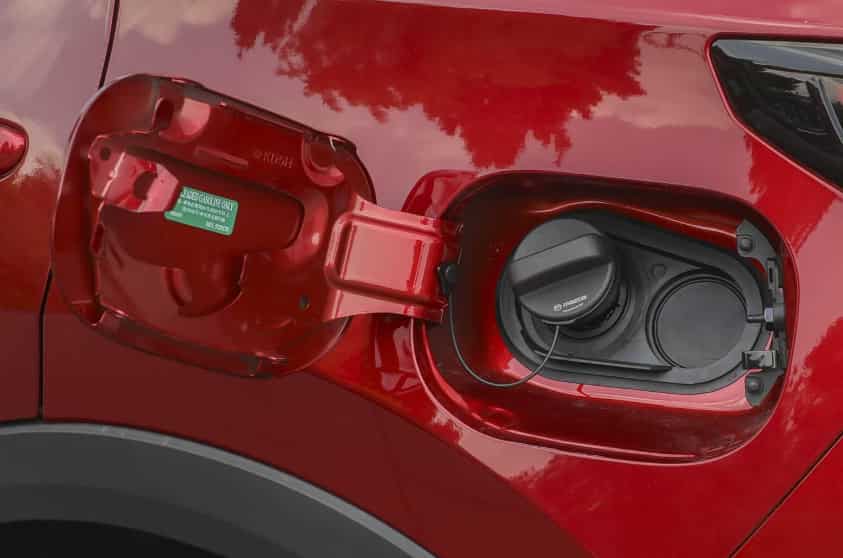
What Gas Type Does the Mazda CX-5 Take?
The Mazda CX-5 uses regular unleaded gasoline for most models. Mazda recommends using fuel with the correct octane rating to support smooth engine operation and consistent performance. For many drivers, regular gasoline provides the right balance between cost and daily driving efficiency.
The recommended Mazda CX-5 gas type depends on the engine configuration. Models with the naturally aspirated Skyactiv-G engine typically run well on regular unleaded fuel. These engines deliver reliable power for commuting, family trips, and everyday driving without requiring premium gasoline.
The turbocharged Mazda CX-5 models follow different fuel recommendations. The Skyactiv-G Turbo engine can produce more power when drivers use higher octane fuel. Premium gasoline helps the turbo engine reach its full performance capability, especially during acceleration and demanding driving conditions.
Many drivers assume that premium fuel always improves vehicle performance. However, that is not true for every Mazda CX-5 model. Using premium gasoline in a standard engine may not create noticeable benefits for normal driving. It can increase fuel costs without providing a significant improvement.
The octane rating also plays an important role in fuel selection. Octane measures a fuel’s ability to resist engine knocking under pressure. Mazda CX-5 owners should always follow the fuel recommendations in their owner’s manual because each engine has specific requirements.
Choosing the right fuel helps the Mazda CX-5 maintain efficient performance and avoid unnecessary expenses. Drivers should focus on their engine type instead of simply choosing the most expensive gasoline option.
Does the Mazda CX-5 Need Premium Gas?
Many Mazda CX-5 owners wonder if premium gasoline is necessary for their SUV. The answer depends on the engine under the hood. Some CX-5 models perform perfectly with regular fuel, while turbocharged versions can take advantage of higher octane gasoline.
The standard Mazda CX-5 with a naturally aspirated Skyactiv-G engine does not require premium gas for normal operation. Regular unleaded gasoline meets the engine’s fuel requirements and allows drivers to enjoy efficient performance during daily use. Commuters and families can choose regular fuel without worrying about engine reliability.
The Mazda CX-5 Turbo follows a different approach. Its Skyactiv-G Turbo engine creates higher power through forced induction technology. Higher octane fuel helps the engine manage increased pressure and deliver stronger acceleration. Drivers who want maximum performance from the turbo model may prefer premium gasoline.
However, premium fuel does not always provide better results for every driver. If you mainly drive in the city, follow normal speed limits, and use a non turbo CX-5, the extra cost may not offer meaningful benefits. Regular gasoline remains a practical choice for many owners.
Fuel costs can add up over time, especially for SUV owners who drive frequently. Choosing premium gasoline for a vehicle that does not need it may increase annual expenses without improving the driving experience. Understanding your CX-5 engine type helps you make a smarter fuel decision.
The best approach is simple. Check your owner’s manual and follow Mazda’s fuel recommendation for your specific model. The right fuel choice helps you balance performance, efficiency, and long term ownership costs.
Mazda CX-5 Fuel Requirements by Engine Type
The Mazda CX-5 fuel requirements change depending on the engine configuration. Mazda offers different powertrain options, and each engine has unique characteristics that affect fuel recommendations. Understanding these differences helps owners choose the right gasoline for better performance and efficiency.
The naturally aspirated Skyactiv-G engine represents the standard option for many Mazda CX-5 models. This engine focuses on efficiency, smooth power delivery, and everyday reliability. Regular unleaded gasoline works well with this engine and supports normal driving needs. Most owners can enjoy a comfortable driving experience without paying extra for premium fuel.
The Skyactiv-G engine uses Mazda’s advanced combustion technology to improve efficiency. The design helps the engine produce strong performance while maintaining reasonable fuel consumption. Drivers who use their CX-5 for commuting, family transportation, and highway trips can rely on regular fuel for daily operation.
The Mazda CX-5 Turbo uses a different engine strategy. The turbocharged Skyactiv-G engine produces more horsepower and torque compared with the naturally aspirated version. Because the turbo system creates higher pressure inside the engine, fuel quality becomes more important.
Higher octane fuel can help the turbo engine deliver stronger performance. Premium gasoline allows the engine to operate closer to its maximum capability, especially during hard acceleration or high load driving. Drivers who enjoy a more responsive driving experience may notice the benefits of using premium fuel.
The best fuel choice depends on your driving habits and engine type. A standard CX-5 owner may prioritize affordability with regular gasoline, while a Turbo owner may choose premium fuel for improved performance. Understanding your specific engine requirements allows you to control fuel costs while maintaining the performance Mazda designed.
Mazda CX-5 MPG and Fuel Economy Insights
Fuel economy plays an important role when choosing a compact SUV. Many buyers look beyond horsepower and design. They also want a vehicle that offers reasonable fuel costs during daily ownership. The Mazda CX-5 delivers a good balance between performance and efficiency through its Skyactiv engine technology.
The Mazda CX-5 MPG rating depends on the engine, drivetrain, and driving conditions. Models with the standard Skyactiv-G engine usually provide better fuel efficiency because they focus on smooth power delivery and lower fuel consumption. Turbocharged models offer more power, but they may use more fuel because of their higher performance capability.
Several factors can affect Mazda CX-5 fuel economy in real world driving. Driving habits play a major role. Smooth acceleration, consistent speeds, and proper vehicle maintenance can help improve gas mileage. Aggressive driving, heavy cargo, and frequent short trips can reduce efficiency.
Tire pressure also affects fuel consumption. Underinflated tires create more resistance and force the engine to work harder. Regular maintenance, including oil changes and air filter checks, helps the engine maintain efficient operation.
The type of gasoline can also influence the driving experience. Regular fuel works well for many Mazda CX-5 models, especially those with naturally aspirated engines. Premium fuel can support stronger performance in turbo models, but it does not always create a major improvement in fuel economy.
Understanding Mazda CX-5 MPG helps owners manage their fuel budget more effectively. The best fuel strategy combines the correct gasoline type with smart driving habits and regular maintenance. This approach allows drivers to enjoy the CX-5 while keeping long term fuel expenses under control.
Regular Gas vs Premium Gas for Mazda CX-5: Which One Should You Use?
Choosing between regular gas and premium gas depends on your Mazda CX-5 engine and driving expectations. Many owners believe premium fuel always provides better results, but the best choice depends on what your vehicle actually needs.
Regular unleaded gasoline offers the most practical option for many Mazda CX-5 drivers. It costs less and works well with naturally aspirated Skyactiv-G engines. Drivers who use their SUV for commuting, errands, and family trips can enjoy reliable performance without paying extra for higher octane fuel.
Premium gasoline offers advantages for Mazda CX-5 Turbo models. The higher octane level helps the turbocharged engine handle increased pressure during operation. This allows the engine to produce stronger performance, especially during acceleration or demanding driving situations.
However, premium fuel does not automatically improve every aspect of the driving experience. A standard CX-5 engine may not deliver noticeable benefits from premium gasoline. The additional cost may only increase your fuel expenses without creating a significant difference in performance.
The decision also depends on your personal driving style. Drivers who value maximum power and enjoy a more responsive feel may prefer premium fuel for the Turbo model. Drivers who focus on affordability and everyday practicality may find regular gasoline provides everything they need.
The most important factor is following Mazda’s recommended fuel guidelines. Using the correct gasoline helps maintain engine performance, improve efficiency, and control ownership costs. Instead of choosing the most expensive fuel, choose the fuel that matches your Mazda CX-5 engine and your driving needs.
How Much Does It Cost to Fuel a Mazda CX-5?
Fuel cost remains one of the most important factors for SUV owners. Many buyers focus on the purchase price but forget about daily running expenses. Understanding Mazda CX-5 fuel costs helps drivers create a more realistic ownership budget.
The cost to fuel a Mazda CX-5 depends on several factors. Gas prices, driving habits, annual mileage, and engine type all affect total fuel expenses. A driver who travels long distances every week will spend more on gasoline than someone who mainly uses the vehicle for short daily trips.
The naturally aspirated Mazda CX-5 usually offers lower fuel costs because it works efficiently with regular unleaded gasoline. This makes it a practical choice for drivers who want dependable performance while keeping monthly expenses manageable.
The Mazda CX-5 Turbo can create higher fuel expenses because some owners choose premium gasoline to access maximum performance. Premium fuel typically costs more than regular gasoline, and the difference can become significant over thousands of miles.
However, fuel type represents only one part of vehicle ownership costs. Maintenance, insurance, driving habits, and vehicle condition also influence the total budget. Choosing the right gasoline can help reduce unnecessary spending while keeping the engine operating properly.
Smart Mazda CX-5 owners focus on efficiency rather than simply choosing the cheapest or most expensive fuel option. The best approach combines the correct fuel type, responsible driving habits, and regular maintenance. This strategy helps drivers enjoy the CX-5 while managing long term ownership expenses.
Common Mazda CX-5 Gas Type Questions Answered
Understanding the correct fuel type helps Mazda CX-5 owners maintain performance and avoid unnecessary expenses. Many drivers still have questions about gasoline requirements, octane ratings, and the difference between regular and premium fuel.
What gas does Mazda CX-5 take?
Most Mazda CX-5 models use regular unleaded gasoline. The exact fuel recommendation depends on the engine configuration. Owners should check their vehicle manual to confirm the correct octane rating for their specific model.
Most standard Mazda CX-5 models do not require premium gasoline. Regular fuel works well for naturally aspirated Skyactiv-G engines. Turbocharged models can benefit from premium fuel because higher octane gasoline supports stronger engine performance.
Can Mazda CX-5 use regular unleaded gas?
Yes, many Mazda CX-5 models can use regular unleaded gasoline. This fuel type meets the requirements of standard engines and provides reliable performance for everyday driving.
What octane fuel is recommended for Mazda CX-5?
The recommended octane level depends on the engine type and model year. Naturally aspirated engines usually operate well with regular unleaded fuel, while turbocharged engines may benefit from higher octane gasoline.
Premium gas can improve performance on Mazda CX-5 Turbo models by helping the engine produce its maximum power output. However, drivers with standard engines may notice little or no difference when using premium fuel.
Is Top Tier gasoline better for Mazda CX-5?
Top Tier gasoline can help maintain engine cleanliness because it contains detergent additives designed to reduce deposits. Choosing a quality fuel source can support long term engine performance, regardless of whether you use regular or premium gasoline.
Conclusion
Choosing the right Mazda CX-5 gas type helps drivers maintain performance, improve efficiency, and manage ownership costs. Most Mazda CX-5 models work well with regular unleaded gasoline, especially those equipped with the naturally aspirated Skyactiv-G engine. This fuel option provides a practical balance between daily performance and affordable driving expenses.
Mazda CX-5 Turbo owners have different considerations. Premium gasoline can help the turbocharged Skyactiv-G engine deliver stronger performance and smoother acceleration. However, premium fuel may not provide significant benefits for drivers who do not need maximum power from their vehicle.
Understanding your engine type remains the most important step when choosing gasoline. The right fuel choice does not always mean choosing the most expensive option. It means selecting the fuel that matches your vehicle’s requirements and your driving habits.
Fuel economy, maintenance, and driving style also influence the total cost of owning a Mazda CX-5. By following Mazda’s fuel recommendations and practicing efficient driving habits, owners can enjoy reliable performance while controlling long term expenses.
Do you drive a standard Mazda CX-5 or a Turbo model? Share your experience with fuel economy and gasoline choices to help other Mazda owners make a better decision.