A comfortable drive can quickly turn into an unpleasant experience when your Mazda 3 AC stops working. Hot weather can make the problem even worse. You turn on the air conditioning system, but the vents only blow warm air instead of cool air.
Many Mazda 3 owners face this issue and worry about expensive repairs. However, Mazda 3 AC Not Working does not always mean you need a new compressor or a major replacement. Several smaller problems can affect AC performance, including low refrigerant, electrical faults, clogged filters, and damaged components.
Finding the real cause helps you avoid unnecessary repairs. A proper diagnosis can save both time and money. It also ensures that your Mazda 3 receives the correct solution instead of temporary fixes.
This guide covers the most common symptoms, causes, and repair options for Mazda 3 AC problems. You will learn how to identify warning signs, understand possible failures, and choose the right approach before visiting a mechanic. Whether your AC blows hot air, has weak airflow, or stops working completely, this article will help you understand the problem and find an effective solution.
Common Symptoms of Mazda 3 AC Not Working
When your Mazda 3 AC stops working, the system usually shows clear warning signs before a complete failure happens. Recognizing these symptoms early can help you find the problem faster and prevent more expensive repairs. Different AC failures create different signs, so paying attention to how your system behaves is important.
One of the most common symptoms is the Mazda 3 AC blowing hot air instead of cold air. You may notice that the fan still works, but the temperature inside the cabin does not improve. This problem often points to issues such as low refrigerant, compressor failure, or a problem with the cooling system.
Another common sign is weak airflow from the AC vents. The system may produce cool air, but the airflow feels too weak to cool the cabin properly. A dirty cabin air filter, blower motor issue, or blocked air passage can reduce the amount of air entering the vehicle.
Some Mazda 3 owners may also notice unusual noises when they turn on the AC. Clicking, grinding, or rattling sounds can indicate problems with the compressor, clutch, or other moving components. These noises often require attention because ignoring them may lead to further damage.
Intermittent cooling is another symptom of Mazda 3 AC problems. The AC may work normally for a short time and then suddenly stop producing cold air. This issue can come from electrical faults, sensor problems, or a failing compressor.
A complete AC failure can also happen when the system does not respond at all. The controls may turn on, but the compressor does not activate and no cold air reaches the cabin. Understanding these symptoms helps Mazda 3 owners take action before a small issue becomes a costly repair.
Common Causes Why Mazda 3 AC Is Not Working
Several problems can cause Mazda 3 AC Not Working issues. The air conditioning system depends on many connected components, and a failure in one area can affect the entire cooling process. Some problems are simple to fix, while others require professional diagnosis and repair.
Understanding the most common causes can help Mazda 3 owners identify the source of the problem and avoid replacing parts unnecessarily.
Low Refrigerant Level
Low refrigerant is one of the most common reasons why a Mazda 3 AC stops cooling properly. The AC system needs refrigerant to remove heat from the cabin and produce cold air. When the refrigerant level becomes too low, the system cannot create enough cooling pressure.
A Mazda 3 with low refrigerant often shows signs such as warm air from the vents, slow cooling performance, or an AC compressor that turns on and off frequently. Some drivers may also notice a hissing sound caused by refrigerant escaping from a leak.
Refrigerant does not normally disappear quickly from a healthy AC system. If the level becomes low, the vehicle may have a leak in areas such as seals, hoses, the condenser, or the evaporator. Simply adding more refrigerant may provide temporary results, but it does not fix the source of the leak.
A proper repair requires a technician to inspect the AC system, locate the leak, repair the damaged component, and recharge the refrigerant to the correct level.
AC Compressor Failure
The AC compressor plays a major role in the cooling process. It compresses refrigerant and moves it through the air conditioning system. When the compressor fails, the Mazda 3 AC may stop producing cold air completely.
A damaged compressor can create several warning signs. You may hear unusual noises when turning on the AC, notice warm air from the vents, or see that the compressor clutch does not engage. In some cases, the compressor may work intermittently before failing completely.
Several issues can cause compressor problems. Low refrigerant can increase stress on the system, while poor lubrication can damage internal components. Electrical failures can also prevent the compressor from receiving the power it needs to operate.
Replacing an AC compressor can be one of the more expensive repairs for a Mazda 3. Because of this, proper diagnosis is important before installing a new unit. A technician should confirm that the compressor has failed and check other related components at the same time.
Electrical and Control System Problems
Electrical issues are another common cause of Mazda 3 AC problems. The air conditioning system depends on several electrical components, including fuses, relays, sensors, wiring, and the climate control module.
A blown AC fuse can stop the system from working completely. In this situation, the AC controls may appear normal, but the compressor will not activate. Replacing a damaged fuse can solve the issue, but repeated fuse failures may indicate a deeper electrical problem.
A faulty AC relay can also prevent the compressor from receiving power. The relay controls the electrical flow to important AC components. When it fails, the AC may stop working suddenly or operate inconsistently.
Wiring problems can create similar symptoms. Damaged wires, loose connections, or corrosion can interrupt communication between different parts of the AC system. These issues often require electrical testing to locate the exact failure point.
The climate control module can also affect AC performance. If the control system does not send the correct signals, the AC may not respond properly to temperature settings or user commands.
Condenser, Evaporator, and Filter Issues
The condenser, evaporator, and cabin air filter all contribute to proper AC performance. Problems with these components can reduce cooling ability and create uncomfortable driving conditions.
The condenser removes heat from the refrigerant before it returns to the AC system. If the condenser becomes dirty, blocked, or damaged, the system may struggle to produce cold air. Road debris and external damage can reduce condenser efficiency over time.
The evaporator absorbs heat from inside the cabin. When the evaporator develops problems, the AC may produce weak cooling or unpleasant odors. In some cases, moisture buildup can also affect performance.
A clogged cabin air filter can restrict airflow through the vents. The AC may still create cold air, but the reduced airflow makes the cabin feel warmer. Replacing the cabin air filter is usually a simple maintenance task that can improve AC performance.
By understanding these common causes, Mazda 3 owners can better identify why their AC system is not working. A careful diagnosis helps prevent unnecessary repairs and ensures the correct solution fixes the actual problem.
How to Troubleshoot Mazda 3 AC Not Working Step by Step
When your Mazda 3 AC is not working, you do not always need to visit a repair shop immediately. A few simple checks can help you understand the possible cause before spending money on repairs. A basic inspection can identify common problems and help you explain the symptoms more clearly to a mechanic.
However, you should avoid replacing major components without proper testing. The AC system contains many connected parts, and one small issue can create symptoms that look like a larger failure.
Check the AC Settings and Temperature Controls
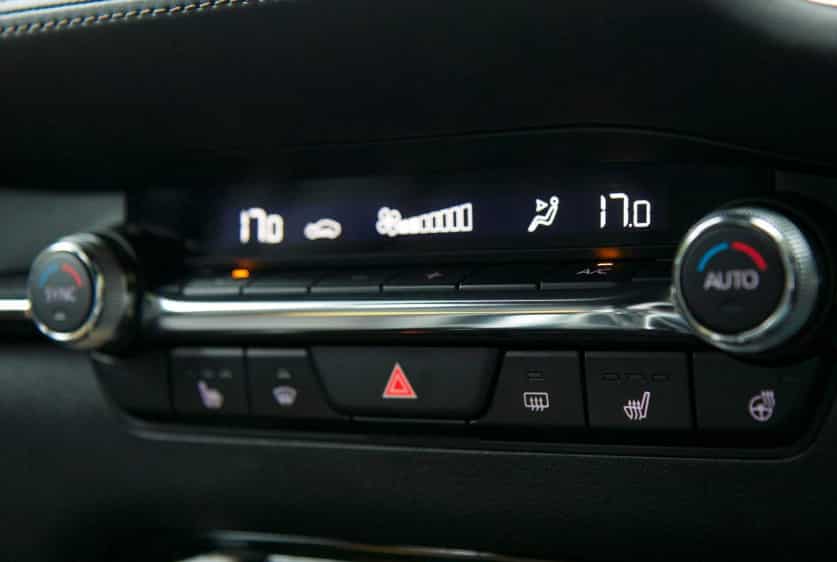
Start with the simplest possible causes. Make sure the AC button is activated and the temperature setting is correctly adjusted. Check whether the system is set to cooling mode instead of heating mode.
You should also test different fan speeds and temperature settings. If the fan works but the air remains warm, the issue may involve refrigerant, the compressor, or another cooling component.
If the control buttons do not respond correctly, the problem may come from the climate control system or an electrical connection.
Inspect the Airflow From the Vents
The airflow strength can provide important clues about the problem. Turn on the AC and check how much air comes from the vents.
Weak airflow often points to a clogged cabin air filter or a blower motor issue. A dirty filter can restrict airflow and reduce the overall cooling performance of your Mazda 3.
If the airflow feels normal but the air is not cold, the problem is likely related to the cooling system rather than the ventilation system.
Check the AC Fuse and Relay
Electrical components play an important role in the operation of your Mazda 3 AC system. A damaged fuse or faulty relay can prevent the compressor from working.
Locate the AC fuse and relay using your vehicle owner’s manual. Inspect the fuse for visible damage and replace it if necessary.
If a new fuse fails again shortly after replacement, do not continue changing fuses. A repeated failure usually indicates an underlying electrical problem that requires professional inspection.
A faulty relay can create similar symptoms. The AC may work occasionally or stop working without warning. Testing the relay can help determine whether it supplies power correctly to the AC system.
Listen for Compressor Activation
The AC compressor should normally engage when you turn on the air conditioning system. You may hear a small clicking sound when the compressor clutch activates.
If you turn on the AC but hear no compressor activity, the system may have a compressor problem, low refrigerant protection, or an electrical issue.
A compressor that makes loud noises can also indicate internal damage. Grinding or unusual mechanical sounds should not be ignored because they may signal a failing component.
Check the Cooling Performance
After running the AC for several minutes, check the temperature of the air coming from the vents. Place your hand near the vent and compare the airflow temperature with normal AC operation.
If the air remains warm, possible causes include low refrigerant, compressor failure, or a blocked component. If the air becomes slightly cool but never reaches a comfortable temperature, the system may have reduced efficiency rather than a complete failure.
The difference between warm air and weak cooling can help narrow down the possible cause.
Look for Signs of Refrigerant Leakage
Low refrigerant is a common reason for Mazda 3 AC Not Working problems. Although you cannot always see refrigerant leaks directly, some warning signs can help identify the issue.
Look for oily residue around AC components, especially near hoses, connections, and the condenser area. A refrigerant leak may also cause the compressor to cycle more frequently than normal.
Do not attempt to refill refrigerant without understanding the cause of the leak. Adding refrigerant without repairing the problem may only provide a temporary improvement.
Know When to Seek Professional Help
Some AC problems require specialized tools and technical knowledge. If basic checks do not identify the issue, a professional technician can perform pressure tests, electrical checks, and system diagnostics.
A proper diagnosis prevents unnecessary part replacements and helps restore your Mazda 3 AC system correctly.
Troubleshooting your Mazda 3 AC Not Working issue step by step can save time and reduce repair costs. Starting with simple checks allows you to understand the problem before making expensive decisions.
Mazda 3 AC Repair Cost: What You Need to Know
The Mazda 3 AC repair cost depends on the cause of the problem, the damaged component, and the required labor. Some AC issues are simple and affordable to fix, while others may require expensive repairs or replacement parts.
A refrigerant recharge is one of the most common services when the AC blows warm air. However, low refrigerant often means the system has a leak. A proper repair should include leak inspection before adding new refrigerant.
Electrical problems can also affect Mazda 3 AC performance. A damaged fuse, faulty relay, or wiring issue may stop the compressor from working. These repairs are usually less expensive than replacing major AC components.
The AC compressor is one of the most costly parts of the system. When the compressor fails, symptoms may include warm air, strange noises, or no cooling at all. The Mazda 3 AC compressor replacement cost can vary depending on the vehicle model year, parts quality, and labor charges.
Other repairs, such as replacing a cabin air filter or fixing condenser problems, may have different costs based on the severity of the issue.
Before spending money on repairs, always get a proper diagnosis. A professional inspection helps identify the real cause of Mazda 3 AC Not Working problems and prevents unnecessary part replacements. Fixing the correct component is the best way to restore reliable cooling performance.
How to Prevent Mazda 3 AC Problems in the Future
Regular maintenance can help prevent many Mazda 3 AC problems and keep the cooling system working efficiently. A well maintained AC system reduces the risk of sudden failures and helps avoid expensive repairs in the future.
One of the simplest maintenance steps is replacing the cabin air filter regularly. A dirty filter can restrict airflow and make the AC system work harder. A clean filter improves air circulation and helps maintain better cooling performance.
Mazda 3 owners should also check the AC system for refrigerant leaks. Low refrigerant can reduce cooling efficiency and may cause additional stress on the compressor. Finding and repairing leaks early can prevent more serious damage.
Keeping the condenser clean is another important step. Dirt, leaves, and road debris can block airflow and reduce the system’s ability to remove heat. Regular inspections can help maintain proper AC performance.
Using the AC system periodically can also keep internal components working correctly. Even during cooler months, running the AC for a short time helps maintain system operation and lubrication.
Finally, schedule professional AC inspections when you notice early warning signs. Weak airflow, unusual noises, or reduced cooling should not be ignored. Early diagnosis can prevent small issues from becoming major Mazda 3 AC Not Working problems.
Proper maintenance protects your vehicle, improves comfort, and helps your Mazda 3 AC system provide reliable cooling for many years.
Conclusion
When you experience Mazda 3 AC Not Working issues, finding the correct cause is the most important step before starting any repair. The problem can come from several sources, including low refrigerant, compressor failure, electrical faults, or blocked AC components.
Understanding the symptoms helps you identify potential problems earlier. Warm air, weak airflow, strange noises, and inconsistent cooling can all provide important clues about the condition of your AC system.
Not every AC problem requires an expensive repair. Simple maintenance tasks, such as replacing the cabin air filter, checking for leaks, and inspecting electrical components, can help maintain reliable performance. However, major issues like compressor failure require proper diagnosis and professional repair.
Ignoring early warning signs may lead to more serious damage and higher repair costs. A timely inspection allows you to fix the real problem and restore comfortable driving conditions.
Have you experienced Mazda 3 AC problems before? Share your symptoms, repair experience, or solution in the comments. Your experience may help other Mazda 3 owners find the right fix faster.