Owning a Mazda 3 is about more than enjoying responsive handling and impressive fuel efficiency. Like any modern vehicle, it depends on regular maintenance to continue performing at its best. Following the correct Mazda 3 Service Schedule helps protect the engine, transmission, braking system, suspension, and other essential components while reducing the risk of unexpected repairs. A well maintained vehicle also delivers better fuel economy, retains a higher resale value, and provides greater confidence every time you get behind the wheel.
Many owners are unsure about what their Mazda 3 actually needs at specific mileage intervals. Some believe an oil change is the only important service, while others pay for maintenance that may not yet be necessary. The confusion becomes even greater because service recommendations can vary depending on the model year, engine type, driving habits, climate, and road conditions. A vehicle that spends most of its time in heavy city traffic often requires more frequent maintenance than one driven primarily on open highways.
This complete guide explains the Mazda 3 Service Schedule by mileage in a clear and practical way. You will learn which maintenance tasks should be completed at every major service interval, why each service matters, and how preventive maintenance helps extend the life of your vehicle. Whether you own a brand new Mazda 3 or a high mileage model, understanding the proper maintenance schedule will help you make informed decisions, avoid unnecessary expenses, and keep your car operating safely and efficiently for many years to come.
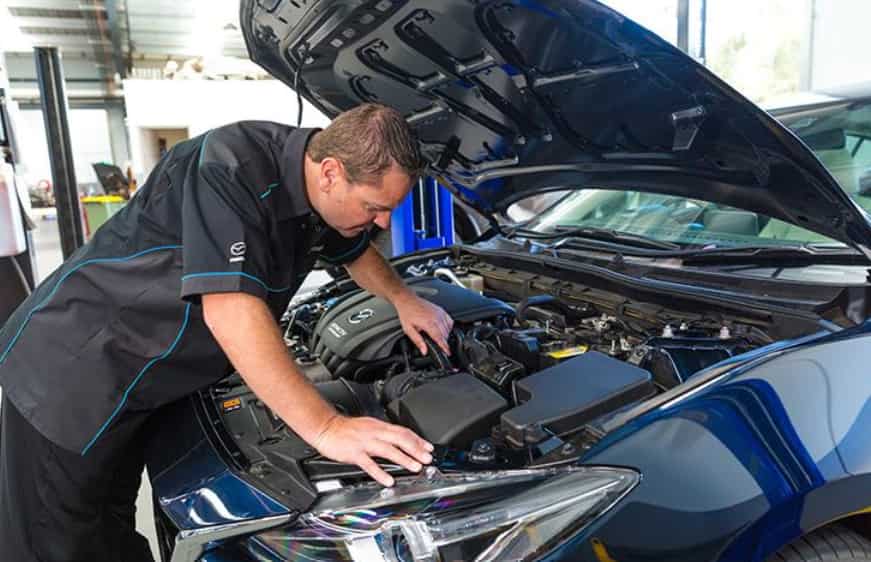
Mazda 3 Service Schedule by Mileage
Following the Mazda 3 Service Schedule is the best way to keep your vehicle reliable, safe, and efficient throughout its lifetime. Every maintenance interval is designed to protect critical components before excessive wear occurs. Although service requirements can vary by model year, engine, transmission, and driving conditions, most Mazda 3 models follow a similar maintenance pattern based on mileage. Staying on schedule helps improve fuel economy, reduce repair costs, and maintain long term resale value.
The table below provides a general overview of the recommended maintenance milestones. It serves as a practical reference for planning future service visits. Always compare these intervals with your owner’s manual because some maintenance items may differ depending on your specific vehicle and operating conditions.
| Mileage | Recommended Maintenance |
|---|---|
| 5,000 Miles | Inspect engine oil, fluid levels, tires, brakes, lights, and wiper blades |
| 10,000 Miles | Change engine oil if required, replace oil filter, rotate tires, and perform a complete vehicle inspection |
| 15,000 Miles | Inspect the braking system, steering, suspension, battery, and drive belts |
| 30,000 Miles | Replace the engine air filter and cabin air filter while inspecting cooling and fuel systems |
| 40,000 Miles | Replace spark plugs on applicable turbocharged models and inspect ignition components |
| 60,000 Miles | Perform a comprehensive inspection of the engine, transmission, cooling system, drivetrain, and battery |
| 75,000 Miles | Replace spark plugs on many naturally aspirated engines and inspect belts, hoses, and ignition coils |
| 100,000 Miles | Complete a high mileage inspection and evaluate major mechanical components |
| 125,000 Miles and Beyond | Continue routine maintenance and monitor aging components for wear |
Following these service intervals consistently allows potential issues to be identified before they become expensive repairs. Preventive maintenance also helps your Mazda 3 deliver dependable performance, better driving comfort, and greater peace of mind every time you are on the road.
What Maintenance Does a Mazda 3 Need?
Routine maintenance keeps your Mazda 3 safe, reliable, and efficient. Every service visit protects important components and helps prevent expensive repairs. Some maintenance tasks require attention at every interval, while others only become necessary as mileage increases. Understanding each service helps you plan ahead and avoid unexpected problems.
Engine oil and the oil filter need regular replacement because clean oil lubricates moving parts and reduces friction. Fresh oil also helps control engine temperature and improves overall performance. Tire rotation is another essential service. It promotes even tread wear, improves handling, and extends tire life. During every inspection, technicians should also check the brakes, steering, suspension, battery, lights, and fluid levels to confirm that everything works correctly.
As your Mazda 3 accumulates more miles, additional components require attention. Replace the engine air filter and cabin air filter when they become dirty to maintain engine performance and improve cabin air quality. Inspect the spark plugs regularly because worn plugs can reduce fuel efficiency, cause rough idling, and affect acceleration. Technicians should also inspect the cooling system, drive belts, hoses, and other fluids for signs of wear before small issues become costly repairs.
Following the Mazda 3 Service Schedule does more than keep the vehicle running smoothly. It helps identify potential problems early, improves long term reliability, supports better fuel economy, and protects resale value. Consistent maintenance also gives you greater confidence every time you drive your vehicle.
Major Mazda 3 Maintenance Milestones
Every Mazda 3 reaches important maintenance milestones as mileage increases. Each interval focuses on different components because parts wear at different rates. Following these milestones helps prevent unexpected breakdowns and keeps the vehicle performing at its best.
The first major milestone usually arrives between 5,000 and 10,000 miles. At this stage, routine maintenance focuses on replacing the engine oil when required, installing a new oil filter, rotating the tires, and inspecting the brakes, steering, suspension, and fluid levels. These services protect the engine and help technicians identify early signs of wear.
Around 30,000 miles, the maintenance schedule becomes more comprehensive. Replace the engine air filter and cabin air filter if they have reached the end of their service life. Inspect the cooling system, drive belts, battery, brake components, and fuel lines. A detailed inspection at this mileage helps maintain fuel efficiency and reduces the risk of future mechanical problems.
At approximately 60,000 miles, several major systems deserve closer attention. Inspect the transmission, cooling system, suspension, drivetrain, and battery. Technicians should also evaluate the condition of important fluids and recommend additional service if necessary. This milestone plays a key role in extending the vehicle’s lifespan.
When the odometer reaches 100,000 miles or more, focus on long term reliability. Inspect engine mounts, wheel bearings, suspension components, hoses, and the cooling system for age related wear. Continue following the regular maintenance schedule because consistent service remains the best way to improve reliability, reduce repair costs, and keep your Mazda 3 operating safely for many years.
Normal vs Severe Driving Conditions
Driving conditions have a direct impact on how often your Mazda 3 needs maintenance. Many owners only look at the mileage, but daily driving habits also affect the condition of the engine, brakes, transmission, and other important components. Understanding the difference between normal and severe driving helps you choose the right service interval and avoid unnecessary wear.
Normal driving usually includes steady highway travel, moderate traffic, and consistent operating temperatures. Under these conditions, the engine reaches its normal temperature quickly and experiences less stress. Components such as the brakes, tires, and suspension also wear more slowly, allowing you to follow the standard Mazda 3 Service Schedule.
Severe driving places much greater demands on the vehicle. Frequent short trips prevent the engine from reaching its ideal operating temperature. Heavy stop and go traffic increases brake wear and places extra stress on the transmission. Dusty roads can clog air filters more quickly, while extreme heat or freezing temperatures can shorten the life of fluids, batteries, and rubber components. Towing heavy loads or driving through mountainous areas also increases mechanical stress.
If you regularly drive under severe conditions, inspect your vehicle more often and complete routine maintenance sooner than the standard schedule suggests. More frequent oil changes, tire inspections, and brake checks can reduce long term repair costs and improve overall reliability. Paying attention to your driving environment helps keep your Mazda 3 performing safely and efficiently throughout its service life.
Mazda 3 Maintenance Checklist
Keeping a maintenance checklist makes it easier to stay on schedule and avoid missing important services. Regular inspections also help detect small issues before they turn into costly repairs. Use the checklist below as a simple reference before and after each scheduled service.
| Maintenance Item | Recommended Action |
|---|---|
| Engine oil | Check the level regularly and replace the oil according to the recommended service interval. |
| Oil filter | Replace the filter whenever you change the engine oil. |
| Tires | Inspect tire pressure, check tread depth, and rotate the tires at the recommended interval. |
| Brakes | Inspect brake pads, rotors, and brake fluid during routine maintenance. |
| Engine air filter | Replace the filter when it becomes dirty or reaches the recommended mileage. |
| Cabin air filter | Replace the filter to maintain clean cabin air and efficient climate control. |
| Battery | Check battery condition, clean the terminals, and inspect the charging system. |
| Coolant | Inspect the coolant level and check for leaks or signs of contamination. |
| Drive belts | Look for cracks, fraying, or excessive wear during every major service. |
| Hoses | Inspect all hoses for leaks, swelling, or deterioration. |
| Suspension | Check shocks, struts, bushings, and steering components for wear. |
| Exterior lights | Test all lights to ensure proper visibility and safe driving. |
| Windshield wipers | Replace worn blades to maintain clear visibility in wet weather. |
| Fluid levels | Inspect brake fluid, washer fluid, and other essential fluids at every service visit. |
Following this checklist helps you keep accurate maintenance records and reduces the chance of overlooking important services. Consistent inspections also improve reliability, support better fuel efficiency, and extend the lifespan of major vehicle components. By combining this checklist with the recommended Mazda 3 Service Schedule, you can maintain your vehicle with greater confidence and minimize unexpected repair expenses.
Mazda Dealer Service vs Independent Repair Shop
Choosing where to service your Mazda 3 is just as important as following the correct maintenance schedule. Both dealerships and independent repair shops offer valuable benefits. The right choice depends on your budget, the age of your vehicle, and the type of service you need.
A Mazda dealership has factory trained technicians who understand Mazda vehicles and use manufacturer approved repair procedures. Dealerships also have access to the latest technical information, software updates, and specialized diagnostic equipment. They often install genuine Mazda parts, which helps maintain original performance and supports warranty requirements for newer vehicles.
An independent repair shop can provide high quality service at a lower cost. Many experienced mechanics have extensive knowledge of Mazda models and use reliable replacement parts that meet industry standards. Independent shops also offer greater flexibility and may complete routine maintenance more quickly than a busy dealership.
Some maintenance tasks are suitable for owners who have the proper tools and experience. Checking tire pressure, replacing windshield wiper blades, changing the cabin air filter, and inspecting fluid levels are common examples. However, more complex repairs require professional knowledge and specialized equipment. Brake repairs, transmission work, engine diagnostics, and cooling system repairs demand accurate testing and proper installation procedures.
No matter where you choose to service your vehicle, follow the recommended Mazda 3 Service Schedule and keep detailed maintenance records. A complete service history helps protect resale value, supports warranty claims when applicable, and makes it easier to track future maintenance. Regular service from a qualified technician remains one of the best investments you can make in the long term reliability of your Mazda 3.
Common Mazda 3 Maintenance Mistakes
Many Mazda 3 owners enjoy years of reliable performance because they follow a consistent maintenance routine. However, small mistakes can reduce vehicle reliability, increase repair costs, and shorten the lifespan of important components. Understanding these common mistakes helps you protect your investment and keep your Mazda 3 running smoothly.
One of the most common mistakes is delaying engine oil changes. Some drivers wait until they notice performance issues or warning lights. However, old oil loses its ability to protect internal engine parts. Regular oil changes help reduce friction, maintain engine cleanliness, and support long term performance.
Another mistake involves ignoring tire maintenance. Many owners check tire pressure only when they notice a problem. Incorrect tire pressure can affect handling, fuel economy, and tire lifespan. Regular tire rotation and inspections help prevent uneven wear and improve driving safety.
Some drivers also overlook small warning signs. Strange noises, unusual vibrations, fluid leaks, or changes in fuel efficiency often indicate developing problems. Addressing these issues early can prevent more expensive repairs in the future.
Using incorrect fluids or poor quality replacement parts can also affect vehicle performance. Mazda 3 owners should always choose products that meet the required specifications for their specific model. The wrong oil, coolant, or filter can reduce efficiency and create unnecessary wear.
Finally, many owners fail to keep complete maintenance records. Service history helps track completed repairs, plan future maintenance, and protect resale value. By avoiding these common mistakes and following the Mazda 3 Service Schedule, owners can enjoy better reliability, lower ownership costs, and a safer driving experience.
How Much Does Mazda 3 Scheduled Maintenance Cost?
The cost of maintaining a Mazda 3 depends on several factors, including the vehicle’s model year, mileage, location, driving habits, and service provider. Compared with many vehicles in the compact car segment, the Mazda 3 generally offers reasonable maintenance costs because of its strong reliability and efficient design. However, owners should still plan for routine services and occasional repairs as the vehicle ages.
Basic maintenance usually includes engine oil changes, tire rotation, fluid inspections, and general safety checks. These services represent the most common expenses during the early years of ownership. As mileage increases, costs may rise because additional components require attention, such as air filters, cabin filters, spark plugs, brakes, and cooling system parts.
Several factors can influence the final service price. Dealership maintenance often costs more because it includes factory trained technicians, specialized equipment, and genuine Mazda parts. Independent repair shops may offer lower labor rates while still providing quality service. The type of engine also affects costs because turbocharged models may require different maintenance procedures compared with naturally aspirated versions.
Owners can reduce long term maintenance expenses by following the Mazda 3 Service Schedule, addressing small problems early, and keeping accurate service records. Preventive maintenance helps avoid major failures that can create expensive repair bills. Regular inspections also allow technicians to identify worn components before they affect other systems.
The best approach is to view maintenance as an investment rather than an expense. A consistent service routine improves reliability, protects vehicle value, and helps your Mazda 3 deliver dependable performance for many years.
Frequently Asked Questions
How often should a Mazda 3 be serviced?
A Mazda 3 should receive regular maintenance based on mileage, time, and driving conditions. Most owners should follow the recommended service intervals in their owner’s manual. Routine inspections, oil changes, tire care, and fluid checks help maintain reliability and prevent expensive repairs.
How often should I change the oil in my Mazda 3?
The oil change interval depends on the model year, engine type, oil specification, and driving conditions. Many Mazda 3 models follow a regular oil service schedule based on mileage or time. Drivers who experience severe conditions, such as frequent short trips or heavy traffic, may need more frequent oil changes.
When should Mazda 3 spark plugs be replaced?
Spark plug replacement depends on the engine configuration and maintenance requirements for your specific model. Some turbocharged engines require earlier replacement, while naturally aspirated engines may have longer intervals. Check your owner’s manual for the exact recommendation.
Does the Mazda 3 need transmission fluid changes?
Transmission fluid service depends on the model year, transmission type, and manufacturer recommendations. Owners should follow Mazda’s official maintenance guidance rather than replacing fluid based only on mileage assumptions.
When should I replace the Mazda 3 air filter?
The engine air filter should be inspected regularly and replaced when it becomes dirty or restricted. A clogged filter can reduce airflow, affect fuel efficiency, and limit engine performance.
What does the maintenance wrench light mean on a Mazda 3?
The maintenance wrench light reminds drivers that scheduled service may be due. It does not always indicate a mechanical failure. Check the maintenance information and schedule the recommended service when the reminder appears.
Is Mazda dealership service required for maintenance?
Mazda dealership service is not always required for routine maintenance. Qualified independent repair shops can also perform many services. However, owners should keep detailed records and use parts and fluids that meet Mazda specifications.
How can I make my Mazda 3 last longer?
The best way to extend Mazda 3 lifespan is to follow the recommended maintenance schedule, perform regular inspections, address problems early, and maintain proper tire pressure. Consistent care helps protect major systems and improves long term reliability.
Conclusion
Following the Mazda 3 Service Schedule is one of the most effective ways to protect your vehicle’s performance, reliability, and long term value. Regular maintenance does more than replace worn parts. It helps identify potential issues early, improves driving confidence, and reduces the chance of unexpected repair costs.
Every Mazda 3 has different maintenance needs based on mileage, model year, engine type, driving habits, and environmental conditions. Simple services such as oil changes, tire rotations, inspections, and filter replacements play an important role in keeping the vehicle efficient and dependable. As mileage increases, paying attention to major service milestones helps protect important systems such as the engine, transmission, brakes, and suspension.
A well maintained Mazda 3 can provide many years of enjoyable ownership. The key is consistency. Keep accurate service records, follow the recommended maintenance intervals, and address small concerns before they become larger problems.
Whether you visit a Mazda dealership or a trusted independent repair shop, staying proactive with maintenance remains the best strategy. Review your current mileage, check your owner’s manual, and plan your next service before your vehicle reaches its next maintenance milestone. A proper maintenance routine today can help your Mazda 3 deliver reliable performance for many years ahead.