Power folding mirrors are one of the most convenient features available on modern GMC Sierra trucks. With the press of a button, the mirrors fold neatly against the doors, helping protect them from damage in tight parking spaces, narrow garages, or busy city streets. For owners who frequently tow trailers or drive in crowded areas, this feature is more than just a luxury. It adds convenience, safety, and peace of mind.
However, it can be frustrating when your GMC Sierra power folding mirrors are not working as expected. The mirrors may refuse to fold, stop halfway through the movement, make clicking or grinding noises, or only one side may respond. In some cases, the mirrors work intermittently, making the problem even more difficult to diagnose. While these symptoms can be alarming, they do not always mean you need to replace the entire mirror assembly.
Power folding mirror problems can result from something as simple as a blown fuse or dirty mirror pivot, but they may also point to worn actuators, damaged wiring, faulty door control modules, or software issues within the Body Control Module (BCM). Understanding the root cause is the key to avoiding unnecessary repairs and expensive replacement parts.
This guide explains the 12 most common causes of GMC Sierra power folding mirror failures, provides step by step troubleshooting instructions, outlines practical DIY fixes, and discusses typical repair costs. Whether you own a recent GMC Sierra 1500, 2500HD, or 3500HD, this article will help you diagnose the issue systematically and determine the most effective solution before scheduling a visit to the repair shop.
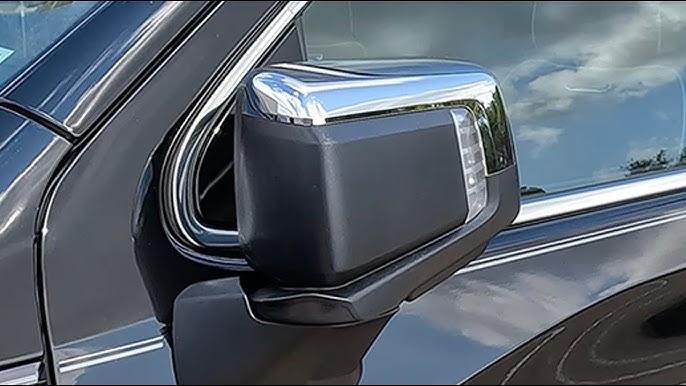
How Do GMC Sierra Power Folding Mirrors Work?
Before troubleshooting a malfunction, it helps to understand how the power folding mirror system operates. The system is not controlled by a single motor alone. Instead, several electrical and mechanical components work together to fold and unfold the mirrors smoothly whenever the driver presses the mirror fold button or activates the automatic folding feature.
The process begins with the mirror control switch located on the driver’s door panel. When the switch is activated, it sends an electrical signal to the Door Control Module (DCM). The DCM communicates with the Body Control Module (BCM), which verifies that operating conditions are correct before supplying power to the mirror actuator and folding motor.
Inside each mirror housing is a compact electric motor connected to a gear-driven actuator. The motor provides the rotational force, while the actuator converts that force into the movement needed to fold or unfold the mirror. Because the gears are subjected to repeated use and changing weather conditions, they are among the most common components to wear over time.
Power reaches the mirrors through a dedicated wiring harness that passes from the vehicle body into the driver’s and passenger’s doors. Since these wires flex every time the doors are opened and closed, they can eventually crack or break internally. Even a single damaged wire may interrupt communication or prevent the motor from receiving enough voltage to operate correctly.
A dedicated fuse protects the entire mirror circuit from electrical overload. If excessive current flows because of a short circuit or a seized motor, the fuse blows to prevent further damage. Replacing the fuse may restore operation, but if it blows again immediately, there is usually a deeper electrical issue that needs attention.
Many newer GMC Sierra models also include memory mirrors. These systems store preferred mirror positions for different drivers and automatically return the mirrors to their saved positions after the vehicle is unlocked. The memory function works alongside the power folding feature, meaning software glitches or calibration errors can sometimes cause folding problems even when the mechanical components remain in good condition.
Because multiple electronic modules, motors, sensors, and wiring connections are involved, diagnosing a power folding mirror problem requires a systematic approach. Understanding how each component contributes to the system makes it much easier to identify whether the fault is mechanical, electrical, or software related.
Symptoms of a Faulty Power Folding Mirror
Power folding mirror problems rarely appear without warning. In many cases, the mirrors begin showing intermittent issues before failing completely. Recognizing these symptoms can help narrow down the source of the problem and prevent unnecessary replacement of expensive components.
One of the most common symptoms is that the mirrors no longer fold when the control button is pressed. The mirrors may remain completely stationary, even though other mirror functions such as glass adjustment or heating continue to work normally. This often points to a failed folding motor, damaged wiring, or a blown fuse.
Another frequent complaint is that only one mirror folds while the other remains fixed. When only the driver’s side or passenger’s side mirror is affected, the issue is usually isolated to that mirror assembly, its wiring, or its actuator rather than the entire control system.
Some owners notice that the mirrors begin folding but stop halfway through the movement. This symptom often indicates worn internal gears, excessive resistance caused by dirt or corrosion, or a weakening motor that no longer produces enough torque to complete the folding cycle.
Clicking noises coming from inside the mirror housing are another common warning sign. The sound usually comes from stripped plastic gears or a damaged actuator attempting to move the mirror. Although the motor is still receiving power, the mechanical components inside the mirror cannot transfer that power effectively.
Grinding noises are generally more serious because they indicate metal or plastic components rubbing against each other inside the mirror assembly. Continued operation under these conditions can permanently damage the motor and gear mechanism.
Some mirrors unfold unexpectedly after being folded or repeatedly cycle between folded and unfolded positions. This behavior often results from faulty position sensors, software calibration issues, or communication problems between the Door Control Module and the Body Control Module.
Cold weather may introduce another symptom where the mirrors appear completely stuck during freezing temperatures. Ice accumulation around the pivot point can prevent normal movement even when the electrical system is functioning properly. Attempting to force the mirrors open by hand in these conditions may damage the actuator or break internal gears.
Intermittent operation is often the most difficult symptom to diagnose. The mirrors may work perfectly for several days before suddenly failing again. This usually suggests loose electrical connectors, partially broken wiring inside the door hinge area, moisture intrusion, or an electronic control module beginning to fail.
Carefully observing exactly how the mirrors behave provides valuable diagnostic clues. Whether the mirrors make noise, stop halfway, work only on one side, or fail completely will help determine which component should be inspected first.
12 Common Causes of GMC Sierra Power Folding Mirrors Not Working
1. Blown Fuse
A blown fuse is one of the simplest and most common reasons why GMC Sierra power folding mirrors stop working. Every electrical circuit in the vehicle is protected by fuses designed to interrupt power when excessive current is detected. This protection prevents overheating, damaged wiring, and potential electrical fires.
When the mirror fuse blows, the folding function usually stops working immediately. Depending on the vehicle configuration, other mirror features such as glass adjustment or heating may continue to operate because they are protected by separate circuits. This often confuses owners into believing the mirror motor has failed when the actual problem is only a small fuse.
Several factors can cause the mirror fuse to fail. A seized mirror motor that draws excessive current is one possibility. Damaged wiring inside the door harness can also create a short circuit that instantly blows the fuse. Water intrusion inside the mirror housing or corrosion in electrical connectors may also increase electrical resistance and overload the circuit.
To inspect the fuse, locate the fuse box specified in your GMC Sierra owner’s manual. Remove the designated mirror fuse using a fuse puller and examine the metal strip inside. If the strip is broken or burned, replace the fuse with another one of exactly the same amperage rating. Never install a higher-rated fuse because doing so removes the circuit’s designed protection and may cause severe electrical damage.
If the replacement fuse blows again shortly after installation, avoid repeatedly replacing it. A recurring blown fuse almost always indicates an underlying electrical fault that requires further diagnosis, such as damaged wiring, a shorted mirror motor, or a malfunctioning control module.
Checking the fuse should always be the first troubleshooting step because it requires only a few minutes and may solve the problem without the need for expensive repairs.
2. Faulty Mirror Switch
The mirror control switch serves as the driver’s primary interface with the power folding mirror system. Every time the fold button is pressed, the switch sends an electrical signal requesting the Door Control Module to activate the mirror motors. If the switch fails internally, that signal may never reach the control module, leaving the mirrors completely unresponsive.
Like any frequently used electrical component, the mirror switch experiences wear over time. Thousands of button presses, exposure to dust, spilled liquids, humidity, and temperature changes can gradually damage the internal contacts. In some cases, oxidation builds up on the contacts, creating increased electrical resistance that causes intermittent operation.
Common symptoms of a faulty mirror switch include mirrors that respond only after pressing the button multiple times, mirrors that work only in one direction, or a complete loss of the folding function while other electrical systems continue operating normally. Sometimes applying pressure at a specific angle temporarily restores operation, another indication that the internal contacts are worn.
Diagnosing the switch begins with a careful visual inspection. Check for loose buttons, cracked plastic, signs of liquid damage, or excessive dirt around the switch assembly. A multimeter can then be used to verify continuity while the button is pressed. If the switch fails to provide consistent electrical continuity, replacement is usually the most reliable solution.
Fortunately, replacing the mirror switch is generally straightforward. The driver’s door trim panel or switch bezel is removed, the electrical connector is unplugged, and a new OEM or high-quality replacement switch is installed. Once installed, the system typically requires no additional programming, allowing normal mirror operation to resume immediately if the switch was the source of the problem.
3. Bad Mirror Motor
The mirror motor is the component responsible for generating the mechanical force that folds and unfolds the mirror assembly. Every time the folding feature is activated, the motor rotates a series of gears connected to the actuator. Because it performs the actual physical movement, it is one of the hardest-working parts of the entire mirror system.
Over years of operation, the electric motor gradually wears out. Internal brushes can deteriorate, bearings may develop excessive friction, and moisture can enter the motor housing through damaged seals. Exposure to rain, road salt, snow, and repeated temperature fluctuations accelerates corrosion and reduces the motor’s lifespan.
A failing mirror motor often produces noticeable warning signs before it stops working completely. You may hear a humming sound without any mirror movement, indicating that the motor is receiving power but lacks sufficient torque to move the mechanism. In other cases, the motor may operate very slowly, stop midway through the folding cycle, or require several attempts before completing the movement. Eventually, the motor may become completely silent, signaling total internal failure.
Testing the mirror motor usually involves removing the mirror assembly and checking whether voltage reaches the motor connector when the fold button is pressed. If the correct voltage is present but the motor fails to operate, the motor itself is likely defective. If no voltage reaches the connector, the fault is more likely located in the wiring, switch, fuse, or control module.
Because the mirror motor is integrated into the mirror assembly on many GMC Sierra models, replacing it may require partial disassembly of the mirror housing or, in some cases, replacement of the complete mirror assembly. Although this repair is more expensive than replacing a fuse or switch, installing a quality OEM component helps restore reliable operation and reduces the likelihood of future failures caused by inferior aftermarket parts.
4. Broken Mirror Actuator
While the mirror motor provides the rotational force, the actuator is responsible for converting that force into the precise movement that folds and unfolds the mirror. Inside the actuator are several plastic and metal gears that work together to move the mirror smoothly. After years of repeated use, these gears can wear down, crack, or even break completely.
A damaged actuator often produces symptoms that differ slightly from those of a failed motor. For example, you may hear the motor running normally, but the mirror barely moves or does not move at all. This occurs because the motor is still generating power, but the damaged gears are no longer capable of transferring that power to the mirror housing.
Plastic gears are particularly vulnerable to wear because they experience constant stress every time the mirrors are folded. Cold temperatures can make the plastic more brittle, increasing the likelihood of cracked or stripped teeth. Dirt, road debris, and dried lubricant inside the hinge mechanism can also increase resistance, forcing the actuator to work harder than intended and accelerating gear wear.
In some situations, the actuator may partially fail, allowing the mirror to fold only halfway before becoming stuck. The mirror might also require several button presses before completing its movement, indicating that the internal gears are slipping under load.
Inspecting the actuator generally requires removing the mirror housing. Once opened, look for broken gear teeth, excessive play in the linkage, damaged pivot components, or signs of corrosion. If significant internal damage is found, replacing the actuator is usually more reliable than attempting to repair individual gears.
Using an OEM actuator helps ensure smooth operation and proper compatibility with the mirror’s electronic control system. Although some aftermarket repair kits include replacement gears, their long-term durability may vary depending on material quality and manufacturing precision.
5. Wiring Damage in the Door Harness
Electrical wiring problems are among the most overlooked causes of power folding mirror failures. Every time the driver’s or passenger’s door is opened and closed, the wiring harness that connects the door to the vehicle body bends repeatedly. After thousands of cycles, individual wires inside the protective rubber boot may begin to crack or break internally.
Unlike a completely disconnected wire, a partially broken conductor can create intermittent electrical problems that are difficult to diagnose. The mirrors may function normally one day and fail the next depending on door position, temperature, or vibration while driving.
Broken wires commonly interrupt power delivery to the mirror motor or disrupt communication between the mirror switch, Door Control Module, and Body Control Module. As a result, the mirrors may stop responding, operate only occasionally, or work only when the door is held in a certain position.
Moisture intrusion can make the problem even worse. If water enters the rubber boot or electrical connectors, corrosion gradually develops on the terminals. Corroded connections increase electrical resistance, reducing the voltage available to the mirror motor. Even a small voltage drop may prevent the motor from generating enough torque to fold the mirrors properly.
Diagnosing wiring damage begins with a careful visual inspection of the flexible rubber conduit between the door and the vehicle body. Pull the boot back gently and examine each wire for cracked insulation, stretched conductors, corrosion, or signs of previous repairs. A multimeter can then be used to perform continuity testing on individual circuits while gently flexing the harness to reveal intermittent breaks.
If damaged wiring is discovered, replacing the affected section or installing a manufacturer-approved repair harness is recommended. Twisting wires together with electrical tape may provide only a temporary solution and often leads to recurring problems due to vibration and moisture exposure.
Properly repaired wiring restores stable voltage and reliable communication throughout the mirror system, eliminating one of the most common hidden causes of intermittent mirror operation.
6. Loose Electrical Connector
Even when the wiring itself is in good condition, a loose or contaminated electrical connector can prevent the power folding mirrors from operating correctly. Every connection in the mirror system relies on clean, secure electrical contact to deliver power and communication signals between the switch, control modules, and mirror motor.
Over time, connectors can loosen because of vibration, repeated door movement, or previous repair work. Moisture entering the connector may also lead to corrosion on the terminals. Corrosion creates additional electrical resistance, reducing the amount of current reaching the mirror motor and causing inconsistent operation.
A loose connector often produces intermittent symptoms. The mirrors may function normally after starting the vehicle but suddenly stop responding later in the drive. In some cases, lightly closing the door or driving over rough roads may temporarily restore or interrupt operation as the connector shifts position.
When inspecting connectors, disconnect the battery if recommended by the service manual, then unplug each connector associated with the mirror assembly and door wiring. Examine both sides for bent pins, green or white corrosion deposits, dirt, moisture, or signs of overheating such as melted plastic. Any damaged terminals should be replaced rather than forced back into position.
Cleaning mildly corroded connectors with an approved electrical contact cleaner and allowing them to dry completely before reconnecting can often restore reliable electrical contact. Applying a small amount of dielectric grease to the terminals also helps protect against future moisture intrusion without interfering with electrical conductivity.
After reconnecting each connector, ensure that the locking tabs engage fully. A connector that appears connected but is not completely seated may still create intermittent faults that are difficult to reproduce during diagnosis.
Because connector issues can mimic more serious electrical failures, they should always be inspected before replacing expensive components such as the mirror motor, actuator, Door Control Module, or Body Control Module. Spending a few minutes checking every connection may save hundreds of dollars in unnecessary repairs.
7. Door Control Module Failure
The Door Control Module (DCM) plays a critical role in the operation of your GMC Sierra’s power folding mirrors. Rather than sending power directly from the mirror switch to the mirror motor, the system relies on the DCM to interpret the driver’s command and coordinate communication with the Body Control Module (BCM). Once the request is verified, the DCM activates the appropriate circuit that powers the mirror motor.
When the Door Control Module begins to fail, the mirror system can display a wide range of unpredictable symptoms. The mirrors may stop responding completely, fold only occasionally, or operate with noticeable delays after pressing the switch. In some cases, one mirror functions normally while the other remains inoperative because each door has its own control electronics.
A faulty DCM may also affect other door-related features. If your power windows, power locks, memory seats, mirror adjustment, or puddle lights begin acting abnormally at the same time, the problem is more likely related to the module rather than the mirror assembly itself.
Electrical damage is one of the leading causes of DCM failure. Water intrusion inside the door panel, corrosion on module connectors, voltage spikes from a weak battery, or damaged wiring can all interfere with normal module operation. Internal electronic components may also fail simply because of age and prolonged exposure to heat and vibration.
Diagnosing a defective Door Control Module usually requires a professional scan tool capable of communicating with the vehicle’s onboard control network. Diagnostic Trouble Codes (DTCs) related to door electronics, communication failures, or mirror control circuits can help identify whether the module is functioning correctly.
Before replacing the DCM, technicians typically verify that power, ground, and communication signals are present at the module connectors. Replacing the module without confirming these basic electrical conditions may not solve the problem if the real issue lies elsewhere in the wiring harness.
If replacement becomes necessary, the new Door Control Module often requires programming or configuration using GM-approved diagnostic equipment. Without proper programming, the module may not communicate correctly with the BCM or recognize vehicle-specific features such as memory mirrors and automatic folding functions.
Because module replacement involves both hardware and software, it is generally recommended only after simpler causes such as blown fuses, damaged wiring, loose connectors, and faulty mirror switches have been ruled out.
8. BCM Software Issue
Not every power folding mirror problem is caused by a broken mechanical component. In many newer GMC Sierra models, software plays an equally important role in controlling electronic features. The Body Control Module (BCM) acts as the central controller for numerous vehicle systems, including lighting, security, keyless entry, memory settings, and power folding mirrors.
Occasionally, software errors inside the BCM can interrupt communication between the mirror switch, Door Control Module, and mirror motors. When this happens, the mirrors may stop responding even though every electrical and mechanical component remains in good working condition.
One common symptom of a BCM software issue is intermittent mirror operation. The mirrors may work perfectly after starting the truck, then suddenly stop functioning after several minutes of driving. In other cases, the mirrors may fail only after disconnecting the battery, replacing electrical components, or updating vehicle settings.
Memory mirror functions can also become affected. The mirrors may no longer return to their saved positions, automatic folding when locking the vehicle may stop working, or driver profiles may fail to recall mirror settings correctly.
Manufacturers periodically release software updates that address known electronic issues discovered after vehicles enter production. These updates may improve communication between modules, correct programming errors, or resolve intermittent faults that cannot be repaired by replacing physical components.
If a software issue is suspected, a dealership or qualified repair facility can connect the vehicle to GM’s diagnostic system to check the current BCM software version. If an update is available, reprogramming the module may restore normal mirror operation without replacing any hardware.
In some situations, a simple module reset can temporarily resolve software glitches. Disconnecting the battery for several minutes or performing the manufacturer’s recommended reset procedure may clear temporary faults. However, if the problem repeatedly returns, a permanent software update is usually the better solution.
Ignoring software-related issues may eventually affect additional electronic systems beyond the mirrors. For this reason, keeping the BCM updated according to manufacturer recommendations helps ensure reliable operation of the vehicle’s increasingly sophisticated electrical systems.
9. Frozen or Dirty Mirror Pivot
Environmental conditions can have a significant impact on the performance of power folding mirrors. Even when every electrical component is functioning correctly, the mirrors may still refuse to fold if the pivot mechanism becomes obstructed by dirt, ice, corrosion, or hardened debris.
The mirror pivot is designed to move smoothly through a limited range of motion. Over time, dust, road grime, tree sap, mud, and salt accumulate around the hinge area. These contaminants gradually increase friction, forcing the mirror motor and actuator to work harder each time the mirrors fold or unfold.
Winter conditions create an even greater challenge. Snow and freezing rain can cause ice to form around the mirror pivot. If the folding function is activated while the mirror is frozen in place, the motor may stall or repeatedly attempt to move the mirror without success. Continued operation under these conditions places excessive stress on the gears and actuator, increasing the risk of permanent mechanical damage.
Owners often mistake a frozen mirror for an electrical failure because pressing the fold button produces little or no movement. In some cases, a faint humming sound can be heard as the motor struggles against the frozen mechanism. Repeated clicking noises may indicate that the gears are slipping because the mirror cannot rotate.
Inspect the pivot area carefully for visible dirt, corrosion, or ice buildup. If ice is present, avoid forcing the mirror by hand. Instead, allow the vehicle to warm up naturally or use a safe automotive de-icing product specifically designed for exterior components. Excessive force can crack the mirror housing or strip the internal gears.
After cleaning the pivot, apply a high-quality silicone-based lubricant to the moving parts. Silicone lubricants repel moisture without attracting dirt, making them ideal for exterior automotive components. Avoid heavy grease products because they tend to collect dust and debris over time, eventually creating even greater resistance.
Regular cleaning during routine vehicle washing can significantly extend the life of the folding mechanism. Removing accumulated road salt and debris before they harden reduces stress on the motor and actuator while helping the mirrors continue operating smoothly throughout the year.
By including periodic inspection and lubrication of the mirror pivot in your maintenance routine, you can prevent many folding mirror problems before they develop into expensive repairs.
10. Mirror Memory Calibration Lost
Many GMC Sierra models equipped with power folding mirrors also include a memory mirror system. This feature allows the vehicle to store personalized mirror positions for multiple drivers and automatically restore those settings when a specific key fob or driver profile is detected. While convenient, the system depends on accurate calibration. If that calibration is lost, the mirrors may stop folding correctly or behave unpredictably.
Calibration issues often occur after replacing the battery, disconnecting electrical power for an extended period, installing a new mirror assembly, or updating the Body Control Module software. In some cases, calibration data may become corrupted because of a temporary electronic fault, causing the mirrors to lose track of their fully folded and fully extended positions.
When calibration is lost, the mirrors may stop before reaching their intended position, fold farther than normal, repeatedly attempt to adjust themselves, or refuse to respond altogether. Some owners also report that the mirrors fold normally but fail to unfold completely, reducing rearward visibility while driving.
Fortunately, recalibrating the mirror system is often much simpler than replacing components. Depending on the GMC Sierra model year, the process may involve cycling the ignition, operating the mirror fold switch several times, or resetting the memory seat and mirror settings through the vehicle’s infotainment system. Some models automatically relearn mirror positions after completing several full folding and unfolding cycles.
If the calibration procedure does not restore normal operation, the issue may involve the mirror position sensor, Door Control Module, or Body Control Module rather than the stored memory settings. At that point, a diagnostic scan is recommended to identify any stored fault codes related to the mirror system.
Maintaining proper calibration is especially important for vehicles equipped with automatic folding mirrors, memory seating packages, and driver profile recognition. Ensuring these systems remain synchronized improves convenience while reducing unnecessary stress on the folding mechanism.
11. Damaged Mirror Assembly
Sometimes the cause of a power folding mirror failure is simply physical damage. Even a relatively minor impact can affect the delicate mechanical and electrical components contained inside the mirror assembly. While exterior damage may be obvious after an accident, internal damage often goes unnoticed until the folding mechanism begins to malfunction.
Parking lot collisions are among the most common causes of mirror damage. Another vehicle, a garage wall, a fence, or even a low-hanging obstacle can strike the mirror with enough force to bend the internal linkage without completely breaking the outer housing. As a result, the mirror may still appear normal but struggle to fold correctly.
A damaged mirror assembly may exhibit several warning signs. The mirror housing may feel loose when moved by hand, the folding motion may appear uneven, or unusual gaps may develop between the mirror and its mounting base. Clicking, binding, or grinding sounds during operation often indicate internal mechanical damage.
Cracks in the mirror housing can also allow water to enter the assembly. Moisture accelerates corrosion of electrical connectors, damages the mirror motor, and contaminates the actuator gears. Over time, this secondary damage may become more severe than the original impact itself.
Inspect the mirror carefully for signs of physical distortion, cracked plastic, broken mounting tabs, or loose components. Compare the affected mirror with the opposite side to identify differences in alignment or movement. If the mirror housing no longer sits squarely against the door, internal structural damage is likely.
Although individual internal parts can sometimes be replaced, many damaged mirror assemblies require complete replacement to restore factory performance. Installing a complete OEM mirror assembly ensures proper alignment, electrical compatibility, and reliable operation of all integrated features, including heating, turn signals, blind spot monitoring, cameras, memory functions, and power folding capability.
Choosing high-quality replacement parts is particularly important because poorly manufactured aftermarket mirrors may introduce new problems such as excessive vibration, poor fitment, or unreliable electronic performance.
12. Aftermarket Mirror Compatibility Problems
Not all replacement mirrors are built to the same standards as the original equipment installed by GMC. While aftermarket mirrors often cost significantly less than OEM components, some are not fully compatible with the vehicle’s electrical architecture. This incompatibility can lead to a variety of power folding mirror problems that are difficult to diagnose.
Many modern GMC Sierra trucks use sophisticated communication networks between the Body Control Module, Door Control Module, and mirror assembly. Premium trim levels may include additional features such as memory positioning, automatic folding, heated mirrors, turn signal indicators, puddle lamps, blind spot monitoring, surround view cameras, and power extending functions. A replacement mirror that lacks support for one or more of these features may not communicate correctly with the vehicle.
Owners frequently encounter compatibility issues after installing inexpensive aftermarket mirrors purchased online. Common symptoms include mirrors that refuse to fold, operate only in one direction, fold much more slowly than the original mirrors, or trigger warning messages on the instrument cluster.
Incorrect wiring is another common issue. Although the electrical connector may physically fit the vehicle, the internal pin configuration may differ from the OEM design. Even one incorrectly wired terminal can prevent the folding motor from receiving the correct signals or interfere with communication between control modules.
Build quality also varies widely among aftermarket manufacturers. Lower-quality motors, weaker actuators, and less durable gears may function properly immediately after installation but fail prematurely after only a short period of regular use.
Before replacing a mirror, verify that the replacement part matches your truck’s exact model year, trim level, and factory option package. Pay particular attention to features such as memory mirrors, power folding capability, towing mirrors, camera systems, and blind spot monitoring. Using the vehicle identification number when ordering parts helps reduce the risk of purchasing an incompatible assembly.
If power folding mirror problems begin immediately after installing a replacement mirror, compatibility should be considered before diagnosing more complex electrical faults. Reinstalling the original mirror, if available, can quickly determine whether the new component is the source of the problem.
Selecting OEM mirrors or premium aftermarket products from reputable manufacturers may involve a higher initial investment, but they typically provide better fit, longer service life, and full compatibility with the GMC Sierra’s electronic systems.
Step by Step Troubleshooting Guide
Finding the exact cause of a power folding mirror failure does not have to involve replacing parts at random. A systematic troubleshooting process allows you to identify the problem efficiently while minimizing unnecessary repair costs. Begin with the simplest inspections before moving on to more advanced electrical diagnostics.
Step 1: Check the Fuse
Start by locating the fuse that protects the power folding mirror circuit. Refer to your owner’s manual or the fuse box diagram to identify the correct fuse. Remove it carefully and inspect the metal element inside. If the fuse has blown, replace it with one of the same amperage rating. If the replacement fuse fails immediately, stop testing and investigate for a short circuit or failed mirror motor.
Step 2: Test the Mirror Switch
Press the mirror fold button several times while listening for any response from the mirrors. If nothing happens, inspect the switch for physical damage or contamination. A multimeter can be used to verify whether the switch sends the proper signal when activated. If the switch fails continuity testing, replacement is usually the most effective solution.
Step 3: Inspect the Wiring
Examine the wiring harness between the door and the vehicle body. Pull back the rubber boot and look for cracked insulation, broken wires, corrosion, or previous repair work. Flex the harness gently while operating the mirror switch because intermittent wiring faults often appear only when the harness moves.
Step 4: Listen for Motor Noise
Press the fold button and pay close attention to any sounds coming from the mirror housing. A humming motor without mirror movement often points to a damaged actuator or stripped gears. Complete silence may indicate a blown fuse, faulty switch, damaged wiring, or lack of electrical power reaching the motor.
Step 5: Check Mirror Movement Manually
With the ignition turned off, gently move the mirror by hand according to the manufacturer’s recommendations. The mirror should move smoothly without excessive resistance. If the mechanism feels stiff or binds during movement, inspect the pivot for dirt, corrosion, or physical damage. Never force a frozen mirror because doing so may damage the internal gears.
Step 6: Reset the Mirror System
If all visible components appear normal, perform a mirror reset procedure. Cycle the ignition, fold and unfold the mirrors several times, and restore any memory mirror settings if equipped. Some vehicles automatically recalibrate after several complete operating cycles.
Step 7: Scan for Diagnostic Trouble Codes
If the mirrors still fail to operate correctly, connect a professional diagnostic scanner capable of communicating with the Body Control Module and Door Control Module. Stored Diagnostic Trouble Codes can identify communication failures, module faults, sensor errors, or electrical problems that are impossible to detect through visual inspection alone.
Following these troubleshooting steps in order helps eliminate simple causes before progressing to more advanced repairs. This logical approach not only saves time but also reduces the likelihood of replacing expensive components that are still functioning properly.
How to Reset GMC Sierra Power Folding Mirrors
If your GMC Sierra power folding mirrors suddenly stop working after a battery replacement, electrical repair, or software update, performing a system reset may restore normal operation. Resetting the mirrors is also worthwhile when the mirrors operate inconsistently, stop midway through the folding cycle, or fail to return to their correct positions. Since the procedure requires only a few minutes, it should be attempted before replacing expensive components.
Method 1: Ignition Reset
One of the simplest reset procedures involves cycling the vehicle’s ignition.
Turn the ignition to the ON position without starting the engine. Press and hold the power folding mirror button until the mirrors complete their movement. Wait a few seconds, then press the button again to return the mirrors to their normal driving position. Repeat this process three to five times.
During these repeated cycles, the control modules may relearn the mirror travel limits and restore proper synchronization between the folding motors and position sensors.
Method 2: Battery Disconnect Reset
Temporary software glitches inside the Body Control Module can sometimes be cleared by disconnecting the battery.
Turn off the ignition and remove the negative battery cable. Wait approximately 10 to 15 minutes to allow stored electrical energy to dissipate. Reconnect the battery securely and start the vehicle.
Operate the power folding mirrors several times to determine whether normal operation has returned. If the mirrors now function correctly, the issue may have been caused by temporary software corruption rather than mechanical failure.
Keep in mind that disconnecting the battery may erase other stored settings, including radio presets, clock settings, and memory seat positions.
Method 3: Mirror Calibration Procedure
If the mirrors fold unevenly or fail to stop at the correct position, recalibration may be necessary.
With the ignition switched on, press the folding mirror button and allow the mirrors to fold completely. Once fully folded, wait several seconds before unfolding them again. Perform several complete folding and unfolding cycles without interrupting the movement.
Some GMC Sierra models automatically store the fully folded and fully extended positions during this process, allowing the system to regain accurate positioning.
Method 4: Reset Memory Mirror Settings
Vehicles equipped with memory seats often integrate mirror positioning into the same memory profile.
Open the vehicle settings menu through the infotainment system or use the memory seat buttons located on the driver’s door. Save a new mirror position or overwrite the existing memory profile. After storing the new settings, test both the memory recall function and the power folding feature.
If resetting the memory profile restores normal operation, the issue was likely related to corrupted calibration data rather than a hardware malfunction.
If none of these reset procedures resolve the problem, further diagnosis is recommended. Persistent mirror failures usually indicate a faulty mirror motor, damaged actuator, wiring problem, Door Control Module issue, or Body Control Module malfunction.
Estimated Repair Costs
Repair costs for GMC Sierra power folding mirrors vary considerably depending on the failed component, labor rates in your area, and whether OEM or aftermarket parts are used. Fortunately, many problems can be resolved with relatively inexpensive repairs if diagnosed early.
| Repair | Estimated Cost (USD) |
|---|---|
| Fuse replacement | $10 to $30 |
| Mirror switch replacement | $80 to $180 |
| Wiring repair | $100 to $300 |
| Mirror motor replacement | $180 to $400 |
| Mirror actuator replacement | $200 to $450 |
| Complete mirror assembly | $350 to $900 |
| Door Control Module replacement | $250 to $600 |
| BCM software update | $100 to $250 |
| BCM replacement and programming | $500 to $1,200 |
Labor costs account for a significant portion of many mirror repairs. Replacing a fuse or mirror switch may require less than one hour of labor, while replacing a complete mirror assembly or repairing damaged door wiring can take several hours.
Vehicles equipped with advanced features such as memory mirrors, blind spot monitoring, surround view cameras, integrated turn signals, or power extending towing mirrors typically have higher replacement costs because these systems require additional sensors, wiring, and programming.
Before authorizing major repairs, request a complete diagnosis rather than replacing parts based solely on symptoms. For example, replacing an entire mirror assembly when the real problem is a damaged wiring harness or loose connector can add hundreds of dollars in unnecessary expense.
If your GMC Sierra is still covered by the factory warranty or an extended service contract, verify whether mirror-related repairs are included. Electrical components and control modules may qualify for coverage depending on the vehicle’s age, mileage, and warranty terms.
Can You Drive with a Broken Folding Mirror?
Whether you can safely continue driving depends on the specific nature of the mirror problem. In many cases, a power folding mirror failure affects convenience rather than basic vehicle operation. However, certain mirror malfunctions can reduce visibility, create safety concerns, and even violate local traffic regulations.
If the mirrors remain fully extended and provide a clear rearward view, the vehicle is generally safe to drive for a short period while repairs are scheduled. The primary inconvenience is that the mirrors can no longer fold automatically when parking in narrow spaces or entering garages.
The situation becomes more serious if one mirror remains partially folded or cannot be adjusted into the proper driving position. Reduced visibility significantly increases blind spots, making lane changes, merging, and reversing more dangerous.
Drivers who regularly tow trailers should be especially cautious. Proper mirror positioning is essential for monitoring traffic behind the trailer. A malfunctioning folding mirror or towing mirror can limit visibility and make towing considerably less safe.
Loose mirrors should also be repaired promptly. A mirror that vibrates excessively while driving reduces image clarity and may continue to deteriorate over time. In severe cases, damaged mounting brackets can allow the mirror assembly to detach from the vehicle.
Some jurisdictions require both side mirrors to be functional if the rearview mirror does not provide an unobstructed view. Driving with damaged mirrors may therefore result in inspection failures or traffic citations depending on local regulations.
If the mirror housing has suffered collision damage, inspect it carefully for sharp edges, exposed wiring, or loose components that could create additional hazards for pedestrians or other vehicles.
Although you may be able to continue driving temporarily, delaying repairs increases the likelihood of further damage. A small electrical fault, worn actuator, or loose connector can eventually lead to complete system failure and significantly higher repair costs.
Preventive Maintenance Tips
Regular maintenance can greatly extend the lifespan of your GMC Sierra’s power folding mirror system. Many common failures develop gradually and can be prevented with routine inspection and proper care.
Clean the mirror hinge area regularly to remove dirt, mud, road salt, and other debris that accumulate around the pivot mechanism. Keeping this area clean reduces friction and allows the mirrors to fold smoothly without placing unnecessary strain on the motor and actuator.
Apply a silicone-based lubricant to the pivot points several times each year, particularly before winter. Silicone lubricants repel moisture while providing smooth operation without attracting excessive dust and dirt.
Never force a frozen mirror to move by hand. If ice has formed around the hinge, allow it to thaw naturally or use an approved automotive de-icer before activating the folding mechanism. Forcing the mirror can strip internal gears or permanently damage the actuator.
Inspect the wiring harness between the door and vehicle body during routine maintenance. Look for cracked insulation, damaged rubber boots, or signs of corrosion that could eventually interrupt electrical communication.
Wash road salt from the mirrors and door area frequently during winter months. Salt accelerates corrosion on electrical connectors, mounting hardware, and internal mechanical components.
Operate the folding mirrors periodically even if you rarely use the feature. Regular movement helps distribute lubricant throughout the mechanism and reduces the chance of components seizing after long periods of inactivity.
Keep your vehicle’s software updated according to GMC service recommendations. Periodic updates for the Body Control Module and other electronic systems may improve communication between modules and correct known software-related issues affecting mirror operation.
If your vehicle is equipped with memory mirrors, recalibrate the system whenever major electrical work is performed or after replacing the battery. Maintaining accurate calibration helps prevent unnecessary stress on the folding mechanism and ensures consistent operation.
A few minutes of preventive maintenance several times a year can significantly reduce the risk of unexpected mirror failures while helping you avoid costly repairs in the future.
Frequently Asked Questions
Why are my GMC Sierra power folding mirrors not working?
There are several possible reasons why your GMC Sierra power folding mirrors have stopped working. The most common causes include a blown fuse, a faulty mirror switch, damaged wiring inside the door harness, a worn mirror motor, a broken actuator, or software issues affecting the Body Control Module. Environmental factors such as ice buildup, dirt, or corrosion around the mirror pivot can also prevent the mirrors from folding properly. A systematic inspection starting with the fuse and wiring is usually the fastest way to identify the problem.
Why does only one power folding mirror work?
If only one mirror folds while the other remains stationary, the problem is typically isolated to the affected side. Possible causes include a failed mirror motor, damaged actuator gears, broken wiring inside the door, a loose electrical connector, or physical damage to the mirror assembly. Since each mirror has its own motor and mechanical components, a failure on one side does not necessarily indicate a problem with the entire system.
Can I manually fold a power folding mirror?
Yes, most GMC Sierra power folding mirrors can be folded manually in an emergency. However, you should always move the mirror gently and follow the recommendations in your owner’s manual. Forcing the mirror while the actuator is jammed or frozen may damage the internal gears or motor. If the mirror feels unusually stiff, inspect it for ice, dirt, or mechanical damage before attempting to move it by hand.
Where is the power folding mirror fuse located?
The fuse location depends on the model year and trim level of your GMC Sierra. In most vehicles, the mirror fuse is located inside the interior fuse box or the underhood fuse block. The exact fuse number can be found in the owner’s manual or on the fuse box diagram. If the replacement fuse blows immediately after installation, further diagnosis is required because an underlying electrical fault is likely present.
Can a weak battery affect power folding mirrors?
Yes. Power folding mirrors rely on stable system voltage to operate correctly. A weak battery or failing charging system may not supply enough electrical power for the mirror motors, resulting in slow operation, incomplete folding, or intermittent performance. If other electrical accessories are also behaving abnormally, testing the battery and charging system should be part of the diagnostic process.
Will disconnecting the battery reset the mirrors?
Disconnecting the battery can clear temporary software glitches in some GMC Sierra models. After reconnecting the battery, the mirrors may require recalibration by completing several full folding and unfolding cycles. Although this procedure may resolve minor electronic issues, it will not repair damaged motors, broken actuators, faulty wiring, or defective control modules.
Can cold weather stop power folding mirrors from working?
Absolutely. Snow, ice, and freezing temperatures can prevent the mirror pivot from moving freely. When ice locks the mechanism in place, the motor may hum, click, or stop without moving the mirror. Avoid forcing frozen mirrors open by hand. Instead, allow the ice to melt naturally or use an automotive-safe de-icing product before operating the folding function.
How much does it cost to replace a GMC Sierra power folding mirror?
Replacement costs vary depending on the truck’s model year and equipment level. A complete OEM power folding mirror assembly generally costs between $350 and $900, while premium towing mirrors with integrated cameras, blind spot monitoring, and memory functions can exceed $1,000 including labor. Replacing only the mirror motor or actuator is often less expensive if those parts are available separately.
Can I replace a power folding mirror myself?
Many experienced DIY enthusiasts can replace a mirror assembly using basic hand tools. The process usually involves removing the interior door trim, disconnecting the electrical connector, removing the mounting fasteners, and installing the replacement mirror. However, vehicles equipped with advanced electronic features may require calibration or programming after installation. If your truck has memory mirrors, surround-view cameras, or blind spot monitoring, professional installation may be the better option.
How can I prevent power folding mirror problems?
Routine maintenance is the best way to extend the life of your mirrors. Clean the hinge area regularly, lubricate the pivot with silicone spray, remove road salt during winter, inspect the door wiring for wear, and avoid forcing frozen mirrors to move. Performing these simple maintenance tasks can significantly reduce wear on the motor and actuator while helping prevent expensive repairs.
Conclusion
Experiencing GMC Sierra power folding mirrors not working can be frustrating, but the problem is often easier to solve than many owners expect. While a failed mirror motor or damaged actuator may require replacement, many mirror issues are caused by relatively simple problems such as a blown fuse, a faulty mirror switch, loose electrical connectors, dirty mirror pivots, or damaged wiring inside the door harness. Even software-related issues involving the Body Control Module can sometimes be resolved through a reset or software update rather than replacing expensive components.
The key to a successful repair is following a logical diagnostic process. Begin with the simplest inspections by checking the fuse, testing the mirror switch, examining the wiring, and cleaning the mirror pivot. Only after these basic checks should you move on to more advanced diagnostics involving the Door Control Module, Body Control Module, or mirror assembly itself. This step-by-step approach helps eliminate unnecessary parts replacement and can save hundreds of dollars in repair costs.
Regular maintenance also plays an important role in preventing future failures. Keeping the mirror hinges clean, lubricating moving components, protecting electrical connectors from corrosion, and addressing minor problems before they become major repairs will help ensure reliable mirror operation for years to come.
If you’ve followed the troubleshooting steps in this guide and your GMC Sierra power folding mirrors are still not working, professional diagnosis with a GM-compatible scan tool may be necessary to identify hidden electrical or software faults. Investing in an accurate diagnosis is often far less expensive than replacing multiple components based on guesswork.
Have you experienced a power folding mirror problem on your GMC Sierra? Share your symptoms, repair experience, or troubleshooting tips in the comments. Your experience could help other owners diagnose their vehicles more quickly and avoid unnecessary repair expenses.